
Protection
Blocks pollution, bacteria, allergens and irritants.
 ×
×
Your skin's invisible shield that keeps moisture in and harmful irritants out.
Think of skin barrier as a wall with two important jobs: it keeps the good things in (water and moisture) and it keeps the bad things out (germs, allergens, irritants, and pollutants).
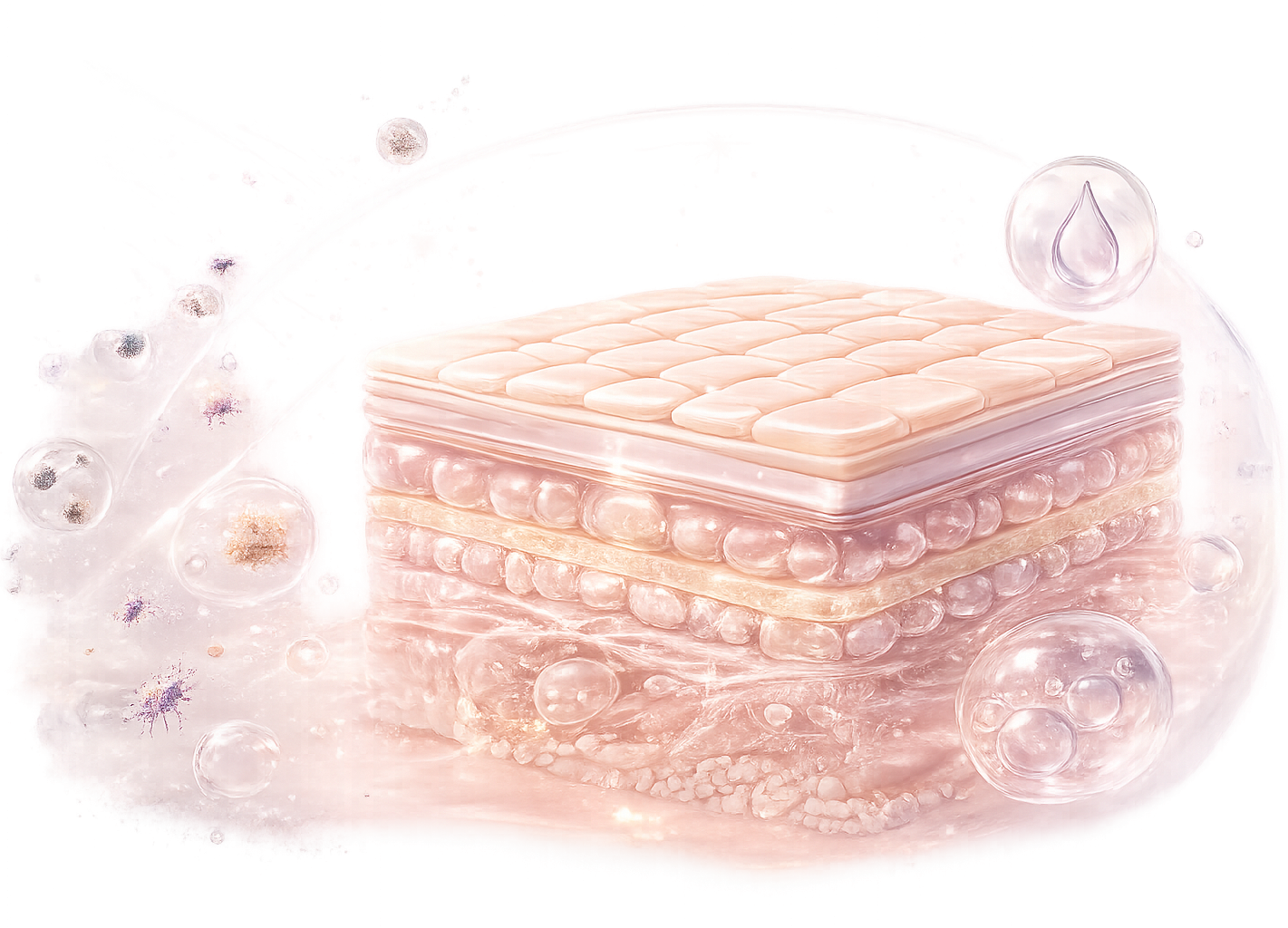
Your skin barrier is the outermost layer of your skin that acts as a protective shield. It locks in moisture while defending your skin against pollution, bacteria, allergens, irritants and everyday environmental stressors.
Think of your skin barrier as your body's invisible shield. It works 24/7 to keep moisture inside while helping defend against everyday environmental aggressors.
When healthy, it keeps skin soft, smooth and resilient. When damaged, moisture escapes more easily and irritants can penetrate the skin.
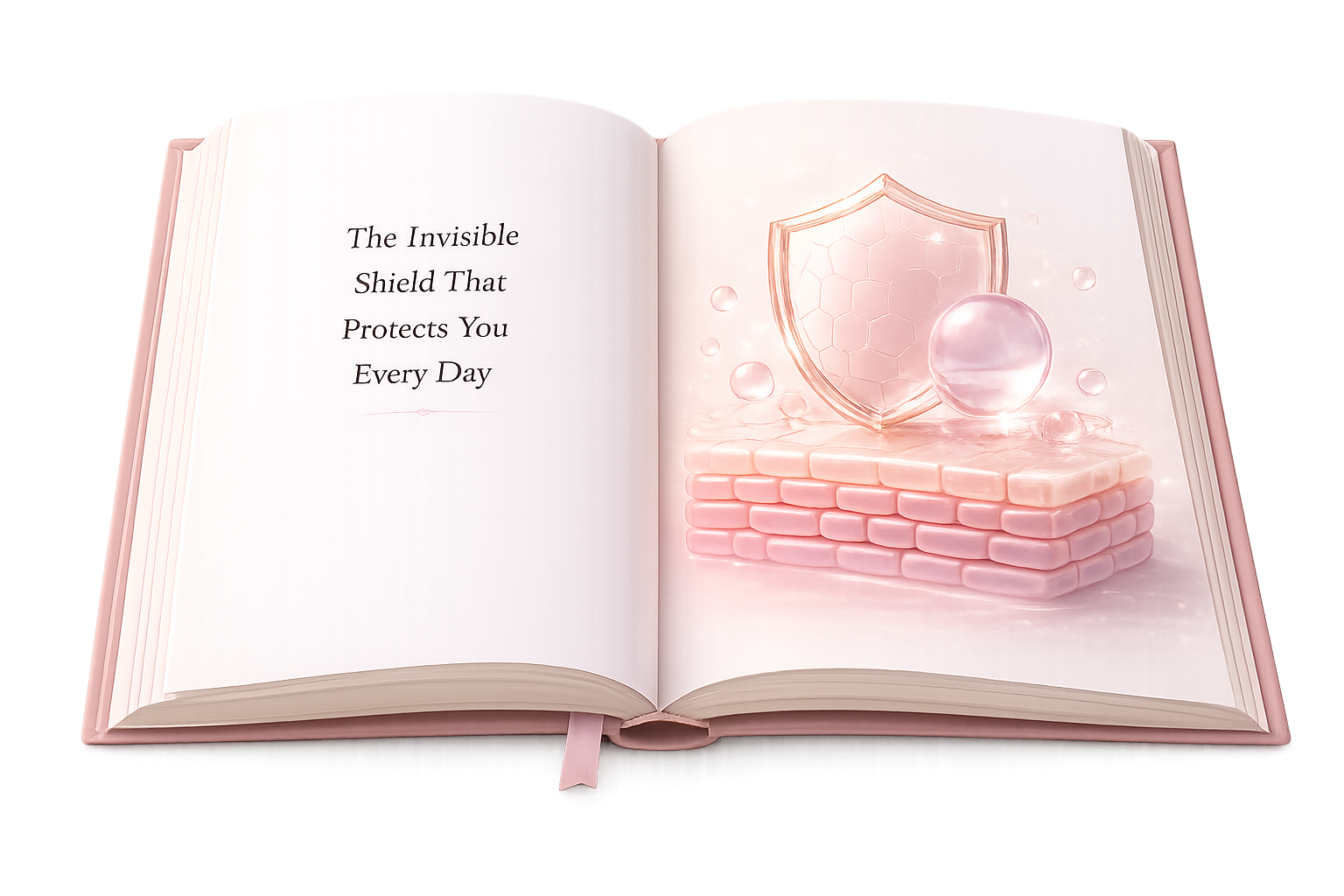
Blocks pollution, bacteria, allergens and irritants.
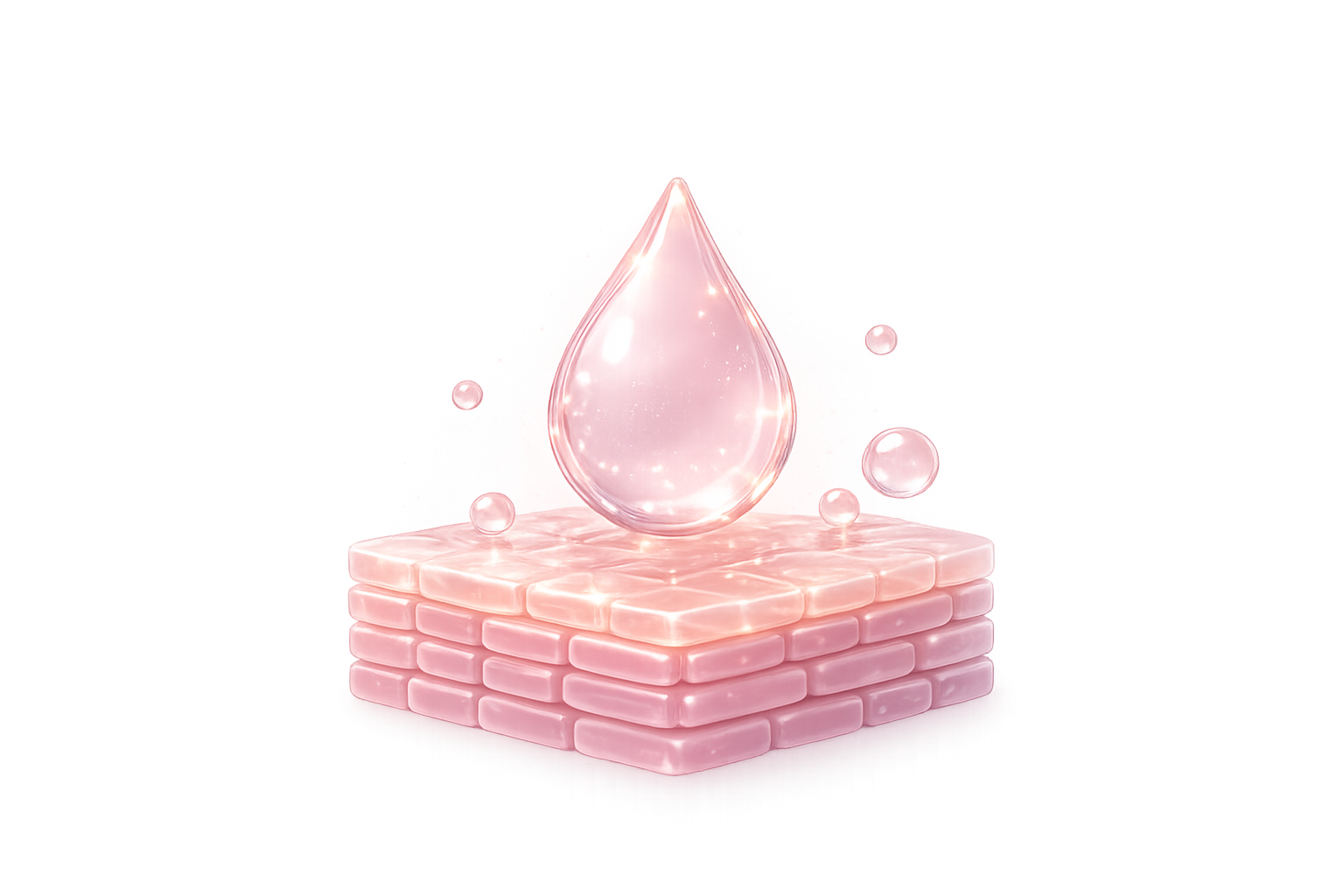
Locks in moisture to keep skin soft and healthy.

Supports stronger, calmer and more resilient skin.
Switch between a healthy and damaged skin barrier to understand how the protective layer changes.
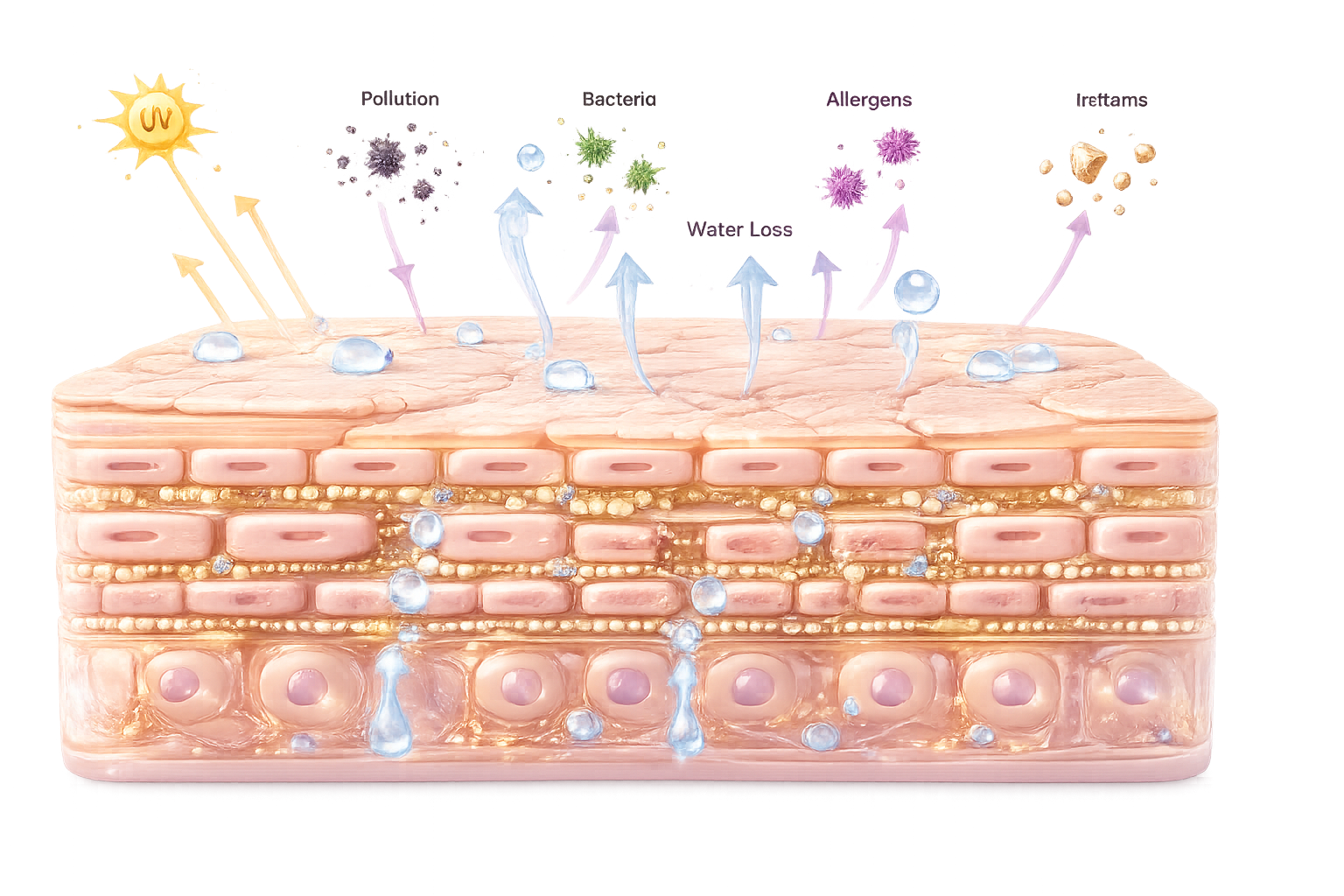
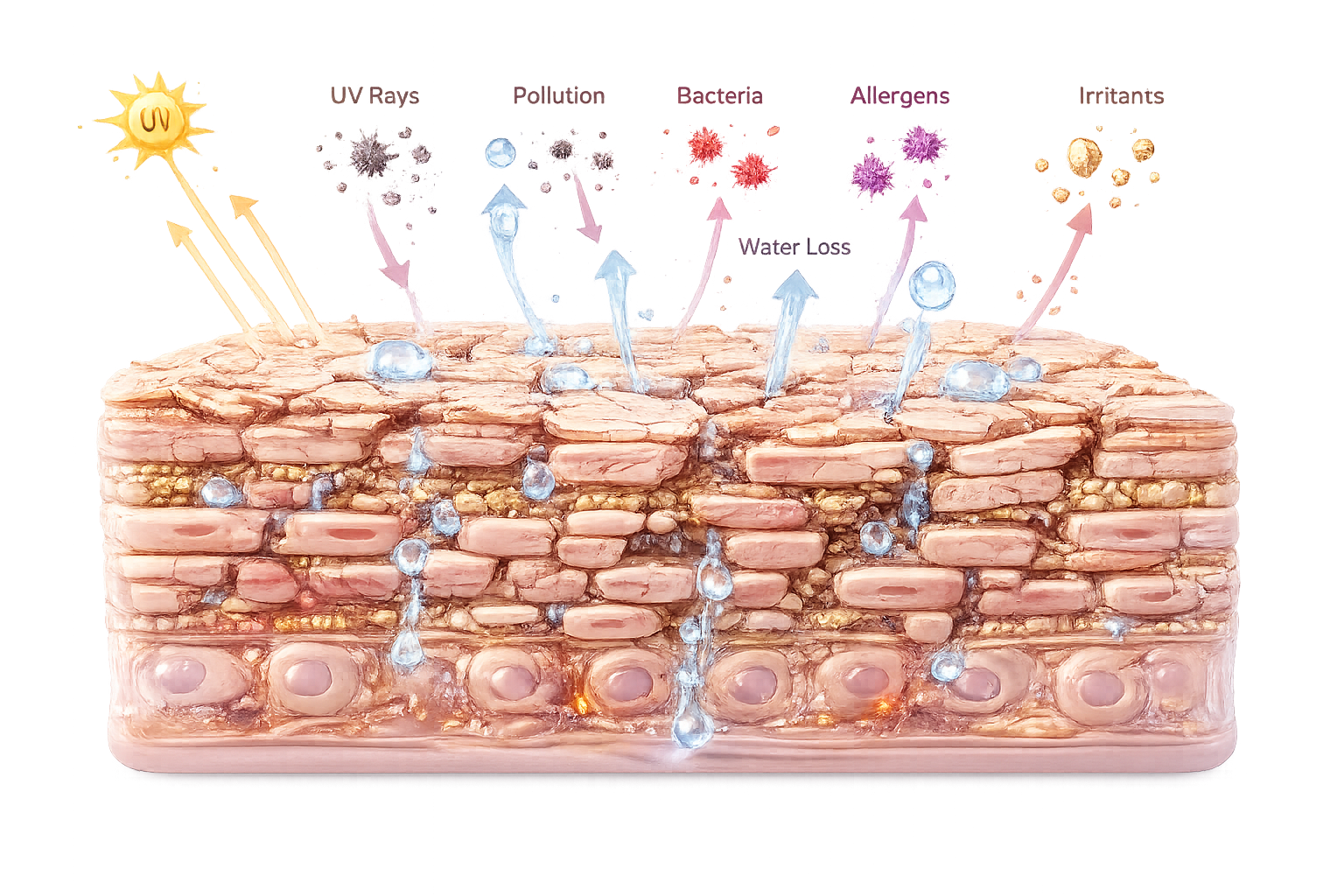
Switch between the healthy and damaged barrier to see how moisture retention and protection change.
Discover how millions of tiny skin cells, natural lipids, and protective proteins work together every second to keep your skin healthy, hydrated and resilient.
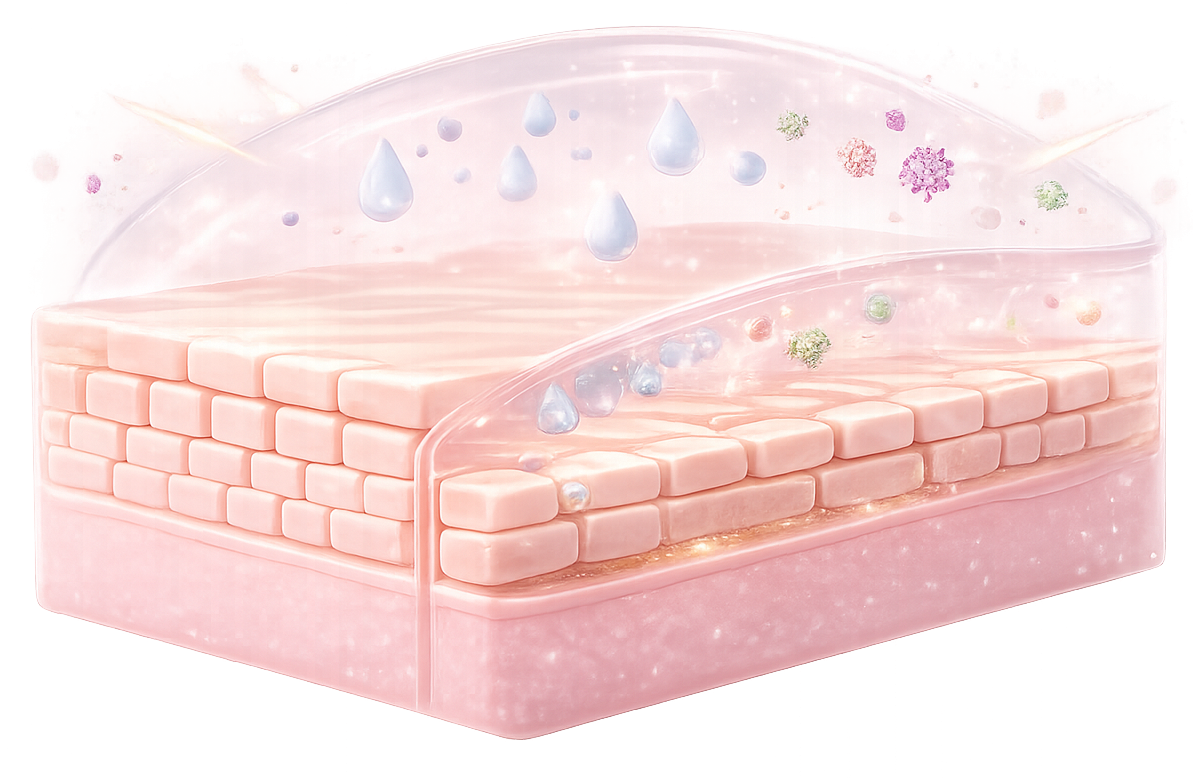
Skin cells act as the building blocks of your barrier.
Ceramides, cholesterol and fatty acids fill the spaces between cells.
Keeps moisture in while blocking irritants and pollutants.
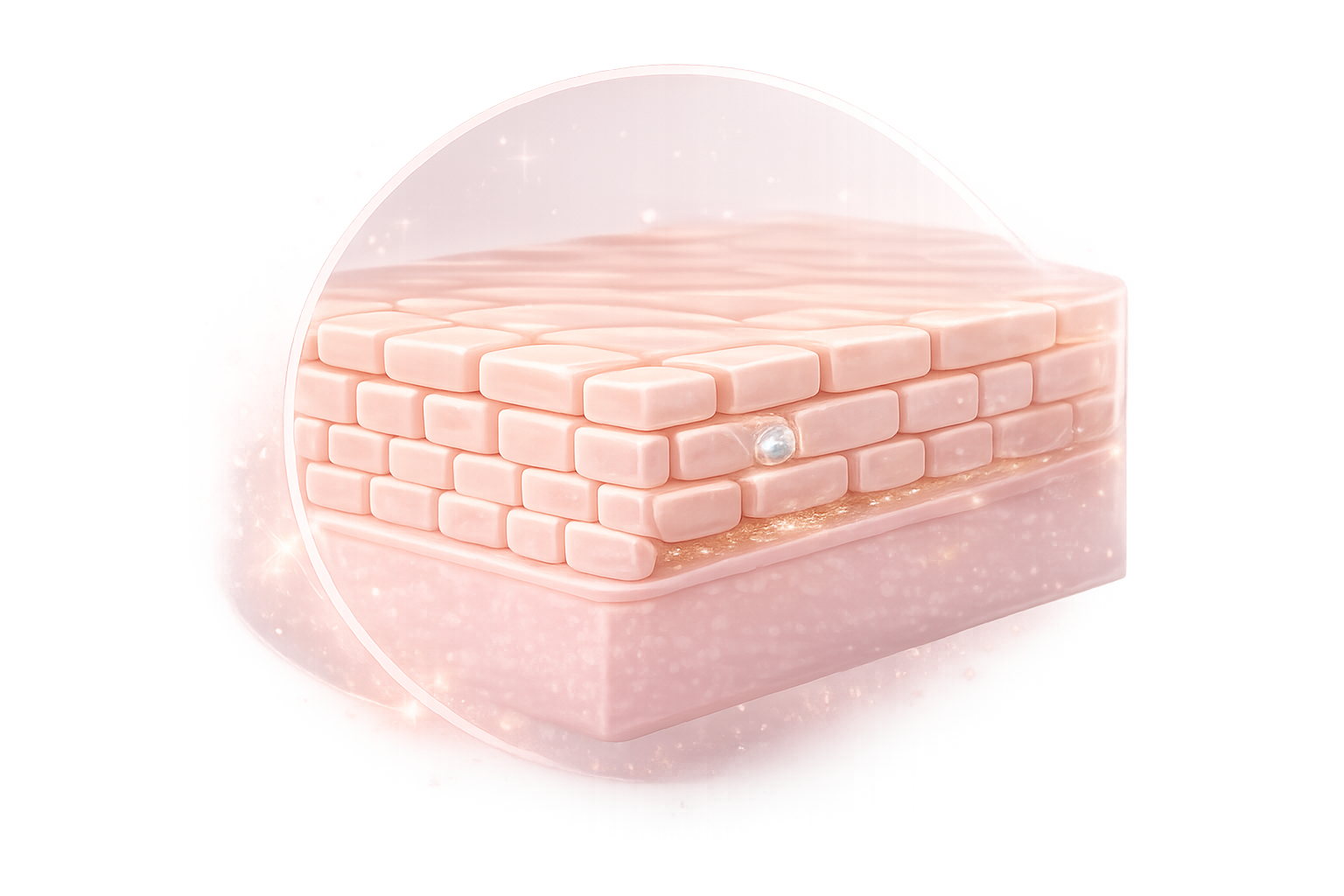
Your skin barrier is built from tightly packed skin cells that form a physical wall.
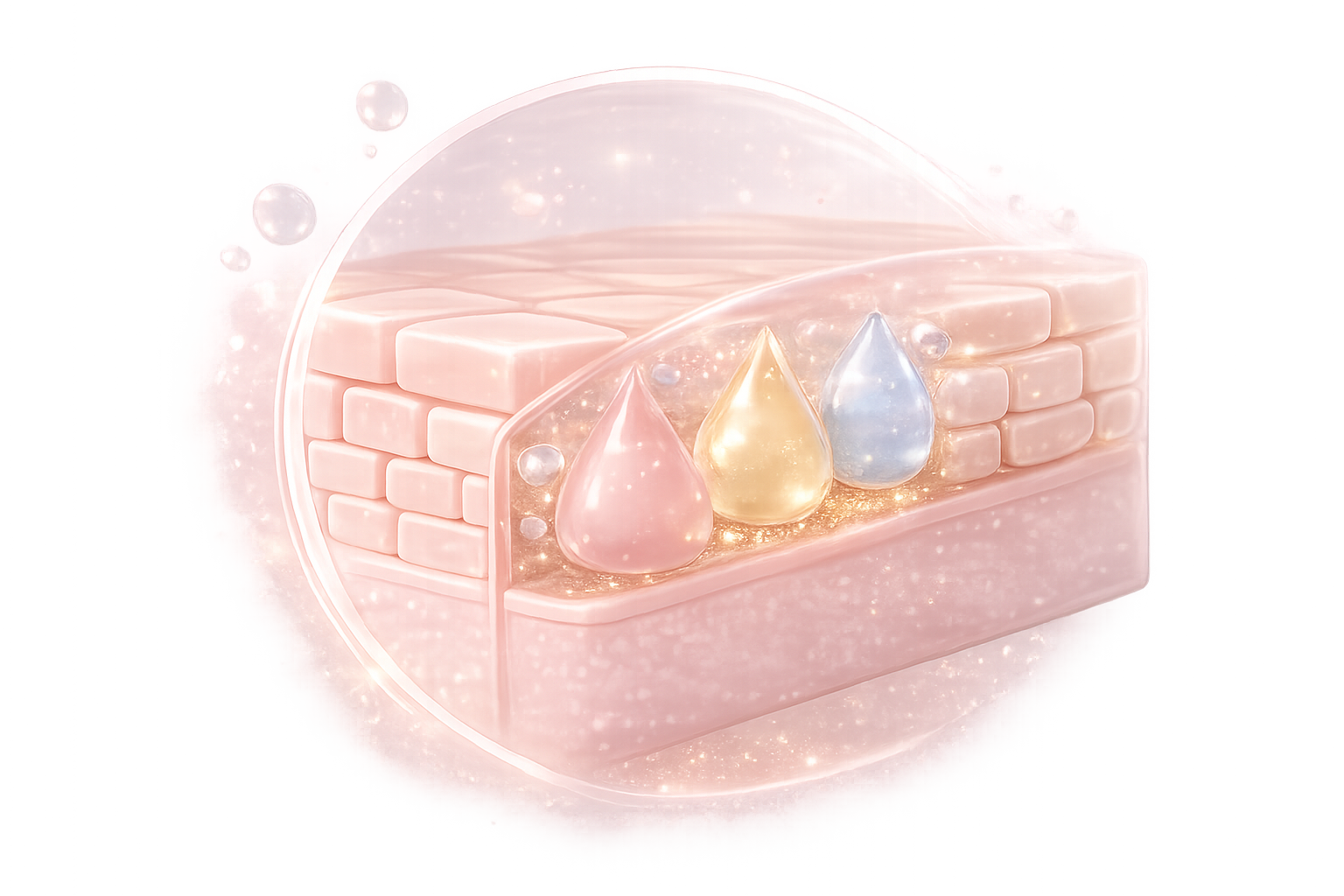
The natural oils( Ceramides, cholesterol and fatty acids )that fill the gaps between skin cells.
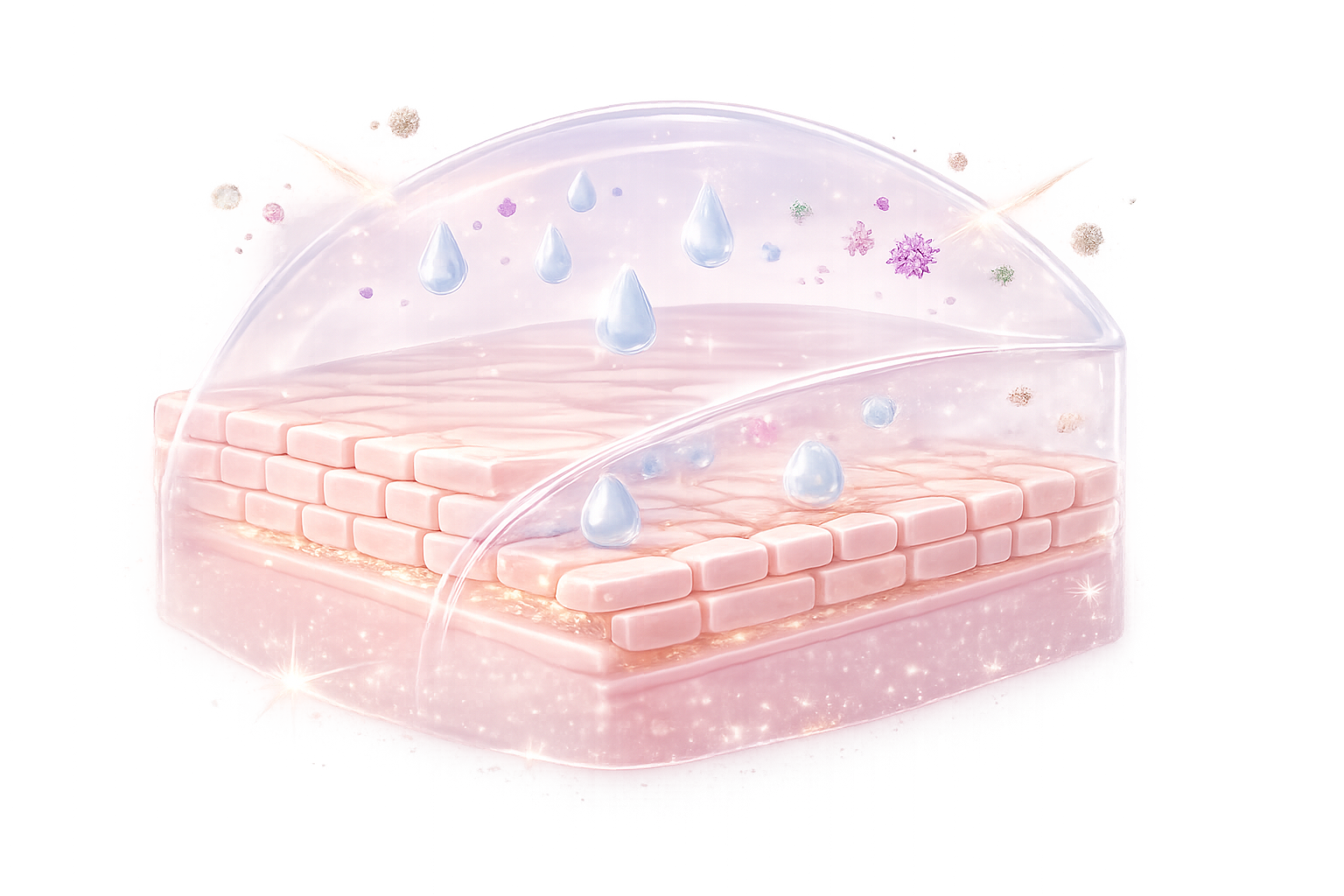
Together they create an invisible barrier that keeps your skin hydrated and protected.
A healthy skin barrier does much more than protect your skin. It keeps moisture balanced while defending against harmful environmental stressors.

Shields your skin from bacteria, pollutants, allergens and harmful irritants.
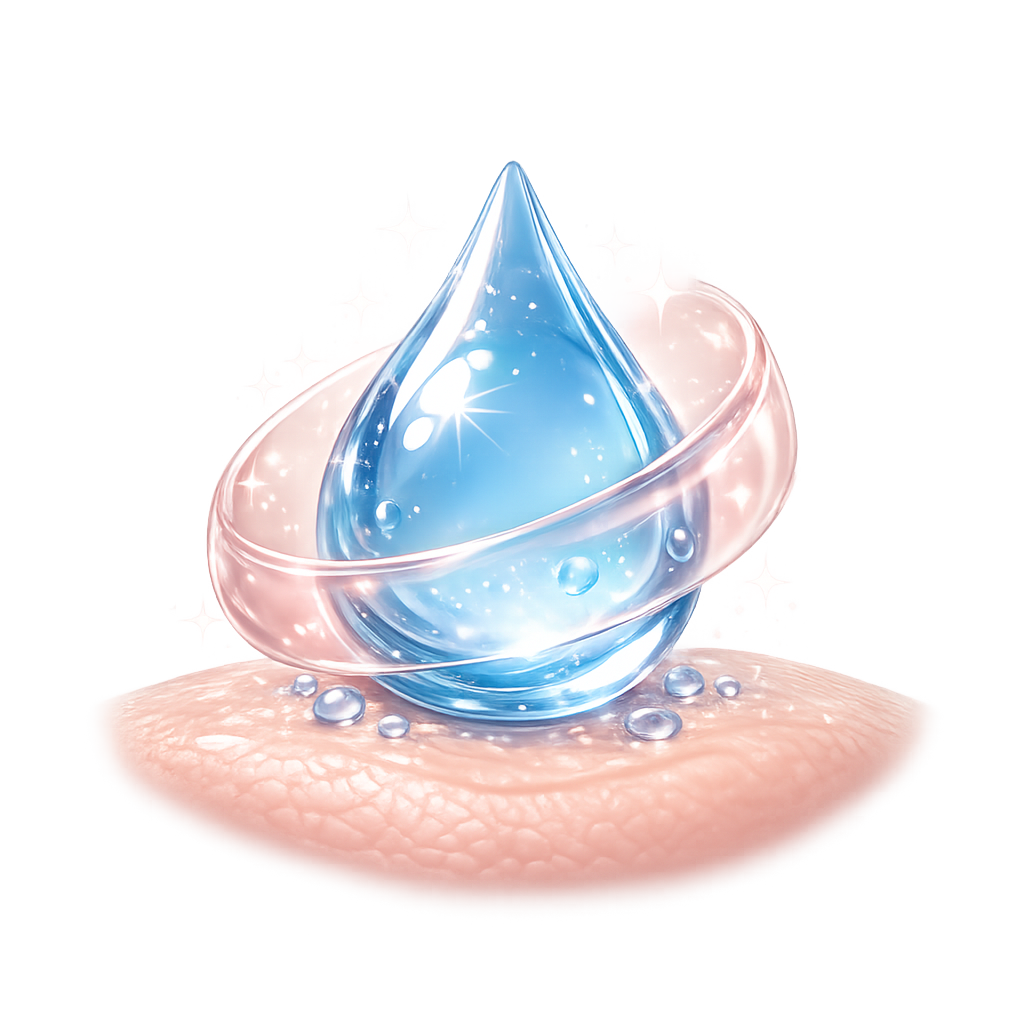
Locks moisture inside the skin to keep it hydrated and comfortable.
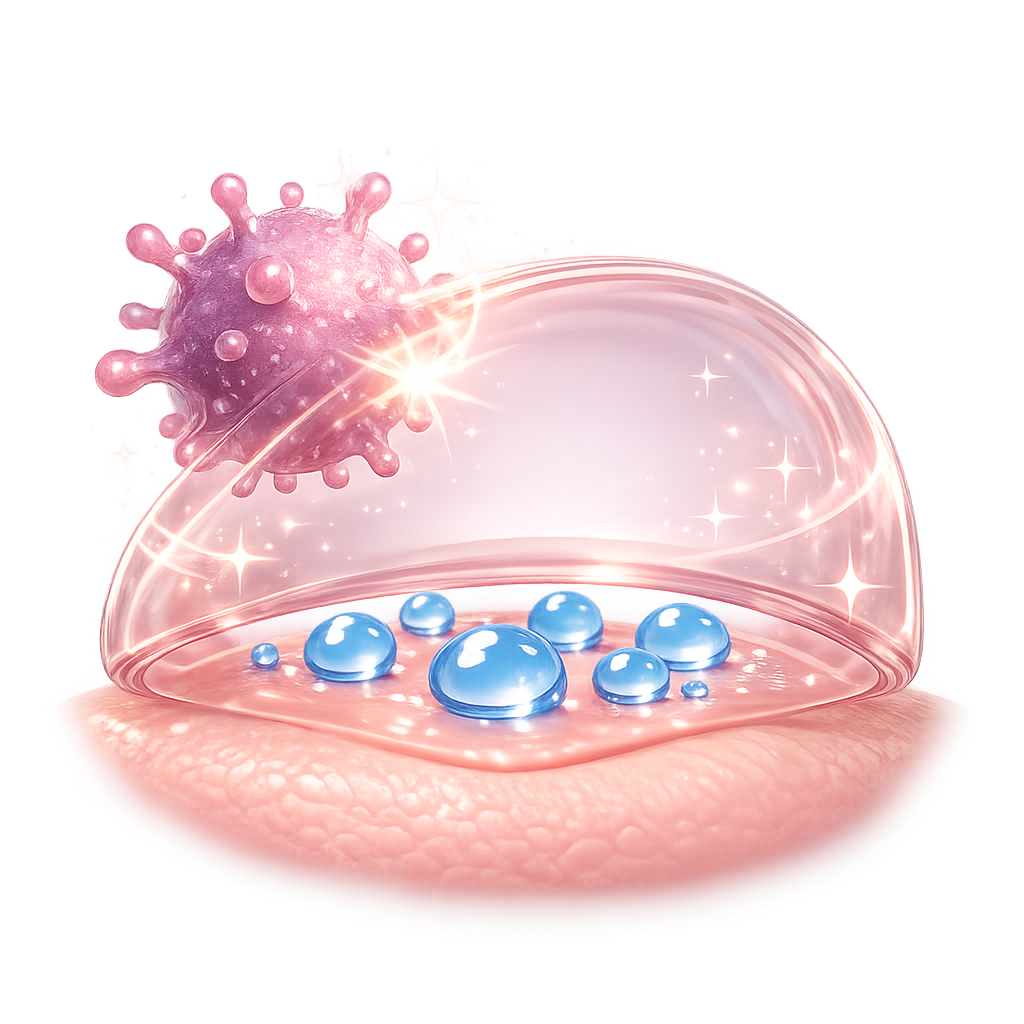
Helps prevent bacteria, fungi and viruses from entering the skin.
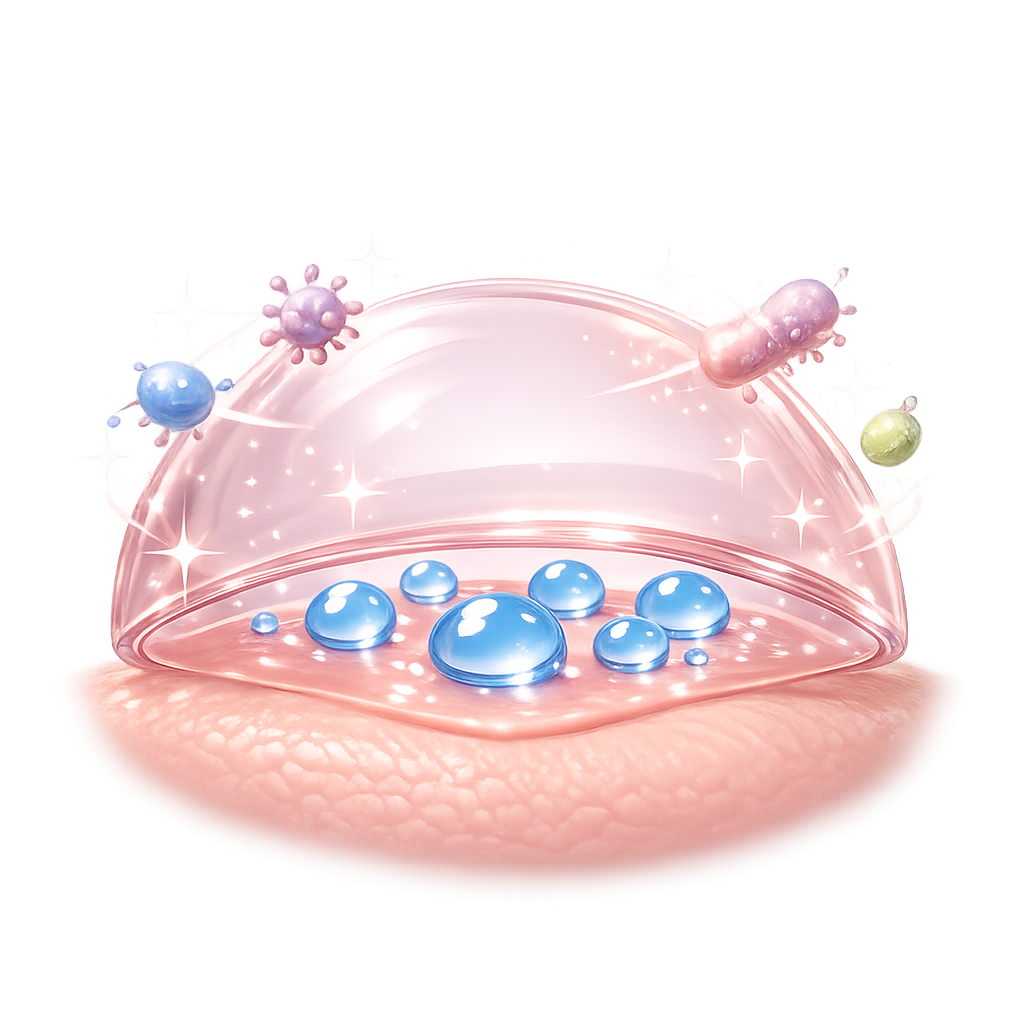
Provides a healthy environment for beneficial skin bacteria that helps keep your skin balanced.

Essential for skin repair, recovery and maintaining overall skin health.
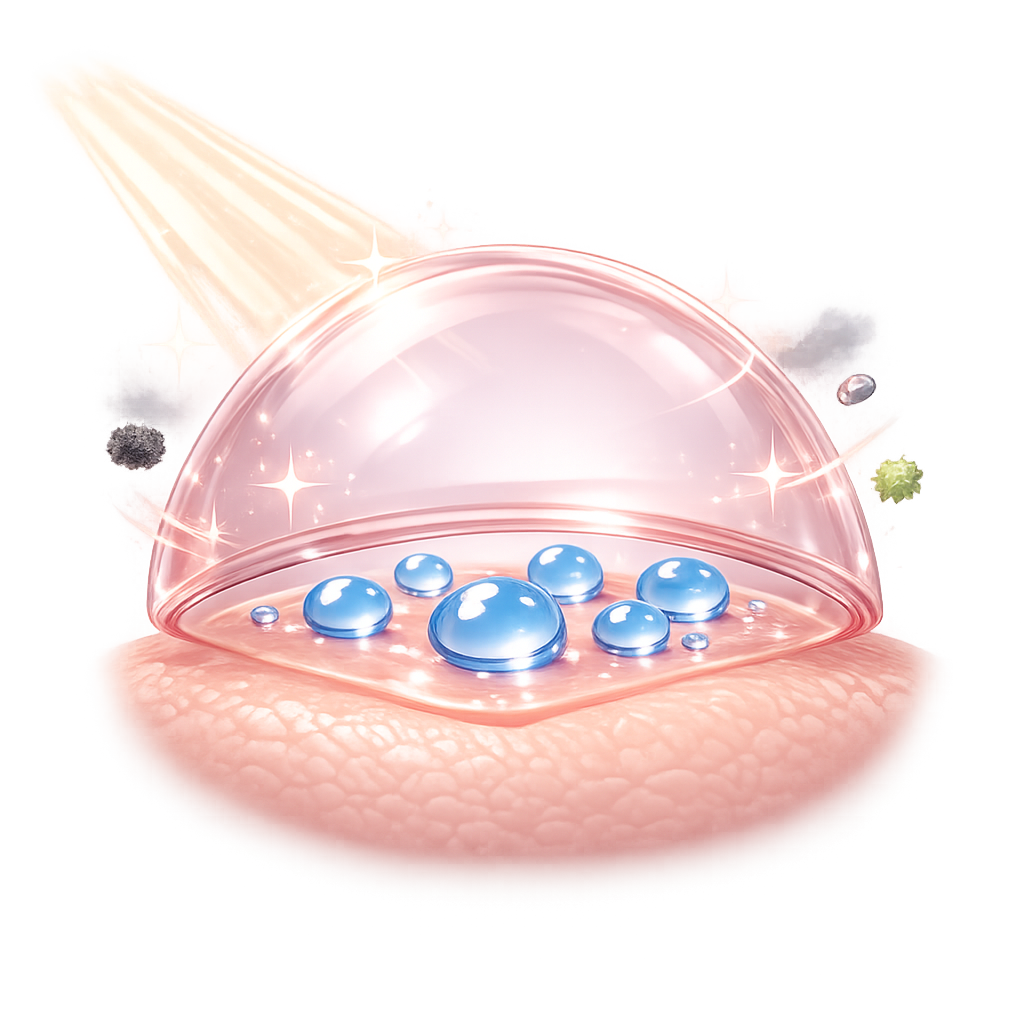
Defends against UV rays, pollution and harsh environmental stressors.
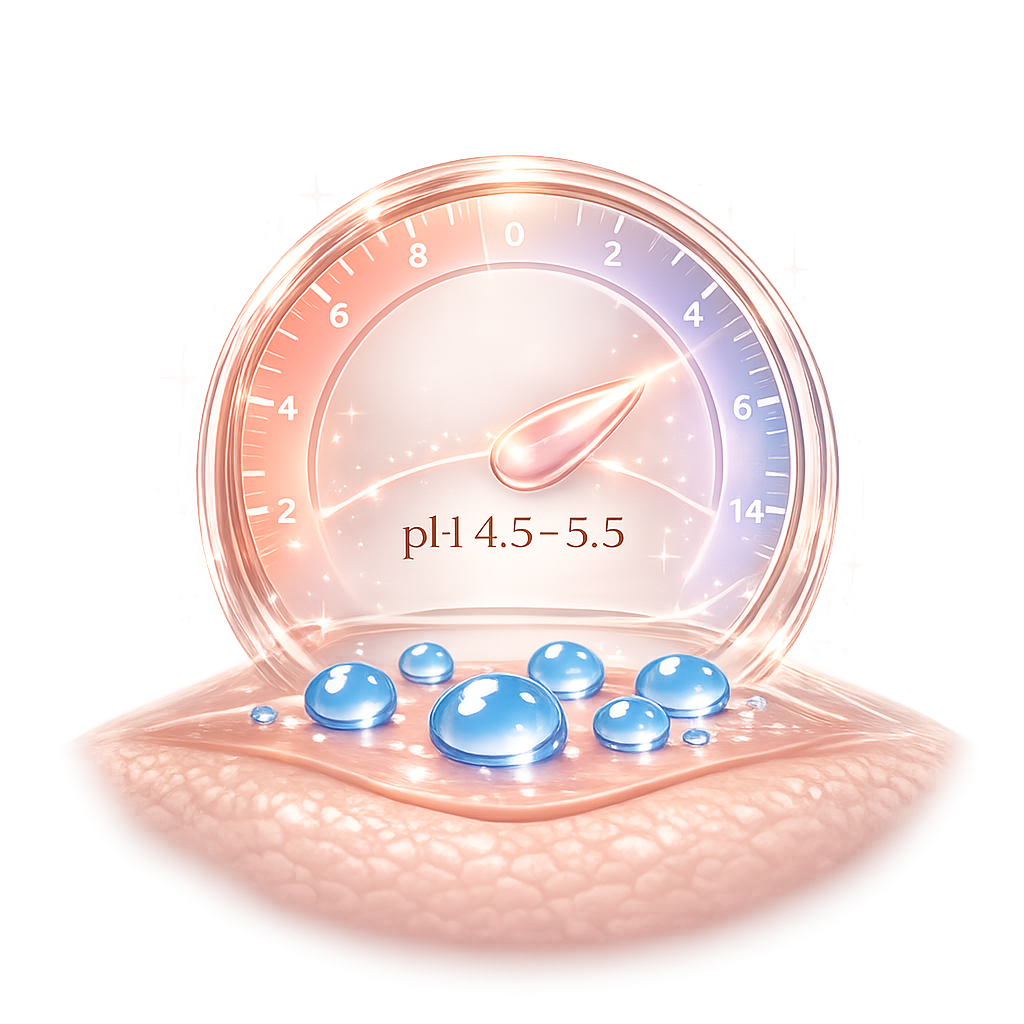
Helps keep your skin's natural PH balanced so it can function properly and stay protected.
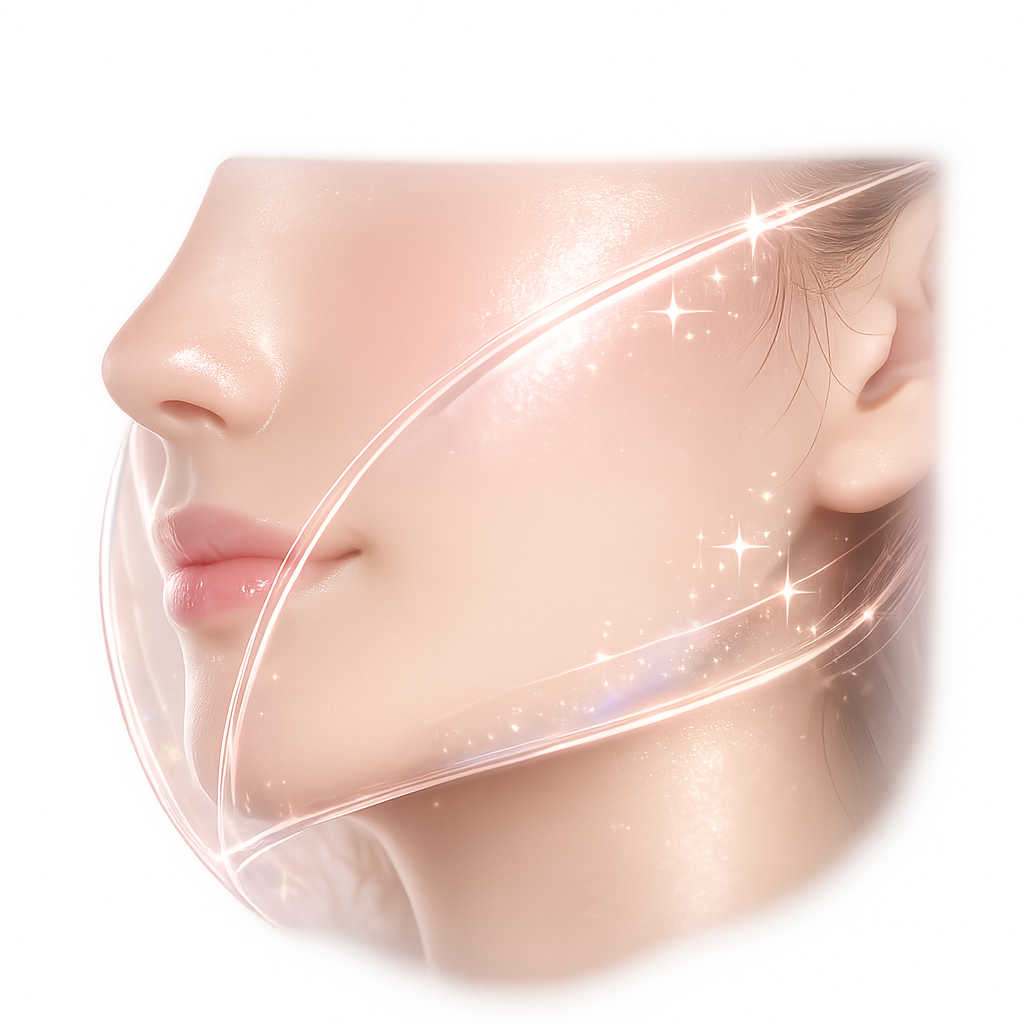
Helps keep skin calm, comfortable and less prone to dryness and irritation.
Your skin often gives early warning signs before the damage becomes severe. Learning to recognize them early can help you restore your barrier sooner.
Products that once felt gentle suddenly sting or burn.
Your skin appears irritated or flushed more often than usual.
Your face feels tight, especially after cleansing.
Rough patches, peeling skin, or constant dryness appear.
Your skin reacts easily to products, weather, or touch.
Your skin loses its healthy glow and looks tired.
Mild itching or discomfort without another obvious cause.
Redness, irritation, or blemishes take longer to improve.
A weakened barrier can make acne and irritation more noticeable.
See how a healthy skin barrier differs from a damaged one and understand why barrier health is essential for glowing, resilient skin.

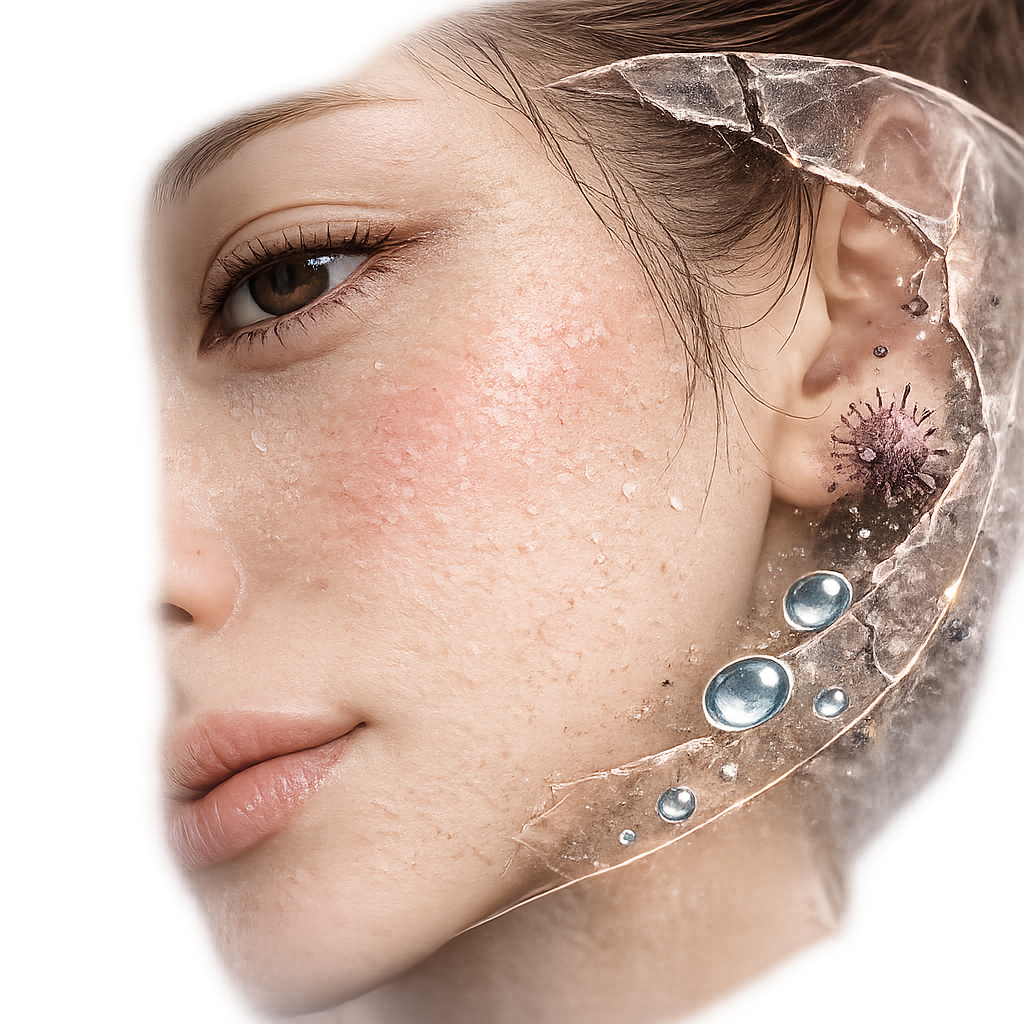
Many everyday habits and environmental factors can weaken your skin barrier. Identifying these causes is the first step toward keeping your skin healthy and resilient.
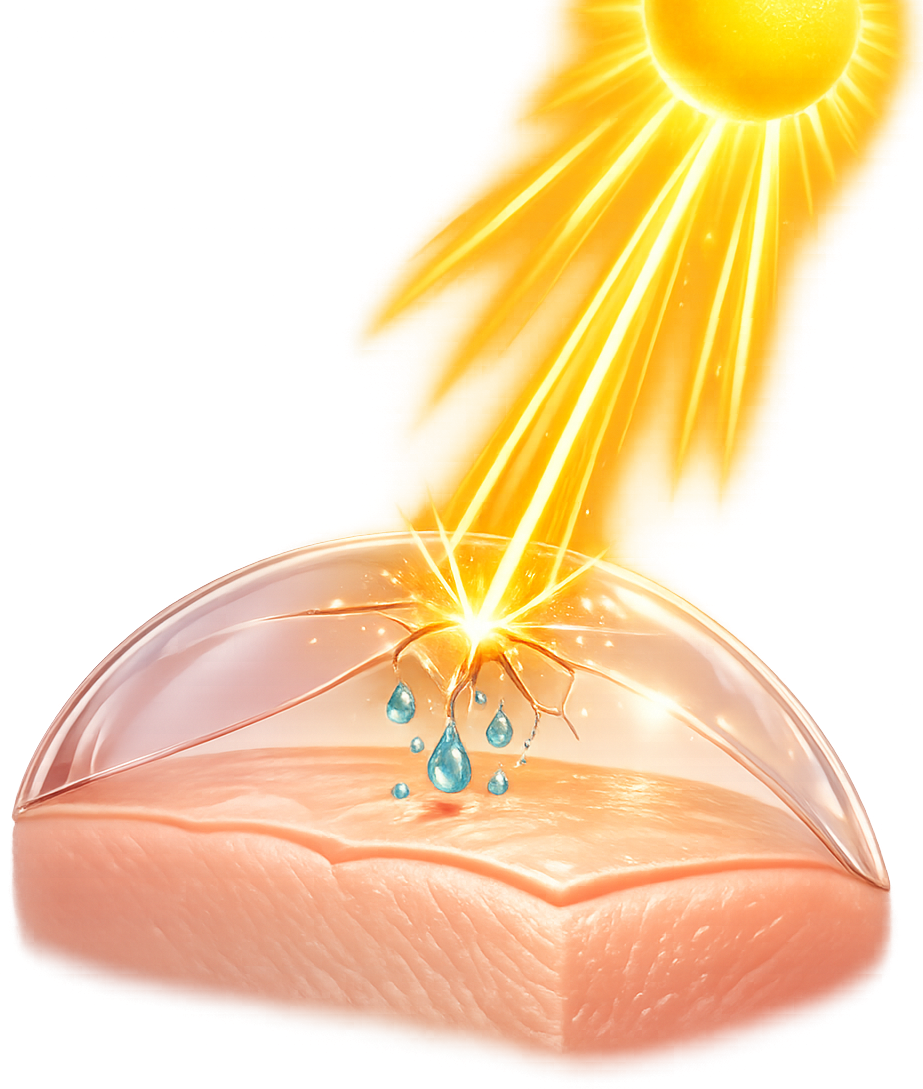
Excessive sun exposure damages skin cells and weakens the protective barrier over time.
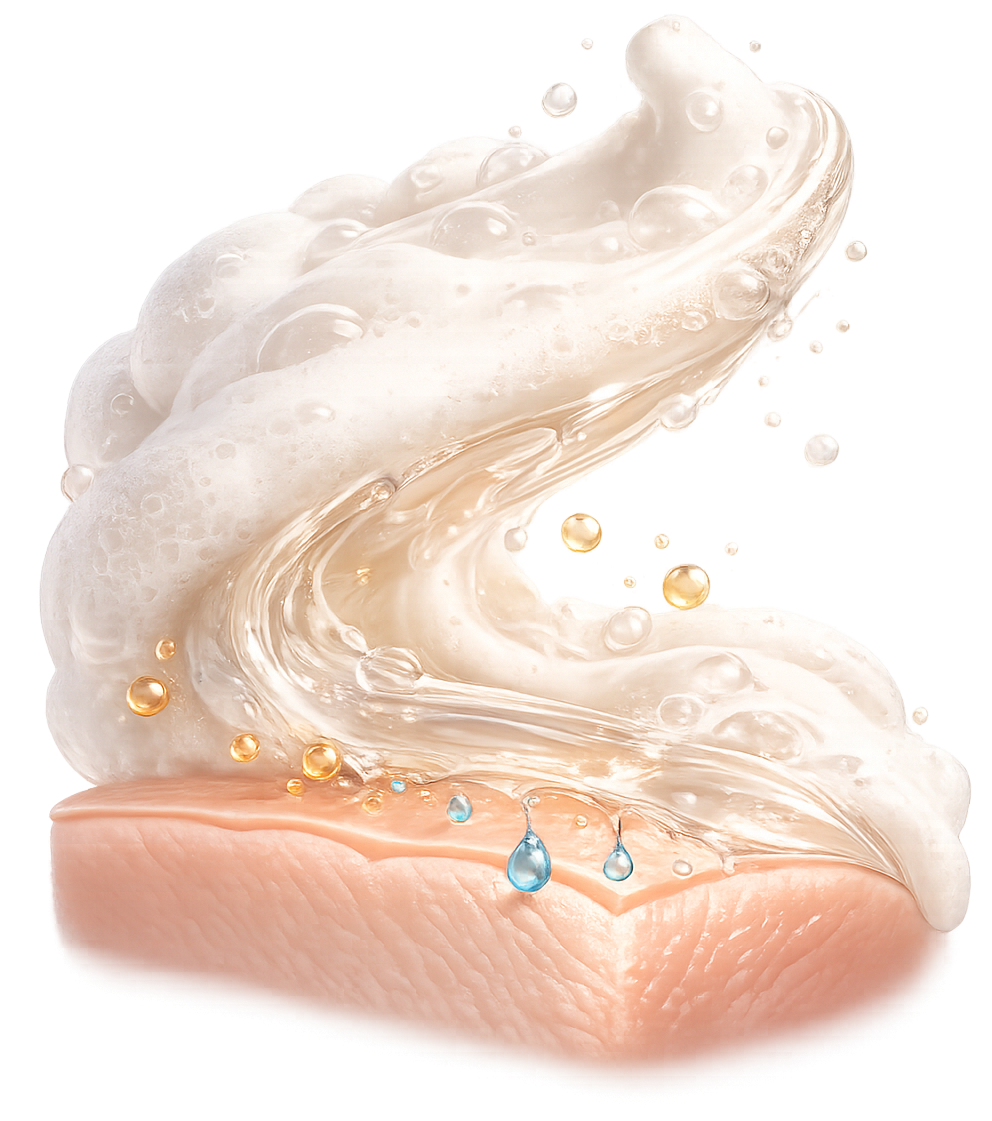
Washing too often or using harsh cleansers strips away essential lipids and natural oils.
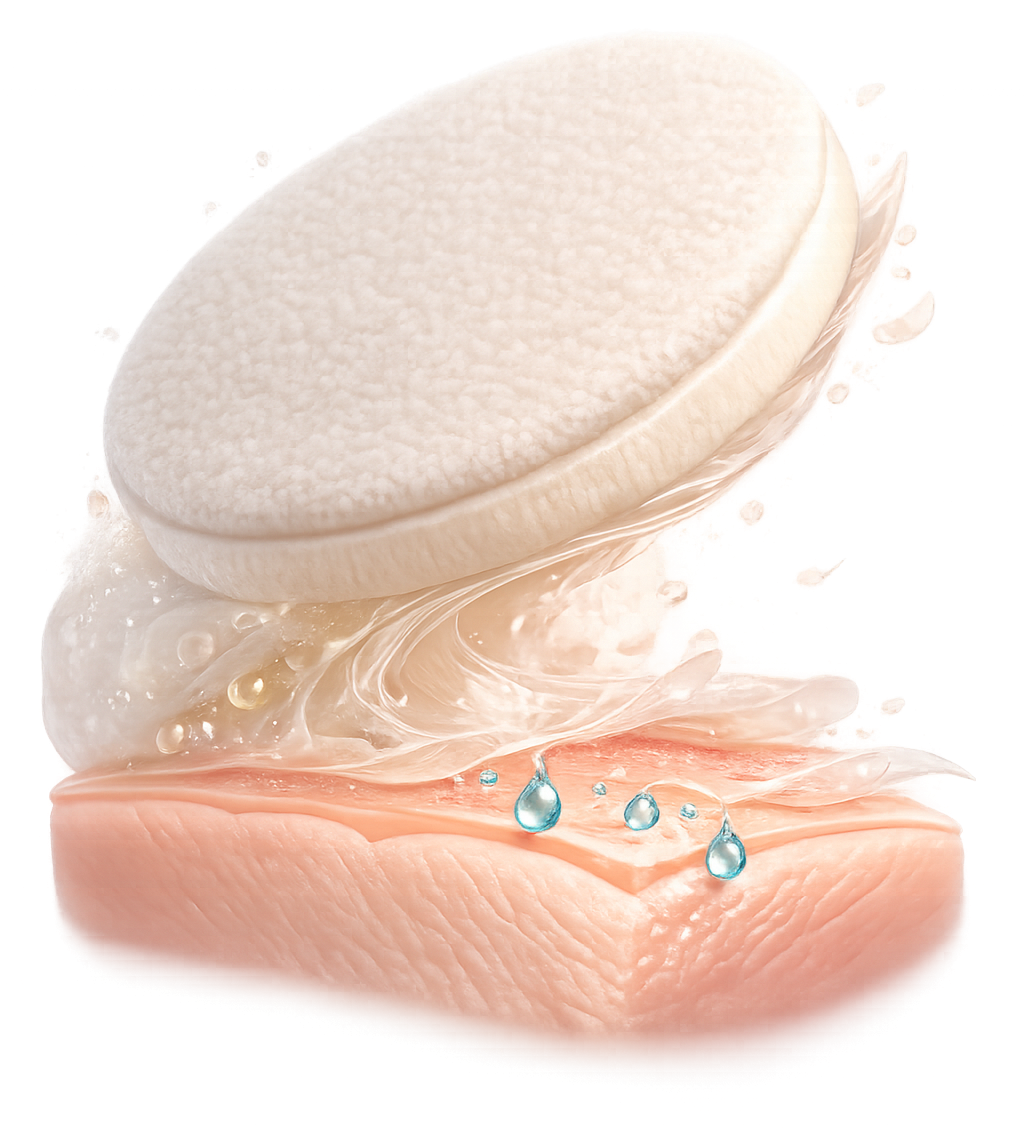
Excessive chemical or physical exfoliation disrupts the skin's natural protective layer.
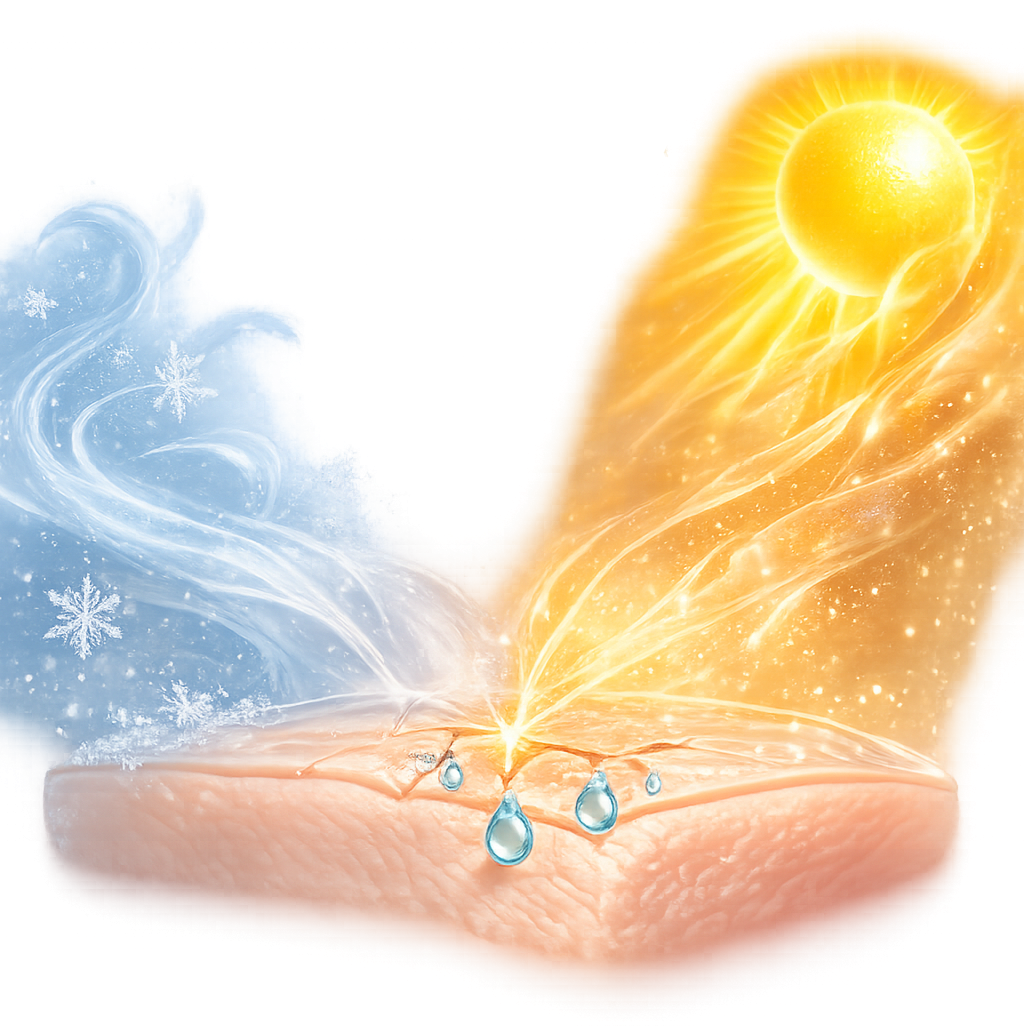
Cold winds, dry air and excessive heat can reduce moisture and weaken the barrier.
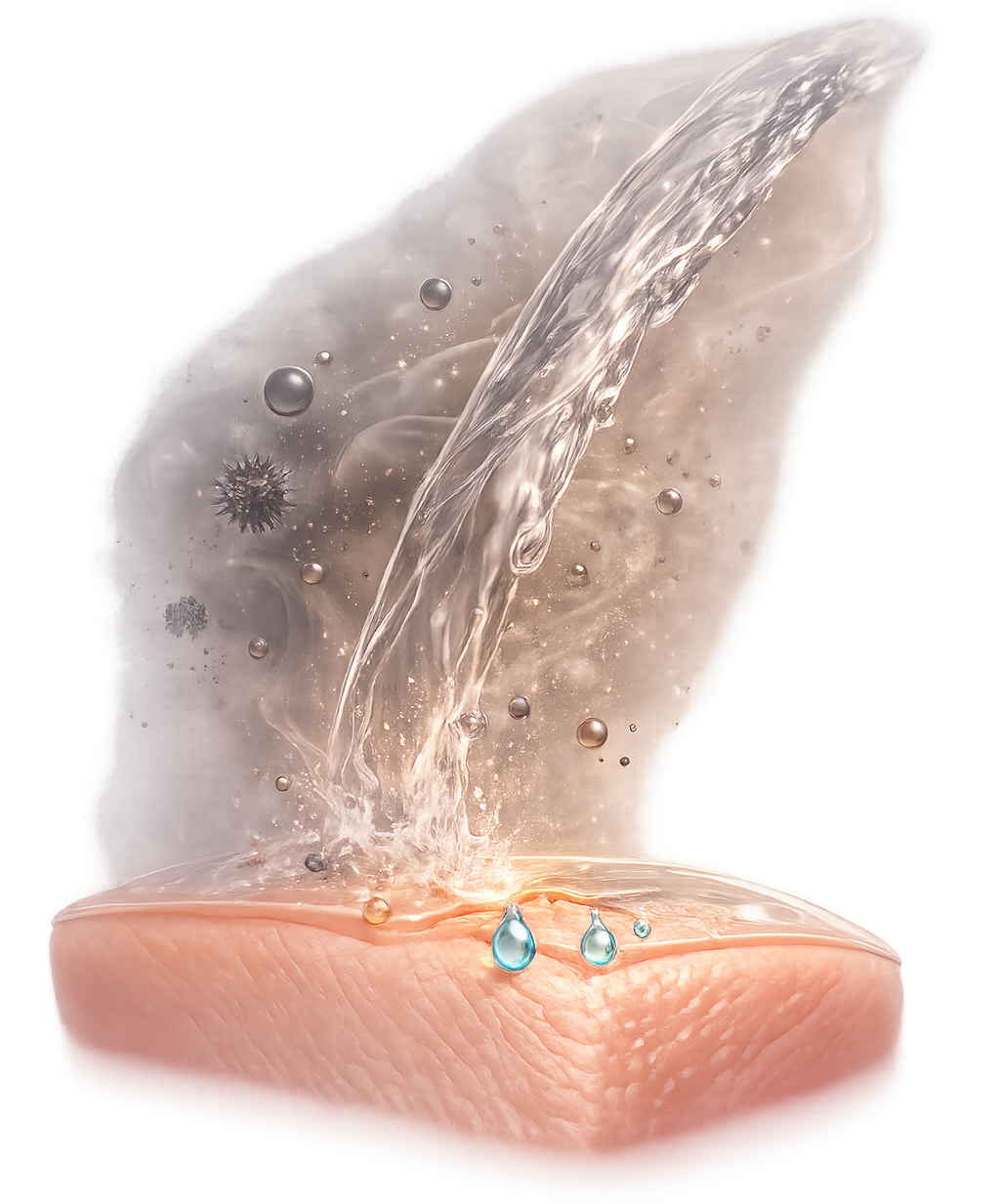
Dust, smoke, and pollution create stress on the skin barrier.
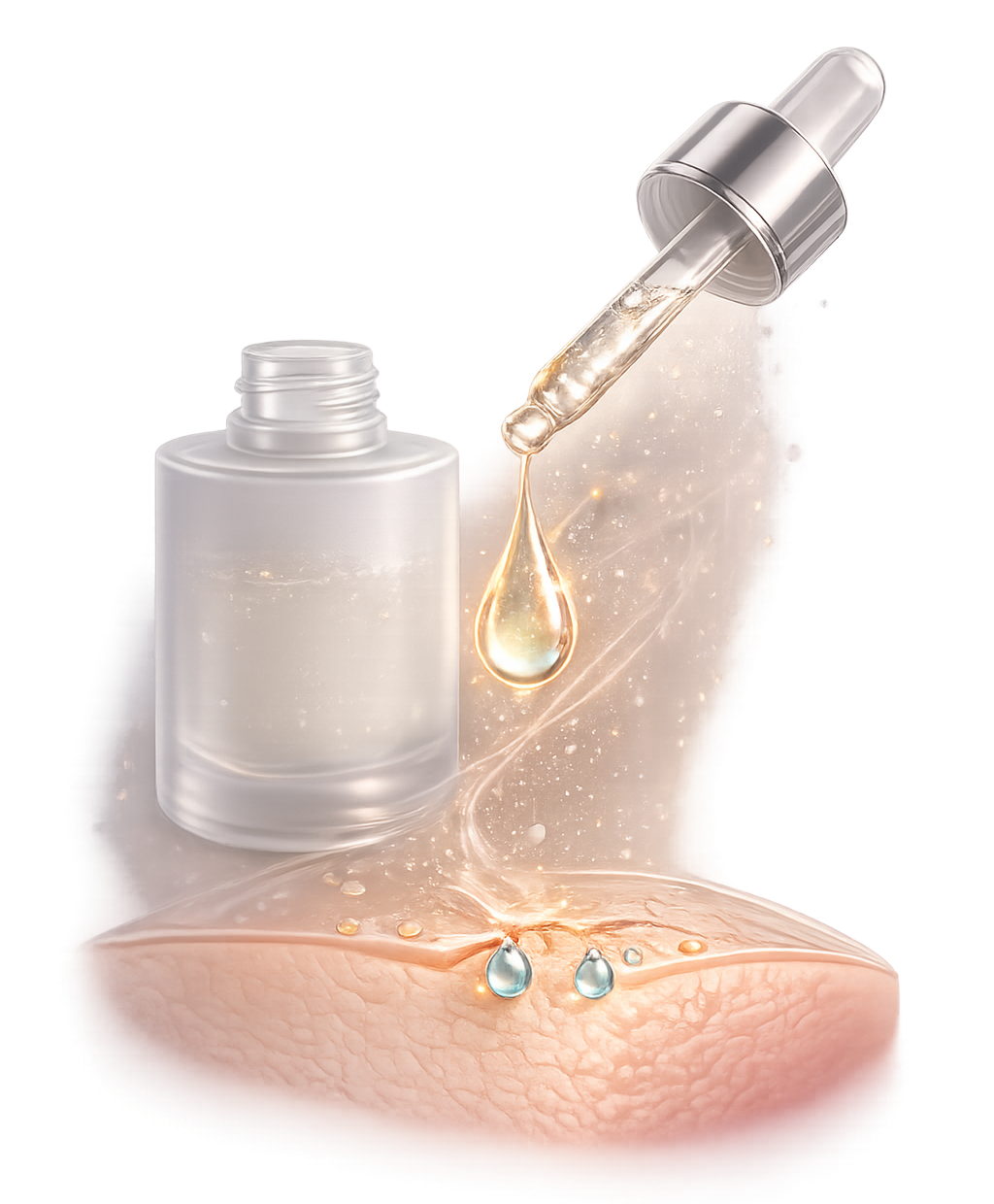
High concentrations of alcohol, fragrances and strong actives may irritate sensitive skin.

Lack of sleep, stress and poor nutrition can slow skin repair and weaken its natural defense.
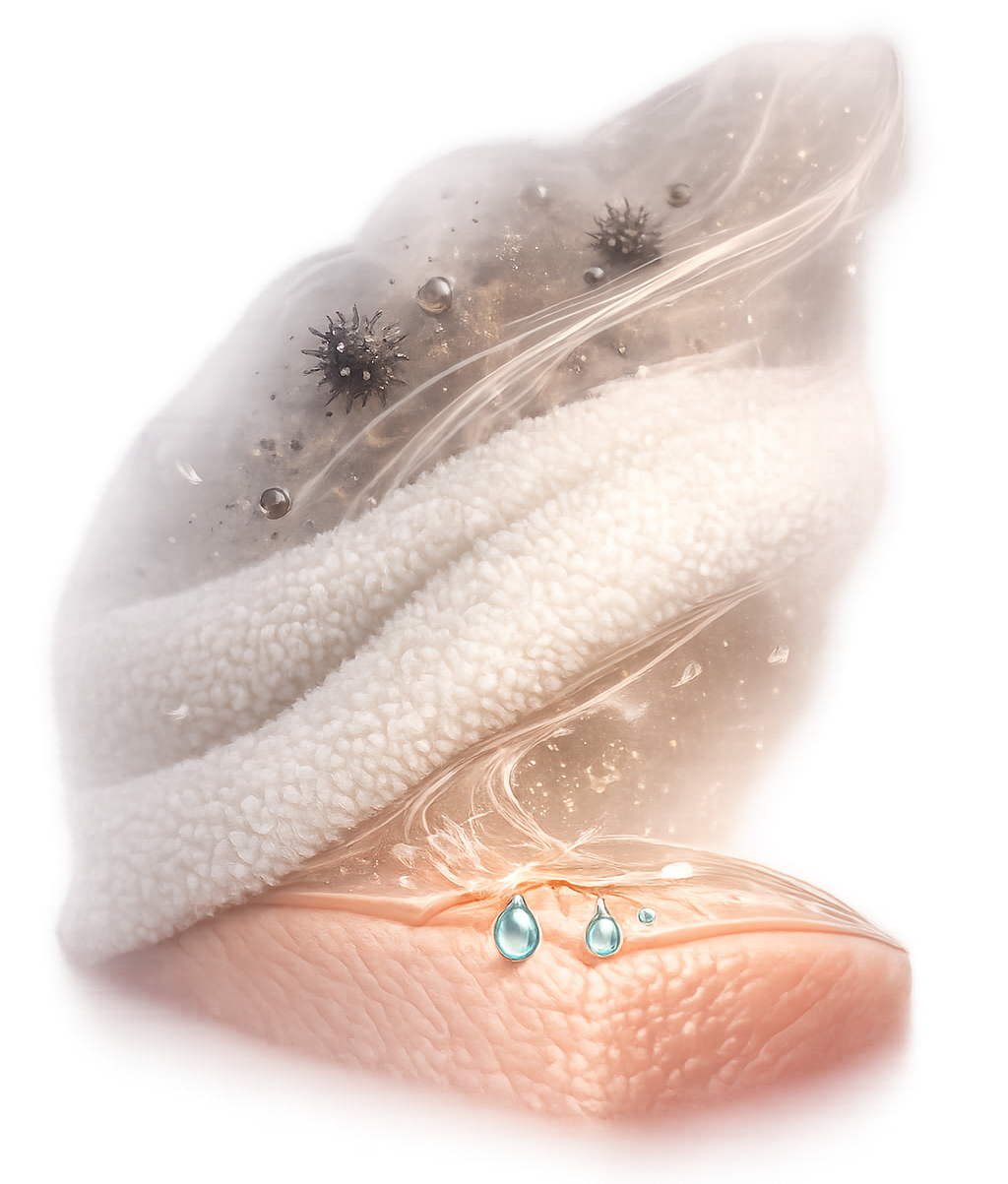
Rubbing your face too much, masks, towels, or rough fabrics can wear skin down.
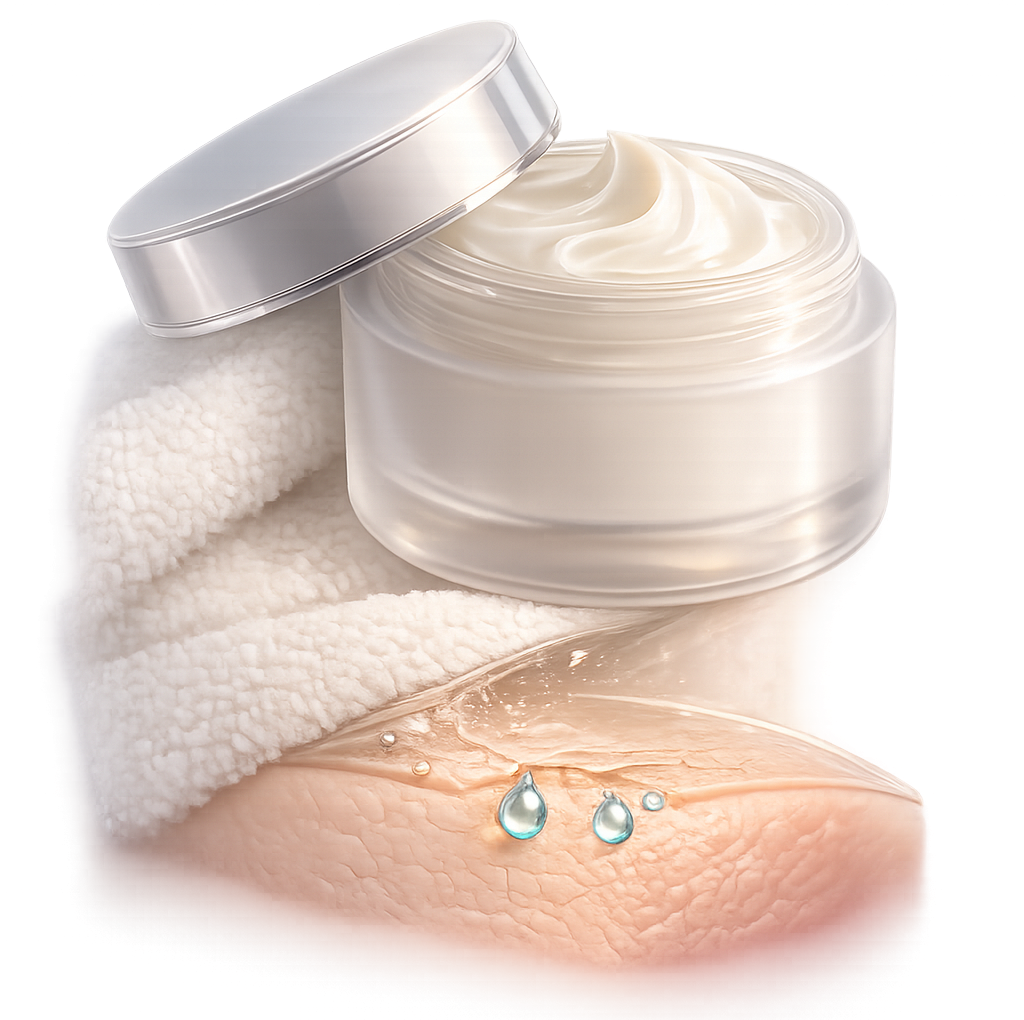
Skipping moisturizer allows moisture to escape more easily, leaving the barrier less supported.
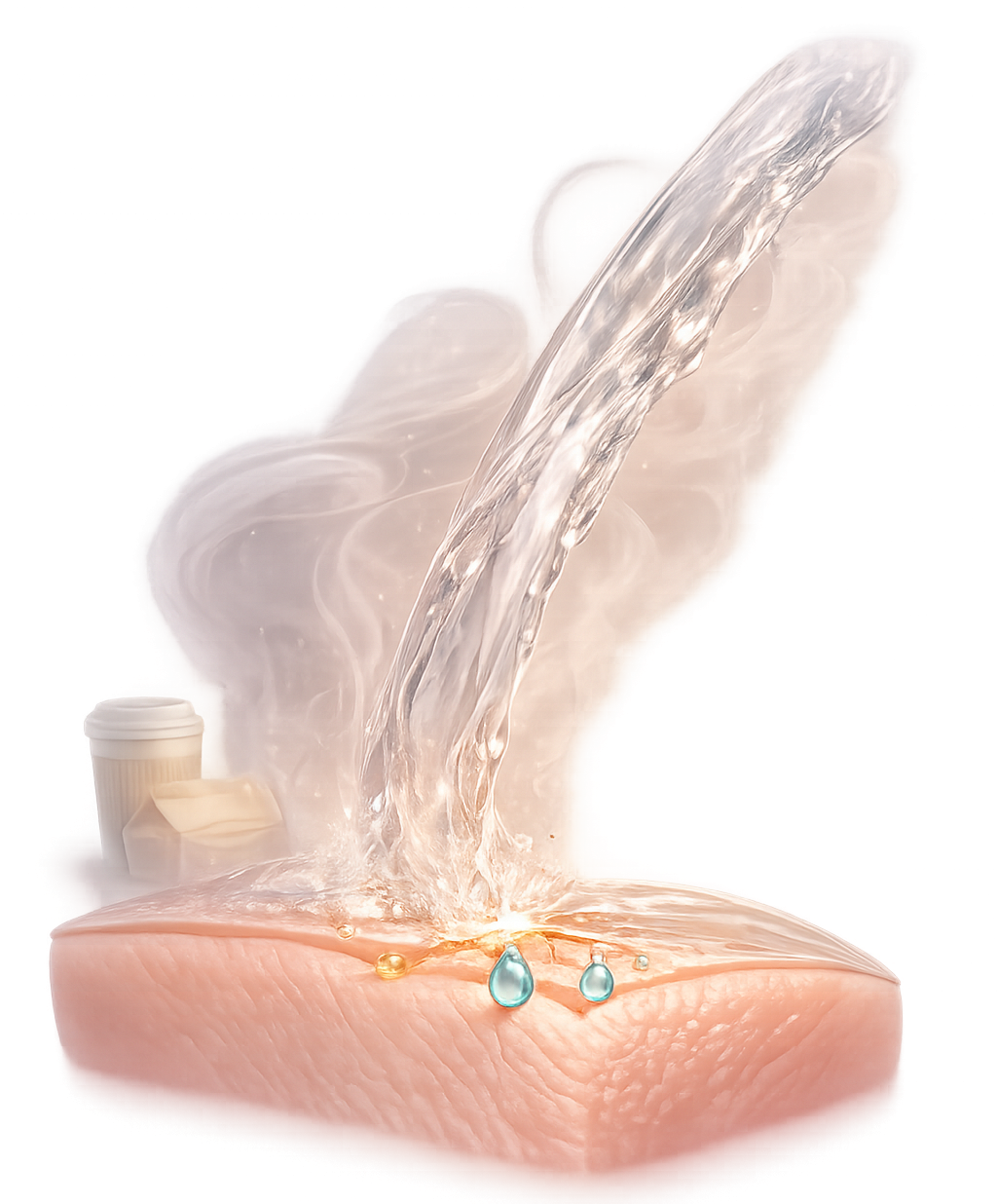
Hot water strips away natural oils, leaving the skin dry and more vulnerable.
Skin barrier recovery depends on the severity of the damage and your skincare routine. Here's a general timeline of what you can expect during the healing process.

Reduce irritation, minimize water loss, and supports the skin barrier with a gentle routine.

The Skin begins retaining moisture more effectively. Tightness and dryness often start to improve.

Barrier lipids continue to recover,
improving resilience, smoothness, and hydration.

With continued care, the skin barrier is largely restored and better able to retain moisture and defend against irritants.
Certain ingredients help replenish moisture, strengthen the skin barrier and improve resilience. They don't work overnight, but consistent use can help maintain healthier skin.
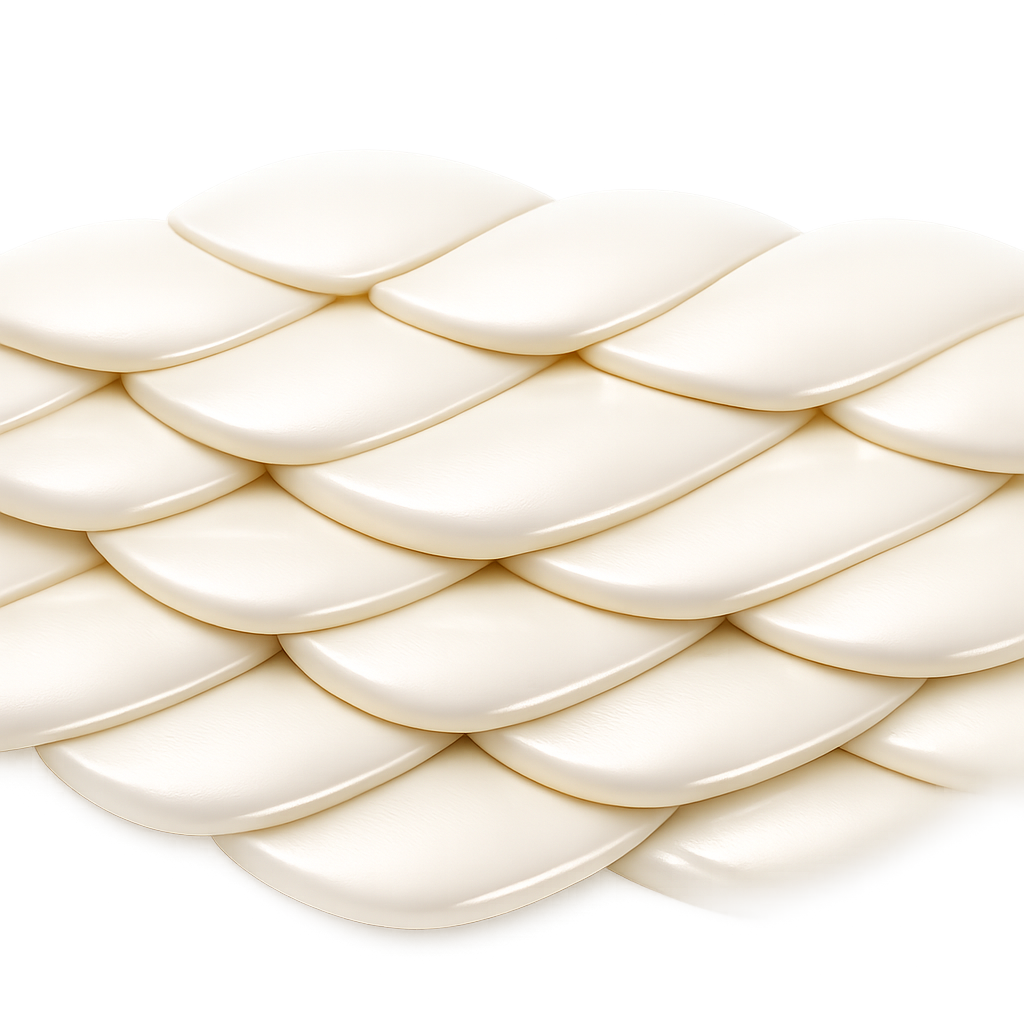
Naturally occurring lipids that help rebuild the skin barrier and reduce moisture loss.

Works together with ceramides and fatty acids to strengthen the skin's protective layer.

Help restore flexibility and reduce transepidermal water loss.
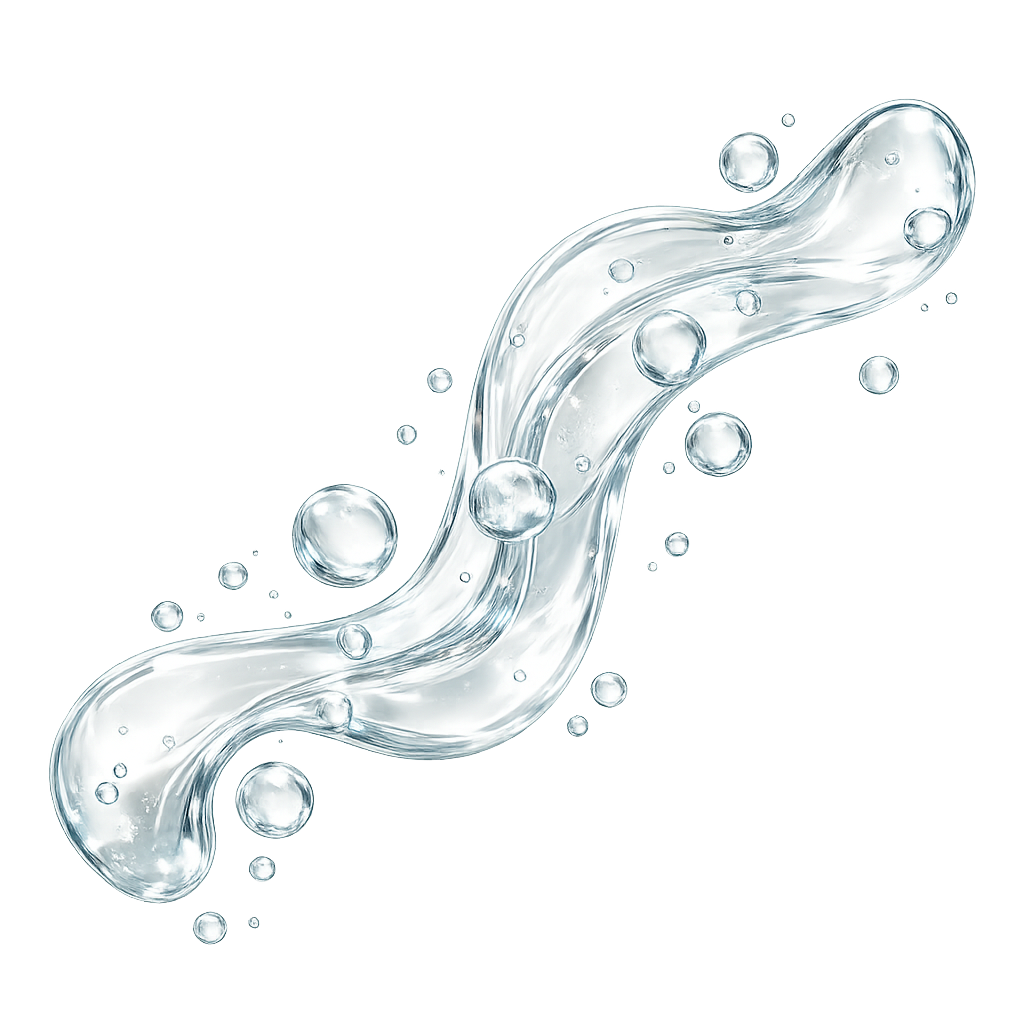
A powerful humectant that attracts water into the outer layer of the skin.
Helps soothe irritation while supporting the skin's natural repair process.
Lightweight and nourishing, it helps prevent moisture loss without feeling greasy.
Helps soothe irritation, calm sensitive skin, and support the skin barrier by reducing moisture loss.
Deeply hydrates the skin while helping strengthen the barrier and reduce visible signs of irritation.
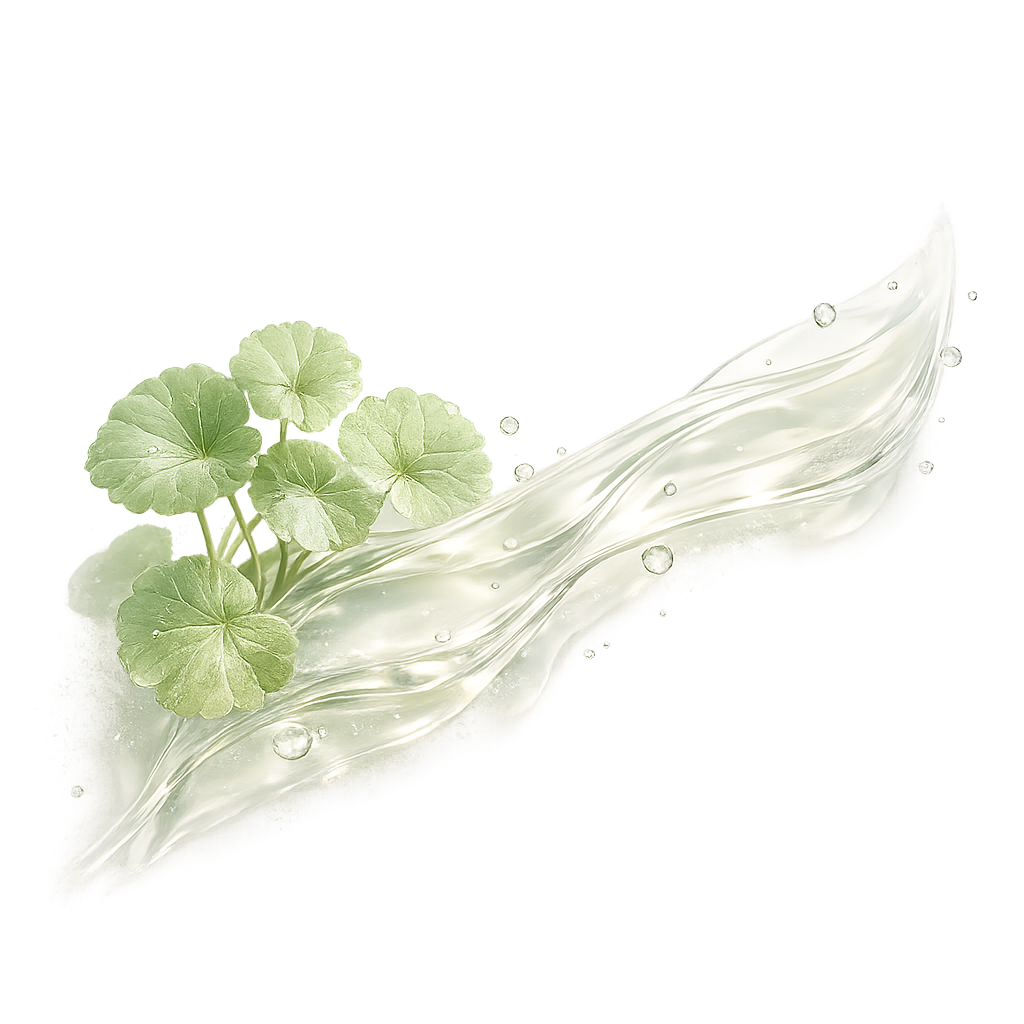
A calming botanical extract that supports skin repair, soothes redness, and helps strengthen the skin barrier.
There's a lot of skincare advice online, but not all of it is accurate. Here are some common misconceptions about the skin barrier and what science actually tells us.
Even oily skin needs hydration. A damaged skin barrier can actually trigger increased oil production.
Stinging often indicates irritation or a compromised skin barrier rather than better results.
Excessive exfoliation removes protective lipids and weakens the skin barrier.
Recovery usually takes days to weeks depending on the severity and your skincare routine.
Natural ingredients can still cause irritation or allergic reactions in some people.
Hydration is important, but barrier repair the also depends on gentle Skincare, barrier-supporting ingredients, and protecting the skin from damage.
Redness can have many causes, including rosacea, acne, allergies, eczema, or sun exposure.
Using too many active ingredients at once can overwhelm the skin increase the risk of barrier damage.
Find quick answers to some of the most common questions about the skin barrier, recovery and daily skincare.
Yes. Mild skin barrier damage can heal naturally, but using gentle skincare, moisturizing regularly and protecting your skin from UV exposure can help speed up recovery.
Common signs include dryness, redness, irritation, tightness, burning, flaking and increased skin sensitivity.
If your skin barrier is compromised, temporarily reducing strong active ingredients may help minimize irritation while your skin recovers.
Yes. Washing too frequently or using harsh cleansers can remove natural lipids that help keep the skin barrier healthy.
Ceramides, cholesterol, fatty acids, glycerin, panthenol and squalane are commonly used to support hydration and strengthen the skin barrier.

If every skincare product suddenly starts burning or stinging, your skin barrier may need repair rather than stronger active ingredients. Healthy skin absorbs skincare better than irritated skin.
— Mimii ♡