Healthy
digestion
Your digestive system breaks down food and absorbs nutrients effectively.
 ×
×
Your gut and your skin may be more connected than you think.
Your digestive system does more than process food. The gut communicates with the rest of the body through the immune system, hormones, metabolism, and other pathways that may also influence skin health.
Learning about the gut–skin connection can help you understand how nutrition, digestion, lifestyle, and overall health fit into your skin journey.

Gut health refers to how well your digestive system functions and how balanced and diverse the microorganisms living in your gut are.
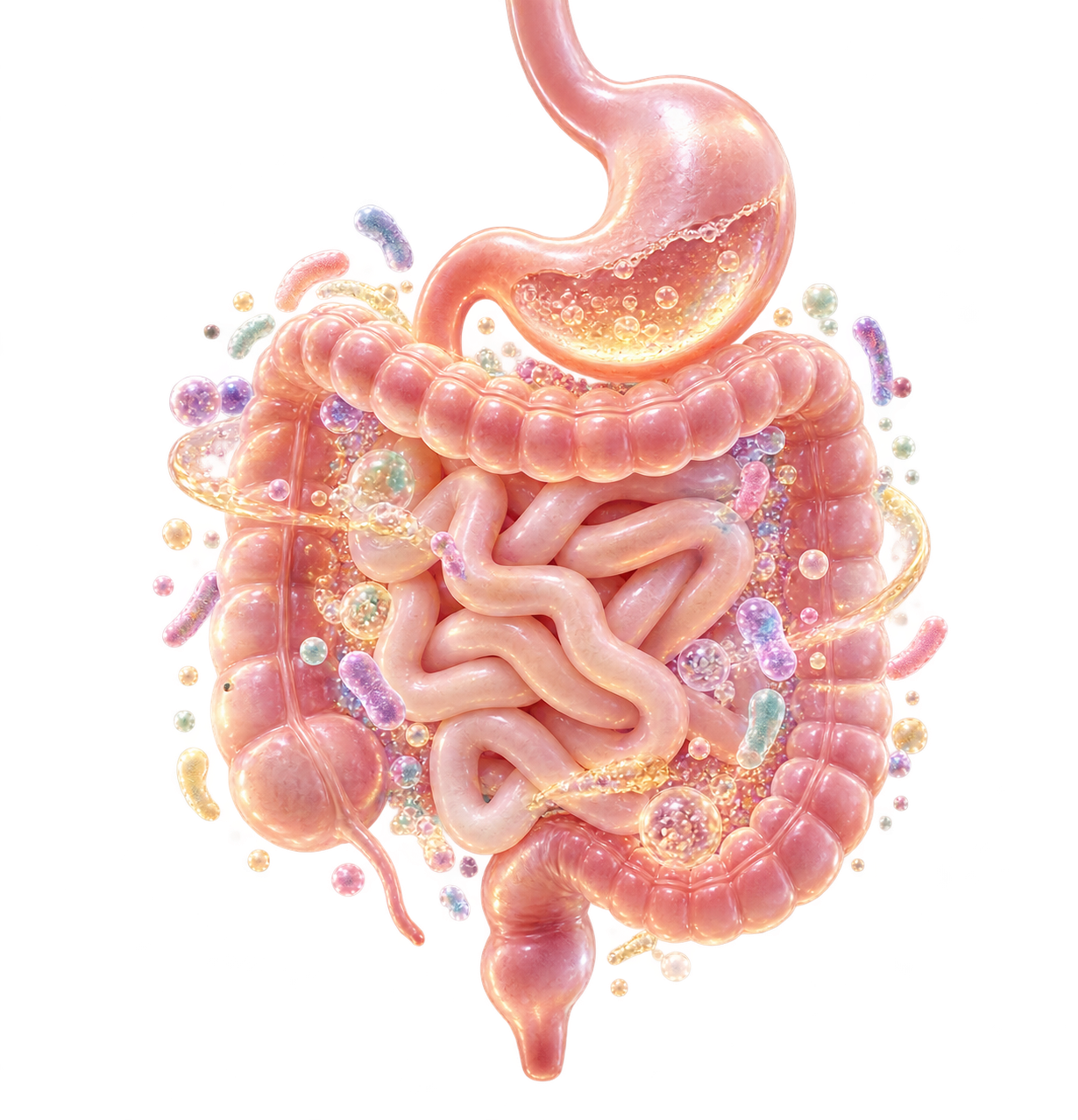
Your gut contains trillions of microorganisms, including bacteria and other microbes, that interact with your digestive system and immune system.
Good gut health isn't about having a "perfect" digestive system. It's about supporting normal digestion, a healthy gut environment, and your overall well-being.
Your digestive system breaks down food and absorbs nutrients effectively.
Your gut is home to many different microorganisms that interact with your body in complex ways.
The lining of your digestive tract helps separate the inside of your gut from the rest of your body.
A large part of the body's immune system is associated with the gastrointestinal tract.
Bowel habits vary from person to person, but persistent or significant changes can sometimes deserve attention.
Your gut and skin are separate organs, but they communicate with each other through several biological pathways.
This relationship is often called the gut–skin axis.
The gut microbiome, immune system, inflammatory signals, hormones, and nutrients can all play a role in how the body functions — including processes involved in skin health.
Gut health is only one piece of the skin-health puzzle.
Genetics, hormones, skincare, environment, medications, stress, sleep, and many other factors can also influence your skin.
Think of your gut and skin as two different parts of the body that can communicate through a network of biological signals.
The microorganisms living in your digestive tract interact with your food, digestive system, and immune system.
The gut is closely connected with immune activity, and signals from the gut can influence immune responses throughout the body.
Changes in immune activity can influence inflammatory pathways that may also affect the skin.
These connections may contribute to aspects of skin health, including the skin's barrier and inflammatory processes.
The relationship works in both directions and is more complicated than simply saying "bad gut causes bad skin."
Researchers are still studying exactly how the gut–skin connection works. Several pathways may be involved.
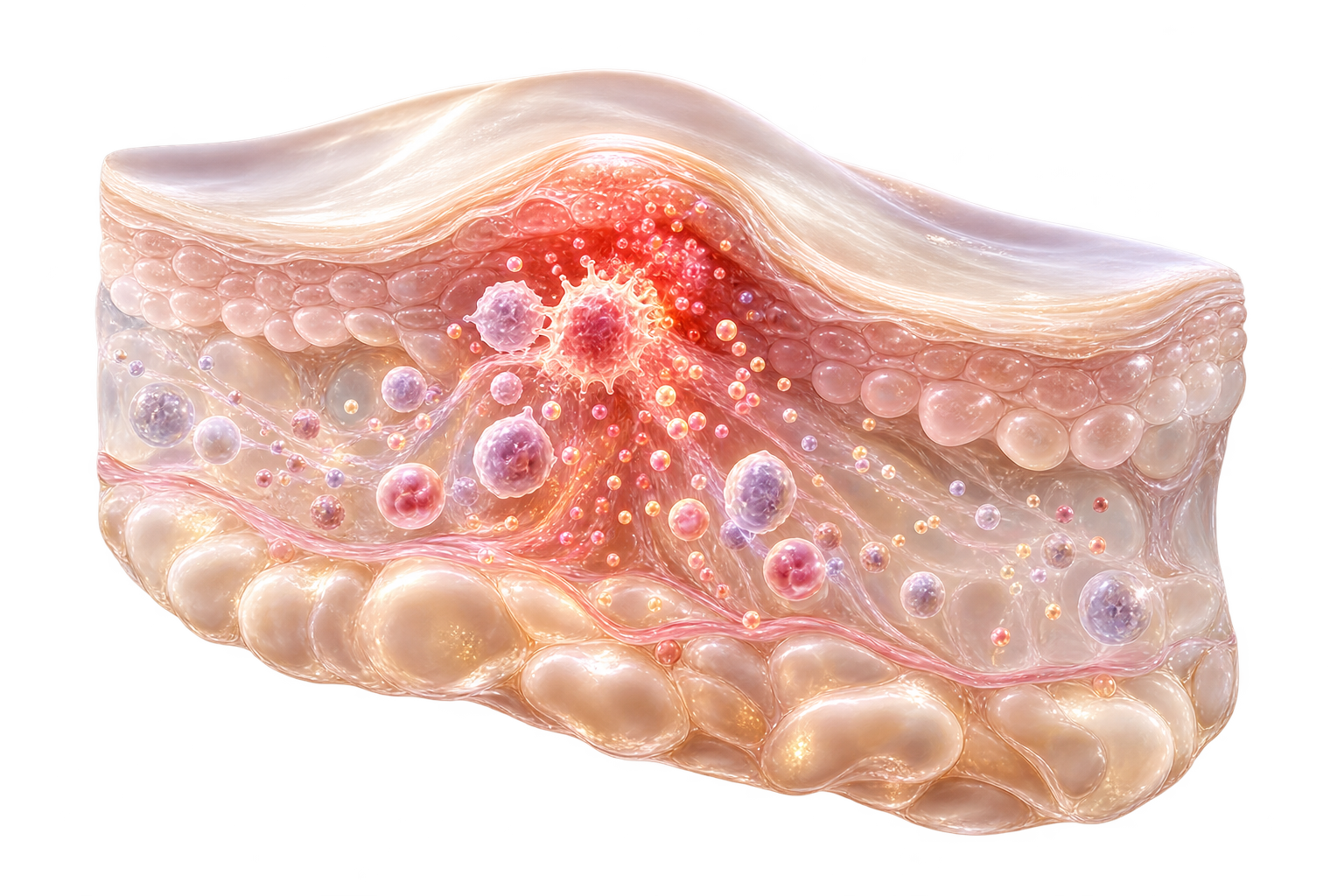
Changes in the gut environment may influence immune and inflammatory signals throughout the body.
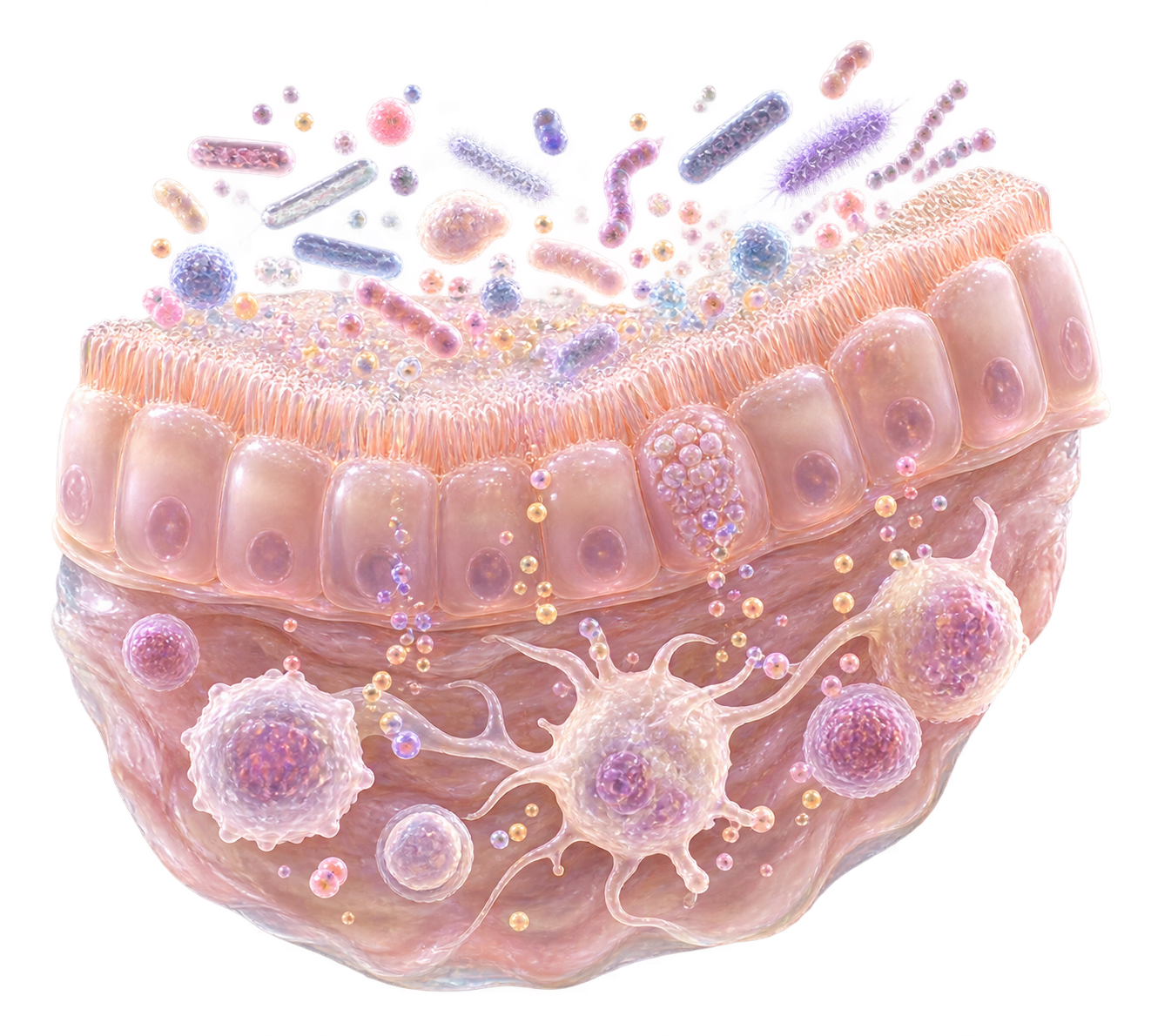
The digestive system plays an important role in the body's immune system, which can also influence inflammatory processes in the skin.
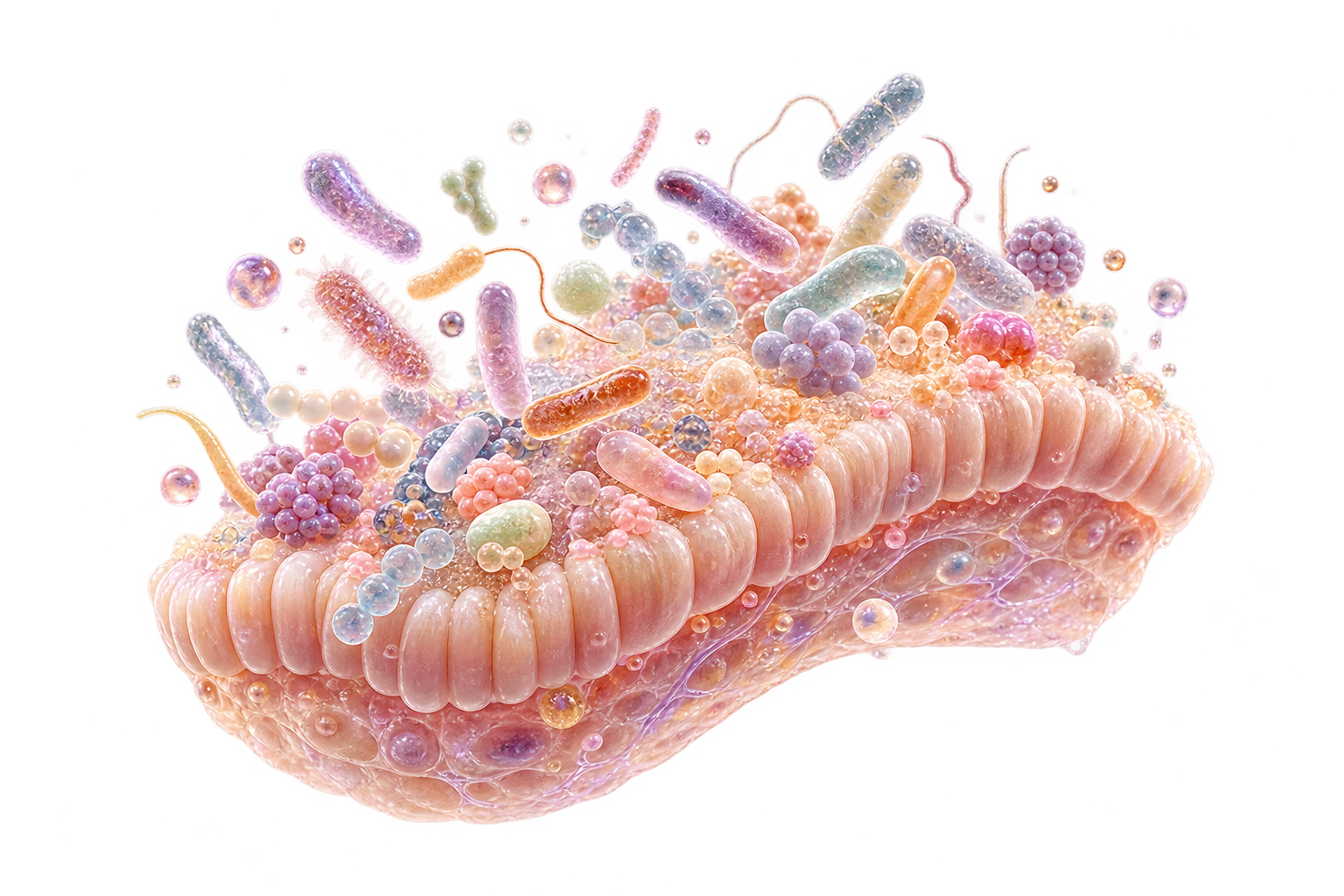
The microorganisms living in your gut interact with your body in ways that may influence immune and metabolic processes.

Your digestive system absorbs nutrients needed for normal body functions, including nutrients involved in maintaining healthy skin.
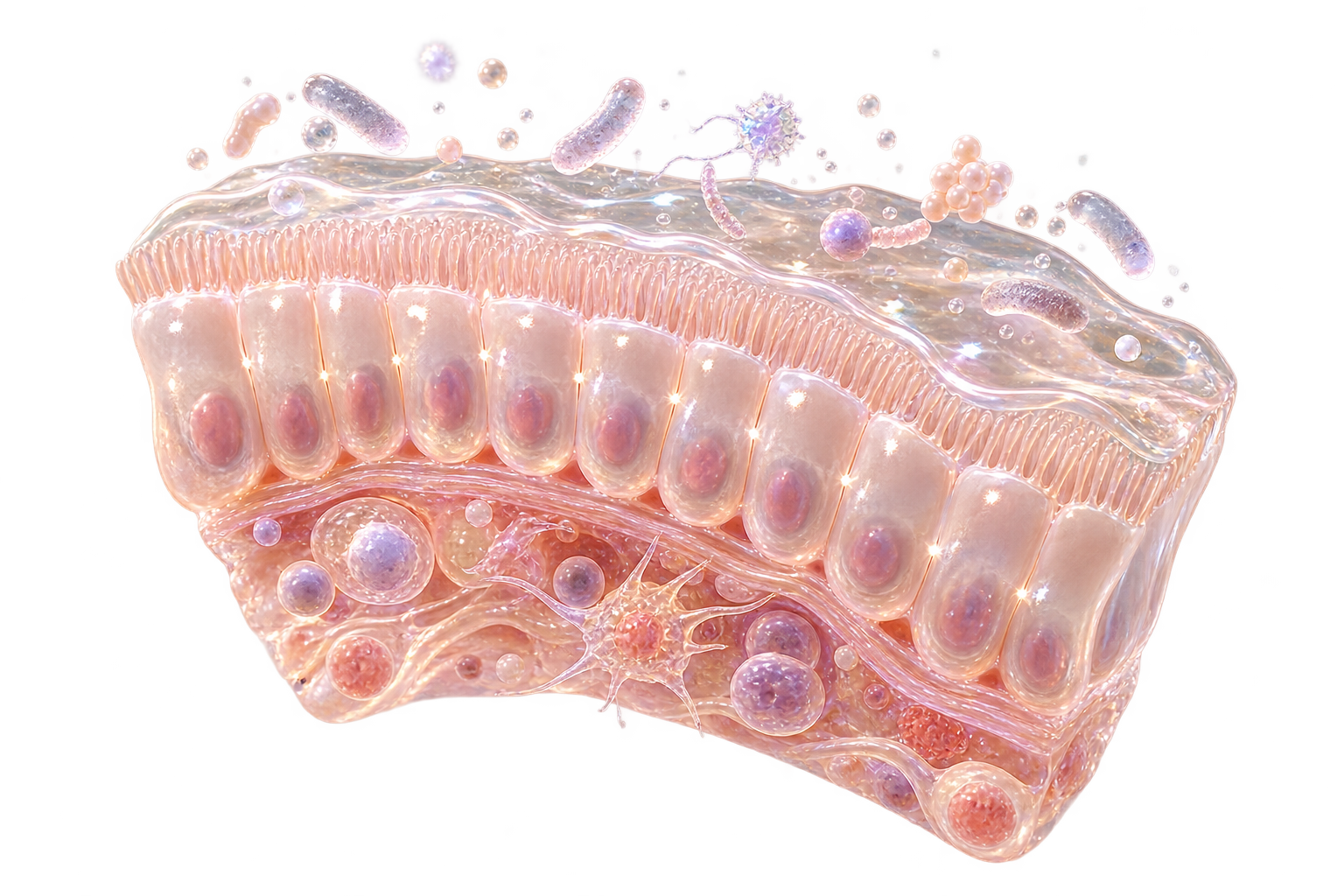
The lining of the digestive tract acts as a protective barrier. Maintaining its normal function is an important part of digestive health.
These pathways are connected, but that doesn't mean every skin concern is caused by the gut.
Occasional digestive changes are common. However, persistent or significant digestive symptoms shouldn't automatically be blamed on "poor gut health."
Frequent or ongoing bloating that doesn't seem to have an obvious explanation.
Ongoing difficulty passing stools or consistently having unusually hard stools.
Repeated loose or watery stools that continue or keep returning.
Persistent pain, cramping, or discomfort in the abdomen.
A noticeable and persistent change from your usual bowel pattern.
If digestive symptoms continue, become severe, or interfere with daily life, professional medical advice is a better choice than trying to "detox" your gut at home.
There isn't one magical "gut-healing" food or perfect diet.
A varied diet that provides enough fiber, nutrients, and fluids can help support normal digestive health.
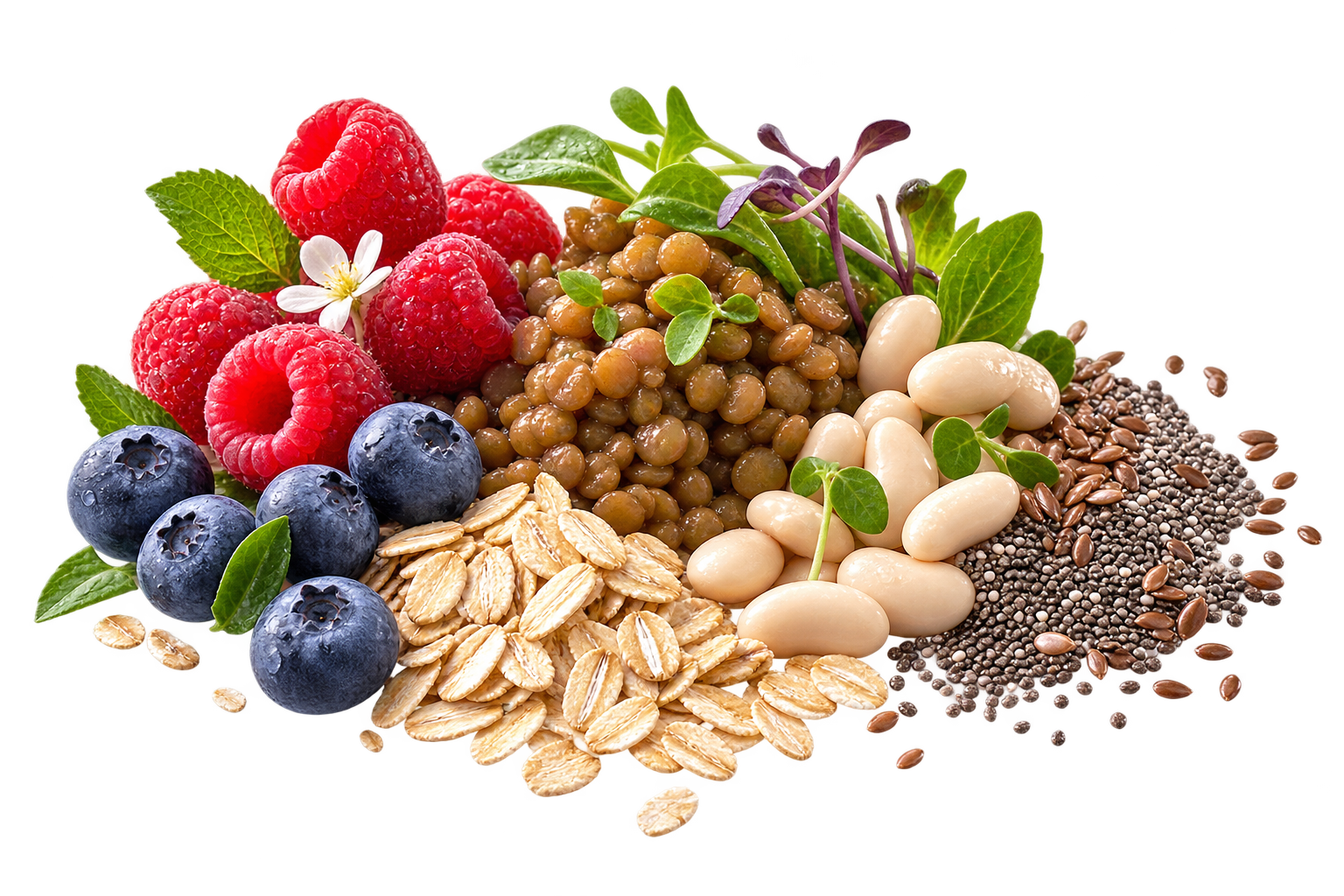
Vegetables, fruits, whole grains, beans, lentils, nuts, and seeds provide different types of dietary fiber.

Foods such as yogurt, kefir, kimchi, and sauerkraut can contain live microorganisms, depending on how they are made and stored.
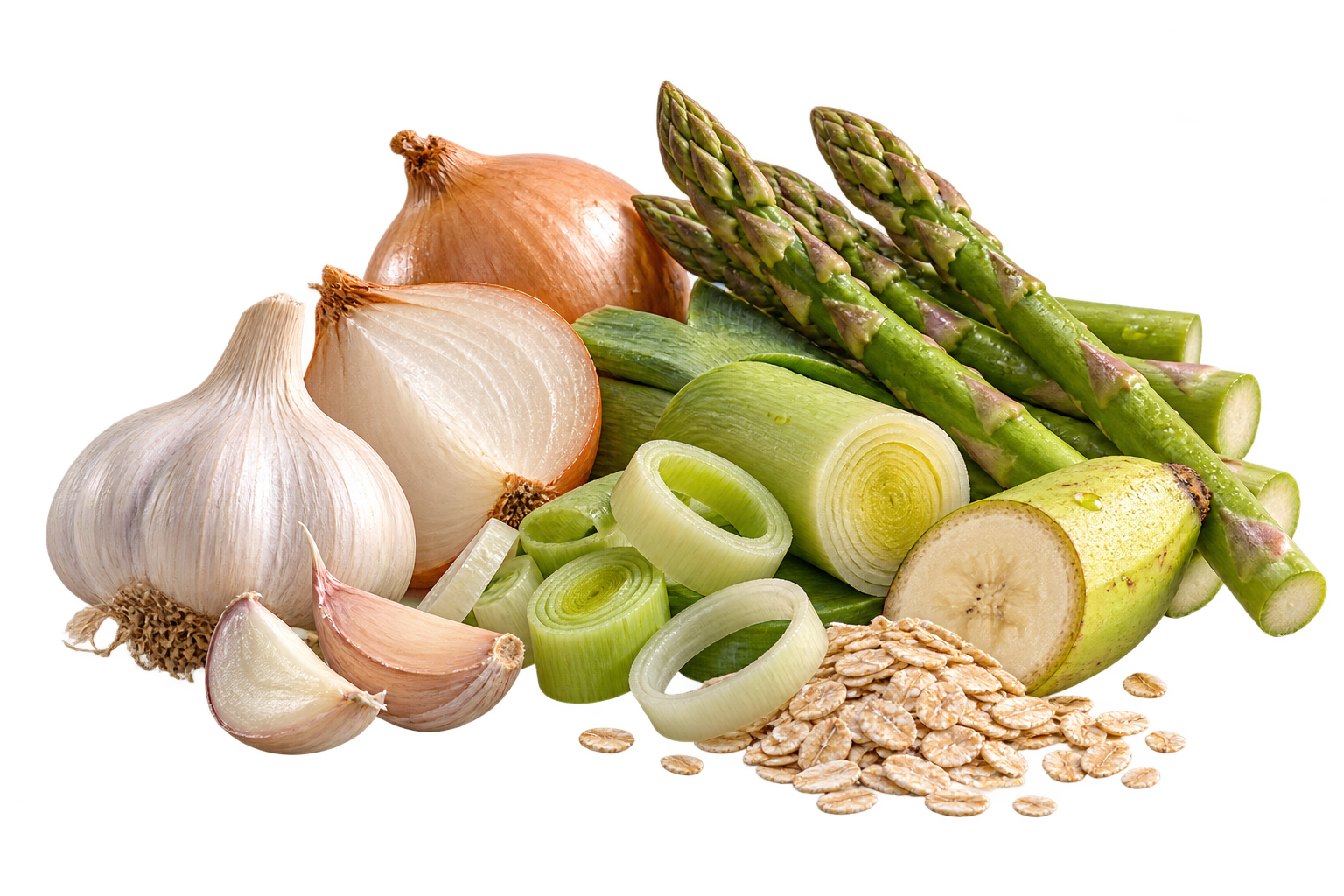
Some foods contain fibers and other compounds that can be used by certain gut microorganisms.
Examples include onions, garlic, legumes, oats, and some fruits and vegetables.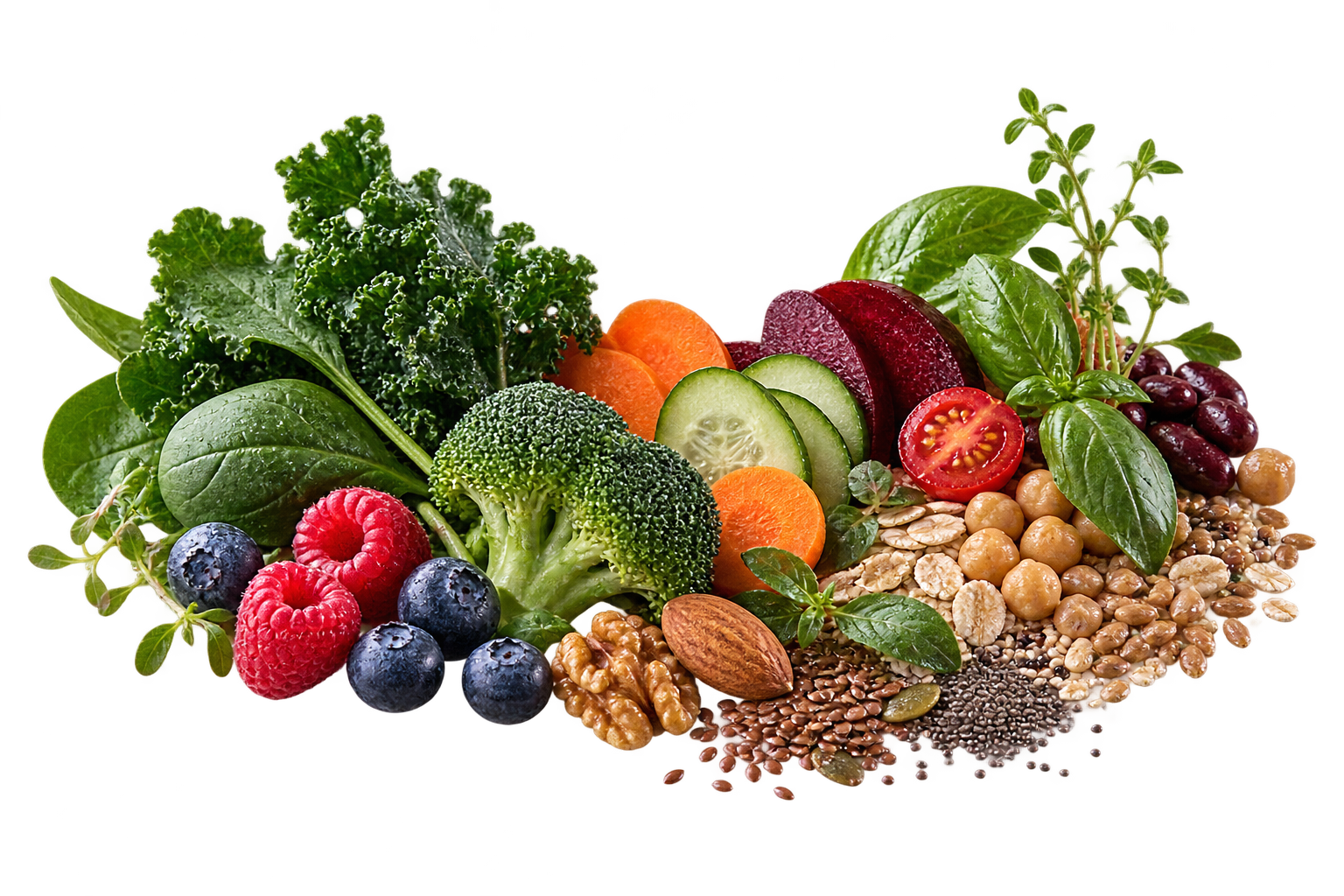
Eating a variety of plant foods provides different types of fiber and nutrients that can support a diverse diet and healthy digestion.

Adequate fluid intake helps support normal digestion and can be particularly important when increasing dietary fiber.
You don't need to completely change your diet overnight. Small, sustainable changes beat extreme "gut reset" plans.
Gut health isn't built from one supplement or one "superfood." Your everyday habits matter too.
Include a range of vegetables, fruits, whole grains, legumes, nuts, seeds, and other nutritious foods.
Gradually including a variety of fiber-rich foods can support healthy digestion.
Drink enough fluids to support normal body functions and digestion.
Regular physical activity supports overall health and may also benefit digestive function.
Sleep affects many systems throughout the body, and maintaining a regular sleep schedule supports overall well-being.
Stress can affect digestion and may influence the way you experience gastrointestinal symptoms.
Removing large groups of foods without a medical reason can make it harder to get a balanced range of nutrients.
Antibiotics can be important and sometimes necessary, but they should be used when prescribed or recommended by a healthcare professional.
Researchers are investigating possible connections between the gut microbiome and several inflammatory skin conditions.
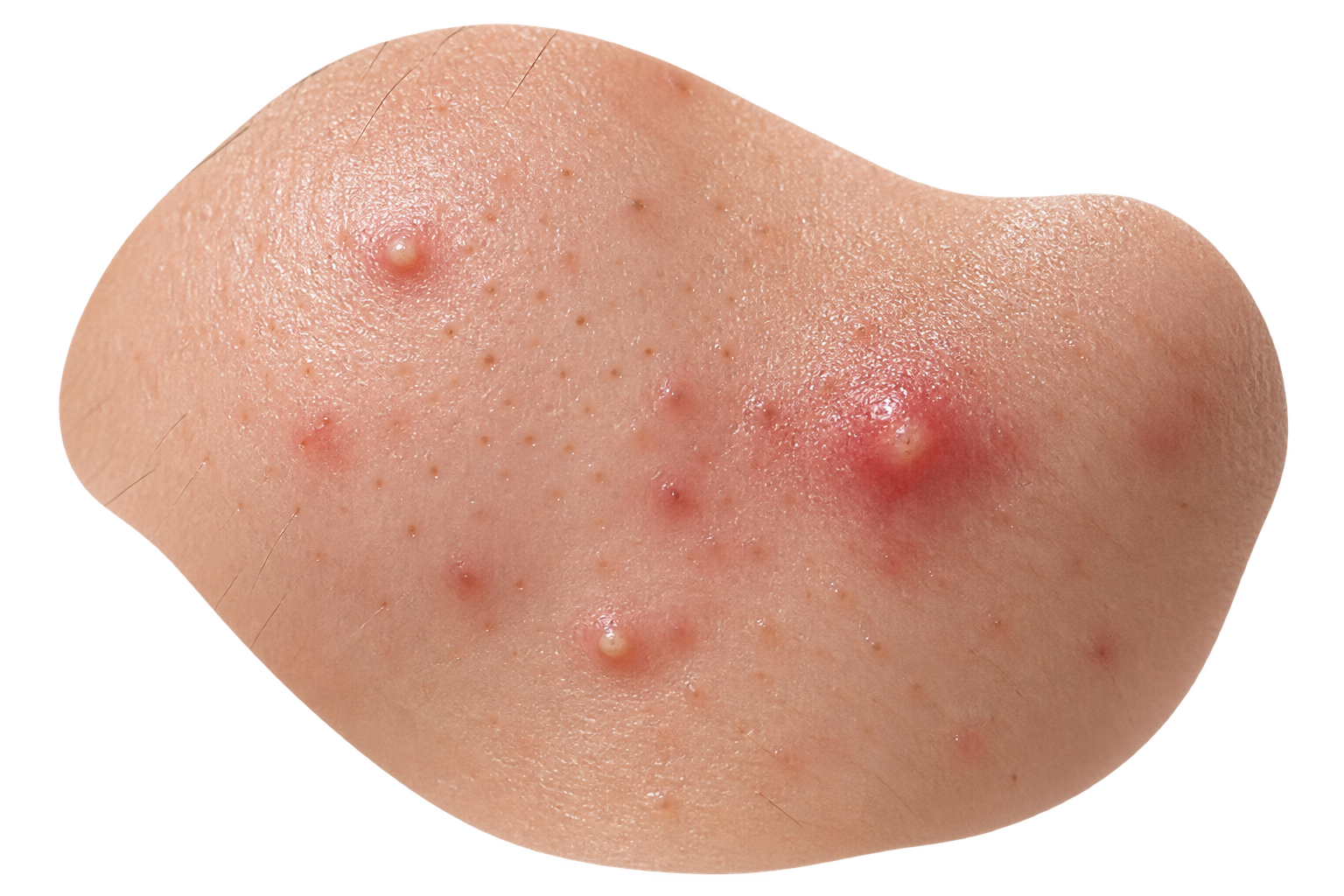
Studies are exploring relationships between the gut microbiome, inflammation, diet, and acne. However, acne has many contributing factors and cannot simply be explained by gut health.
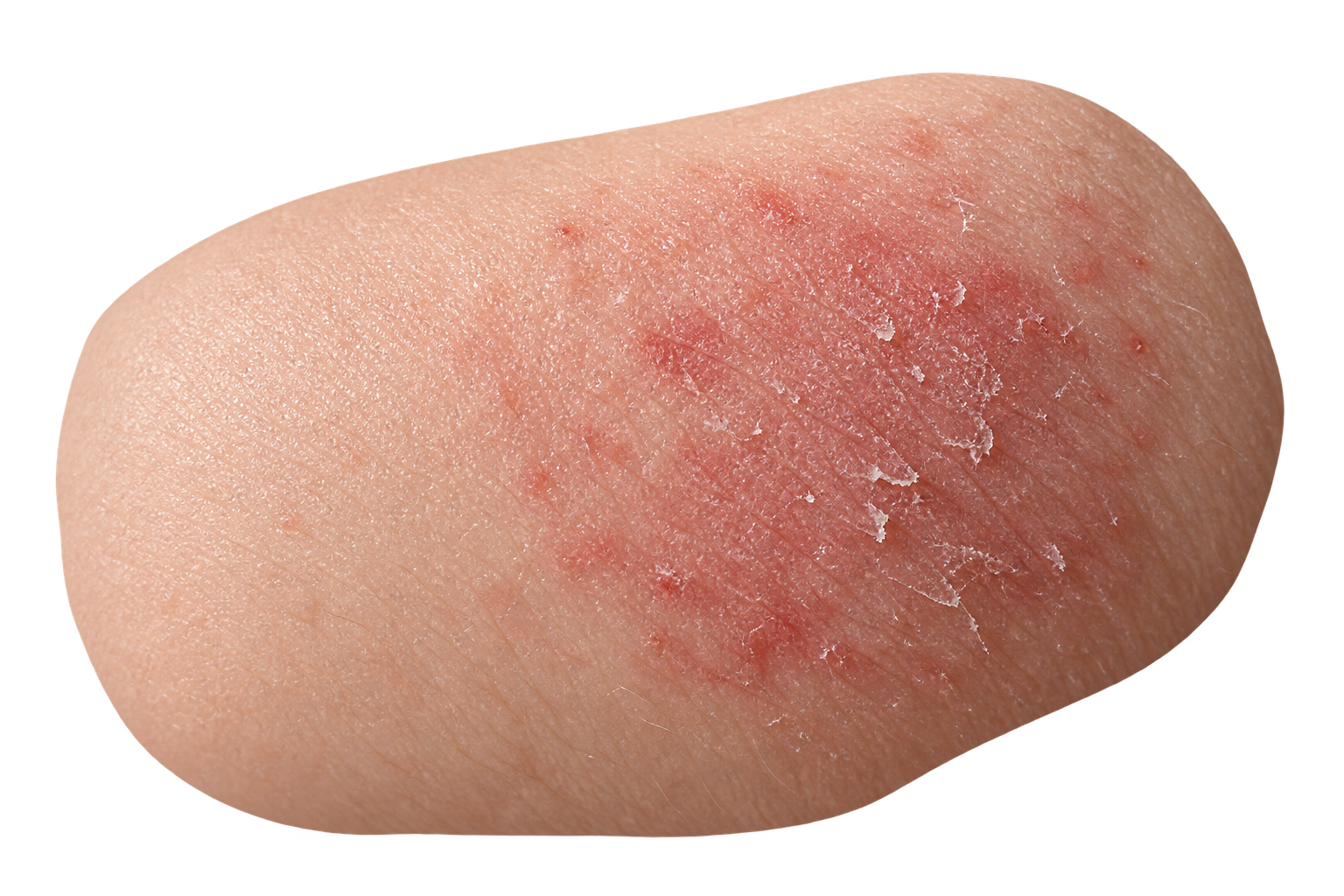
Research has found associations between the gut microbiome and immune processes involved in eczema, but the relationship is complex.
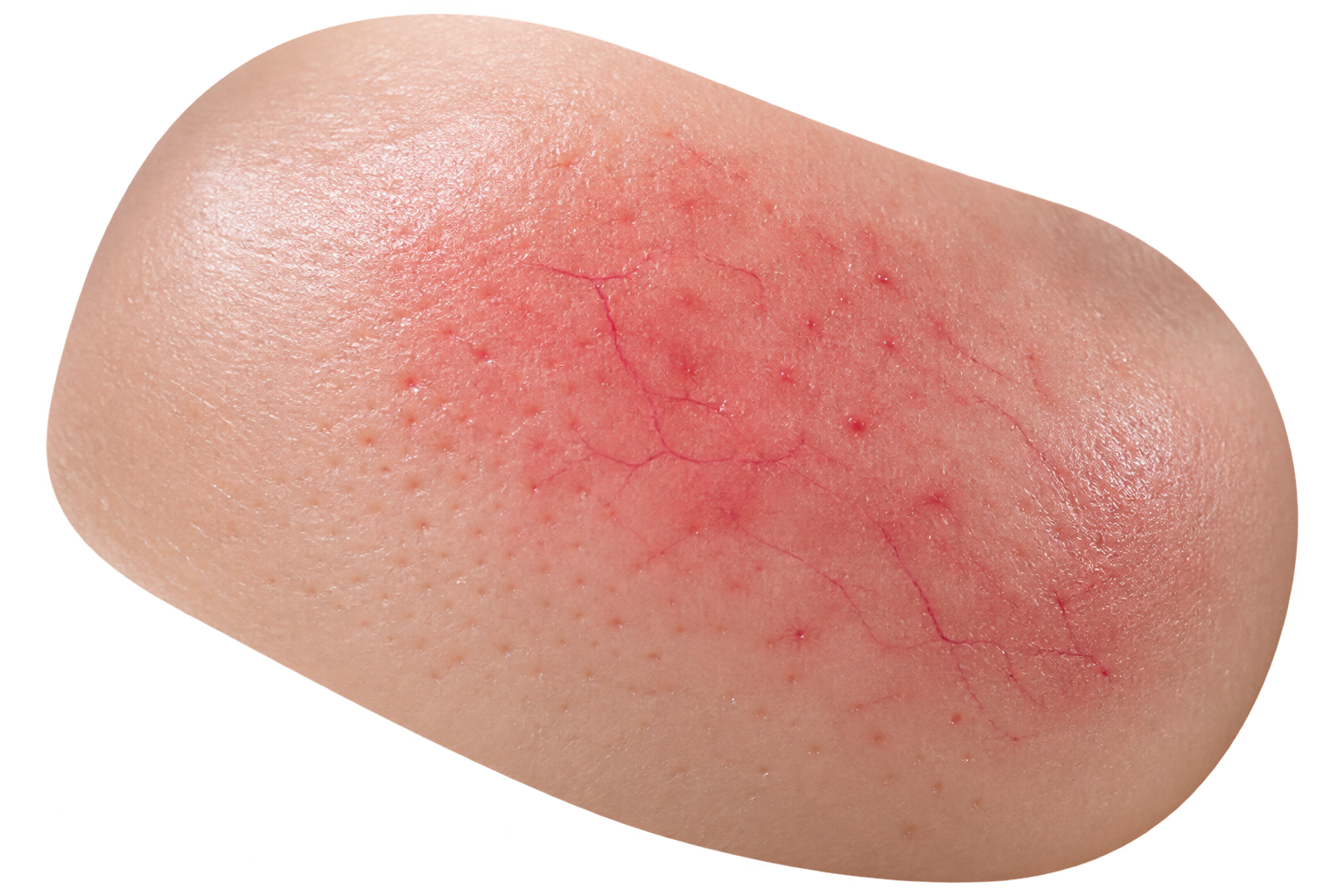
Some research suggests a possible connection between gastrointestinal health and rosacea, but more research is needed to understand the relationship.
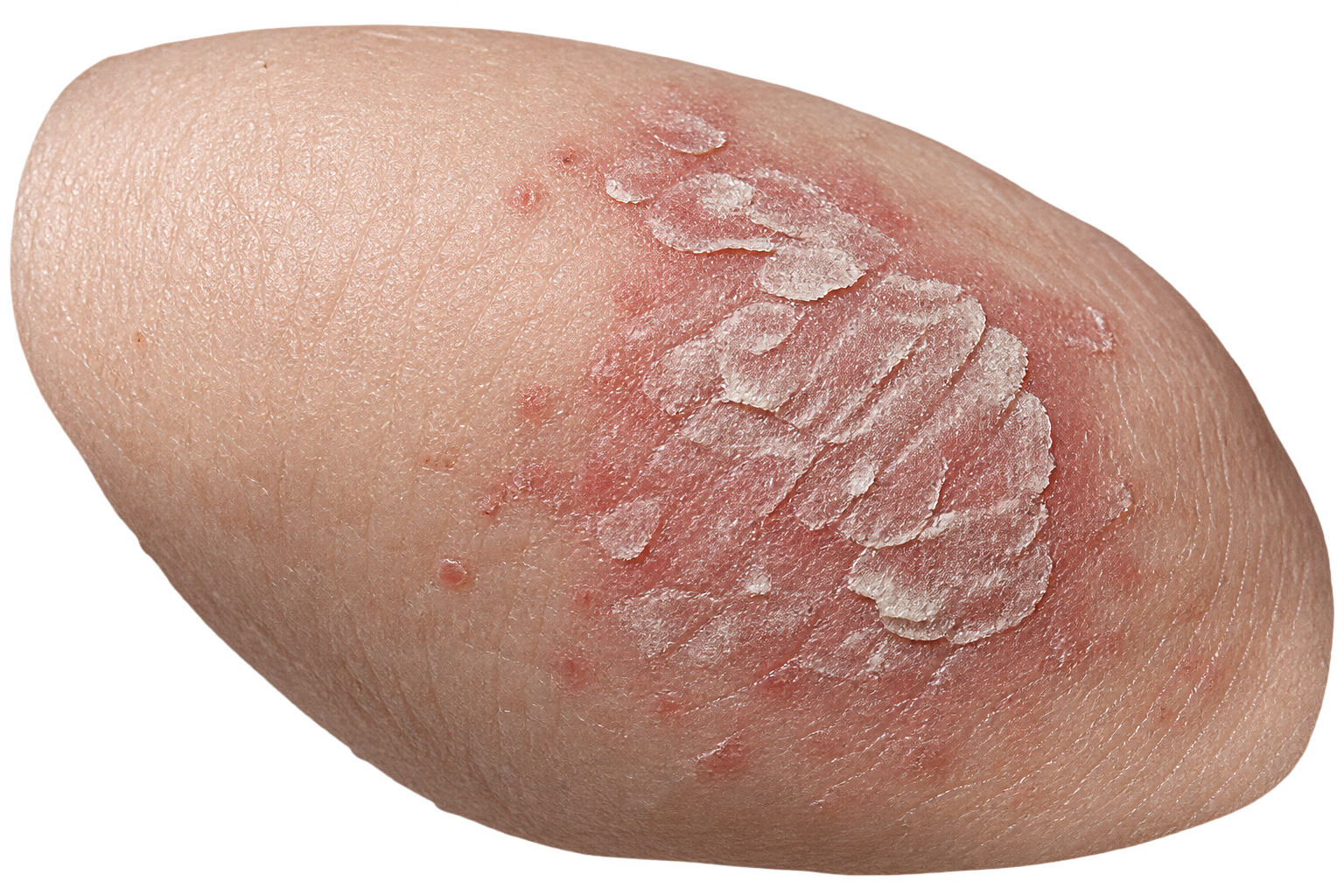
The gut microbiome and immune system are being studied in relation to psoriasis and other inflammatory conditions.
A connection does not automatically mean that improving gut health will cure a skin condition.
Skin concerns can have many causes, and persistent or severe symptoms deserve appropriate medical care.
Gut health has become a huge topic online — but not everything you see about it is backed by science.
Your digestive system already has organs that process food and eliminate waste. You don't need a special detox drink or cleanse to "clean" your gut.
The gut and skin may communicate through several pathways, but skin conditions can have many different causes.
Research into probiotics and skin health is ongoing. Benefits can depend on the specific microorganism, product, and condition being studied.
Fiber is important, but suddenly eating very large amounts can cause bloating or discomfort. Increasing fiber gradually and drinking enough fluids is generally more comfortable.
A varied diet, adequate fiber and fluids, physical activity, sleep, and other everyday habits are important foundations of digestive health.

Your gut is part of your whole body, not a problem that needs to be constantly "detoxed" or fixed.
Focus on the basics: eat a varied diet, include fiber-rich foods, drink enough fluids, stay active, sleep well, and pay attention to persistent digestive changes.
And when it comes to your skin, remember that gut health is one piece of the puzzle — not the whole picture.