Tiny Dots
They usually appear as very small dots rather than raised bumps.
 ×
×
Those tiny dots you notice around your nose, chin, or other oily areas may not be blackheads at all.
Learn what sebaceous filaments are, why they appear, how they differ from clogged pores, and how to care for them without irritating your skin.
Start Learning ↓
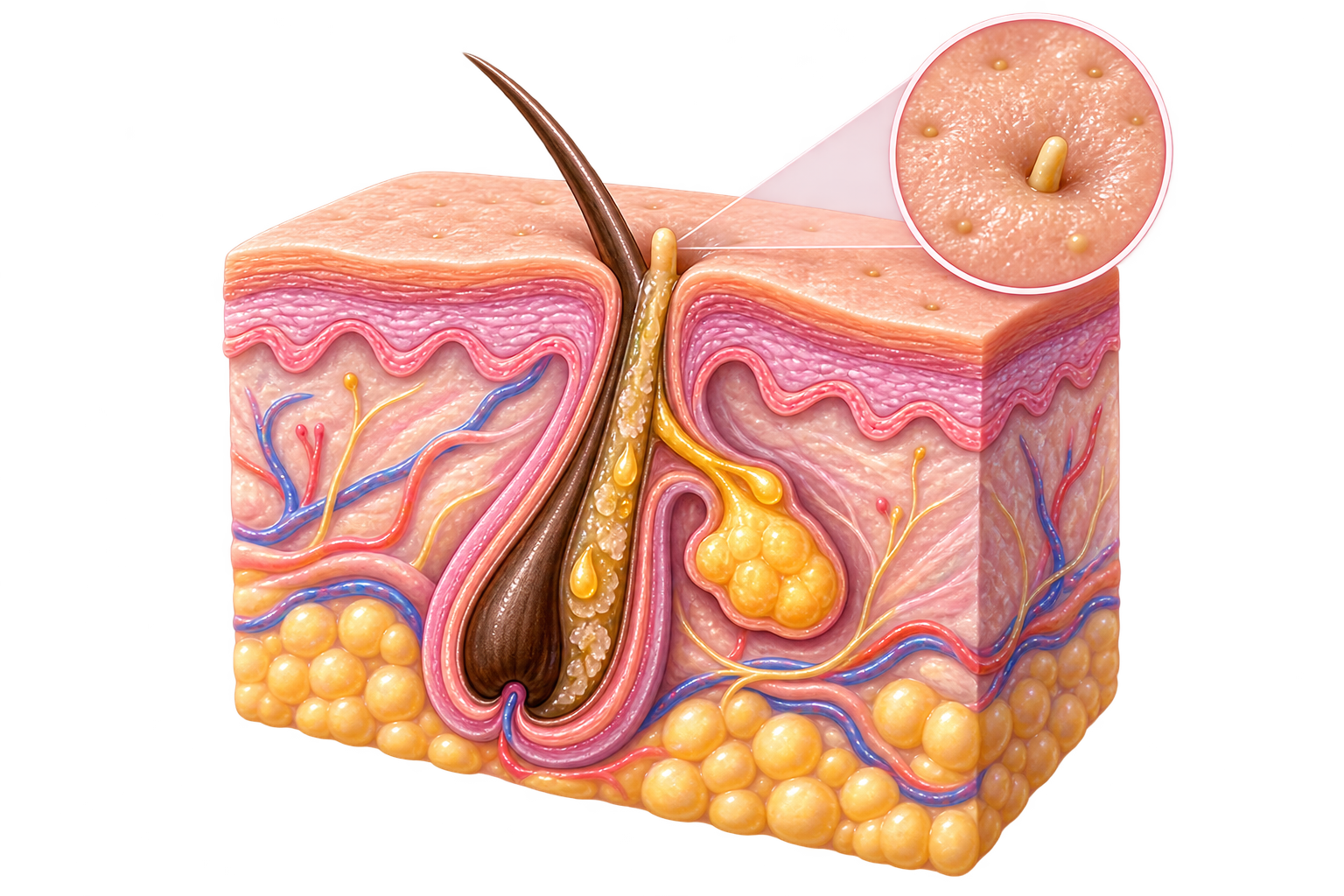
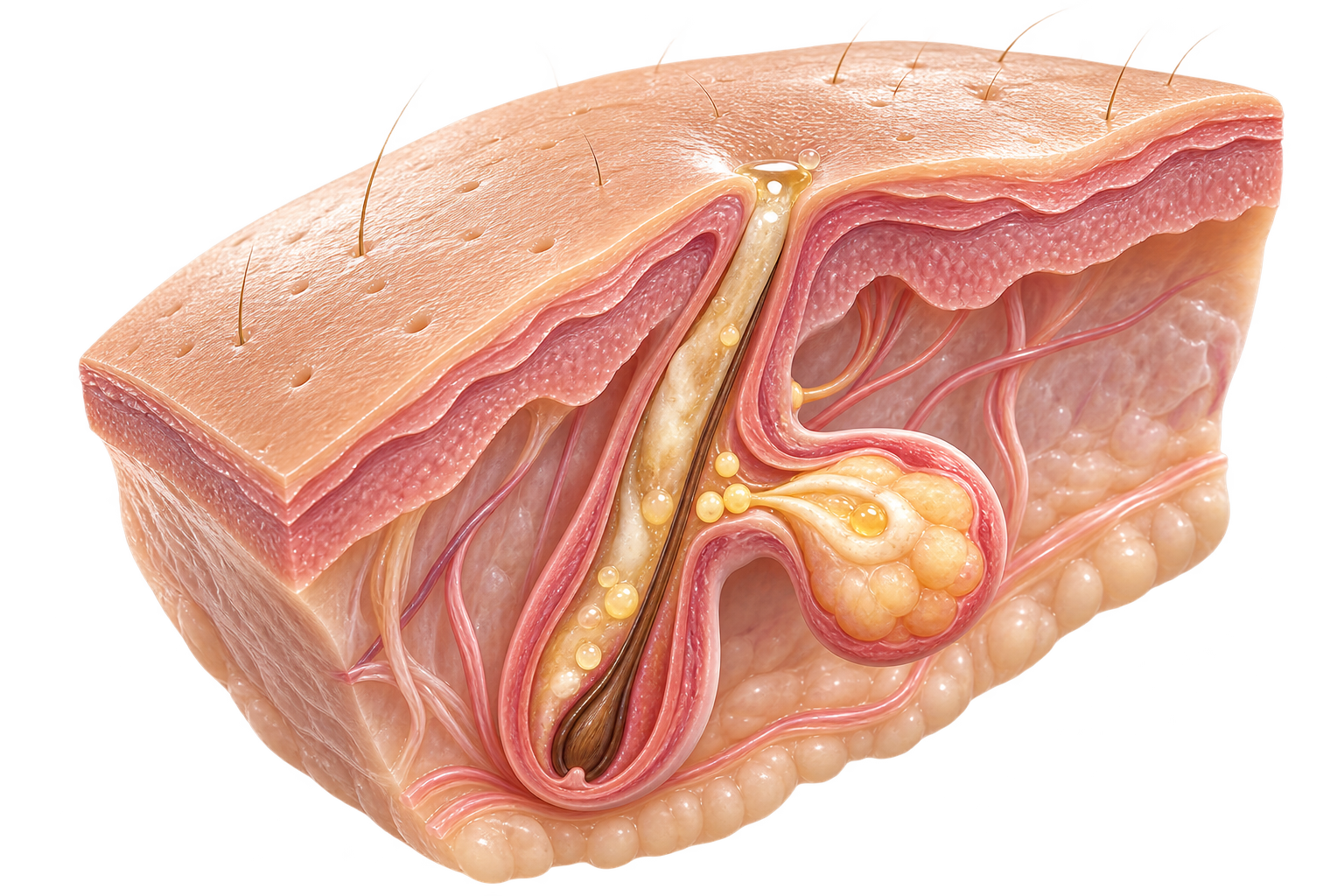
Sebaceous filaments are natural structures inside your pores that help move sebum, your skin's natural oil, toward the surface.
They are made up of sebum, dead skin cells, and other materials that naturally collect around the lining of the pore.
Unlike a blackhead, sebaceous filaments are not a type of acne. They are a normal part of how your skin functions.
They are usually most noticeable in areas that naturally produce more oil, such as the nose, forehead, and chin.
Sebaceous filaments aren't something your skin has "failed" to get rid of. They're a normal part of healthy skin.
Sebaceous filaments are usually small, flat, and evenly distributed dots that follow the natural pattern of your pores.
They are often:
They usually appear as very small dots rather than raised bumps.
Their appearance can vary depending on your skin tone and the amount of sebum inside the pore.
The nose often has many sebaceous glands, making filaments easier to see in this area.
Unlike individual blackheads, sebaceous filaments often appear in a fairly consistent pattern across an area.
Sebaceous filaments are part of normal pore function, so everyone has them to some degree.
They become more noticeable when:
Oilier skin can make the contents of pores easier to see.
Larger or more noticeable pores can make sebaceous filaments appear more prominent.
Areas with a higher concentration of sebaceous glands tend to show them more clearly.
Even when their appearance is temporarily reduced, the pore continues producing sebum, so the filament naturally returns.
Sebaceous filaments can occur anywhere the skin contains sebaceous glands, but they are usually most noticeable in oilier areas.
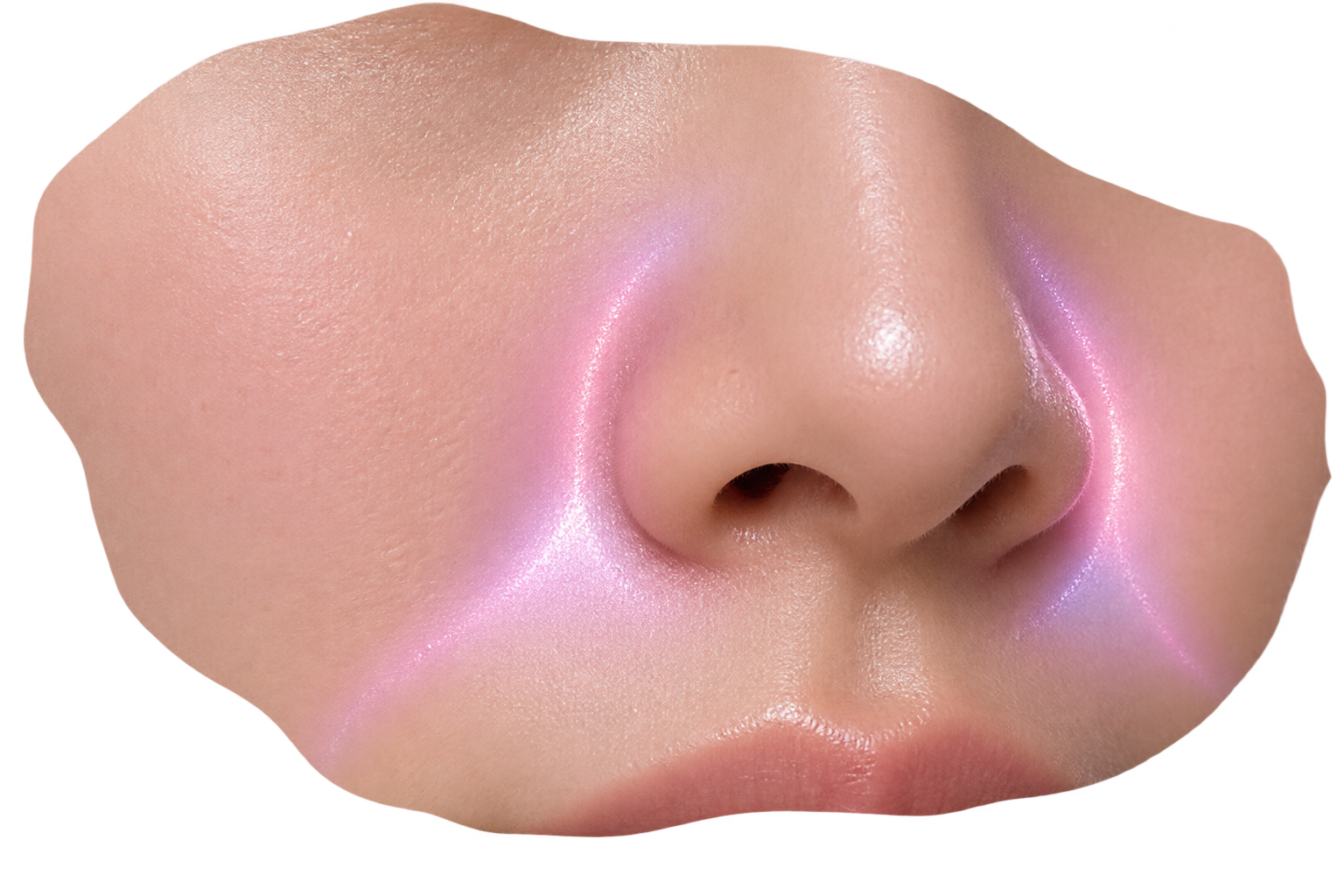
One of the most common places to notice them because the nose contains many sebaceous glands.
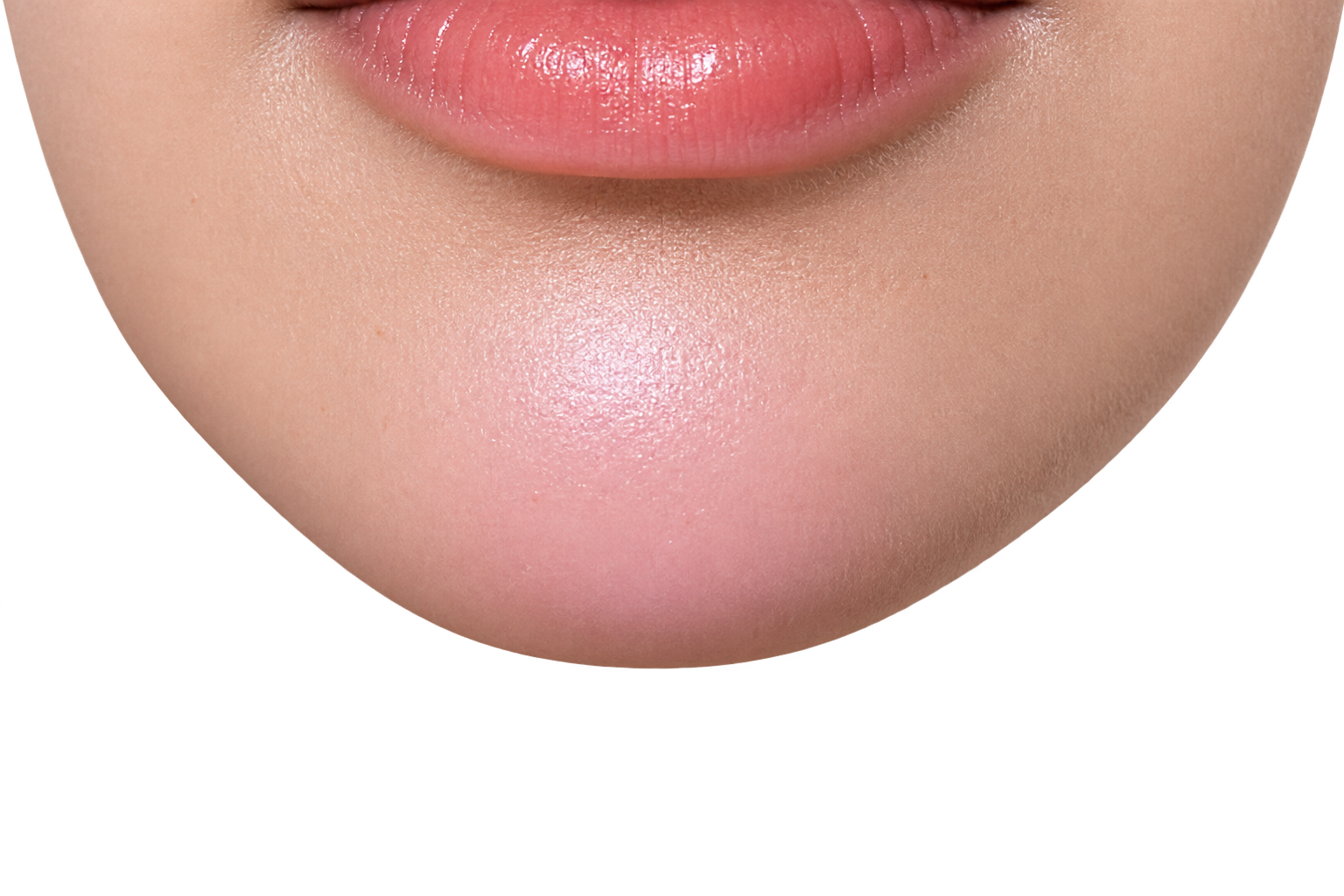
The chin can develop visible sebaceous filaments, especially when the area produces more oil.
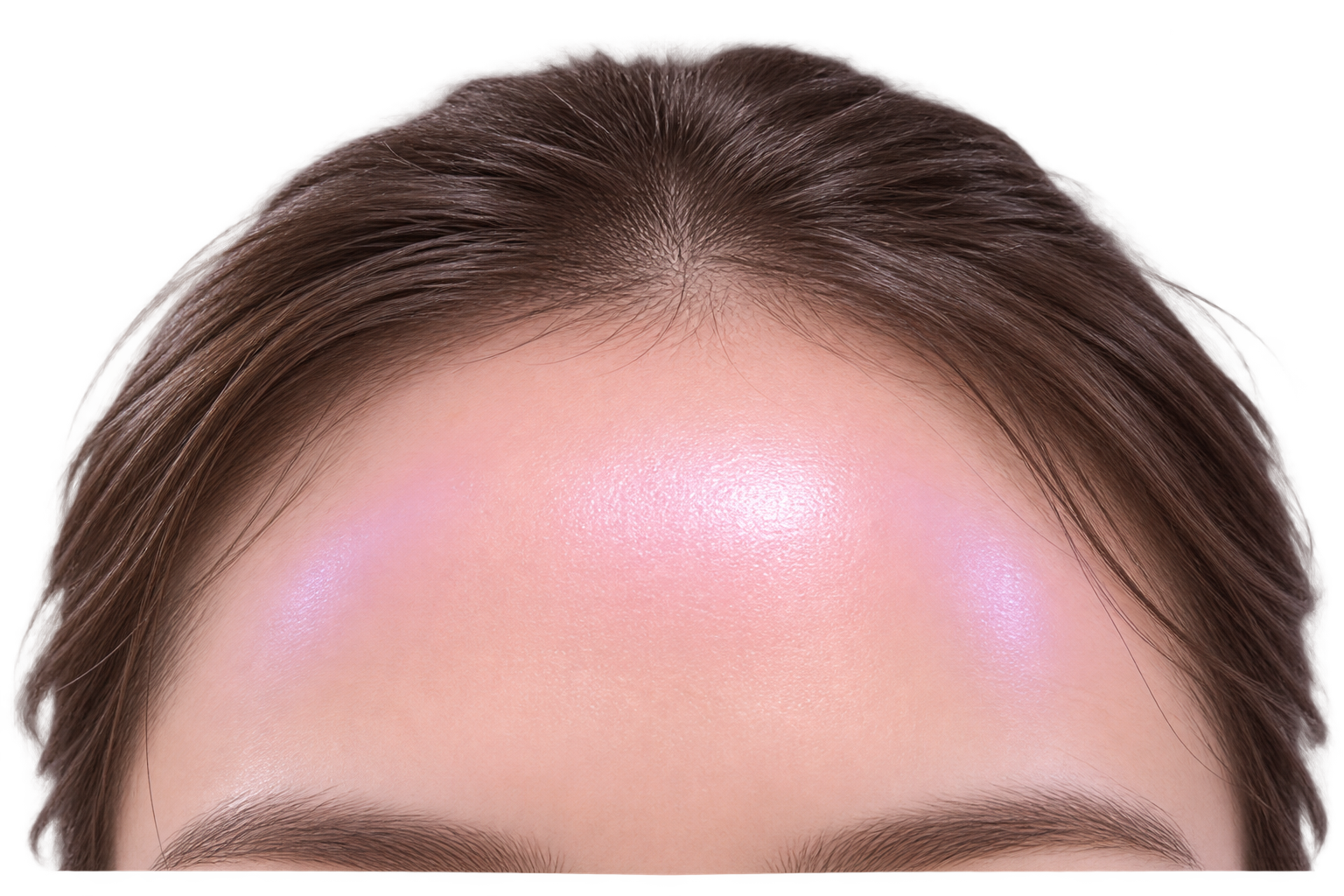
They may become noticeable in the T-zone where oil production tends to be higher.
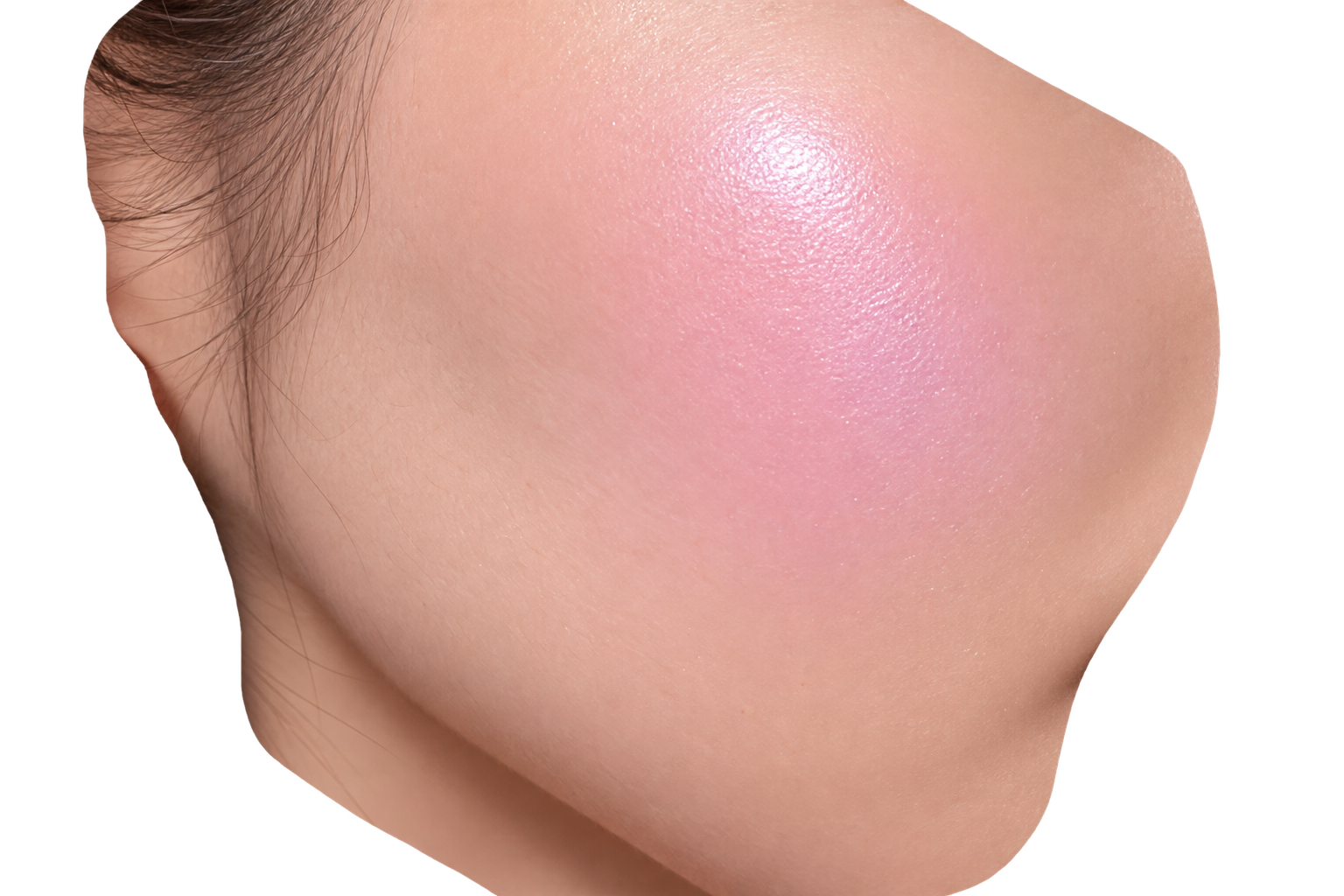
Some people may also notice them around the inner cheeks and other areas with visible pores.
They may look similar, but they are not the same thing.
If the tiny dots on your nose are evenly spaced and seem to return after you remove them, you're probably looking at sebaceous filaments rather than blackheads.
Not permanently — and that's completely normal.
Sebaceous filaments are part of your pore structure and help move oil toward the skin's surface. Because your skin continuously produces sebum, they naturally refill.
You can, however, make them look less noticeable by managing excess oil and keeping pores clear.
The goal isn't to completely remove them.
The goal is to keep your skin healthy while making their appearance less noticeable.
Some skincare ingredients can help manage excess oil and reduce the appearance of clogged pores.
A beta-hydroxy acid that can penetrate into pores and help remove excess oil and dead skin cells.
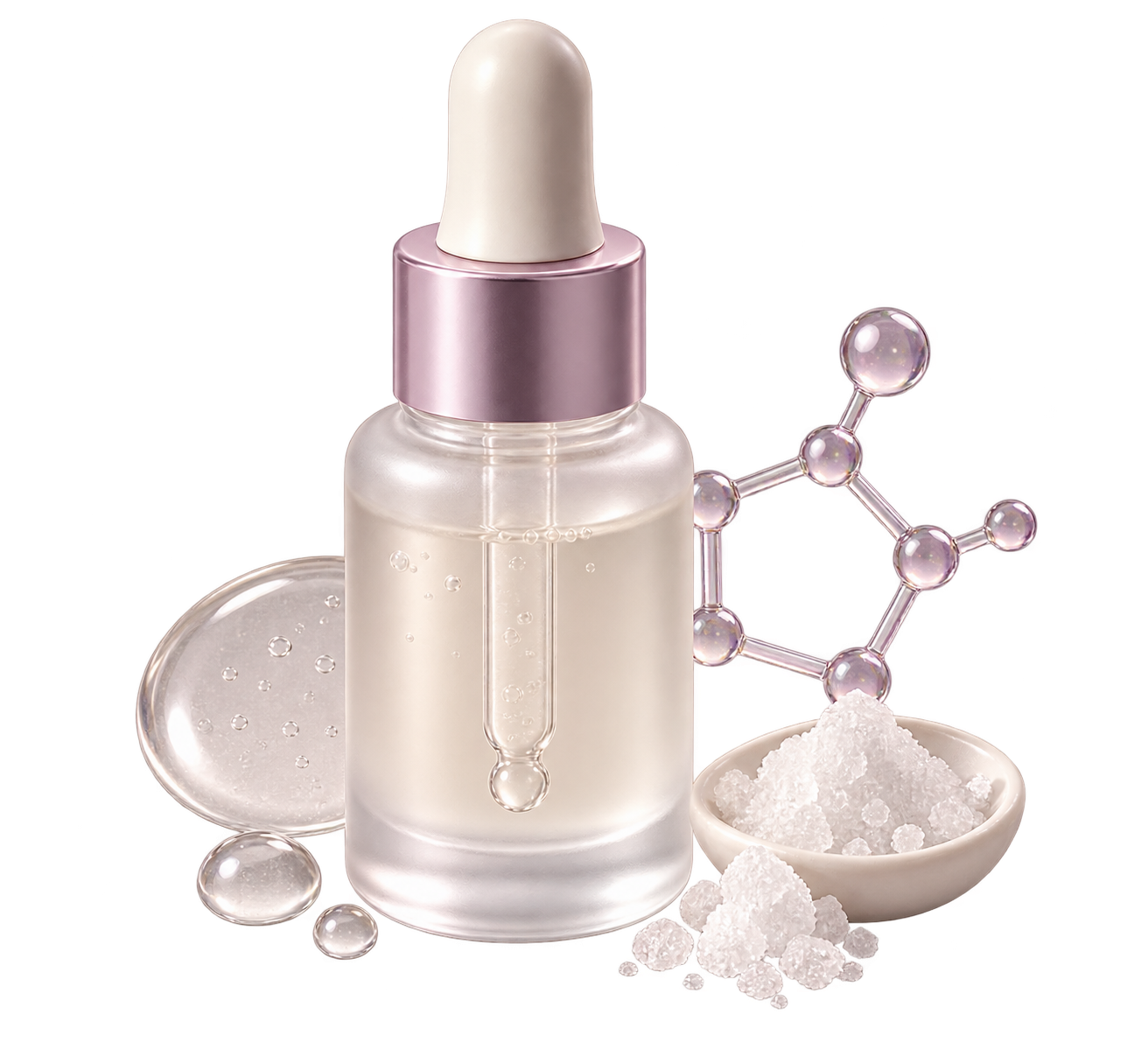
Can help regulate excess sebum production and support the skin barrier.
Help regulate skin-cell turnover and can reduce the tendency for pores to become clogged.
Help remove excess oil and impurities without unnecessarily stripping the skin.
You don't need every ingredient on this list. Choose based on what your skin actually needs and can tolerate.
Trying to completely remove sebaceous filaments can sometimes cause more irritation than benefit.
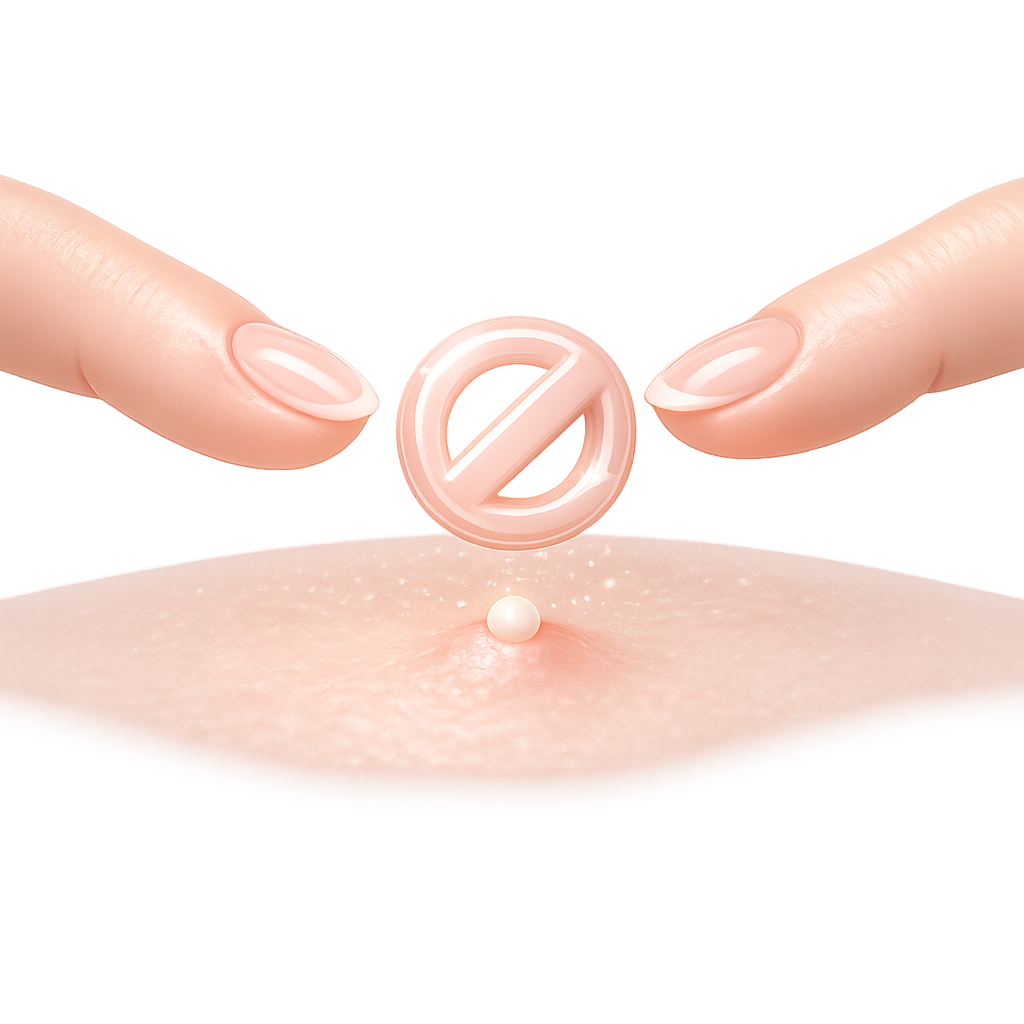
Squeezing can temporarily empty the pore but may irritate the surrounding skin.
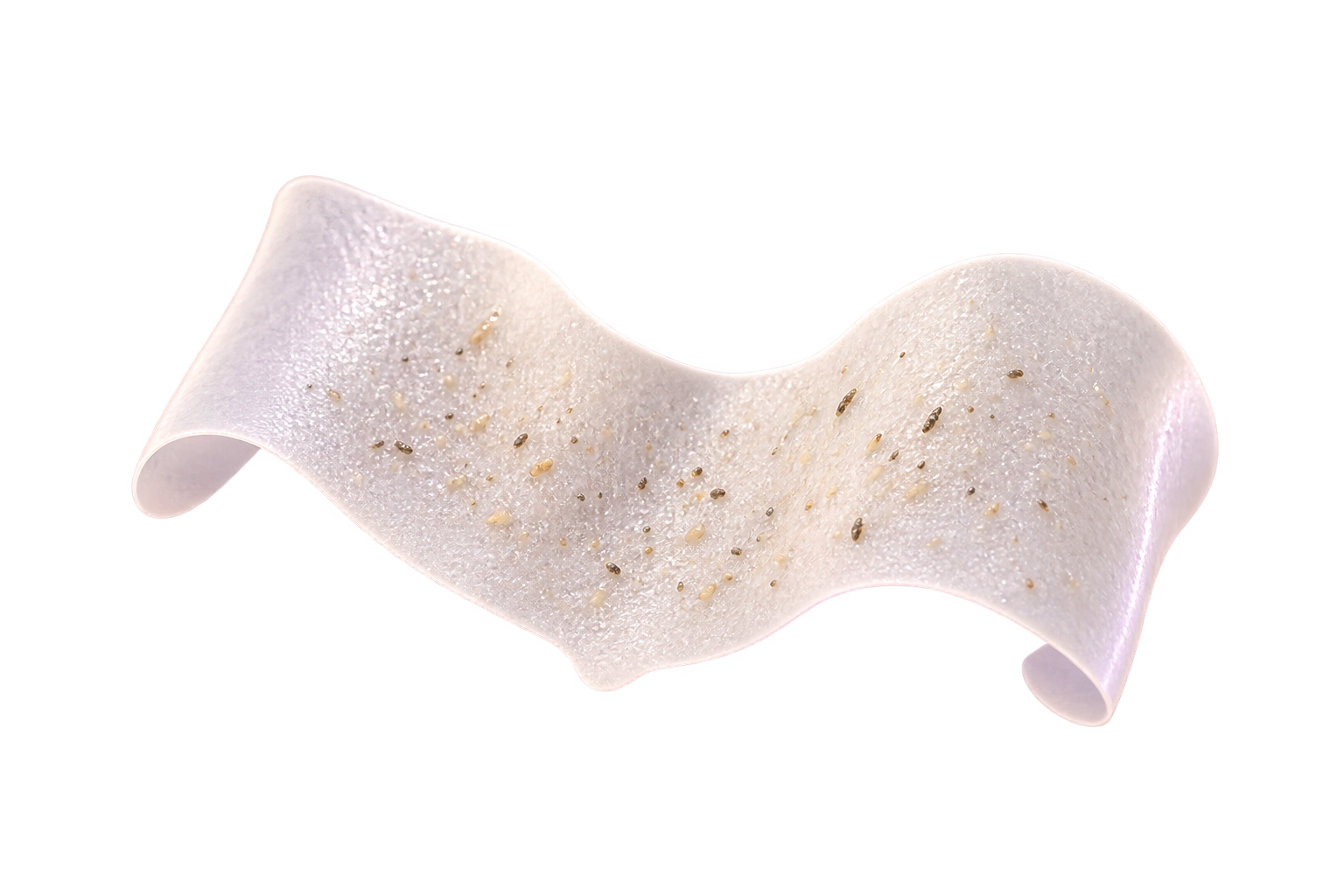
Pore strips may temporarily remove surface material, but they don't stop sebaceous filaments from returning.
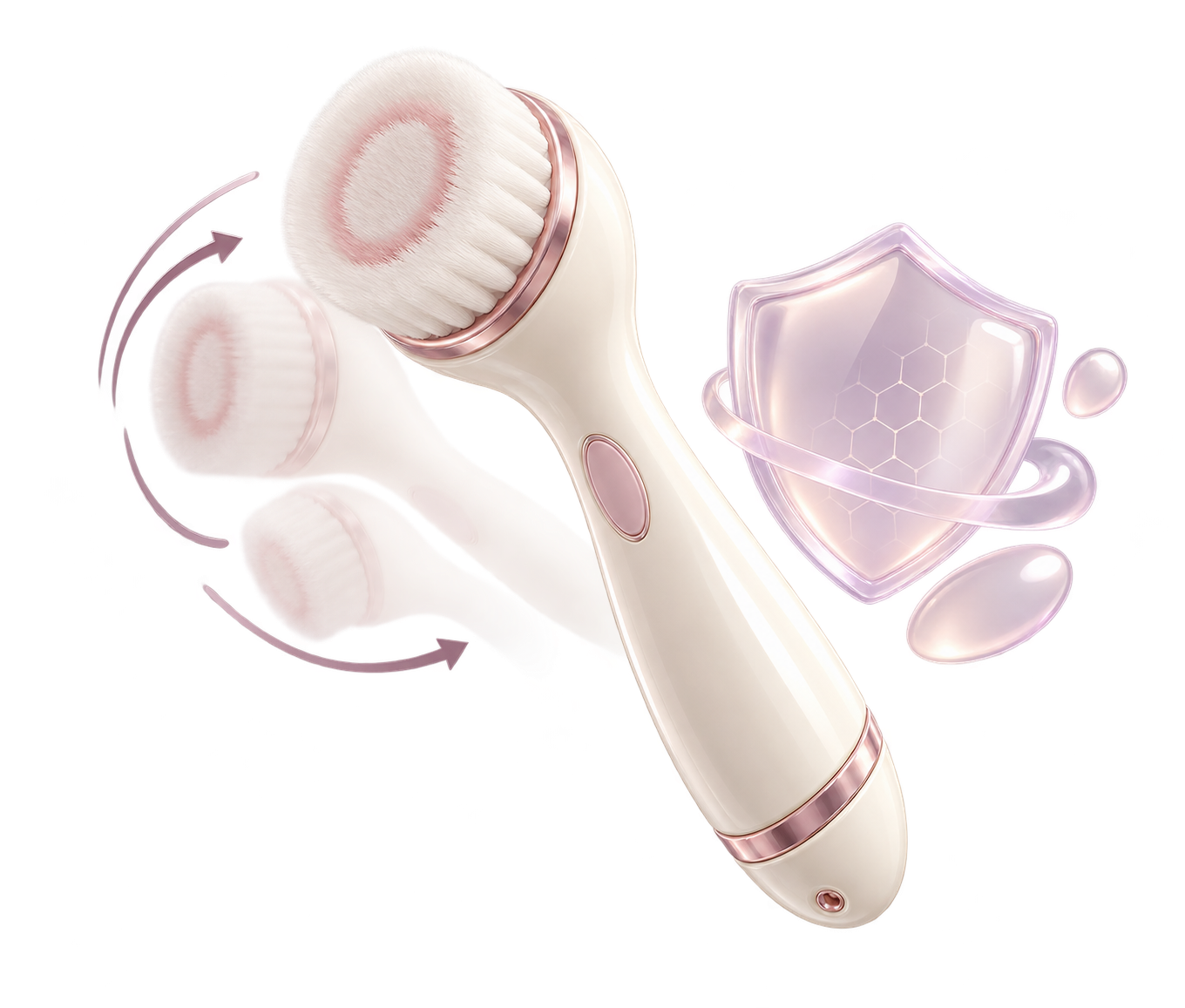
Harsh physical scrubbing can irritate the skin without permanently removing the filaments.
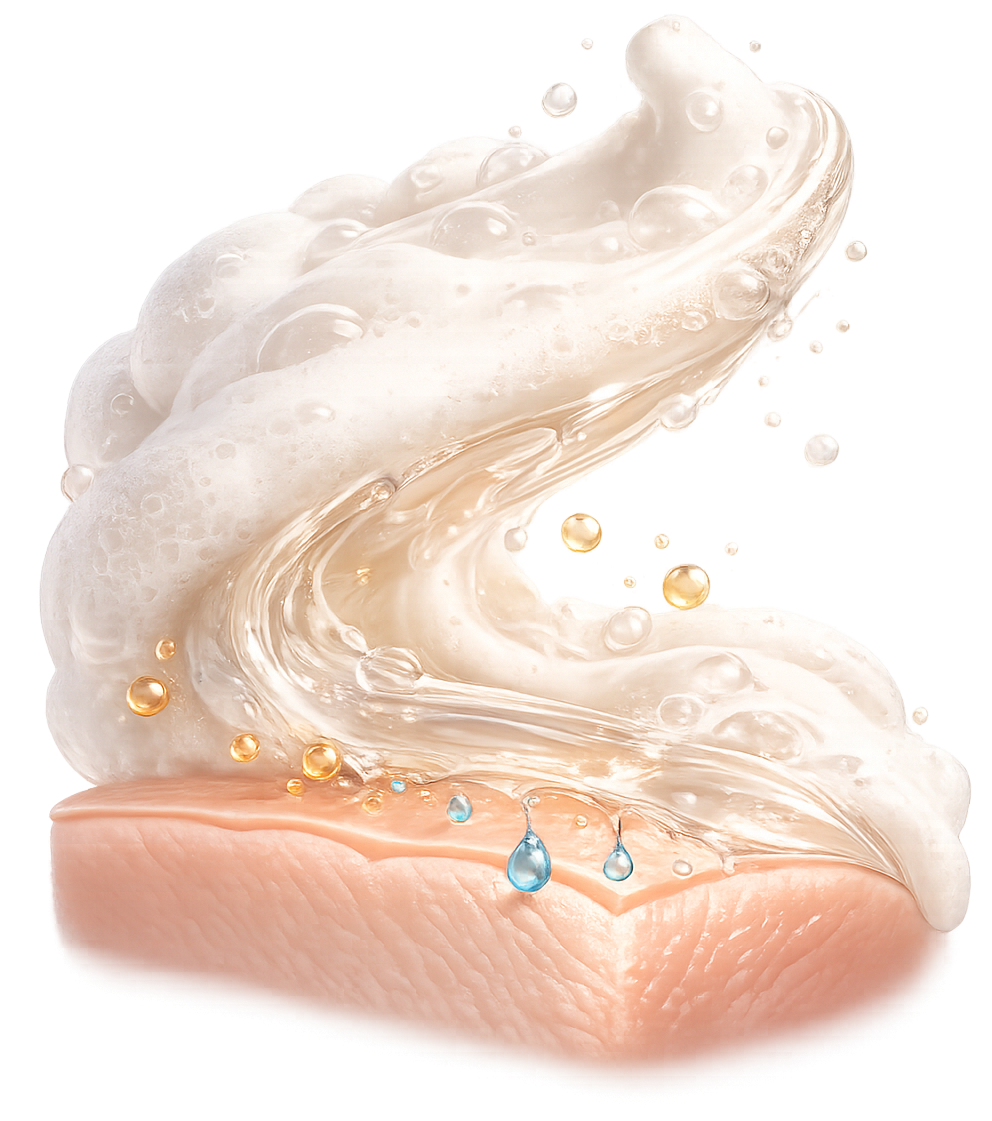
Using too many exfoliating products can damage the skin barrier and leave your skin irritated.
Pores are normal structures in your skin. They cannot simply be erased.
You don't need an aggressive pore-clearing routine. A simple, consistent approach is usually enough.
Use a gentle cleanser to remove excess oil and impurities.
If your skin tolerates it, an ingredient such as salicylic acid may help manage excess oil and pore buildup.

Even oily skin needs hydration. Use a moisturizer that feels comfortable on your skin.
Use broad-spectrum sunscreen during the day to protect your skin.
Don't judge your skin by how your pores look up close in a mirror. Sebaceous filaments are normal — healthy skin doesn't mean completely poreless skin.
Let's separate useful guidance from common skincare myths.
"Sebaceous filaments are dirty pores."
Sebaceous filaments are a normal part of the pore and help move sebum toward the skin's surface.
"You can permanently remove sebaceous filaments."
They naturally refill because your skin continues producing sebum.
"Every dark dot on the nose is a blackhead."
Many small, evenly distributed dots on the nose are actually sebaceous filaments.
"Squeezing them is the best way to remove them."
Squeezing may temporarily empty the pore but can cause irritation and doesn't prevent the filament from returning.
"You need completely poreless skin."
Pores are normal structures that every person has. Healthy skin does not need to look poreless.
Sebaceous filaments themselves are normal and usually don't require medical treatment.
However, professional advice may be helpful if:
Persistent bumps or dark spots may sometimes be blackheads, acne, or another skin concern rather than sebaceous filaments.
Pain, swelling, or significant inflammation isn't typical of simple sebaceous filaments.
A dermatologist can help determine whether acne or another condition is contributing to the problem.


Sebaceous filaments aren't a skincare failure — they're part of how your pores naturally work.
Don't spend your life trying to squeeze every tiny dot off your nose. Keep your routine gentle, manage excess oil if needed, and let your skin do what skin is supposed to do.