Release Sebum
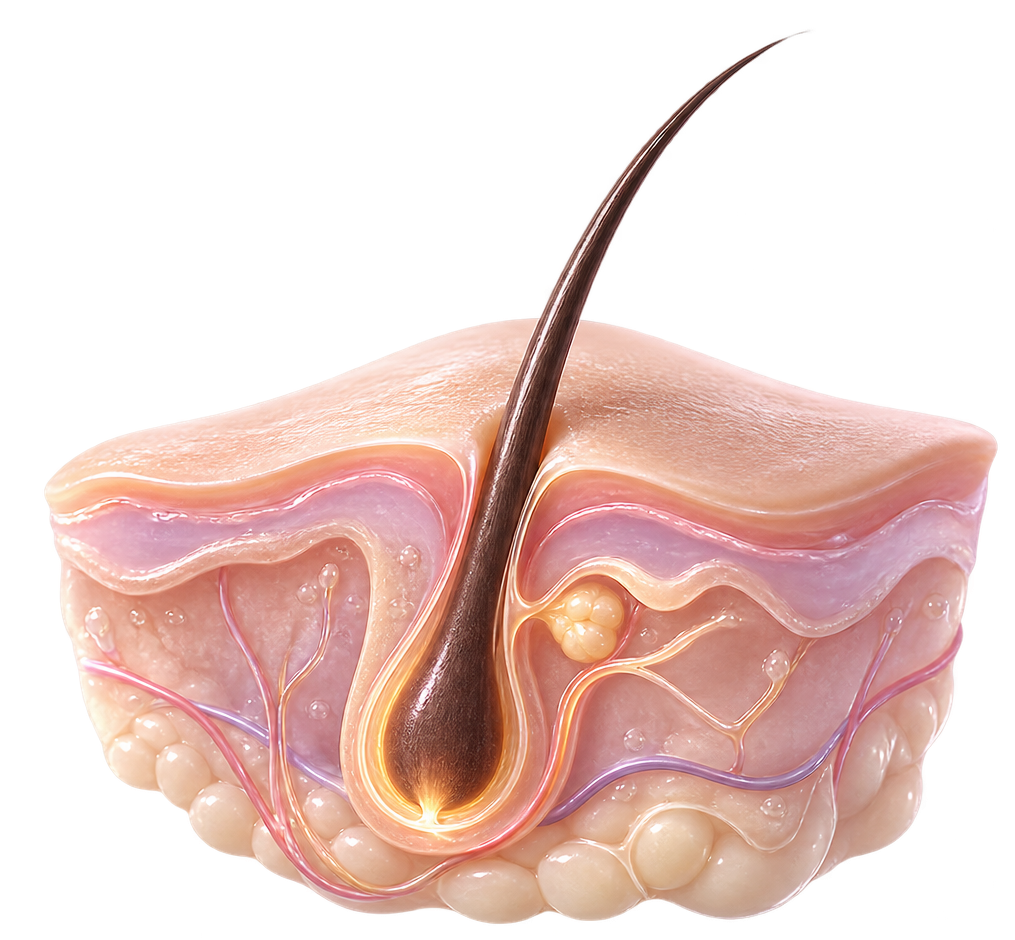
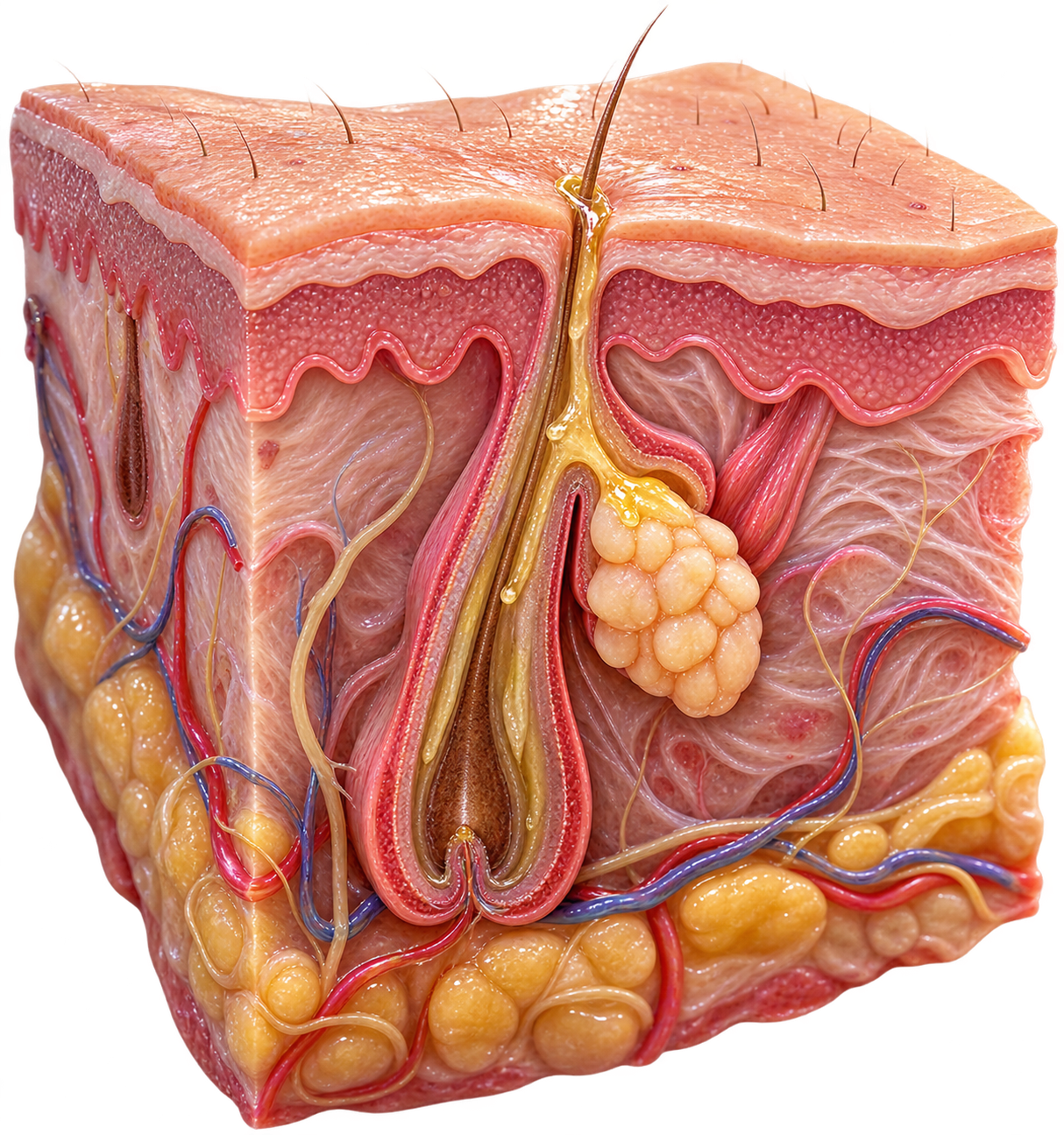
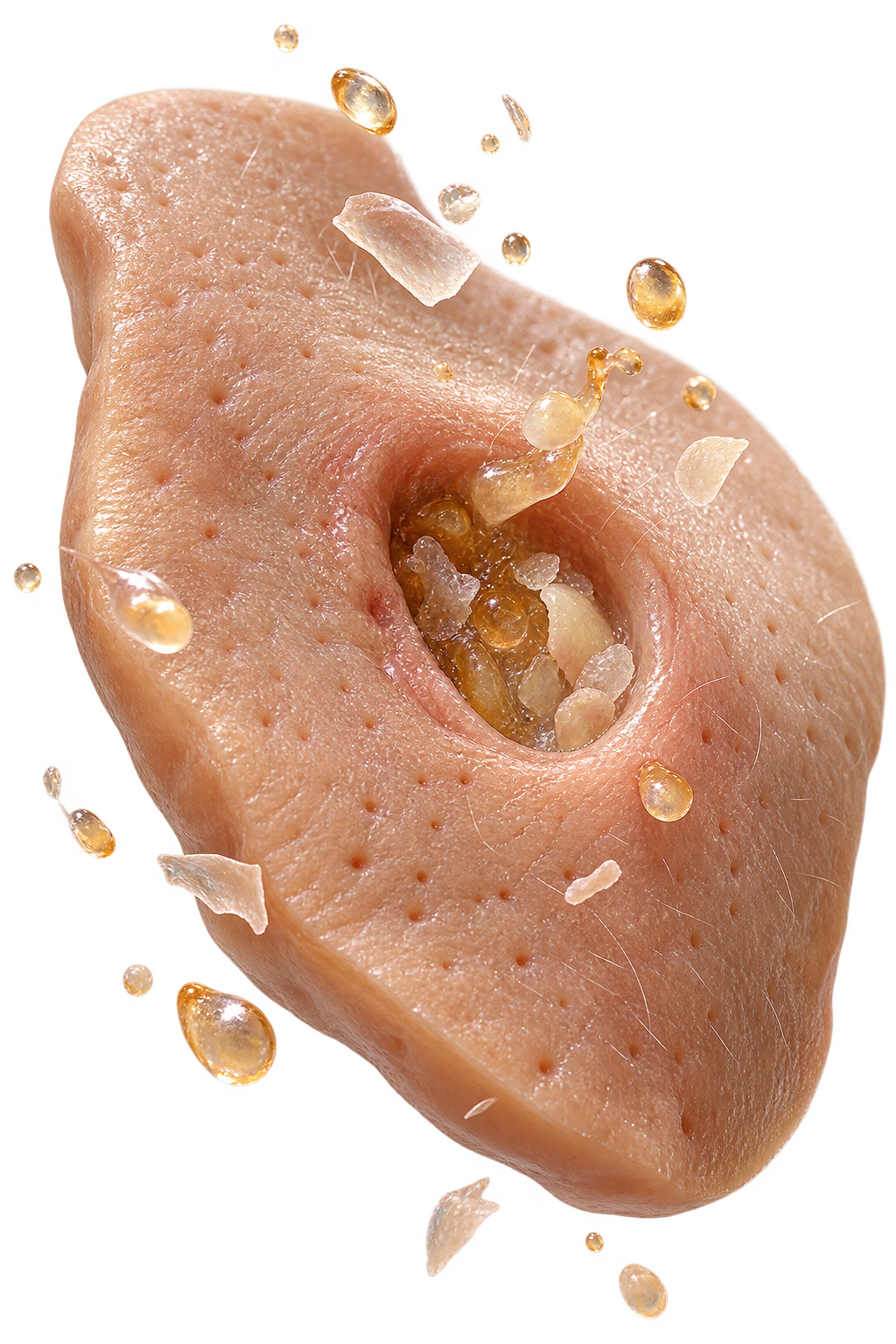
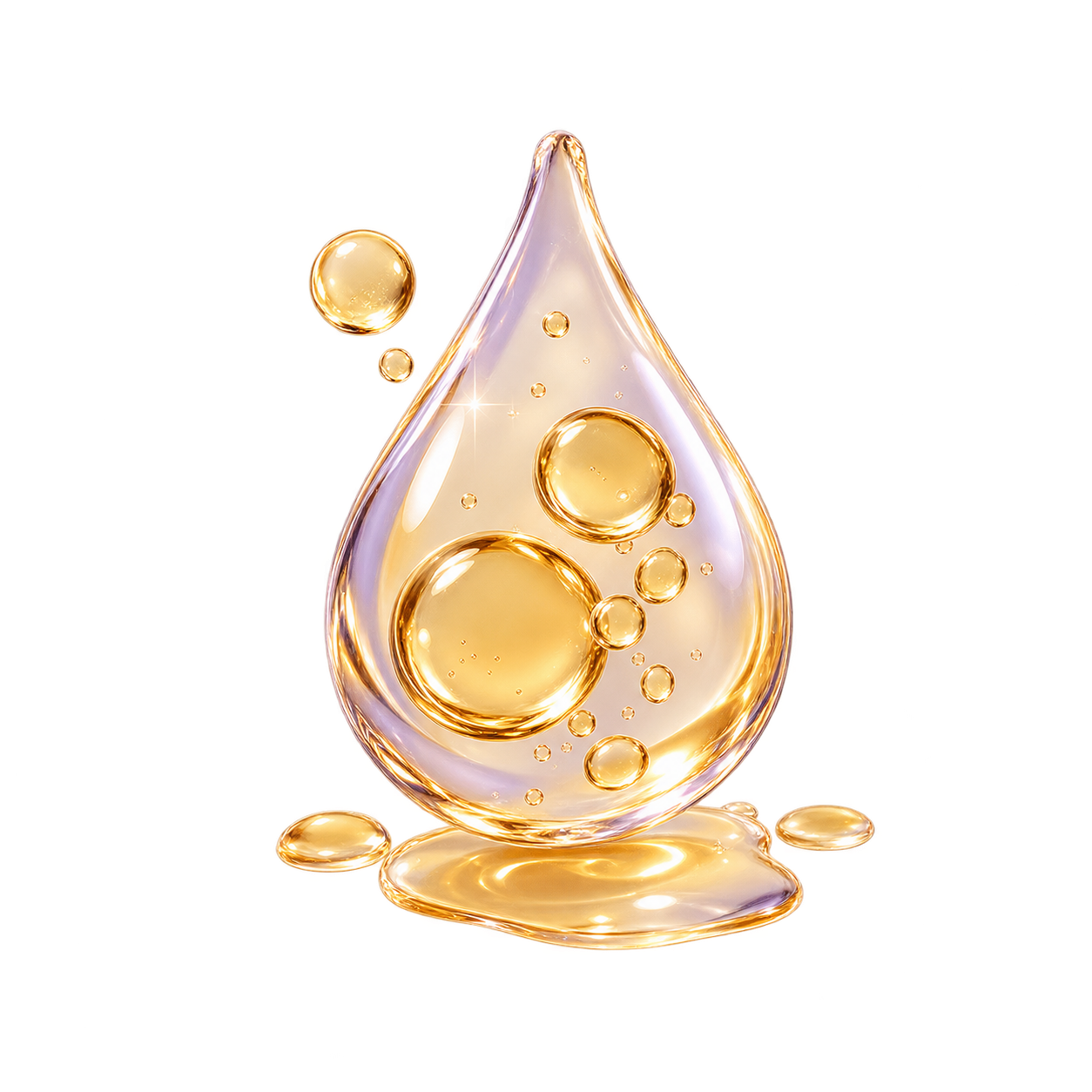
Sebaceous glands produce sebum, which travels through the pores to the skin's surface.
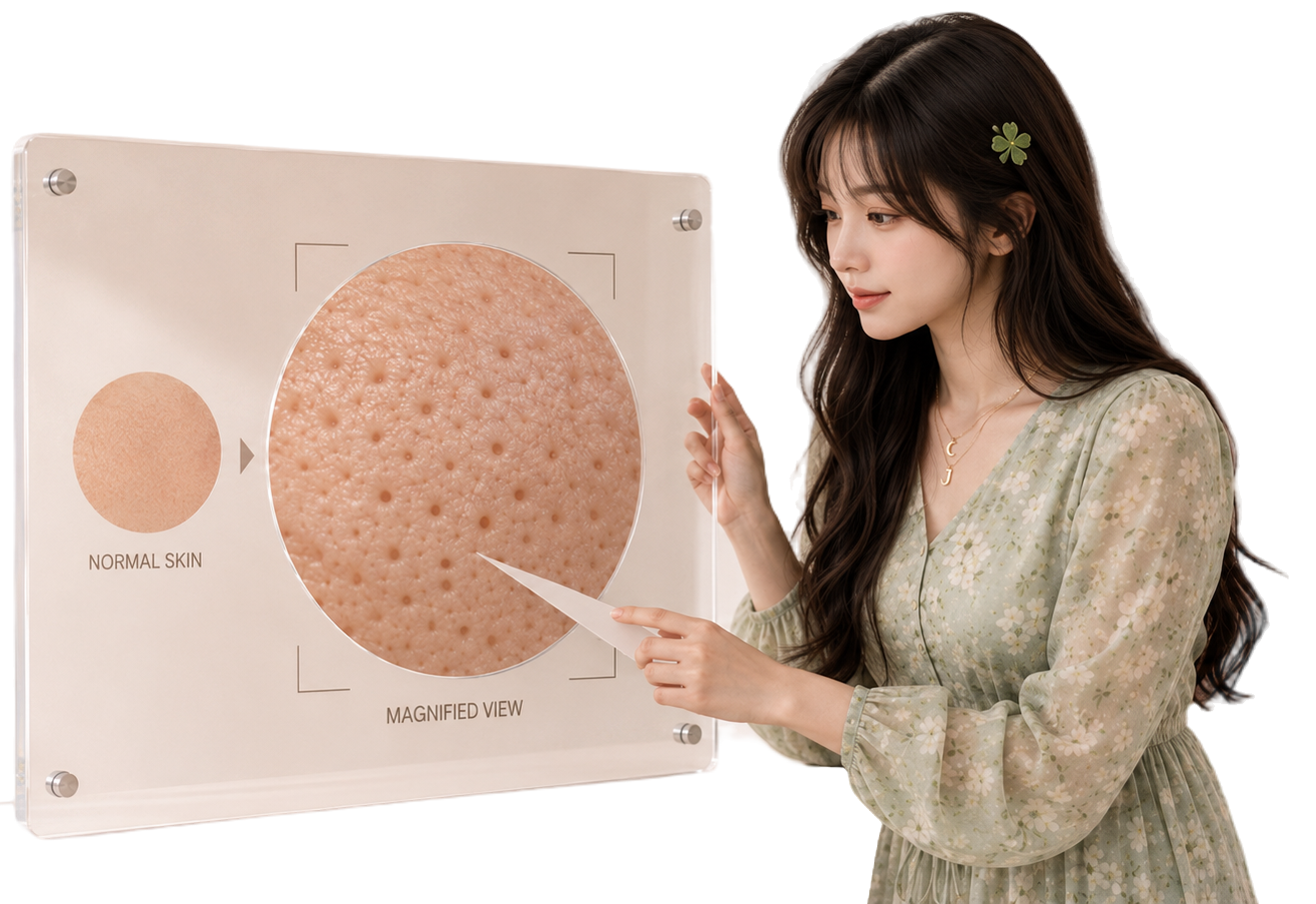
Ever wondered why you can see tiny dots or openings on your skin? Those are pores—and they're completely normal. Pores are essential openings connected to your hair follicles and oil glands, helping your skin release sebum and maintain its natural balance.
Learn what pores are, what they do, why they become more noticeable, and how to care for them.
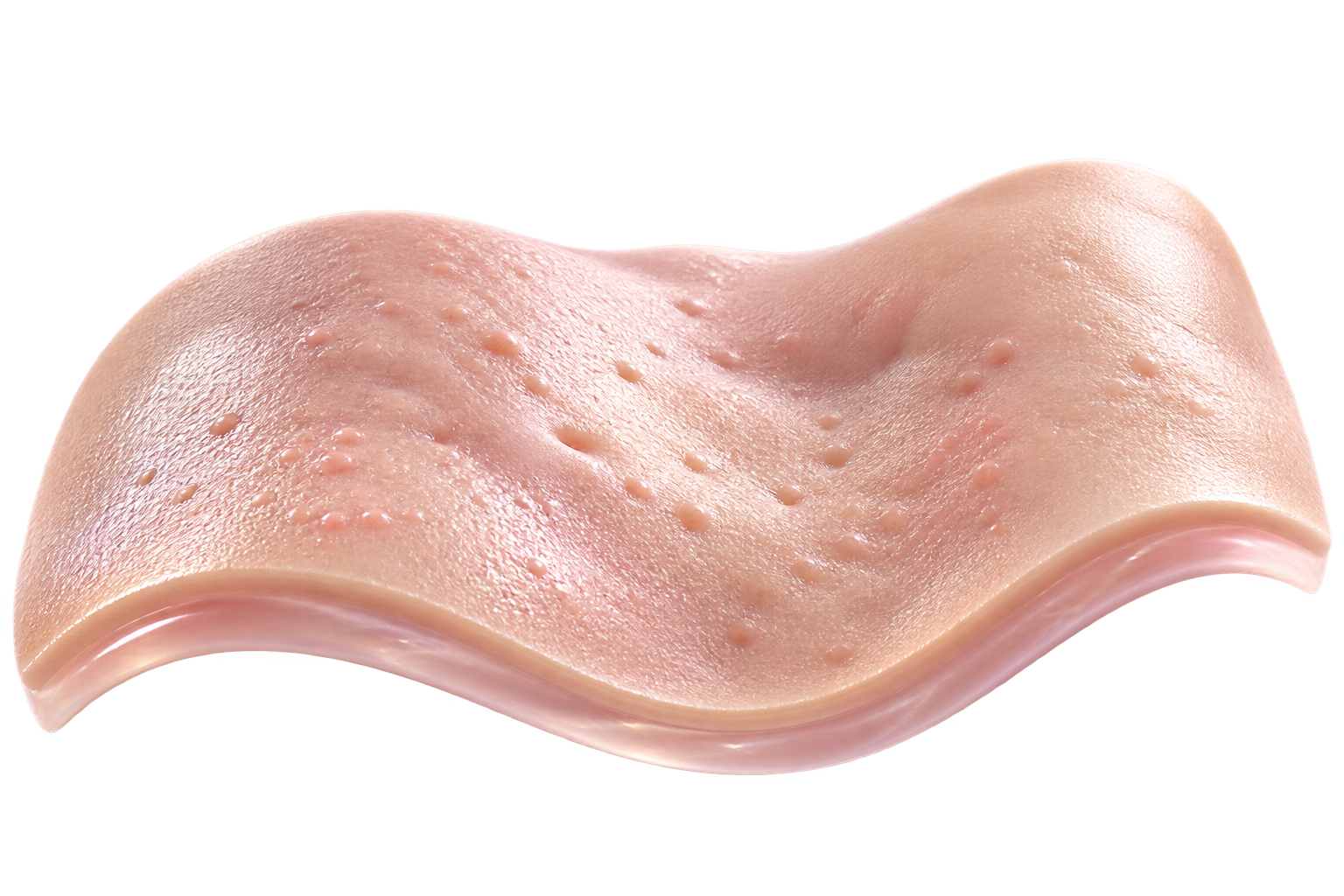
Pores are tiny openings on the surface of your skin that connect to hair follicles. Most pores are also connected to sebaceous glands, which produce sebum.
Pores are tiny openings on the surface of your skin that connect to hair follicles.
Most pores are connected to a sebaceous gland, which produces sebum (oil). Sebum travels through the follicle and reaches the skin's surface.
Pores are a normal and necessary part of healthy skin. Everyone has them—even when they're not easily visible.
Pores are openings on the skin's surface.
Sebaceous glands produce sebum that reaches the surface.
Everyone has pores, whether they're visible or not.
Pores aren't flaws—they're a normal and necessary part of how healthy skin works.
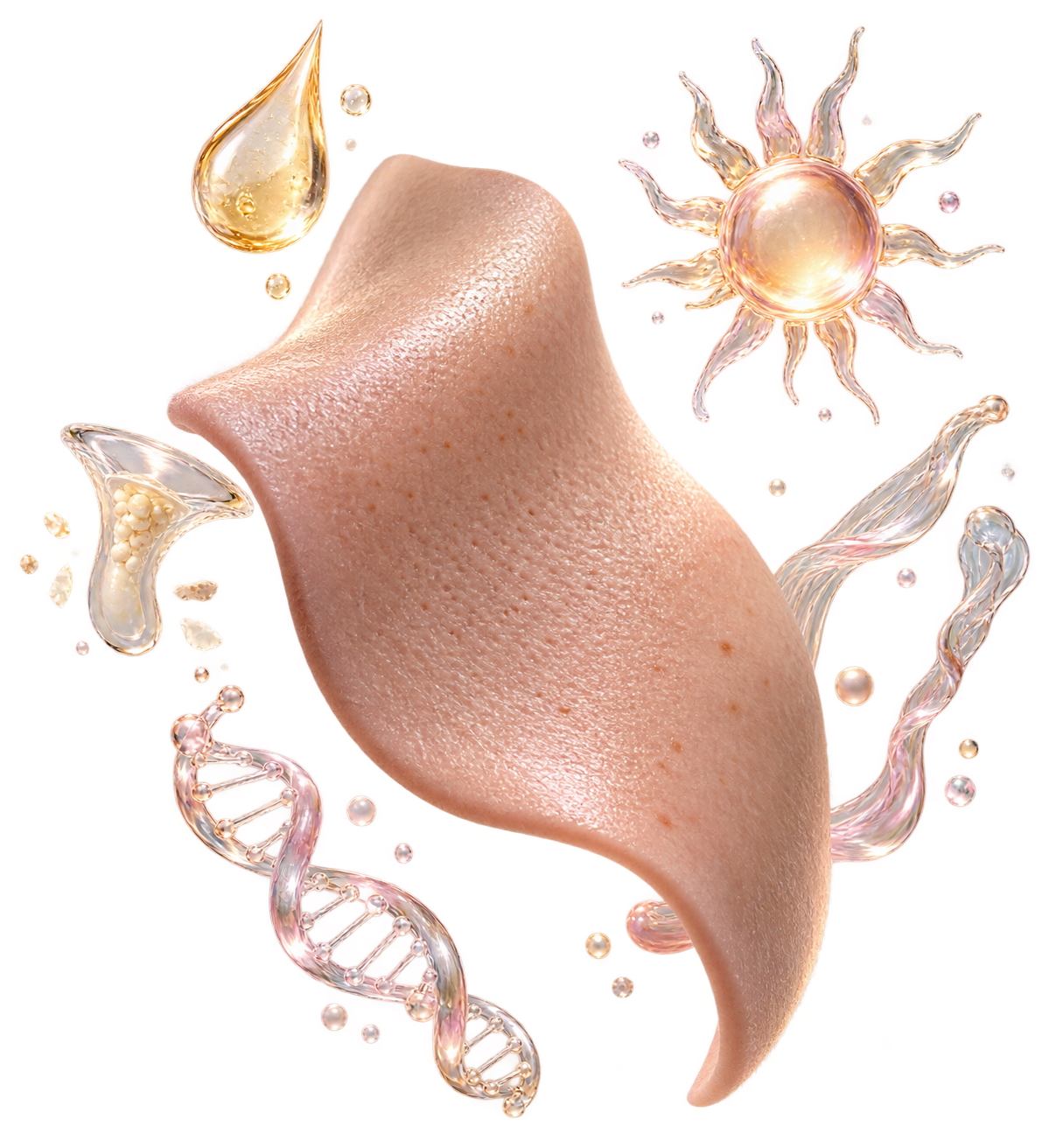
Pores aren't just tiny openings you can see on your skin. They are connected to structures that help your skin release sebum, support hair growth, and maintain its natural protective environment.
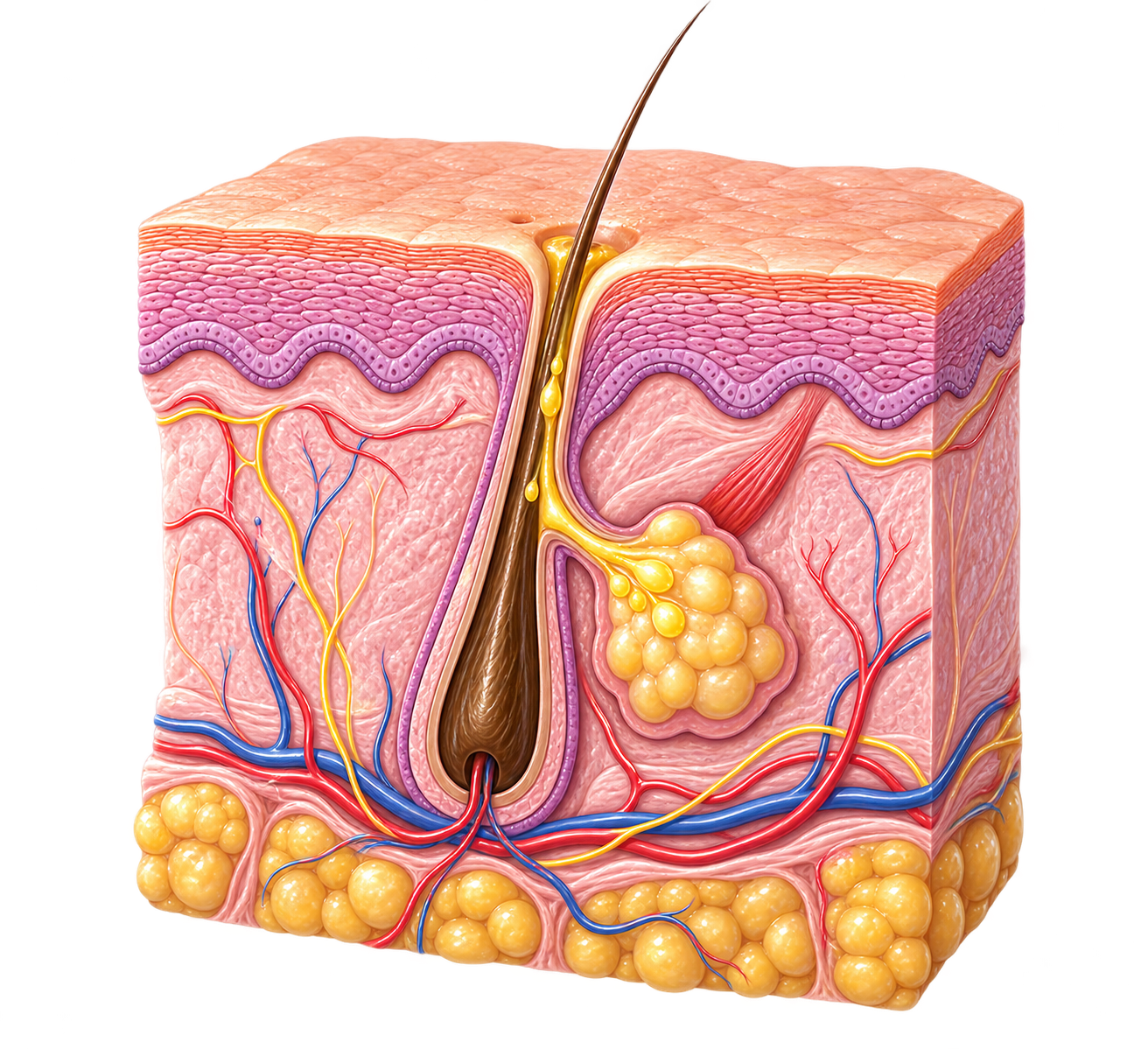
Sebaceous glands produce sebum, which travels through the pores to the skin's surface.
Pores are connected to hair follicles, which are responsible for growing body hair.
The follicle and sebaceous gland work together to support the skin's natural protective environment.
Pores aren't something your skin needs to "get rid of." They're part of how healthy skin works.
Think of a pore like a tiny pathway underneath your skin. Several connected structures work together before sebum reaches the surface.
The follicle is the structure where a hair grows.
The sebaceous gland is attached to the follicle and produces sebum.
The follicle opens onto the skin's surface.
Oil travels through the follicle and reaches the skin.
Hair follicle → sebaceous gland → pore opening → sebum reaches the skin's surface.
Yes! Everyone has pores, but how noticeable they look can vary from person to person and even from one area of the face to another.
Pore visibility can naturally vary depending on your skin, genetics, environment, and how your skin changes over time.
Your genes can influence how visible your pores naturally appear.
More oil on the skin can make pores appear more noticeable.
The texture and surface of your skin can affect how easily pores are seen.
Changes in skin structure over time can affect pore visibility.
UV exposure can affect the skin's structural support and make pores more noticeable.
Buildup inside a pore can make its opening appear more noticeable.
Changes in firmness can affect how pores appear on the skin's surface.
The size and appearance of pores can naturally vary across different areas of the same face.
Pores don't suddenly become giant holes. Instead, several factors can make them appear more prominent or noticeable on the skin.
More oil on the skin can make pores appear larger or more noticeable.
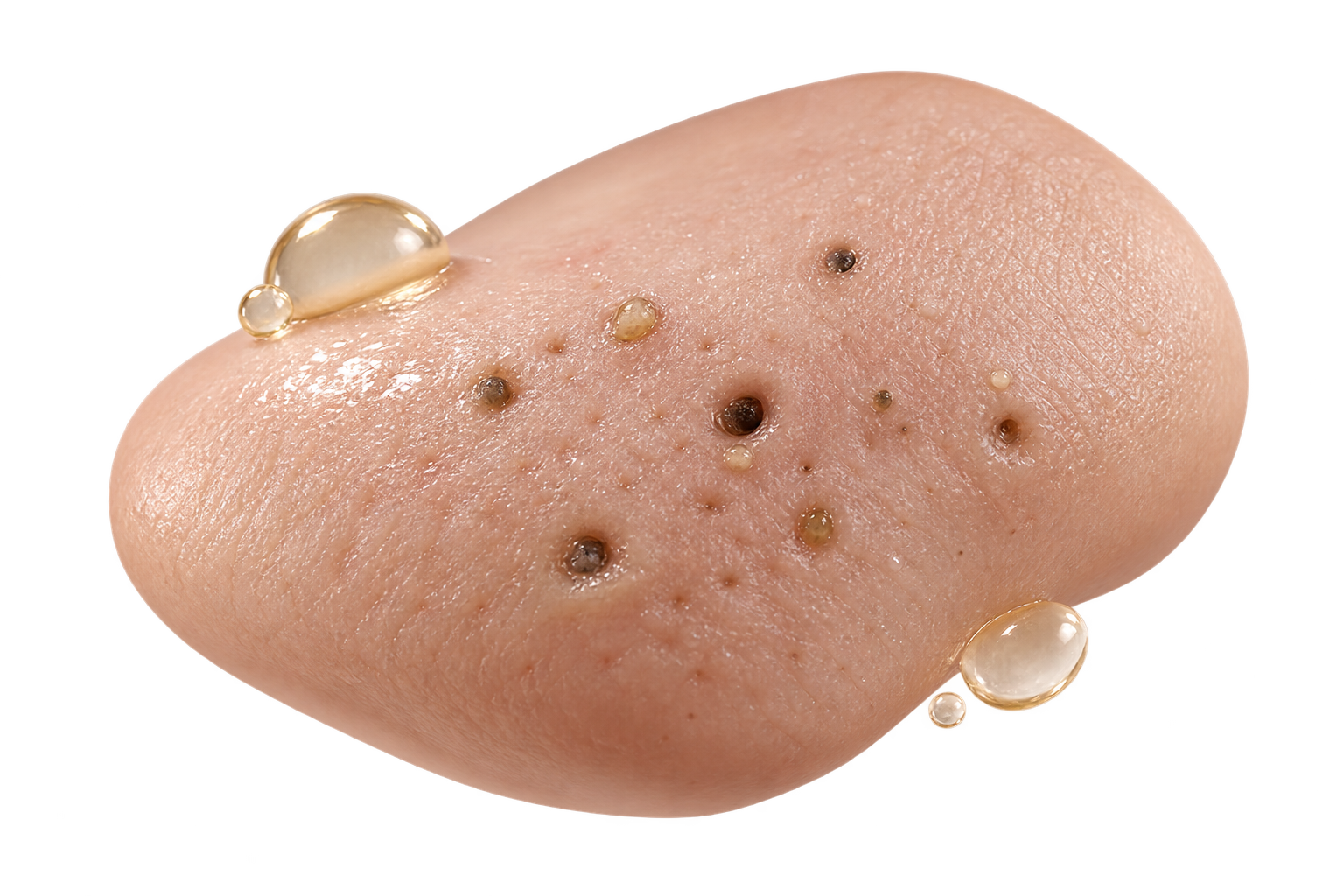
Oil, dead skin cells, and keratin can build up inside a follicle and make the opening more noticeable.
As collagen and elastin decrease, the surrounding skin can lose firmness.
UV radiation can damage collagen and reduce the skin's structural support.
Some people naturally have more visible pores than others.
Pore visibility is influenced by several factors, so seeing your pores doesn't automatically mean something is wrong with your skin.
These terms sound similar, but they're not the same. Understanding the difference can help you avoid treating naturally visible pores like a skin problem.
Normal openings in the skin connected to hair follicles.
Everyone has them
Necessary for normal skin function
May be barely visible or noticeable
Pores that appear larger or more visible than the surrounding pores.
Often influenced by genetics
Can be influenced by oil production
Aging or sun damage can contribute
Pores containing a buildup of sebum, dead skin cells, and keratin.
Usually contain sebum
Can contain dead skin cells and keratin
May lead to blackheads or whiteheads
Visible doesn't automatically mean clogged. You can have naturally noticeable pores without having a blockage.
You've probably heard that steam "opens" your pores and cold water "closes" them. But pores don't work like doors.
Pores do not have muscles that allow them to physically open and close.
"Use steam to open your pores."
"Use cold water to close them."
Heat may soften sebum and make the skin feel temporarily different, while cold temperatures can temporarily reduce swelling around the skin. Neither permanently opens or closes pores.
Think of temperature as something that can temporarily change how your skin feels or looks—not something that controls a pore like a door.
You cannot permanently shrink your pores with skincare. Their size and visibility are influenced by several natural and environmental factors.
Pore size and visibility are influenced by factors such as genetics, sebum production, age, skin elasticity, and sun exposure.
Your natural pore size and visibility can be influenced by your genes.
Higher oil production can make pores appear more noticeable.
Changes in skin structure over time can affect how visible pores look.
UV exposure can affect collagen and the structural support around pores.
Reduced firmness can make pores appear more prominent.
You can make pores appear less noticeable by keeping them clear, managing excess oil, protecting your skin from UV damage, and maintaining healthy skin texture.
The goal isn't to erase your pores—it's to support healthy skin so they appear as balanced and unobtrusive as possible.
A pore can become clogged when substances accumulate inside the hair follicle. Understanding what contributes to this buildup can help you care for your skin without over-cleansing or over-exfoliating.
Extra oil can accumulate inside the follicle.
Shed skin cells can contribute to buildup inside the follicle.
Keratin can accumulate together with sebum and dead skin cells.
Some products may contribute to clogged pores for certain individuals.
Not every skincare product will clog pores, and "comedogenic" ratings aren't perfectly reliable for everyone. Your individual skin can respond differently to the same product.
Different ingredients can support pore care in different ways—from exfoliating buildup to managing excess oil and improving overall skin texture.
Helps exfoliate inside pores and remove excess oil and dead skin cells.
Supports the skin barrier and may help regulate excess sebum.
Help normalize skin cell turnover and reduce the buildup that can contribute to clogged pores.
Exfoliate the skin's surface and can improve overall skin texture.
Can temporarily absorb excess oil from the skin's surface.
More active ingredients aren't always better. Choose ingredients based on your skin's needs and introduce them gradually to avoid unnecessary irritation.
Healthy pore care isn't about trying to erase your pores. A simple, consistent routine can help keep them clear while supporting your skin barrier.
Cleanse without harsh scrubbing or stripping your skin.
Aggressive physical scrubbing can irritate the skin.
Choose exfoliation that suits your skin and avoid over-exfoliating.
Use products that work well with your individual skin type and needs.
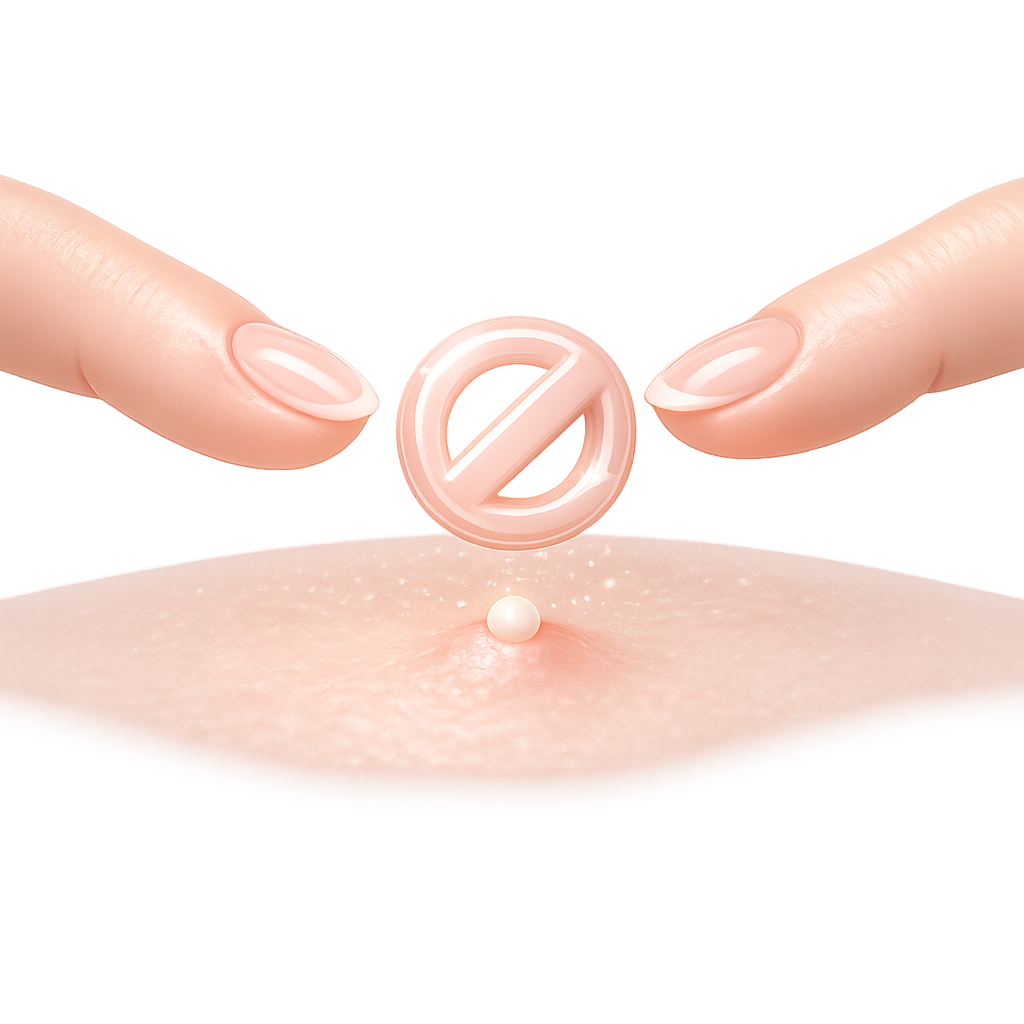
Avoid picking or squeezing clogged pores to reduce unnecessary irritation.
Keep your skin comfortable and support its natural barrier.
Protect your skin from daily UV exposure.
You don't need to completely remove your skin's natural oil to care for your pores.
Good pore care is about balance—not trying to make your skin completely pore-free.
Pores are surrounded by plenty of skincare myths. Let's separate common claims from what actually happens to your skin.
Pores don't have muscles, so they don't open or close.
Cold temperatures may temporarily affect the appearance of the skin, but they don't permanently close pores.
Warmth can soften oil and debris, but it doesn't physically open the pore.
Pores are a normal part of healthy skin. You can make them less noticeable, but you can't remove them.
Some pores are simply naturally visible.
Aggressive scrubbing can irritate the skin and damage the skin barrier without making pores healthier.
Your pores don't need to be erased. Understanding how they actually work makes skincare much easier.
Pores are not flaws—they're part of healthy skin.
Don't judge your skin by how visible your pores look
in a mirror or close-up camera.
Instead of trying to erase them, focus on keeping them
clear and supporting the skin around them.
Gentle cleansing, appropriate exfoliation, moisturizer,
and daily sunscreen can help your skin look smoother
while keeping its natural functions intact.