
KNOW YOUR SKIN BEFORE YOU CARE FOR IT.

Home Skin Concerns Ingredients Routine Journey Start Analysis
SEARCH-ICON ×
×

Welcome to Ask Mimii

Save your Skin Analysis,
personal routines and favourites.

OR
Skin Type

Oily Skin

Does your skin look shiny only a few hours after cleansing? Oily skin happens when the sebaceous glands produce more sebum than the skin needs.

While oil is important for keeping your skin comfortable and protected, excess sebum can contribute to clogged pores, blackheads, and acne. Learn why oily skin happens, how to recognize it, and how to keep it balanced without over-drying your skin.

Understand Oily Skin Oil is normal · Balance is the goal
Oily skin illustration
Oily Skin Basics

What Is Oily Skin?

Oily skin is a skin type characterized by increased production of sebum, the natural oil produced by the sebaceous glands.

Understanding Oily Skin

Your Skin's Natural Oil, In Excess

Sebum helps protect the skin, reduce water loss, and keep it soft. However, when the glands produce more sebum than the skin needs, the skin can appear shiny or greasy.

Oily skin is commonly most noticeable in areas with a high concentration of sebaceous glands, such as the forehead, nose, and chin.

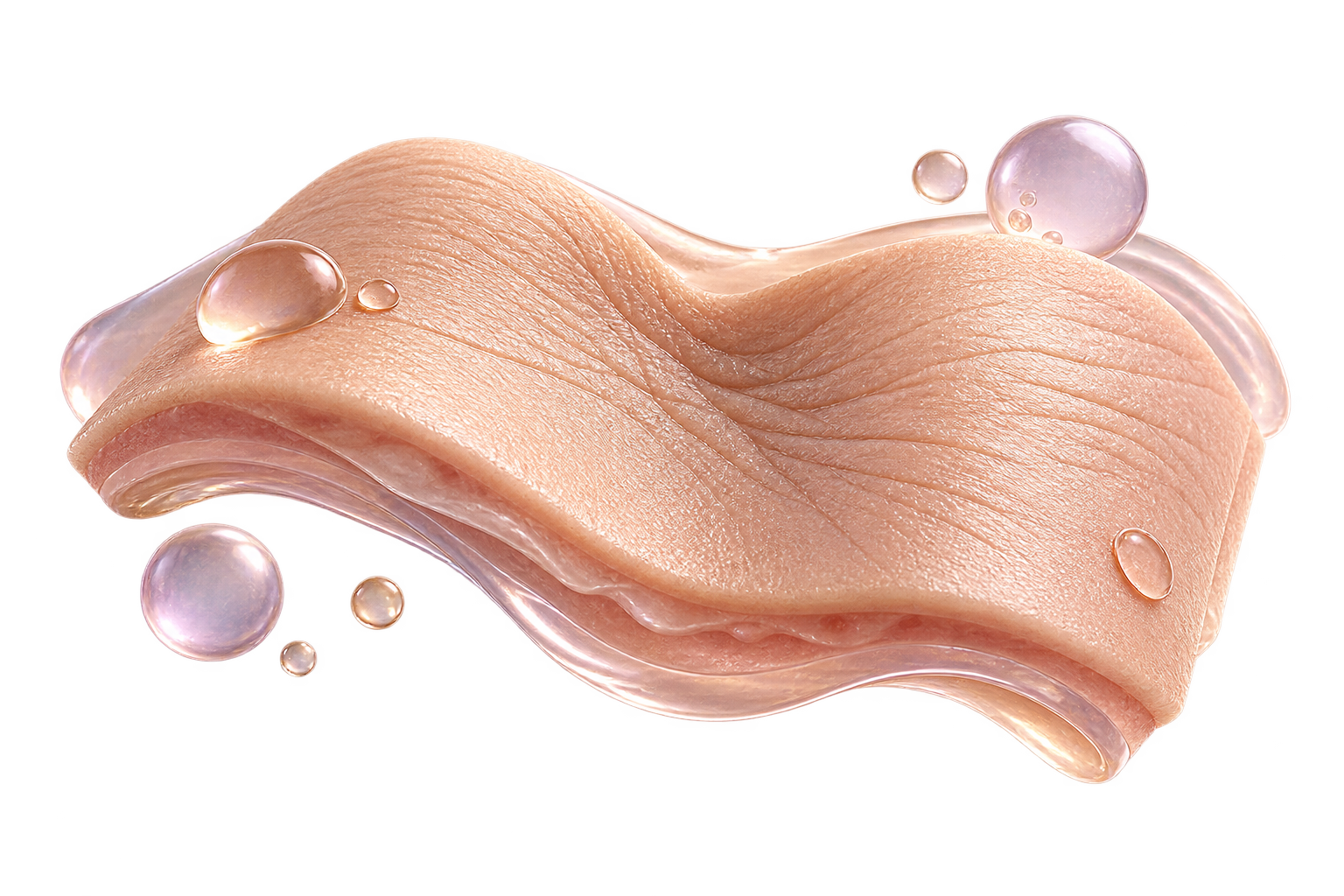
Oily skin and sebum illustration
Remember

Oil isn't the enemy.

Sebum is a normal part of healthy skin. The goal is to manage excess oil without stripping away the skin's natural protection.

Your Skin's Natural Oil

What Is Sebum?

Sebum is an oily substance produced by the sebaceous glands. It is a normal and important part of healthy skin.

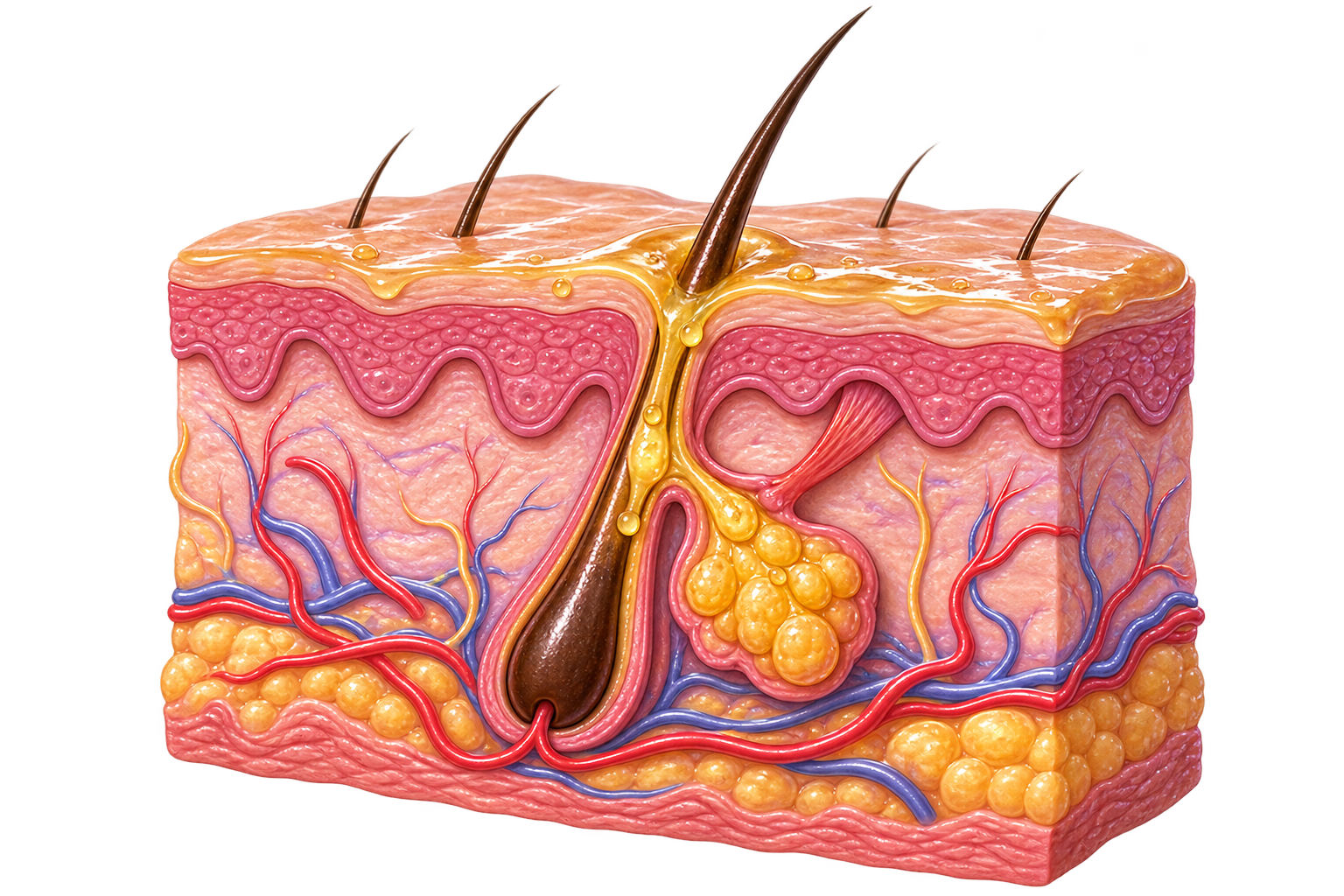
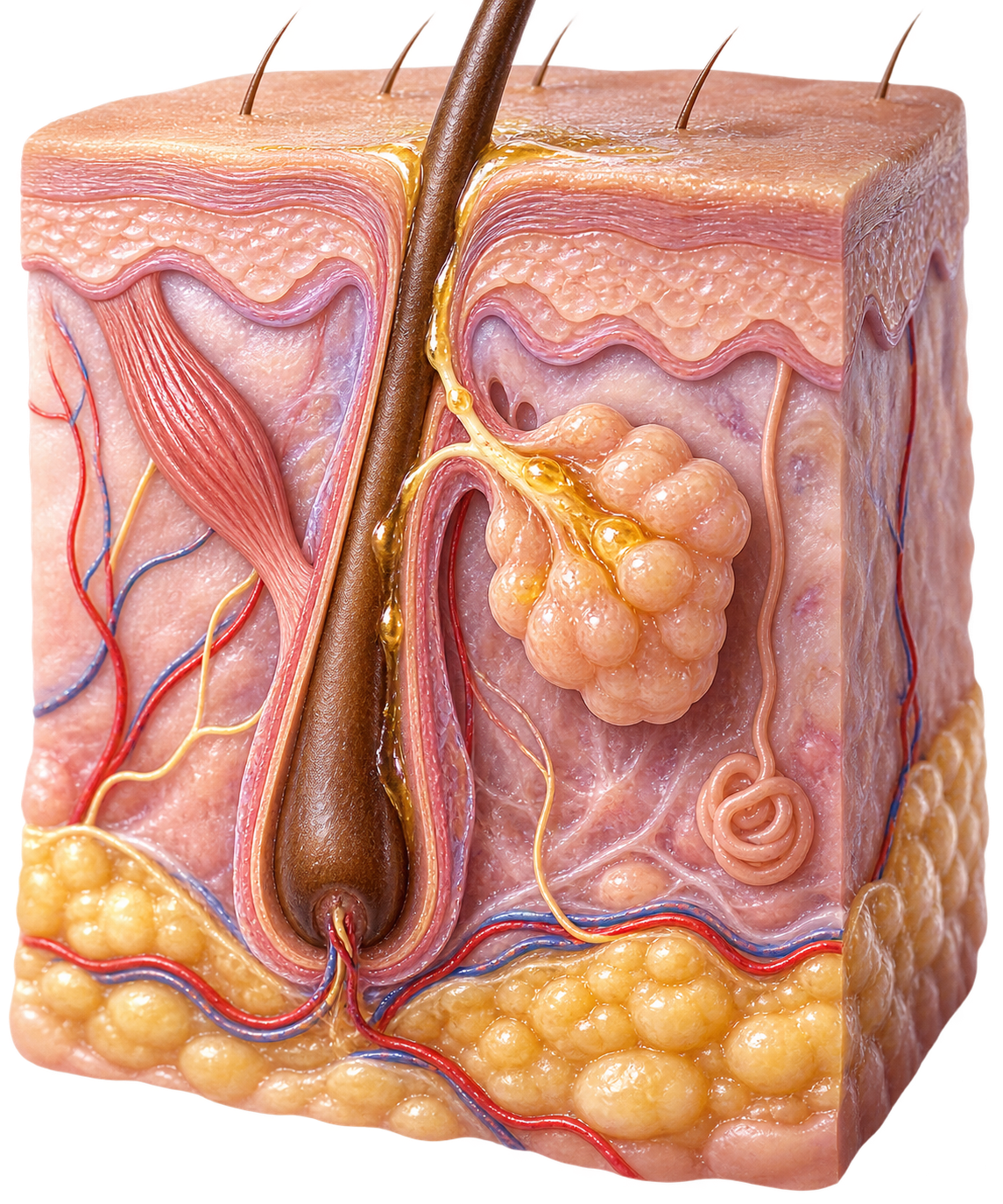
Sebum and sebaceous gland illustration
Understanding Sebum

Your Skin Needs Some Oil

Sebum is an oily substance produced by the sebaceous glands, which are connected to hair follicles.

It contains a mixture of lipids and helps the skin maintain its natural protective environment.

01

Reduce water loss

02

Keep the skin soft

03

Support the skin barrier

04

Protect the skin surface

The Goal

Manage excess oil — don't remove every trace of it.

Your skin needs some sebum to stay comfortable and healthy. The goal of caring for oily skin is balance, not complete oil removal.

Oil Production Process

How Does Oily Skin Develop?

Oily skin develops through the activity of the sebaceous glands and the factors that influence how much sebum reaches the skin's surface.

01
Step 01

Sebaceous Glands Produce Sebum

Sebaceous glands produce sebum, the natural oil that helps protect and soften the skin.

02
Step 02

Factors Influence Oil Production

Hormones, genetics, and other factors influence how much sebum the glands produce.

03
Step 03

More Oil Is Produced Than Needed

The glands may produce more oil than the skin needs, resulting in excess sebum.

04
Step 04

Excess Sebum Reaches the Surface

The excess sebum moves onto the skin's surface where it can become more noticeable.

05
Step 05

Skin Appears Shiny or Greasy

The skin may look shiny or greasy, while excess oil can contribute to clogged pores and acne.

The Key Idea

Oily skin isn't caused by oil being "bad" for your skin. It is primarily about how much sebum your sebaceous glands produce.

Signs & Appearance

What Does Oily Skin Look Like?

Oily skin can look and feel different throughout the day. These are some of the most common characteristics associated with increased sebum production.

Common signs and appearance of oily skin
Common Characteristics

How Oily Skin May Appear

01

Noticeable shine

02

Greasy feeling

03

Enlarged or visible pores

04

Oiliness throughout the day

05

Makeup may wear off more quickly

06

Blackheads or clogged pores may be more common

07

Acne may occur more frequently

Remember

Having visible pores or occasional shine doesn't automatically mean you have oily skin. Skin naturally produces some oil.

Causes & Influences

What Causes Oily Skin?

Several factors can influence how much sebum your skin produces. Some are part of your biology, while others can affect how oily your skin feels or appears.

01
Genetics illustration

Genetics

Your genes play a major role in determining the size and activity of your sebaceous glands.

02
Hormones illustration

Hormones

Androgens can stimulate sebaceous glands and increase sebum production.

03
Hormones illustration

Age

Sebum production changes throughout life. It is often higher during adolescence and early adulthood.

04
Climate illustration

Climate

Warm and humid environments can make oily skin feel and appear more noticeable.

05
Stress illustration

Stress

Stress-related hormonal changes may influence sebum production in some people.

06
Medications illustration

Certain Medications

Some medications can affect oil production.

One More Thing

Oily skin usually isn't caused by one single factor. Your genetics, hormones, age, environment, and other influences can all play a role.

Common Areas

Where Is Oily Skin Usually Found?

Oily skin is often most noticeable in areas with a higher concentration of sebaceous glands.

Face

The T-Zone Is Often the Oiliest

The forehead, nose, and chin are especially likely to become oily because they contain many sebaceous glands.

Forehead
Nose
Chin
Cheeks
Common areas where oily skin is noticeable
Body

Oiliness Isn't Limited to the Face

Sebaceous glands are also present on many other parts of the body, including the chest and upper back.

Chest Upper Back
Good to Know

The T-zone—the forehead, nose, and chin—is especially likely to become oily, but oil production can vary across different areas of the same person.

Know the Difference

Oily Skin vs Dehydrated Skin

Oily skin and dehydrated skin describe two different things. One relates to oil production, while the other relates to the amount of water in the skin.

Oily Skin

About Oil

Oily skin is a skin type characterized by increased sebum production.

vs
Dehydrated Skin

About Water

Dehydration refers to a lack of sufficient water in the skin and can affect any skin type.

Feature
Oily Skin
Dehydrated Skin
What it relates to
Produces excess sebum
Lacks sufficient water
Classification
Skin type
Temporary condition
How it may feel or look
May look shiny or greasy
May feel tight or look dull
Can it occur alone?
Can occur on its own
Can affect any skin type
Main focus
Oil management
Hydration and barrier support
Yes, They Can Happen Together

Oily + Dehydrated Skin Is Possible

You can have oily, well-hydrated skin or oily, dehydrated skin. If your skin is shiny but also feels tight, uncomfortable, or flaky, don't automatically assume you need a stronger cleanser.

Your skin may be producing excess oil while still lacking sufficient water.

Quick Tip

Shiny skin doesn't always mean your skin needs more cleansing. Sometimes, it needs hydration and barrier support.

The Over-Cleansing Trap

Can Oily Skin Be Caused by Over-Cleansing?

Washing your face too often or using harsh cleansers can leave oily skin feeling dry, tight, irritated, or dehydrated. But that doesn't mean your skin automatically produces more oil to replace everything you removed.

What Actually Happens?

Stripping Your Skin Isn't the Solution

Using harsh cleansers or washing your face excessively can strip protective oils from the skin and irritate the skin barrier.

Sebum production is primarily controlled by factors such as hormones, genetics, and sebaceous gland activity. Over-cleansing does not automatically make your skin produce more oil to replace everything that was removed.

What Over-Cleansing Can Leave Behind
01

Irritated Skin

The skin may become more sensitive or uncomfortable.

02

Dry or Tight Feeling

Removing protective oils can leave skin feeling tight.

03

Dehydrated Skin

Oily skin can still become dehydrated.

A Better Approach

Cleanse Gently. Moisturize. Keep It Balanced.

The solution isn't to wash harder. Use a gentle cleanser and a suitable moisturizer to help your skin stay comfortable while you manage excess oil.

Ingredients That Help

Ingredients Commonly Used for Oily Skin

Different ingredients can support oily skin in different ways, from managing excess sebum to keeping pores clear and maintaining comfortable hydration.

A Popular Choice

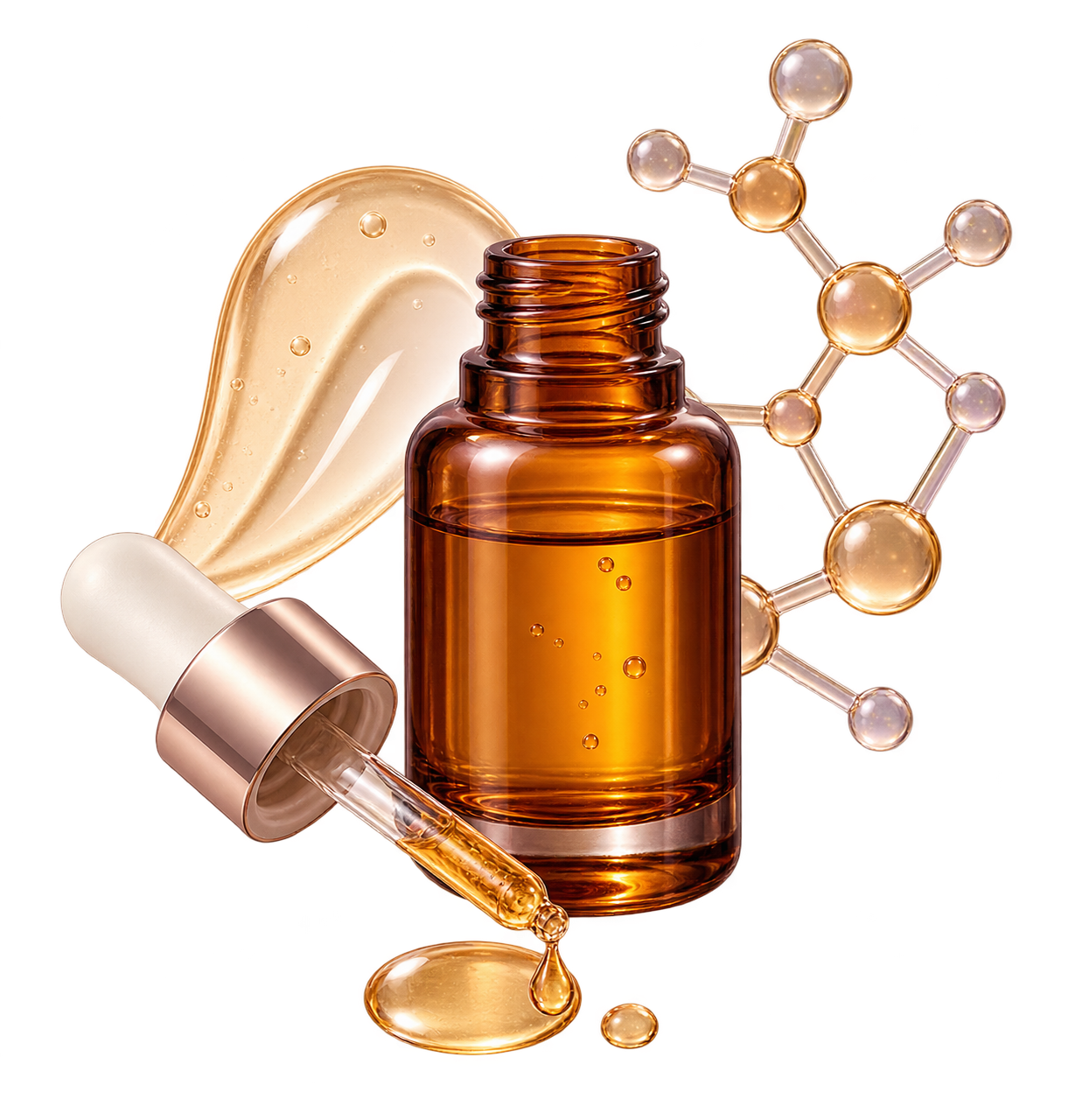
Niacinamide

Helps support the skin barrier and may help reduce excess sebum and the appearance of enlarged pores.

Niacinamide illustration
02

Salicylic Acid (BHA)

Helps exfoliate inside pores and remove excess oil and dead skin cells.

03 Retinoids illustration

Retinoids

Help regulate skin cell turnover and can be useful for oily, acne-prone skin.

04 L-Carnitine illustration

L-Carnitine

May help influence sebum production, although it is less commonly used than ingredients such as niacinamide or salicylic acid.

05 Clay illustration

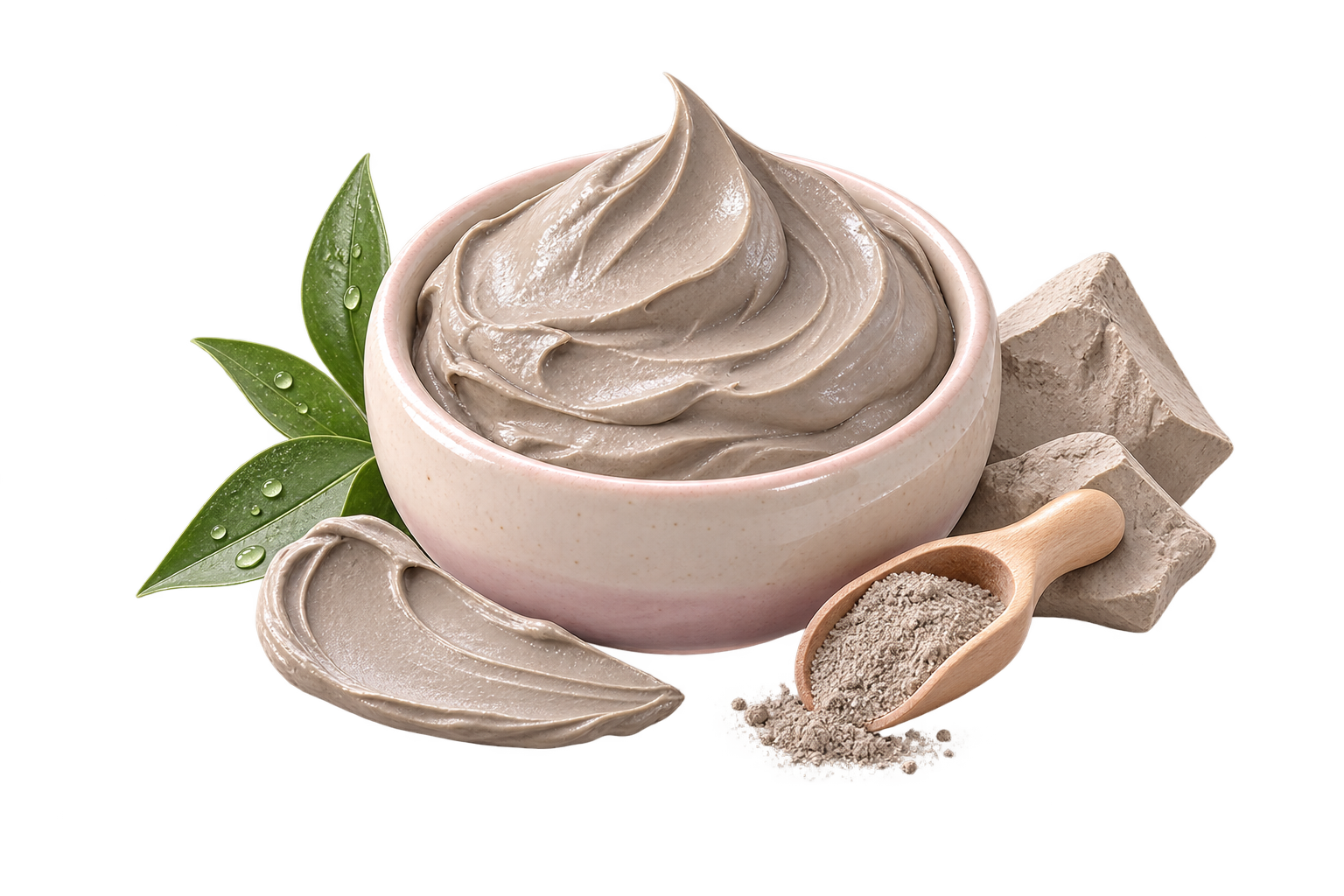
Clay

Can absorb excess oil from the skin's surface and temporarily reduce shine.

06 Lightweight Moisturizers illustration

Lightweight Moisturizers

Help maintain hydration without unnecessarily adding a heavy or greasy feeling.

Keep in Mind

Not every ingredient is right for every person. Introduce active ingredients gradually and keep your routine gentle and consistent.

Gentle Care Matters

What Should You Avoid?

Oily skin still needs gentle care. Trying to fight excess oil with increasingly aggressive products can leave your skin irritated, dry, or dehydrated.

Don't Fight Oil With More Aggression

More stripping doesn't mean better oil control.

The goal isn't to remove every trace of oil. Instead, focus on managing excess sebum while keeping your skin comfortable and supporting its natural barrier.

01

Harsh Scrubbing

Scrubbing aggressively can irritate the skin.

02

Very Strong Cleansers

Strong cleansing can leave the skin feeling stripped.

03

Excessive Washing

Washing your face repeatedly can irritate the skin barrier.

04

Multiple Strong Exfoliants

Using several strong exfoliating products at once may irritate your skin.

05

Skipping Moisturizer

Oily skin still needs hydration and barrier support.

06

Picking Blackheads or Pimples

Picking can irritate the skin and make inflammation worse.

07

Products That Consistently Irritate

A product isn't worth keeping in your routine if it repeatedly irritates your skin.

Important

Oil-free doesn't mean moisture-free.

Oily skin still needs hydration. Choose products with textures that feel comfortable for your skin rather than trying to eliminate moisture altogether.

Prevention & Care

How to Manage Oily Skin

Oily skin doesn't need an aggressive routine. Consistent, gentle care can help manage excess oil while keeping the skin comfortable and supported.

Your Everyday Approach

Keep Your Routine Simple & Consistent

01

Cleanse gently twice a day.

02

Use a lightweight, non-comedogenic moisturizer.

03

Wear broad-spectrum sunscreen every day.

04

Use salicylic acid if appropriate for your skin.

05

Avoid excessive exfoliation.

06

Choose makeup labeled non-comedogenic if you're prone to clogged pores.

07

Blot excess oil when needed instead of repeatedly washing your face.

08

Keep your routine simple and consistent.

Myths vs Facts

What Should You Really Believe About Oily Skin?

Oily skin is often misunderstood. Let's separate common skincare myths from what your skin actually needs.

Myth

Oily skin doesn't need moisturizer.

Fact

Oily skin still needs hydration and barrier support. Choose a lightweight moisturizer that feels comfortable on your skin.

Myth

Scrubbing removes excess oil permanently.

Fact

Scrubbing may temporarily remove surface oil but can irritate the skin without controlling the underlying cause of oil production.

Myth

You should wash oily skin as many times as possible.

Fact

Over-cleansing can irritate the skin and disrupt the barrier. Gentle cleansing is usually a better approach.

Myth

Oily skin doesn't need sunscreen.

Fact

Oily skin still needs daily UV protection. Choose a sunscreen with a texture that feels comfortable for your skin.

Myth

Oily skin always means unhealthy skin.

Fact

Sebum is a normal and important part of healthy skin. Oily skin simply produces more of it.

Myth

You can permanently stop your skin from producing oil.

Fact

You can't completely eliminate sebum production—and you shouldn't. The goal is to manage excess oil while keeping the skin barrier healthy.

The Real Goal

Healthy oily skin doesn't mean completely oil-free skin. Focus on balance, gentle care, hydration, and consistent sun protection.

Mimii
Mimii's Tip

Don't declare war on your skin's natural oil.

Sebum is supposed to be there. Instead of trying to strip it away completely, focus on keeping excess oil under control while protecting your skin barrier. A gentle cleanser, lightweight moisturizer, appropriate oil-controlling ingredients, and daily sunscreen can help oily skin feel much more balanced.

— Mimii ♡