01

A Trigger Damages the Skin
The skin comes into contact with a trigger such as harsh skincare, hot water, excessive exfoliation, or environmental stress.
 ×
×
Does your skin burn, sting, itch, or suddenly feel uncomfortable? Irritated skin is a common condition that occurs when the skin barrier becomes disrupted by skincare products, environmental factors, or other everyday triggers.
Learn what irritated skin is, what causes it, how to calm irritation, and the best ways to support your skin barrier while it naturally recovers.

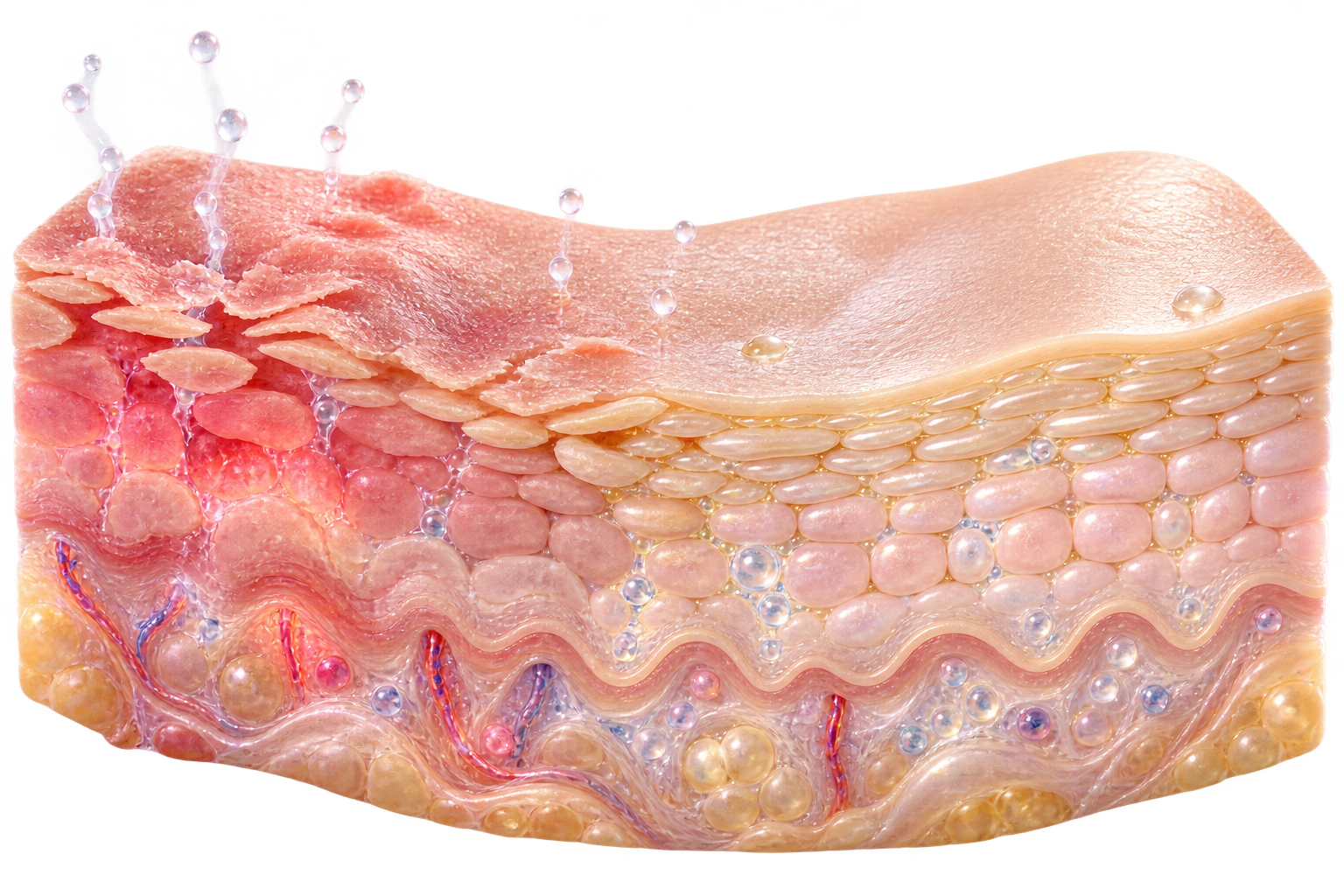
Irritated skin is a temporary condition that occurs when the skin barrier becomes weakened or damaged. This allows moisture to escape more easily while making the skin more vulnerable to everyday irritants.
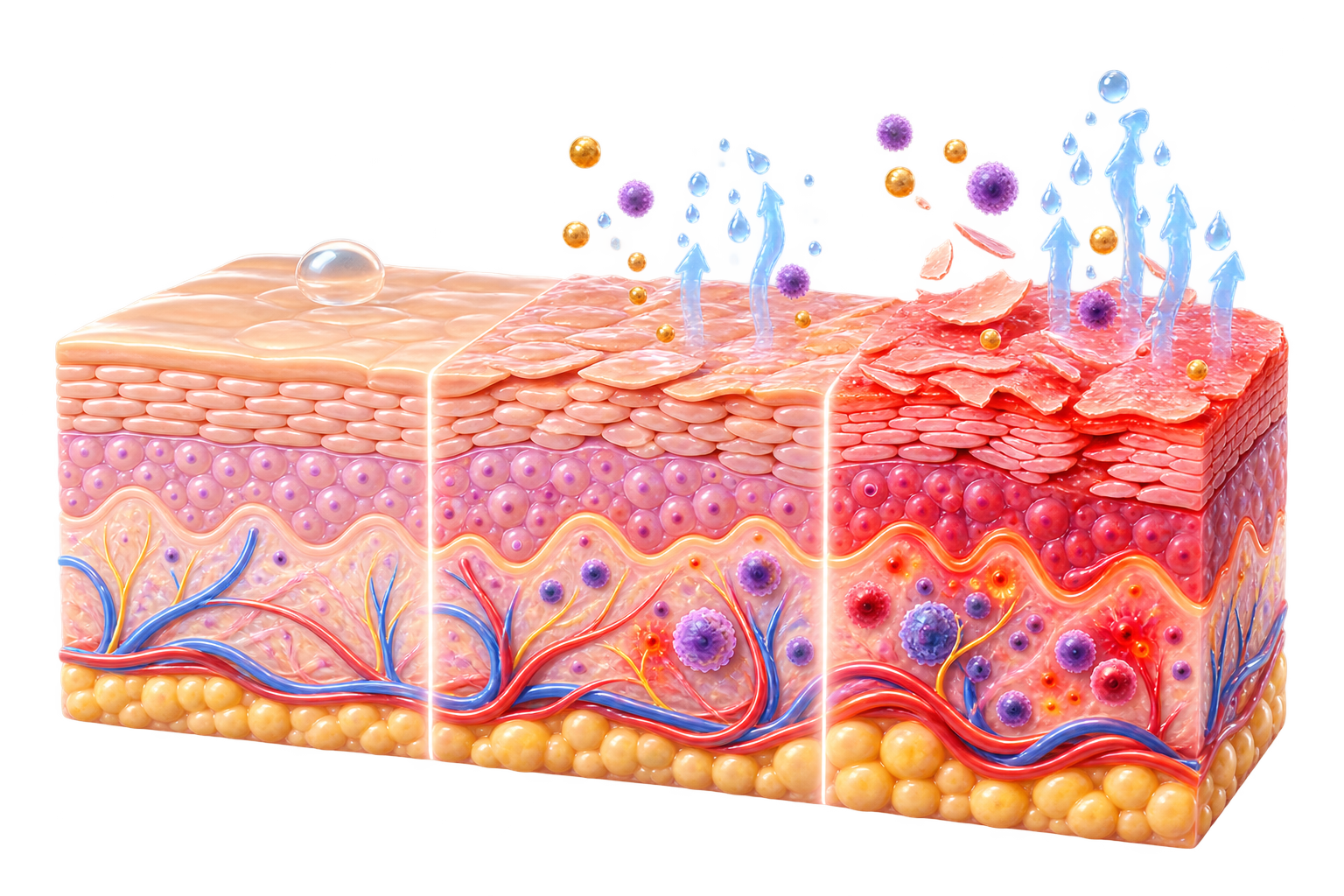
Irritated skin is not a skin type or a disease. It is the skin's natural response after something damages or disrupts the skin barrier, such as harsh skincare, environmental stress, excessive exfoliation, or other external triggers.
When the skin barrier becomes weakened, water escapes more easily through increased transepidermal water loss (TEWL), while irritants penetrate the skin more easily. This often leads to redness, burning, stinging, itching, dryness, or discomfort.
Anyone can experience irritated skin, regardless of their skin type. Once the trigger is removed and the skin barrier is supported, irritation often improves over time.
Irritated skin develops when something weakens the skin barrier. As the barrier becomes damaged, moisture escapes more easily and irritants enter the skin, triggering inflammation and discomfort.
The skin comes into contact with a trigger such as harsh skincare, hot water, excessive exfoliation, or environmental stress.
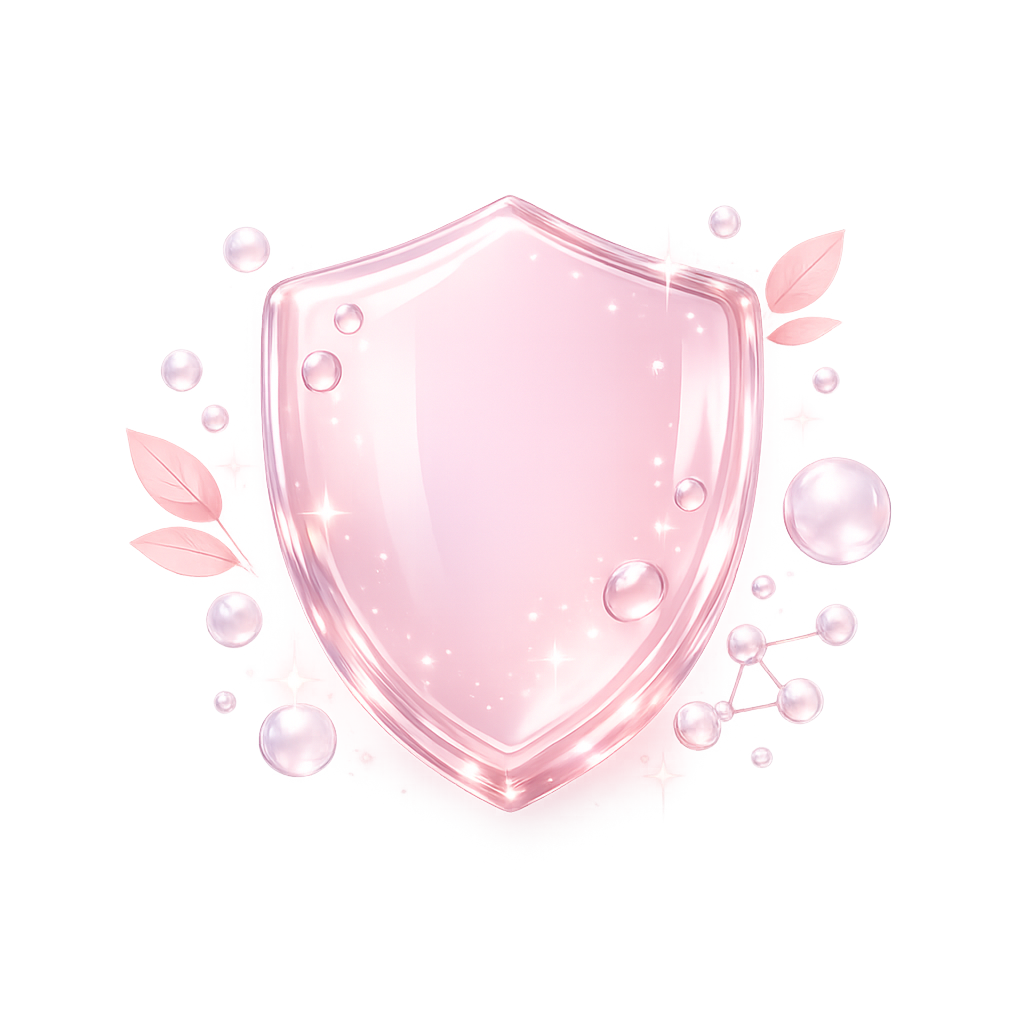
The protective barrier becomes damaged, reducing its ability to lock in moisture and defend against external irritants.
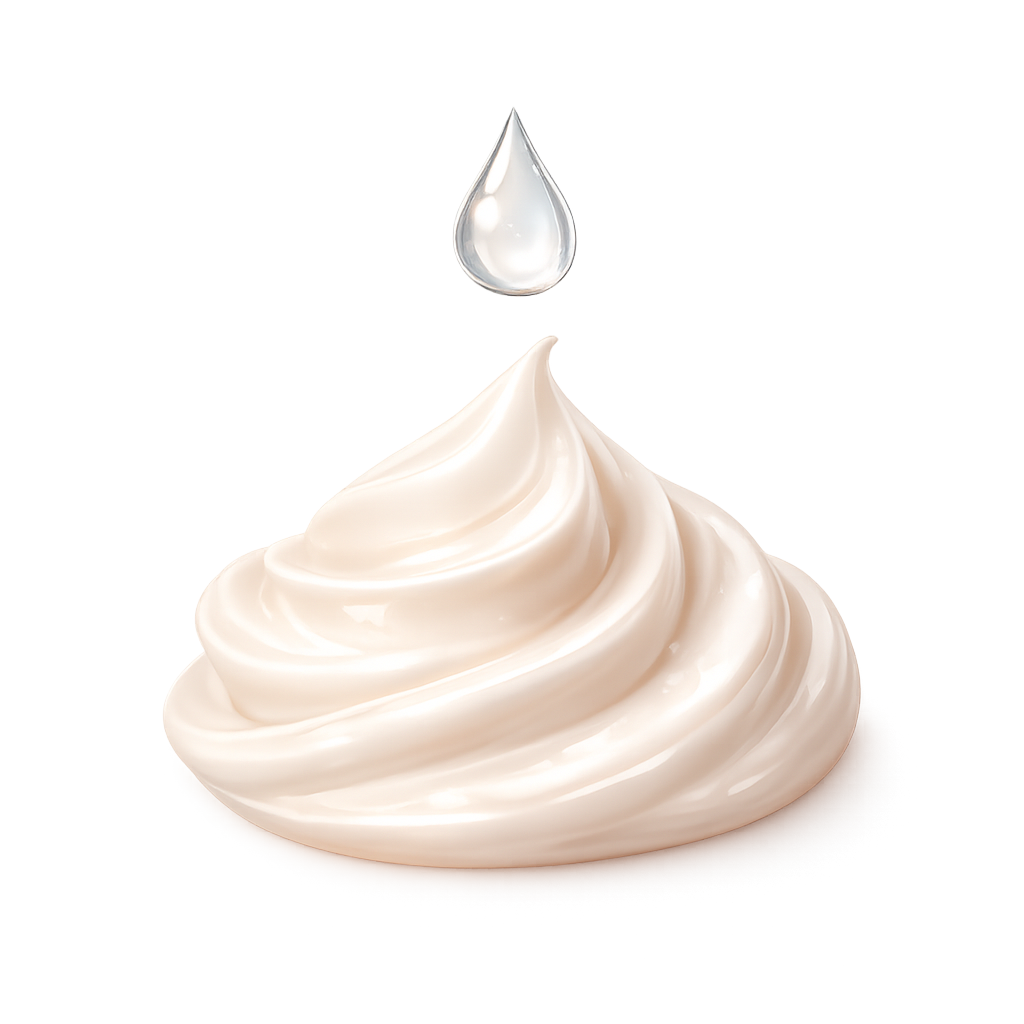
Increased transepidermal water loss (TEWL) allows hydration to escape, leaving the skin dry and less resilient.

With a weakened barrier, irritants can penetrate the skin more easily and trigger an inflammatory response.
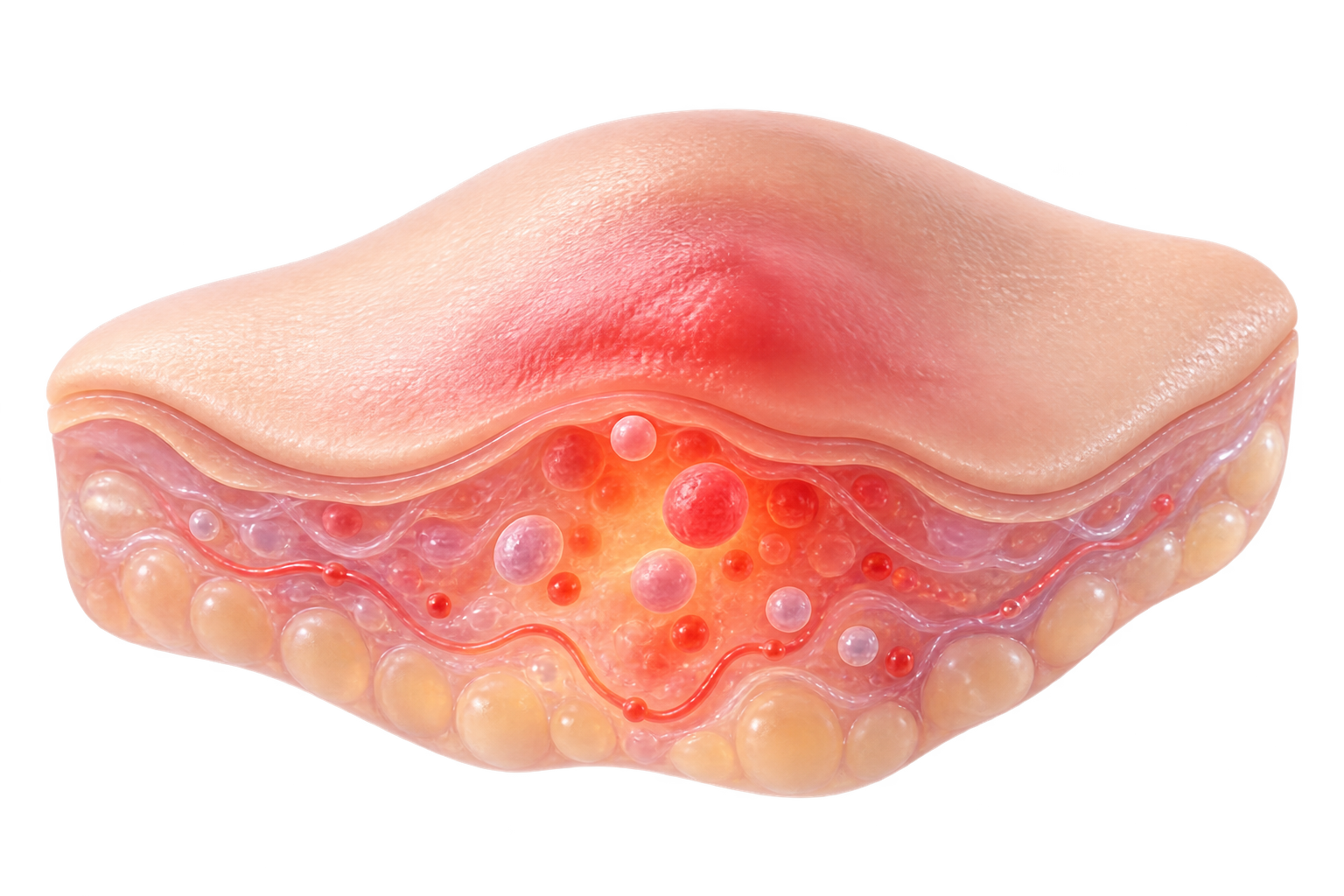
The immune system responds by creating redness, warmth, and irritation to help protect the damaged skin.
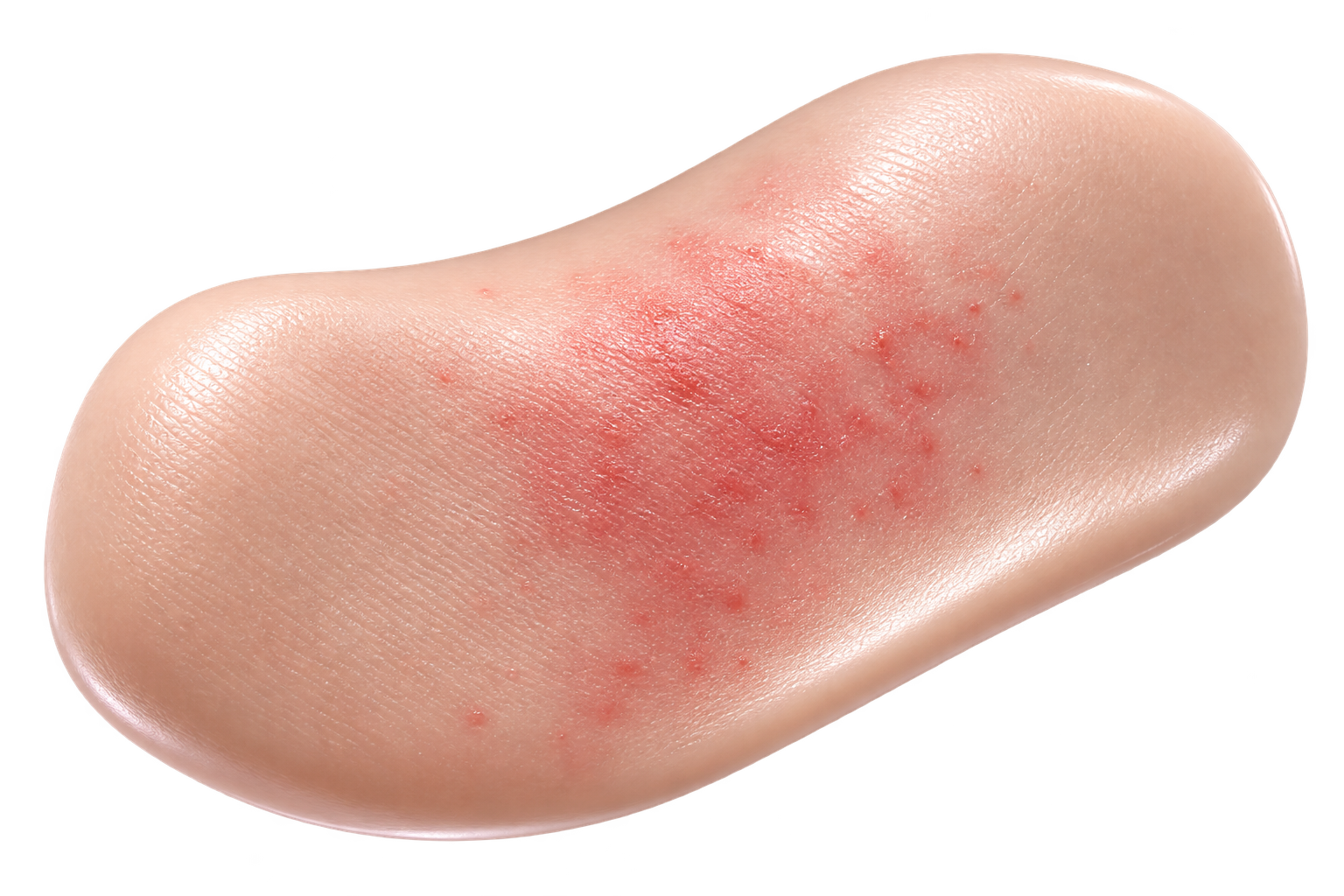
The skin may now feel red, dry, itchy, burning, stinging, tight, or unusually sensitive until the barrier has time to recover.
Irritated skin doesn't always look the same. Depending on the cause and severity, you may notice one or several of these common signs as the skin barrier becomes weakened.
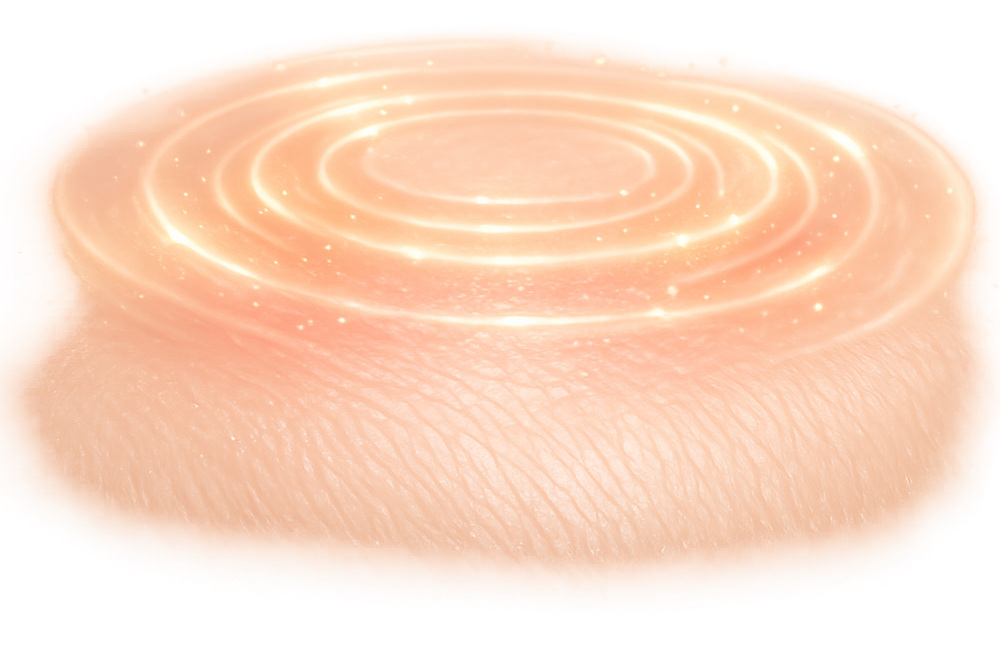
A burning or stinging sensation is one of the most common signs of an impaired skin barrier.
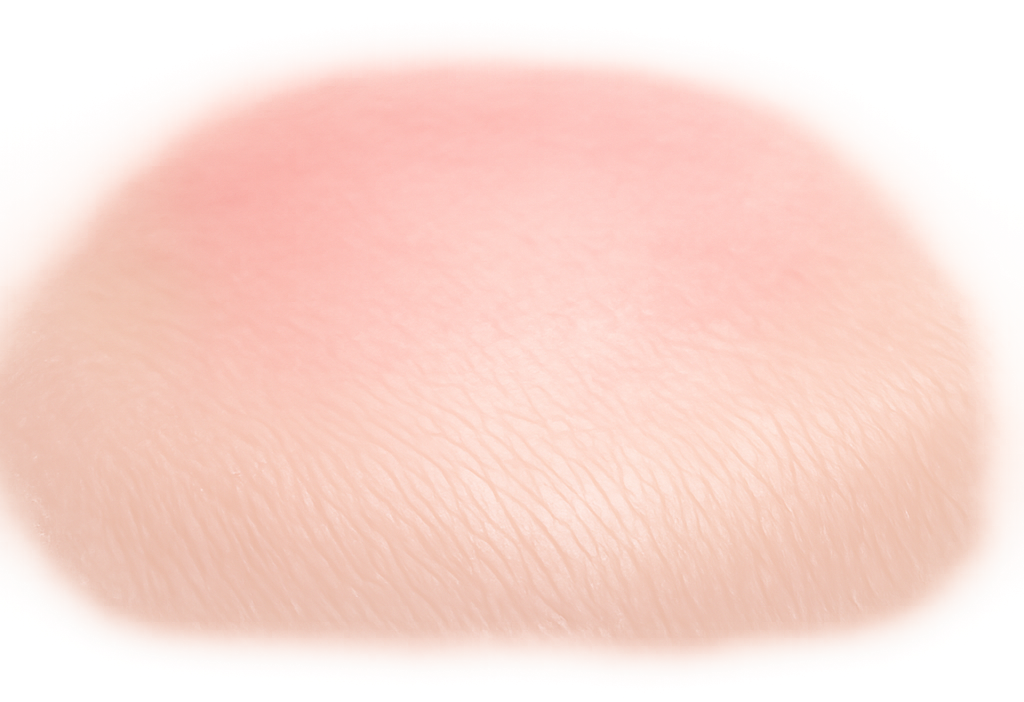
Inflamed skin often appears pink or red as blood flow increases to the affected area.
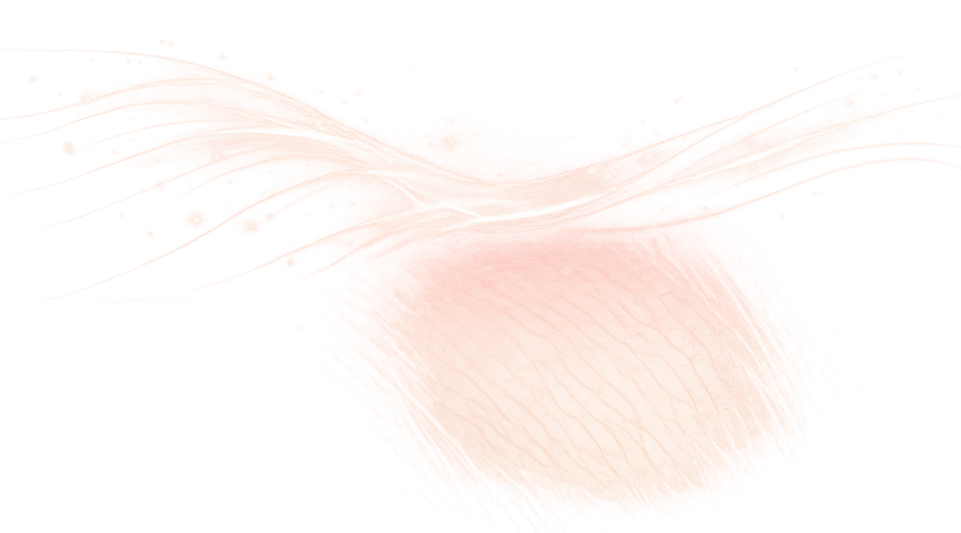
Irritated skin may feel itchy, making scratching tempting and potentially worsening the irritation.
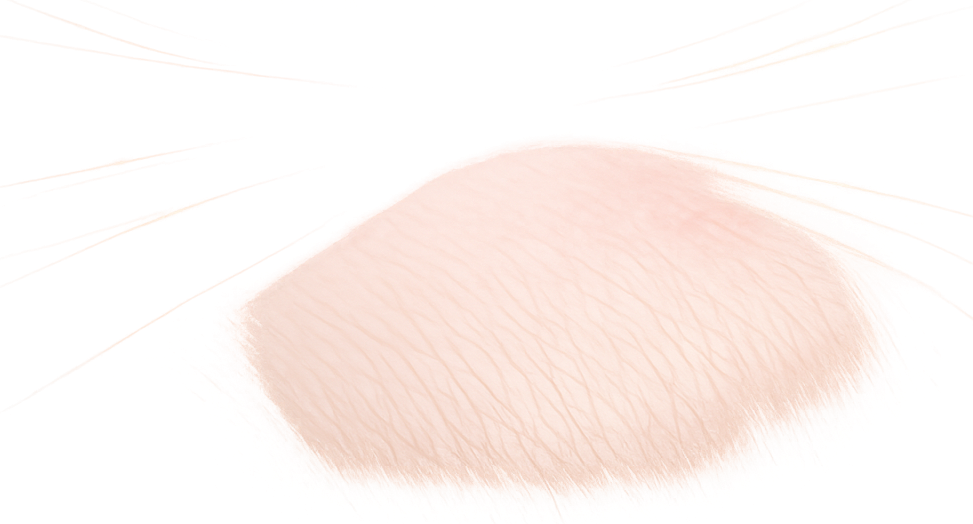
As moisture escapes, the skin may feel stretched, uncomfortable, or tight.
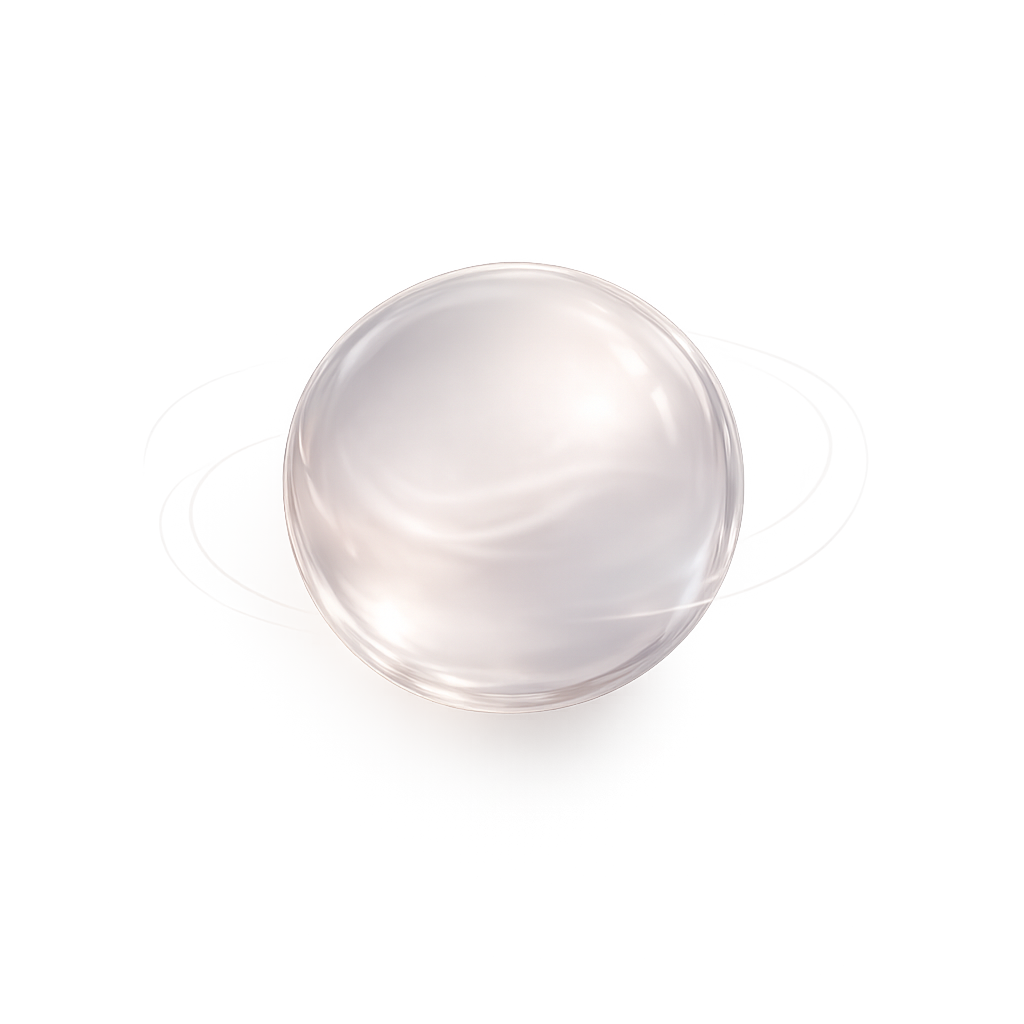
Increased water loss leaves the skin feeling dry, rough, and less flexible.
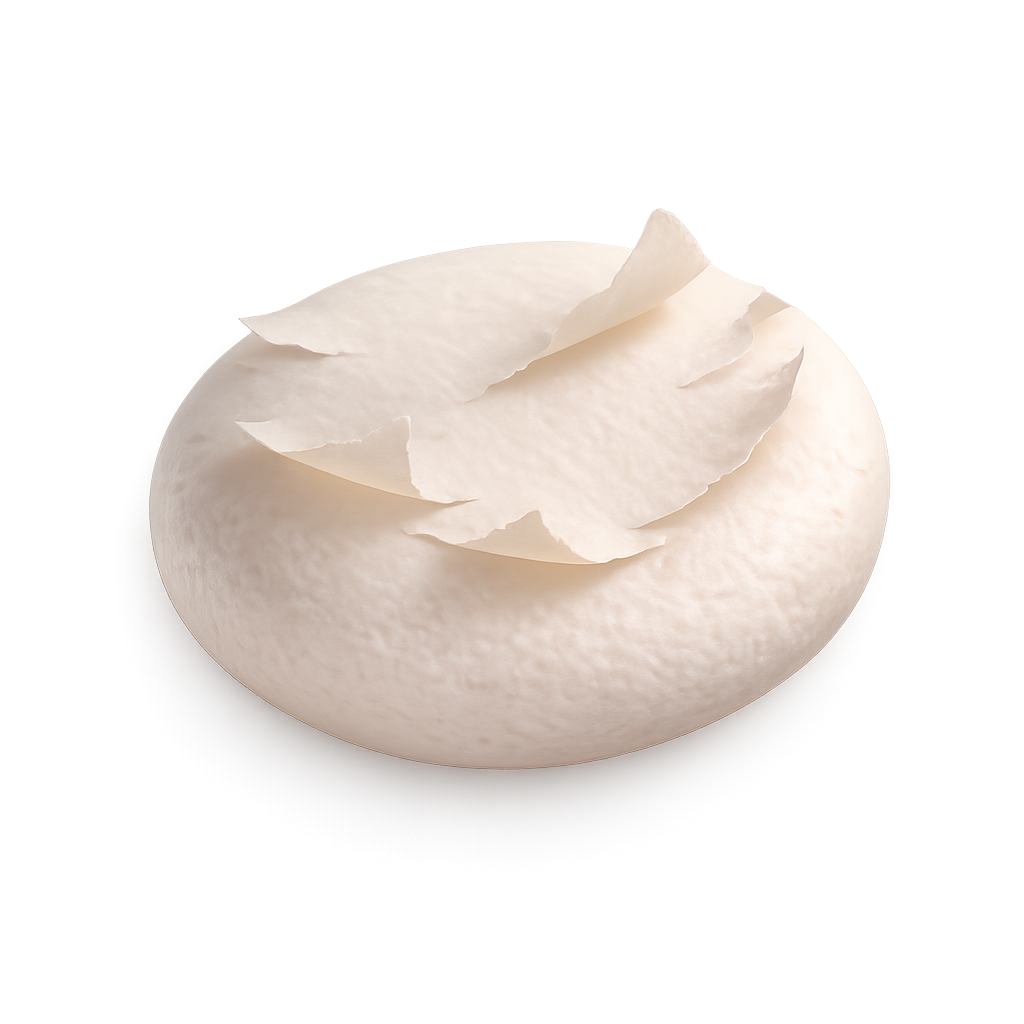
Dry, damaged skin may begin shedding visible flakes as the barrier struggles to repair itself.
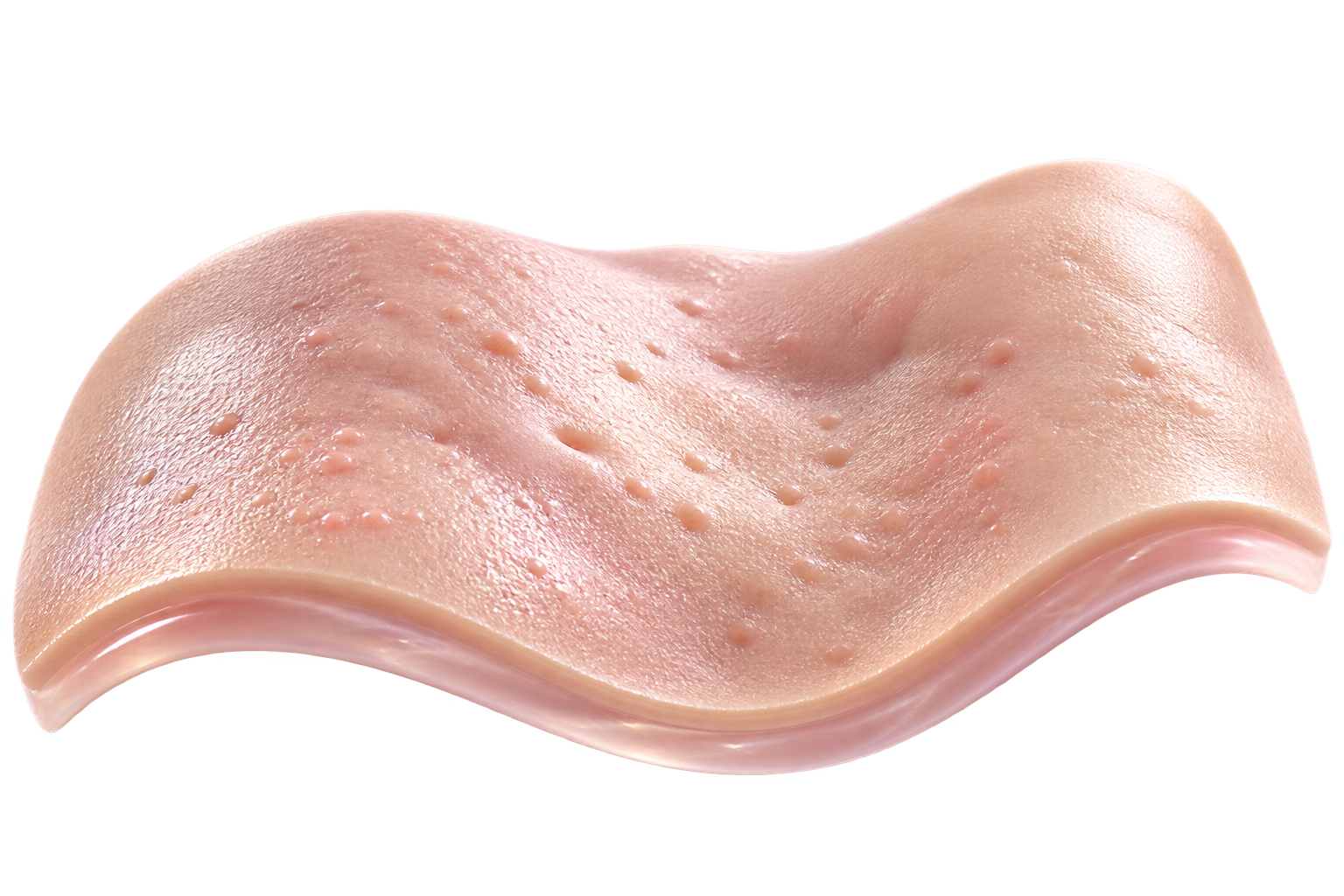
The skin surface may feel uneven or coarse instead of smooth and comfortable.
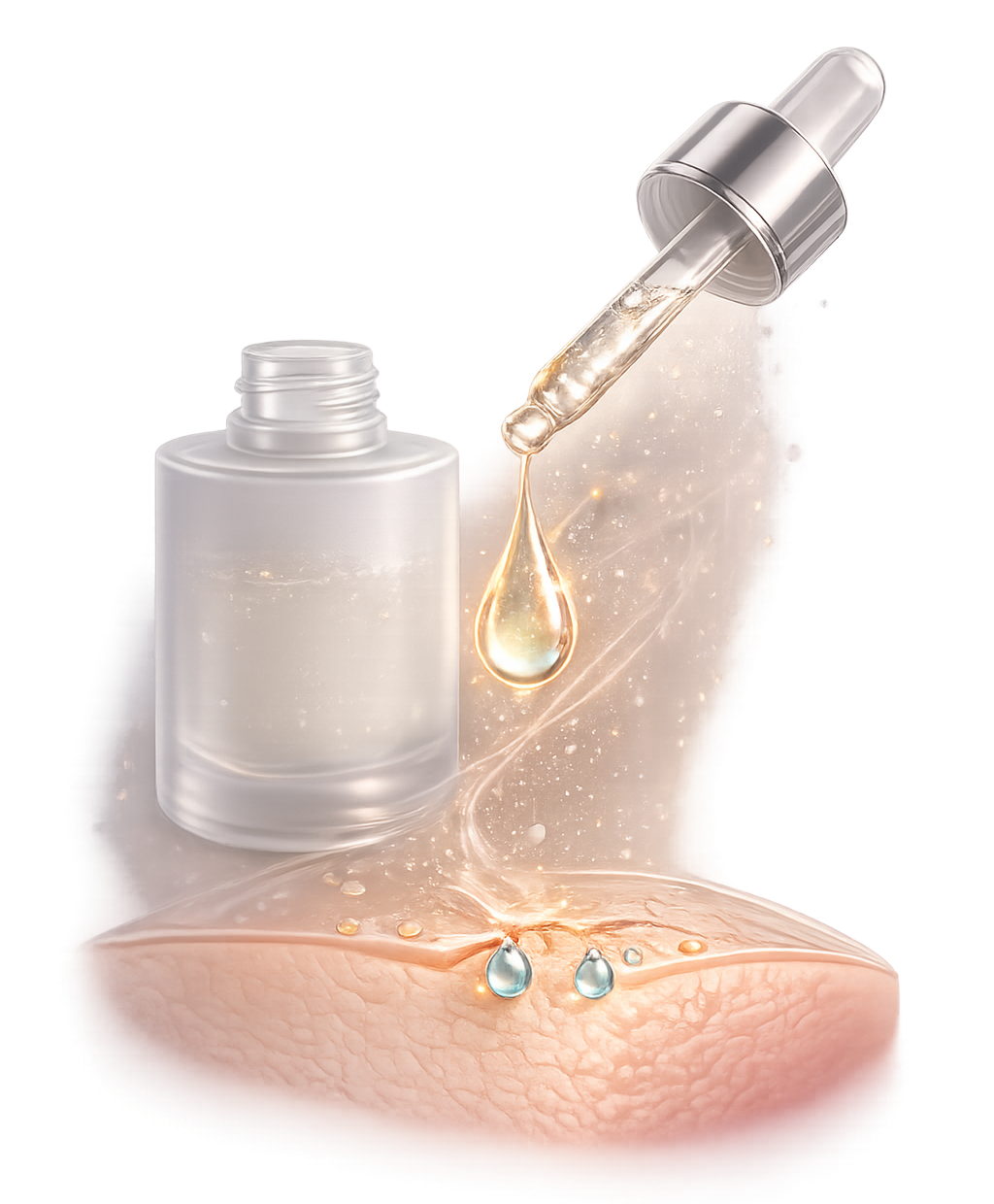
Even gentle touching or applying skincare products may feel uncomfortable.
Some irritated areas may appear slightly swollen due to inflammation.
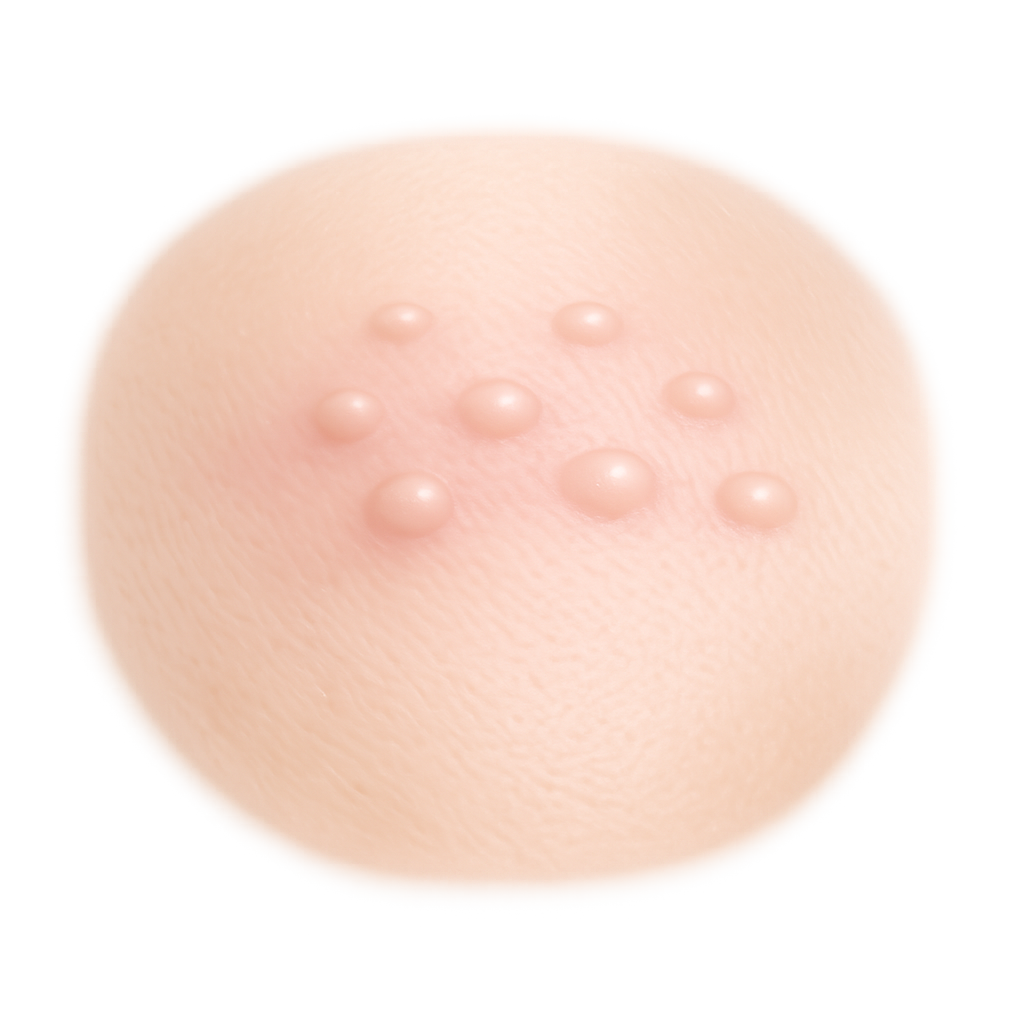
In some cases, irritation may cause tiny bumps to appear alongside redness and discomfort.
Irritated skin usually develops when the skin barrier is weakened or damaged. Everyday habits, environmental conditions, and certain skincare products can all contribute to barrier disruption.
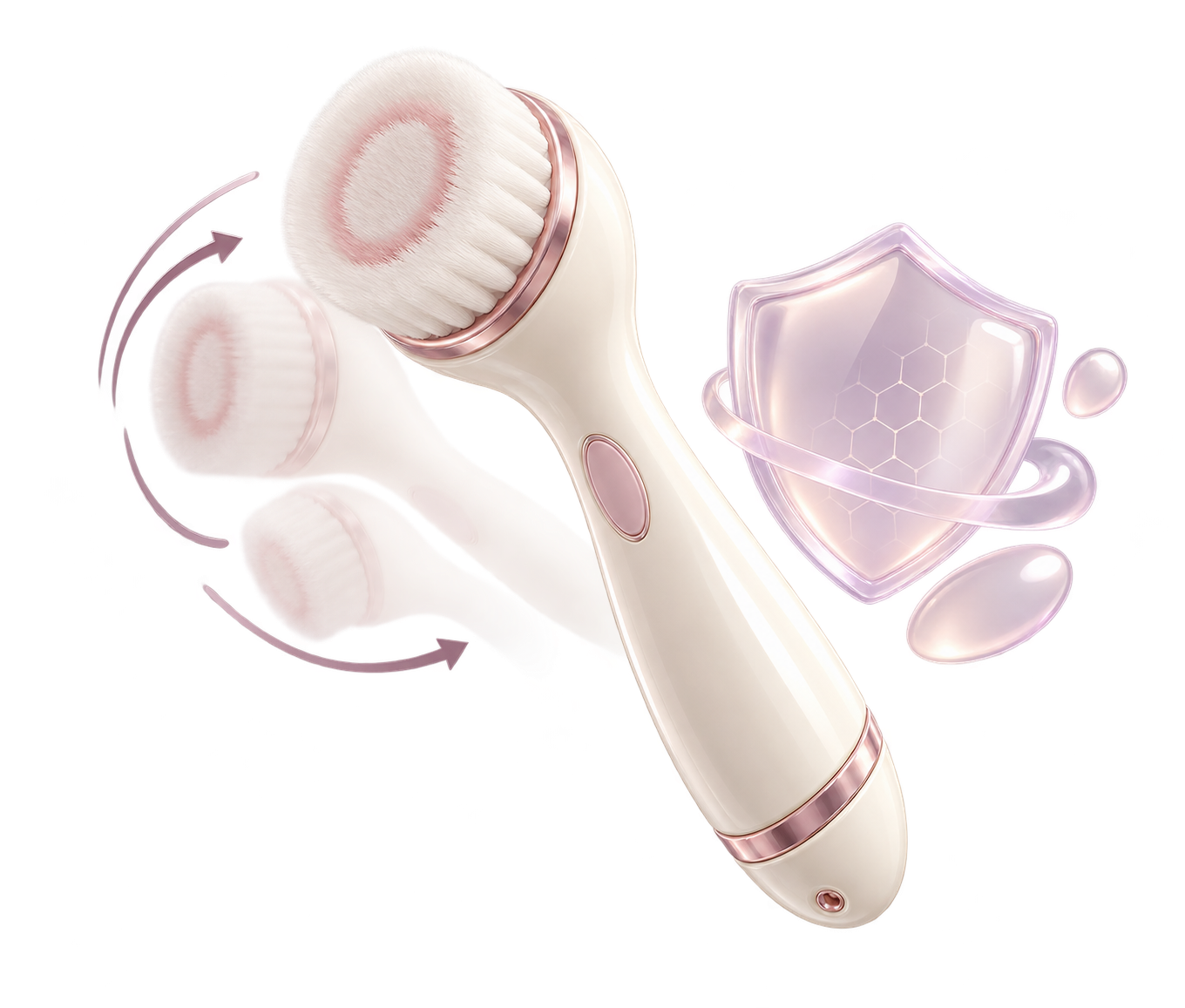
Using exfoliating acids or physical scrubs too frequently can remove too much of the skin's protective barrier, leaving it vulnerable to irritation.
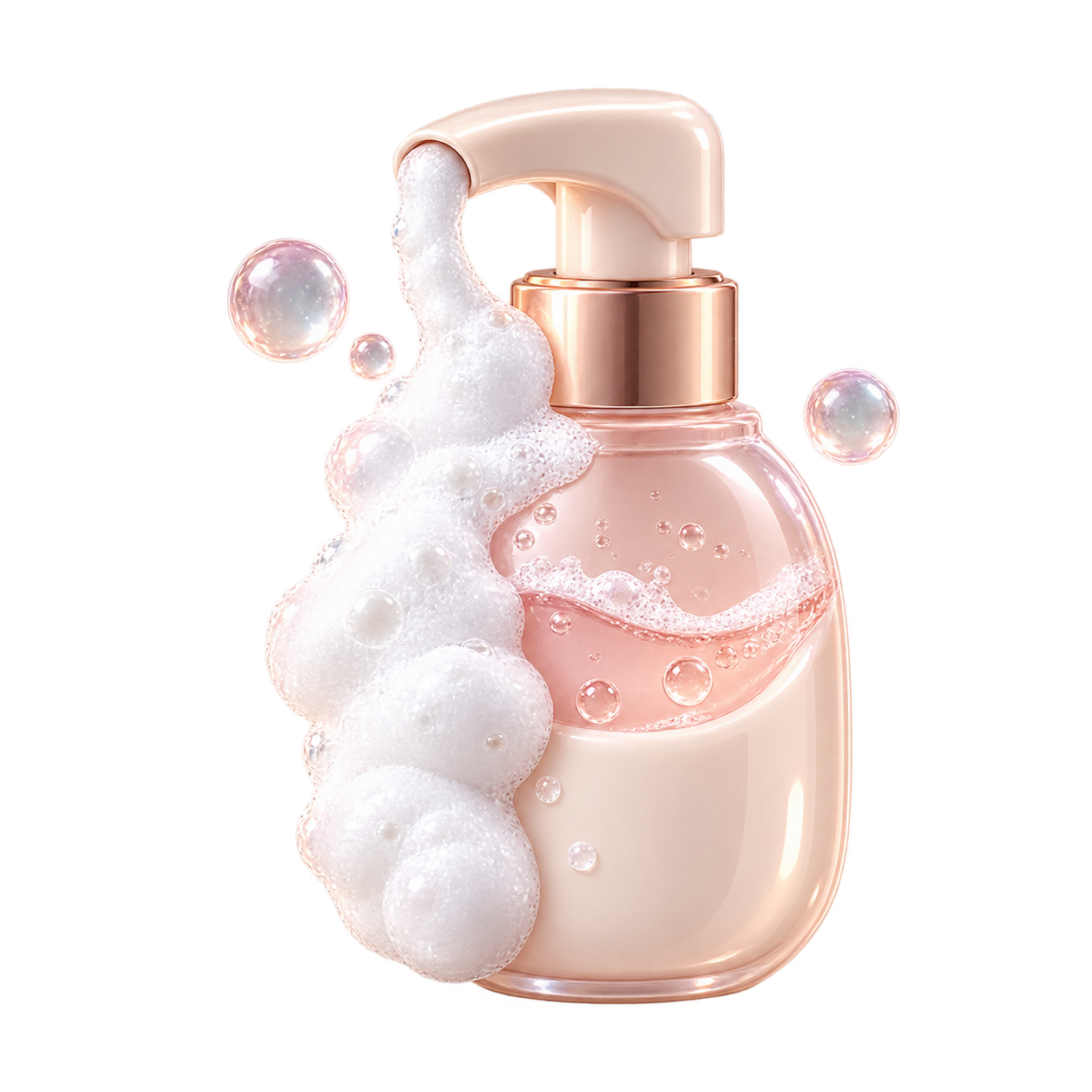
Strong cleansers may strip away natural oils and protective lipids, making the skin feel dry, tight, and uncomfortable.
Some fragrance ingredients may irritate the skin, particularly in people whose skin barrier is already weakened.
Long, hot showers can increase moisture loss and weaken the skin barrier, contributing to dryness and irritation.
Excessive ultraviolet (UV) exposure damages the skin, increases inflammation, and makes the barrier more vulnerable.
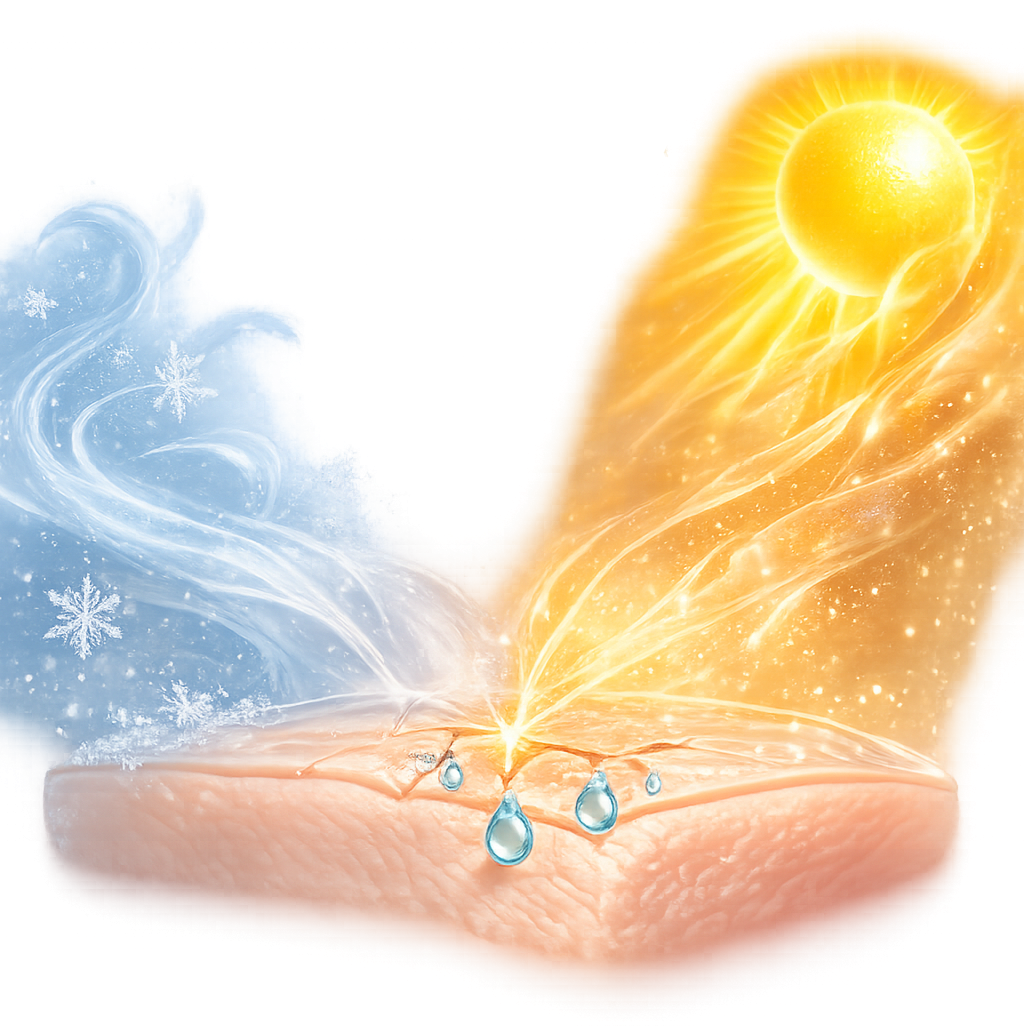
Low humidity and cold temperatures increase transepidermal water loss, leaving skin dry and irritated.
Combining retinoids, AHAs, BHAs, benzoyl peroxide, and other powerful actives can overwhelm the skin barrier.
Some ingredients may trigger allergic contact dermatitis, which differs from simple irritation and may require medical evaluation.
Once your skin barrier is already weakened, certain everyday habits and environmental factors can make irritation worse or slow the healing process. Identifying these triggers can help your skin recover more comfortably.
Strong cleansers and alcohol-heavy products can further weaken an already damaged skin barrier.
Using exfoliating acids or scrubs too often may increase redness, dryness, and discomfort.
Very hot water strips natural oils and increases transepidermal water loss (TEWL).
Ultraviolet (UV) rays increase inflammation and make irritated skin more sensitive.
Strong wind removes moisture from the skin, making irritation feel worse.
Low humidity increases water loss, leaving skin feeling dry, tight, and uncomfortable.
Strong fragrances may further irritate skin that is already inflamed or sensitive.
Layering several powerful actives together may overwhelm the skin barrier.
Friction can increase inflammation and delay the skin's natural healing process.
Irritated skin can develop almost anywhere on the body. Areas that experience frequent friction, environmental exposure, or repeated contact with skincare products are often the most affected.

The neck has delicate skin and may become irritated by skincare products, fragrances, sun exposure, or friction from clothing.
Frequent washing, cleaning products, and cold weather commonly weaken the skin barrier on the hands.
Areas exposed to rubbing, tight clothing, environmental stress, or harsh conditions may become irritated more easily.
Although these terms are often used interchangeably, they describe different things. Irritated skin is usually a temporary condition, while sensitive skin is a skin type that naturally reacts more easily to certain triggers.


Did you know? Anyone can develop irritated skin, but people with naturally sensitive skin are more likely to experience irritation from everyday skincare or environmental factors.
In most cases, yes. Once the trigger is removed and the skin barrier is protected, irritated skin can gradually recover. Healing time varies depending on the severity of the barrier damage and how well the skin is supported during recovery.
Stop using the product or avoid the environmental factor that is causing irritation whenever possible.
Use a gentle cleanser, barrier-supporting moisturizer, and avoid unnecessary irritation while your skin repairs itself.
As the barrier improves, redness, burning, dryness, and discomfort usually begin to calm down.
Mild irritation often improves within a few days to two weeks, while more severe barrier damage may require several weeks to recover.
Healing cannot be rushed. A simple, gentle skincare routine and consistent barrier support often help the skin recover more effectively than adding multiple treatment products.
When the skin barrier is damaged, the goal is to soothe, hydrate, and support recovery rather than using strong active ingredients. These ingredients are commonly used to help calm irritation and strengthen the skin barrier.
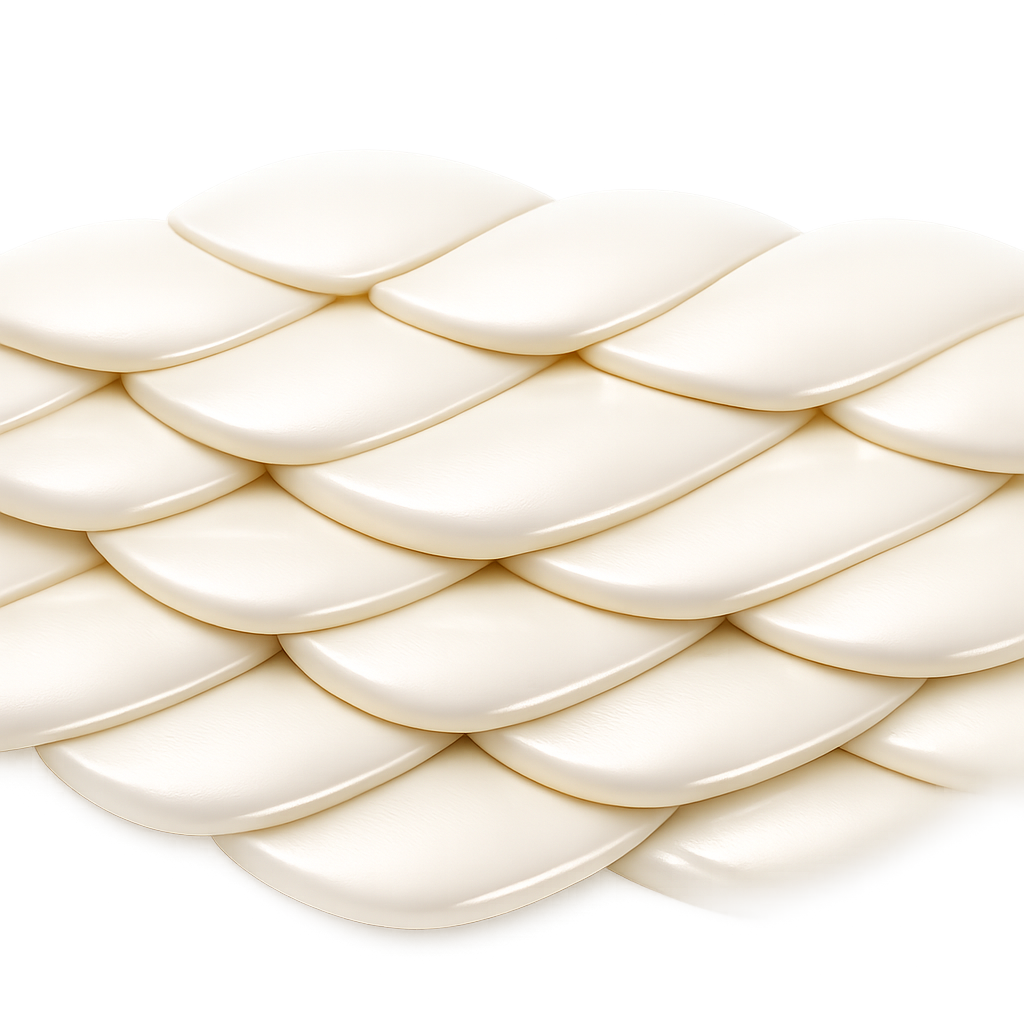
Help restore the skin barrier by replacing essential lipids that reduce moisture loss.
Helps soothe irritation while supporting the skin's natural repair process.
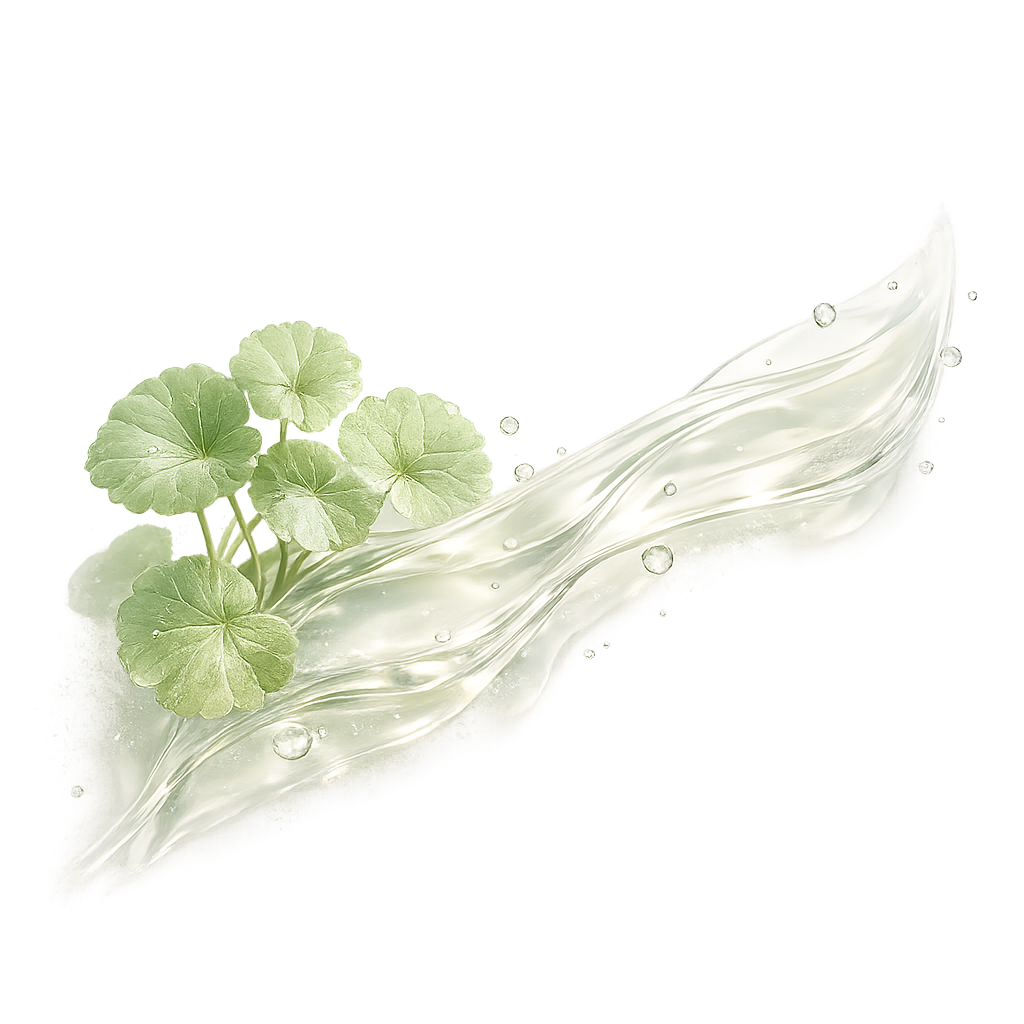
Helps calm redness and supports recovery of a weakened skin barrier.
Helps soothe dry, itchy, and irritated skin while improving comfort.
Helps calm the skin and reduce visible signs of irritation.
Draws water into the skin, helping improve hydration and support the skin barrier.
Forms a protective layer on the skin that helps reduce transepidermal water loss (TEWL).
Supports the skin barrier while helping reduce dryness and improve skin comfort.
When your skin barrier is irritated, less is often more. Avoiding unnecessary stress gives your skin the opportunity to recover naturally and comfortably.
Physical scrubs can create additional friction and worsen irritation while your skin is healing.
Pause AHAs, BHAs, and other strong exfoliants until your skin barrier has recovered.
Using several active ingredients together may overwhelm a damaged skin barrier.
Strong fragrances may increase discomfort and prolong irritation in sensitive skin.
Hot water strips natural oils and increases moisture loss from the skin barrier.
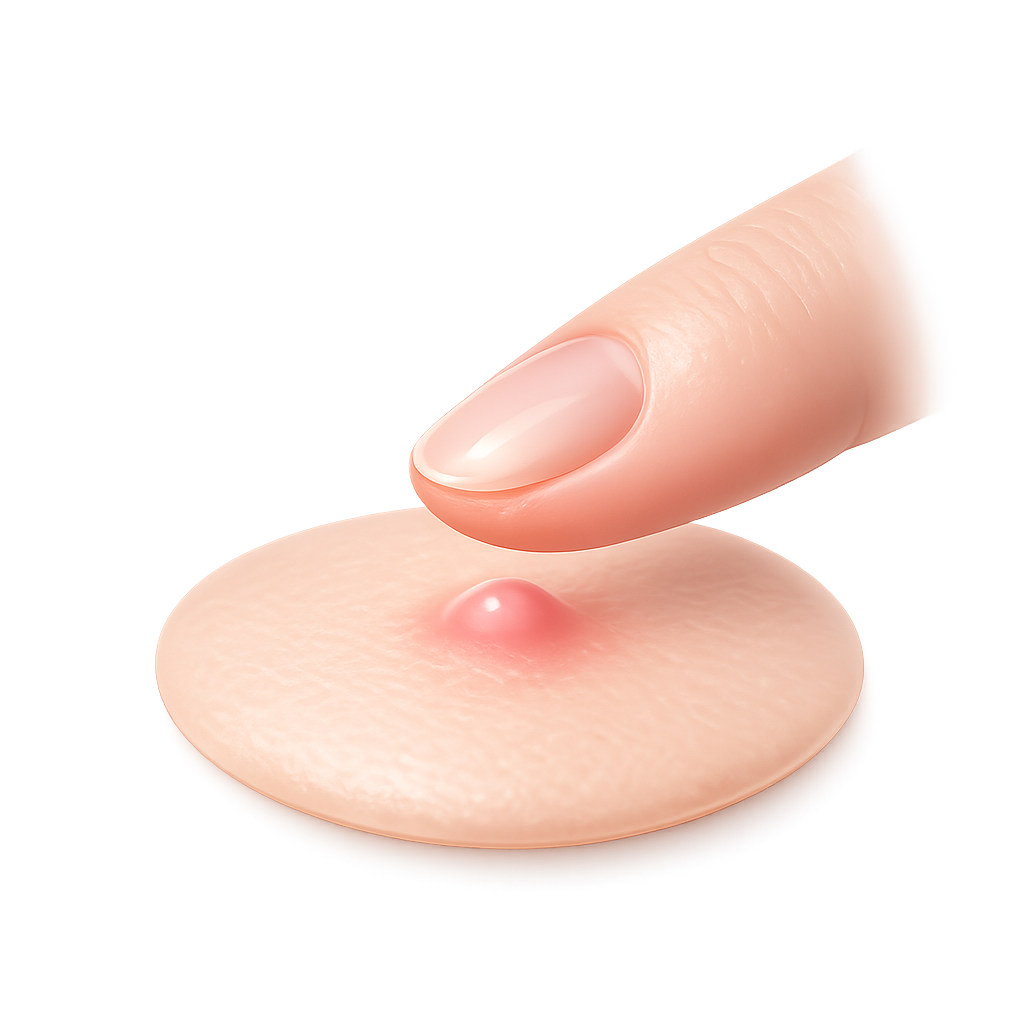
Touching irritated skin repeatedly may delay healing and increase inflammation.
Allowing your skin barrier to recover before reintroducing active ingredients may help reduce further irritation. A simple, gentle routine is often the best approach during healing.
A healthy skin barrier is your skin's first line of defense. Simple daily habits can help reduce irritation and keep your skin feeling comfortable, hydrated, and resilient.
Wash your skin with a mild cleanser that removes dirt without stripping away natural protective oils.
Regular moisturizing helps strengthen the skin barrier and reduce moisture loss.
Daily broad-spectrum sunscreen helps protect the skin from ultraviolet (UV) damage and irritation.
Add only one new skincare product at a time so you can monitor how your skin responds.
Give your skin time to recover between exfoliation sessions instead of exfoliating too often.
Lukewarm water is gentler on the skin barrier than very hot water.
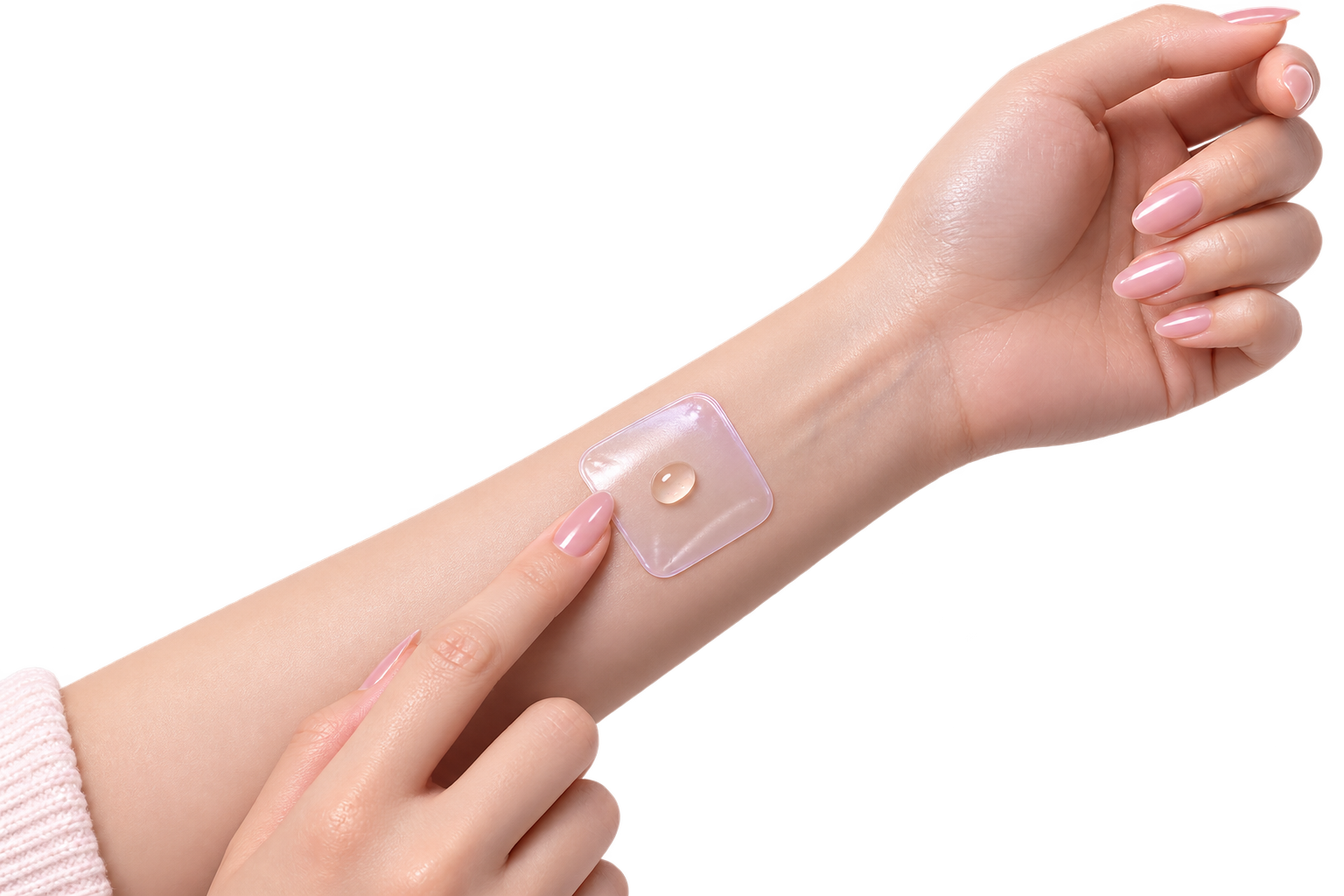
Test new skincare on a small area before applying it to your entire face.
If your skin feels irritated, reduce unnecessary products and focus on supporting your skin barrier.
Irritated skin is often misunderstood. Knowing the facts can help you avoid common mistakes and give your skin the care it actually needs while it recovers.
Persistent burning or stinging usually indicates irritation rather than effectiveness.
Anyone can develop irritated skin if the skin barrier becomes damaged.
Over-exfoliation is one of the most common causes of skin irritation.
Redness can result from irritation, sunburn, a damaged skin barrier, allergies, or other skin conditions.
A simple, gentle routine is often the best approach while the skin barrier recovers.

When your skin feels irritated, resist the urge to add more products in hopes of fixing it faster. An overwhelmed skin barrier usually needs fewer products, not more.
Start with a gentle cleanser, a barrier-supporting moisturizer, and daily sunscreen. Once your skin feels comfortable again, reintroduce active ingredients slowly—one product at a time—so your skin has a chance to adjust.
Mimii Says: Healthy skin doesn't recover because you use more products—it recovers because you give it the time, hydration, and protection it needs. Be patient with your skin. Healing is part of the journey.
— Mimii ♡