Caused by Yeast
Triggered by an overgrowth of Malassezia, not clogged pores.
 ×
×
Tiny, itchy bumps that won't respond to your usual acne products? It might not be acne at all.
Fungal acne, medically known as Malassezia folliculitis, is caused by an overgrowth of yeast inside the hair follicles. Learn how to recognize it, what causes it, how it differs from regular acne, and the best ways to manage it.
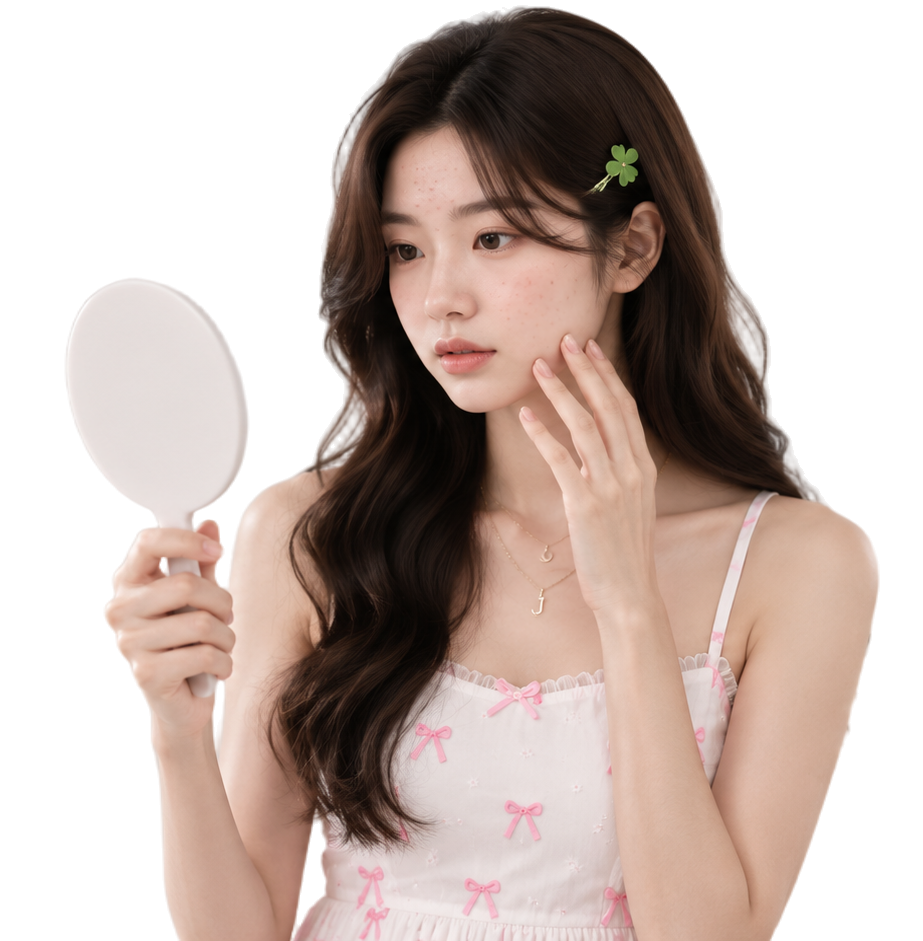
Despite its name, fungal acne isn't actually acne. It's a different skin condition caused by an overgrowth of yeast inside the hair follicles.
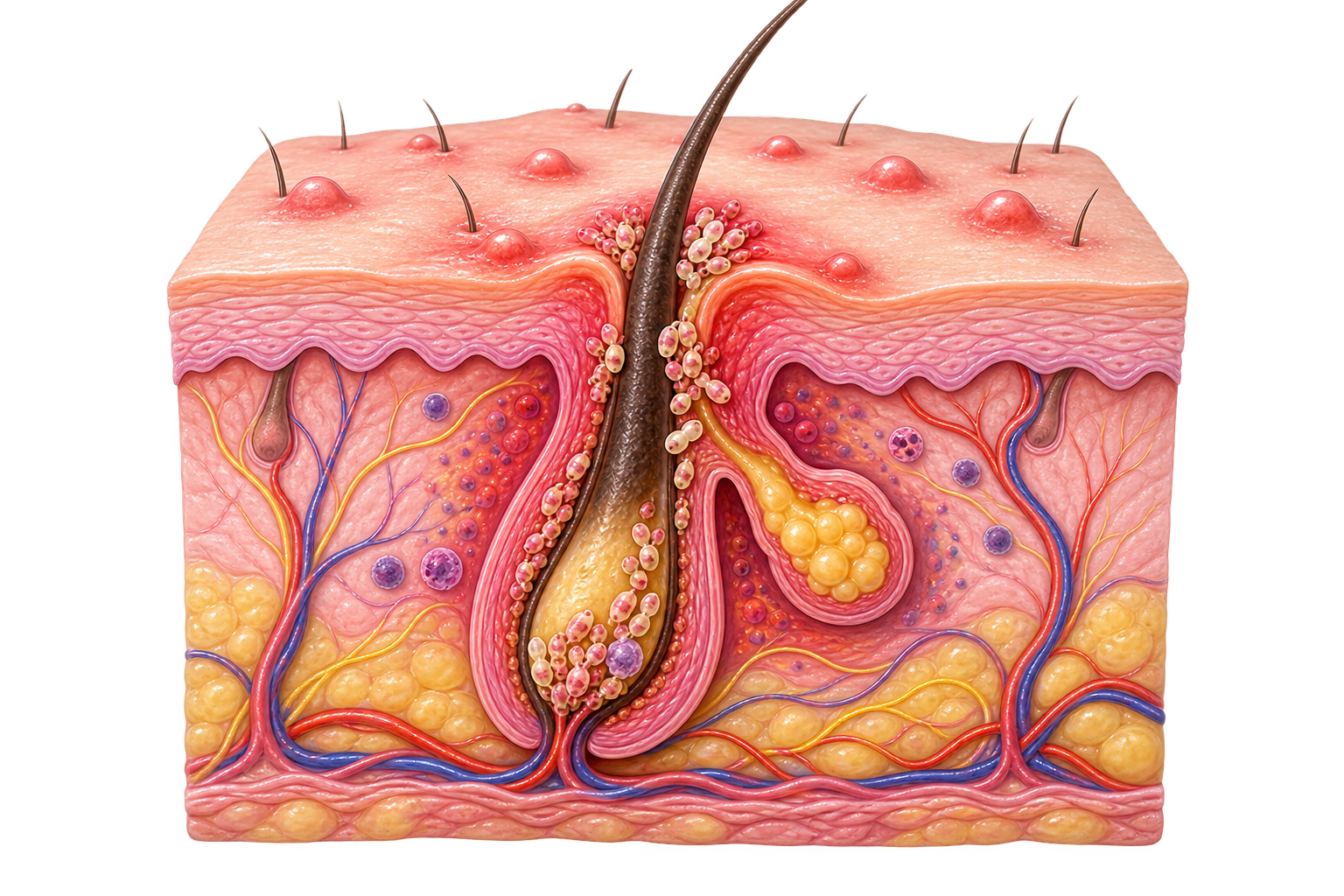
Fungal acne is the common name for Malassezia folliculitis (also called Pityrosporum folliculitis).
It happens when a naturally occurring yeast called Malassezia multiplies excessively inside the hair follicles, causing inflammation and small, itchy bumps.
Because these bumps closely resemble acne, fungal acne is frequently mistaken for acne vulgaris—even though the causes and treatments are completely different.
Triggered by an overgrowth of Malassezia, not clogged pores.
The yeast grows inside hair follicles, leading to inflammation.
The bumps resemble acne but require a different treatment approach.
Fungal acne develops when naturally occurring yeast grows excessively inside the hair follicles, leading to inflammation and tiny itchy bumps.
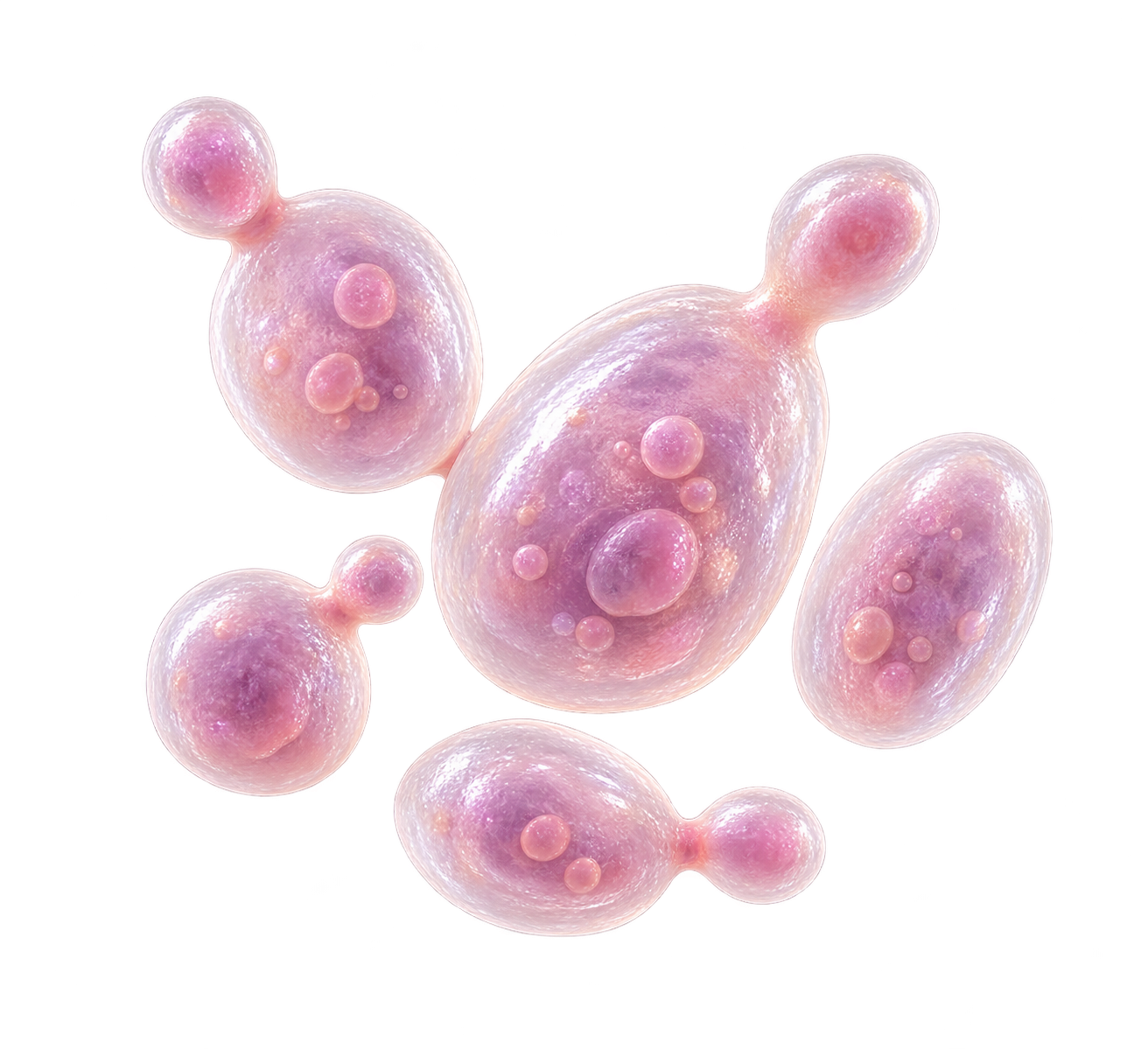
Malassezia is a type of yeast that naturally lives on healthy skin without causing problems.

Heat, humidity, sweat and excess oil create an environment where the yeast can multiply more rapidly.
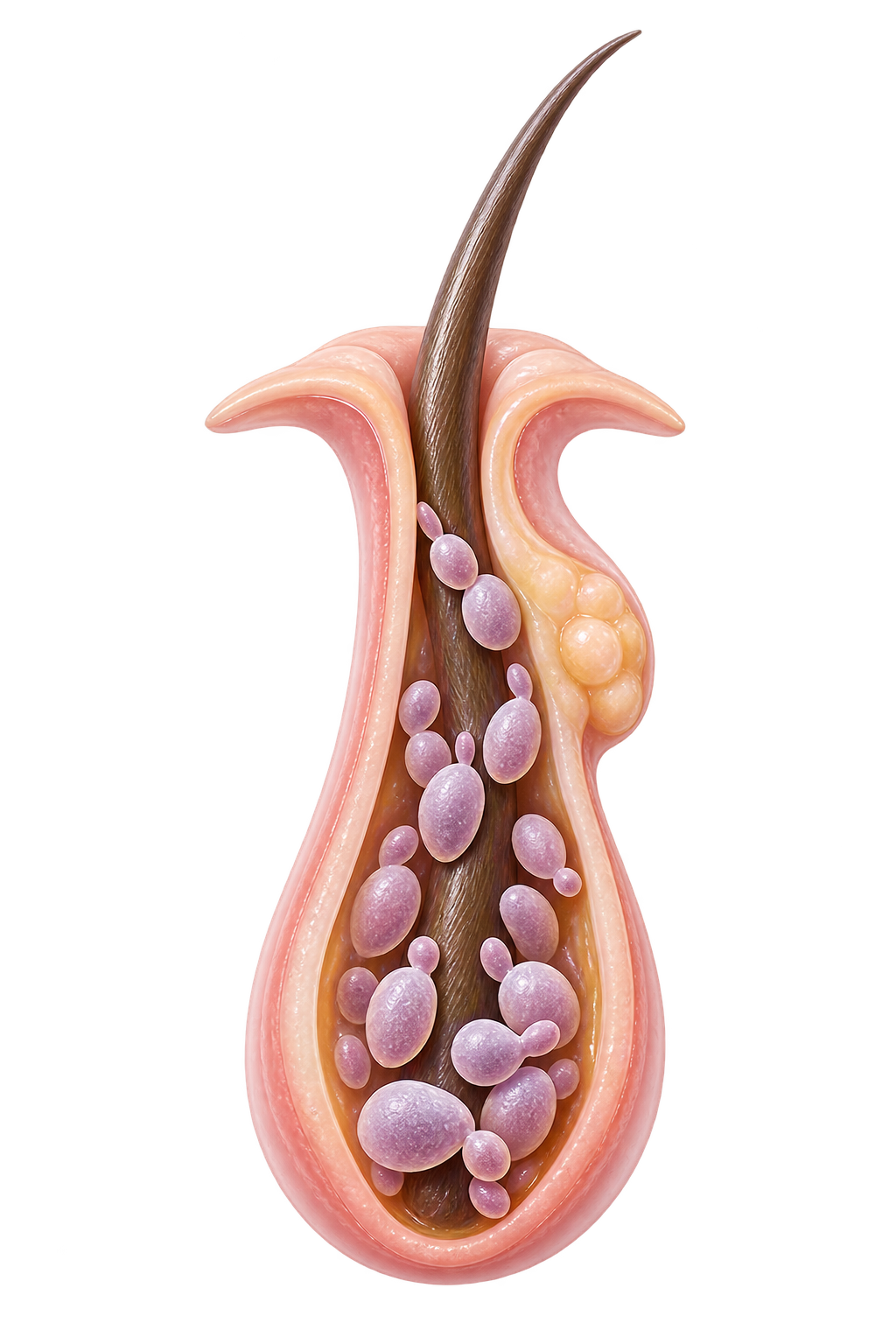
The yeast enters and multiplies inside the hair follicles instead of remaining balanced on the skin surface.
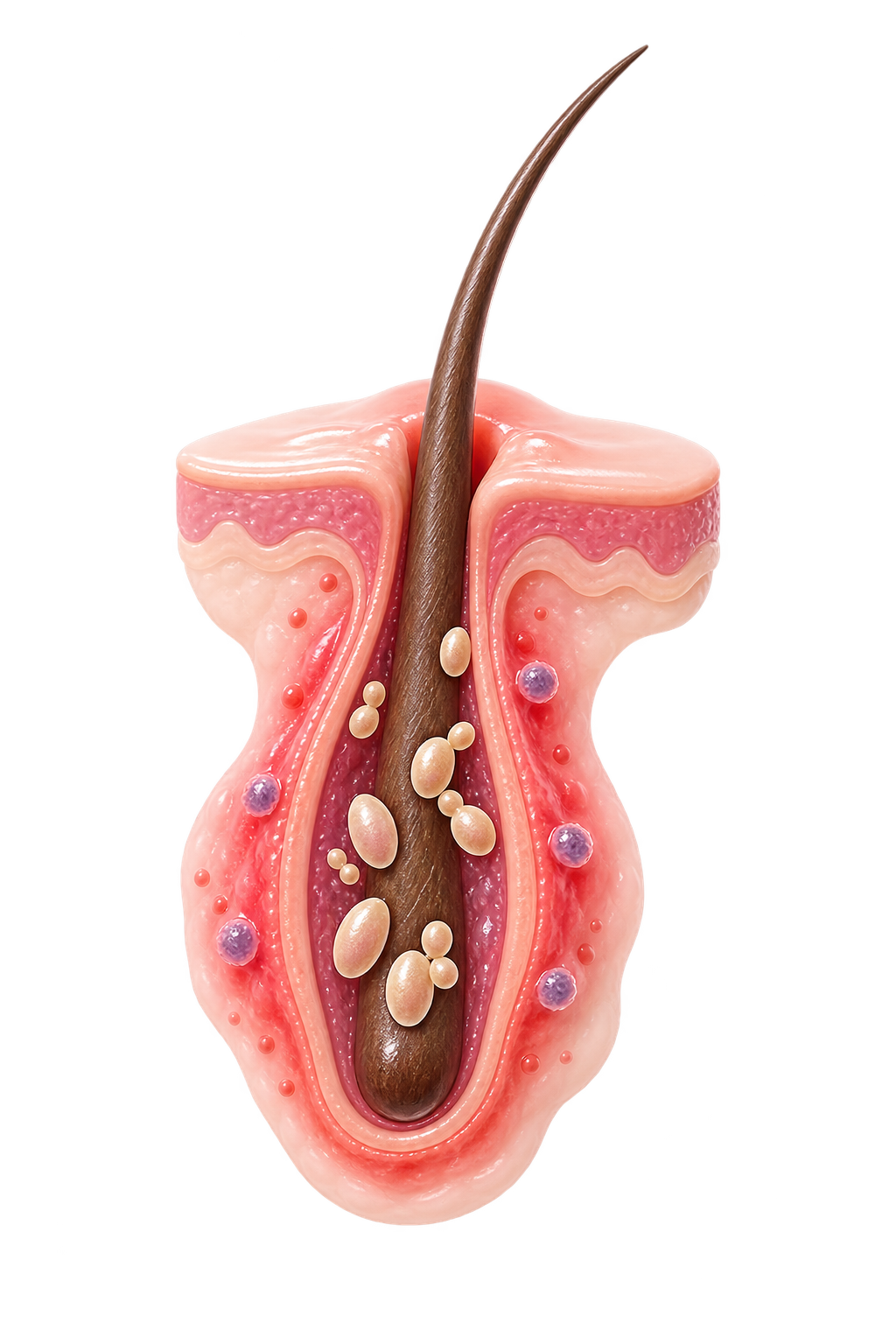
The excessive yeast triggers inflammation around the follicles, leading to irritation.
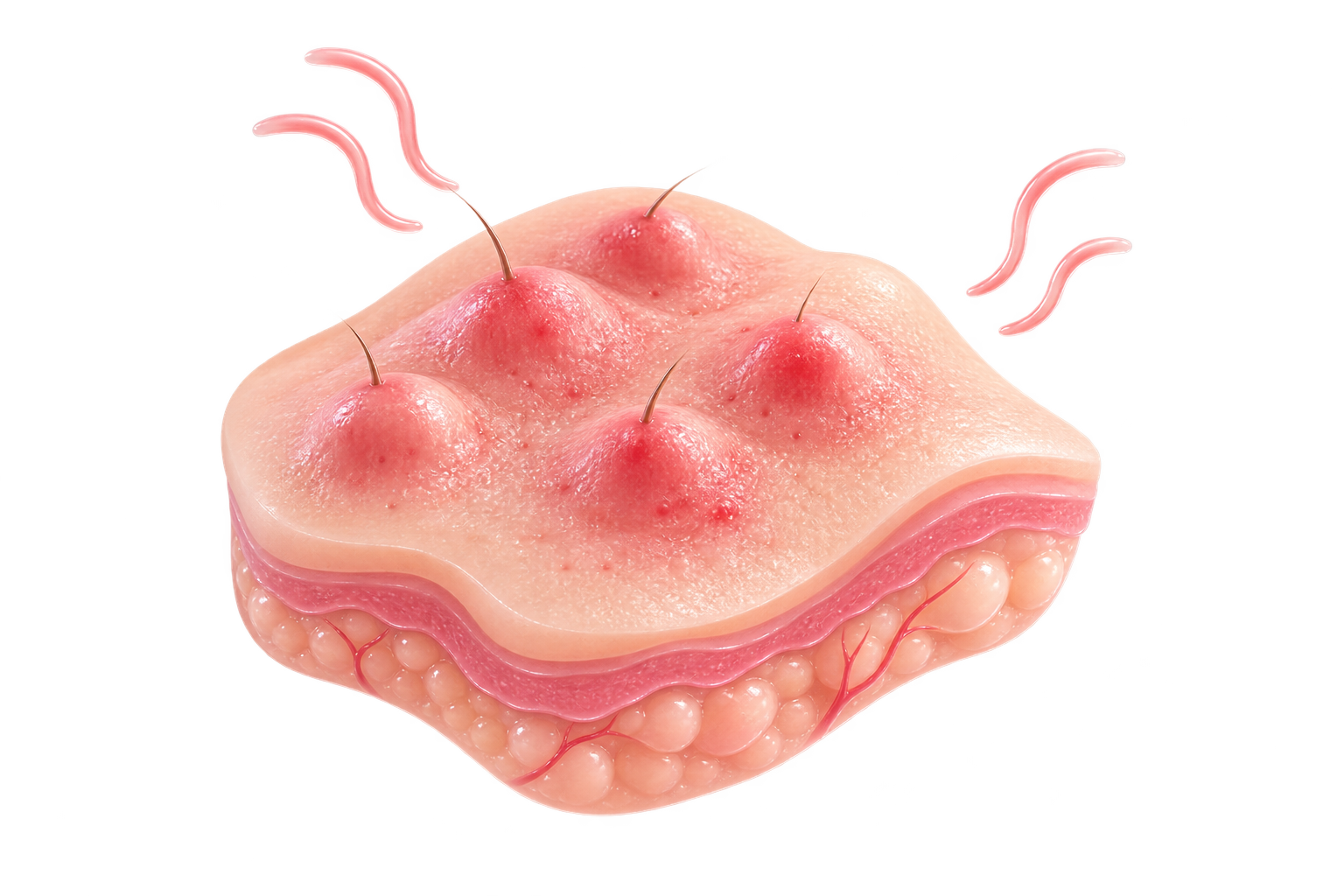
Clusters of tiny, similar-looking bumps develop, often becoming itchy and easy to mistake for acne.
Fungal acne has several characteristics that help distinguish it from regular acne, although it can still be difficult to identify without a professional diagnosis.
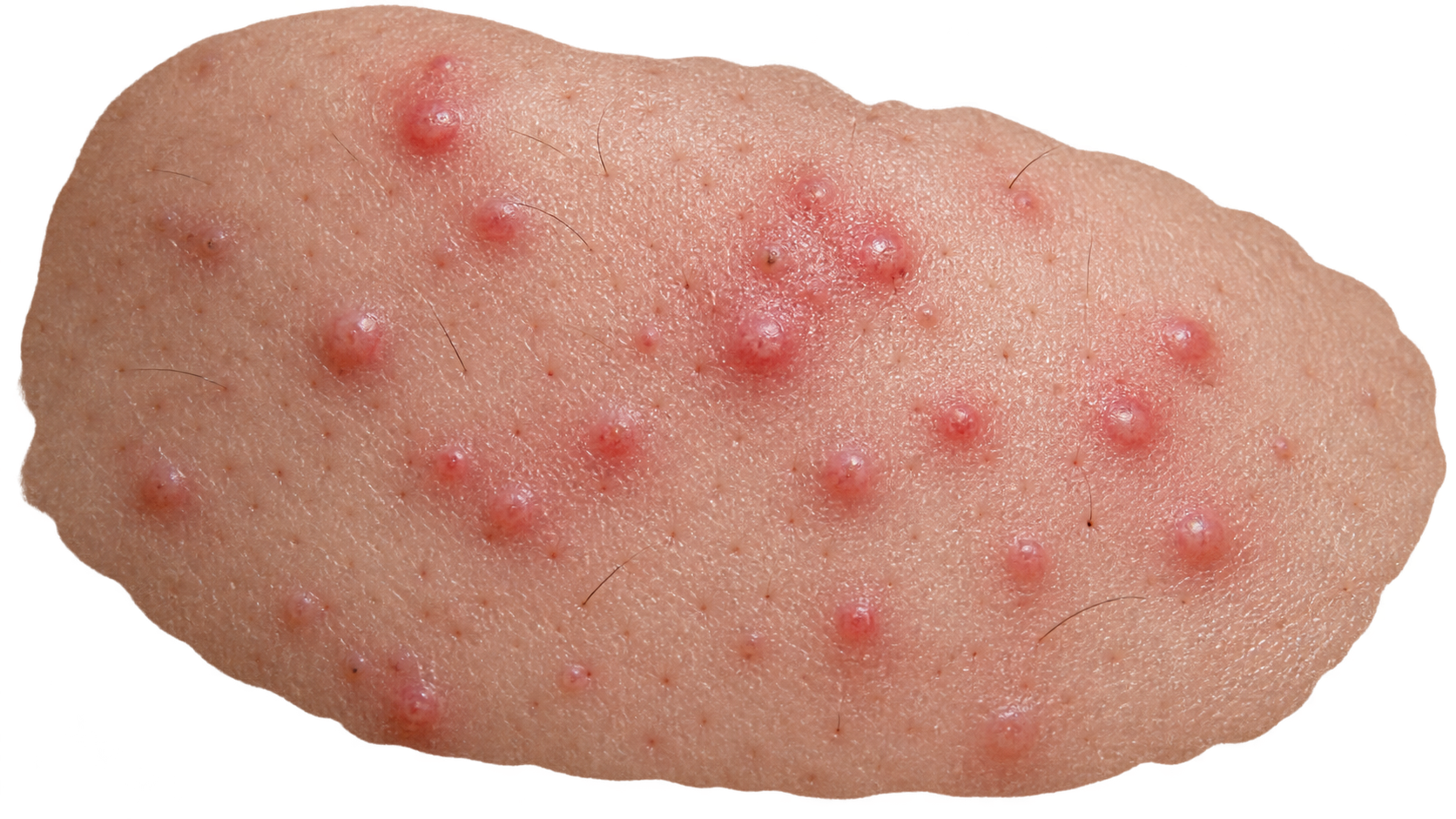
Unlike acne vulgaris, fungal acne frequently causes noticeable itching, especially after sweating or in warm, humid weather.
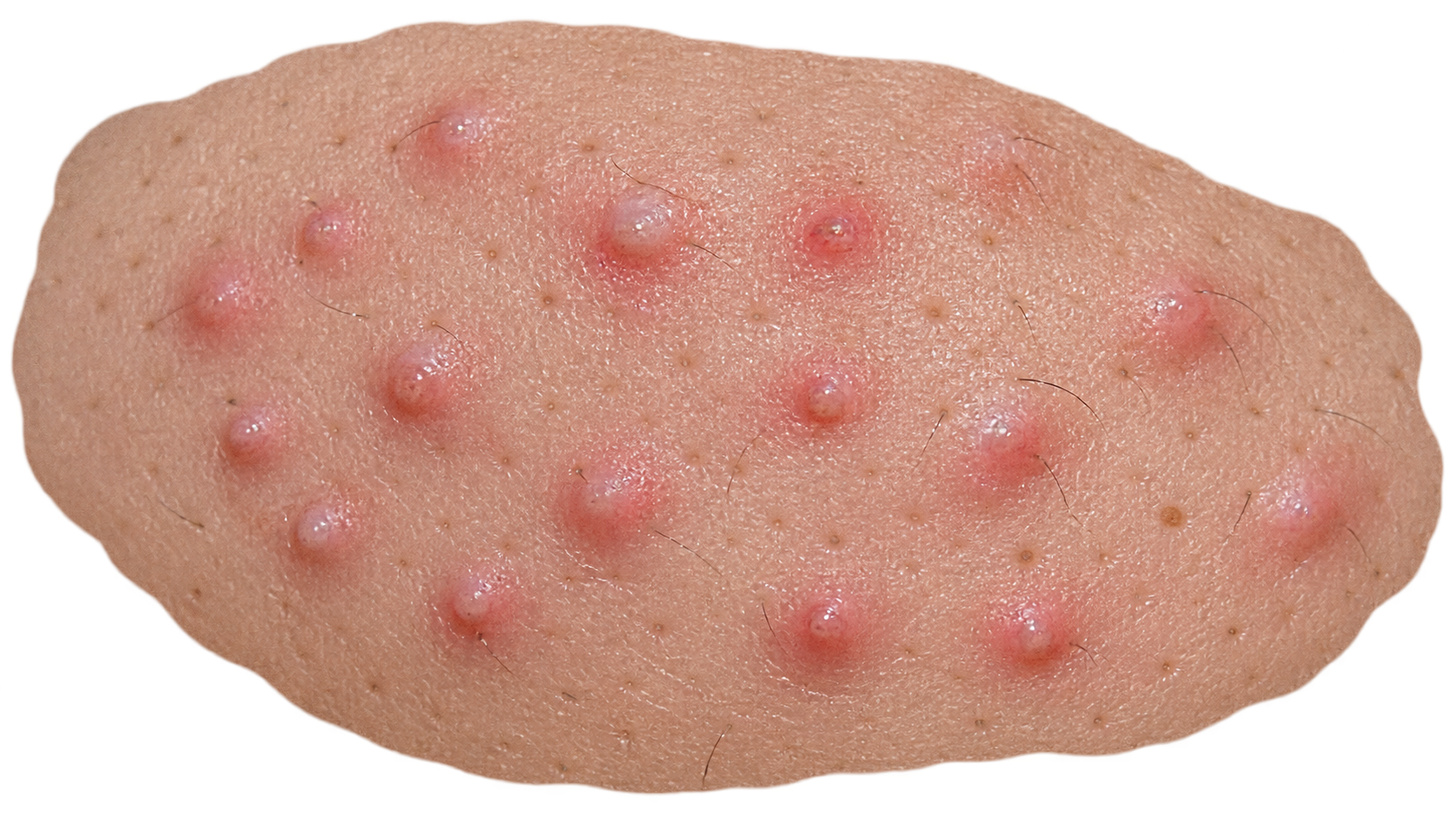
Most bumps are nearly the same size and shape.
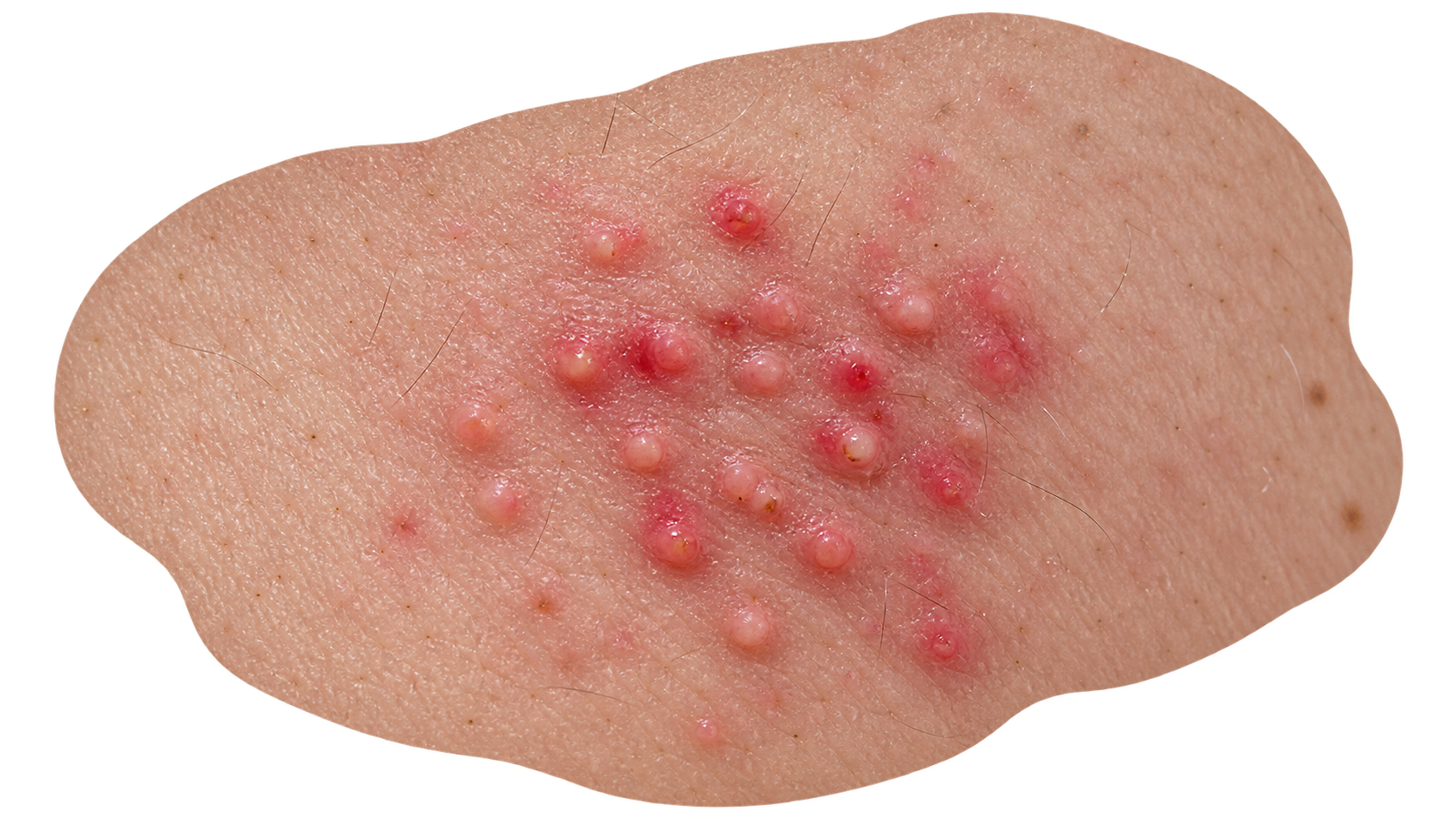
Bumps usually appear close together rather than individually.
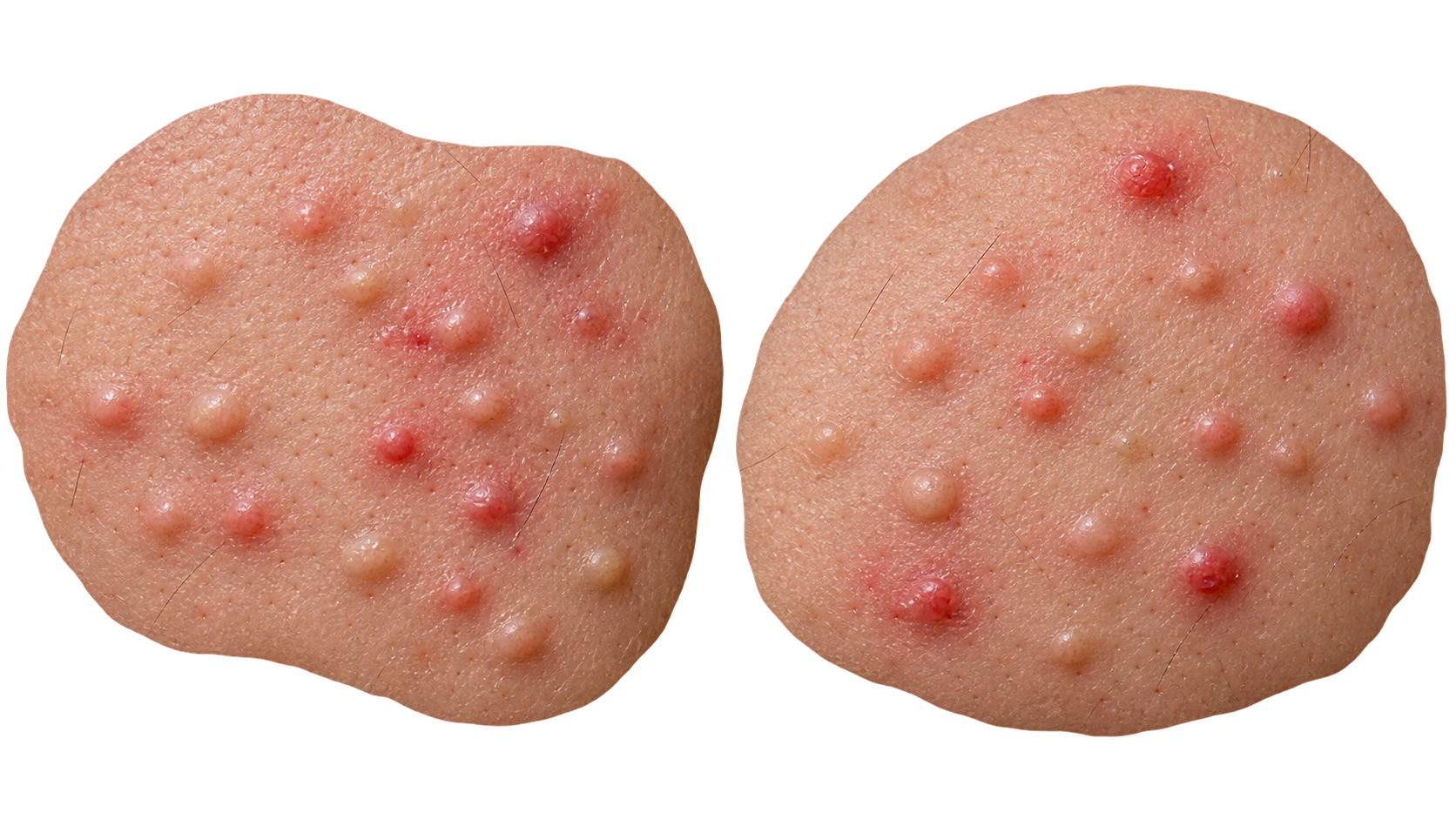
The bumps may appear skin-colored, pink, or red.
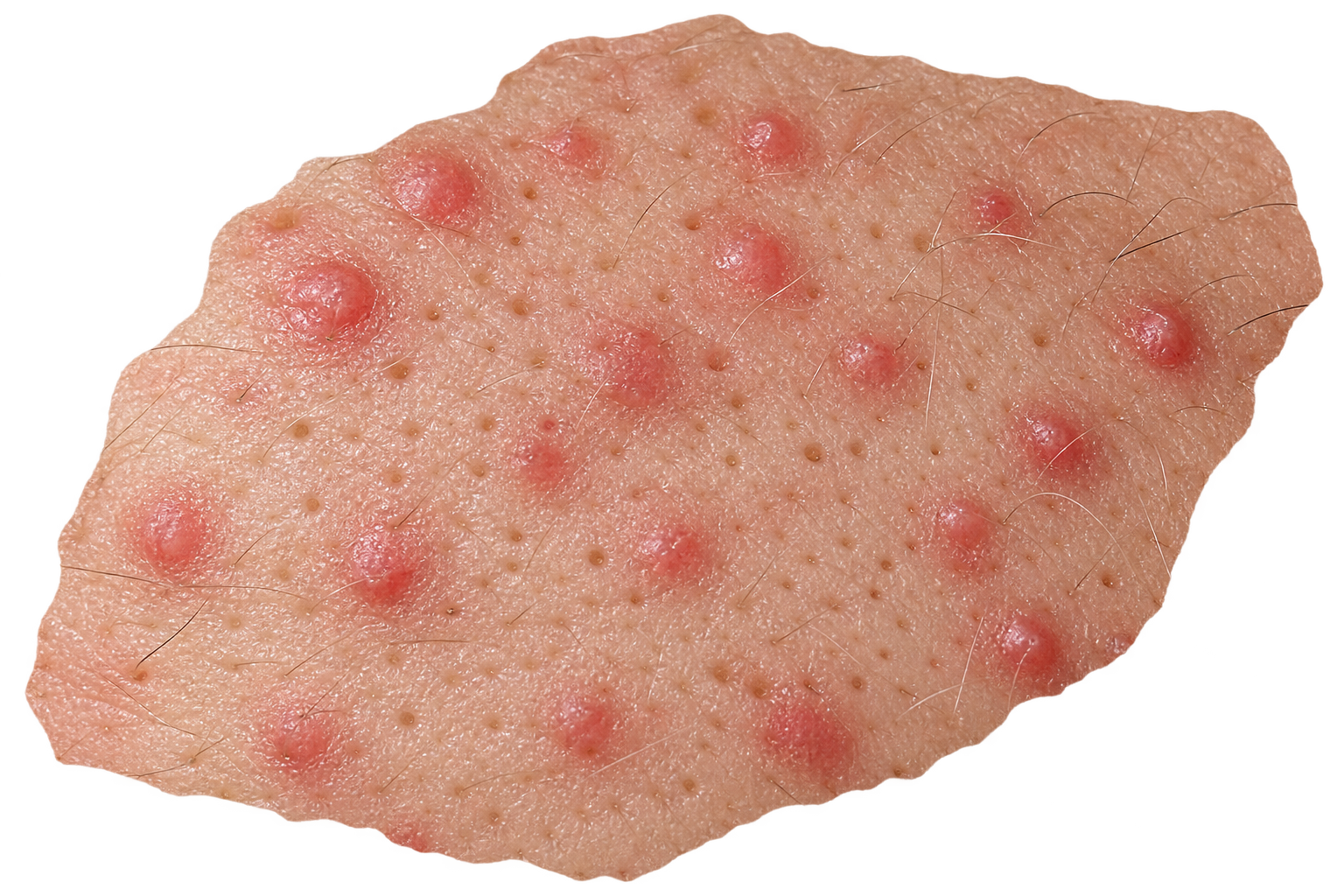
Blackheads and whiteheads are usually absent.
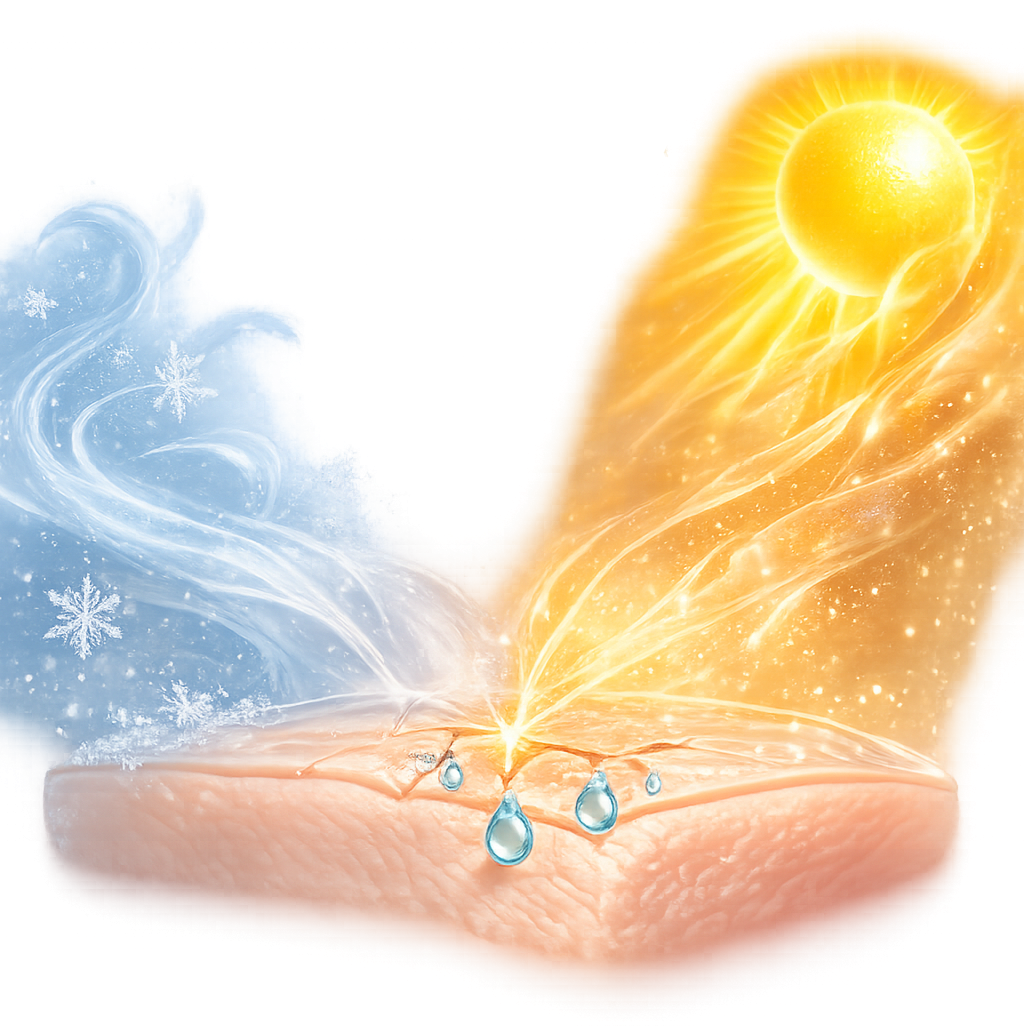
Heat, humidity, and sweating often make the bumps more noticeable.
Although they can look similar, fungal acne and acne vulgaris have different causes, symptoms, and treatments.
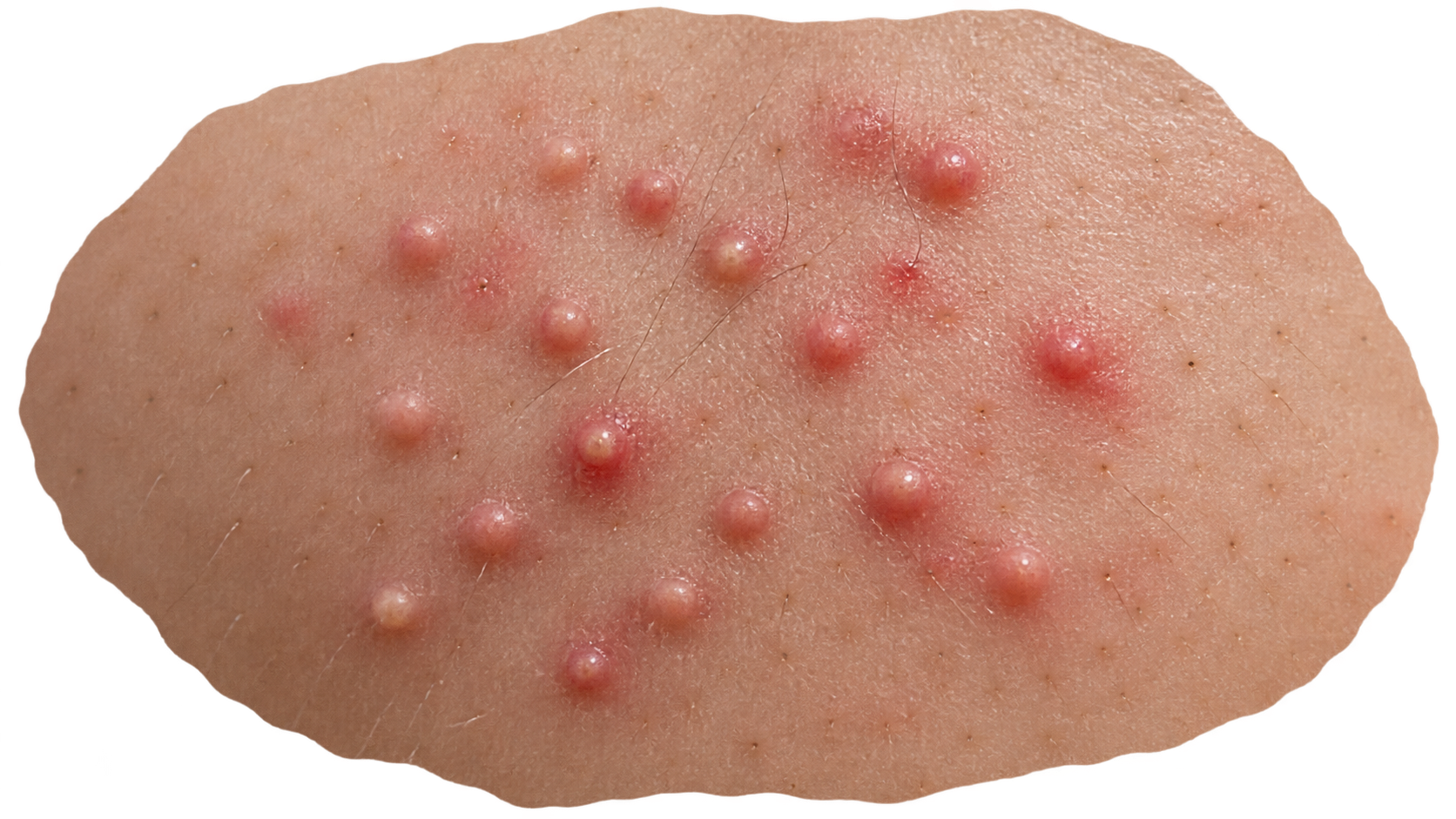
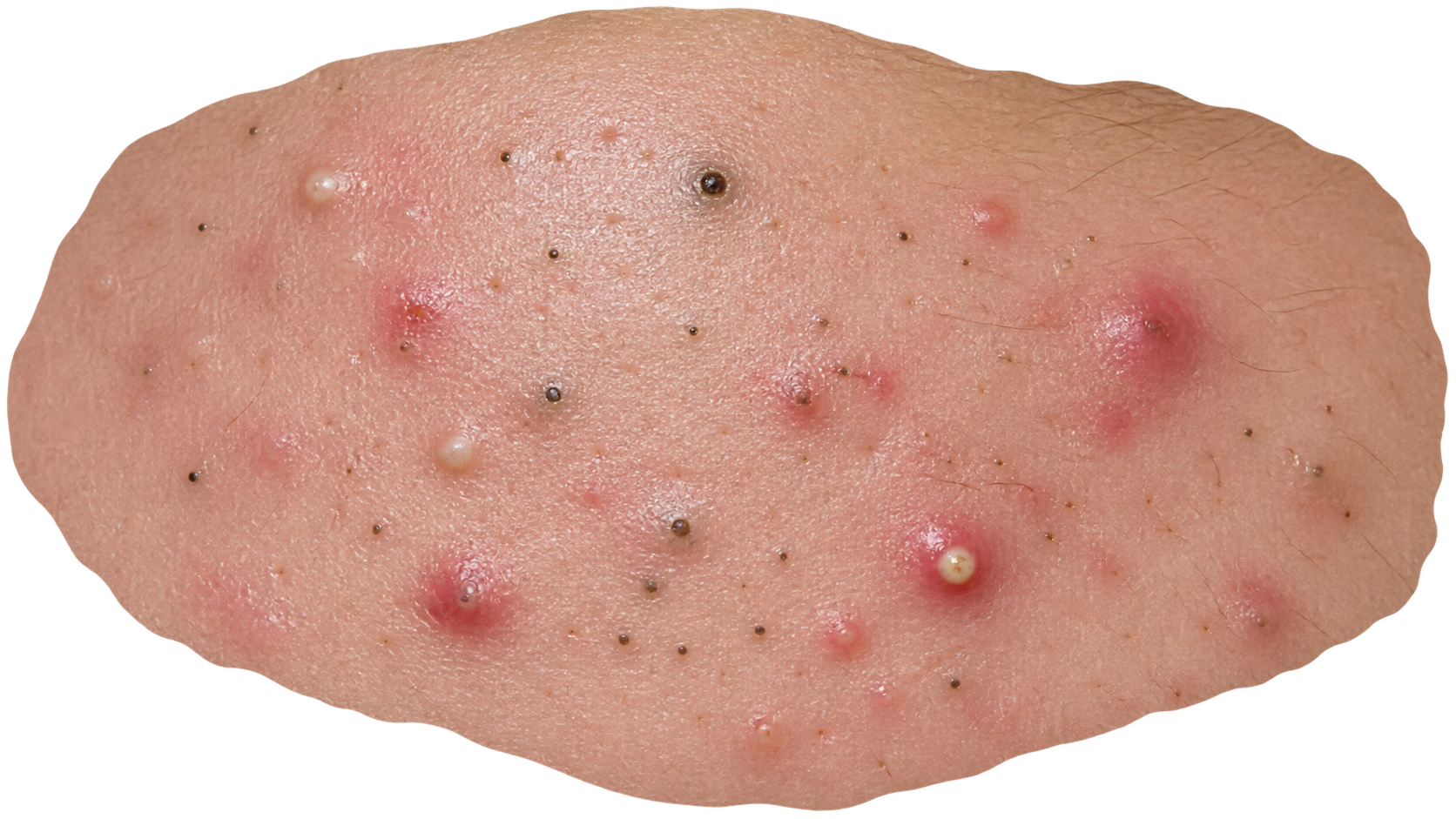
If your bumps are all the same size and feel itchy, they may not be acne at all. A dermatologist can help determine the correct diagnosis.
Fungal acne develops when Malassezia yeast grows more than usual inside the hair follicles. Several everyday factors can encourage this overgrowth.
Heat and humidity create the perfect environment for Malassezia yeast to multiply more rapidly.
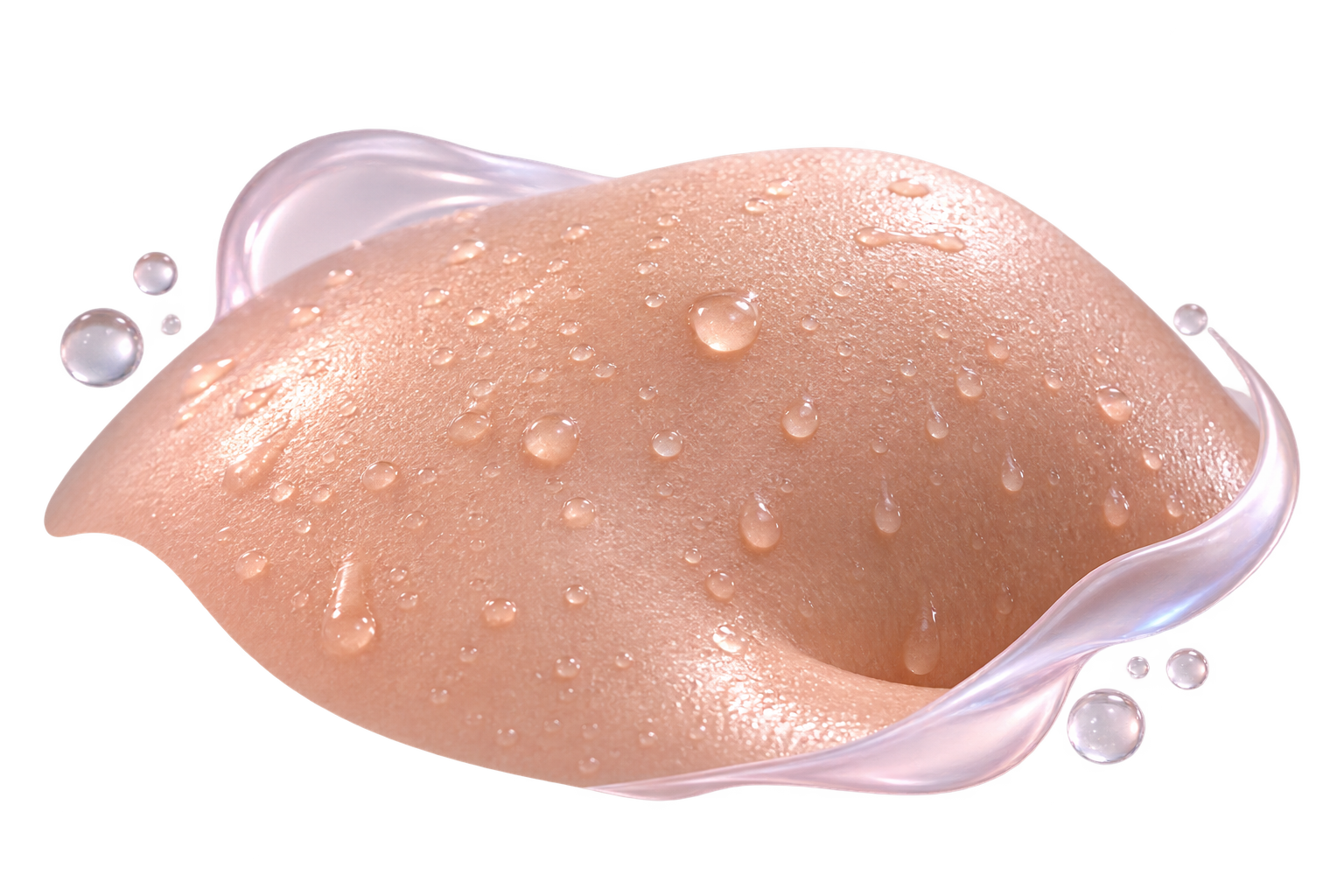
Sweat and trapped moisture may encourage yeast overgrowth, especially after exercise.
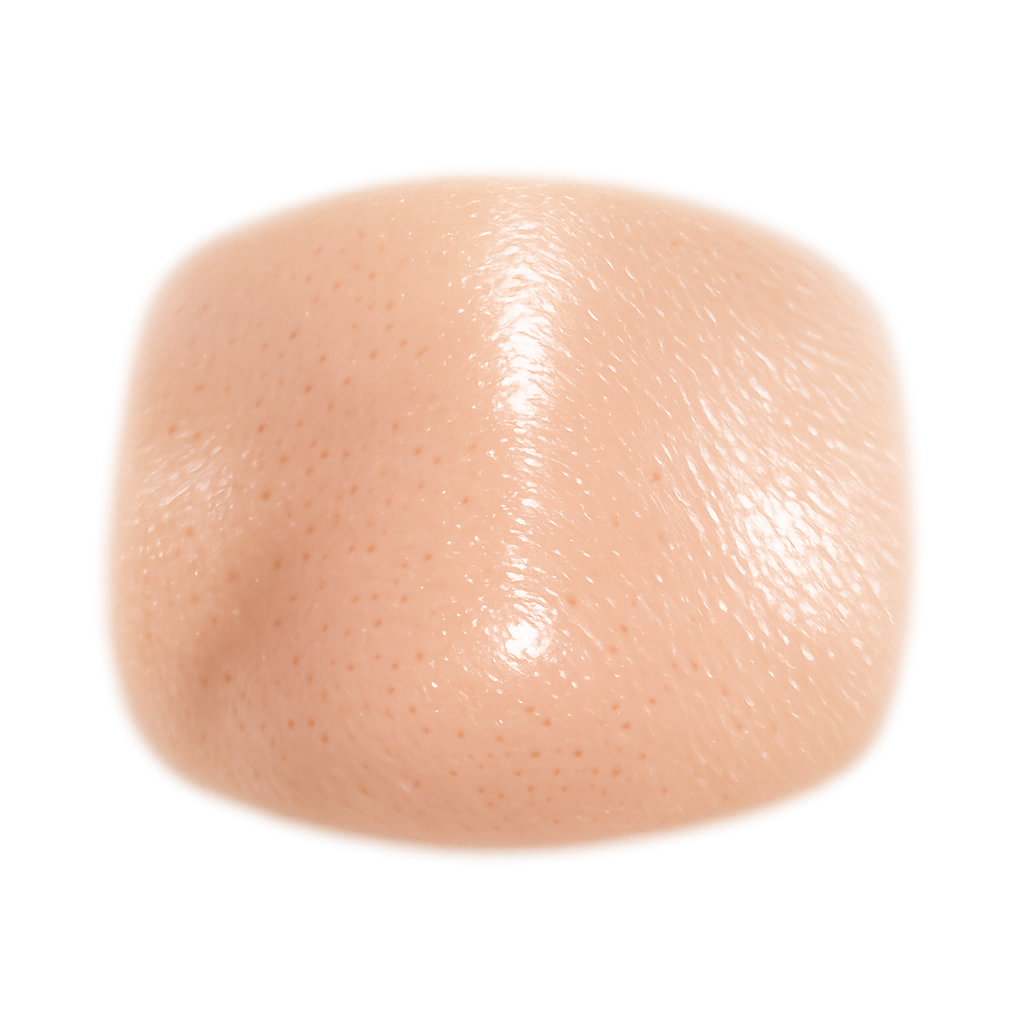
Malassezia feeds on certain components of skin oils, making oily areas more prone to fungal acne.

Antibiotics can reduce helpful bacteria, allowing Malassezia yeast to grow more easily.
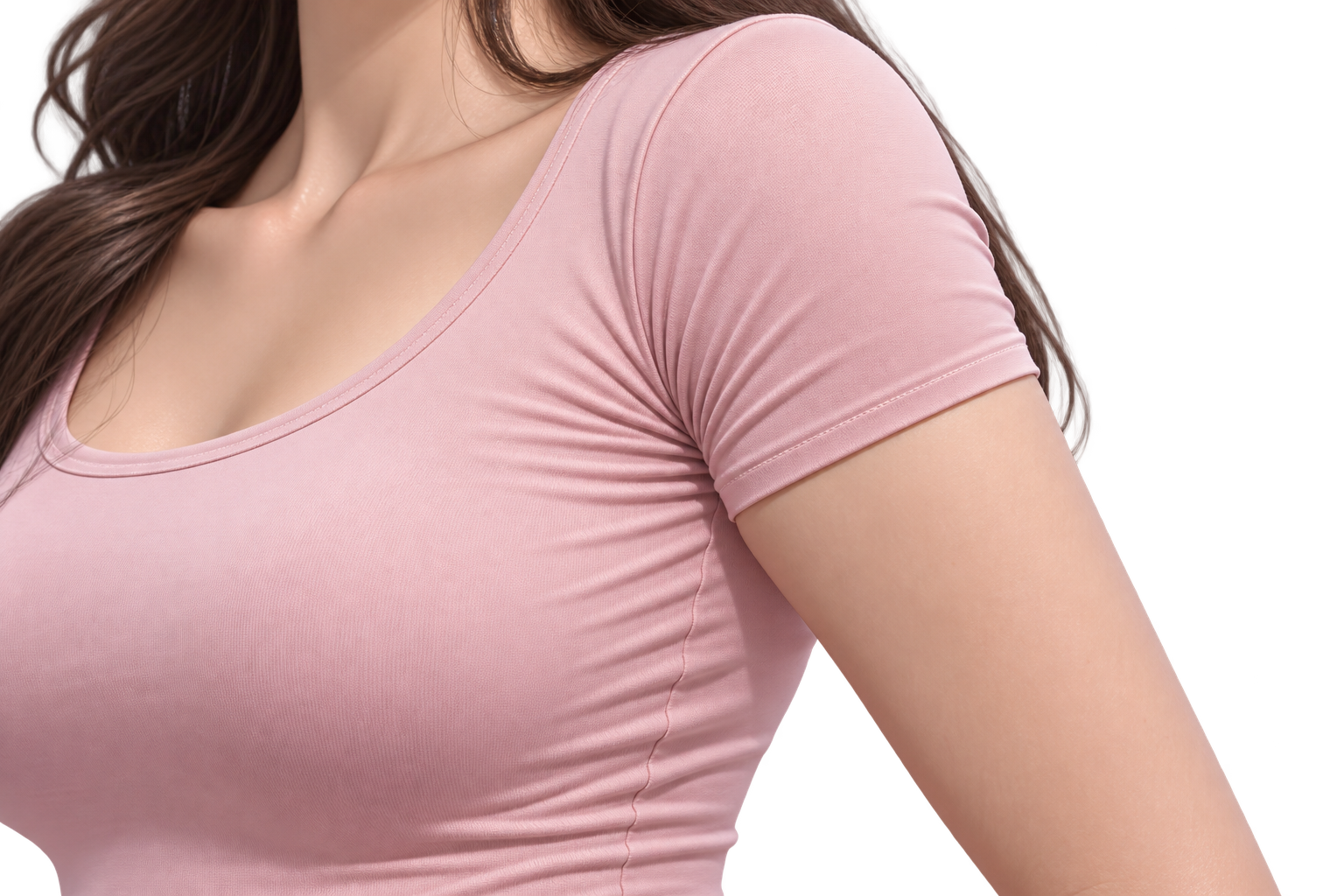
Clothing that traps sweat and heat may contribute to yeast overgrowth on the skin.
Some people become more susceptible to excessive yeast growth when the immune system is weakened.
These factors don't directly cause fungal acne in everyone, but they can encourage Malassezia yeast to grow more easily.


Reducing these triggers may help prevent flare-ups, but fungal acne often requires appropriate antifungal treatment as well.
Fungal acne most commonly develops in areas where heat, sweat, and oil are more likely to accumulate.
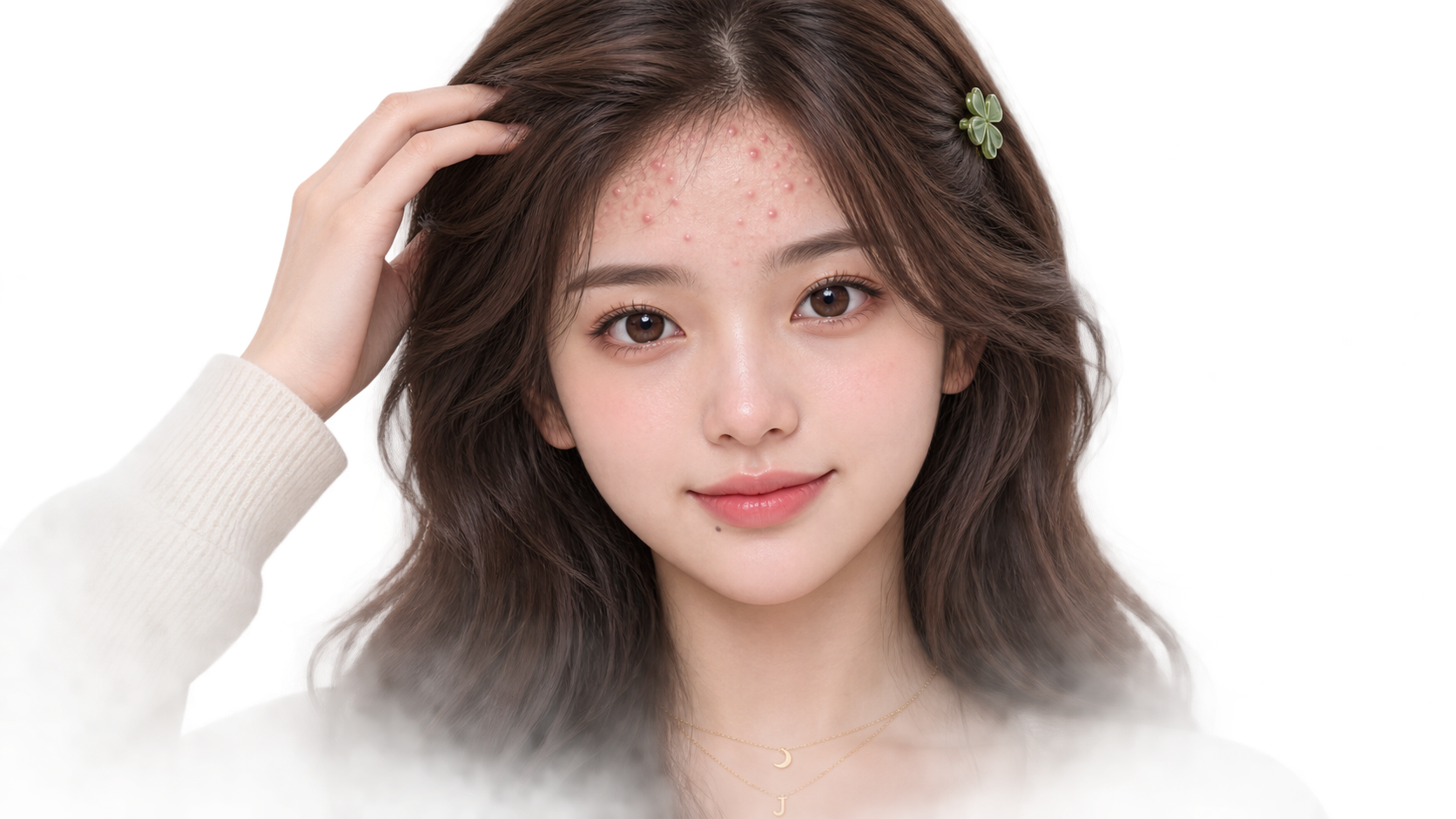
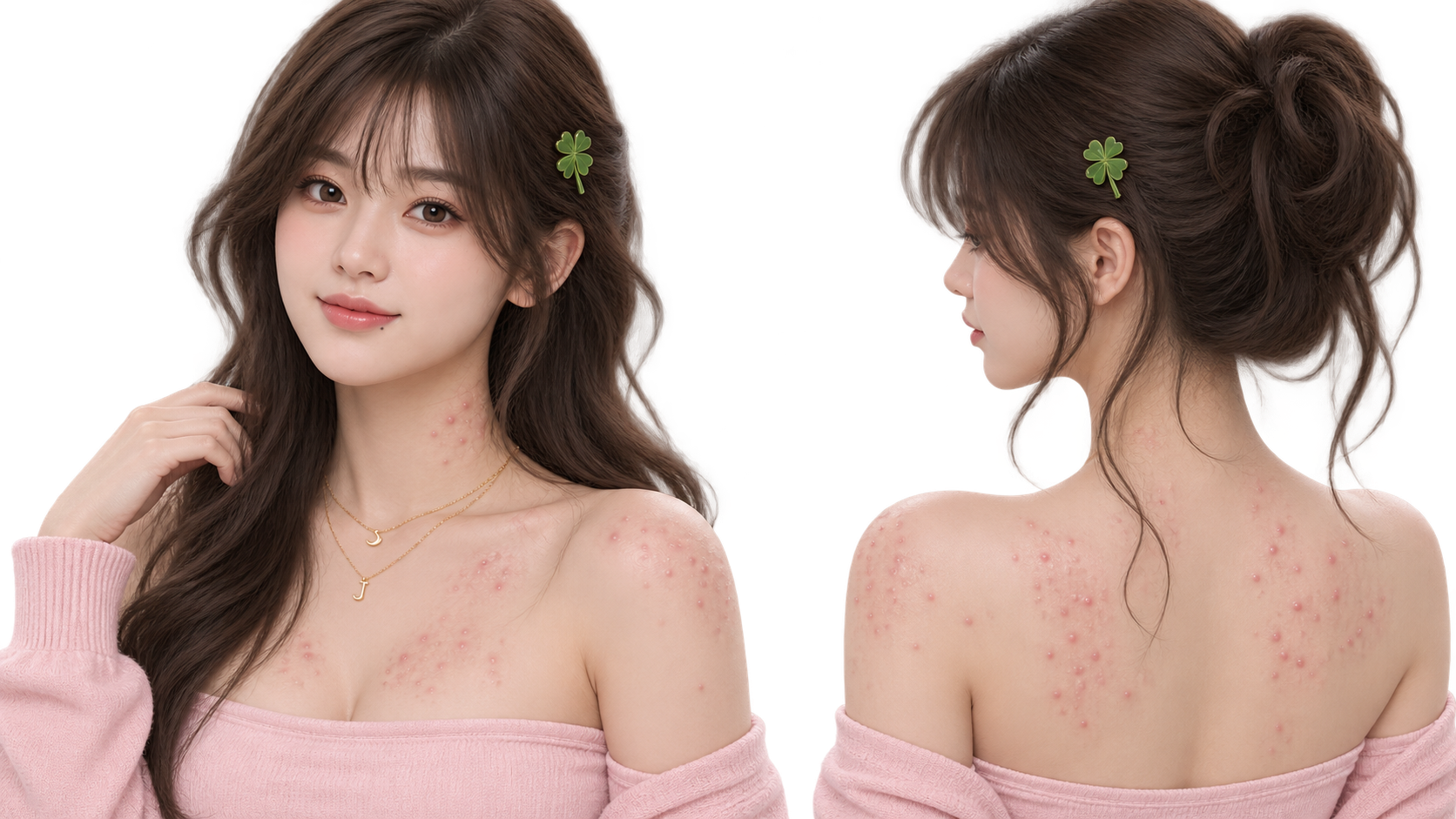
These areas naturally produce more oil and often stay warmer or sweat more, creating conditions that can encourage Malassezia yeast to grow.
Because fungal acne is caused by an overgrowth of yeast, it usually requires antifungal ingredients rather than traditional acne treatments.
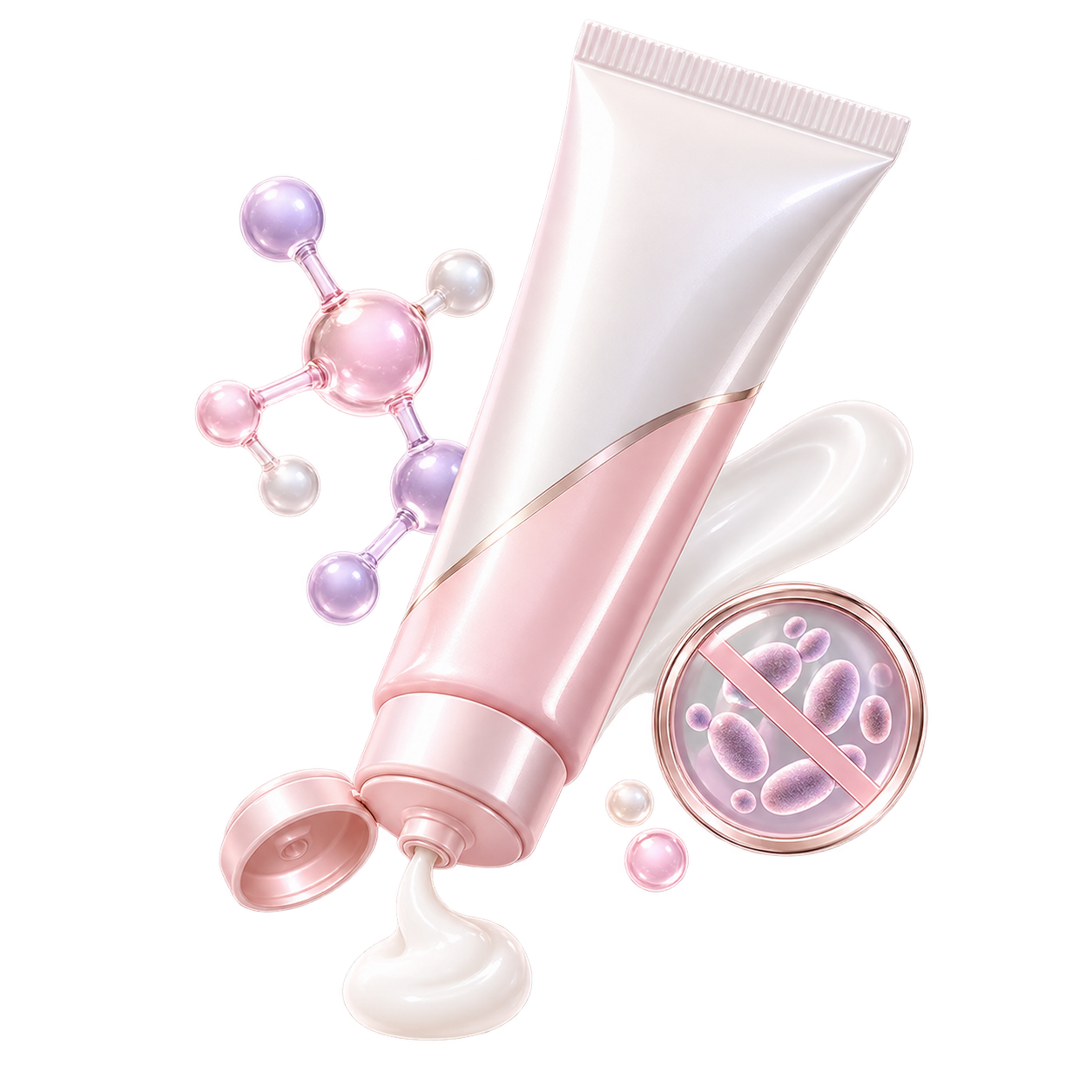
An antifungal ingredient that helps reduce Malassezia yeast on the skin.
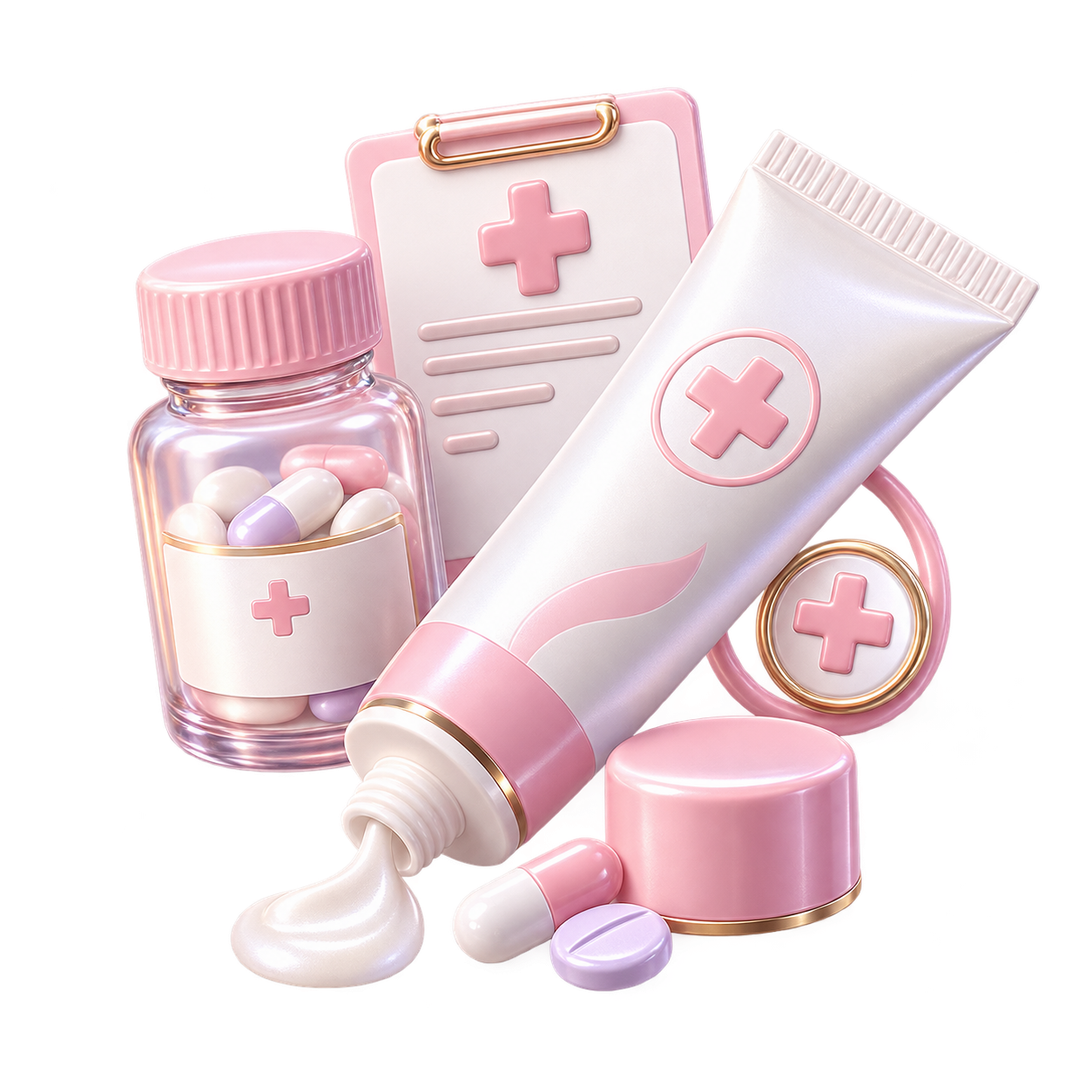
Helps reduce yeast growth and is commonly found in medicated cleansing products.
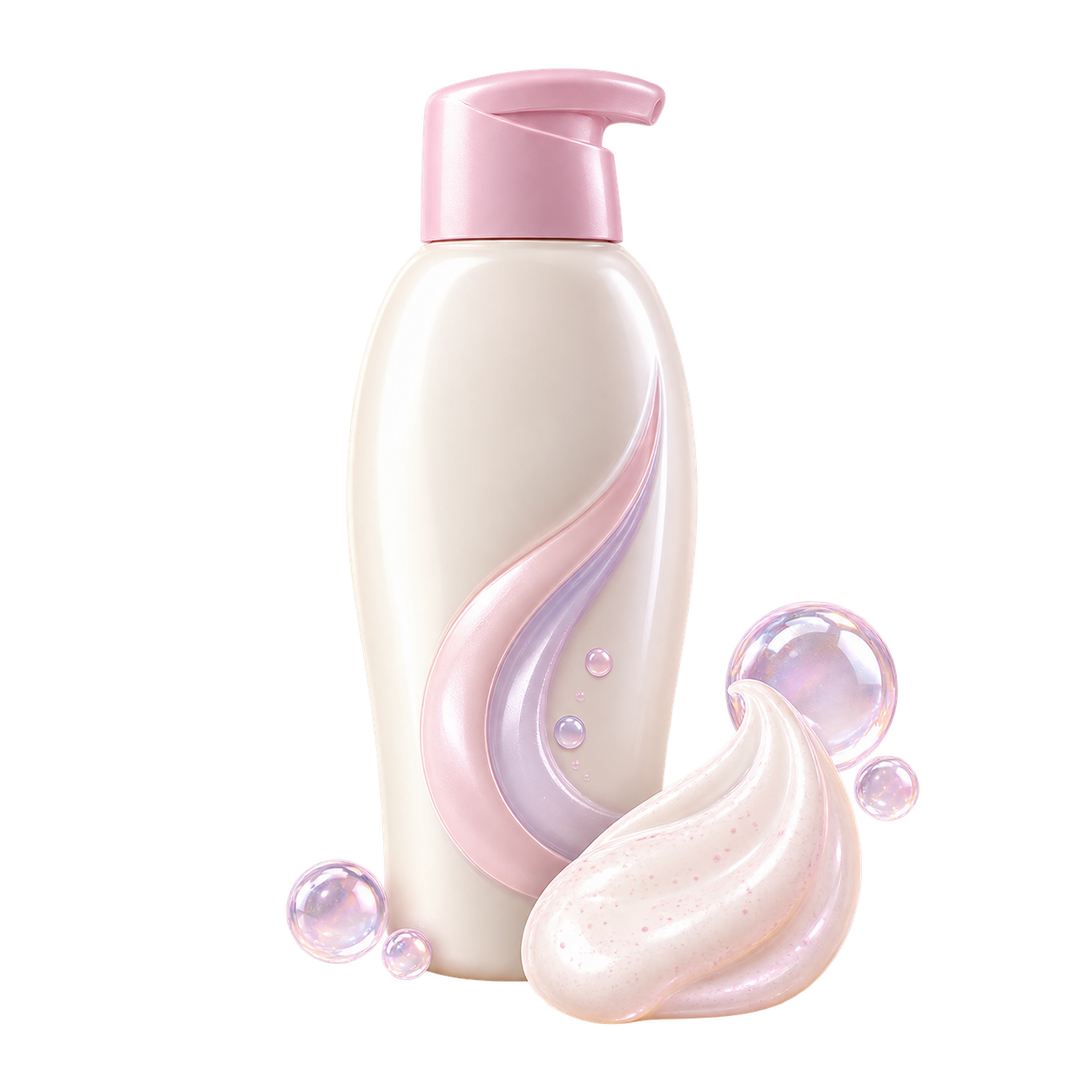
An antifungal ingredient commonly found in dandruff shampoos that may also be used on affected skin when recommended.
May help reduce yeast overgrowth while helping control excess oil.
More persistent or widespread cases may require antifungal creams or oral medications prescribed by a healthcare professional.
Fungal acne often doesn't respond to regular acne products because the underlying cause is yeast—not clogged pores. Using the correct treatment is important for improvement.
These two skin conditions can look very similar, but they have different causes and often require different treatments.
If you're unsure whether your bumps are fungal acne or closed comedones, avoid self-diagnosing. Many skin conditions look similar, and the right treatment depends on the correct diagnosis. If the bumps don't improve or you're uncertain, consider seeing a dermatologist.
Unlike regular pimples, fungal acne is caused by yeast inside the hair follicles. Squeezing the bumps won't remove the yeast and may actually make the skin worse.
Avoid squeezing fungal acne.

Picking can make inflammation worse.

Squeezing can injure healthy skin around the follicle.

Constant picking slows the recovery process.

Increases the risk of post-inflammatory marks.
Mimii Tip: Instead of squeezing the bumps, focus on gentle cleansing and following the appropriate antifungal treatment recommended by a healthcare professional.
While fungal acne can't always be prevented, these habits may help reduce the conditions that encourage yeast overgrowth.
Wash your skin after heavy exercise or sweating to remove excess sweat and oil.

Lightweight fabrics help reduce heat and trapped moisture.
Use a gentle cleanser without over-scrubbing your skin.
Heavy or greasy skincare may worsen fungal acne in some people.
Continue treatment as recommended, even if the bumps start improving.

If the bumps don't improve, seek professional advice for an accurate diagnosis.
Fungal acne is often misunderstood because it looks similar to regular acne. Let's separate common myths from the facts.
Fungal acne is caused by dirty skin.
It develops because of an overgrowth of Malassezia yeast that naturally lives on everyone's skin—not because the skin is dirty.
Fungal acne is contagious.
No. Malassezia naturally lives on healthy skin and isn't spread like a contagious infection.
Regular acne products always treat fungal acne.
Many acne products don't target yeast, so fungal acne often requires antifungal ingredients.
Every tiny forehead bump is fungal acne.
Tiny bumps can have many causes, including closed comedones, irritation, heat rash, or allergic reactions.
Popping fungal acne helps it heal faster.
Squeezing the bumps won't remove the yeast and may increase irritation or leave marks.
If your bumps are small, itchy, all about the same size, and don't improve with your usual acne routine, they may not be acne at all.
Fungal acne needs a different approach because it's caused by yeast rather than clogged pores. If you're unsure what's causing your bumps, it's always better to seek an accurate diagnosis before changing your skincare routine.
— Mimii ♡