1
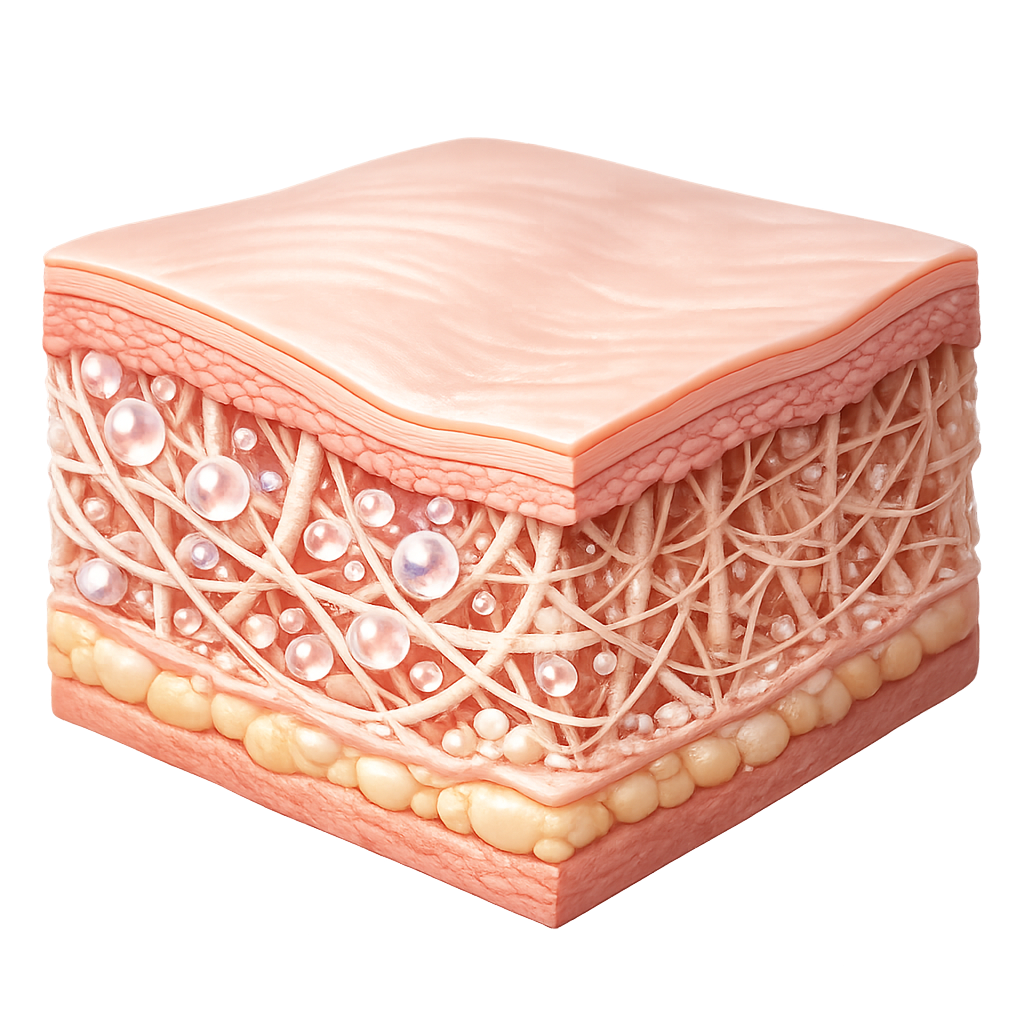
Collagen, Elastin or Moisture Decreases
The skin gradually begins to lose collagen, elastin, or water, making it less firm and resilient.
 ×
×
Tiny lines around your eyes or mouth? Fine lines are one of the earliest visible signs of skin aging, but they aren't always caused by age alone.
Fine lines can also develop from dehydration, repeated facial
expressions, and sun exposure. Learn why they appear, what
causes them, and how healthy skincare habits can help keep
your skin looking smooth and healthy.

Fine lines are one of the earliest visible signs of skin aging. Although they are often associated with getting older, they can also develop because of dehydration, sun exposure, and repeated facial movements.
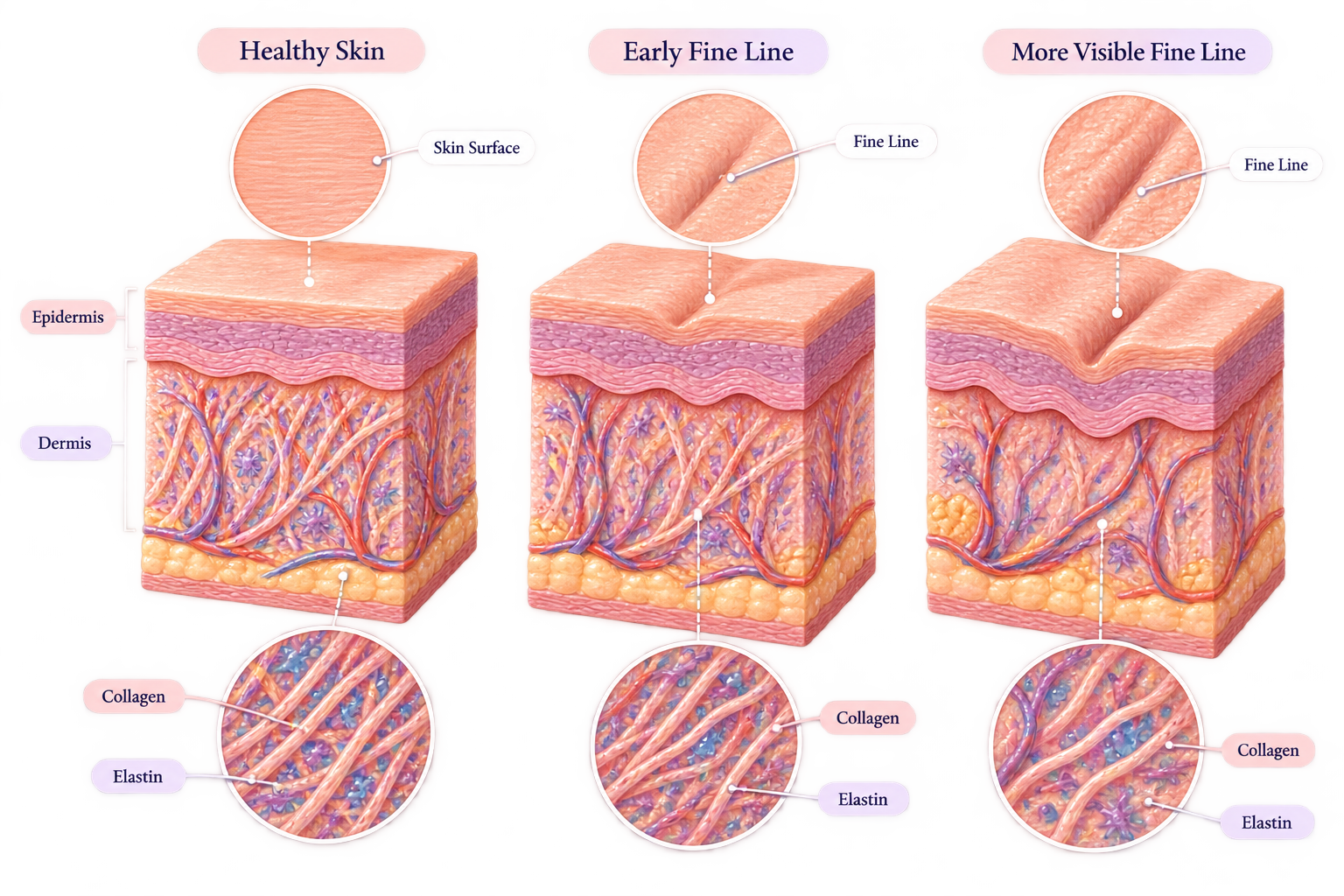
Fine lines are small, shallow creases that appear on the surface of the skin. They usually develop in areas that move frequently, such as around the eyes, mouth, and forehead.
Unlike wrinkles, fine lines are thinner and less noticeable. Some fine lines—especially those caused by dehydration—may temporarily improve when the skin is properly hydrated.
Not every fine line is permanent. Lines caused by dehydration can often become less noticeable after restoring your skin's moisture.
Fine lines don't appear overnight. They gradually develop as the skin loses collagen, elastin, and moisture while repeated facial movements create small folds in the skin over time.
The skin gradually begins to lose collagen, elastin, or water, making it less firm and resilient.
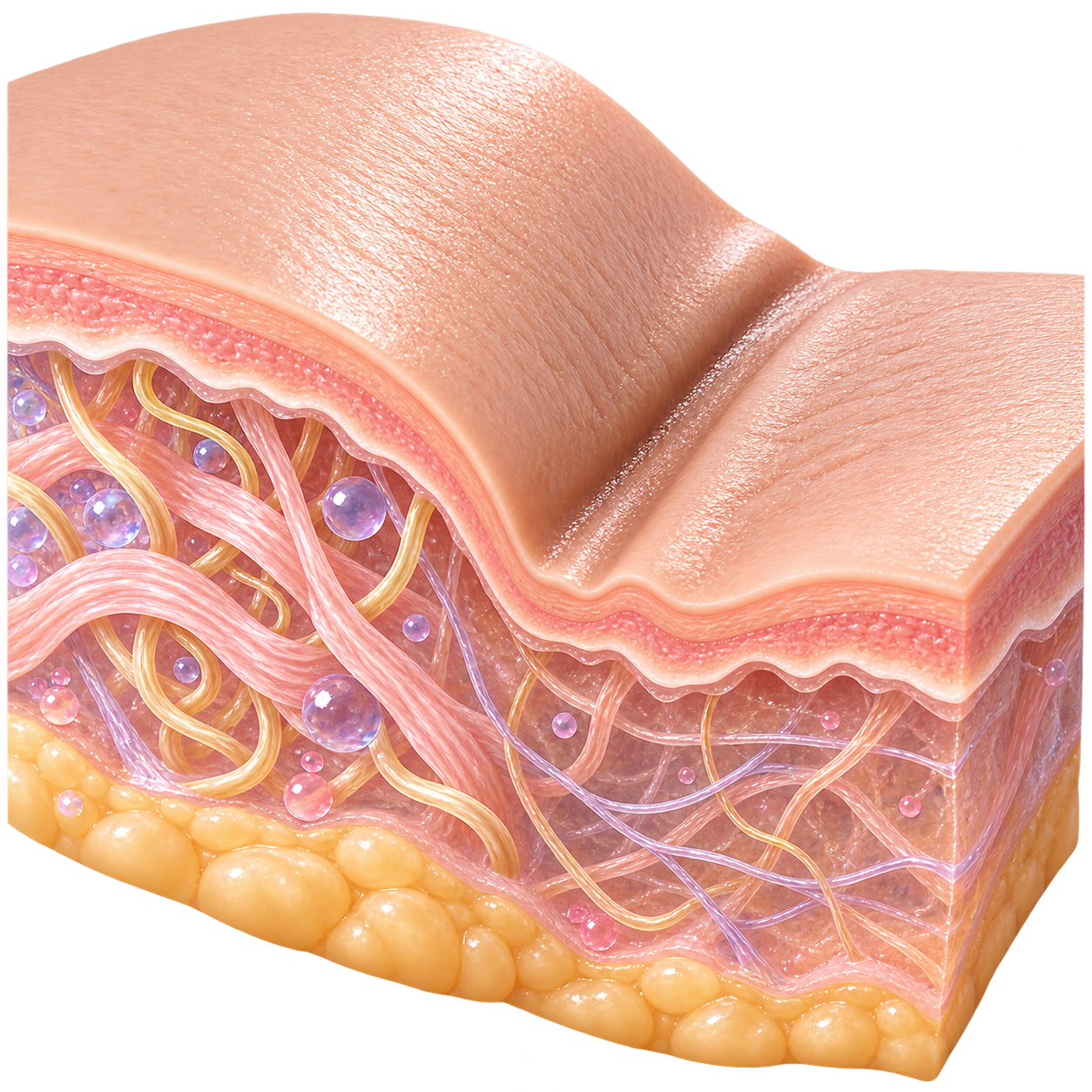
As support structures weaken, the skin becomes thinner and loses some of its natural elasticity.

Smiling, laughing, squinting, and frowning repeatedly crease the skin.
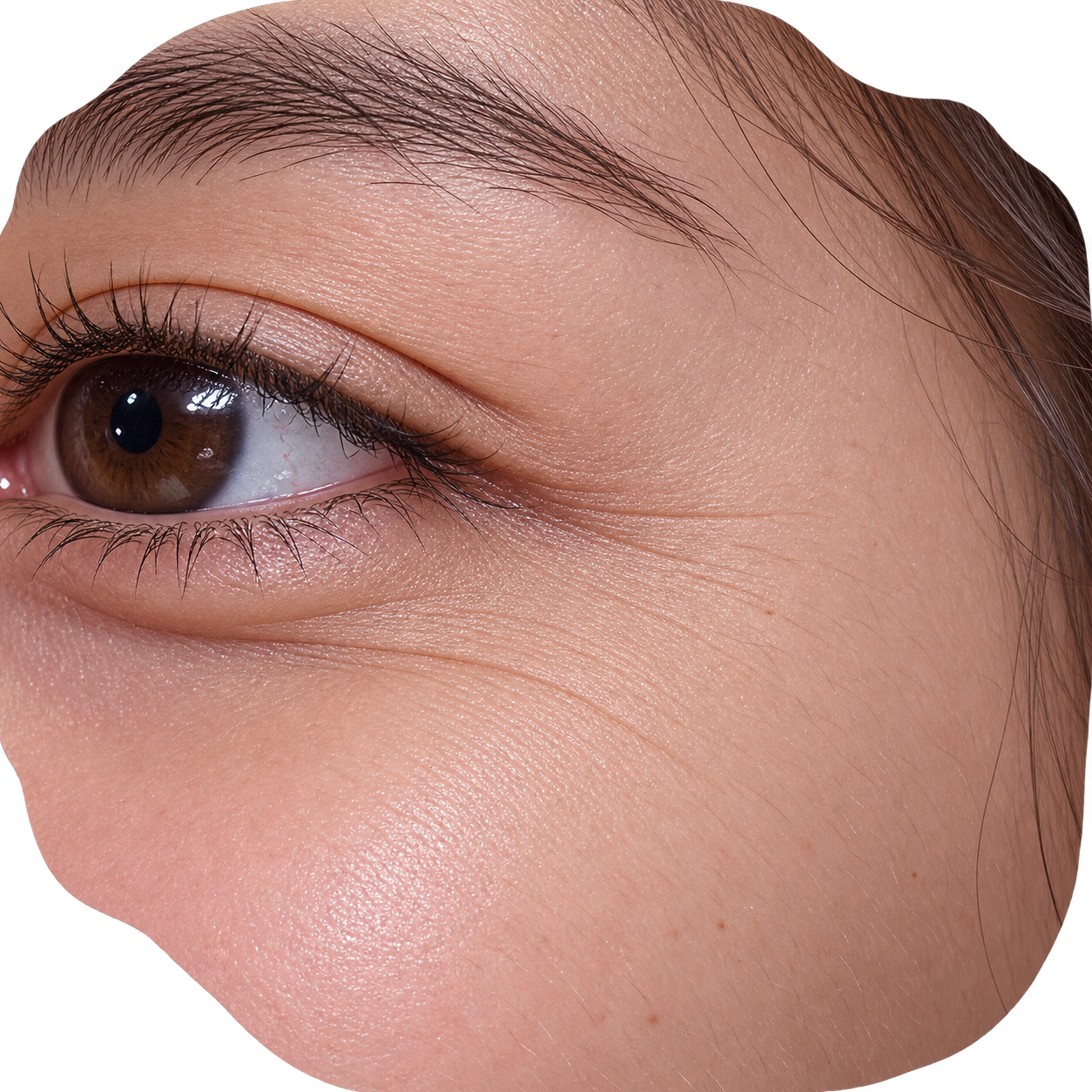
The repeated folds begin to stay visible even when the face is relaxed.
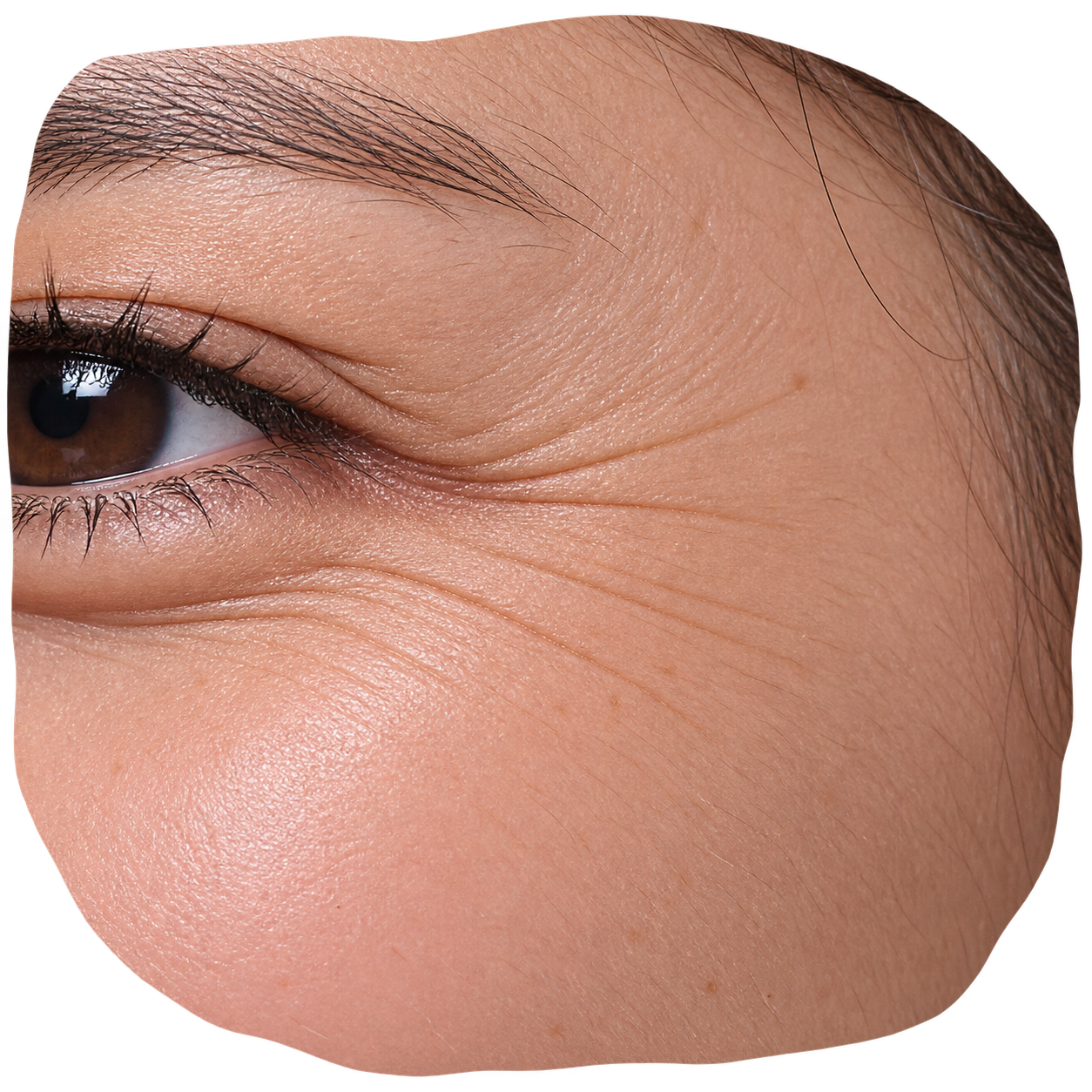
Without daily sun protection and consistent skincare, fine lines may gradually become deeper wrinkles.
Fine lines are usually the first visible changes in skin texture. They are thin, shallow lines that become easier to notice with facial movement, dehydration, or natural aging.

Fine lines appear as small, delicate creases on the surface of the skin.
They are often first noticed around the eyes, lips, forehead, and other expressive areas.
Dehydrated skin can make existing fine lines appear more noticeable.
Skin may begin to look slightly rougher or lose some of its youthful smoothness.
Smiling, laughing, or squinting often makes fine lines easier to see.
Without sun protection and consistent skincare, fine lines may slowly develop into wrinkles.
Fine lines develop gradually due to a combination of natural aging, environmental exposure, and everyday lifestyle habits. Understanding these causes can help you protect your skin and maintain a smoother appearance.
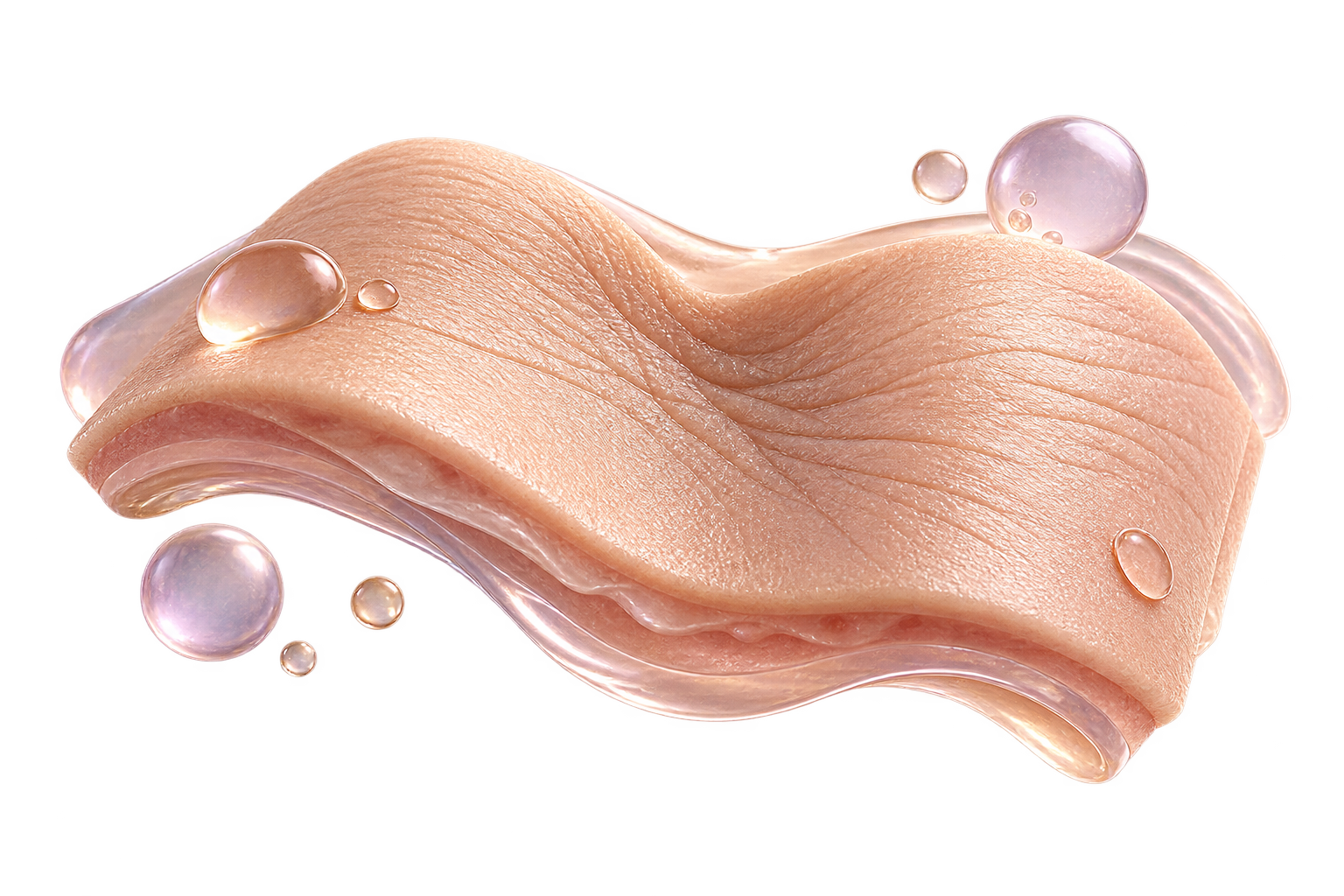
As we age, the skin naturally produces less collagen and elastin, making it thinner and less firm.

UV rays break down collagen and elastin, leading to premature skin aging and more noticeable fine lines.

Smiling, laughing, squinting, and frowning repeatedly create folds that may become visible over time.

Skin that lacks water can temporarily develop dehydration lines that resemble fine lines.

Smoking increases oxidative stress and accelerates collagen breakdown, contributing to premature aging.
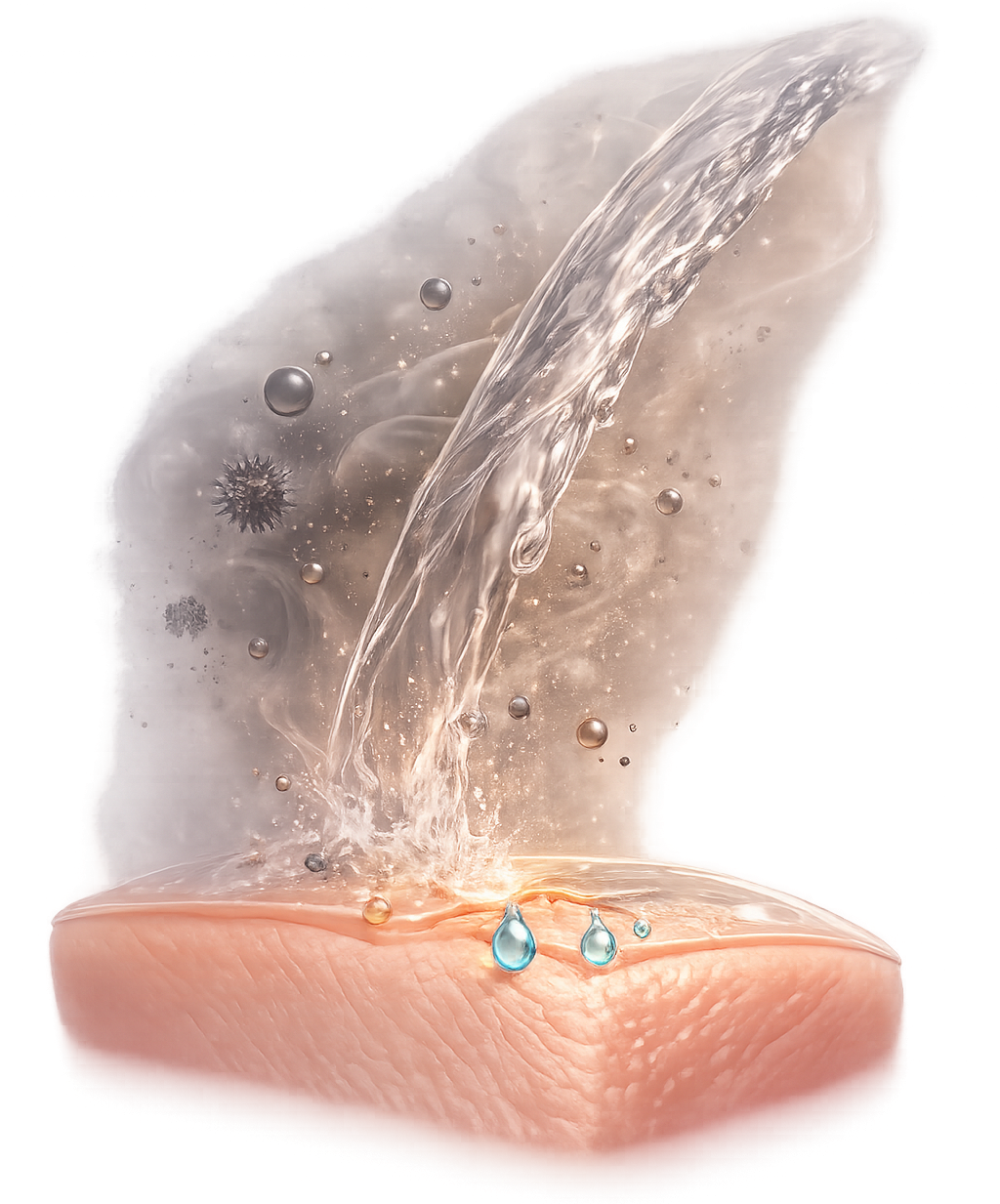
Environmental pollutants generate free radicals that may contribute to early skin aging.

Poor sleep can affect your skin's natural repair process, making fine lines appear more noticeable.
Fine lines don't suddenly appear overnight, but certain daily habits and environmental factors can make them look more noticeable. Protecting your skin from these triggers can help maintain a smoother, healthier appearance.
Sun Exposure
 Dry Skin
Dehydration
Repeated Facial Expressions
Smoking
Air Pollution
Lack of Sleep
Dry Skin
Dehydration
Repeated Facial Expressions
Smoking
Air Pollution
Lack of Sleep
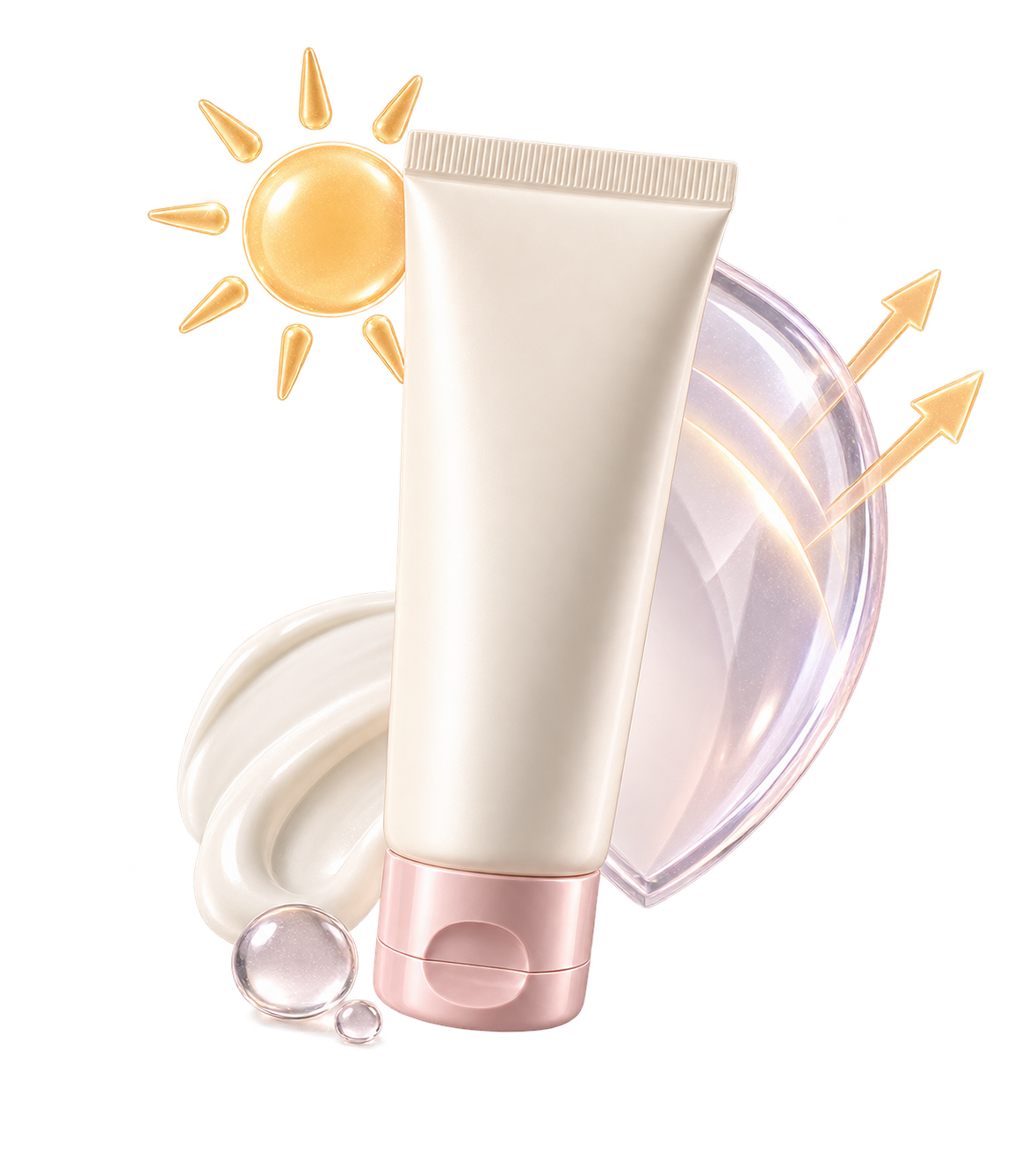 Skipping Sunscreen
Fine lines most commonly appear in areas where the skin moves frequently during facial expressions. They can also develop on thinner skin that is regularly exposed to the sun.

Areas that move the most throughout the day usually develop fine lines first because repeated facial expressions gradually create small folds in the skin.
Fine lines and wrinkles are often confused, but they are not exactly the same. Fine lines are usually the earliest visible signs of skin aging, while wrinkles are deeper and develop gradually over time.
Did you know? Fine lines are often the first visible signs of skin aging, while wrinkles usually develop later as collagen and elastin continue to decrease.
Fine lines and dehydration lines may look similar, but they develop for different reasons. Knowing the difference helps you choose the right skincare approach.
If the lines become less noticeable after moisturizing and hydrating your skin, they may be dehydration lines rather than age-related fine lines.
While no skincare ingredient can completely erase fine lines, several ingredients can help improve skin hydration, support collagen production, strengthen the skin barrier, and reduce the appearance of early signs of aging.

Help stimulate collagen production and improve skin cell turnover, making fine lines appear smoother over time.

A gentler form of retinoid that gradually improves the appearance of fine lines while supporting skin renewal.

Supports collagen production and helps protect the skin from free radical damage caused by environmental exposure.

Help support skin firmness and elasticity, contributing to smoother-looking skin.
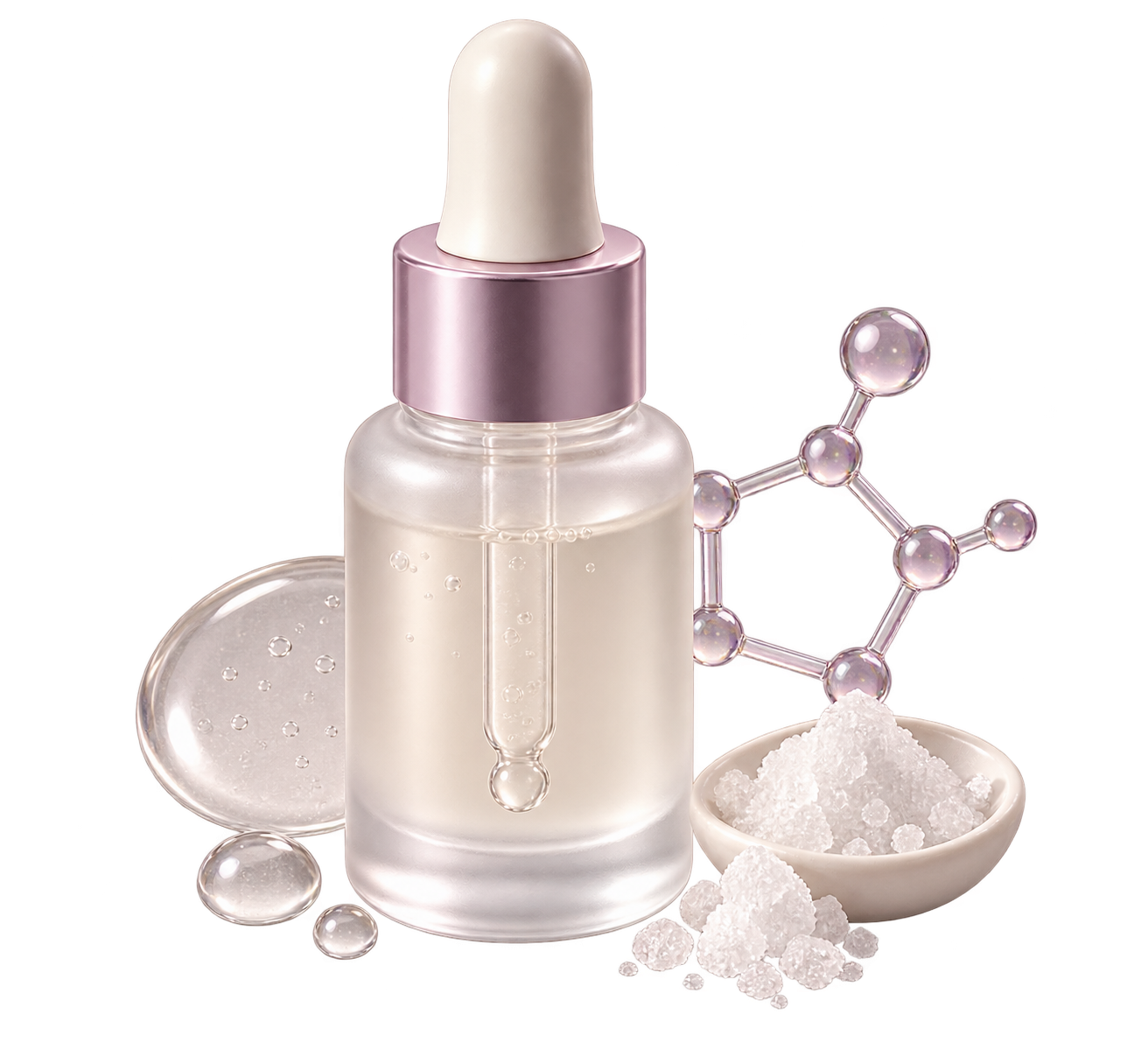
Strengthens the skin barrier, improves elasticity, and helps maintain healthy-looking skin.

Draws water into the skin to provide hydration and temporarily plump the appearance of fine lines.
Help strengthen the skin barrier and reduce moisture loss, keeping the skin comfortable and hydrated.
Daily broad-spectrum sunscreen helps prevent premature skin aging caused by ultraviolet (UV) exposure.
Fine lines are a natural part of aging, but healthy skincare habits and daily sun protection can help slow their appearance and keep your skin looking smoother for longer.
Apply a broad-spectrum sunscreen every day to help protect your skin from UV damage.

Keeping your skin hydrated helps reduce moisture loss and supports a healthy skin barrier.
Ingredients like Vitamin C help protect the skin from environmental damage caused by free radicals.
If suitable for your skin, retinoids or retinol may help improve the appearance of fine lines over time.
Smoking accelerates collagen breakdown and contributes to premature skin aging.
Sleep gives your skin time to repair and recover, supporting healthier-looking skin.
Drinking enough water and using hydrating skincare can help keep your skin comfortable and supple.
Avoid harsh cleansing or over-exfoliating, which can weaken the skin barrier and increase dryness.
Fine lines are surrounded by many misconceptions. Let's separate common myths from facts supported by skin science.
Fine lines only happen when you're old.
Fine lines can appear at any age due to dehydration, sun exposure, or repeated facial expressions.
Expensive creams erase fine lines overnight.
Improving fine lines requires consistent skincare, patience, and realistic expectations.
Drinking more water removes all fine lines.
Hydration supports healthier-looking skin, but age-related fine lines are also influenced by collagen, elastin, and sun exposure.
Smiling causes wrinkles, so you should smile less.
Facial expressions are natural. Daily sunscreen and a healthy skincare routine have a much bigger impact on maintaining healthy-looking skin.
Only anti-aging products help fine lines.
Sunscreen, hydration, barrier-supporting skincare, and healthy lifestyle habits are just as important for maintaining smooth-looking skin.

Not every line on your face is a permanent sign of aging. If your skin suddenly looks more lined after cleansing, during cold weather, or when it feels dry, it may simply be dehydrated rather than developing permanent fine lines.
Before reaching for strong anti-aging products, focus on restoring your skin's hydration and strengthening your skin barrier. Healthy, well-hydrated skin often appears smoother and more radiant.
Mimii Says: One of the best habits for maintaining youthful-looking skin is wearing broad-spectrum sunscreen every single day. Prevention is always easier than correction.
— Mimii ♡