
KNOW YOUR SKIN BEFORE YOU CARE FOR IT.

Home Skin Concerns Ingredients Routine Journey Start Analysis
SEARCH-ICON ×
×

Welcome to Ask Mimii

Save your Skin Analysis,
personal routines and favourites.

OR

Dark Circles

Do your under-eyes look tired even after a good night's sleep? Dark circles are one of the most common skin concerns, but they aren't always caused by lack of sleep. They can develop because of genetics, pigmentation, visible blood vessels, or even the natural shape of your face.

Did you know? There are different types of dark circles—and each one has a different cause.

Mimii explaining different types of dark circles
FIRST THINGS FIRST

What Are Dark Circles?

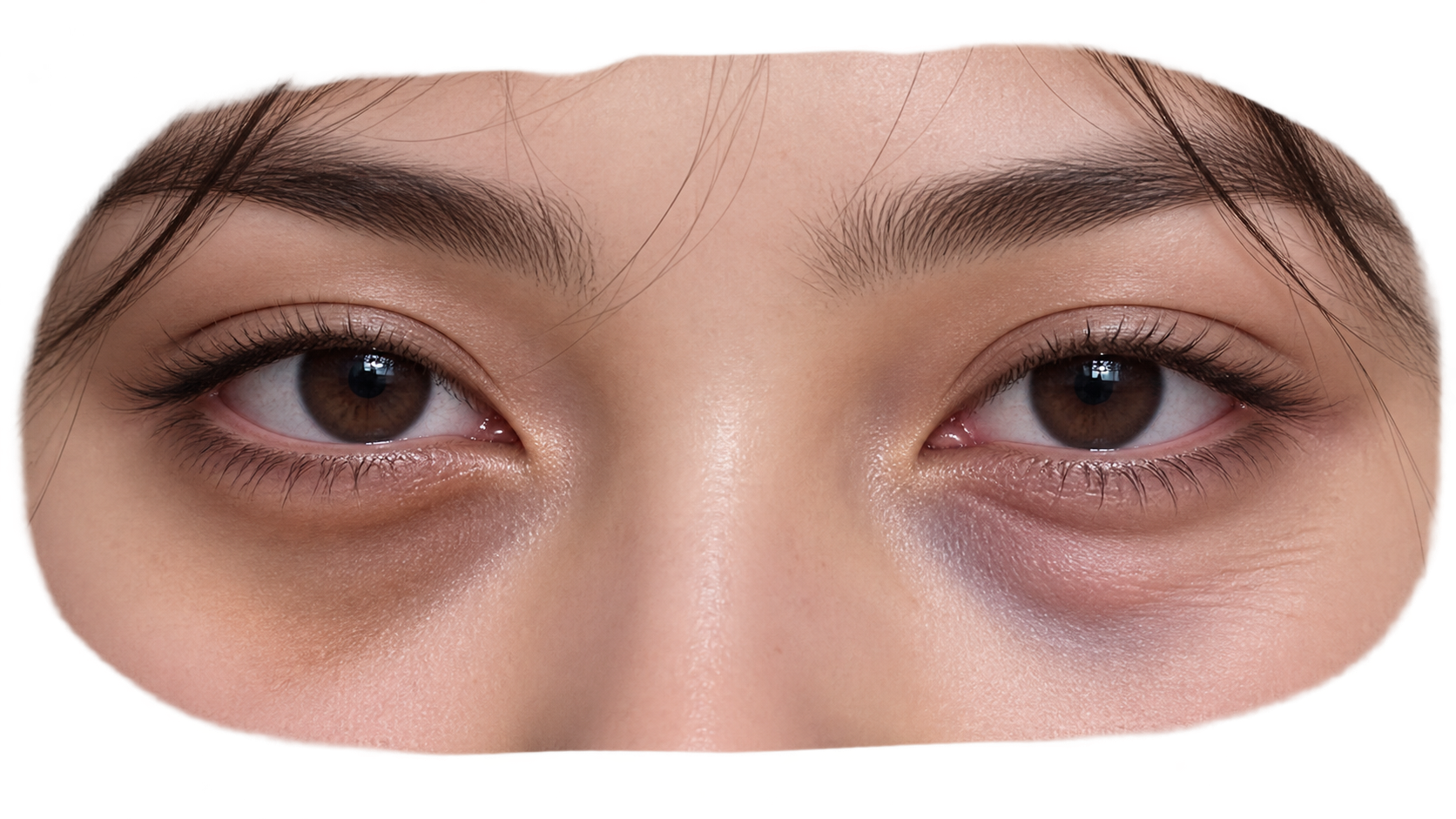
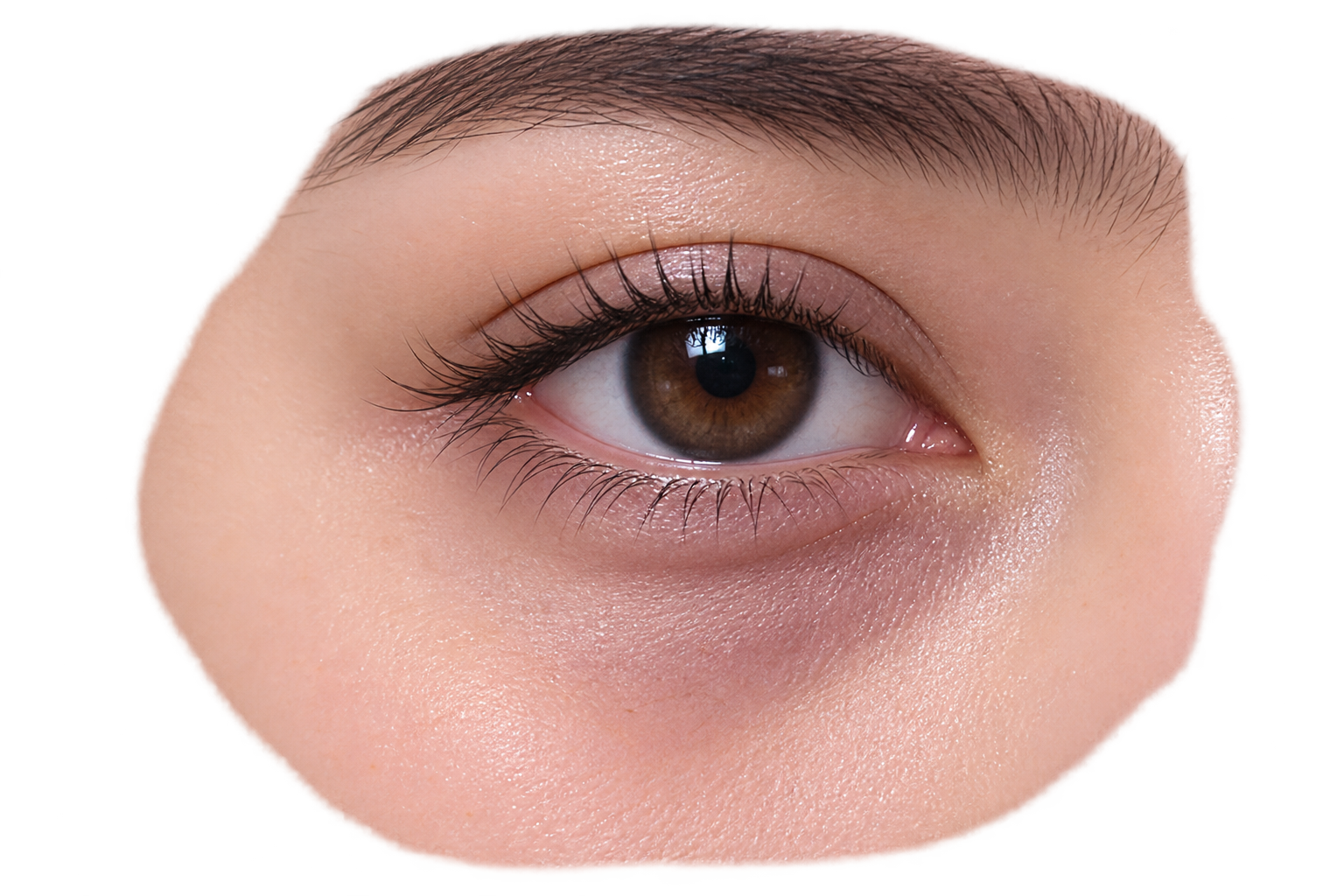
Dark circles are darker-looking areas beneath the eyes. They may appear brown, blue, purple, gray, or almost black depending on what causes them.

Illustration of the under-eye area

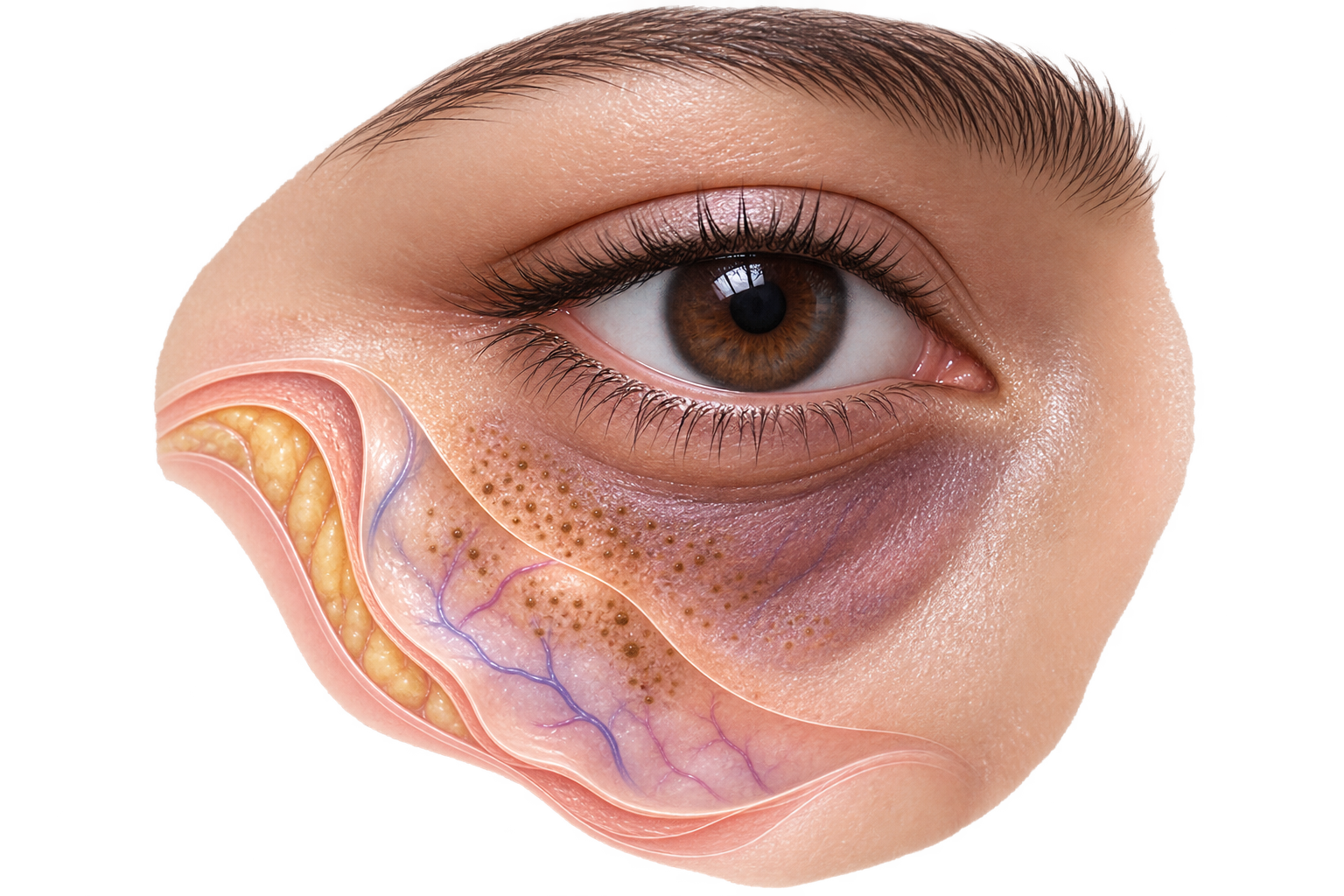
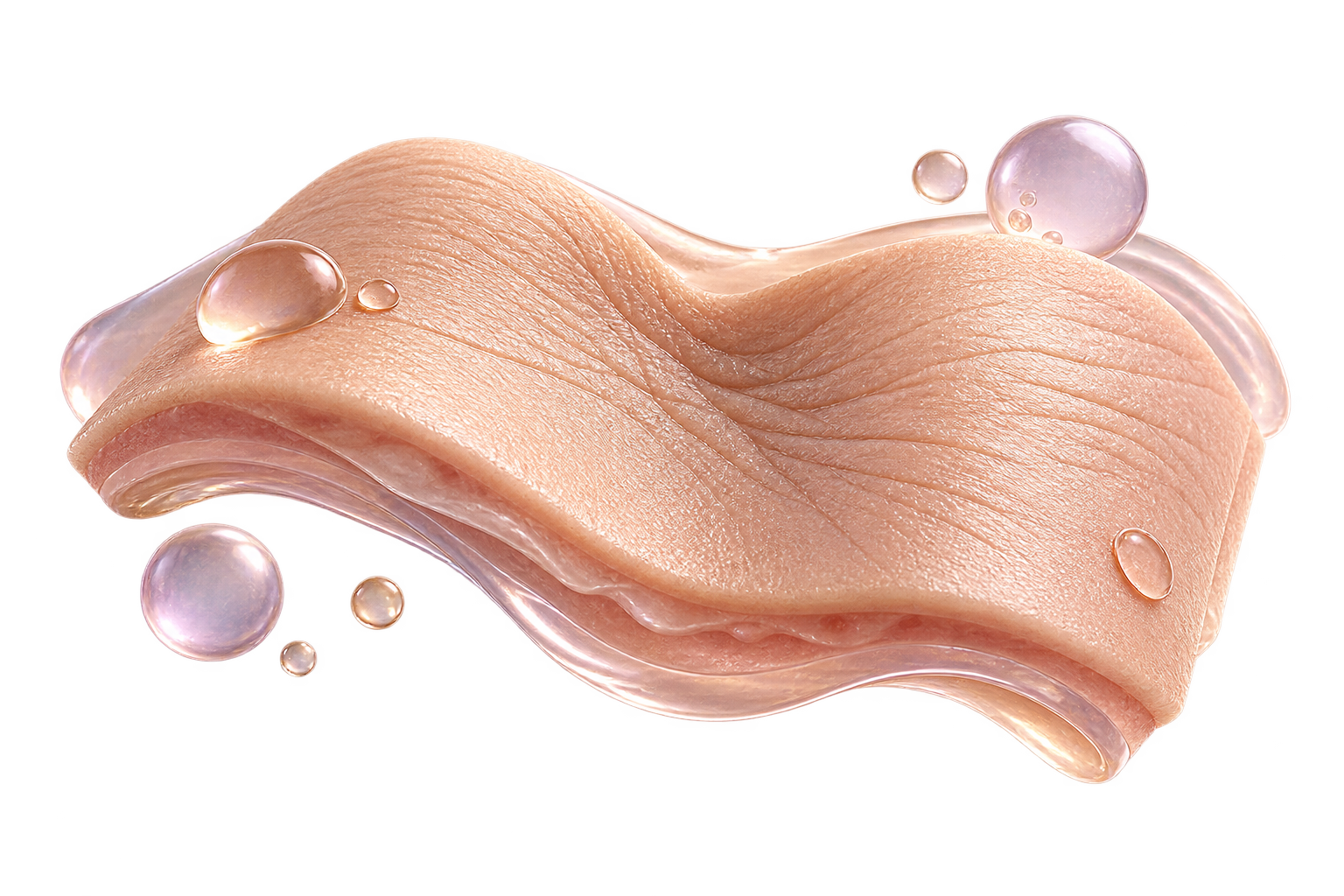
The skin beneath your eyes is one of the thinnest and most delicate areas of your body. Because it is so thin, changes beneath the skin—such as pigment, blood vessels, or natural facial shadows—become much easier to see.

Delicate Skin

Thin skin allows what's underneath to become more visible.

Different Causes

Pigment, blood vessels, and facial structure can all create dark circles.

Mimii Tip

Not all dark circles are the same, which is why one eye cream doesn't work for everyone.

HOW DARK CIRCLES DEVELOP

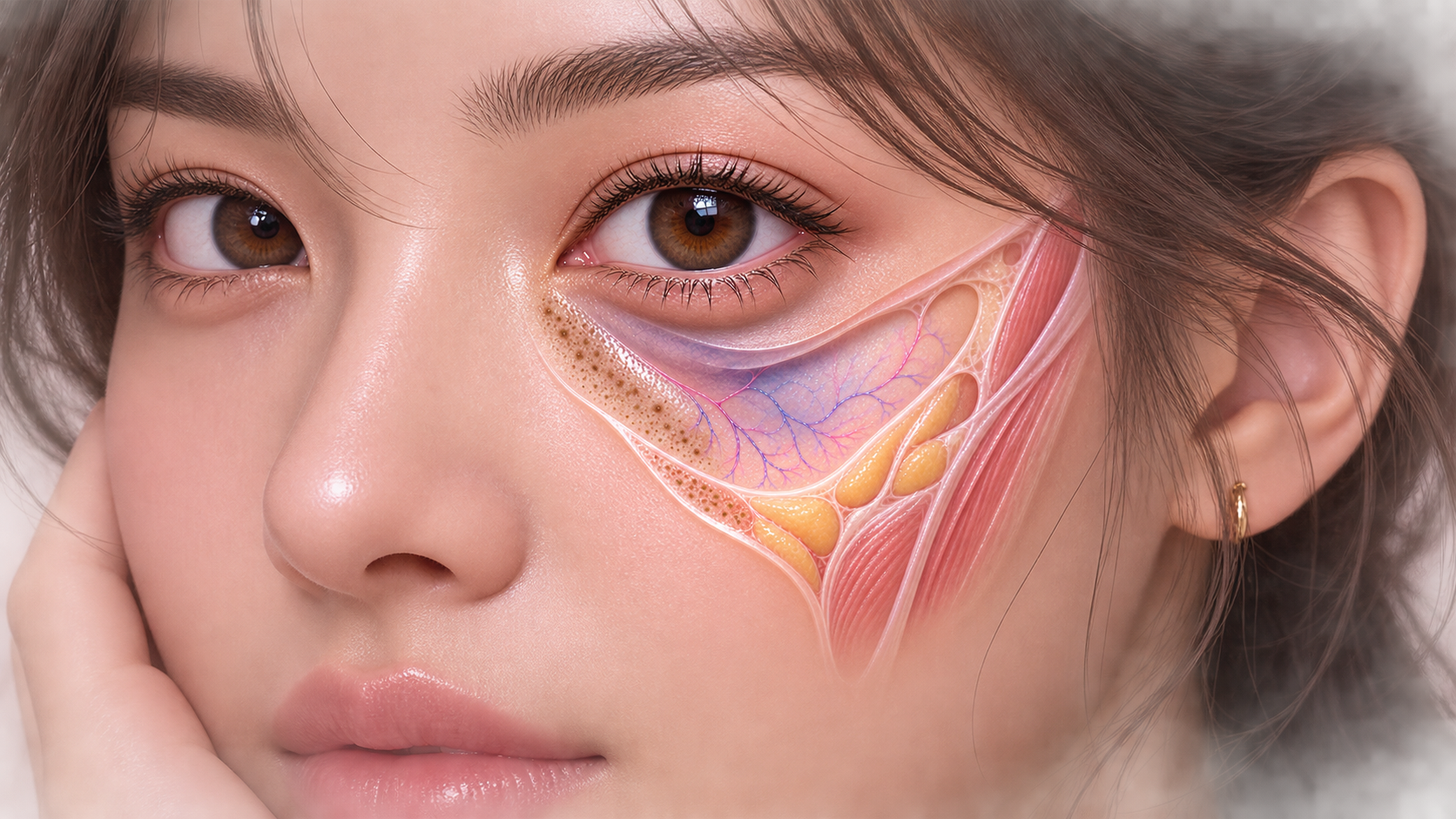
Discover What's Beneath Your Eyes

Dark circles aren't caused by just one thing. Explore each layer to understand what may be happening beneath the delicate under-eye skin.

Dark Circle Anatomy
DISCOVER

Skin Surface

The under-eye skin is naturally one of the thinnest areas of the body. Because it is so delicate, changes beneath the skin become much easier to notice.

DIFFERENT TYPES

Not All Dark Circles Are The Same

Dark circles can look different depending on what's causing them. Understanding your type can help you choose more suitable skincare and set realistic expectations.

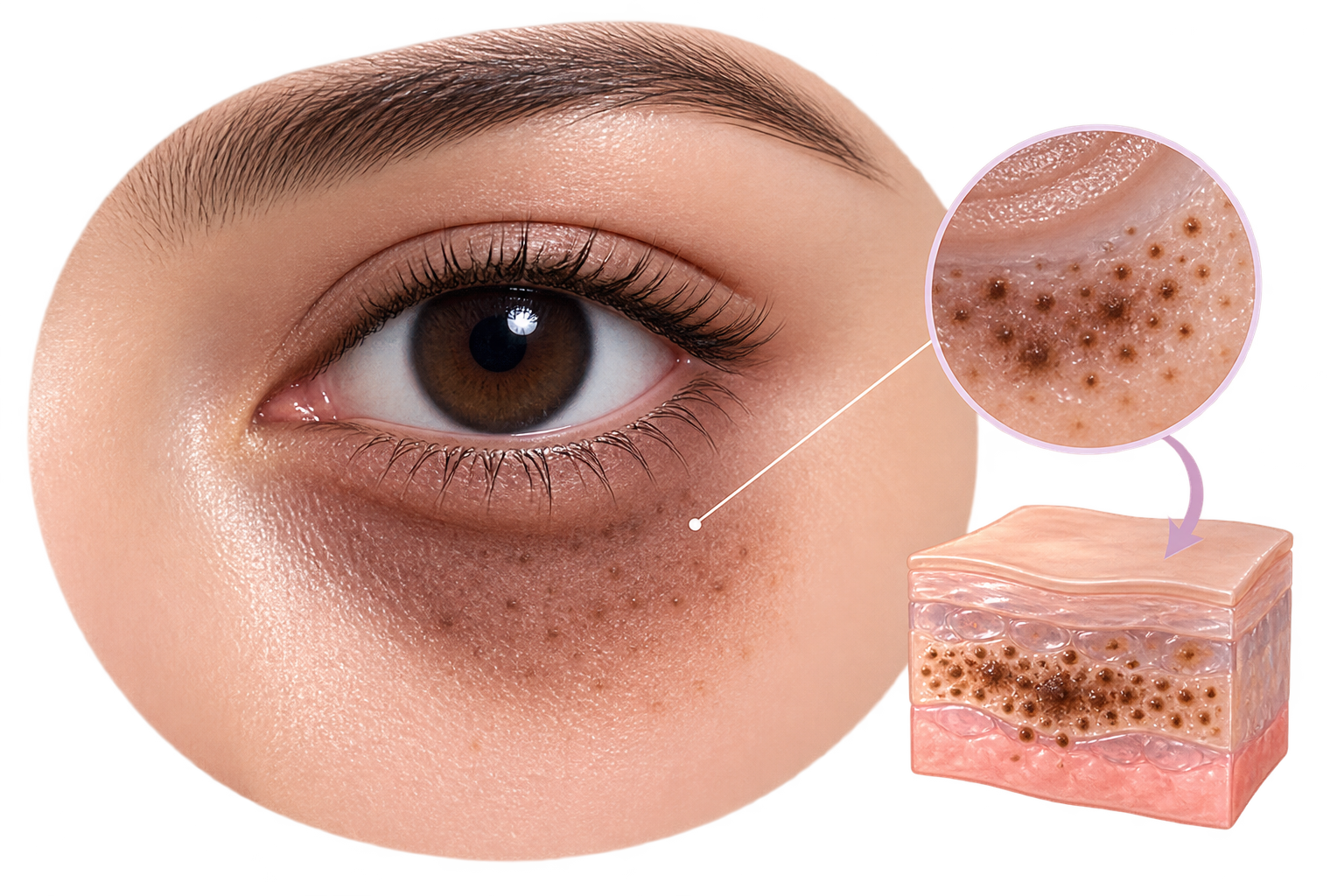
Pigmented Dark Circles
TYPE 01

Pigmented Dark Circles

Brown or dark brown discoloration caused by excess melanin beneath the under-eye skin.

Genetics Sun Exposure Eye Rubbing PIH
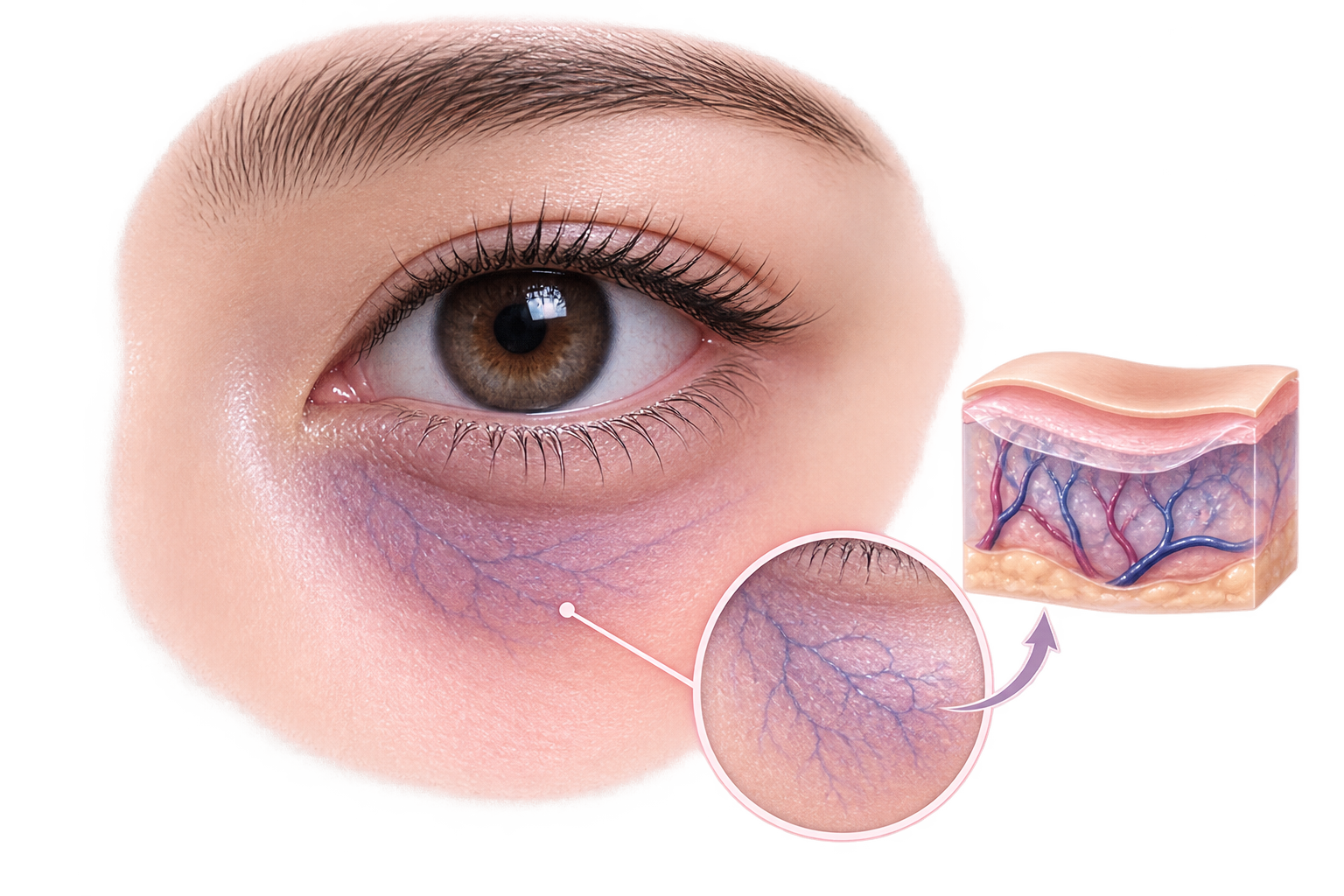
Vascular Dark Circles
TYPE 02

Vascular Dark Circles

Blue, purple or pink tones caused by visible blood vessels beneath thin under-eye skin.

Thin Skin Fatigue Allergies Genetics
Structural Dark Circles
TYPE 03

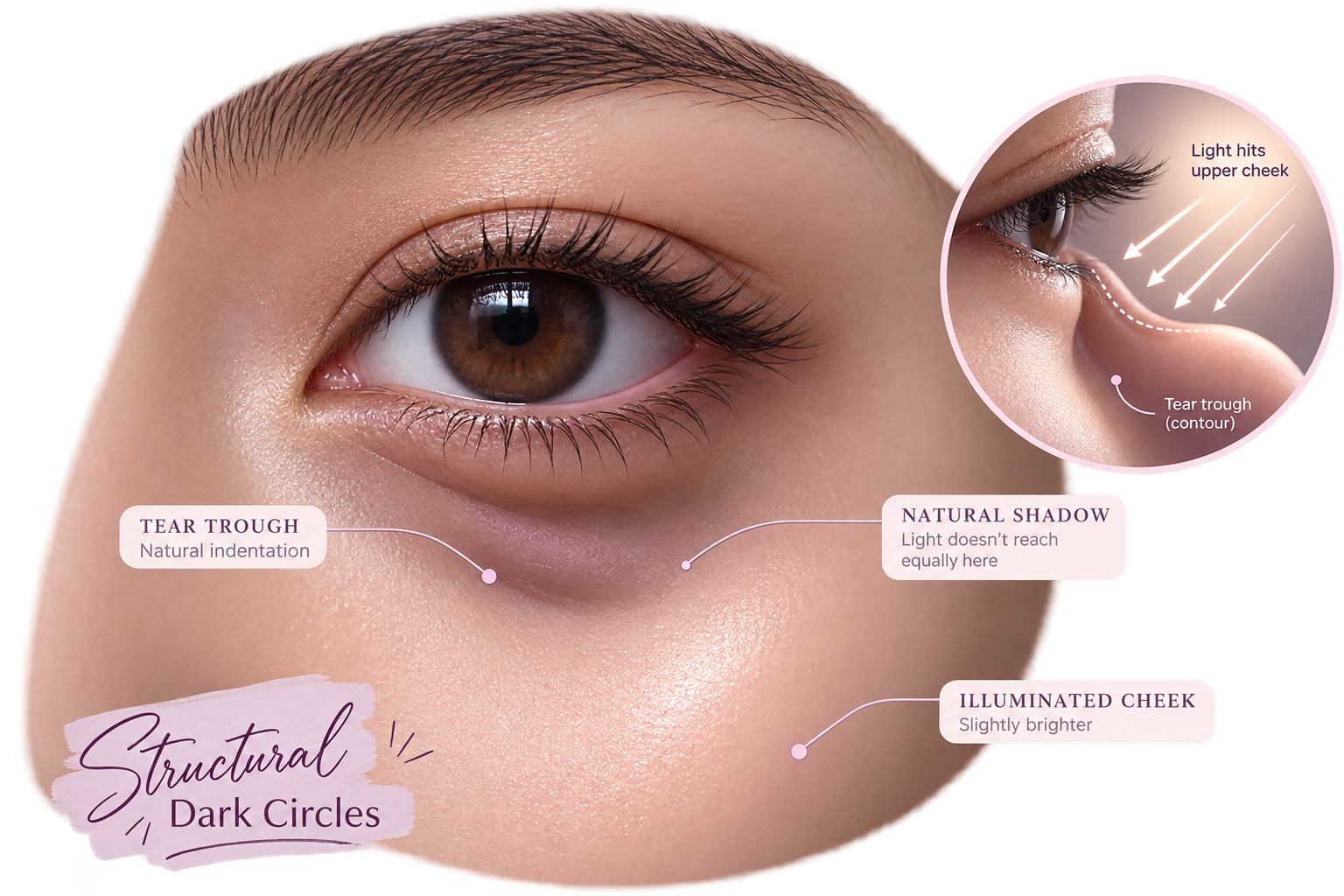
Structural Dark Circles

Shadows created by the natural shape of the face rather than changes in skin colour.

Tear Troughs Deep-set Eyes Aging
Mixed Dark Circles
TYPE 04

Mixed Dark Circles

A combination of pigmentation, visible blood vessels and facial shadows.

Pigmentation Thin Skin Genetics Aging
POSSIBLE CAUSES

What Causes Dark Circles?

There isn't one single cause of dark circles. Several factors can contribute, and many people experience more than one at the same time.

Genetics

Some people naturally have darker under-eye areas because of inherited skin pigmentation or facial structure.

Thin Under-Eye Skin

Thin skin allows blood vessels beneath the surface to become more visible.

Hyperpigmentation

Extra melanin beneath the eyes can make the skin appear darker, especially after irritation or sun exposure.

Aging

As collagen and fat decrease with age, shadows and blood vessels become easier to notice.

Lack of Sleep

Sleep deprivation can make existing dark circles appear more noticeable.

Allergies

Frequent rubbing and inflammation around the eyes may worsen pigmentation and vascular dark circles.

Sun Exposure

UV rays increase melanin production, making pigment-related dark circles appear darker.

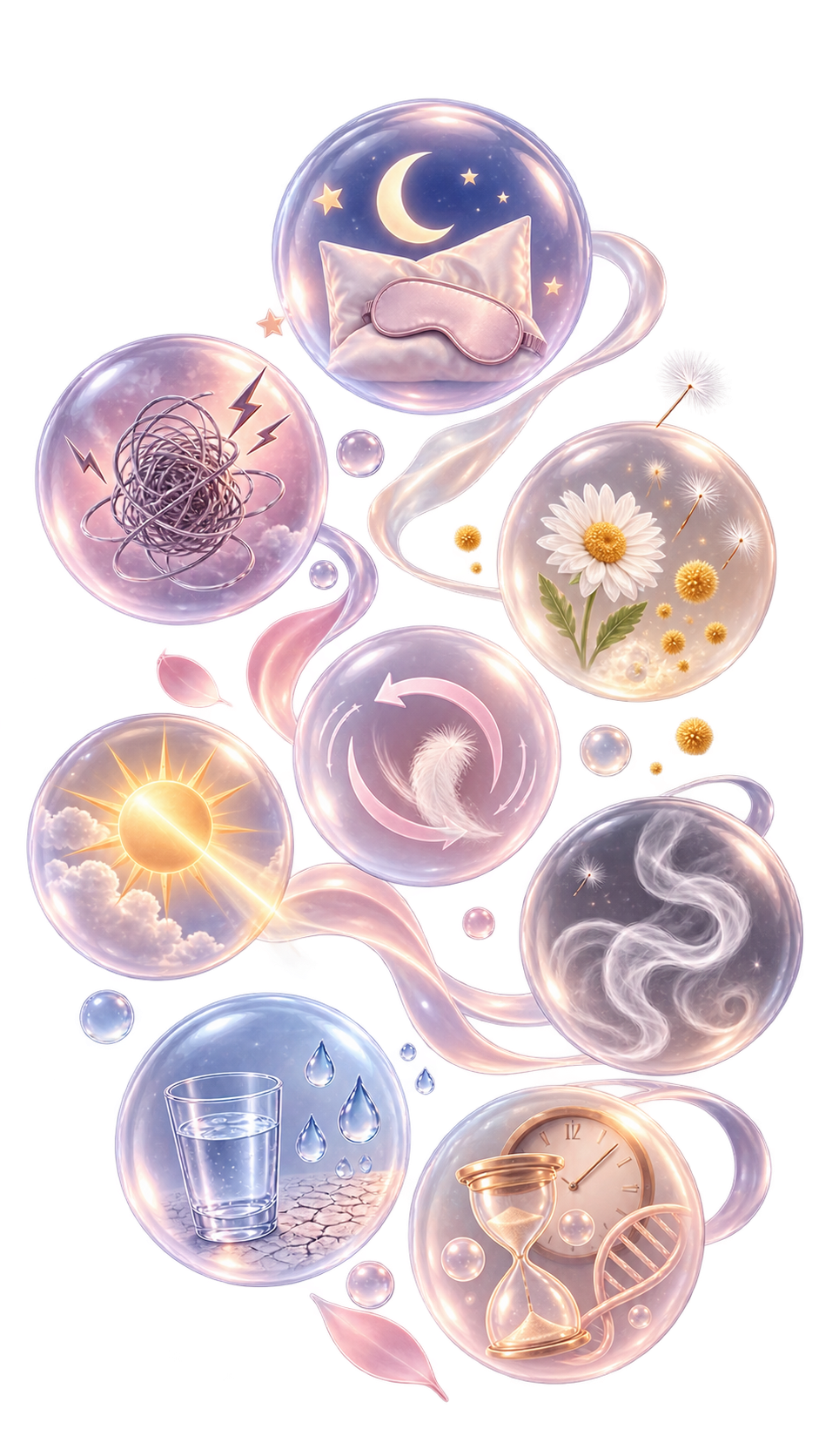
Lifestyle Factors

Stress, smoking, dehydration, and overall health can influence how noticeable dark circles appear.

COMMON TRIGGERS

What Can Make Dark Circles Worse?

These factors don't always cause dark circles, but they can make existing dark circles appear more noticeable.

Common triggers of dark circles

Lack of Sleep

Sleep deprivation can make existing dark circles appear more noticeable.

Stress

Chronic stress may affect skin health and make the under-eye area look more tired.

Allergies

Frequent rubbing and inflammation can worsen dark circles over time.

Eye Rubbing

Constant rubbing may increase irritation and pigmentation.

Sun Exposure

UV rays can increase melanin production beneath the eyes.

Smoking

Smoking may contribute to premature skin aging and dull skin.

Dehydration

Dehydrated skin may make the under-eye area look more tired.

Aging

Natural collagen and fat loss can make shadows more noticeable.

COMMON SIGNS

How To Identify Dark Circles

Dark circles don't always look the same. They can vary in colour, appearance and the changes you notice around the under-eye area.

Brown Under-Eyes
Blue Under-Eyes
Purple Under-Eyes
Gray Under-Eyes
Black Under-Eyes
Signs of Dark Circles
Puffiness
Fine Lines
Hollow Under-Eyes
Thin Skin
Tired Appearance
HELPFUL INGREDIENTS

Ingredients That May Help

Different ingredients target different causes of dark circles. Choosing ingredients based on your type can lead to more realistic expectations.

Vitamin C

Helps brighten pigmentation while supporting collagen production.

Best for Pigmented Dark Circles

Niacinamide

Helps improve uneven skin tone while supporting the skin barrier.

Brightening & Barrier Support

Caffeine

Temporarily reduces puffiness and may make blood vessels less noticeable.

Puffiness & Vascular Circles

Retinol

Supports collagen production and helps improve fine lines. Use only products suitable for the eye area.

Aging Skin

Peptides

Help improve skin firmness and support the appearance of delicate under-eye skin.

Firmness

Hyaluronic Acid

Hydrates the delicate under-eye area to improve overall skin comfort.

Dry Under-Eyes

Azelaic Acid

May help improve pigment-related dark circles and uneven skin tone.

Pigmentation

Tranexamic Acid

May help reduce pigment-related discoloration beneath the eyes.

Stubborn Pigmentation
REALISTIC EXPECTATIONS

Can Dark Circles Be Removed?

The answer depends on what's causing your dark circles. Some types respond well to skincare, while others are influenced by your natural facial structure.

Pigmented Dark Circles

May improve with brightening ingredients, daily sunscreen, and consistent skincare.

Often Improves

Vascular Dark Circles

Healthy habits and appropriate skincare may reduce their appearance, but thin skin can still make blood vessels visible.

May Improve

Structural Dark Circles

These are caused by facial anatomy, so creams alone usually have limited effects.

Limited Improvement

Mixed Dark Circles

Usually require a combination of skincare, healthy habits and realistic expectations.

Combination Approach

Remember: The goal isn't always to completely remove dark circles. Healthy skin and realistic expectations are just as important as choosing the right products.

DAILY PREVENTION

How To Help Prevent Dark Circles

While not every type of dark circle can be prevented, healthy skincare habits and daily care can help reduce their appearance and keep the delicate under-eye area looking its best.

Wear Sunscreen

Protect the under-eye area every day to reduce UV-related pigmentation.

Avoid Eye Rubbing

Constant rubbing can increase irritation and make dark circles appear more noticeable.

Remove Makeup Gently

Use gentle cleansing techniques to protect the delicate under-eye skin.

Get Enough Sleep

Sleep supports overall skin health and may reduce the tired appearance of dark circles.

Stay Hydrated

Well-hydrated skin often appears smoother and healthier around the eyes.

Wear Sunglasses

Sunglasses help reduce UV exposure and prevent frequent squinting outdoors.

Manage Allergies

Controlling allergies can reduce inflammation and frequent eye rubbing.

Moisturize Daily

Use products suitable for the delicate eye area to keep the skin hydrated and comfortable.

MYTHS VS FACTS

Separate Facts From Fiction

Dark circles are surrounded by many common misconceptions. Here are some of the most common myths—and what the evidence actually suggests.

Myth

Dark circles are always caused by lack of sleep.

Fact

Sleep can affect how noticeable dark circles look, but genetics, pigmentation, blood vessels and facial structure are often the main causes.

Myth

Every eye cream removes dark circles.

Fact

Different types of dark circles respond to different treatments. One product won't work for everyone.

Myth

Drinking lots of water will completely remove dark circles.

Fact

Staying hydrated supports healthy skin, but hydration alone usually won't eliminate dark circles.

Myth

Only older adults get dark circles.

Fact

Dark circles can affect people of any age and are often influenced by genetics.

Myth

Dark circles are always permanent.

Fact

Some types improve with skincare and healthy habits, while others caused by facial structure may be more difficult to change.

Mimii giving skincare advice
Mimii's Tip

Don't Treat Every Dark Circle The Same

Before buying an expensive eye cream, try to identify what type of dark circles you have. Brown circles are often linked to pigmentation, blue or purple circles usually involve visible blood vessels, and shadow-like circles are often caused by the natural shape of your face.

Understanding why your dark circles appear helps you choose products with realistic expectations and avoid spending money on treatments that may not address your specific concern.

— Mimii ♡