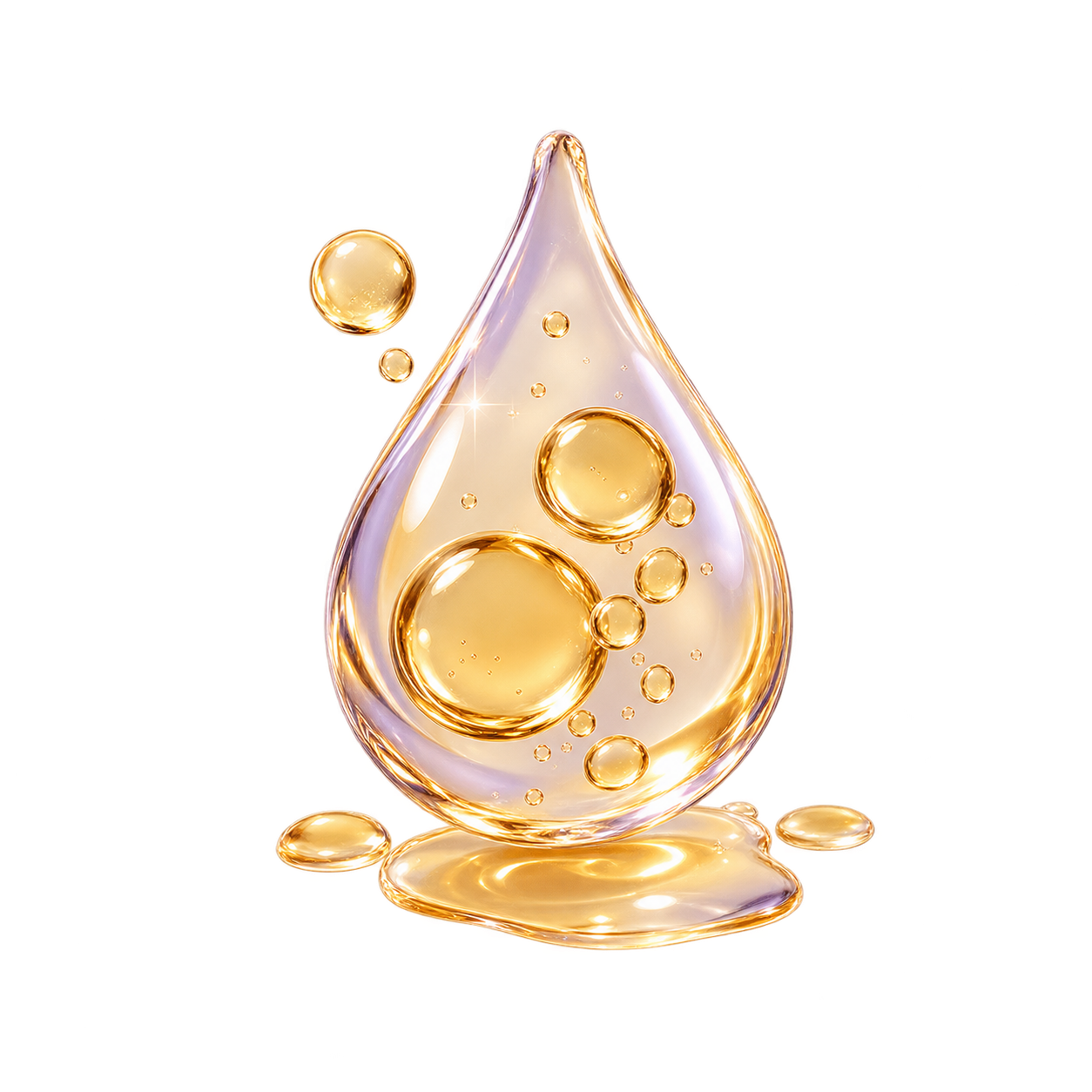
Sebum
Natural oil produced by your skin that keeps it soft and protected.
 ×
×
Tiny pores can become blocked by excess oil, dead skin cells,
makeup residue, and everyday impurities. Learn how clogged
pores develop, why they happen, and how to keep them clear
for smoother, healthier-looking skin.
Your pores are a natural part of healthy skin, but when oil
and dead skin build up inside them, they can become clogged.
This can lead to blackheads, whiteheads, rough texture, and
eventually acne if left untreated.

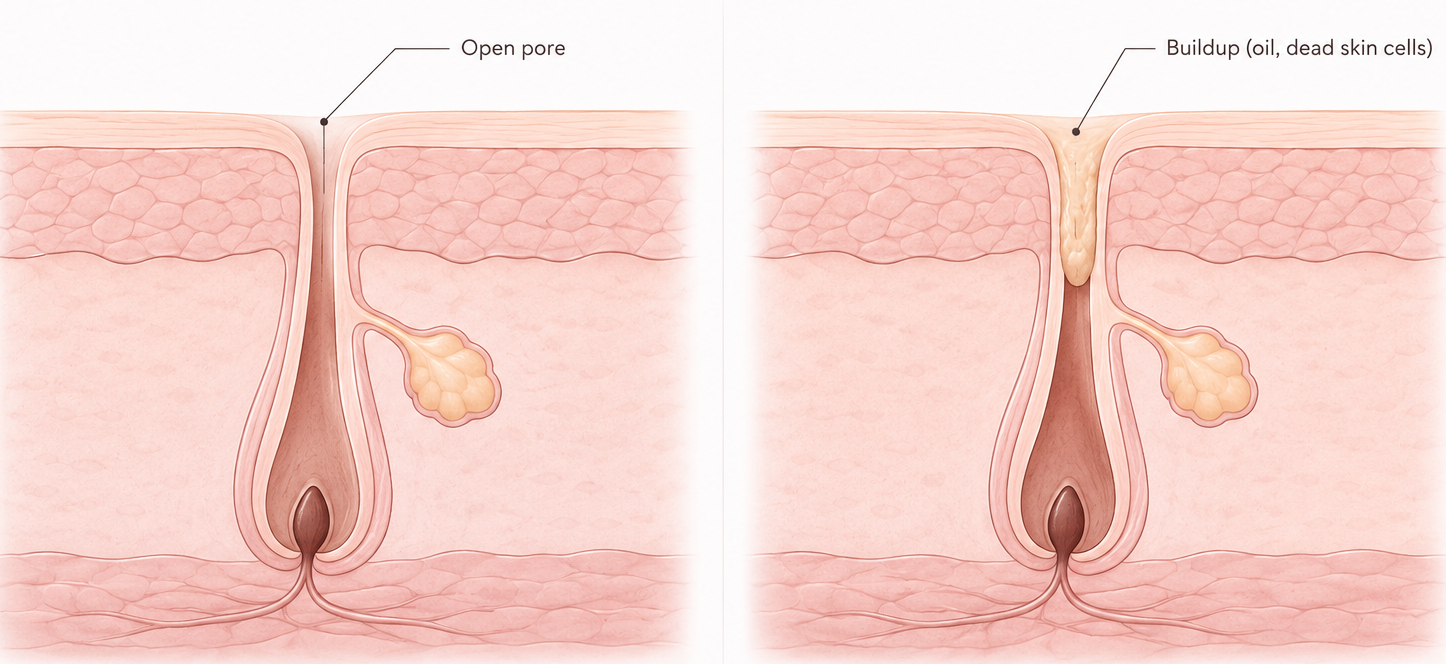
Pores are tiny openings in your skin that release oil (sebum) and sweat. When excess oil, dead skin cells, makeup residue, or other debris build up inside them, the pore becomes blocked. This is known as a clogged pore.
Healthy pores allow oil to travel freely from the sebaceous gland to the surface of your skin, helping keep it naturally moisturized and protected.
When oil mixes with dead skin cells and becomes trapped, the pore gets blocked. Depending on whether the pore stays open or closes, it can develop into a blackhead or a whitehead.
Natural oil produced by your skin that keeps it soft and protected.
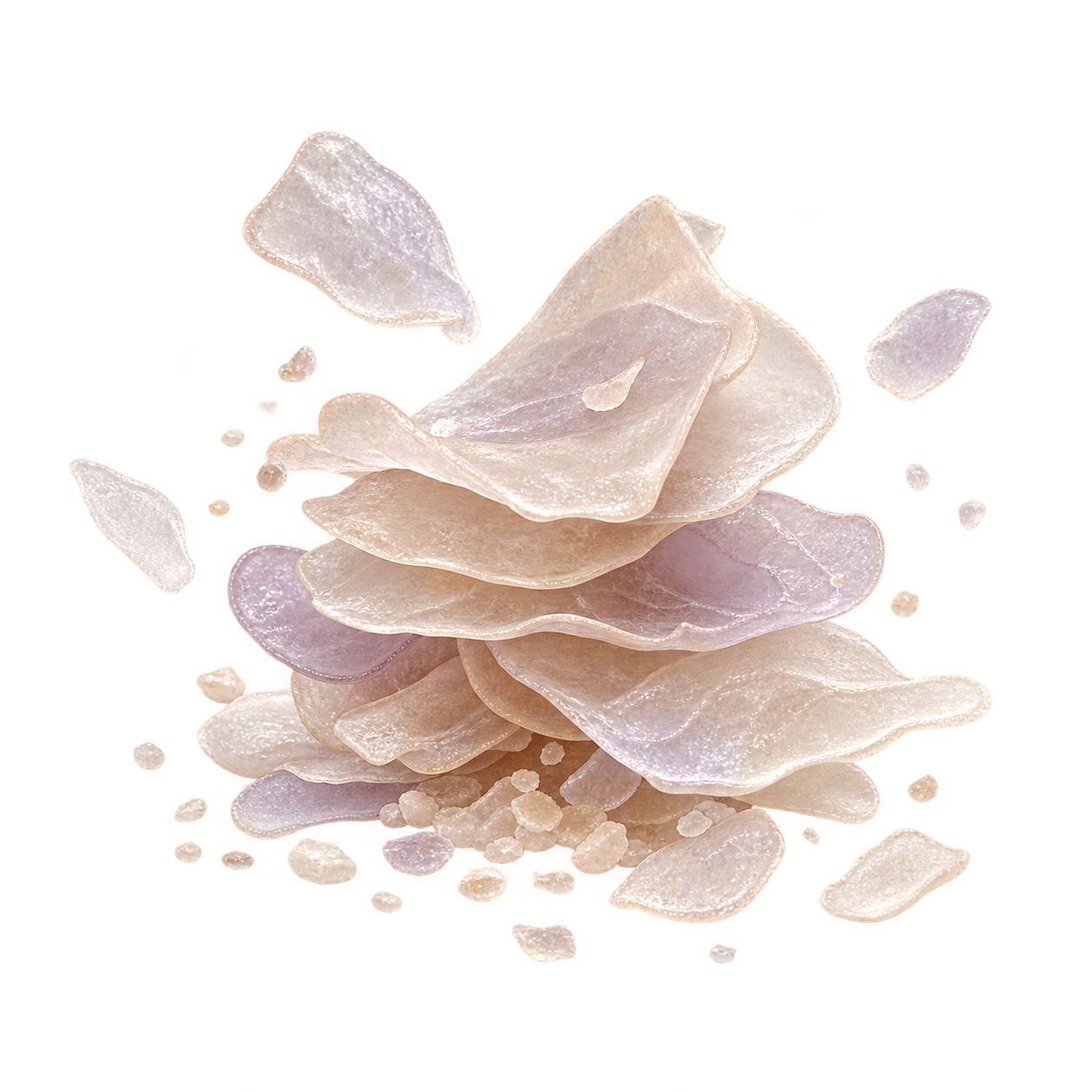
Old skin cells that normally shed away but can sometimes collect inside pores.
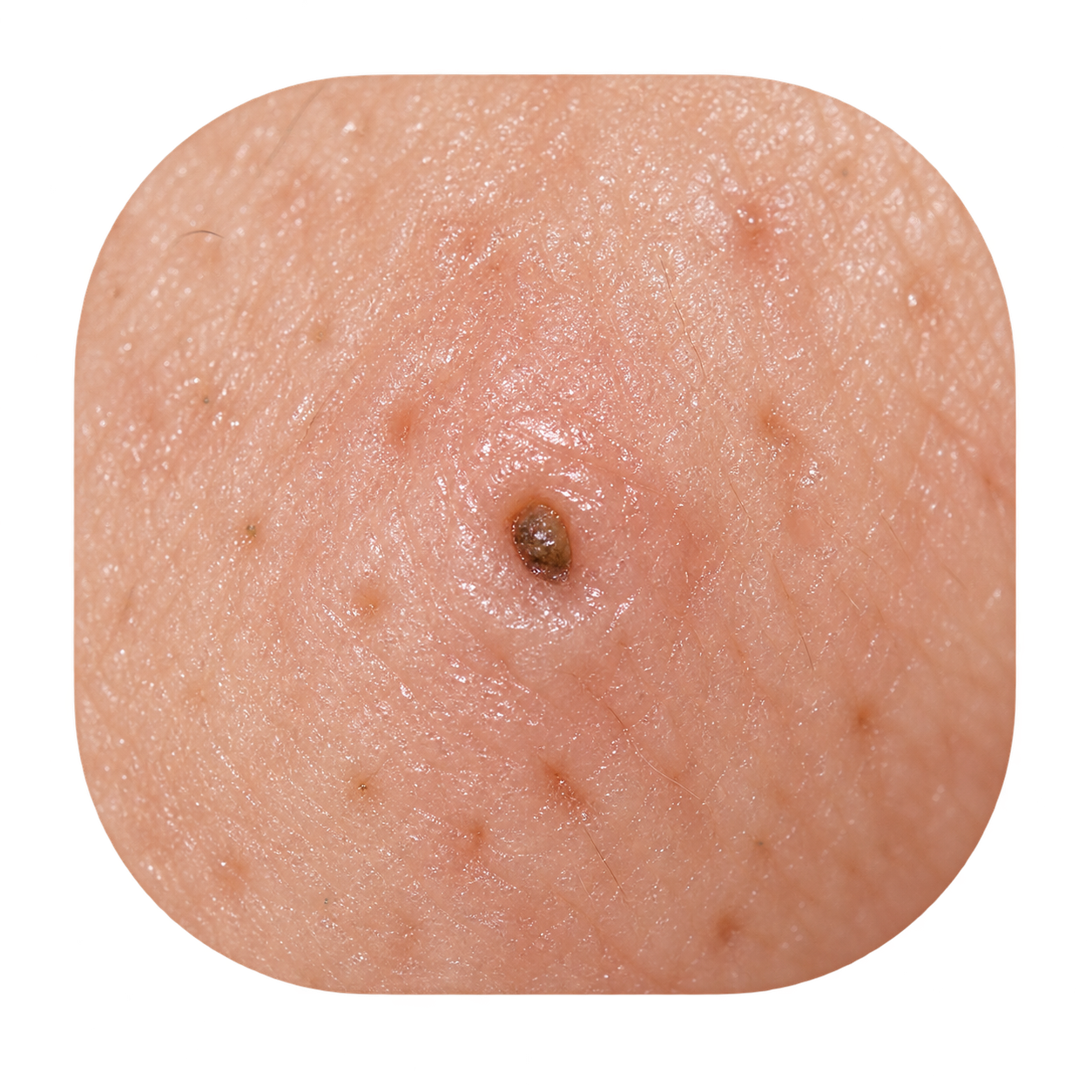
A blocked pore that may lead to blackheads, whiteheads, or acne if not managed properly.
Clogged pores don't happen overnight. They develop through a series of natural changes inside the pore that eventually block its opening.
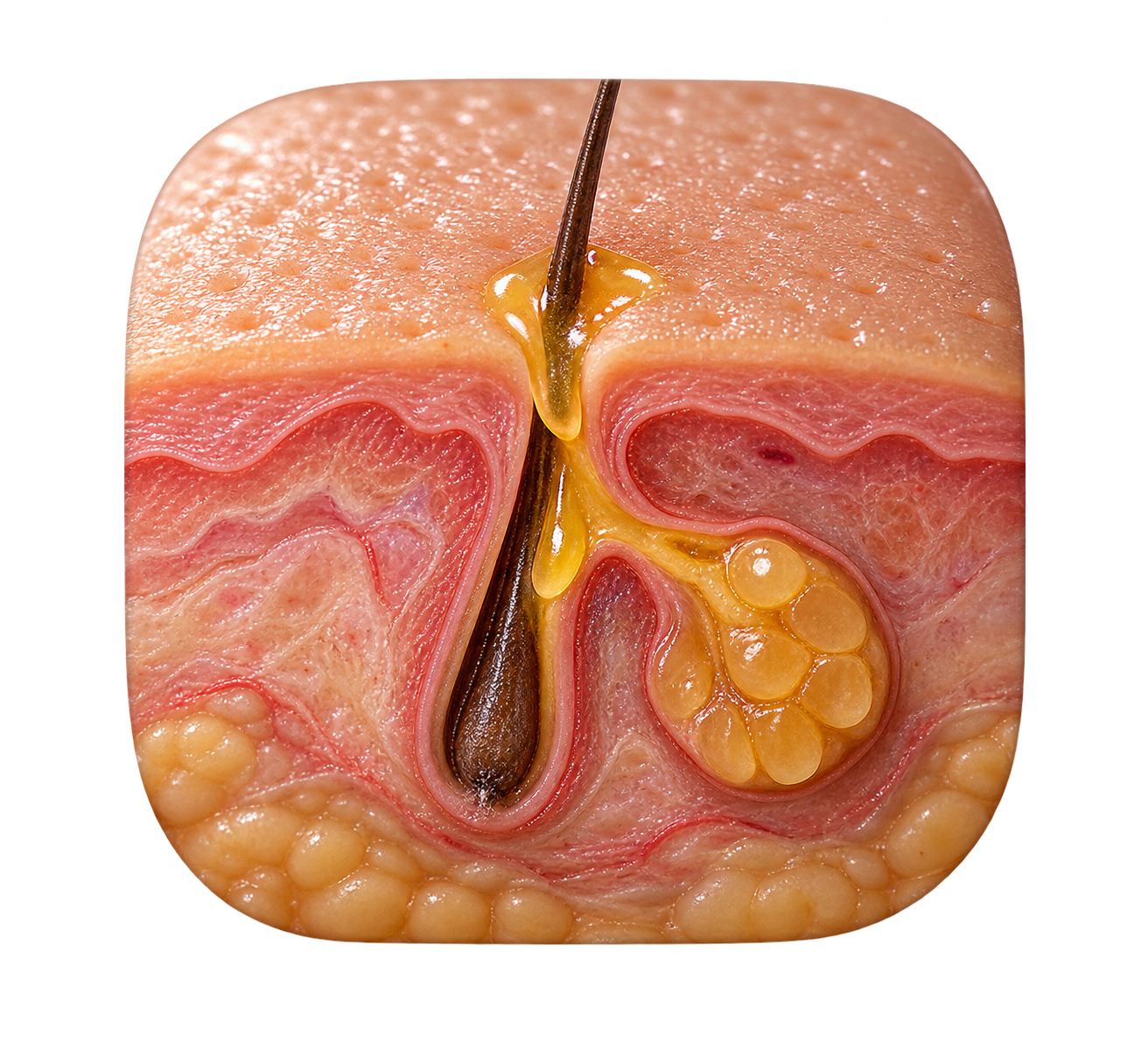
The sebaceous gland produces sebum to keep the skin moisturized.
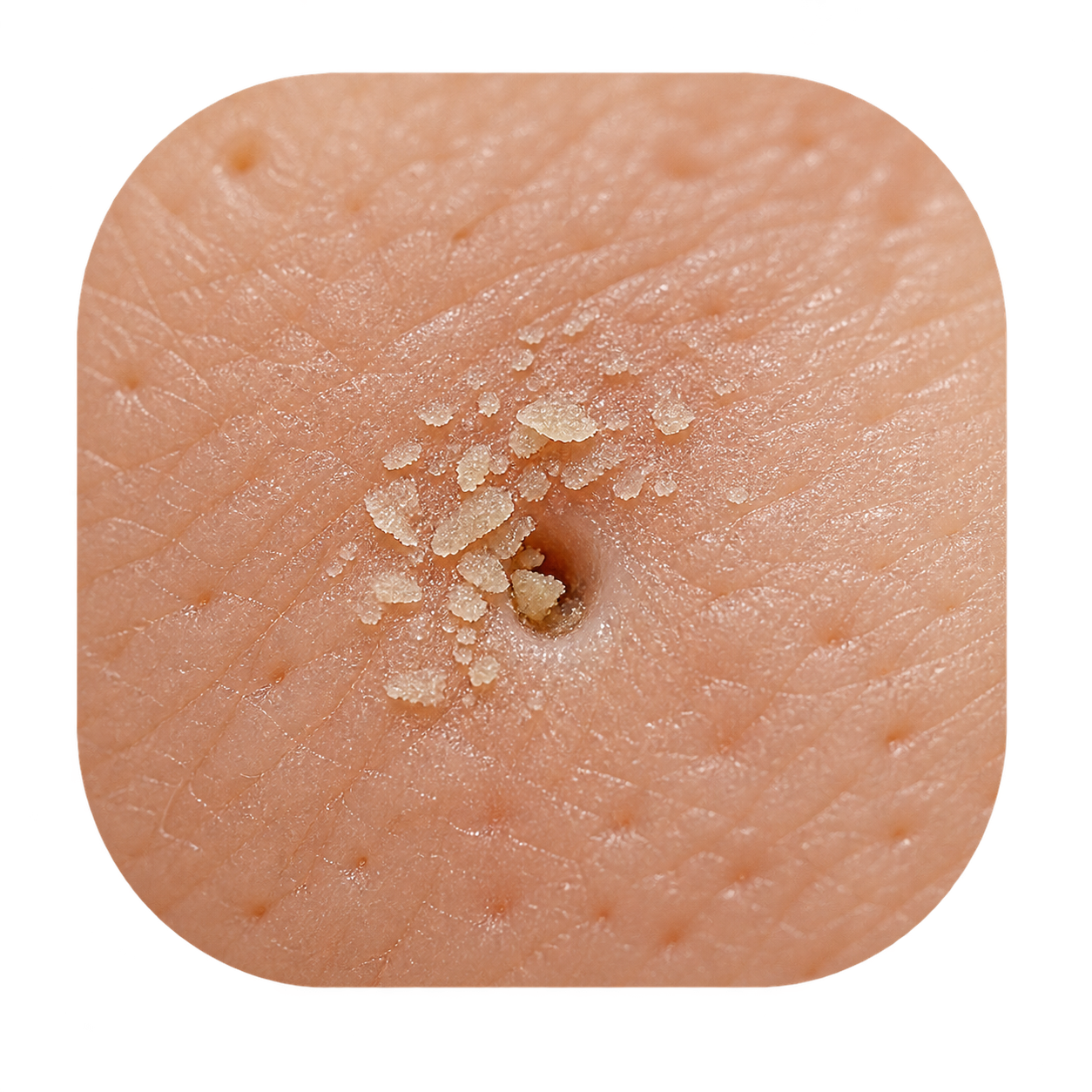
Old skin cells don't shed properly and begin mixing with the oil.
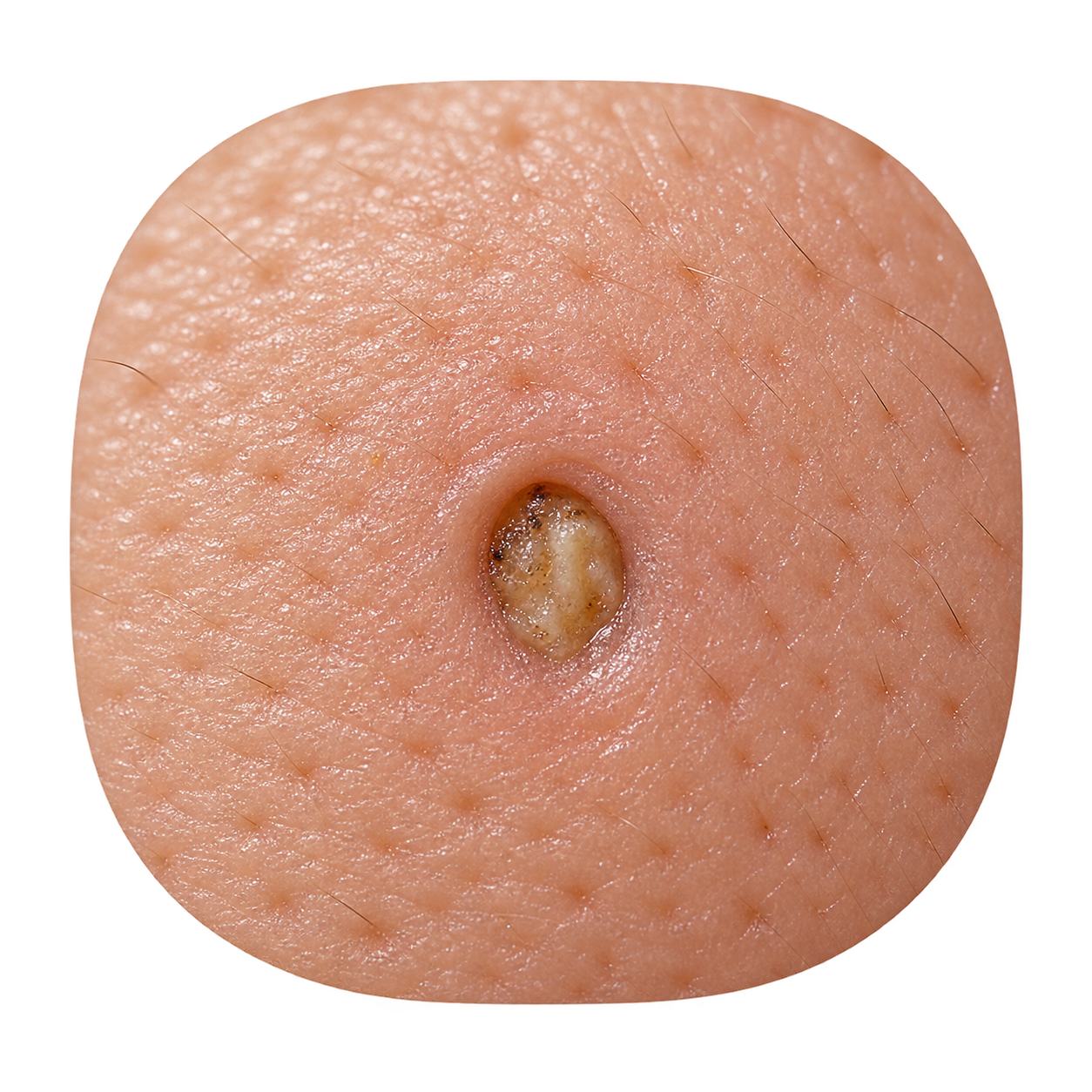
The mixture forms a plug that blocks the opening of the pore.
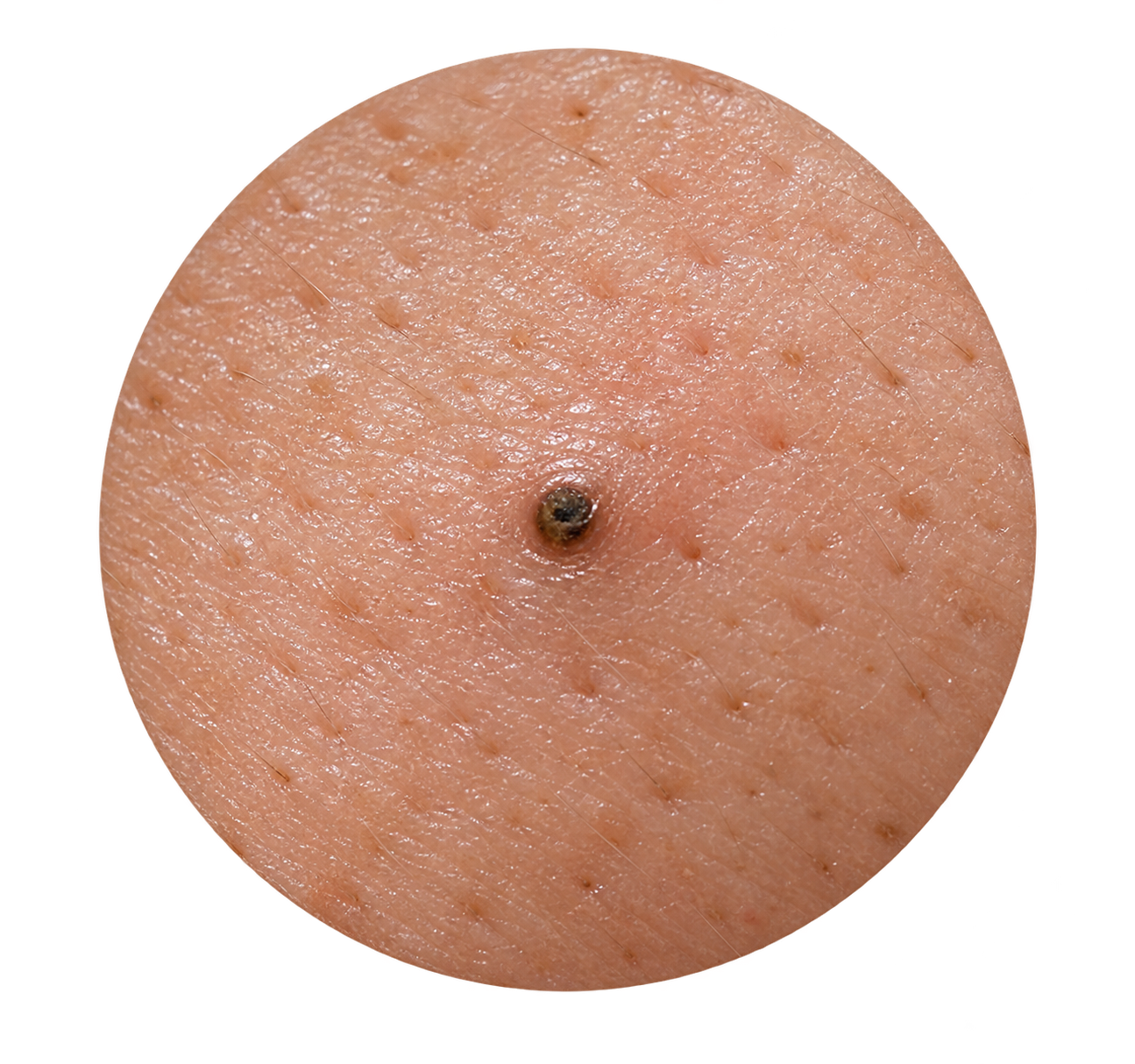
If the pore stays open it becomes a blackhead. If it closes, it forms a whitehead.
Clogged pores can appear differently depending on how severe the blockage is. They often begin with subtle changes before developing into visible blackheads, whiteheads, or acne.
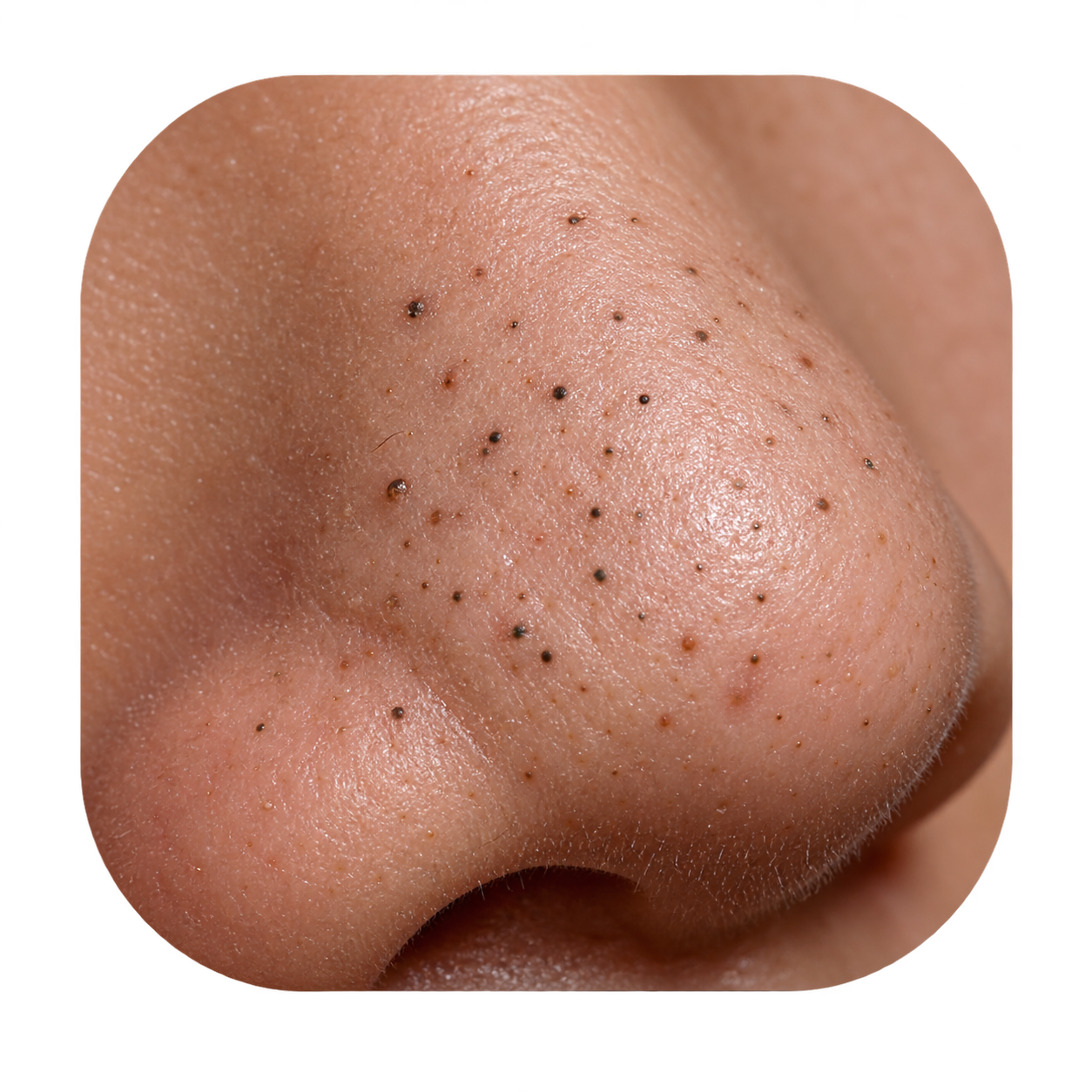
Small dark spots that form when a clogged pore remains open and the trapped material is exposed to air.

Small white or flesh-colored bumps that develop when the blocked pore stays closed beneath the skin.
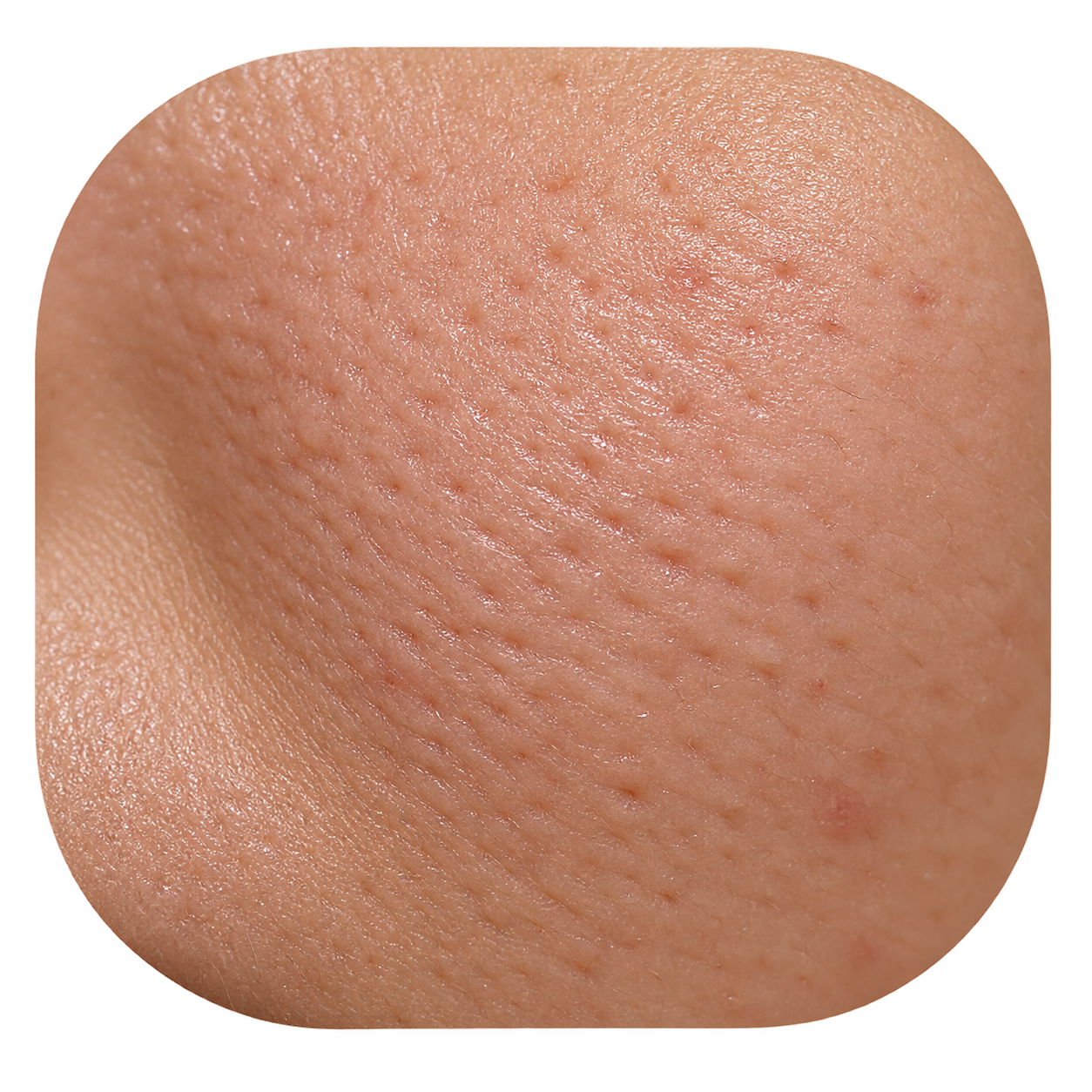
Skin may feel uneven or bumpy due to multiple clogged pores beneath the surface.
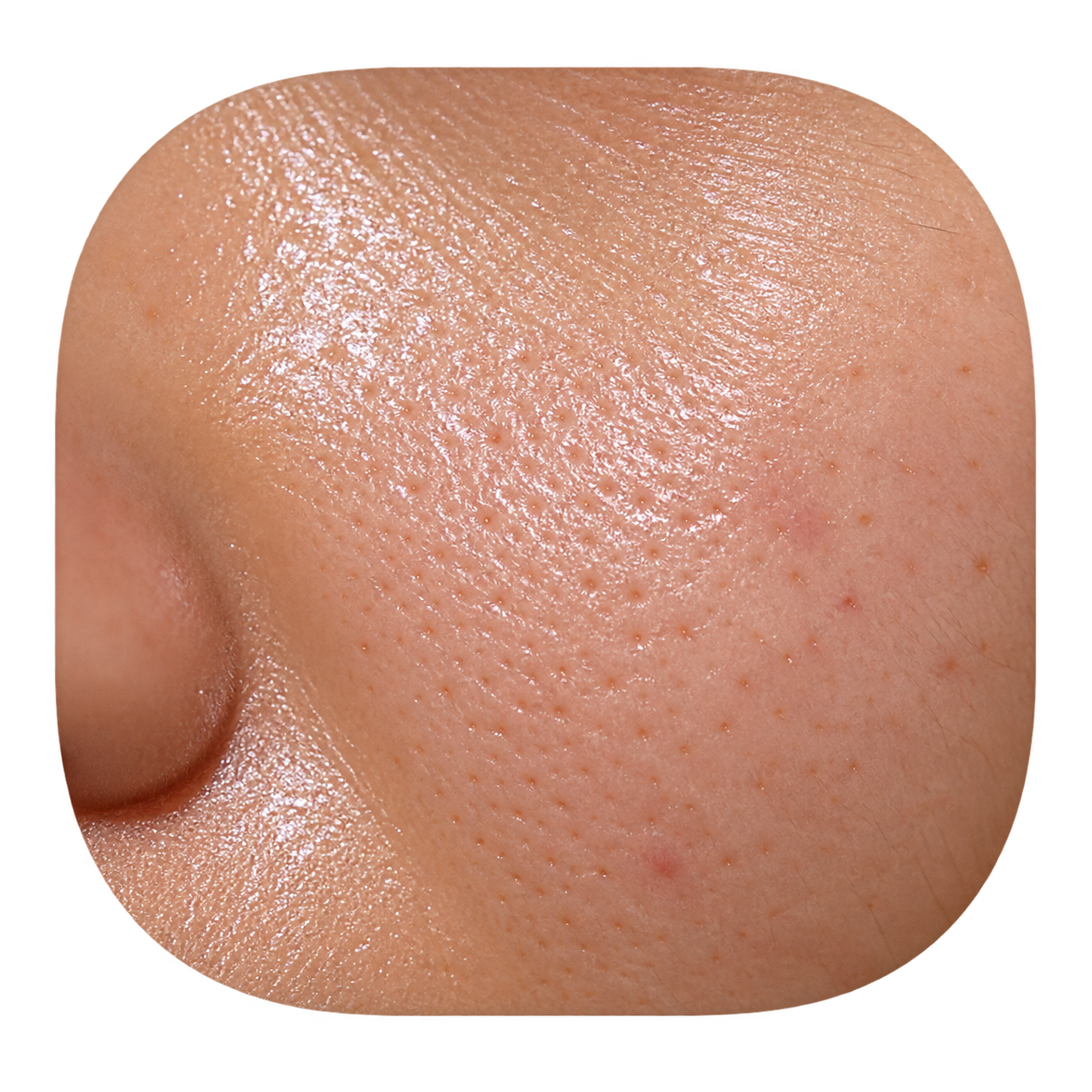
Excess oil production increases the likelihood of pores becoming blocked.
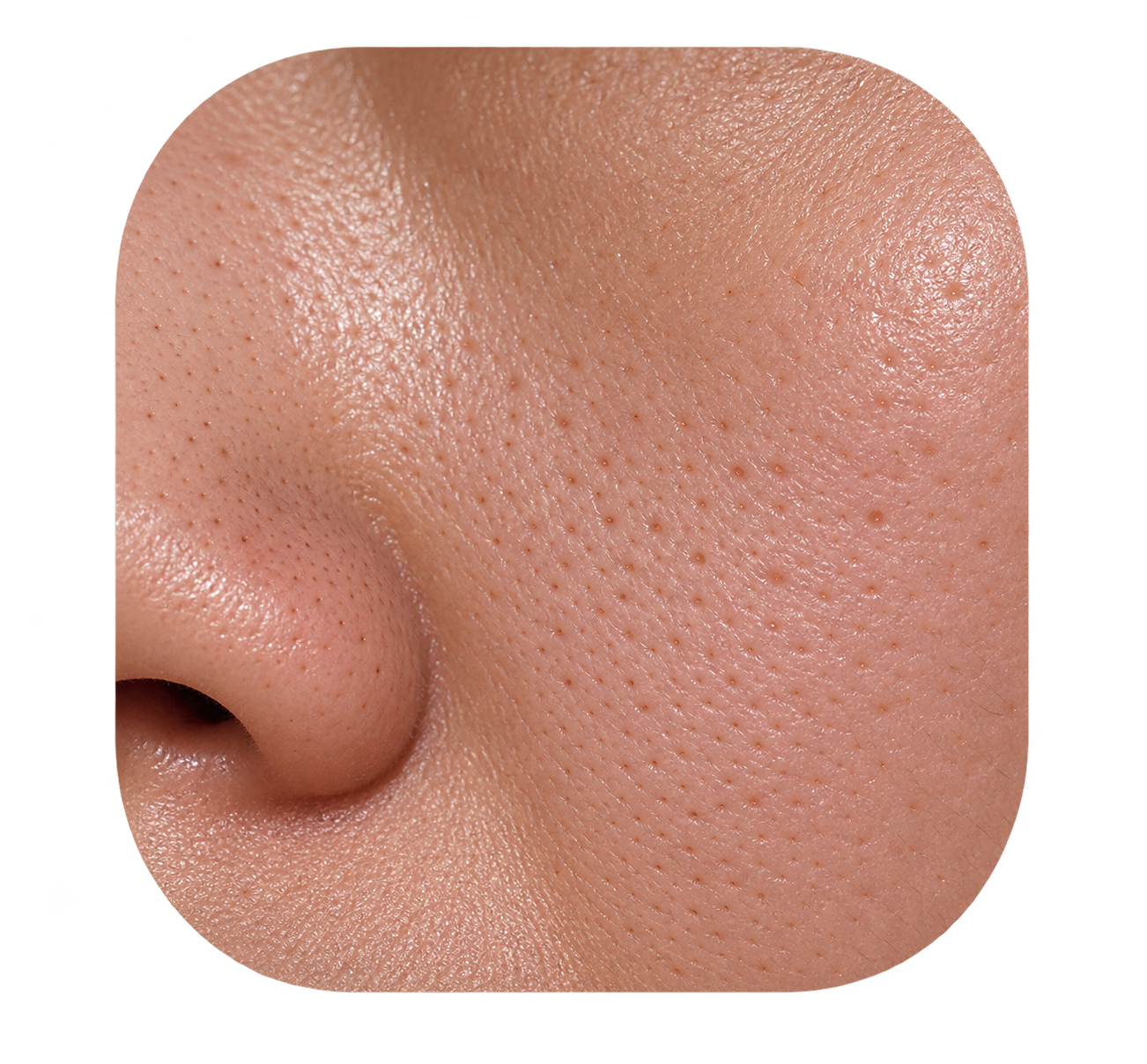
Blocked pores may appear larger and more noticeable, especially around the nose and cheeks.
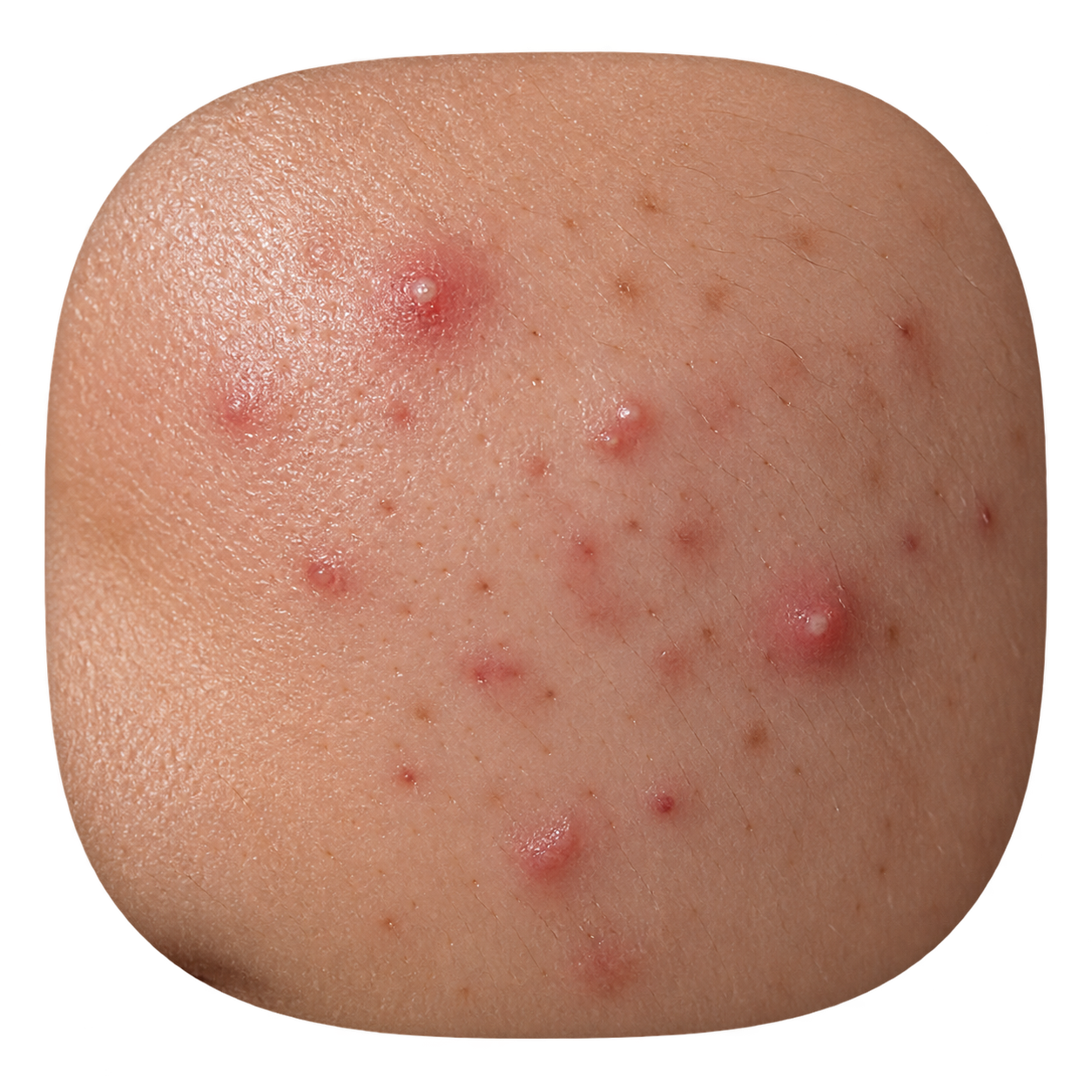
If clogged pores become inflamed, they can develop into pimples or other types of acne.
Clogged pores usually develop because multiple factors work together. Understanding these causes can help you reduce future blockages and keep your skin healthier.
When your skin produces too much oil, it can mix with dead skin cells and become trapped inside the pore.
Skin naturally sheds old cells, but when they don't shed properly they can build up inside pores.
Sleeping with makeup or not cleansing thoroughly can leave residue that contributes to blocked pores.
Some skincare and makeup products are more likely to clog pores, especially if they aren't suitable for your skin type.
Hormones can increase oil production, making clogged pores more likely during puberty, menstrual cycles, or periods of hormonal change.

Environmental dirt and pollution can mix with oil on the skin's surface, making pores easier to clog.
While some causes, like genetics and hormones, can't be controlled, everyday habits can increase the chances of pores becoming clogged.
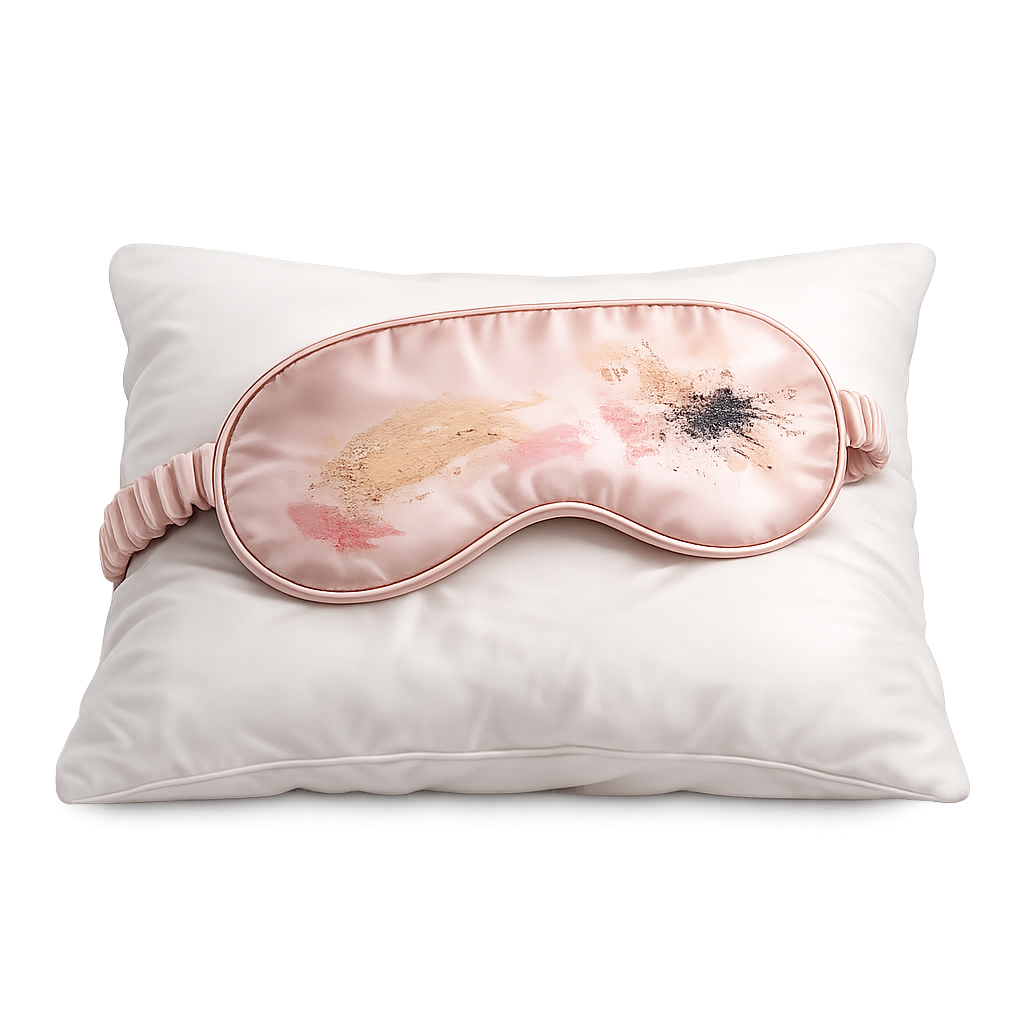
Makeup left on overnight mixes with oil and dead skin cells, making pores easier to clog.
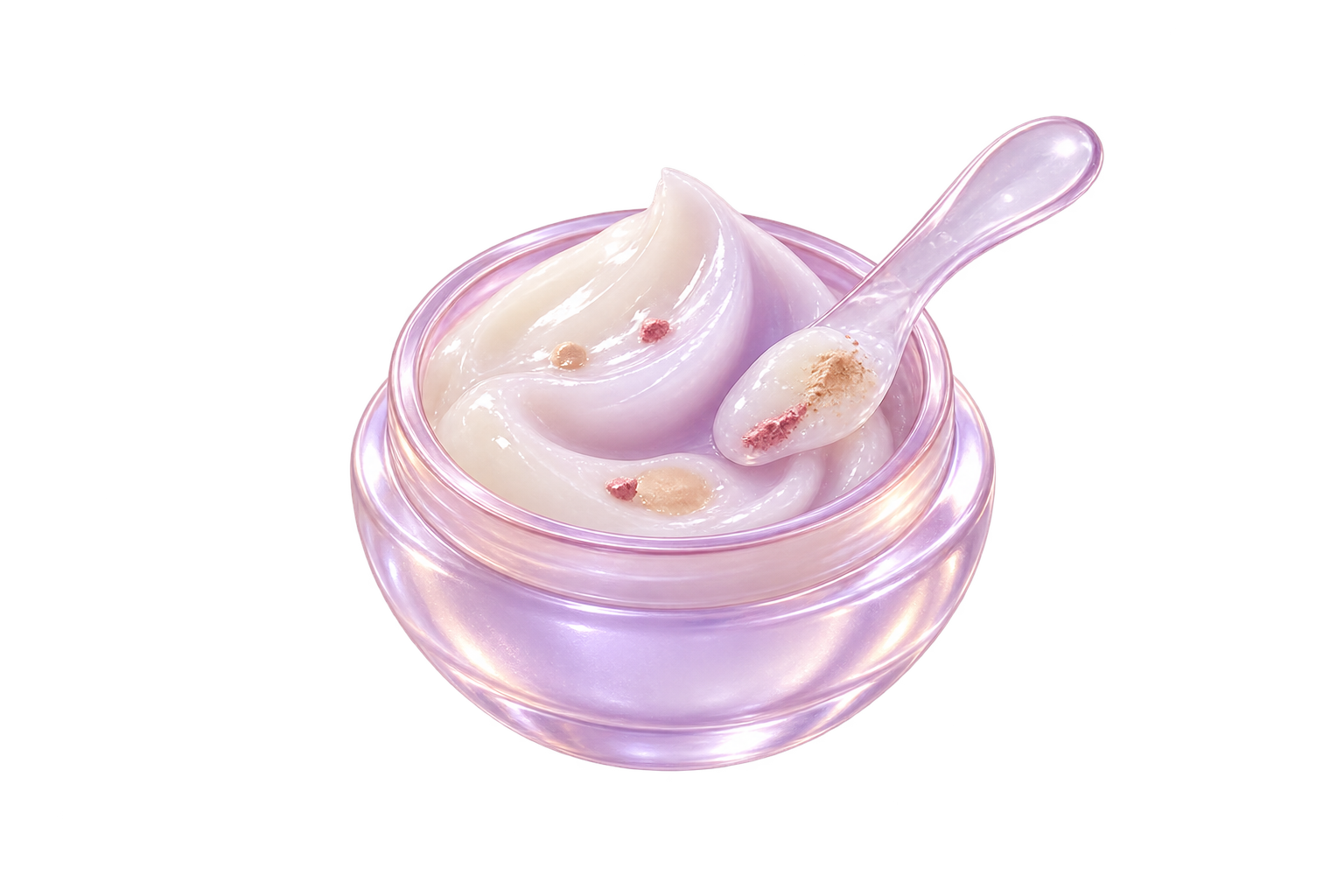
Dirt, sunscreen and excess oil can build up if the skin isn't cleansed thoroughly.

Hands can transfer oil, bacteria and dirt onto the skin, increasing the risk of clogged pores.
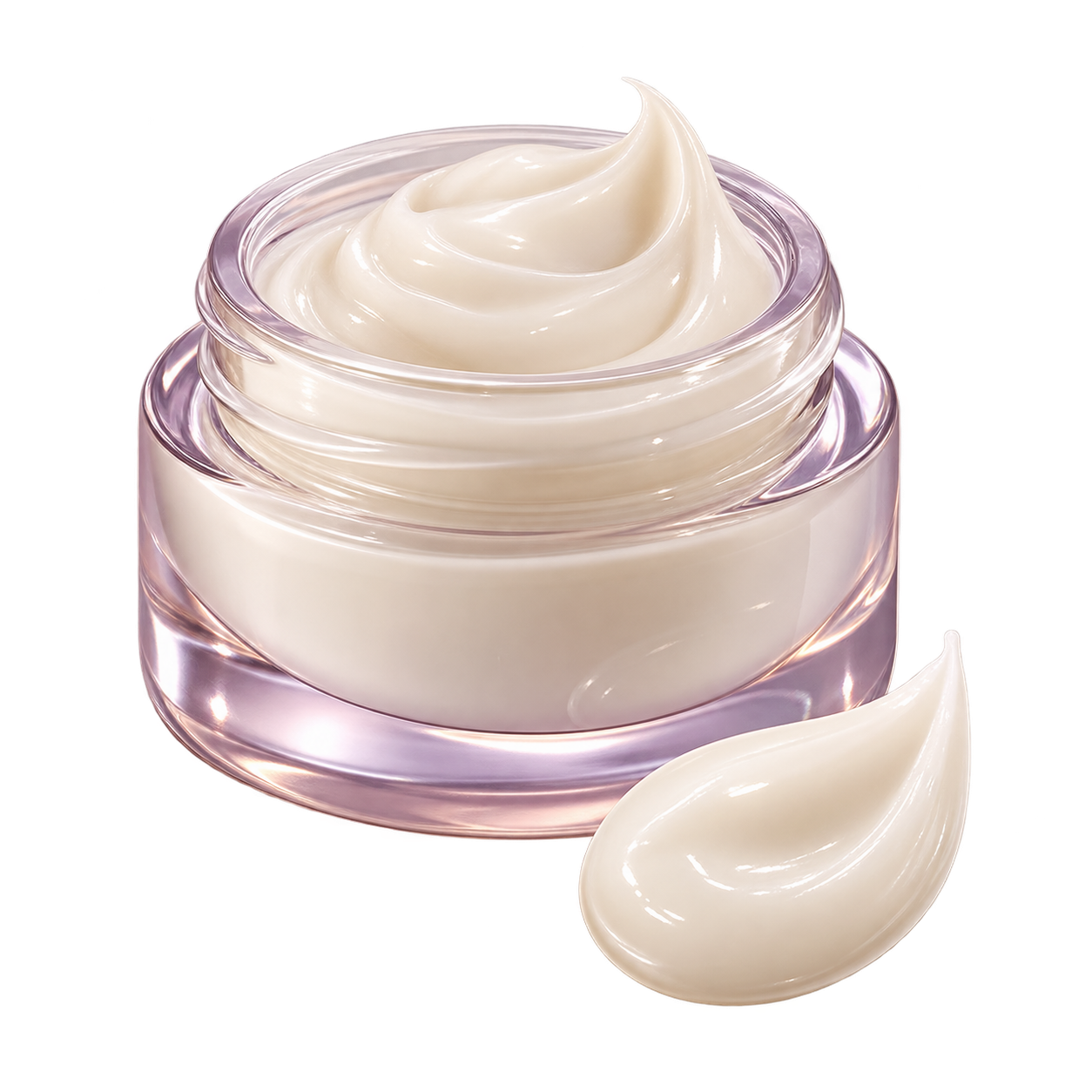
Thick or pore-clogging skincare and makeup products can increase buildup inside pores.
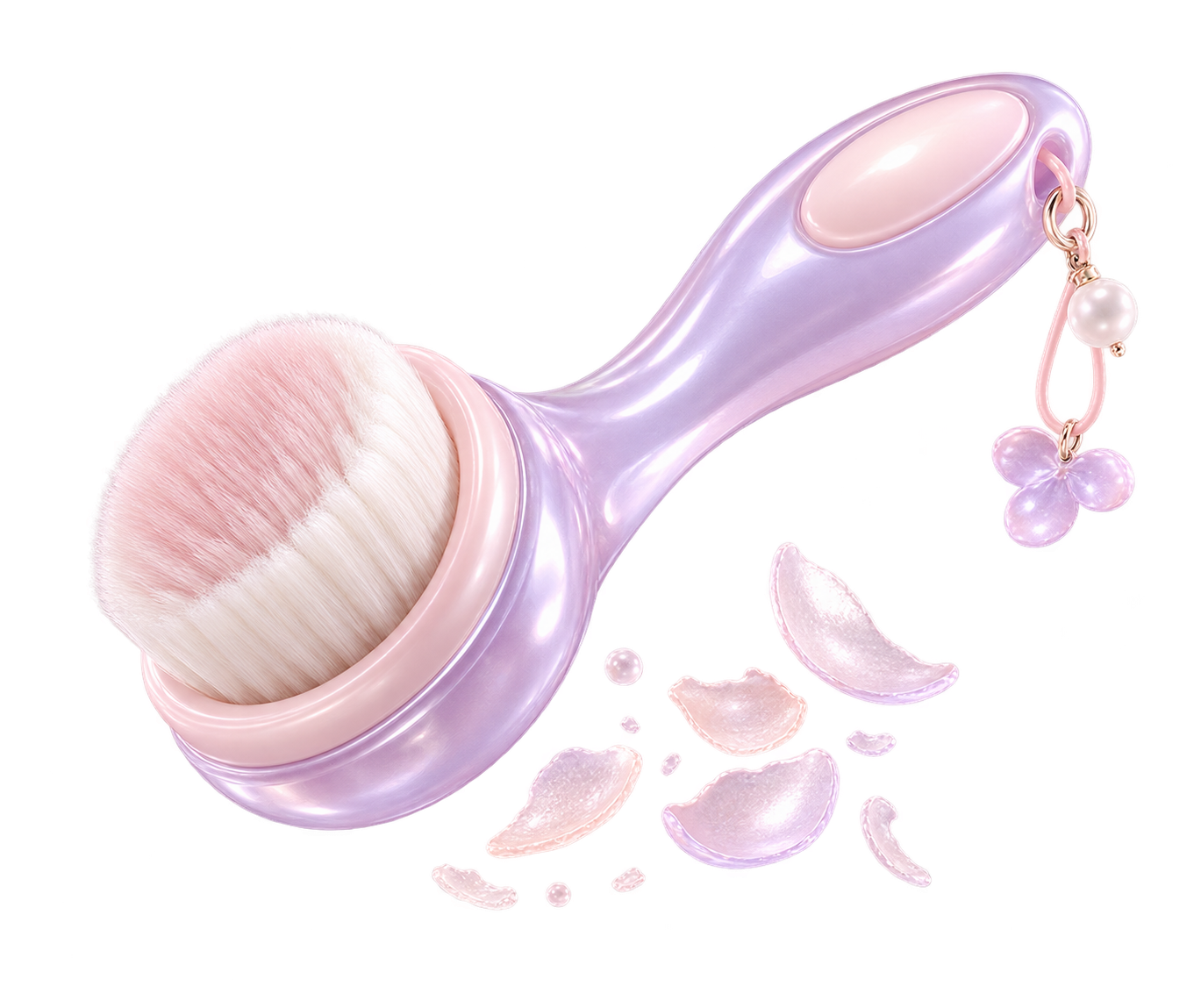
Dead skin cells can accumulate on the surface and mix with oil, contributing to clogged pores.

Warm weather may increase sweat and oil production, making clogged pores more likely.
Clogged pores can develop anywhere on the body where oil glands are present. However, they are most common in areas that naturally produce more sebum.

One of the oiliest parts of the face, making blackheads and clogged pores especially common.
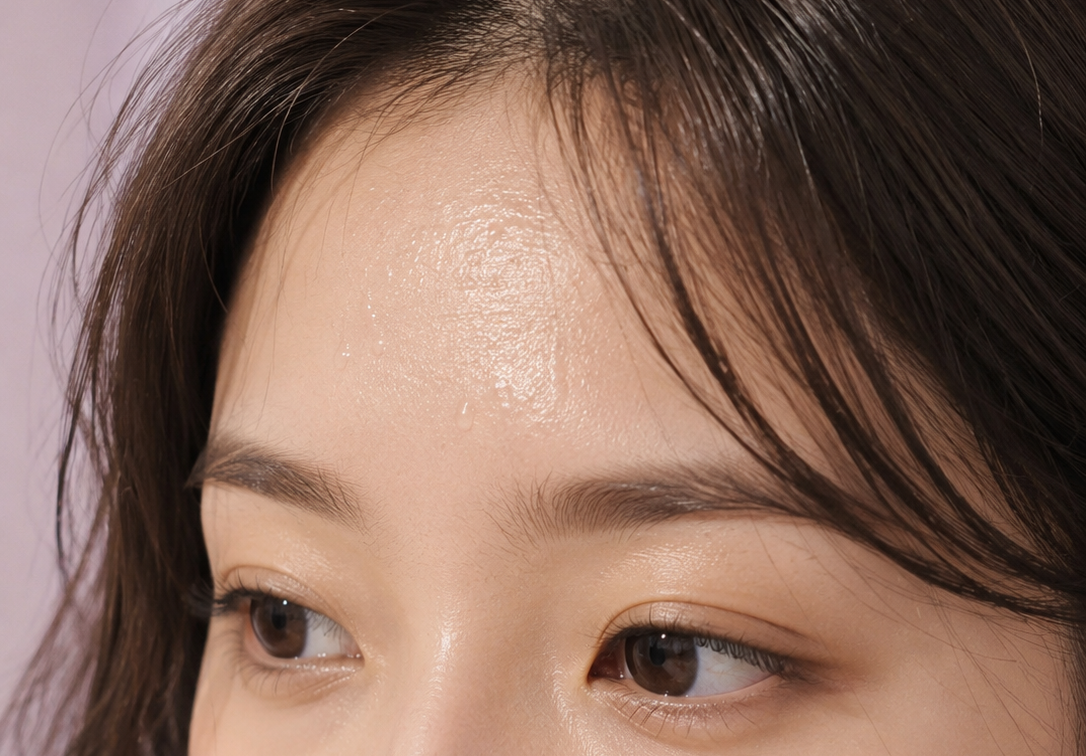
Oil production and sweat can contribute to clogged pores, particularly along the T-zone.
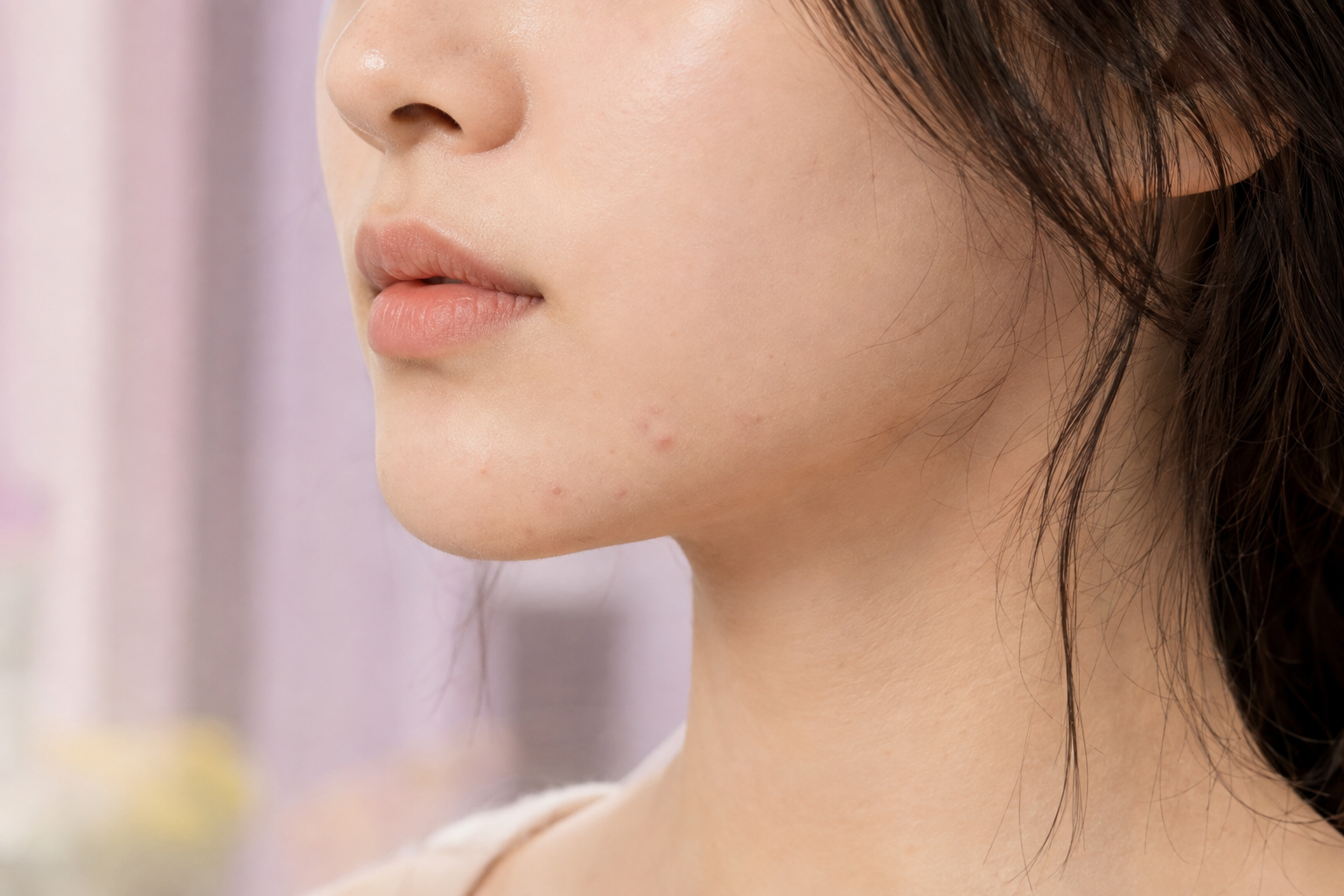
Hormonal changes often make clogged pores and blemishes more noticeable in this area.
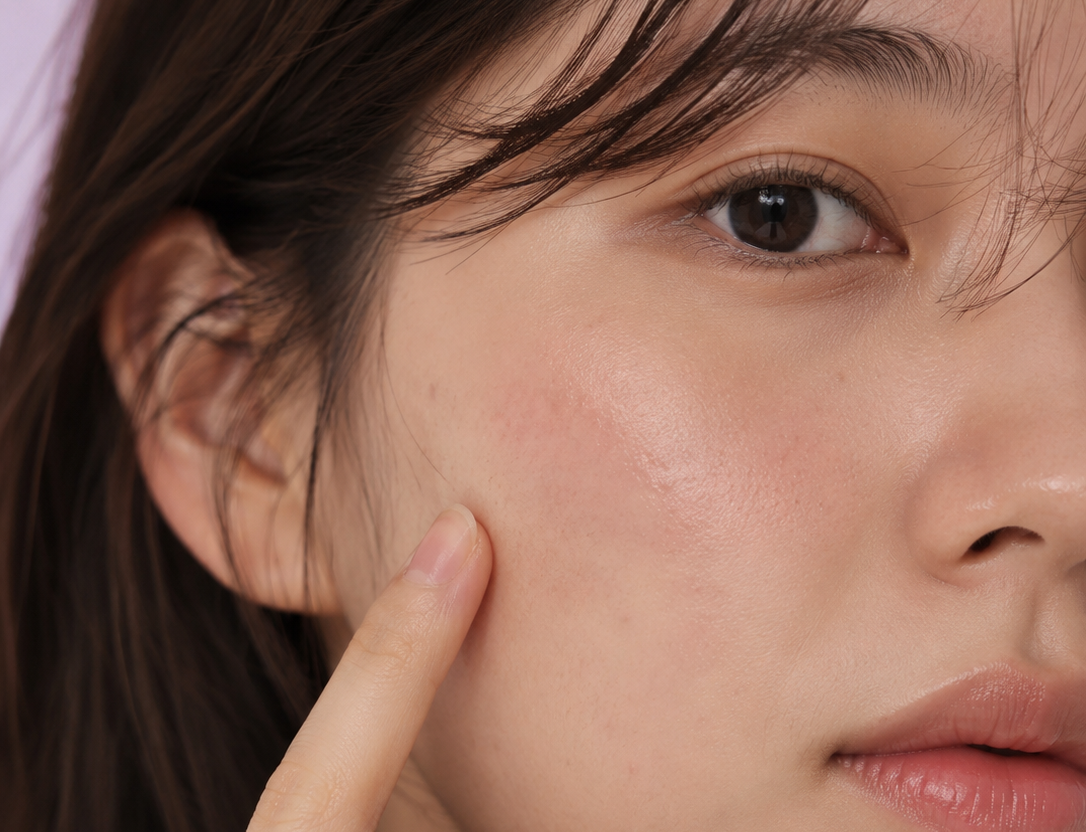
Makeup residue, skincare buildup, and touching the face can contribute to clogged pores here.

Sweat, friction, and excess oil can lead to clogged pores on the chest.

Large oil glands make the back a common place for clogged pores and body acne.
Mild clogged pores may improve naturally as your skin sheds dead skin cells. However, many clogged pores remain blocked unless the buildup is removed with proper skincare.


Certain skincare ingredients help remove excess oil, exfoliate dead skin cells, and keep pores clearer over time. Consistency is more important than using many products at once.
Oil-soluble exfoliant that penetrates inside pores to remove excess oil and dead skin cells.
Increase skin cell turnover, helping prevent pores from becoming blocked.
Helps regulate excess oil production while supporting the skin barrier.
Temporarily absorbs excess oil and helps reduce the appearance of oily skin.

Gently exfoliate the skin's surface to remove dead skin cells that can contribute to clogged pores.
Removes excess oil, sunscreen, and dirt without disrupting the skin barrier.
You can't stop your skin from producing oil, but a few simple habits can help reduce buildup and keep your pores cleaner over time.
Wash your face morning and night to remove excess oil, dirt, and impurities.
Always remove makeup and sunscreen before sleeping to prevent buildup inside pores.
Look for products labeled "non-comedogenic" to reduce the chance of clogged pores.
Use gentle chemical exfoliants as needed to help remove dead skin cells.

Touching your face transfers oil, bacteria, and dirt from your hands onto your skin.
A lightweight moisturizer helps support the skin barrier without making pores feel heavy.
There are many misconceptions about clogged pores. Here are some common myths and what science actually says.
Over-cleansing can irritate the skin and damage the skin barrier. Cleansing twice a day is usually enough.
Anyone can develop clogged pores, although they are more common in oily skin because of increased sebum production.
Harsh scrubbing can irritate your skin and does not remove clogged pores effectively.
Non-comedogenic makeup is less likely to clog pores, especially when it is removed properly before bed.
Pore strips only remove some surface debris temporarily. They don't prevent pores from becoming clogged again.
Some clogged pores stay as blackheads or whiteheads, while others may become inflamed and develop into acne.

Clogged pores don't disappear overnight. Focus on a simple, consistent routine with gentle cleansing, non-comedogenic products, and ingredients like salicylic acid or retinoids. Avoid squeezing or scrubbing your skin, as this can cause irritation and make the problem worse. Healthy habits over time will always give better results than trying quick fixes.
— Mimii ♡