
Acne
Understanding acne starts with understanding your skin. Learn what acne is, why it develops, the different types, common triggers, and evidence-based ways to manage it.
Start Learning ↓
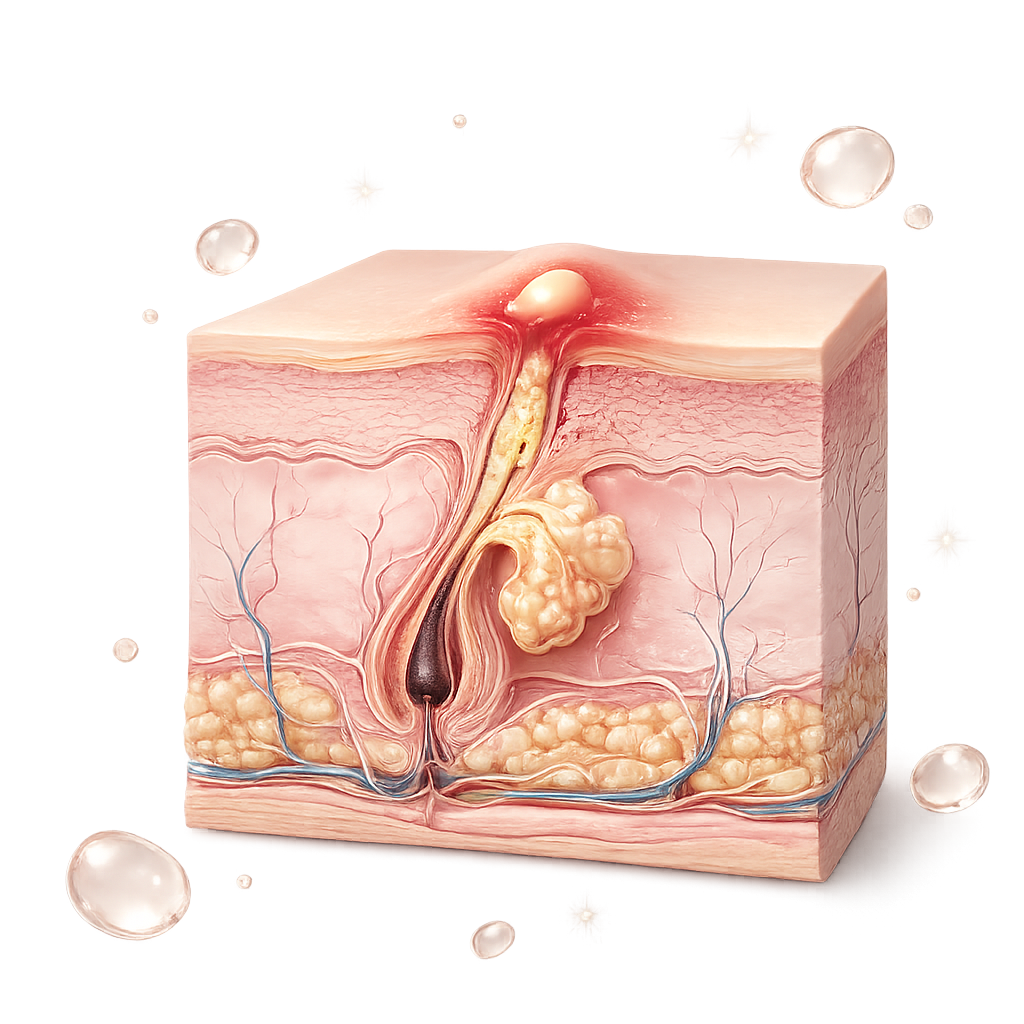
What is Acne?
Acne is a common inflammatory skin condition that develops when hair follicles become clogged with excess oil (sebum), dead skin cells, and bacteria. It most commonly affects the face, chest, shoulders, and back because these areas contain many oil-producing glands.
Although acne is most common during puberty, it can affect people of all ages.
Acne is one of the most common skin conditions worldwide and is manageable with the right skincare routine and treatment.
How Does Acne Form?
Acne develops through a series of events inside the hair follicle. Understanding this process helps explain why breakouts occur.
Excess Sebum Production
Sebaceous glands produce excess sebum.
Dead Skin Cells Build Up
Dead skin cells accumulate inside the pore.
Clogged Pore
The pore becomes clogged, forming a comedone.
Bacterial Growth
Cutibacterium acnes bacteria multiply inside the clogged pore.
Immune Response
The immune system responds.
Inflammation
Inflammation develops.
Pimple Forms
A visible acne lesion develops on the skin.
Types of Acne
Acne can appear in different forms. Some types are non-inflammatory, while others become inflamed and may be painful or leave scars.
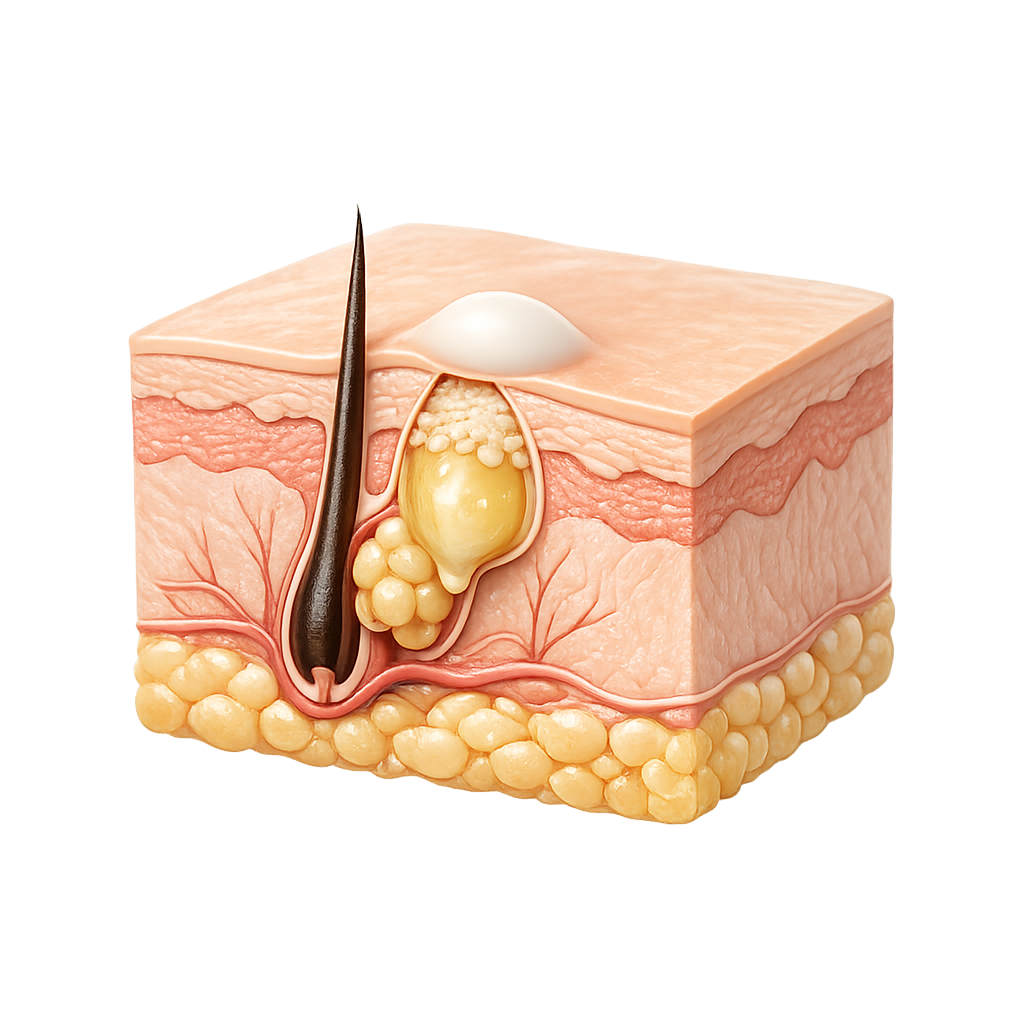
Whiteheads
Closed clogged pores covered by a thin layer of skin, appearing as small white or flesh-colored bumps.
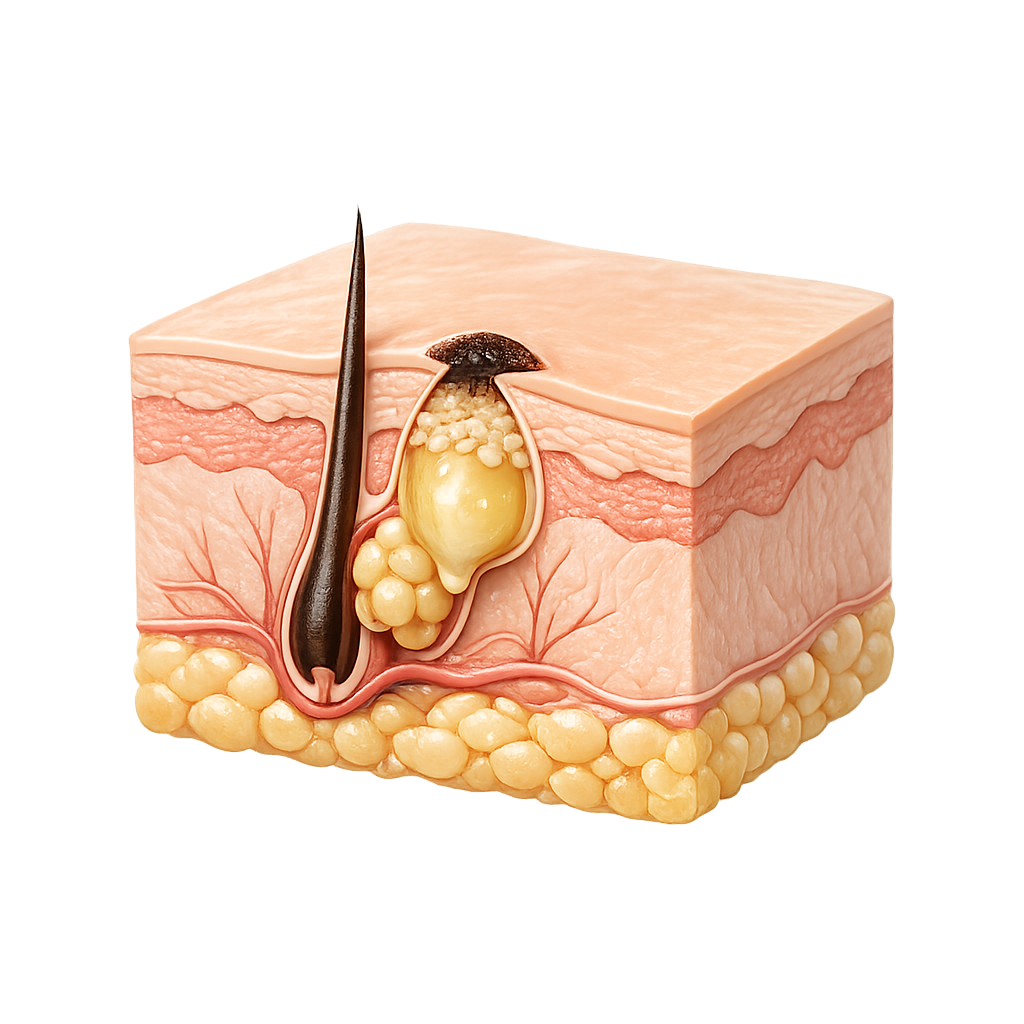
Blackheads
Open clogged pores that appear dark because the trapped material oxidizes when exposed to air.
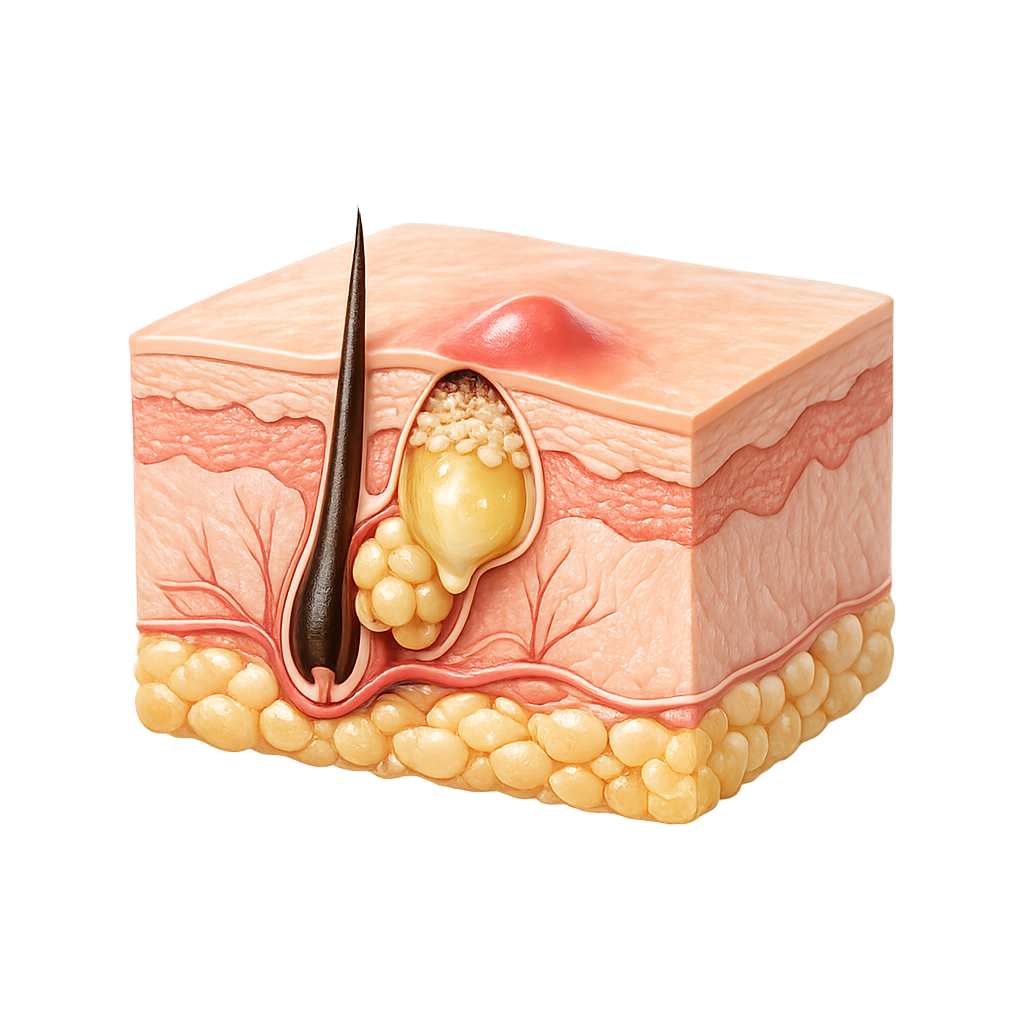
Papules
Small, red, inflamed bumps that are tender to the touch but do not contain pus.
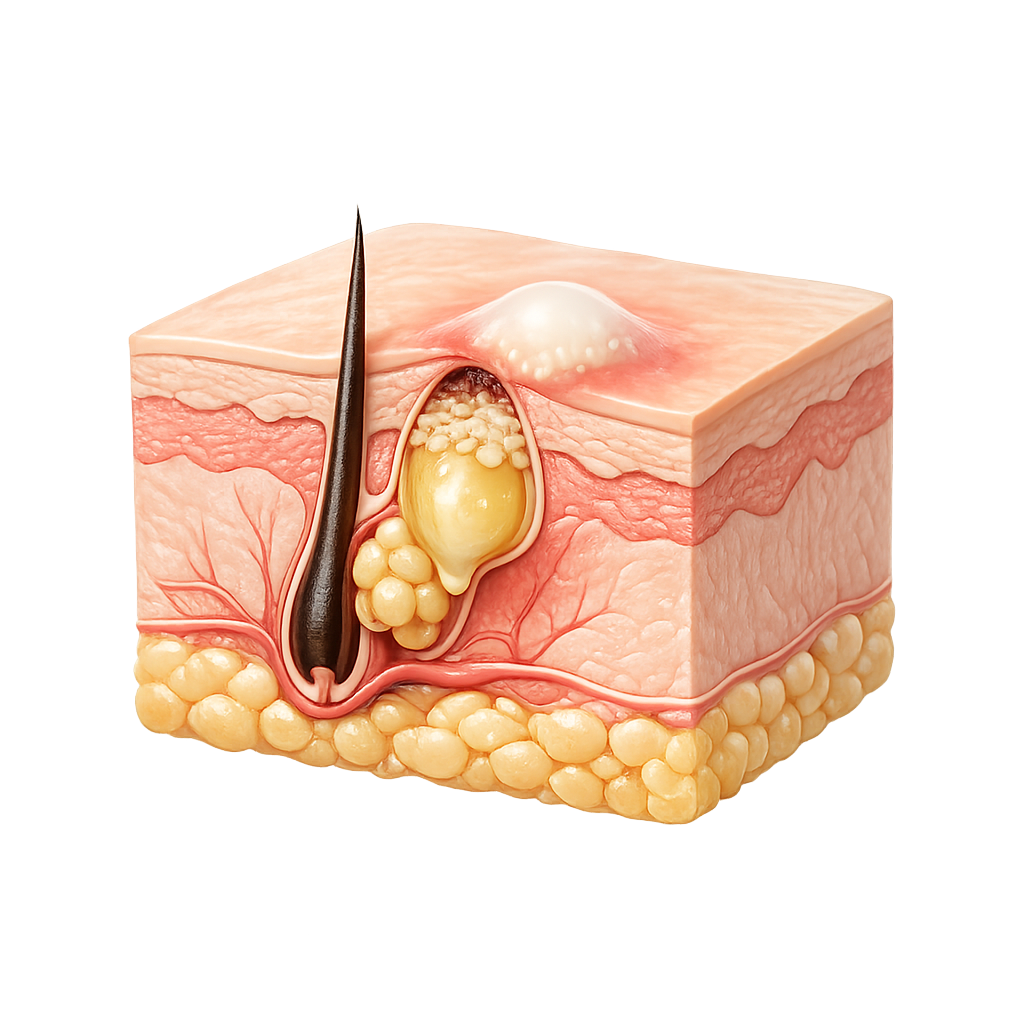
Pustules
Inflamed pimples filled with pus, usually appearing with a white or yellow center and a red base.
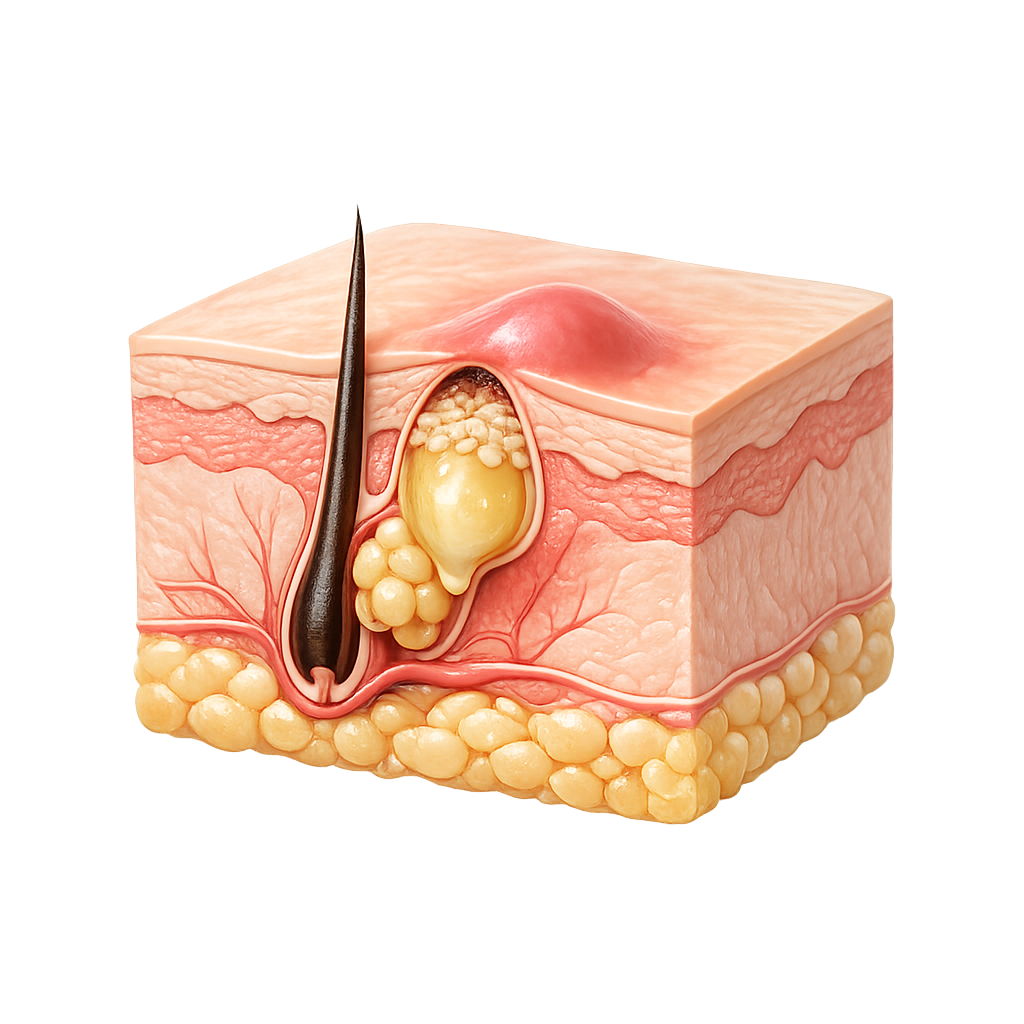
Nodules
Large, firm, painful bumps that develop deep beneath the skin and often require medical treatment.
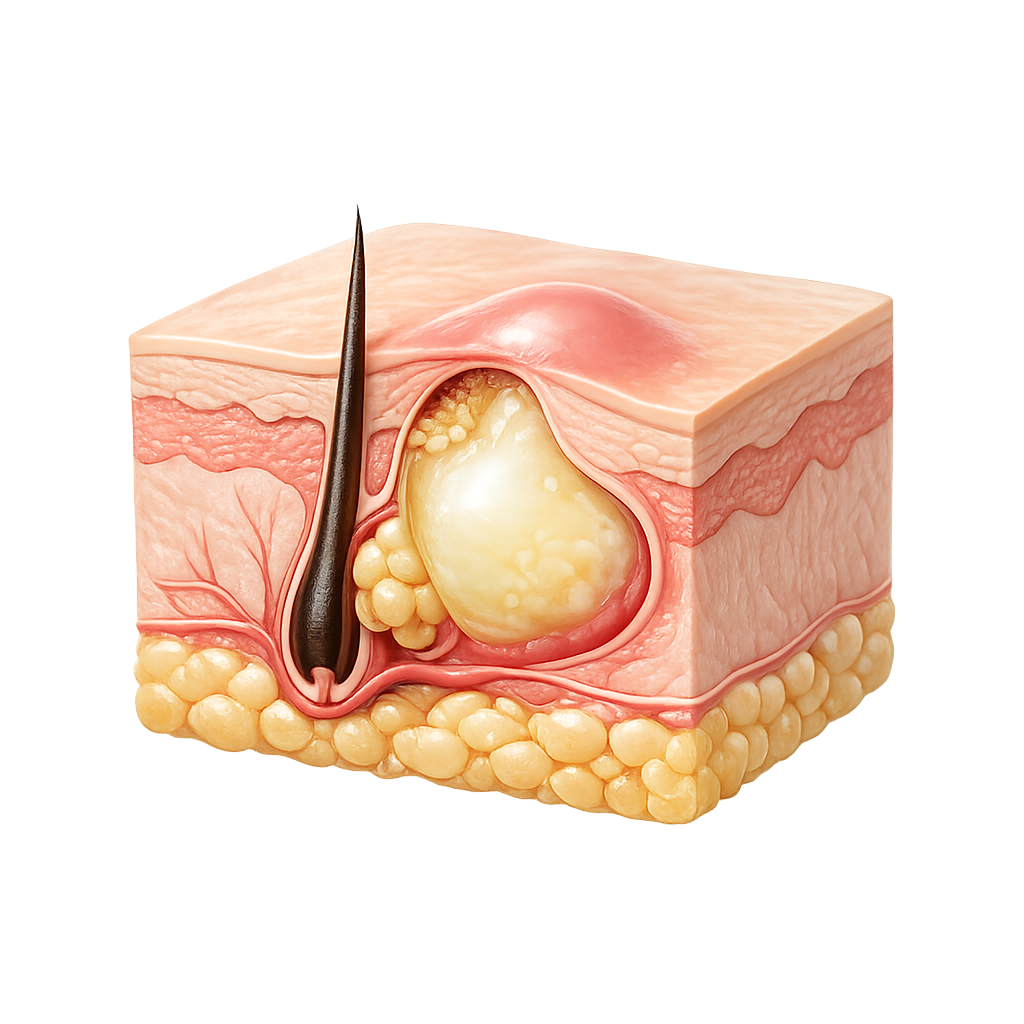
Cysts
Deep, pus-filled lesions that are painful and have the highest risk of causing permanent acne scars.
Signs & Symptoms of Acne
Acne can appear differently from person to person. Symptoms range from small clogged pores to deep, painful lesions. Recognizing the type of breakout helps you choose the right skincare routine and treatment.
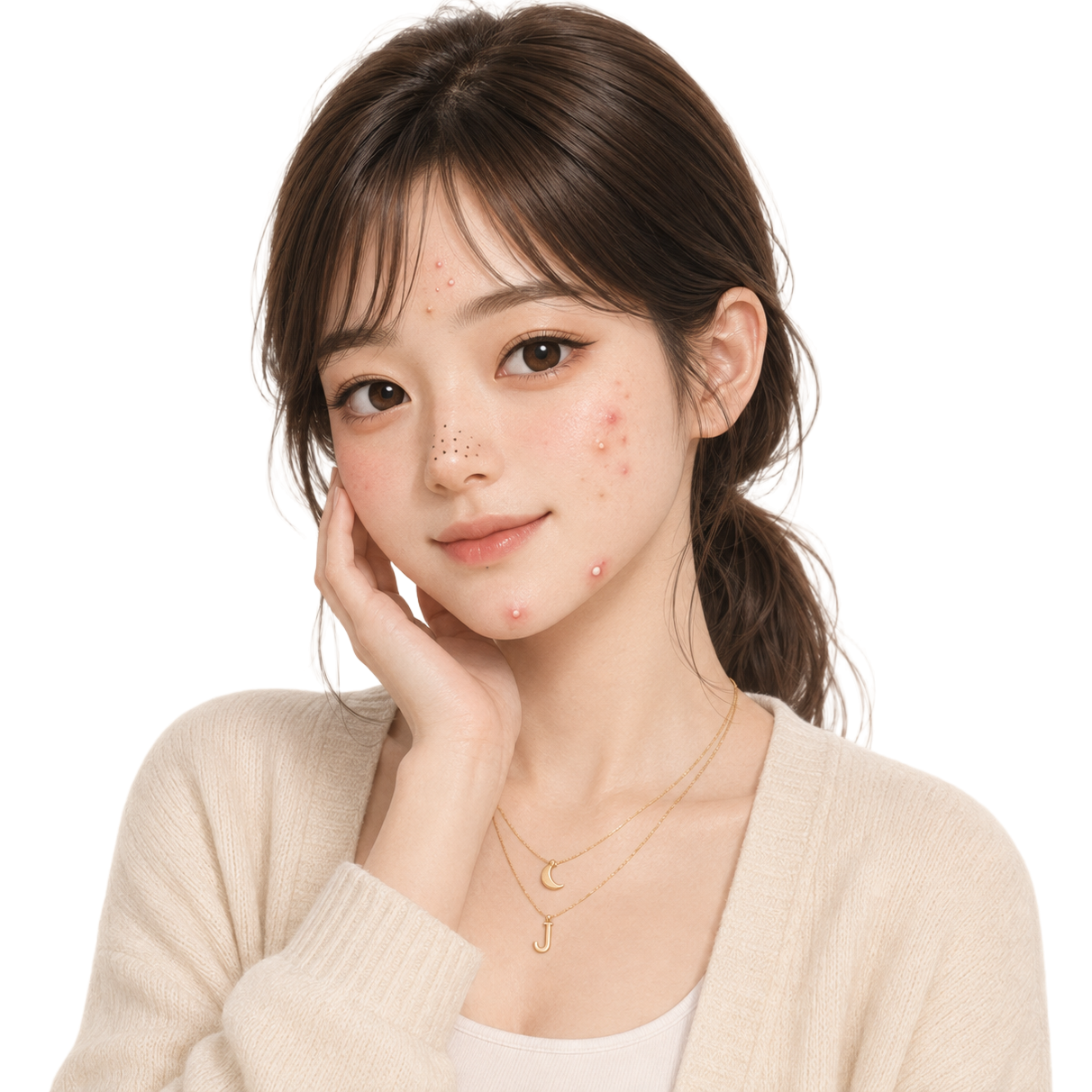
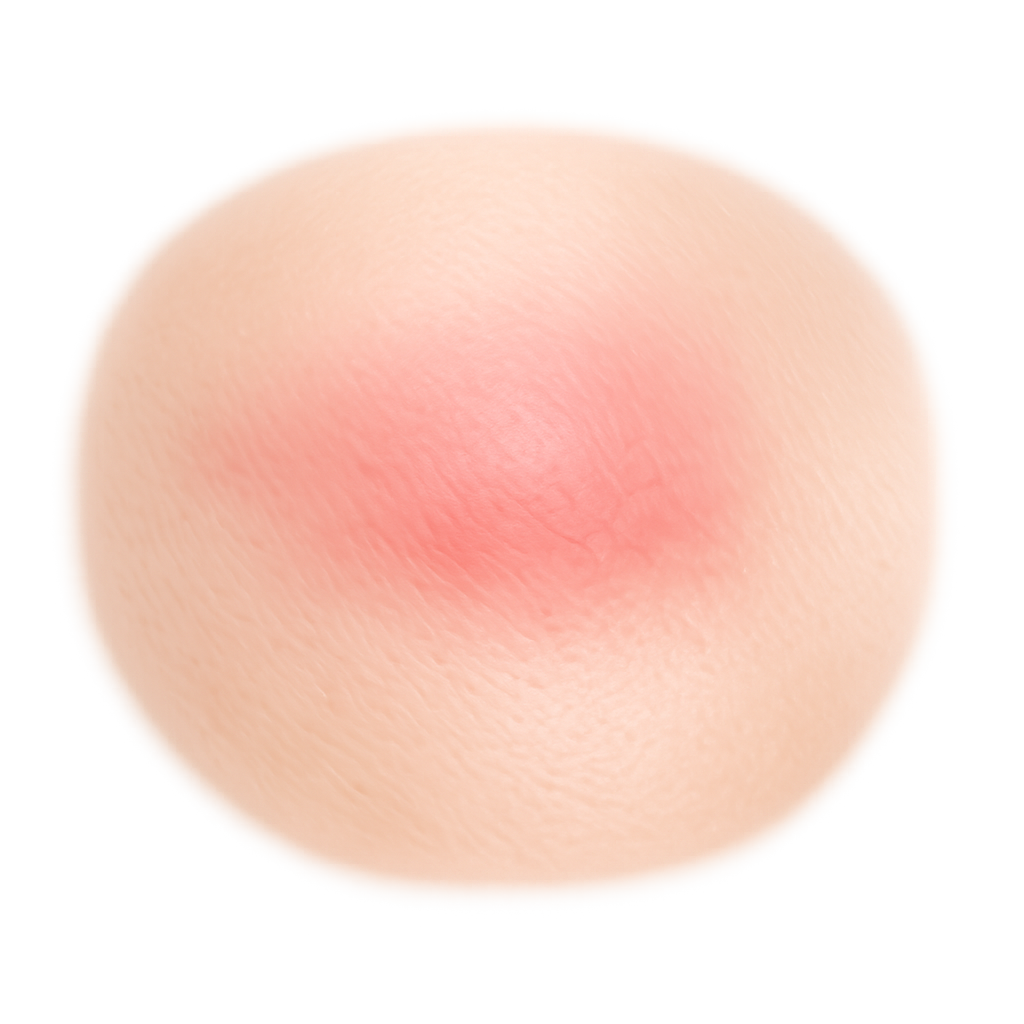
Redness & Inflammation
Skin may appear red, swollen, or irritated around pimples.
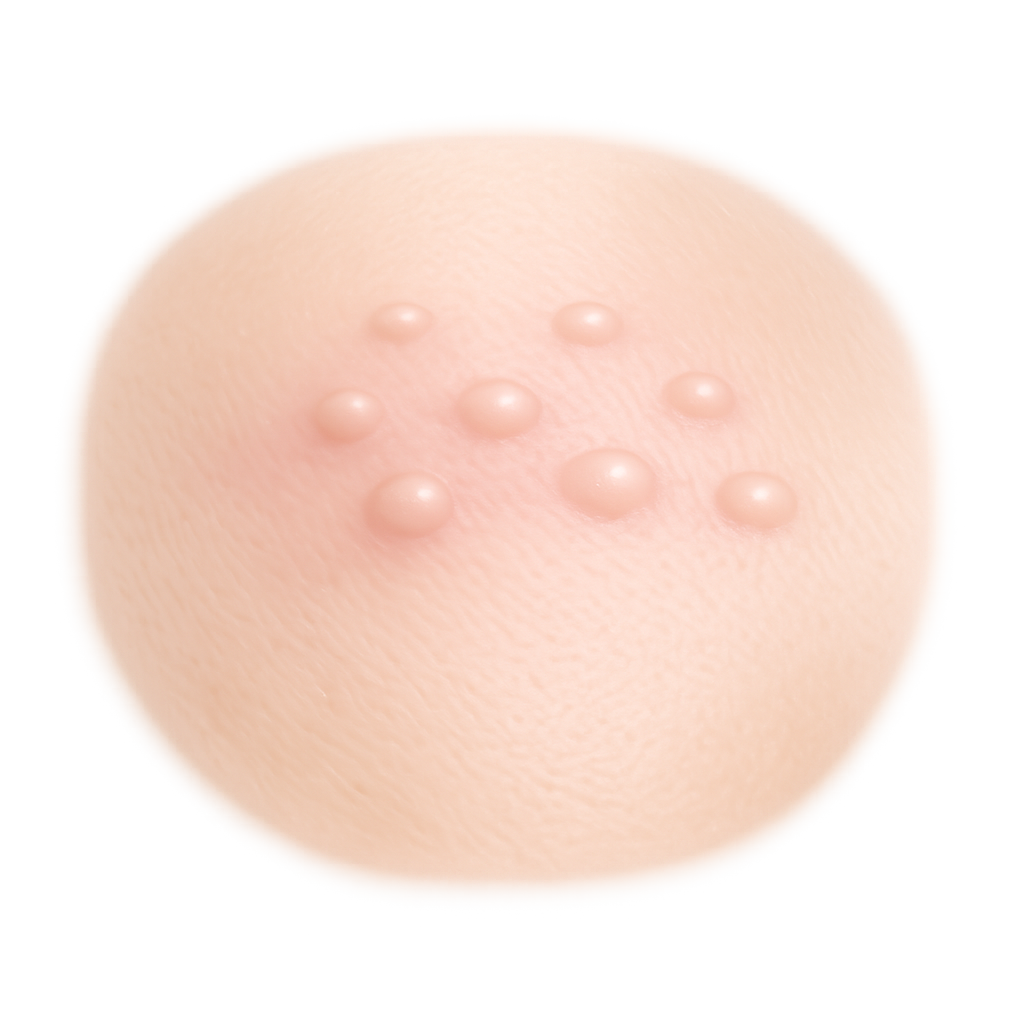
Raised Bumps
Small or large bumps may develop depending on the type of acne.
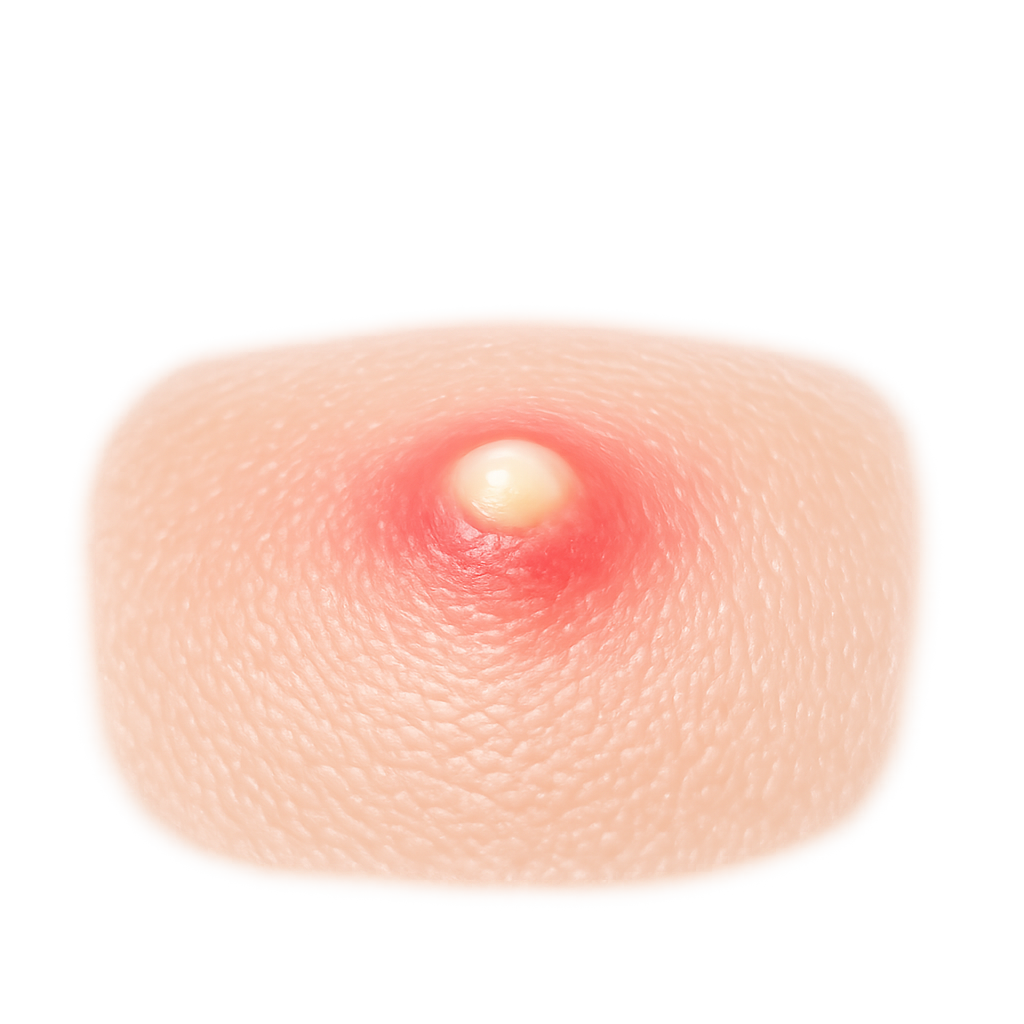
Pus-filled Pimples
Pustules contain visible white or yellow pus at the center.
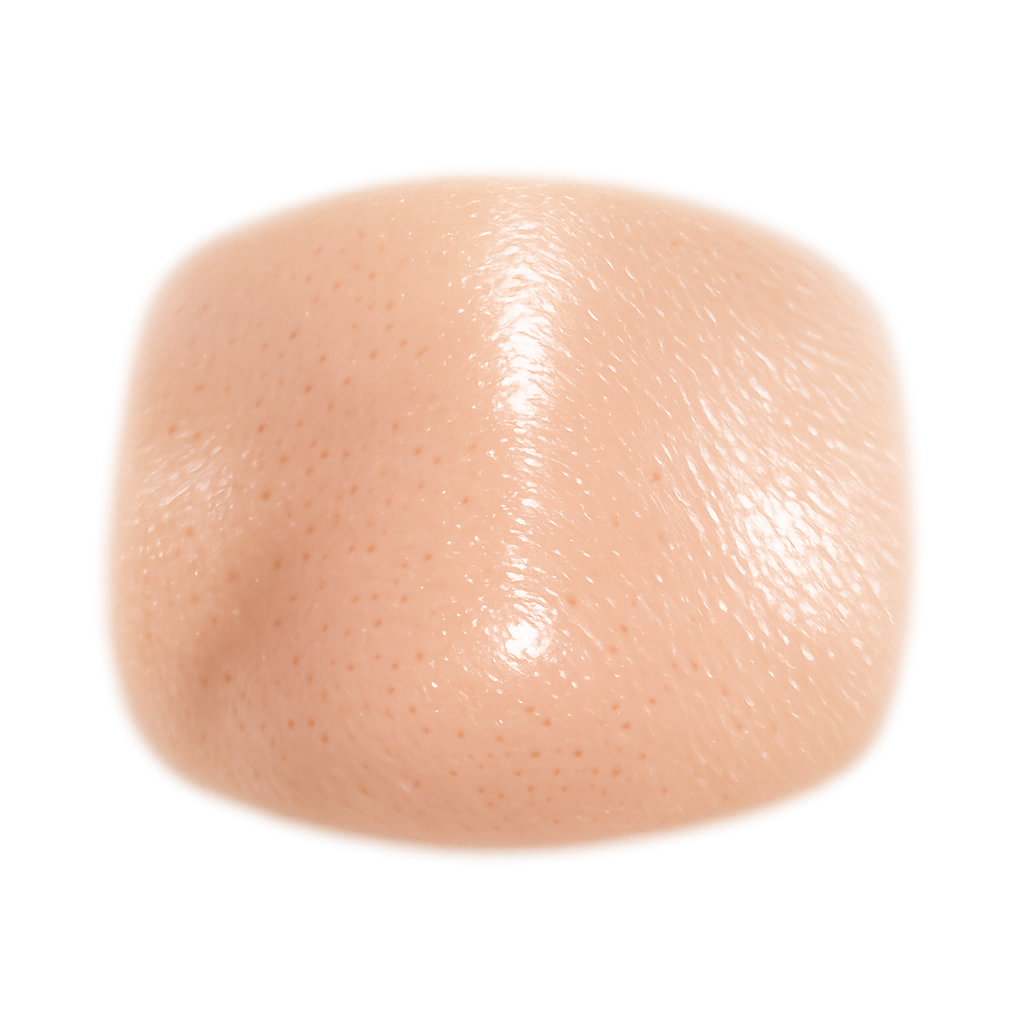
Oily Skin
Many people with acne produce excess sebum, making the skin appear shiny.
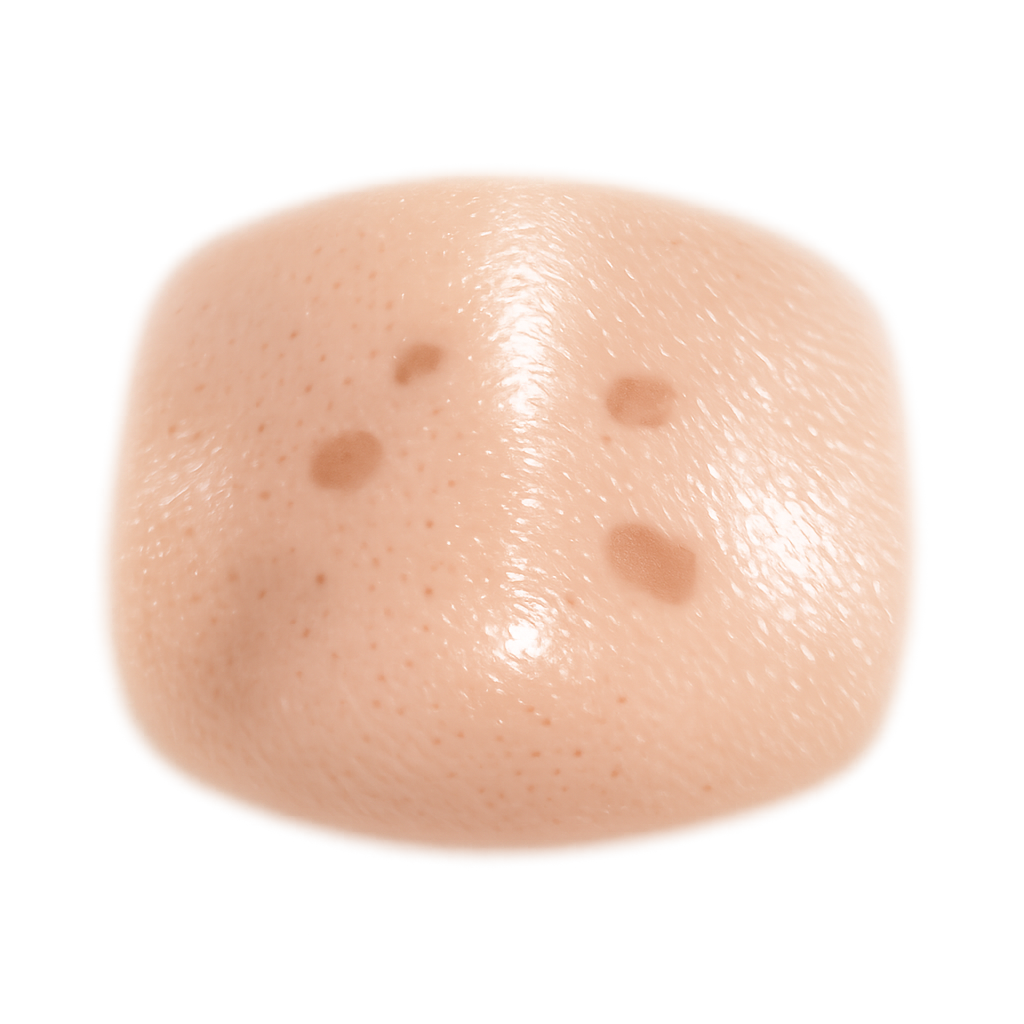
Dark Marks & Scars
After acne heals, it may leave post-inflammatory marks or permanent scars.
What Causes Acne?
Acne usually develops because several factors work together—not just one. Understanding these causes can help you make informed skincare choices.
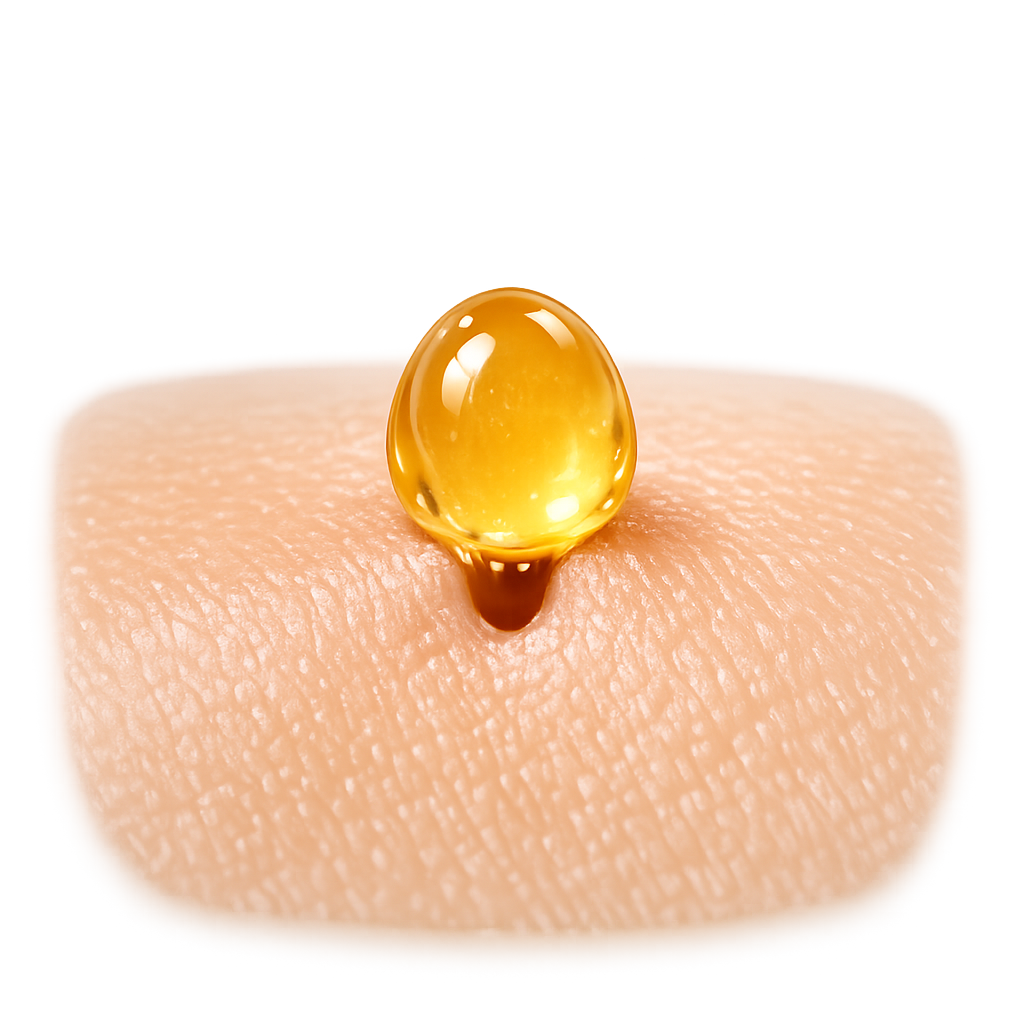
Excess Sebum
Overactive sebaceous glands produce more oil than the skin needs, increasing the chance of clogged pores.
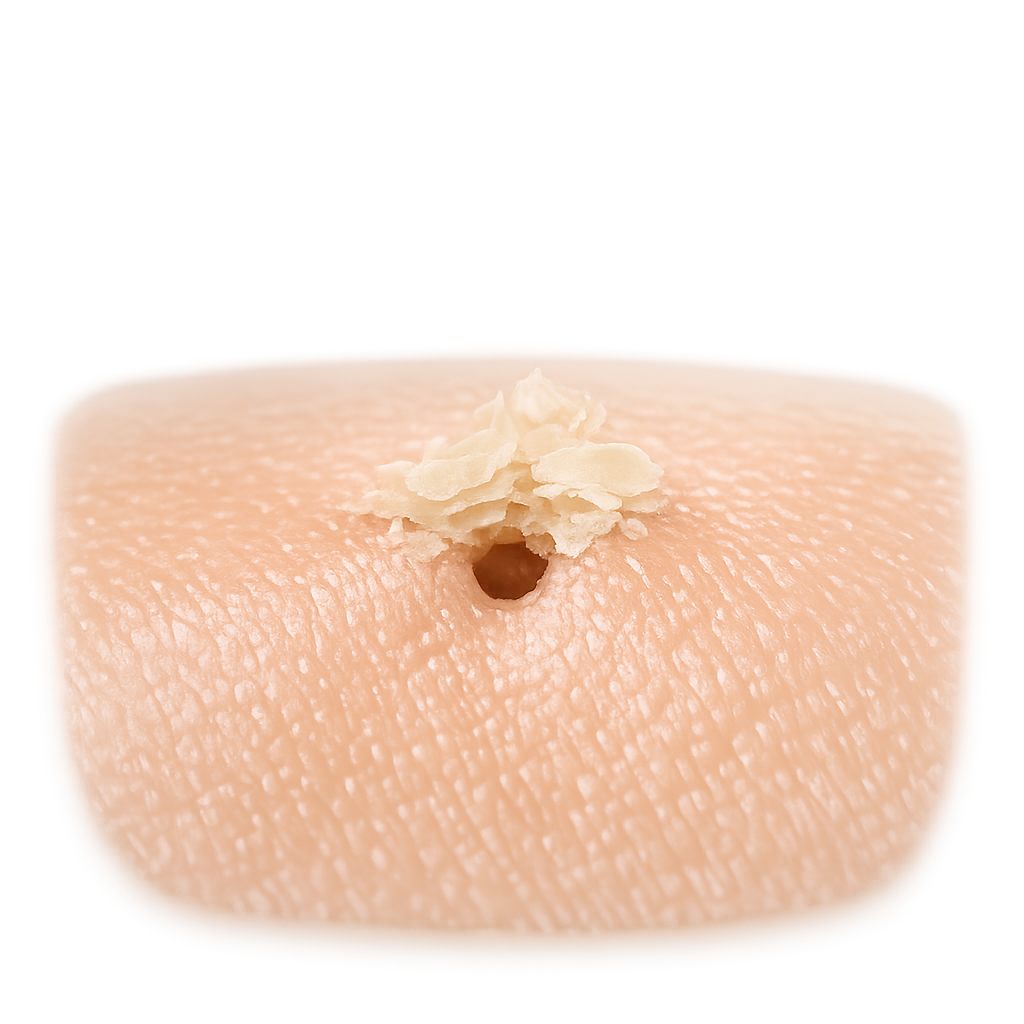
Dead Skin Cells
Dead skin cells can build up inside pores instead of shedding normally, contributing to blockages.
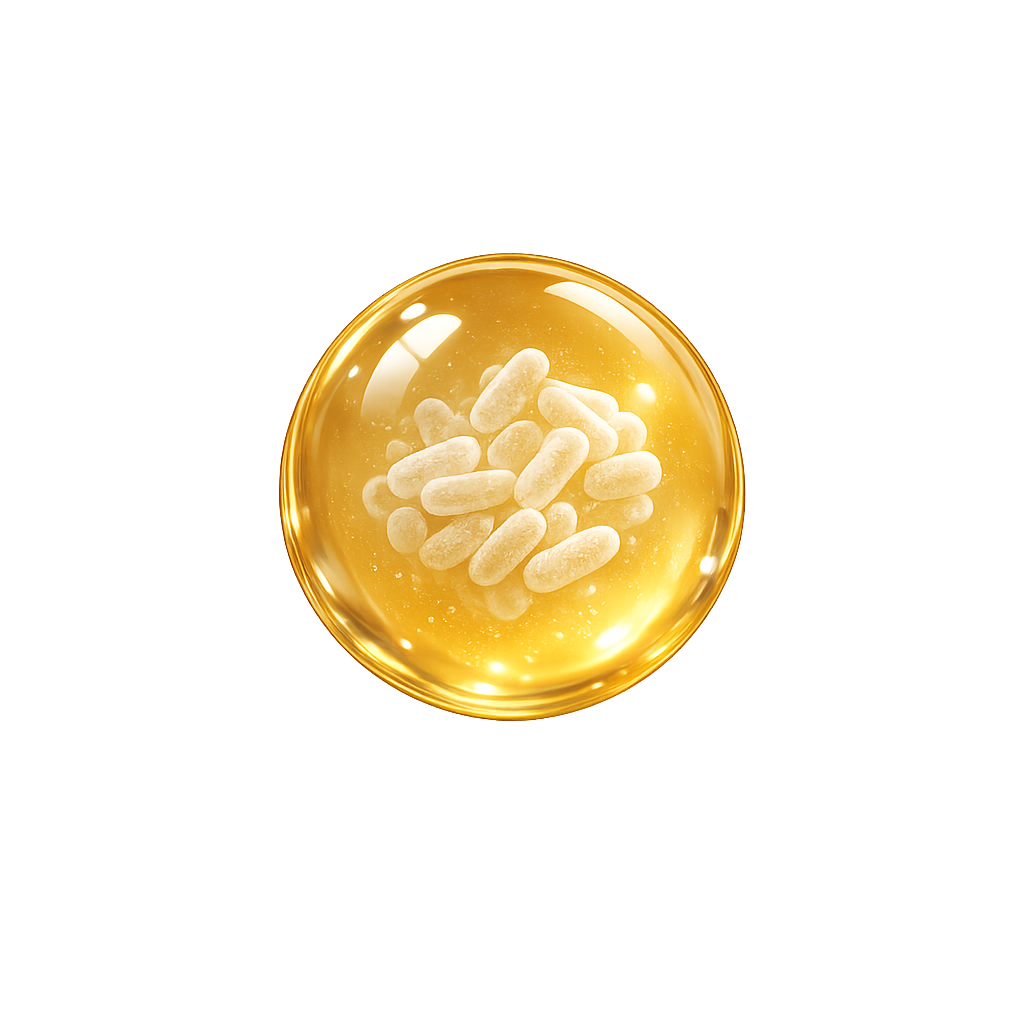
Bacteria
Cutibacterium acnes bacteria can multiply inside clogged pores and trigger inflammation.

Hormonal Changes
Hormonal fluctuations during puberty, menstruation, pregnancy, or certain medical conditions may increase oil production.
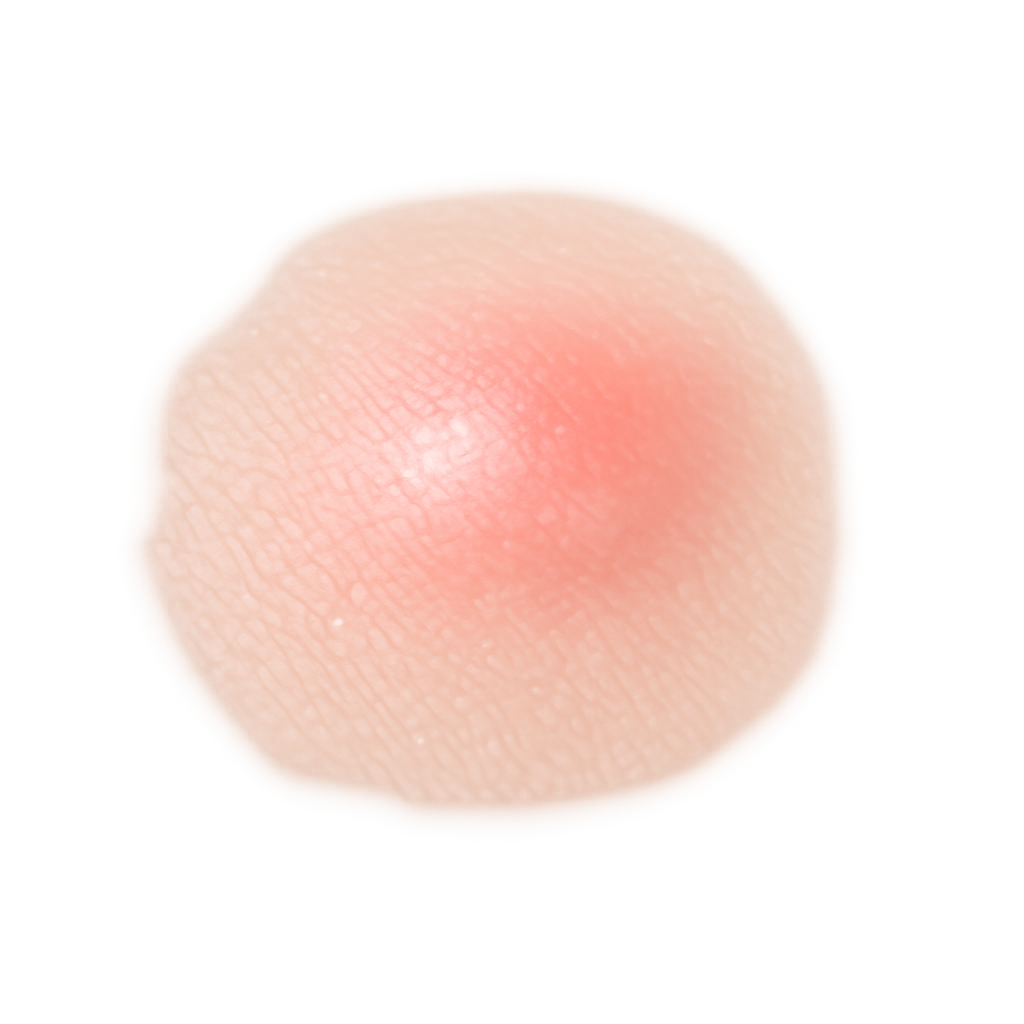
Inflammation
The body's immune response can cause redness, swelling, tenderness, and inflamed breakouts.
Genetics
A family history of acne may increase your likelihood of developing acne.
Who Is More Likely to Develop Acne?
While anyone can develop acne, certain biological, environmental, and lifestyle factors can increase the likelihood of experiencing breakouts.
Hormonal Changes
Hormonal fluctuations can stimulate excess sebum production, making acne more likely.

Family History
Genetics can influence how likely you are to develop acne.

Puberty
Increased hormone levels during puberty commonly trigger acne.
Pregnancy
Hormonal changes during pregnancy may contribute to acne.
Certain Medications
Some medications can contribute to acne as a side effect.
Oily Cosmetics
Heavy or comedogenic skincare and makeup may clog pores.
High Humidity
Hot, humid environments may increase oil production and sweating.

Friction
Helmets, masks, hats, and tight clothing can irritate the skin and contribute to breakouts.
What Can Make Acne Worse?
While these factors do not directly cause acne, they may worsen existing breakouts or increase the likelihood of flare-ups in some people.
Stress may increase inflammation and influence hormone levels, making acne flare-ups more likely.
Picking pimples increases inflammation and raises the risk of infection, acne scars, and dark marks.
Washing your face too often may damage the skin barrier and increase irritation.
Physical scrubs may irritate inflamed skin and worsen existing acne.
Certain skincare and cosmetic products may clog pores, increasing the likelihood of breakouts.
Leaving makeup on overnight may trap oil, dirt, and impurities inside pores.
Thorough cleansing helps remove sunscreen, makeup, and excess oil that can build up throughout the day.
Some individuals notice acne worsening after consuming high-glycemic foods or dairy, although responses vary from person to person.
Where Can Acne Appear?
Acne most commonly develops in areas with a higher concentration of sebaceous (oil) glands. While the face is the most frequent location, breakouts can also appear on several other parts of the body.
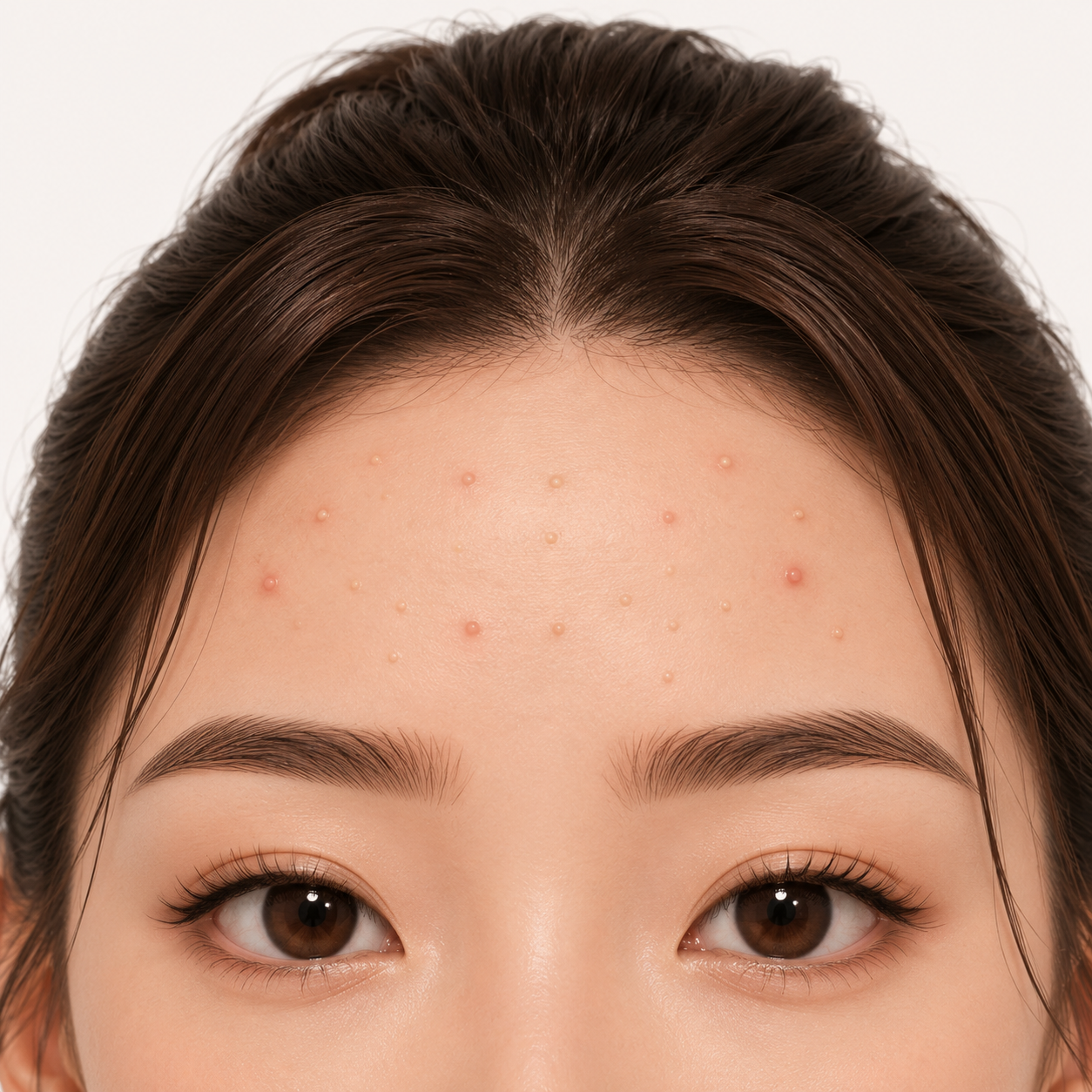
Forehead
Often linked to excess oil production and clogged pores.
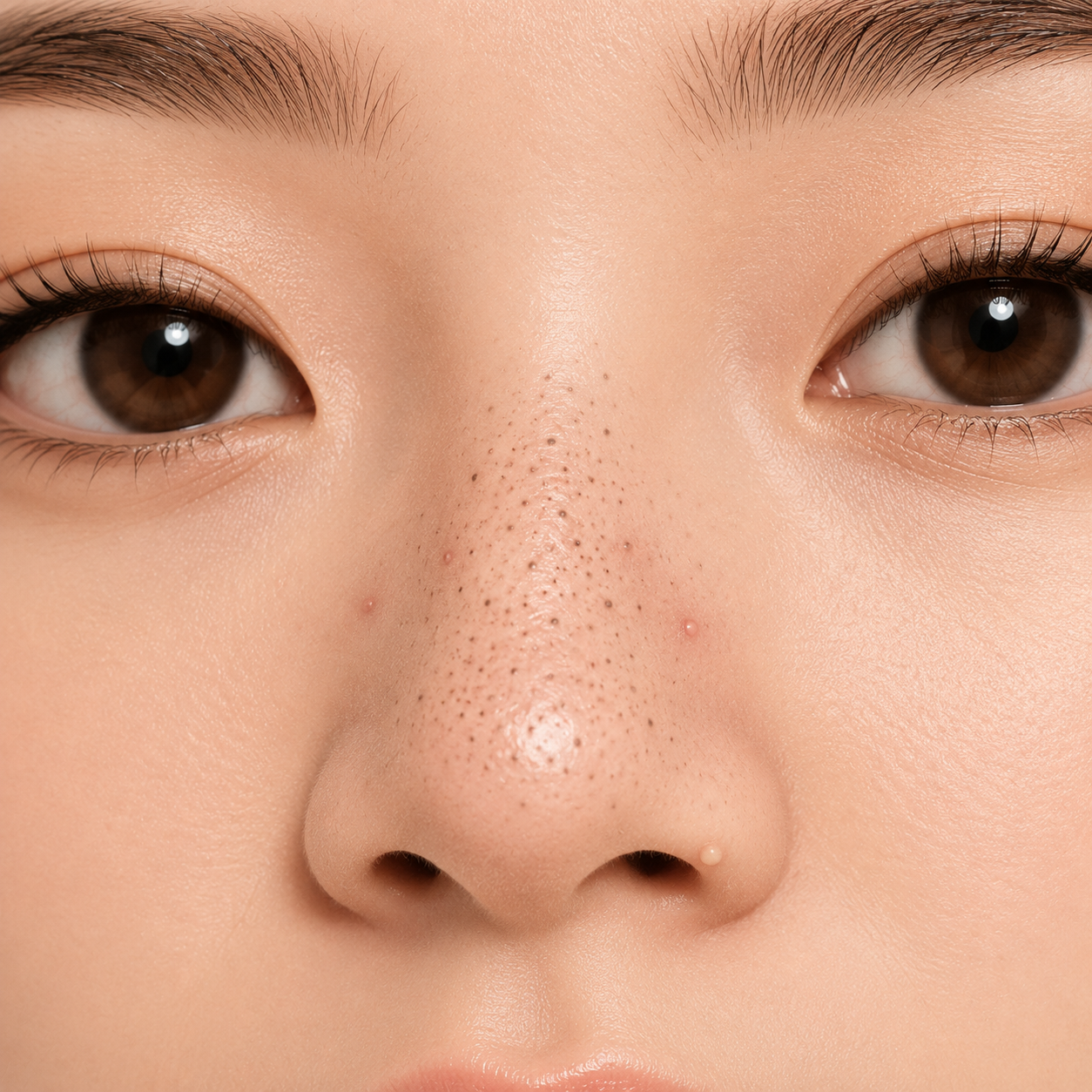
Nose
Blackheads and enlarged pores are common in this area.
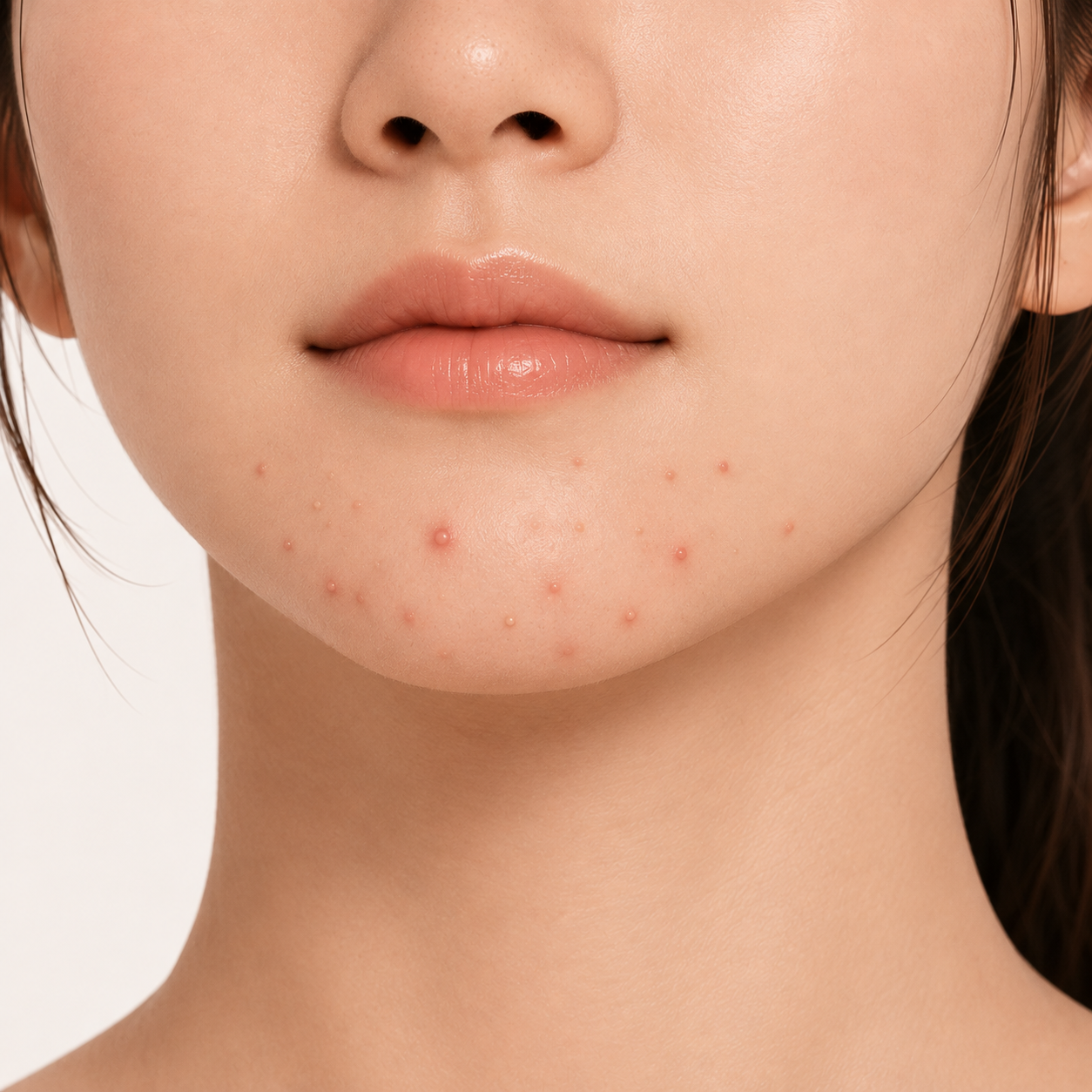
Chin
Frequently associated with hormonal acne.
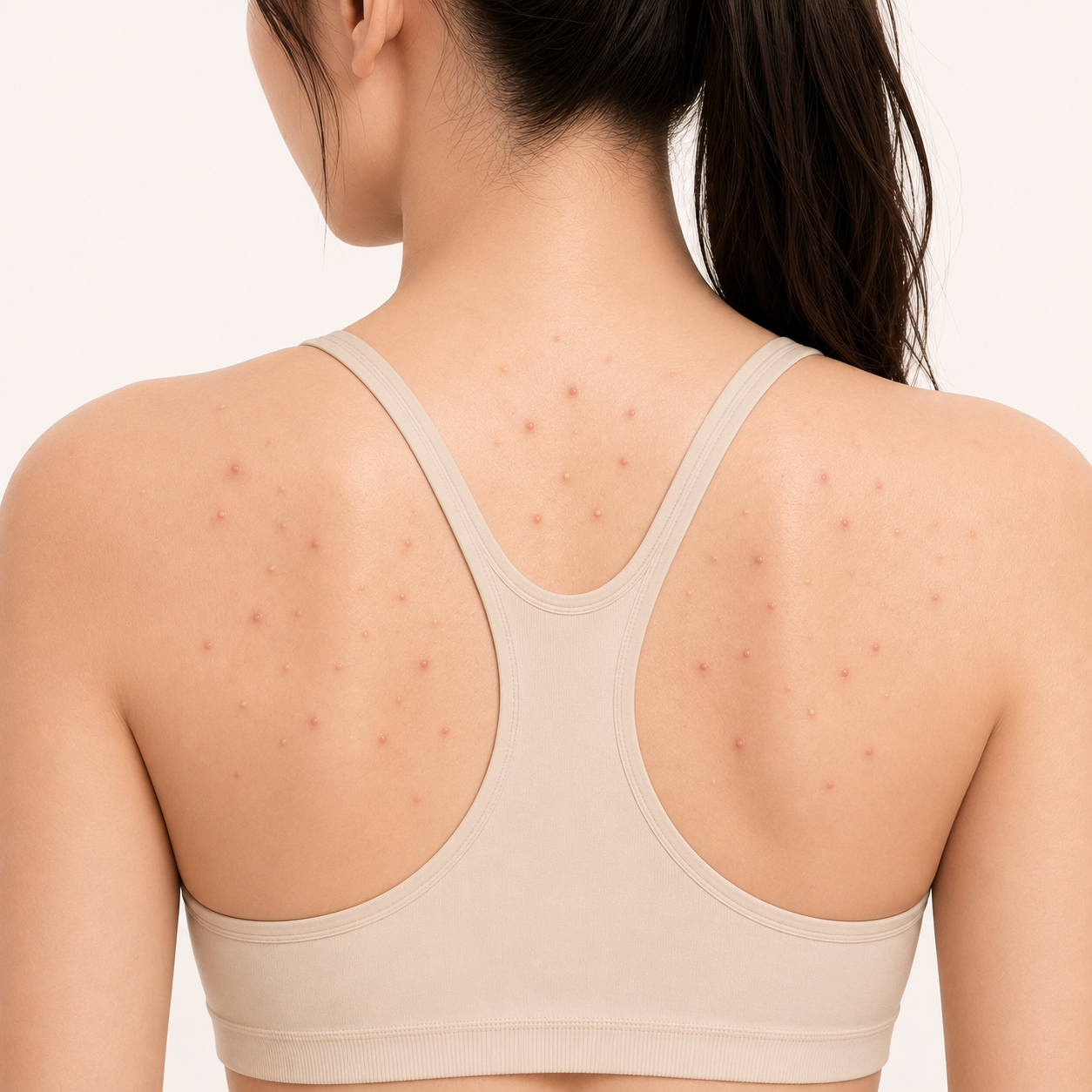
Upper Back
Often called "bacne" and may be persistent.
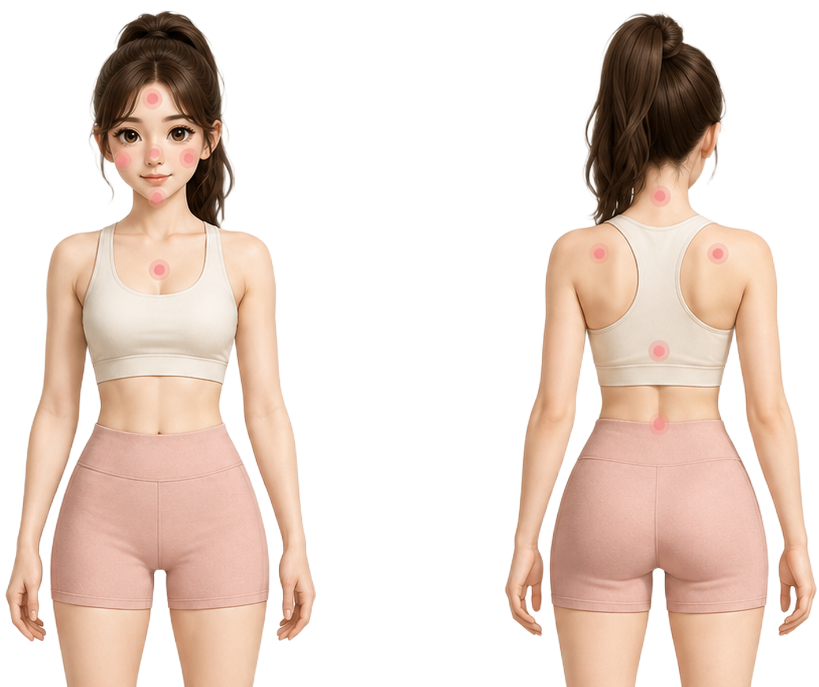
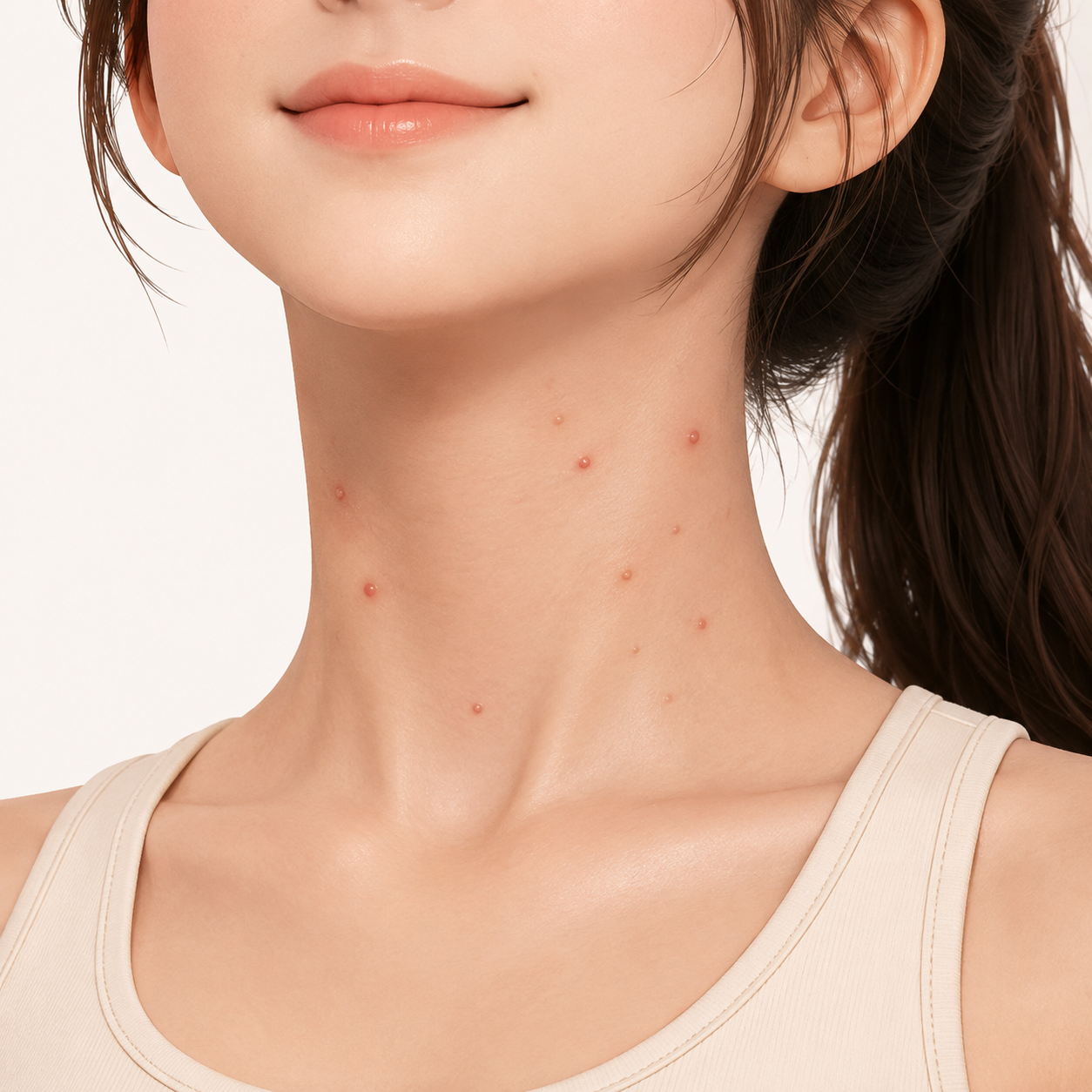
Neck
May occur alongside jawline acne.
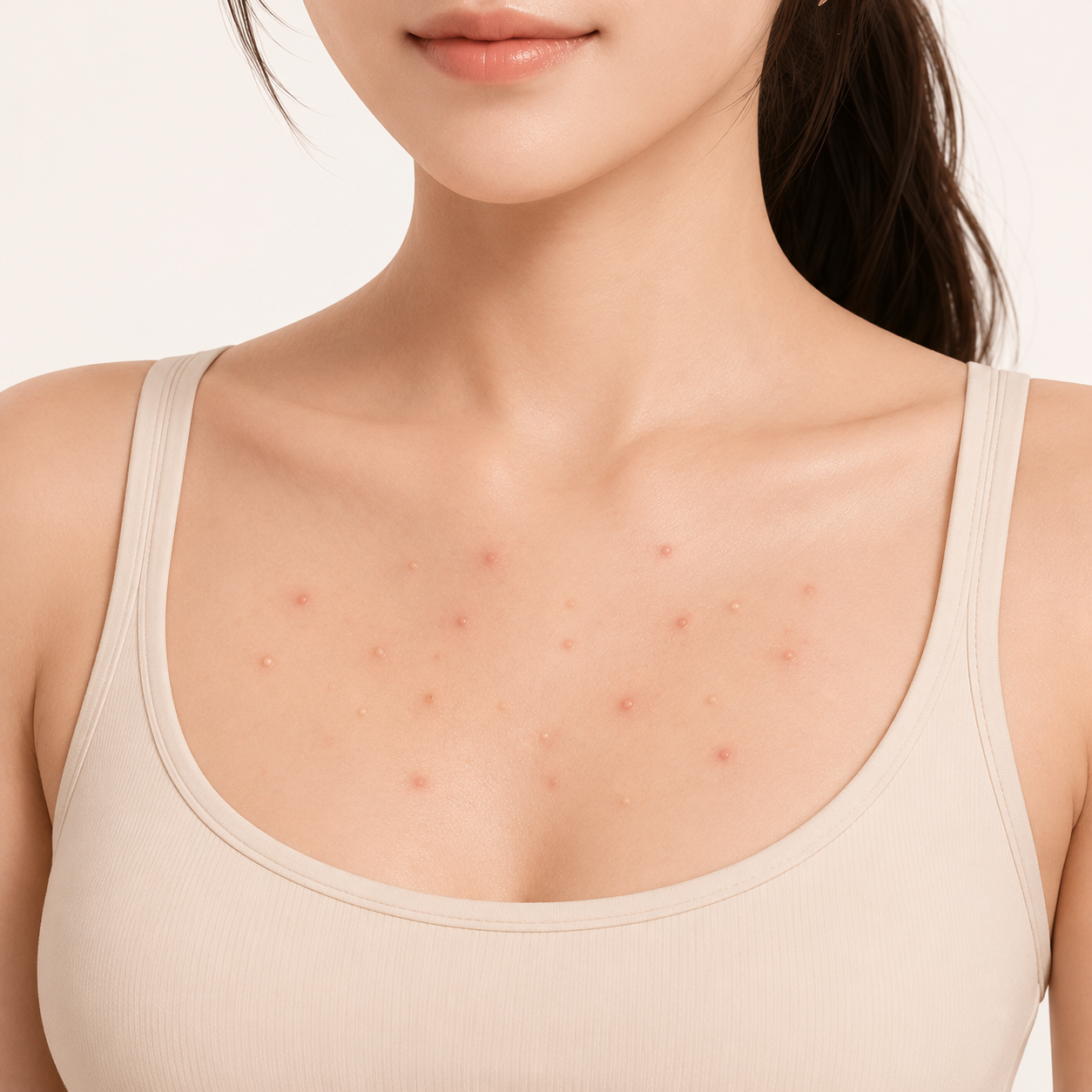
Chest
Common because of numerous sebaceous glands.
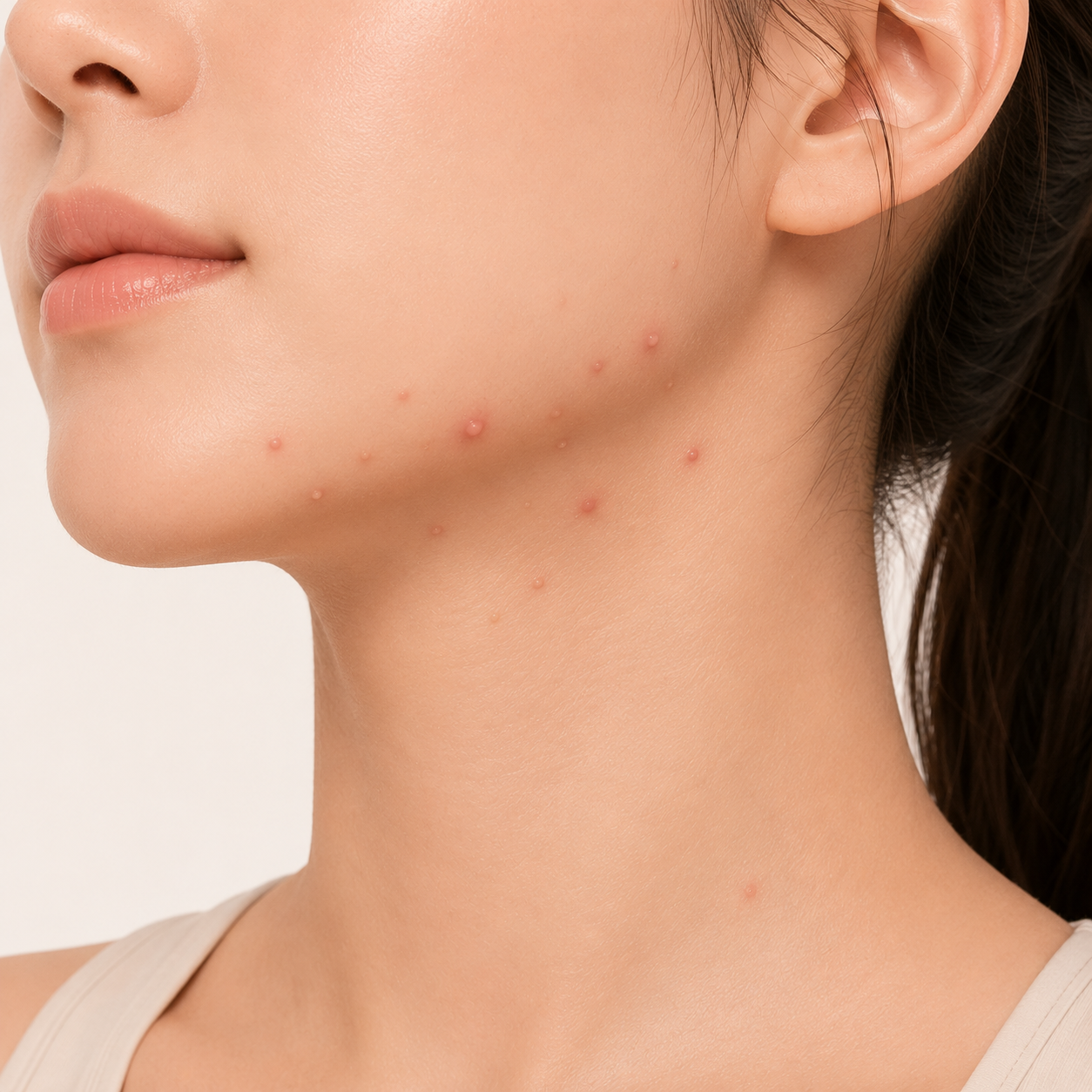
Jawline
Hormonal fluctuations often contribute to breakouts here.
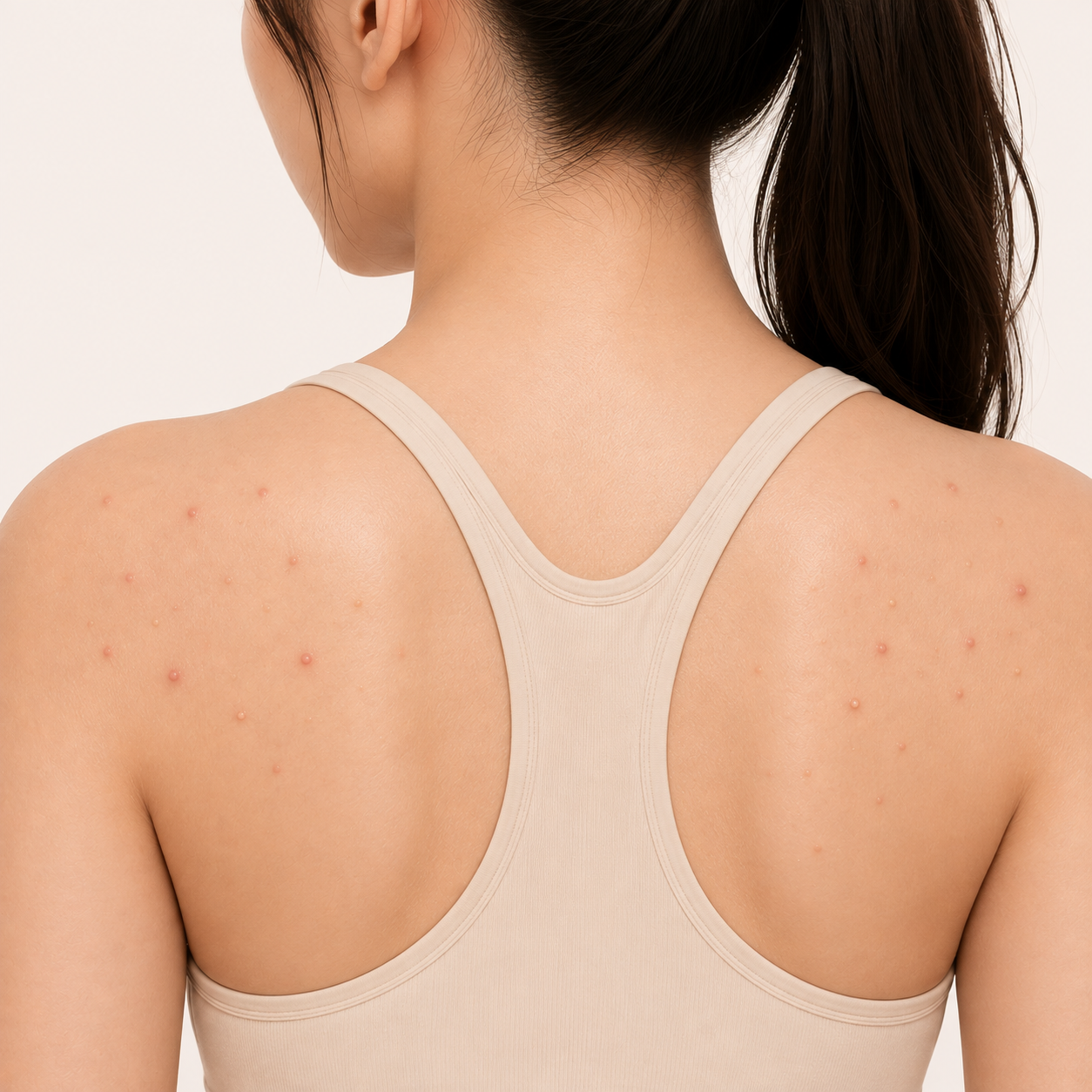
Shoulders
Friction and sweat may contribute to breakouts.
Acne Severity
Acne severity ranges from mild clogged pores to deep inflammatory lesions. Identifying the severity of acne helps determine the most appropriate treatment approach.
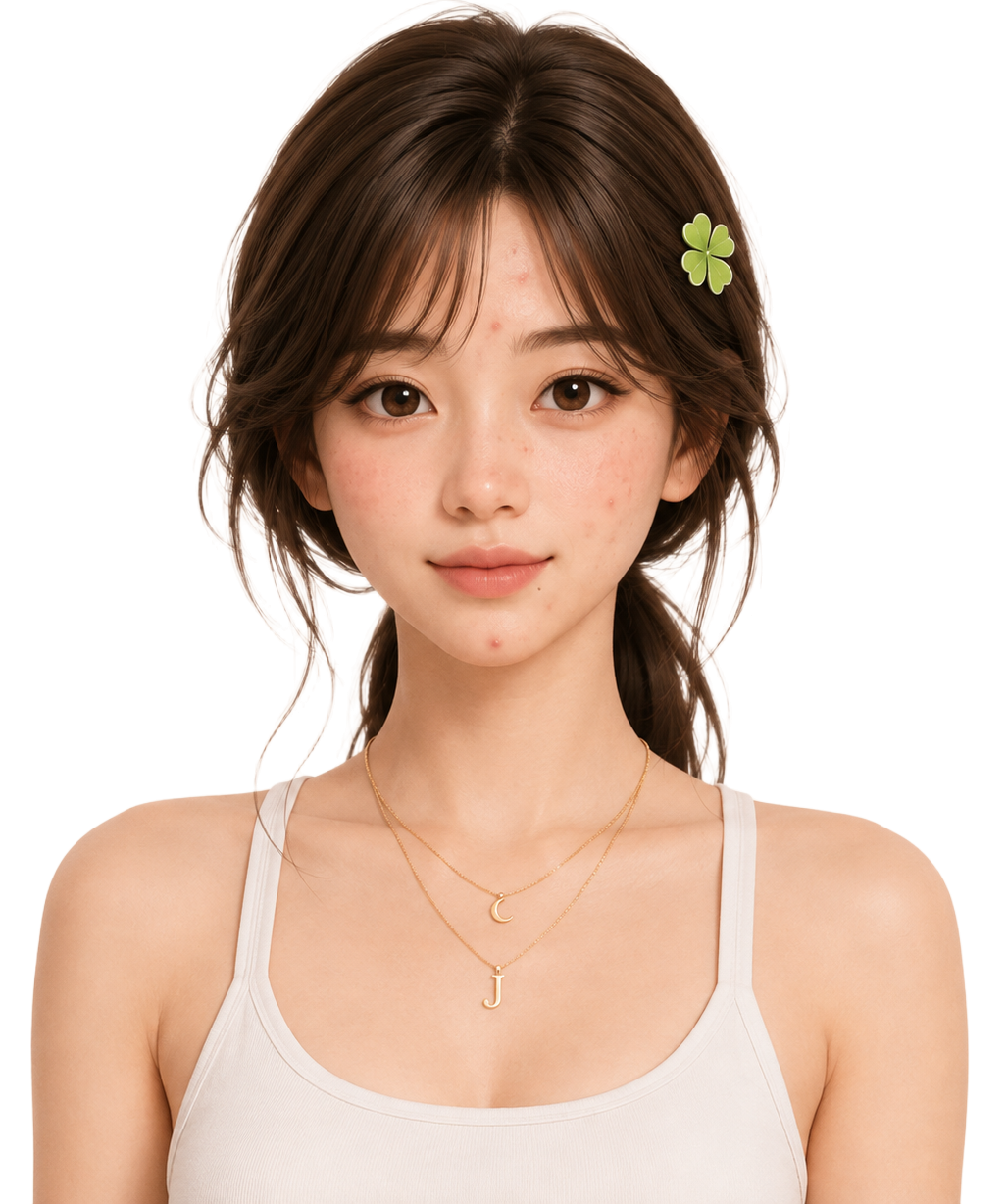
Mild Acne
Mostly whiteheads and blackheads with only a few small inflammatory pimples.
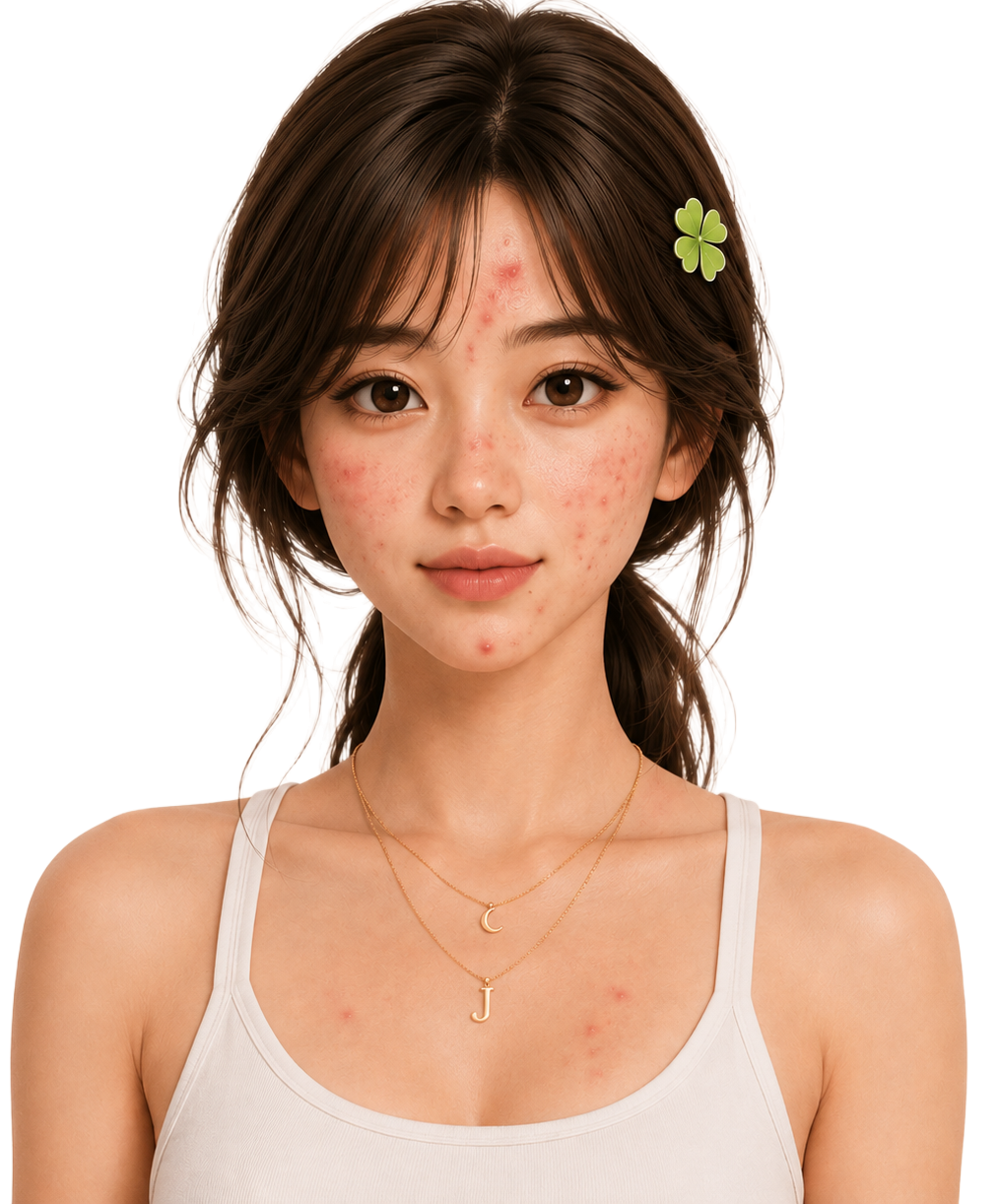
Moderate Acne
A larger number of papules and pustules are present, often affecting multiple areas of the face.
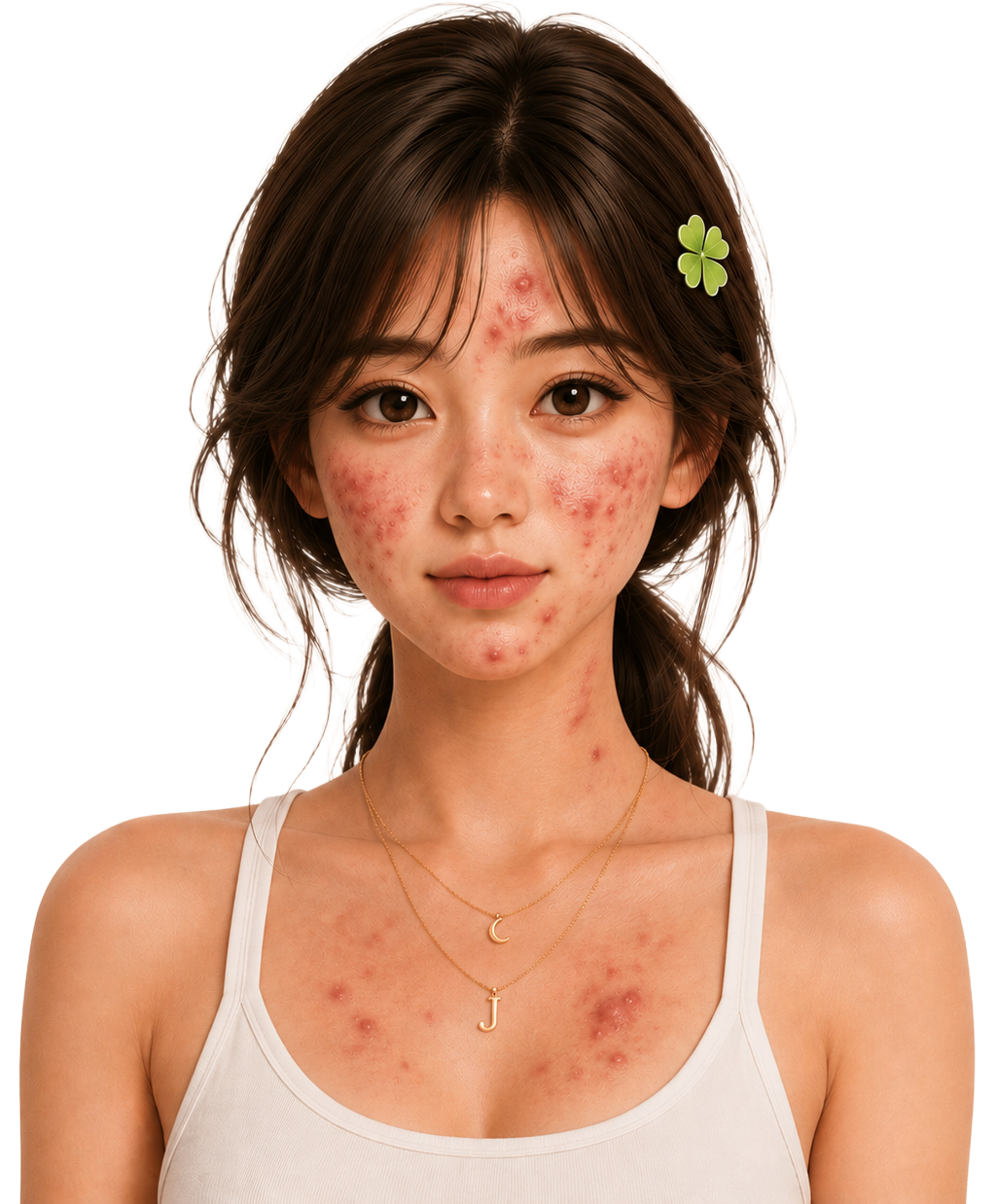
Severe Acne
Deep nodules and cysts develop beneath the skin and may increase the risk of permanent scarring.
Ingredients That Help Treat Acne
Different ingredients target acne in different ways. Some help unclog pores, while others reduce inflammation or support the skin barrier.
| Ingredient | Main Benefit |
|---|---|
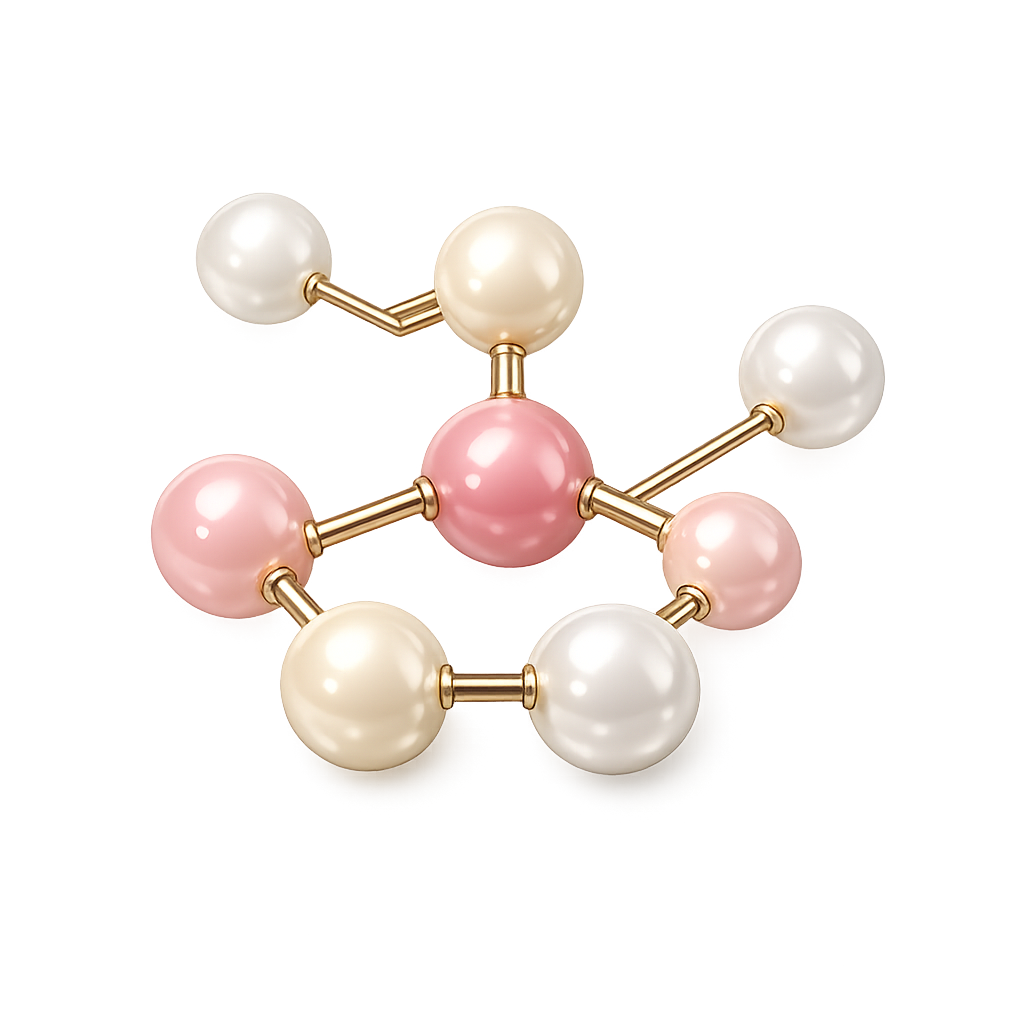 Salicylic Acid
|
Unclogs pores. |
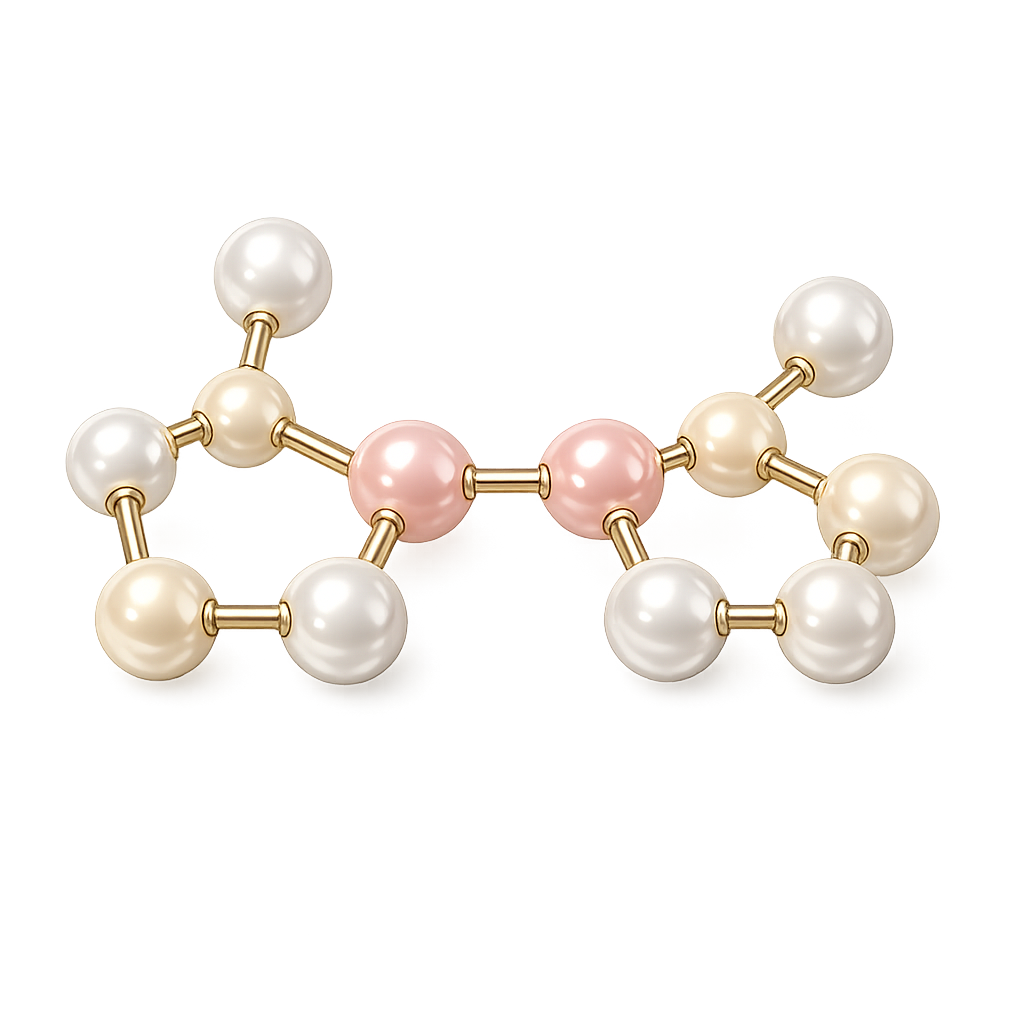 Benzoyl Peroxide
|
Reduces acne-causing bacteria. |
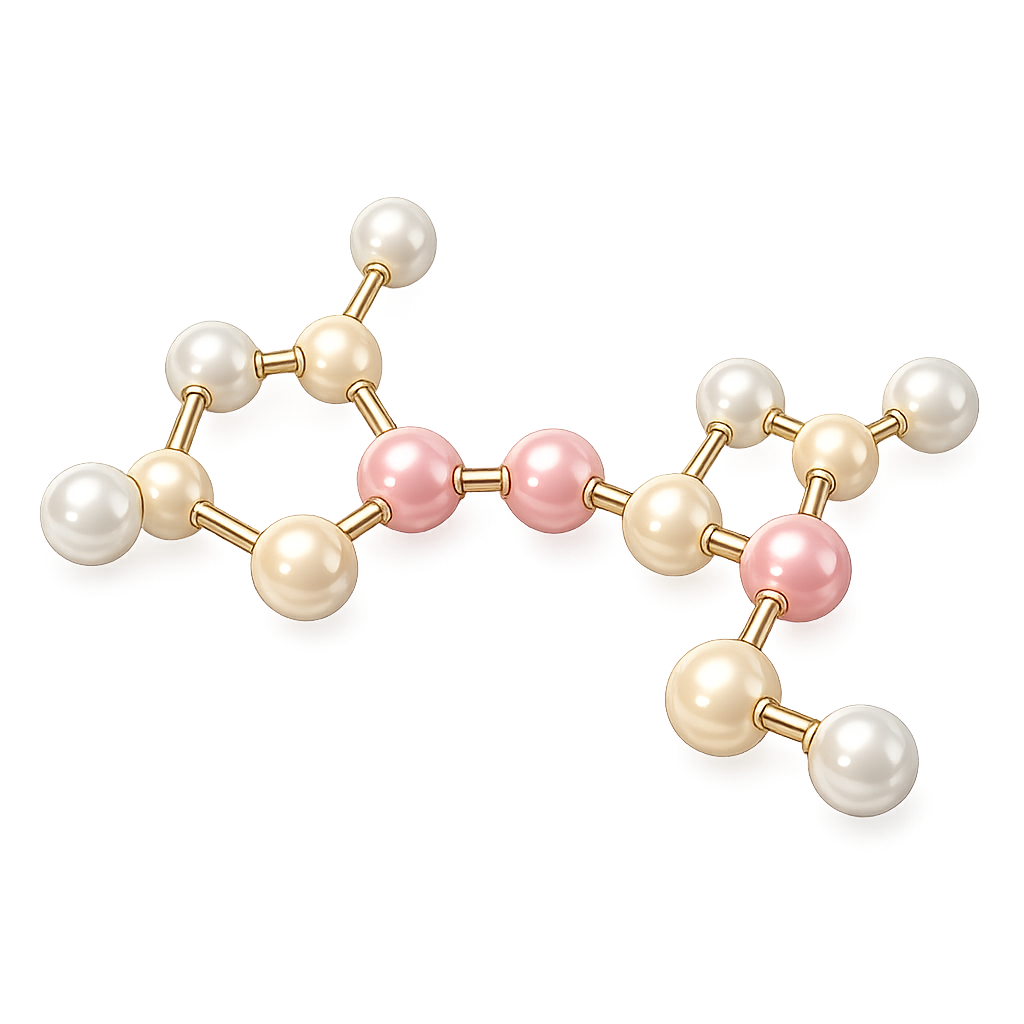 Adapalene
|
Helps prevent clogged pores. |
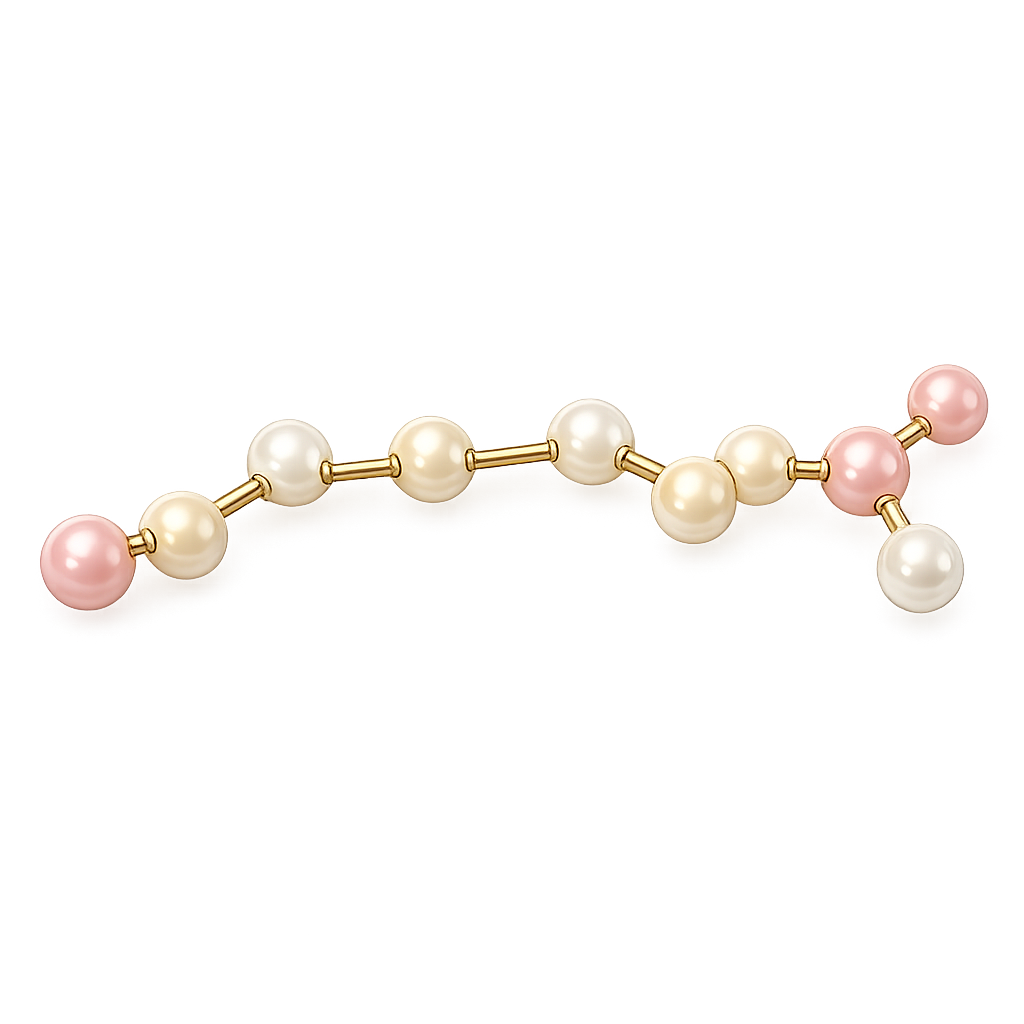 Azelaic Acid
|
Helps treat acne and post-acne marks. |
 Niacinamide
|
Reduces inflammation and supports the skin barrier. |
 Sulfur
|
Absorbs excess oil and helps reduce acne. |
 Retinoids
|
Improve skin cell turnover. |
How to Help Prevent Acne
While acne cannot always be completely prevented, adopting healthy skincare habits can reduce the risk of new breakouts and help maintain healthier skin.
Cleanse Gently Twice Daily
Wash your face morning and night using a gentle cleanser suitable for your skin type.
Choose Non-Comedogenic Products
Select skincare and makeup products designed not to clog pores.
Avoid Picking Pimples
Picking can increase inflammation and raise the risk of acne scars and dark marks.
Wear Sunscreen Every Day
Daily sunscreen helps protect your skin and reduce the appearance of post-acne marks.
Moisturize Regularly
Keeping the skin hydrated supports the skin barrier, even if your skin is oily.
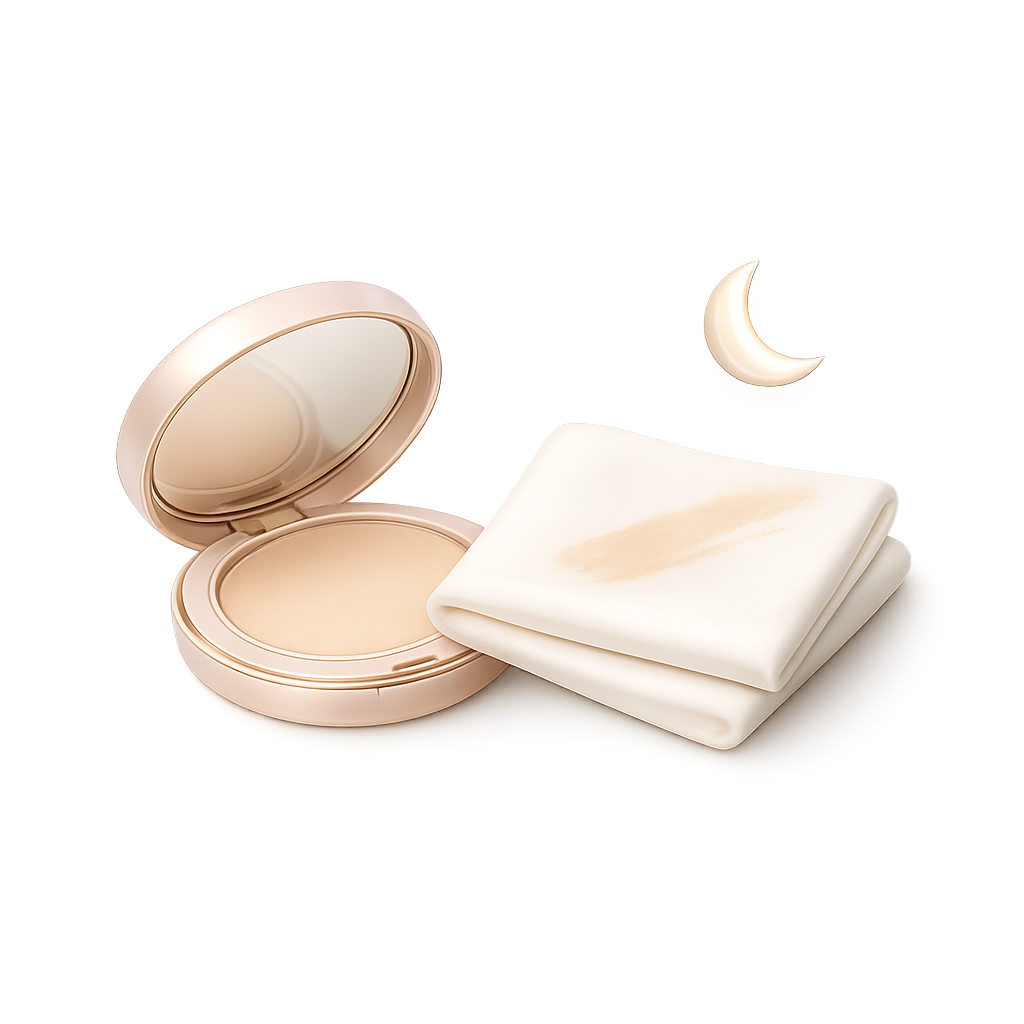
Remove Makeup Before Sleeping
Always remove makeup completely before bed to help prevent clogged pores.
Wash Pillowcases Regularly
Clean pillowcases may reduce the buildup of oil, sweat, and other impurities.
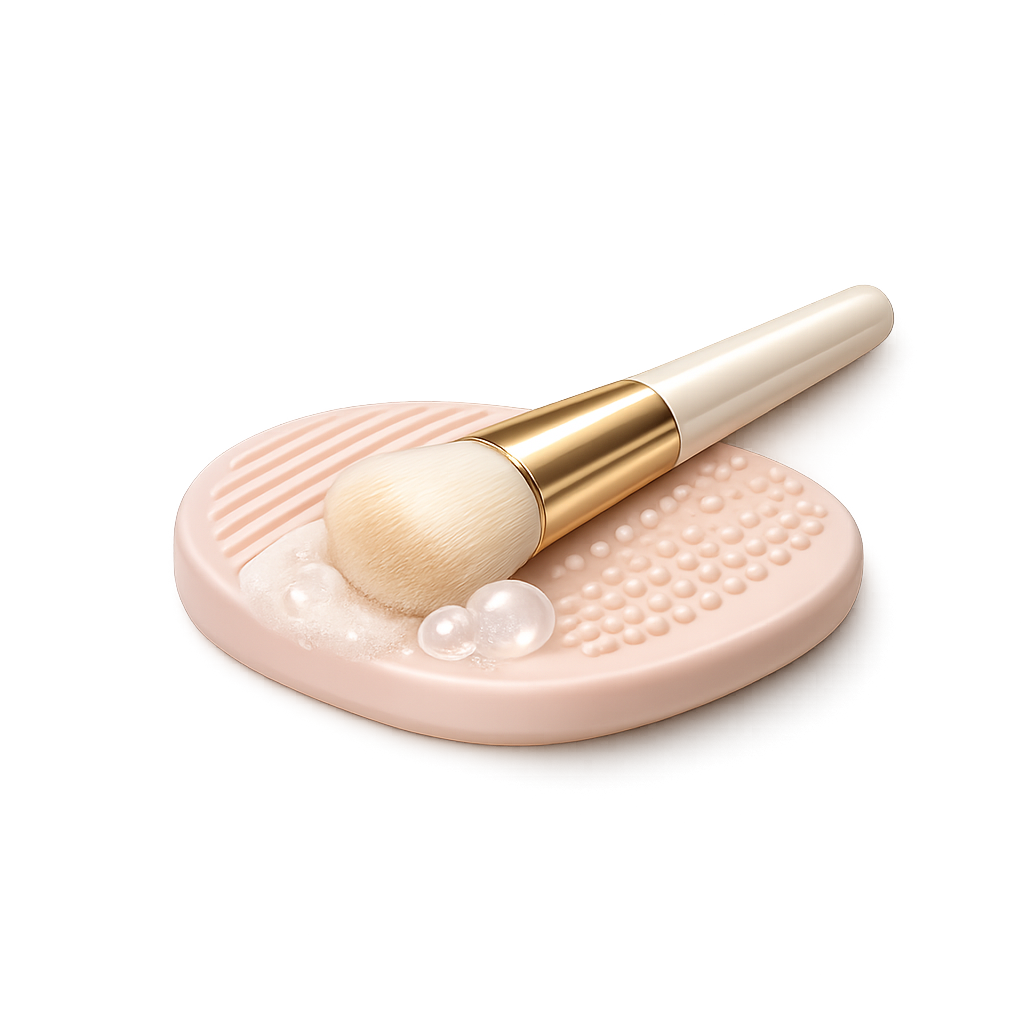
Clean Makeup Brushes Frequently
Washing brushes regularly helps remove product residue, oil, and bacteria.
Acne Myths vs Facts
Acne is surrounded by many misconceptions. Separating myths from evidence-based facts can help you make better skincare decisions.
Acne is caused by dirty skin.
Acne develops because of excess oil, clogged pores, bacteria, and inflammation—not poor hygiene.
Popping pimples makes them heal faster.
Picking pimples increases inflammation and the risk of permanent scarring.
Chocolate always causes acne.
Chocolate alone has not been proven to cause acne. Diet may influence acne in some people, particularly high-glycemic foods or dairy.
Only teenagers get acne.
Acne can affect people of any age, including adults.
Sunlight cures acne.
UV exposure may temporarily reduce redness, but it can damage the skin and worsen pigmentation over time.
Acne Marks vs Acne Scars
Acne marks and acne scars are not the same. Understanding the difference can help you choose the most appropriate skincare products and treatments.
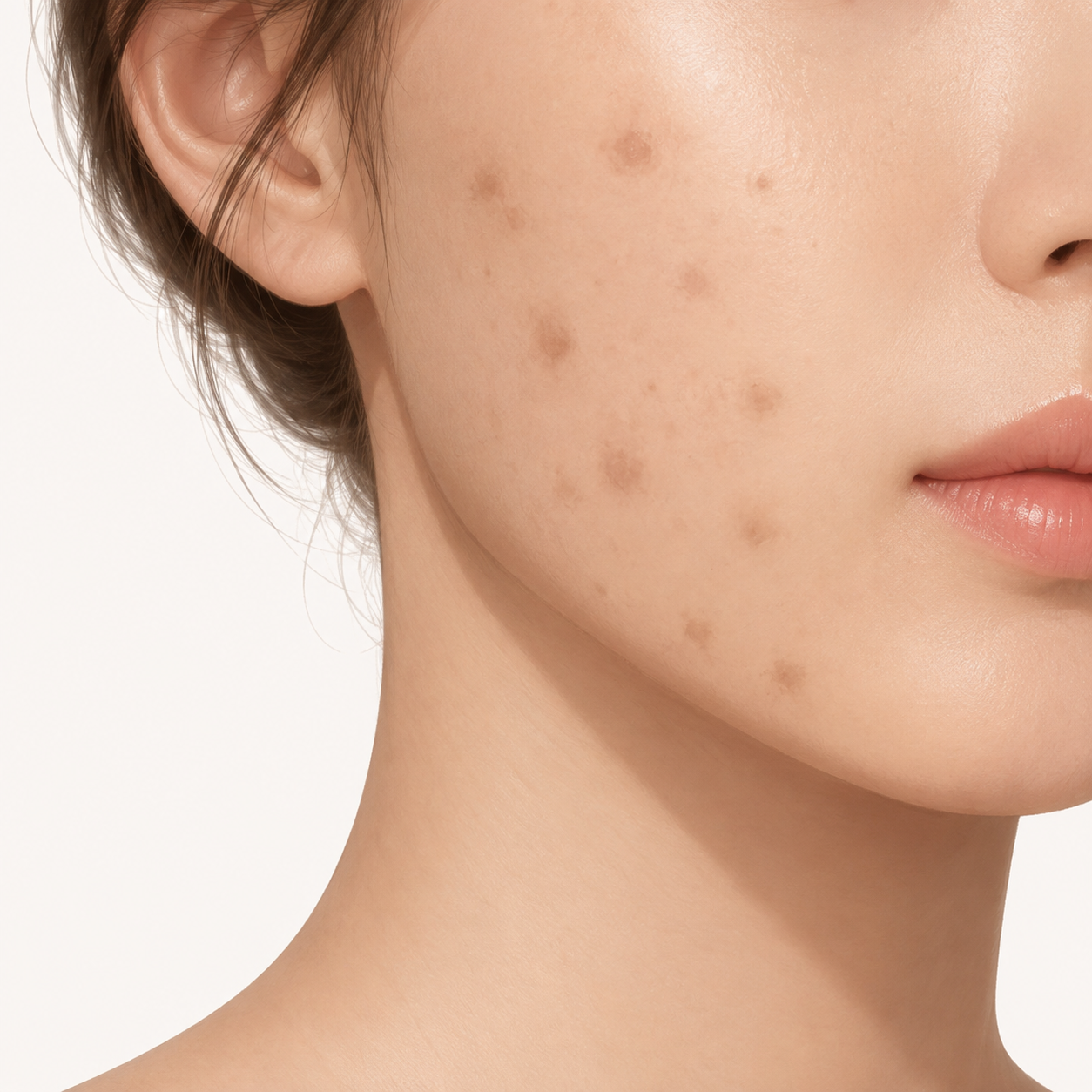
Post-Inflammatory Hyperpigmentation
Brown or dark spots that remain after acne heals. They are caused by increased melanin production during the healing process.
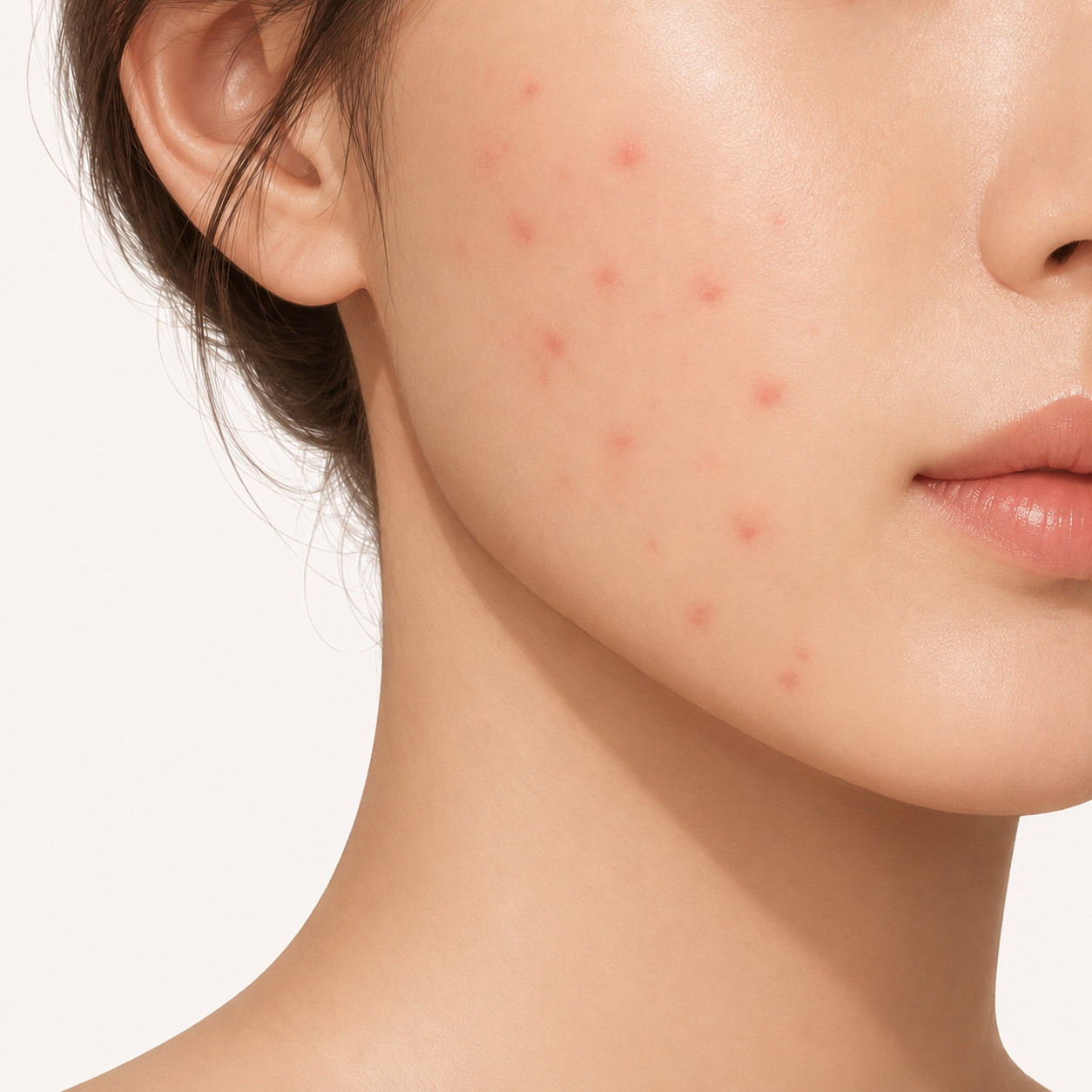
Post-Inflammatory Erythema
Red or pink marks left behind after inflammation. They are related to damaged or enlarged blood vessels, not excess pigment.
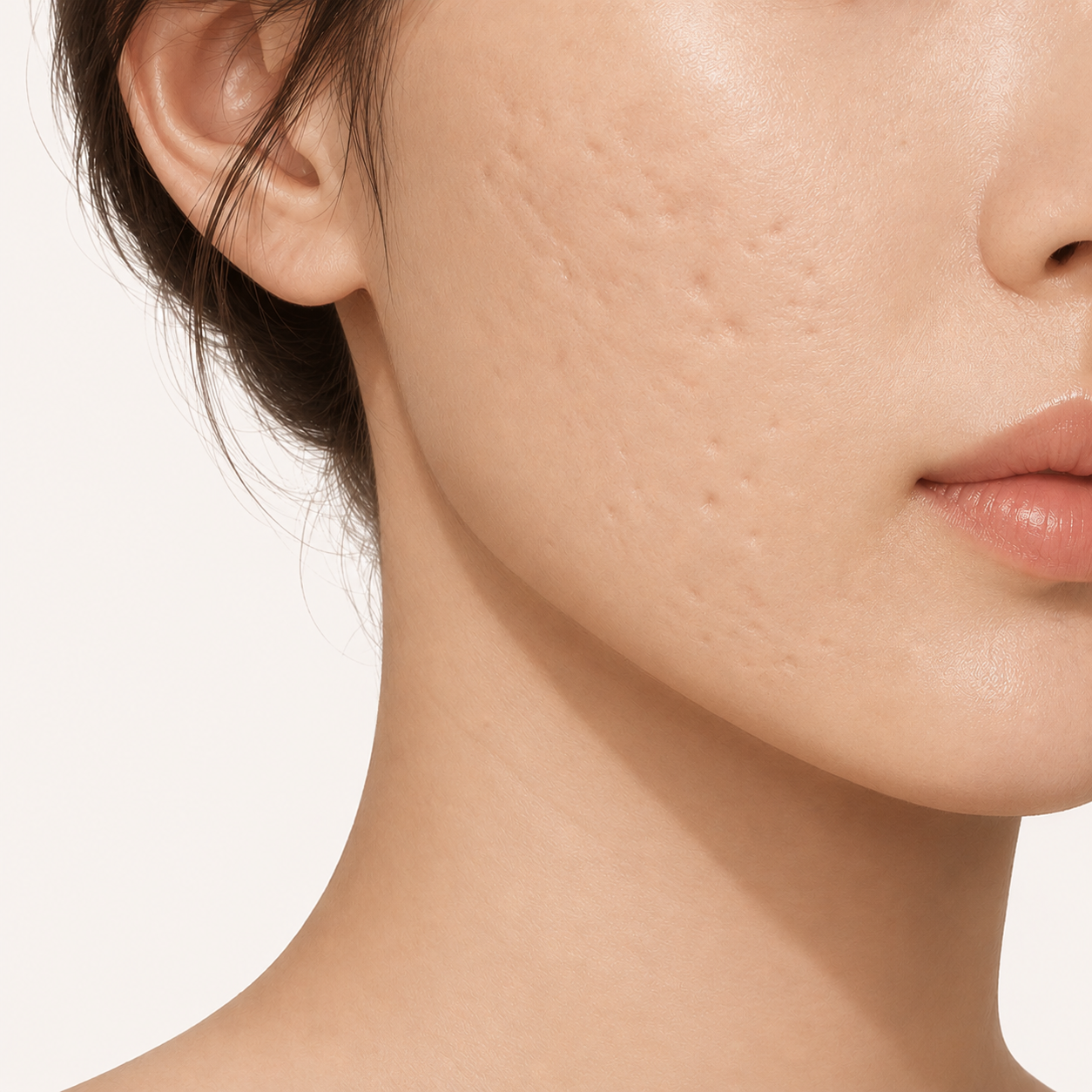
Acne Scars
Permanent changes in skin texture that develop when deeper layers of the skin are damaged during healing.
- Ice Pick Scars
- Boxcar Scars
- Rolling Scars
- Hypertrophic Scars
- Keloid Scars
When Should You See a Dermatologist?
Acne can often be managed with a consistent skincare routine and over-the-counter products. However, some situations require professional evaluation and treatment.
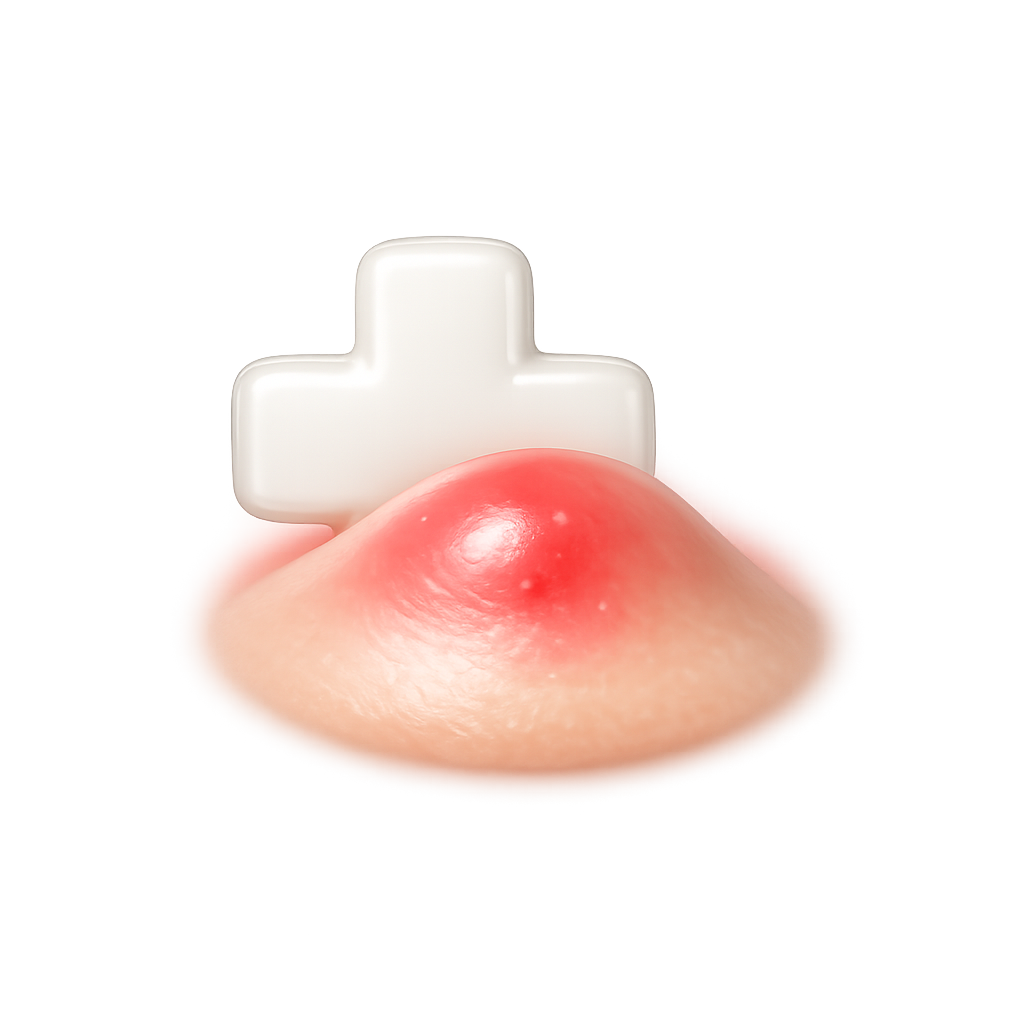
Painful or Severe Acne
If acne becomes painful or severe, professional treatment may help prevent complications.
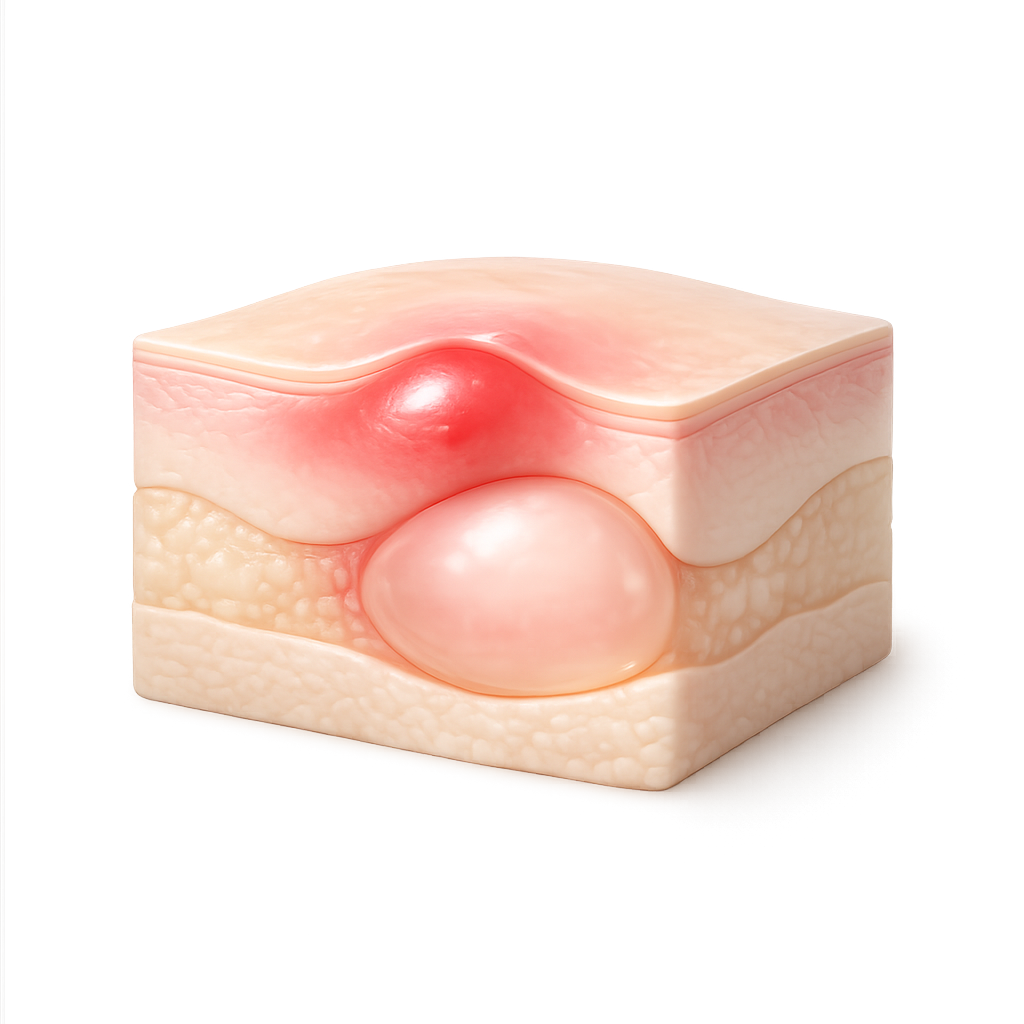
Nodules or Cysts
Deep nodules and cysts have a higher risk of causing permanent scars.
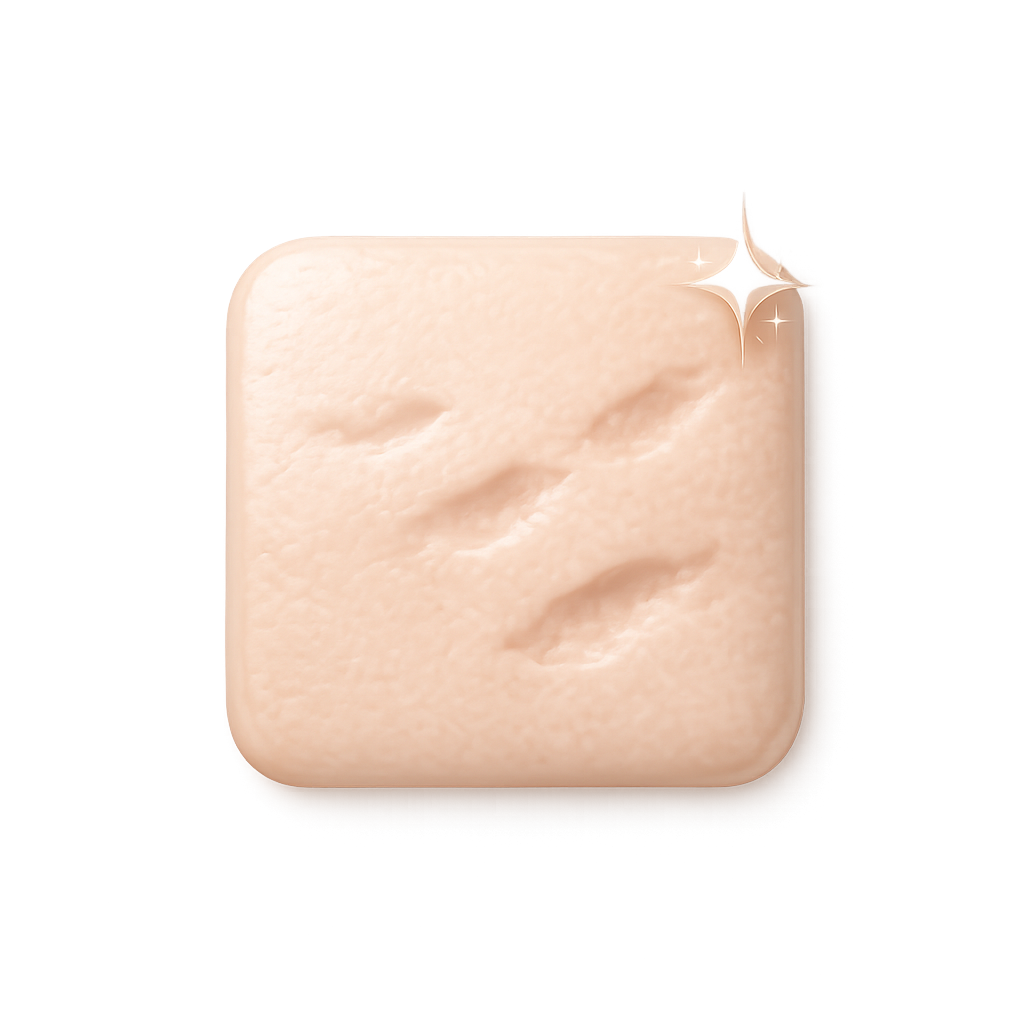
Acne Leaves Scars
Early treatment can reduce the likelihood of long-term scarring.
No Improvement After 2–3 Months
If consistent over-the-counter treatment has not helped after 2–3 months, consult a dermatologist.

Confidence or Emotional Well-being
If acne is affecting your confidence or emotional well-being, seeking professional advice can be beneficial.
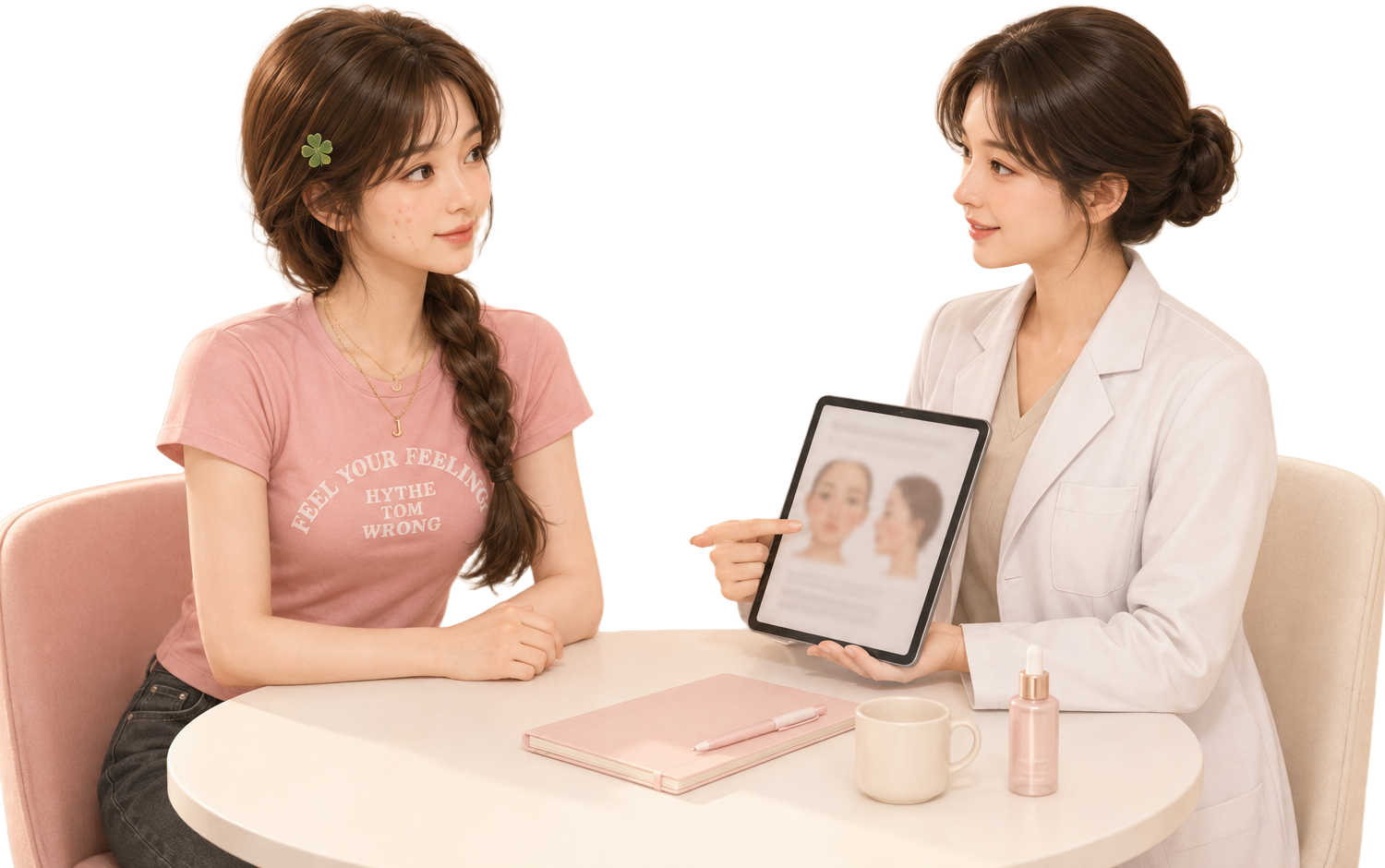

Progress is better than perfection.
Acne doesn't disappear overnight, and that's okay. Be patient with your skin, avoid picking pimples, wear sunscreen every day, and stay consistent with your routine. Healthy habits repeated over time often make the biggest difference.
— Mimii ♡