Acne Develops
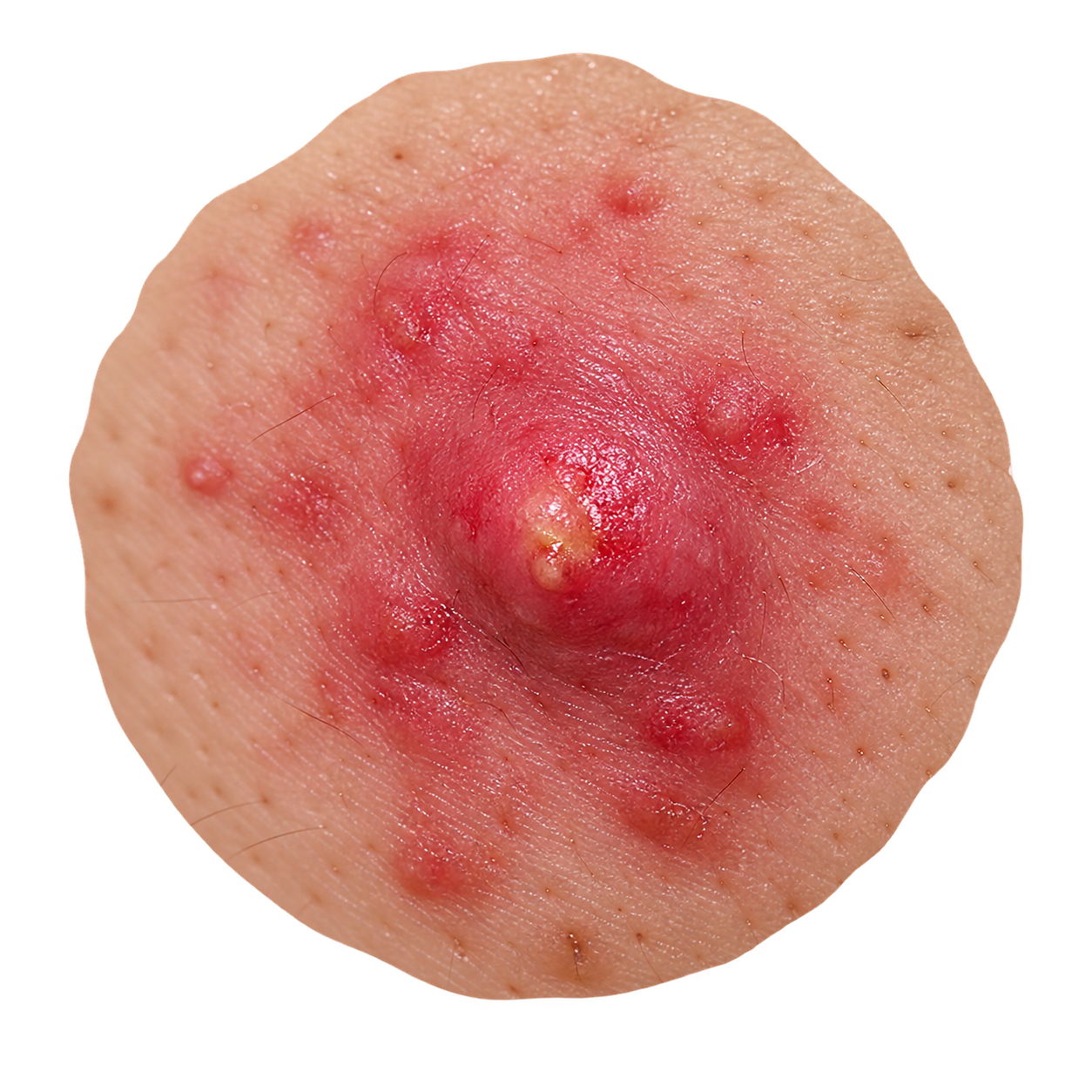
A clogged pore becomes inflamed and forms an acne lesion.
 ×
×
A pimple may disappear, but sometimes the skin doesn't return to exactly the same texture.
Acne scars develop when inflammation damages deeper layers of the skin and the skin heals with a change in its structure. Learn the different types of acne scars, why they form, how they differ from acne marks, and what treatments can help improve their appearance.
Start Learning ↓
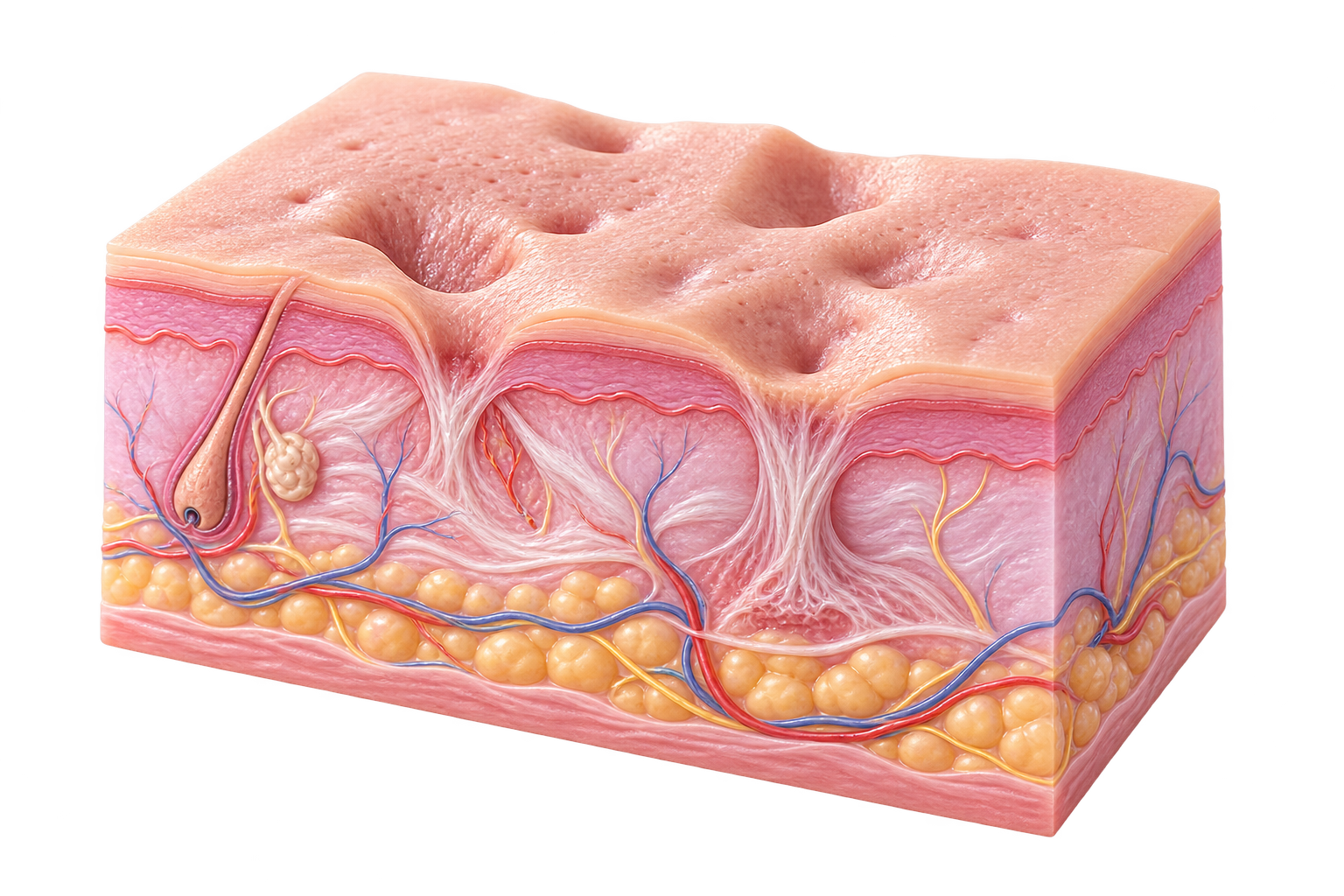
Acne scars are lasting changes in skin texture that develop after acne has damaged the deeper layers of the skin.
They can appear as depressions in the skin or, less commonly, as raised areas of scar tissue.
Acne scars are different from temporary acne marks such as post-inflammatory hyperpigmentation (PIH) and post-inflammatory erythema (PIE).
A dark spot after acne isn't automatically a scar. If the skin's texture hasn't changed, you may be looking at a mark rather than a true scar.
Acne scars usually develop when inflammation reaches deeper into the skin and affects the tissue involved in healing.
A clogged pore becomes inflamed and forms an acne lesion.
Deeper or more severe inflammation can damage surrounding skin tissue.
The body starts repairing the damaged area by producing new tissue.
Too little or too much collagen may be produced during the healing process.
The repaired area may become depressed or raised, creating a lasting acne scar.
Acne scars are generally divided into depressed scars and raised scars.
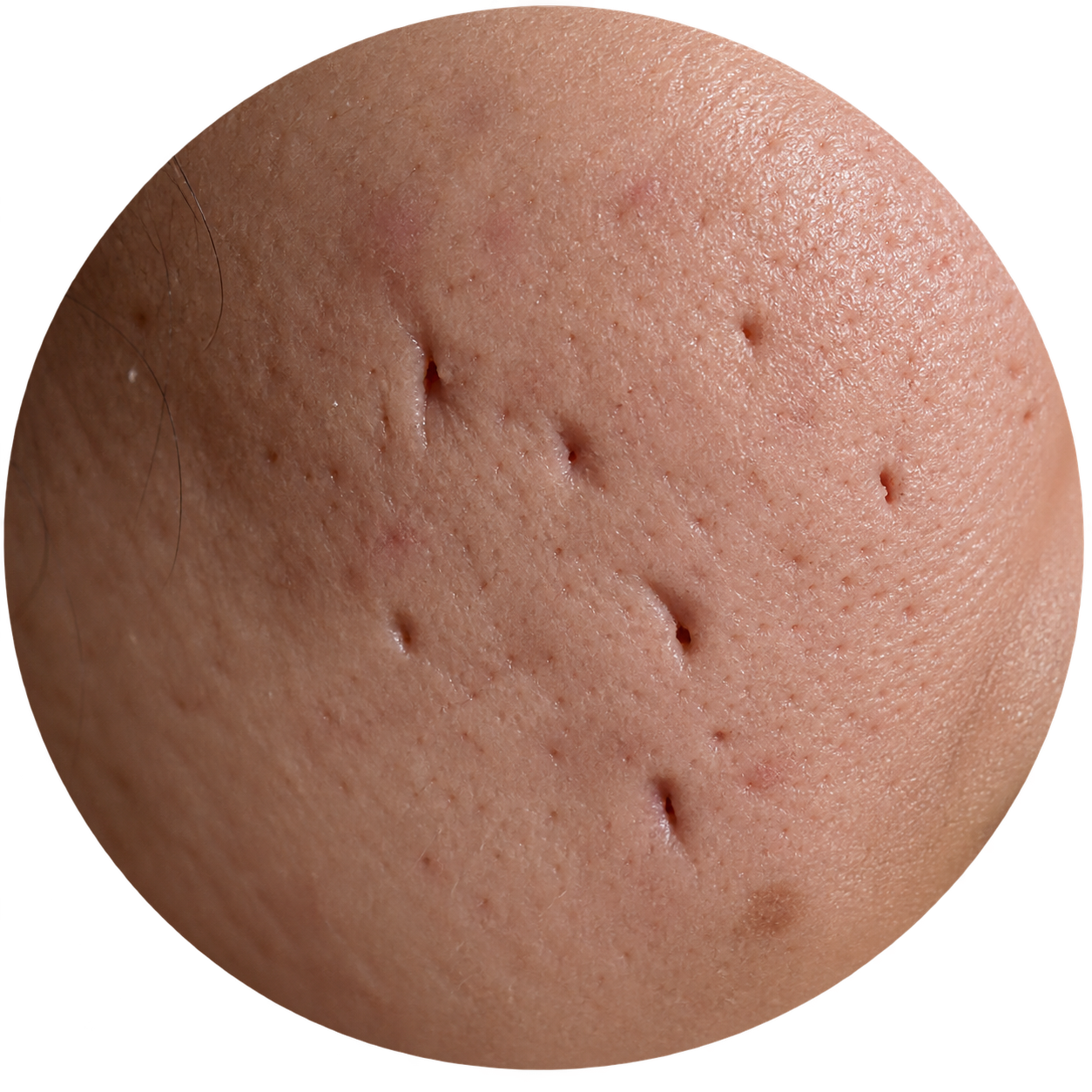
Small, narrow, deep depressions that extend into the skin.
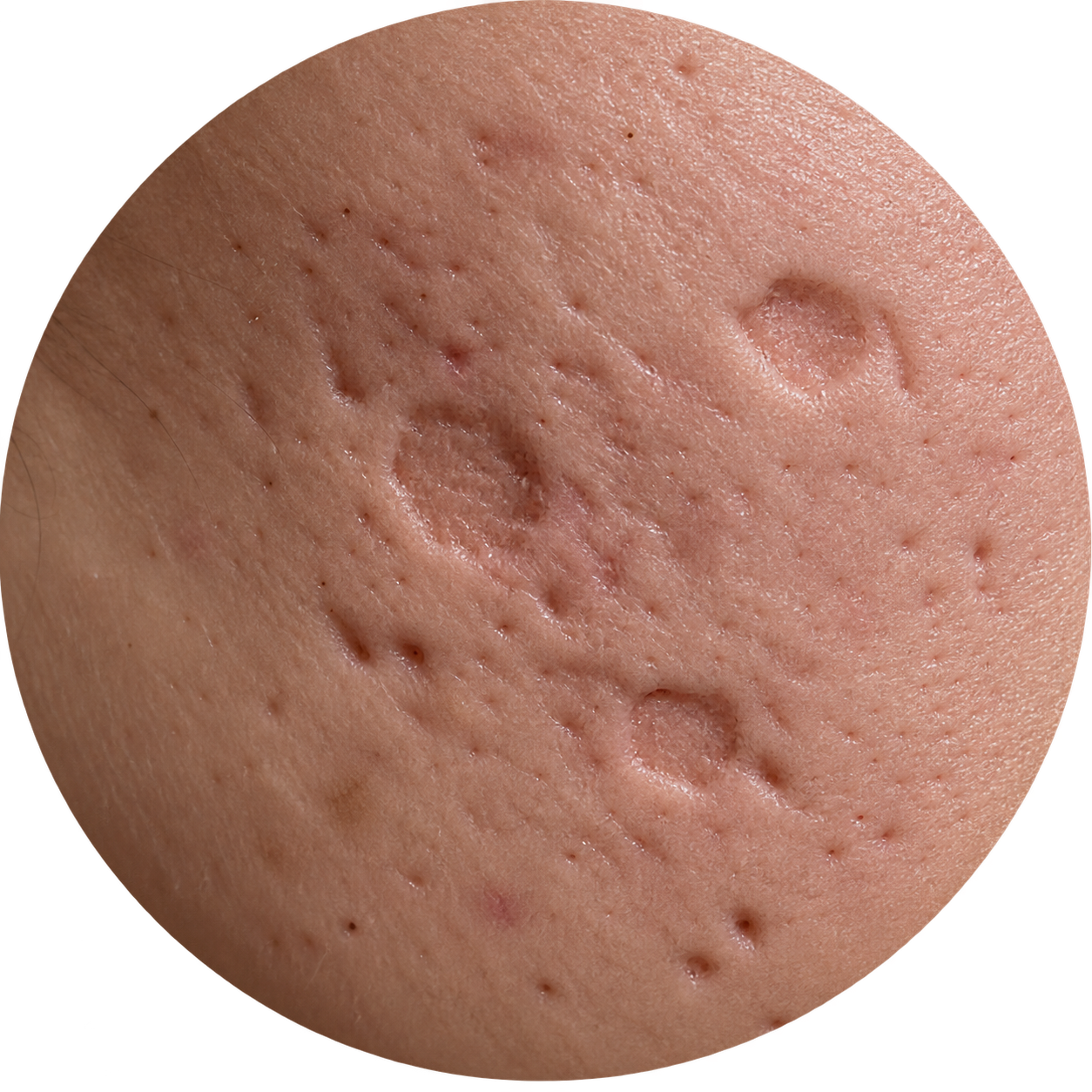
Wider depressions with relatively defined edges. They can be shallow or deep.
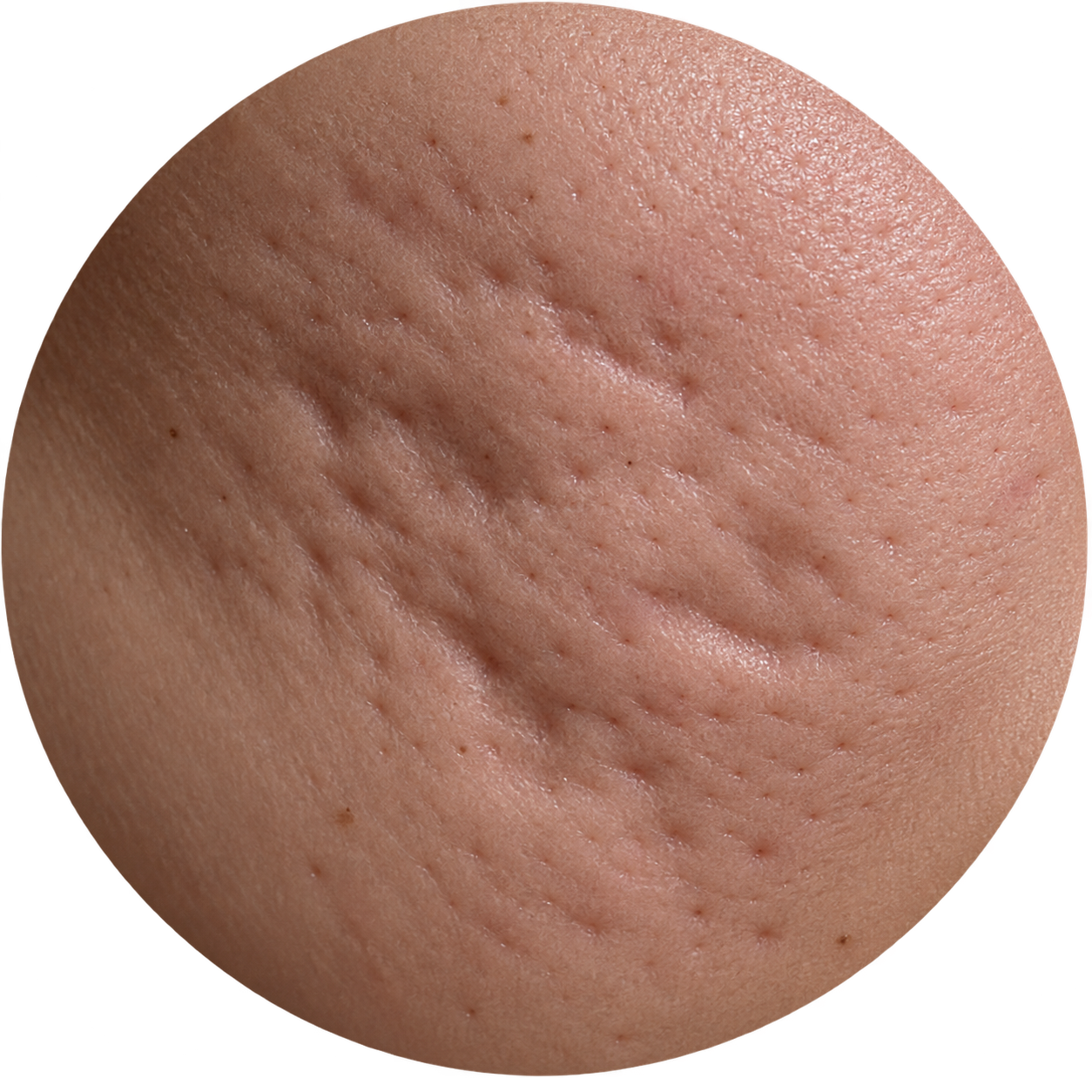
Broad depressions with softer, rounded edges that create an uneven or wavy appearance.
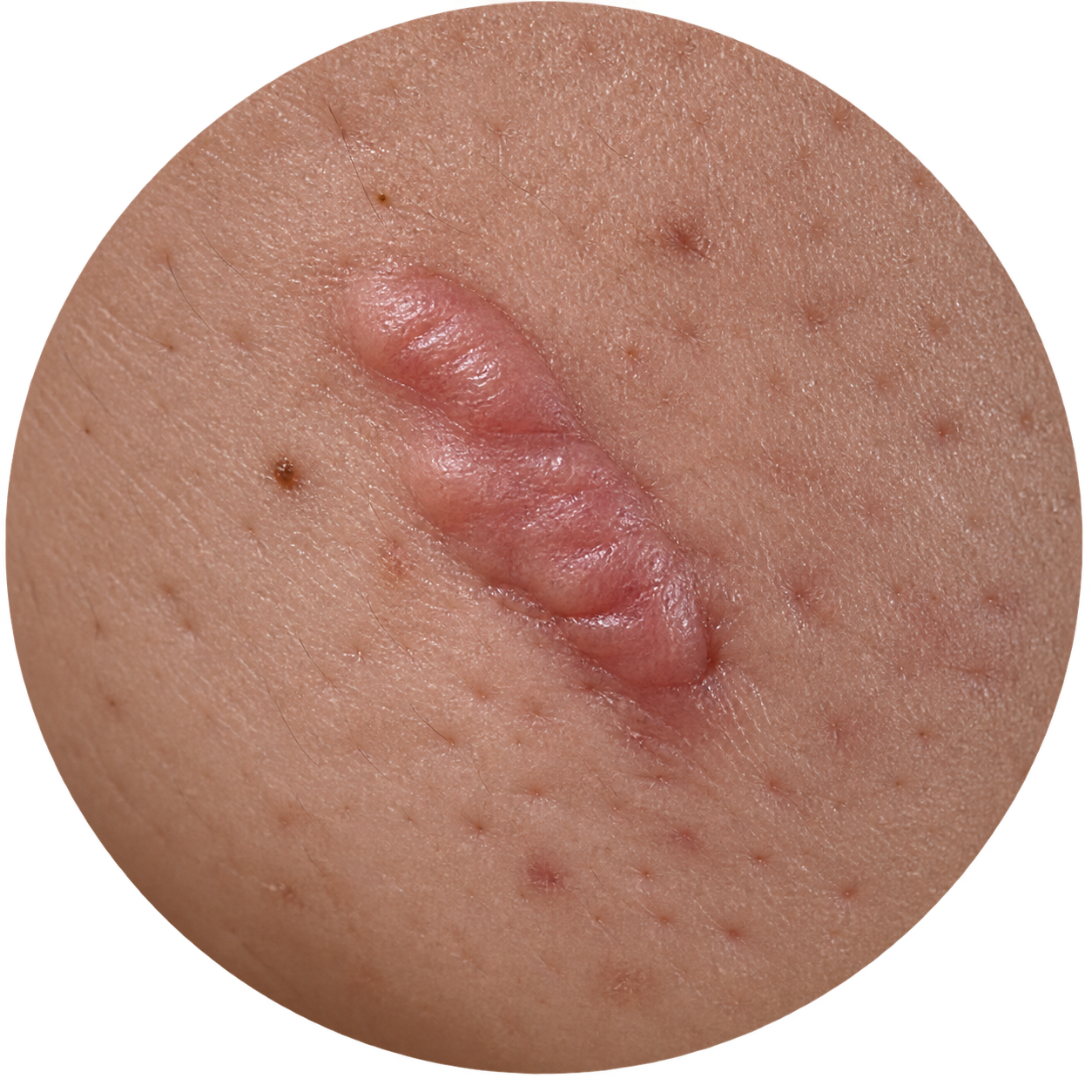
Raised scars caused by excess scar tissue. They remain within the boundaries of the original acne lesion.
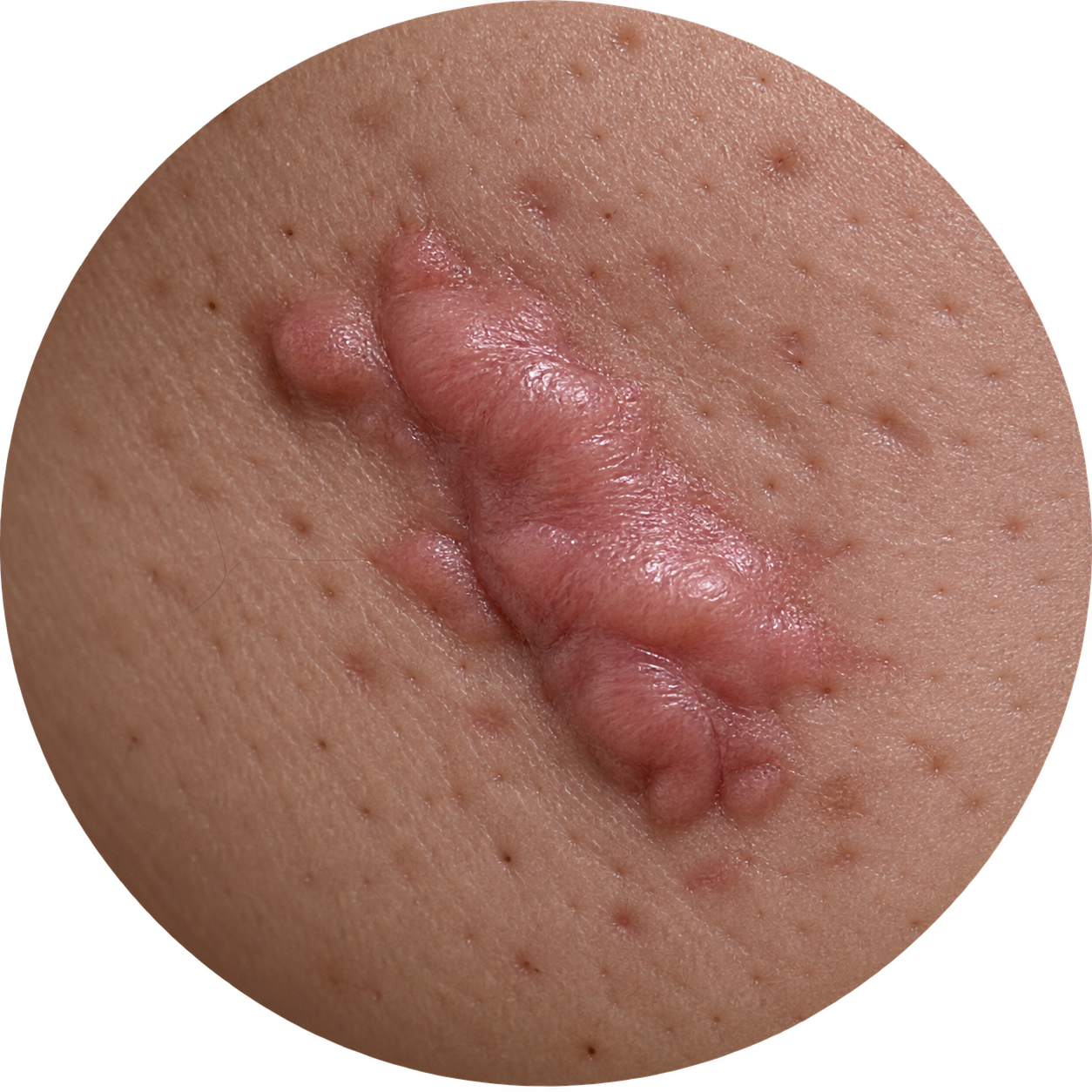
Raised scar tissue that grows beyond the original area of skin injury.
Not all acne scars look the same, so one treatment won't necessarily work equally well for every type.
The two major categories of acne scars develop in different ways.
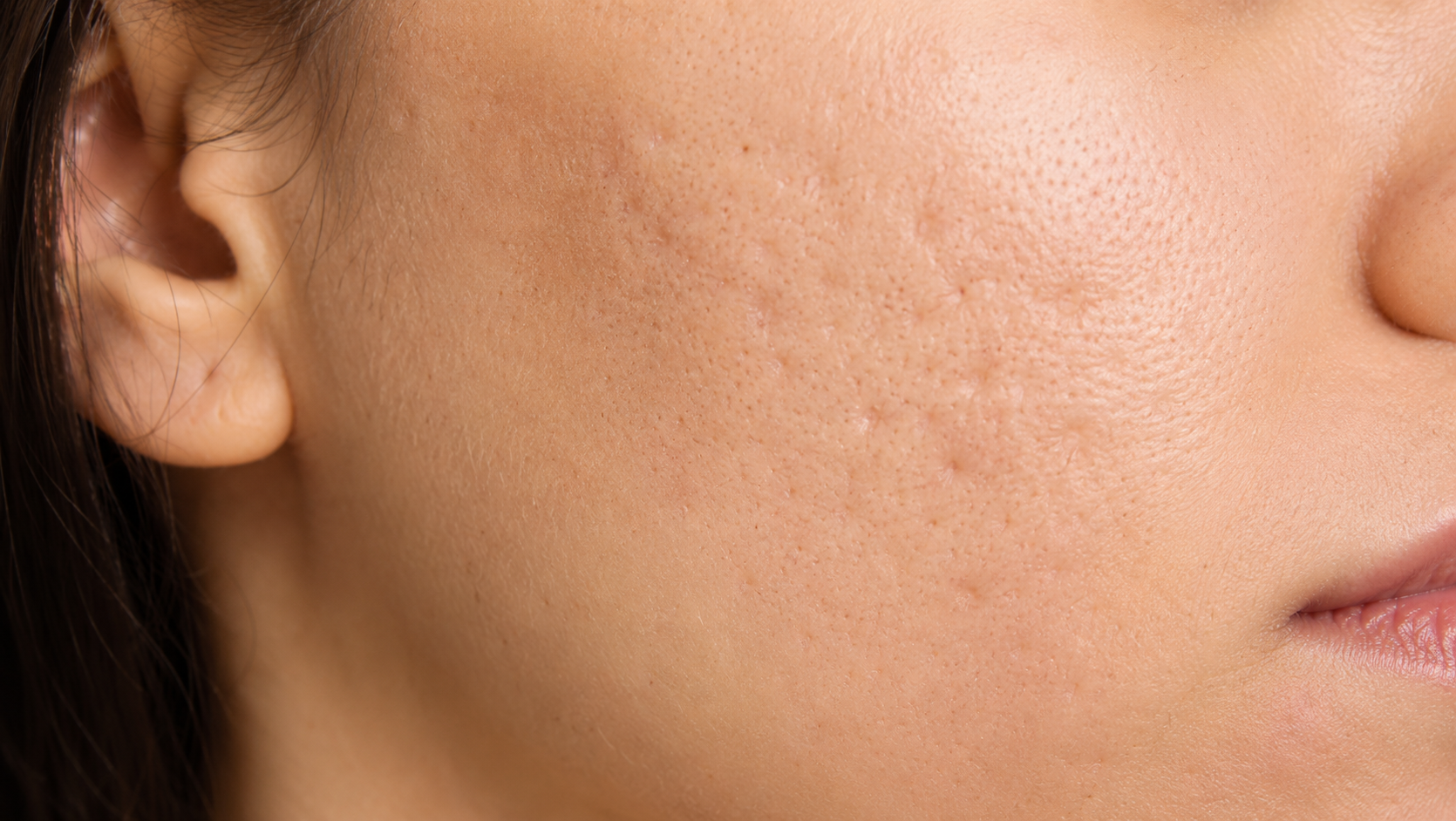
They occur when too little supporting tissue is produced during healing, leaving an indentation in the skin.
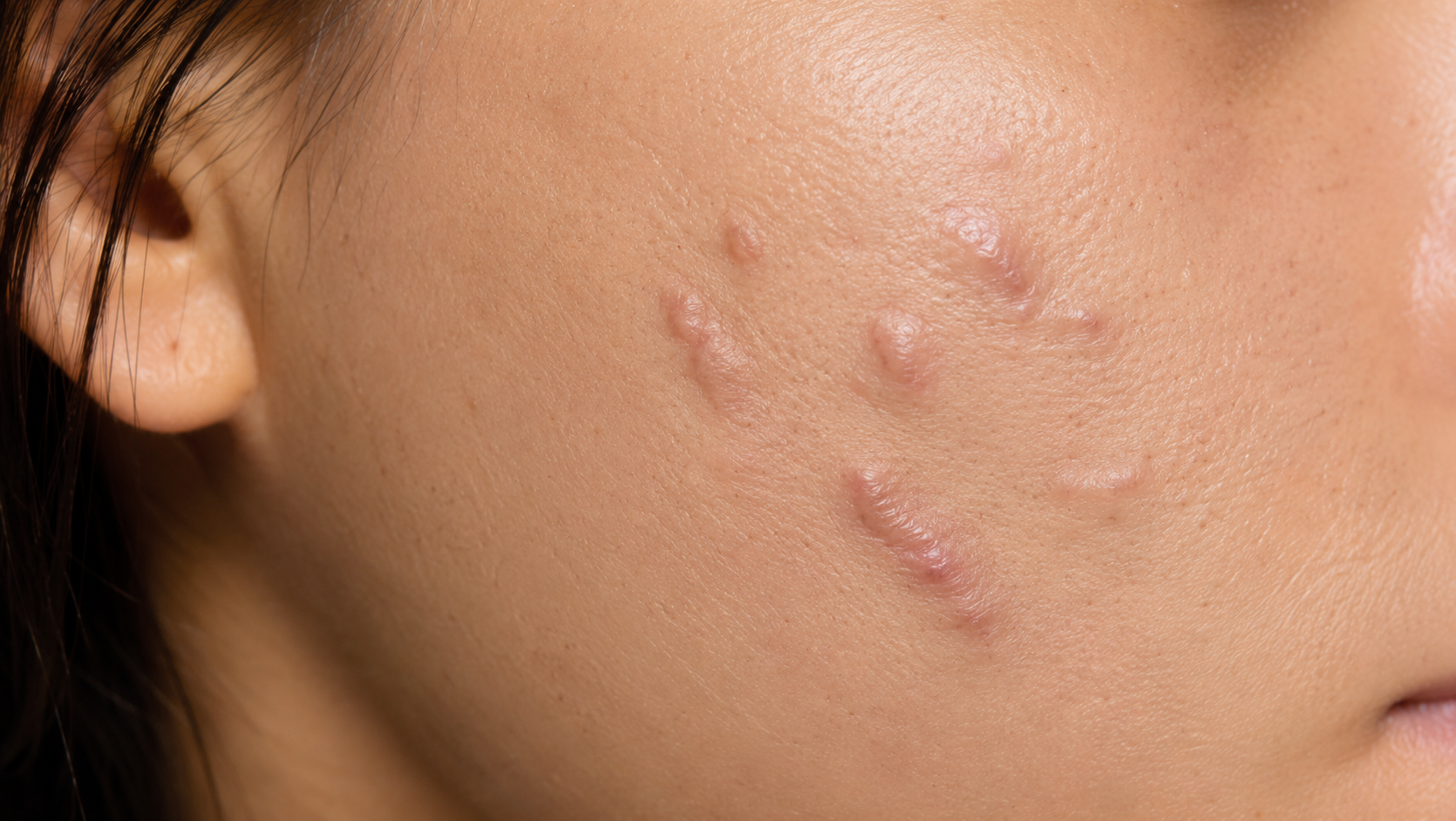
These occur when excess scar tissue develops during healing.
If you can feel an indentation or raised area when you gently move your fingers over the skin, you're looking at a texture change rather than simply a color change.
This is one of the most important differences to understand.
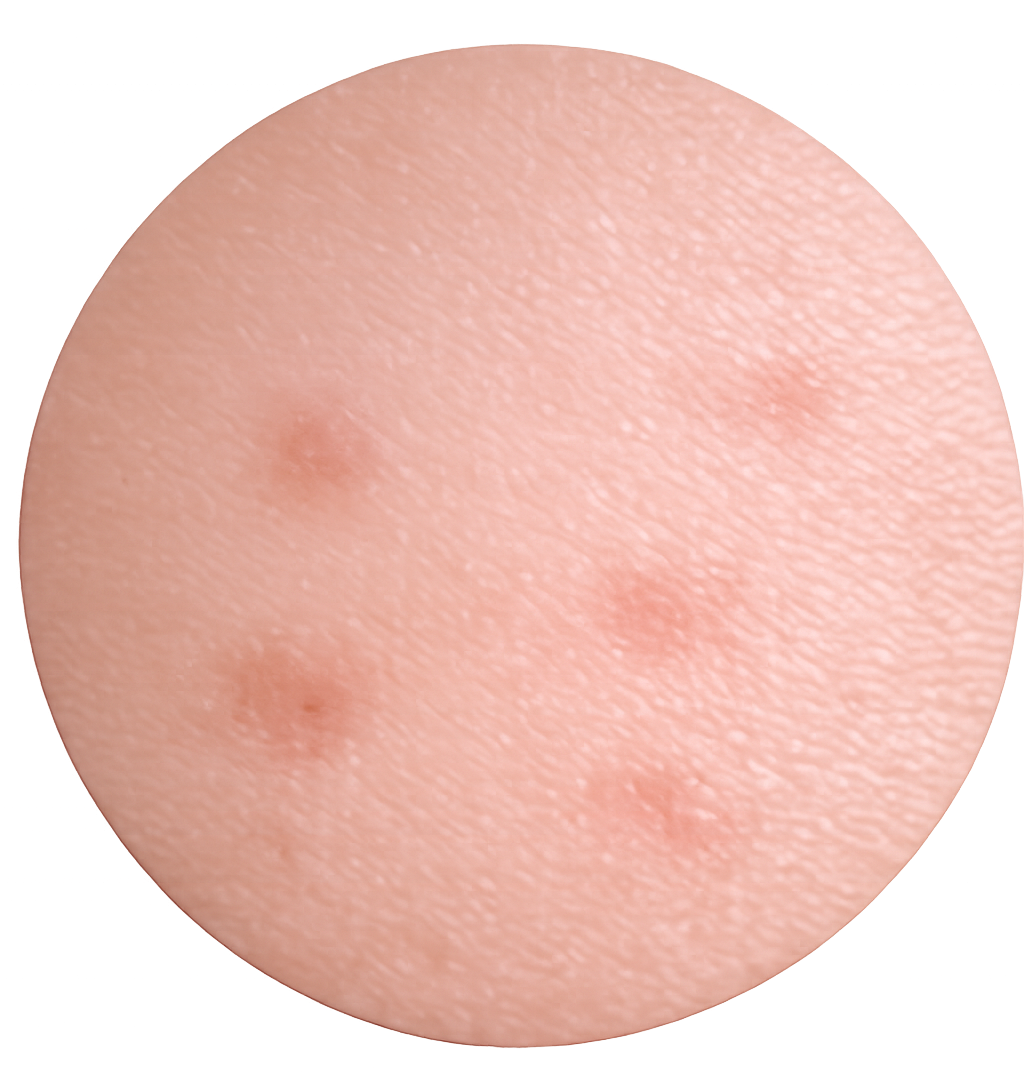
Color has changed.
PIH can leave brown or dark spots, while PIE can leave red or pink marks.
The skin's texture remains relatively flat.
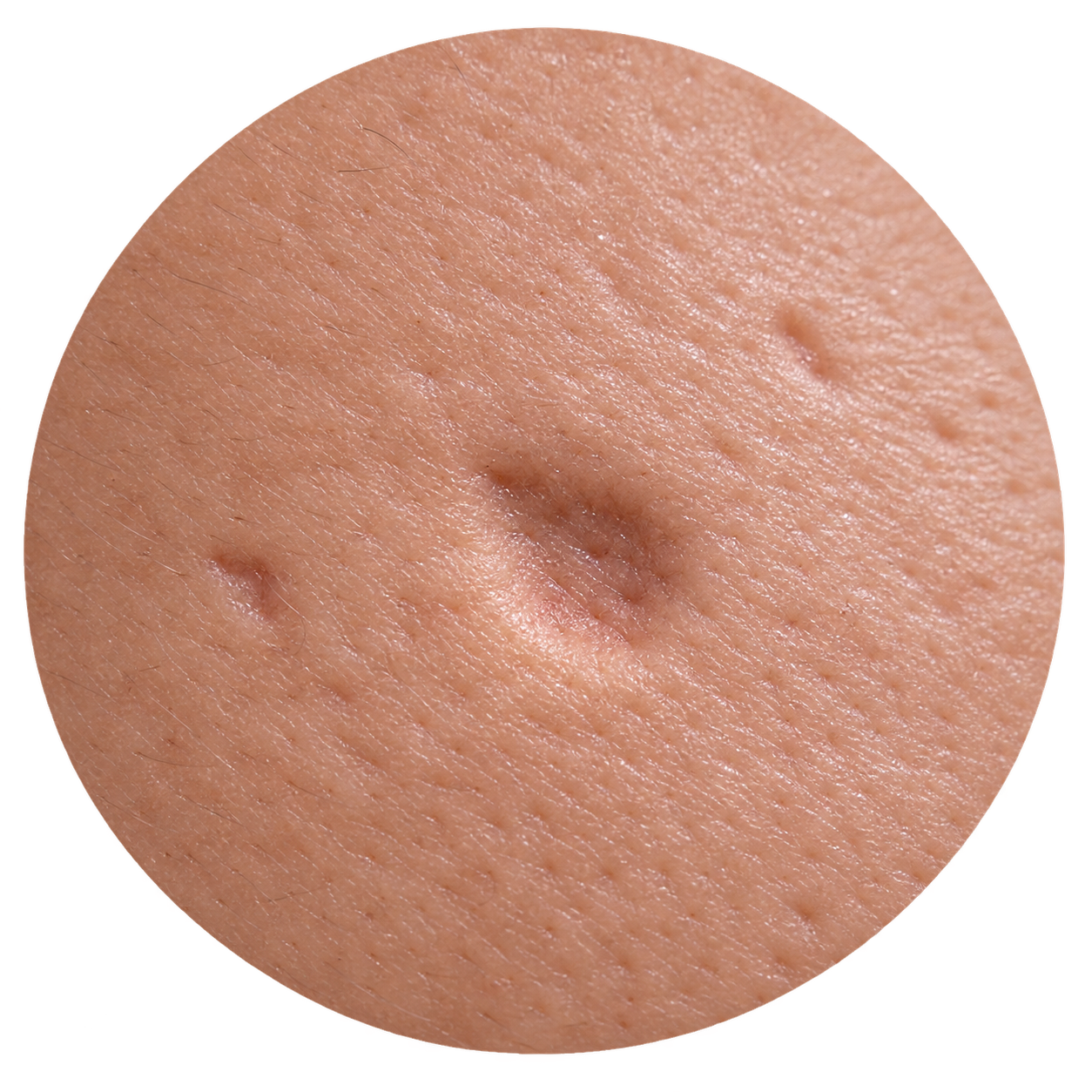
Texture has changed.
The skin may have a depression, indentation, or raised area caused by changes in the deeper skin tissue.
Marks = color • Scars = texture
Not everyone who gets acne develops scars. Several factors can influence the risk.
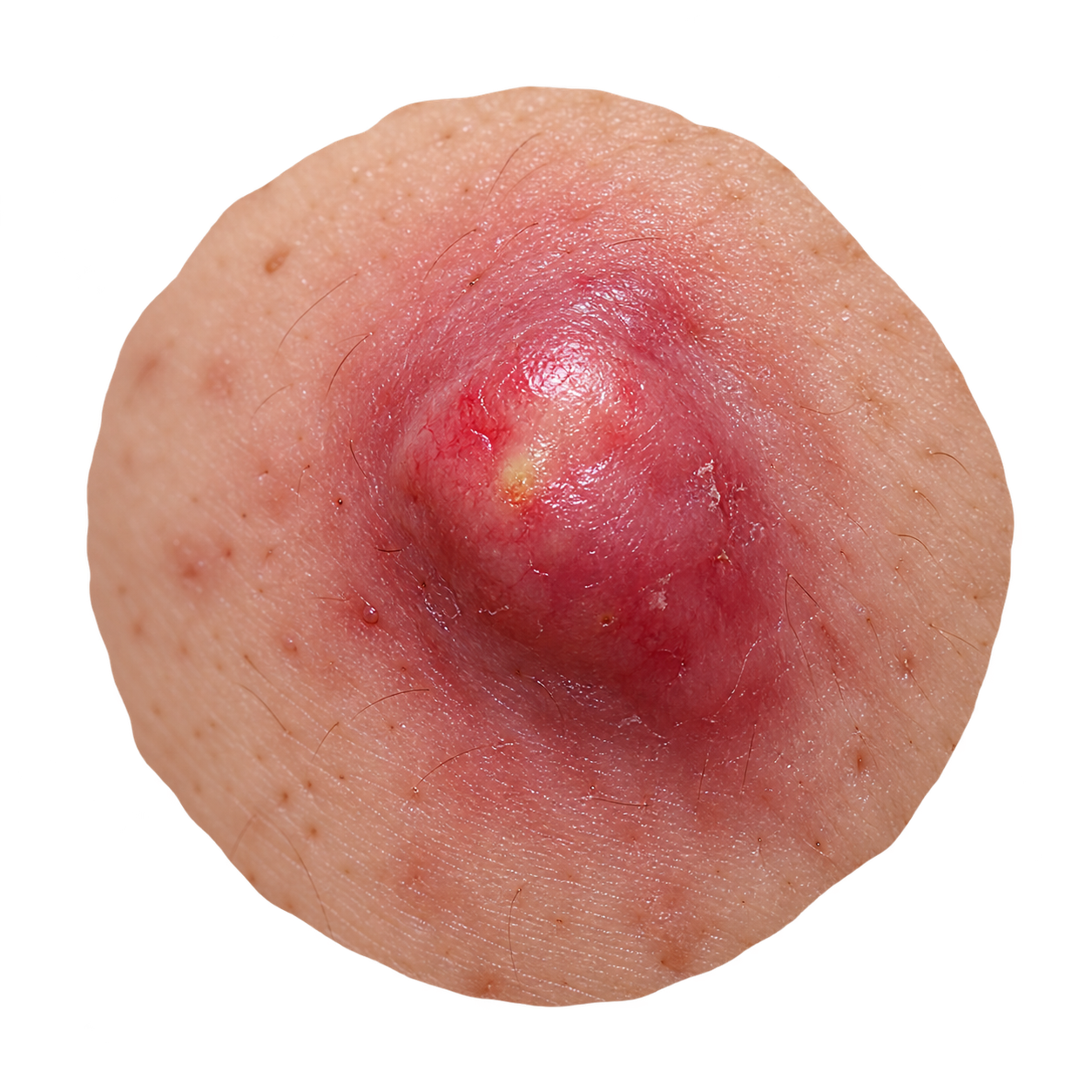
Nodules and cysts can cause deeper inflammation and are more likely to leave scars.
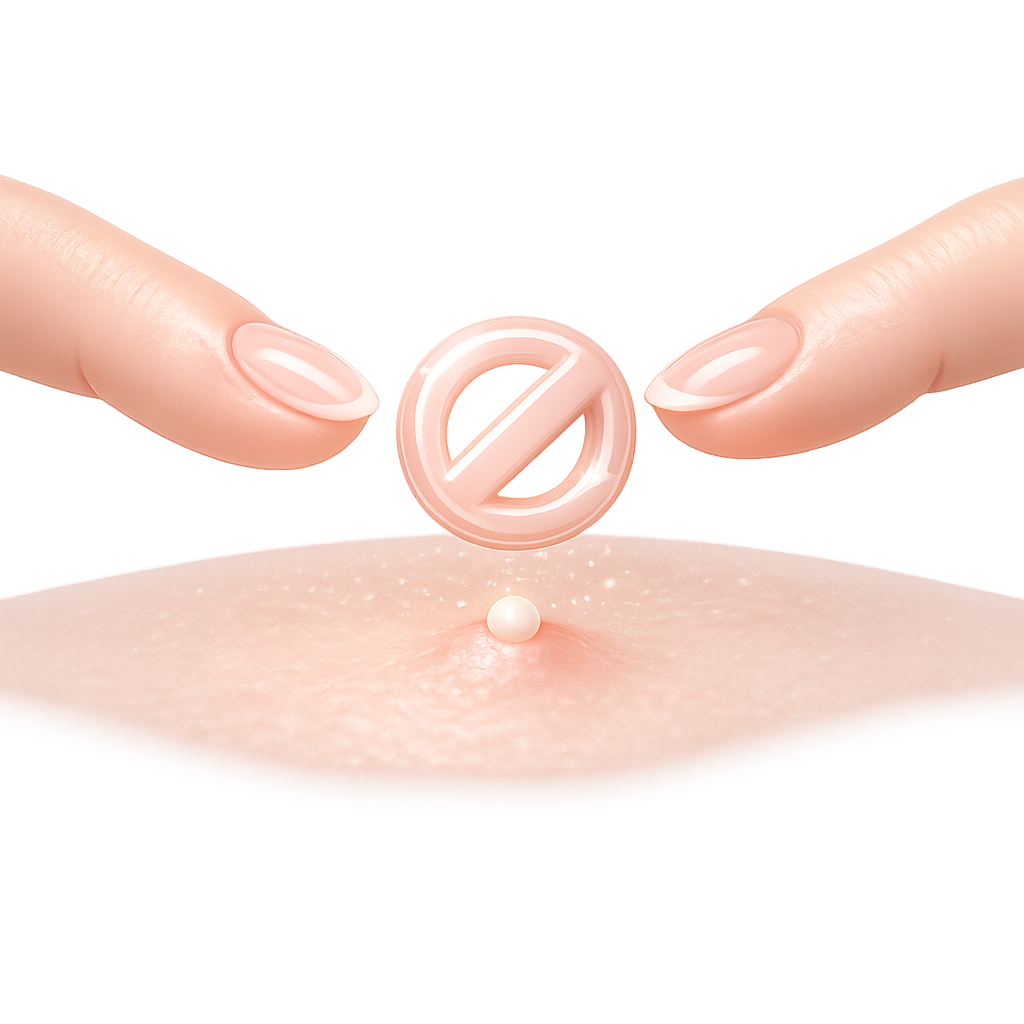
Manipulating acne can increase inflammation and cause additional injury to the skin.
Acne that remains inflamed for a long time can increase tissue damage.
Persistent or severe acne that isn't treated appropriately can increase the chance of scarring.
Some people are naturally more prone to developing certain types of scars.
Acne scars can develop anywhere acne has caused significant inflammation.
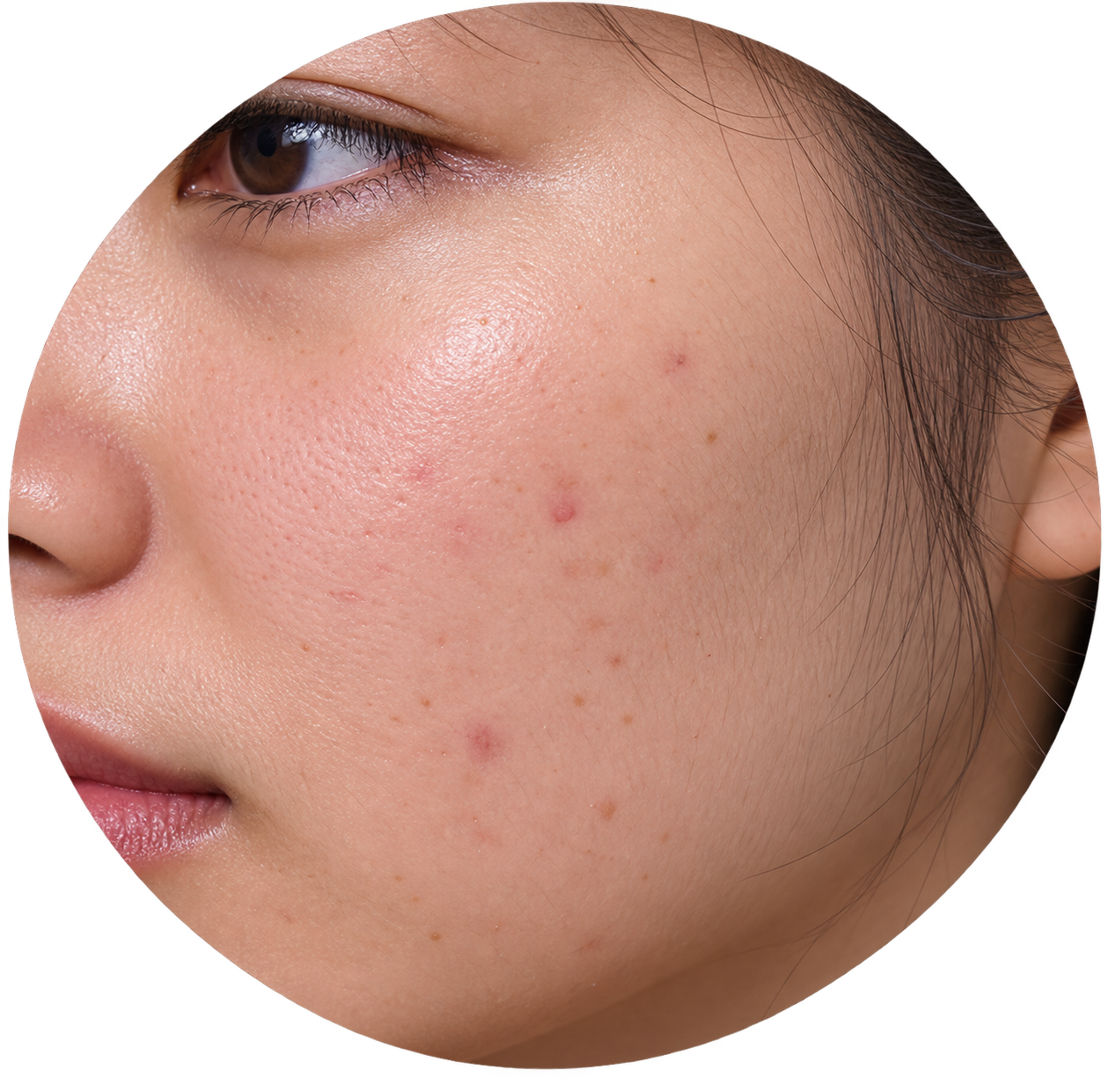
The cheeks are a common location for acne scars, particularly after deeper acne.
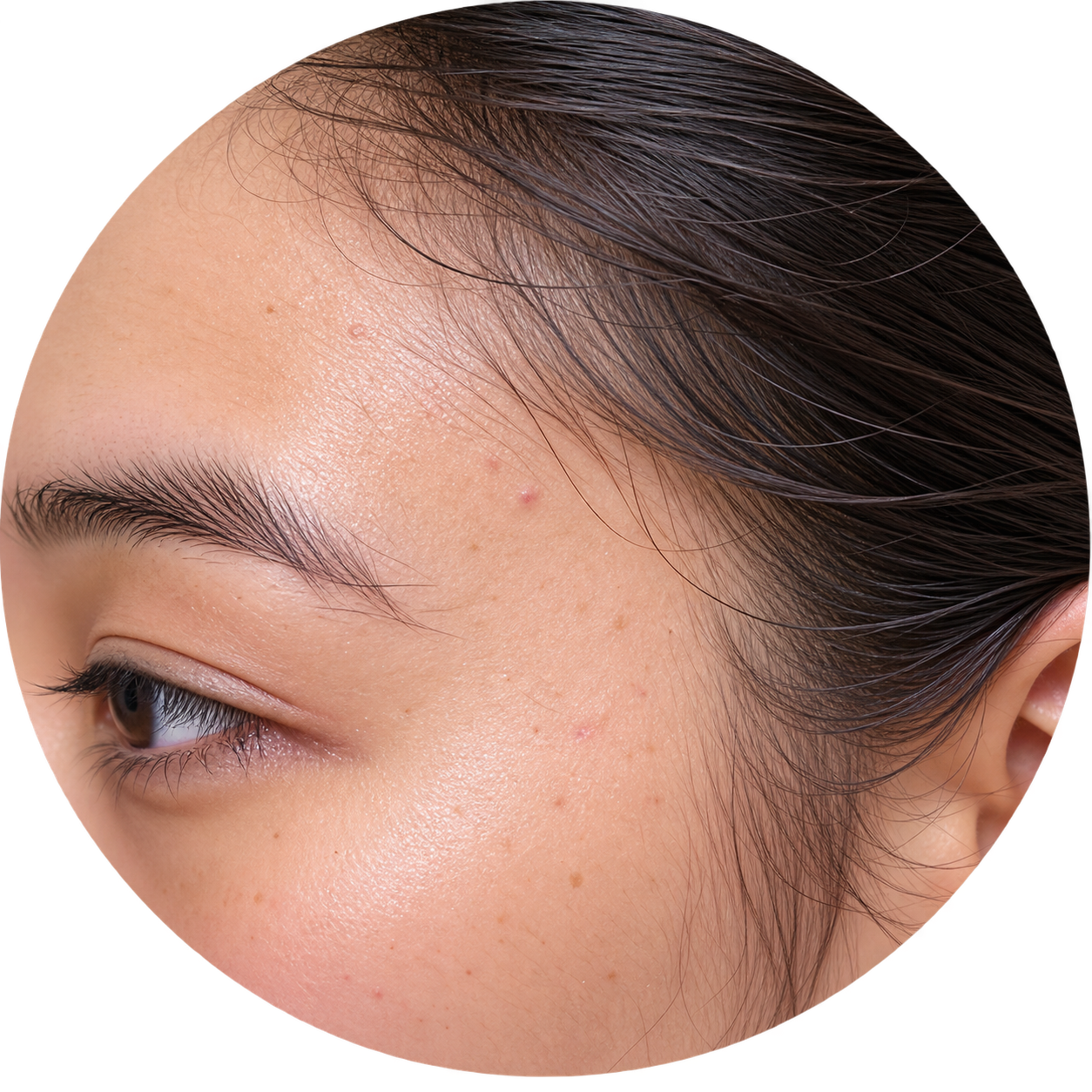
Repeated inflammatory breakouts around the temples can sometimes leave textured scars.
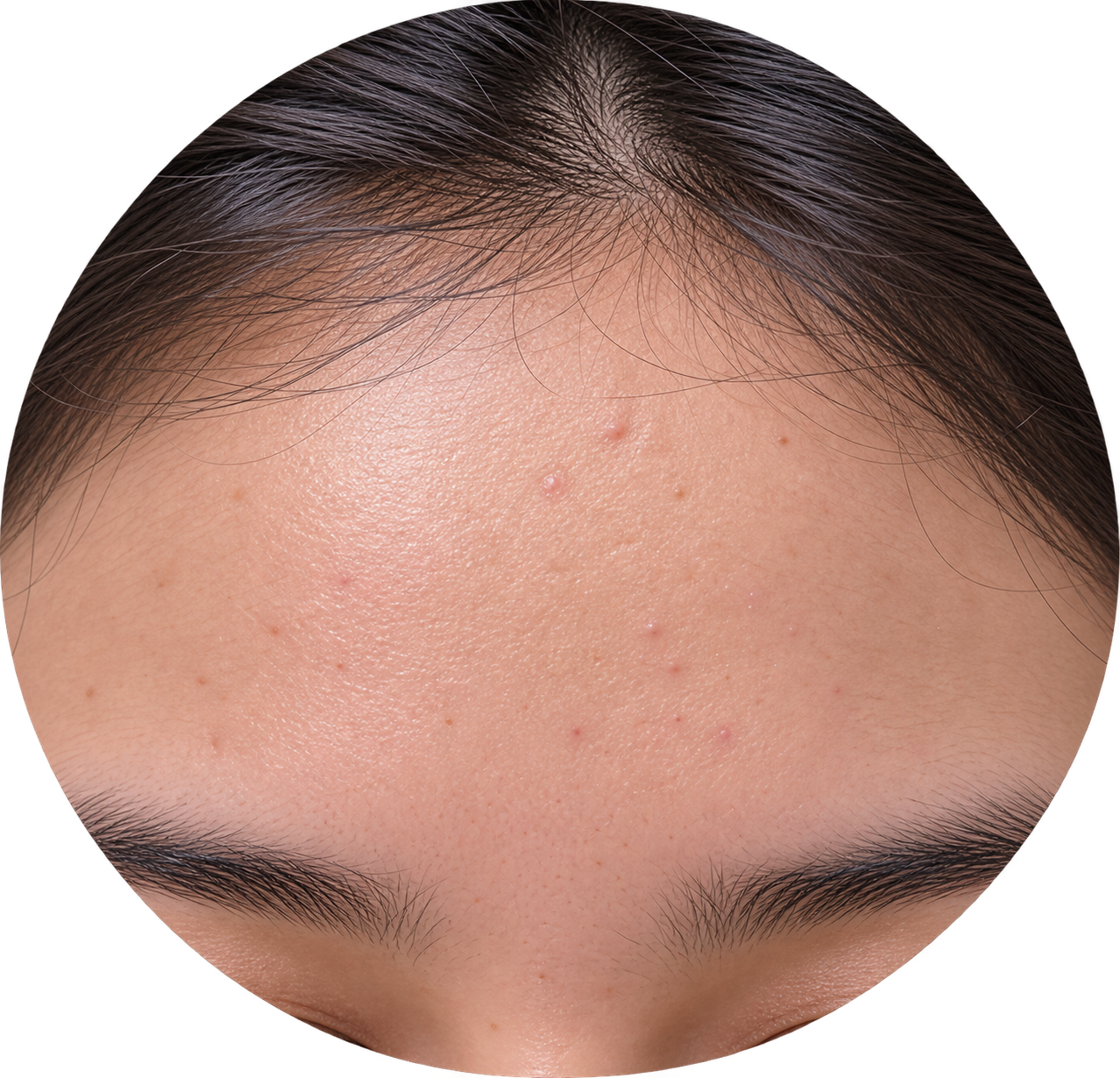
Scarring may develop after persistent or severe acne.
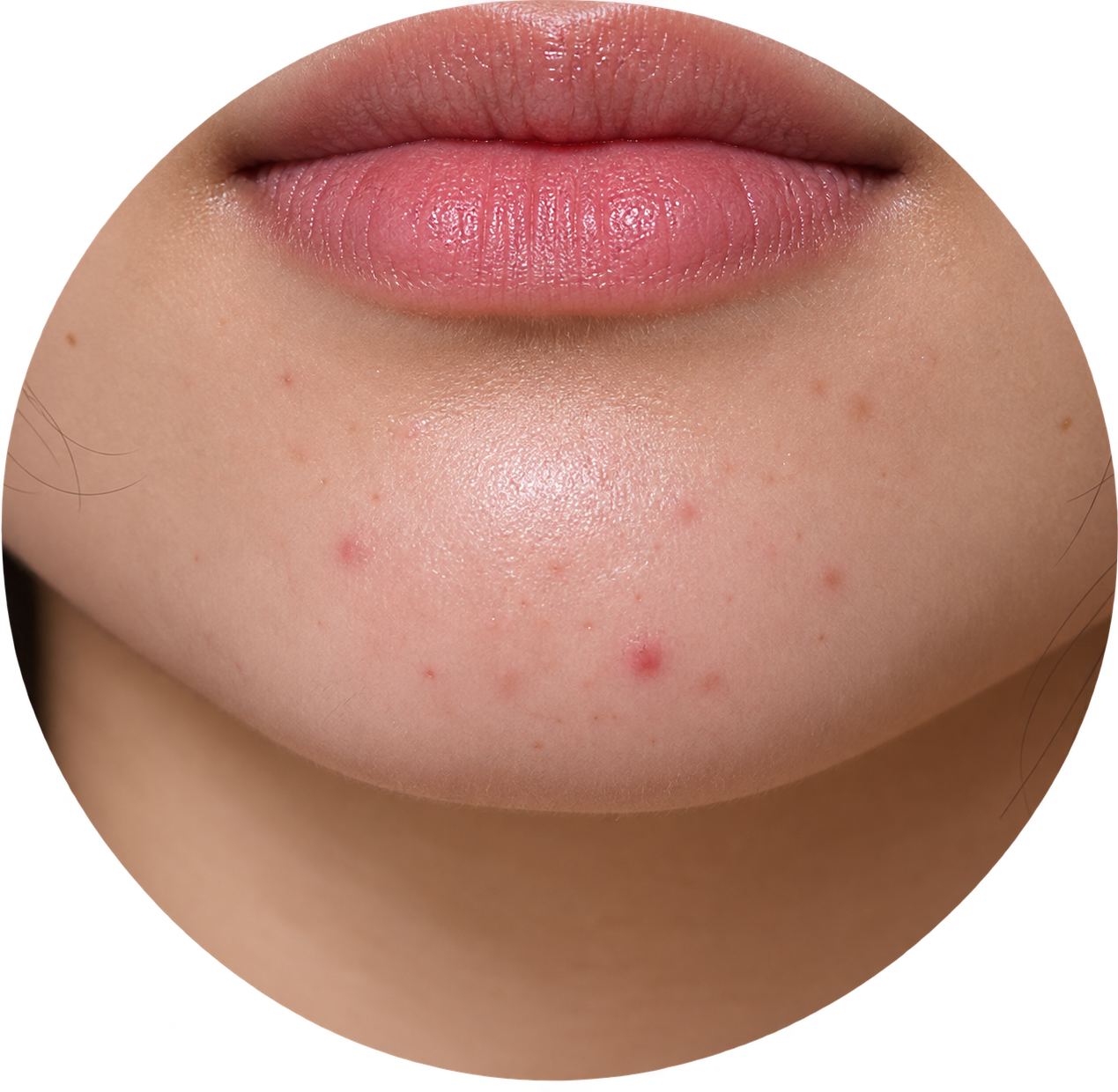
Inflammatory acne around the chin can sometimes leave lasting texture changes.
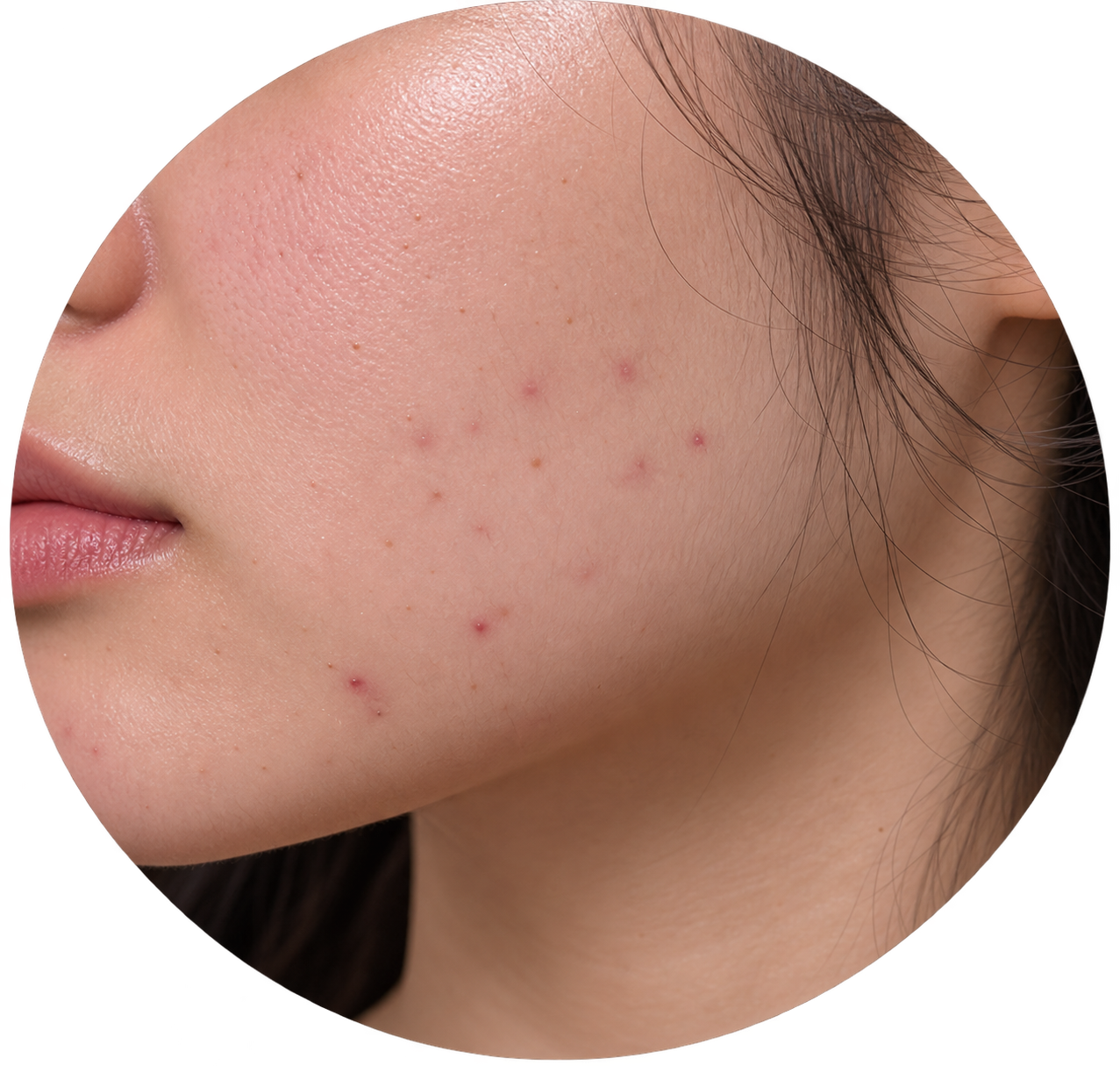
Deep or recurring acne along the jawline may leave scars after healing.
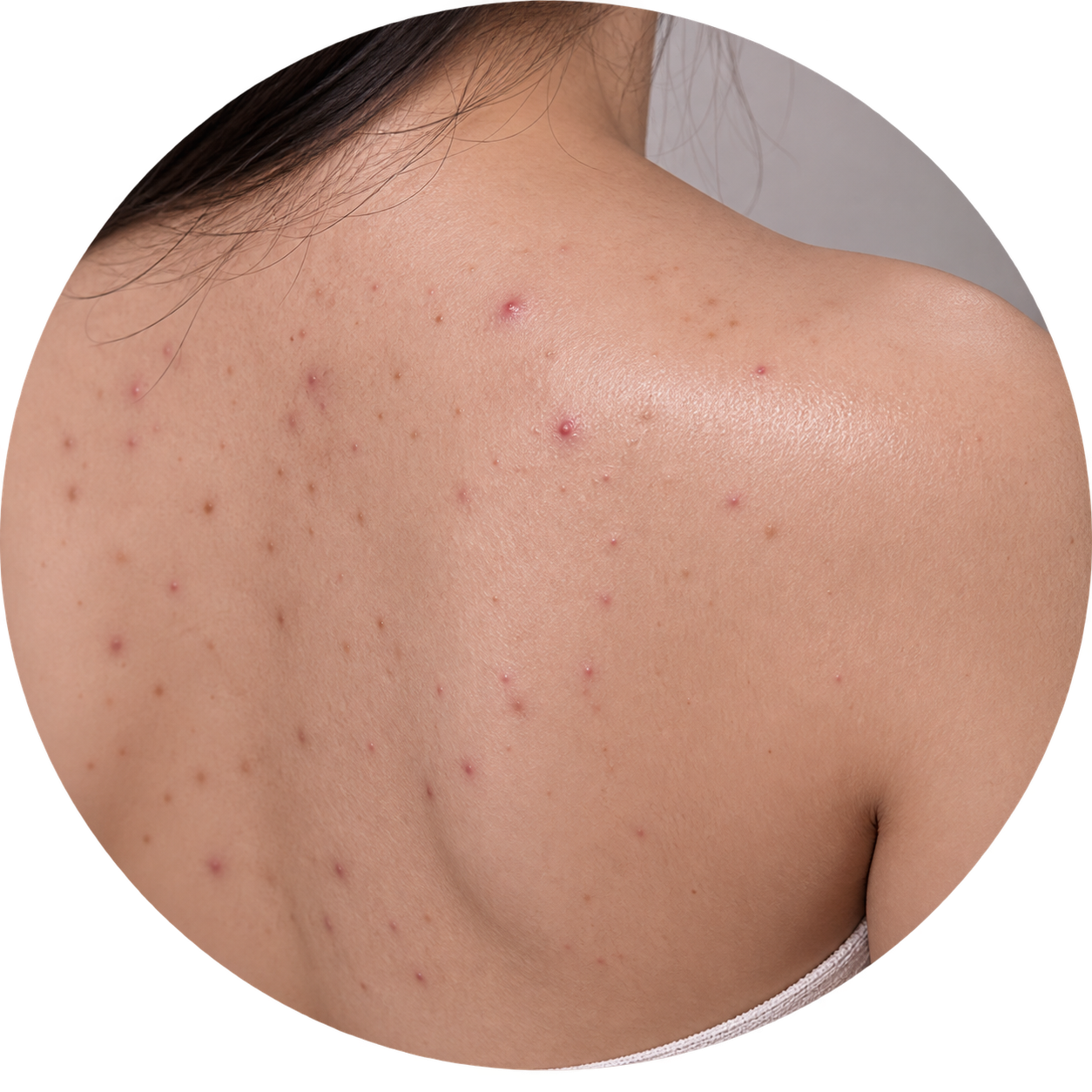
Body acne can also cause both depressed and raised scars.
There is no guaranteed way to prevent every acne scar, but reducing inflammation and treating acne early can lower the risk.
Controlling active acne helps reduce prolonged inflammation.
Leaving acne alone reduces unnecessary trauma to the skin.
Daily sunscreen helps prevent scars and accompanying dark marks from becoming more noticeable.
Avoid excessive scrubbing and irritation, especially when acne is active.

Deep nodules and cysts have a higher risk of scarring and may need professional treatment.
Some ingredients can help improve mild textural changes or the appearance of associated discoloration, but established depressed or raised scars usually require professional treatment for significant improvement.
Can encourage skin-cell turnover and support collagen-related processes. They may help improve the appearance of some mild acne scarring over time.
Helps support collagen production and can help with uneven pigmentation left after acne.
Can help manage acne and post-inflammatory discoloration.
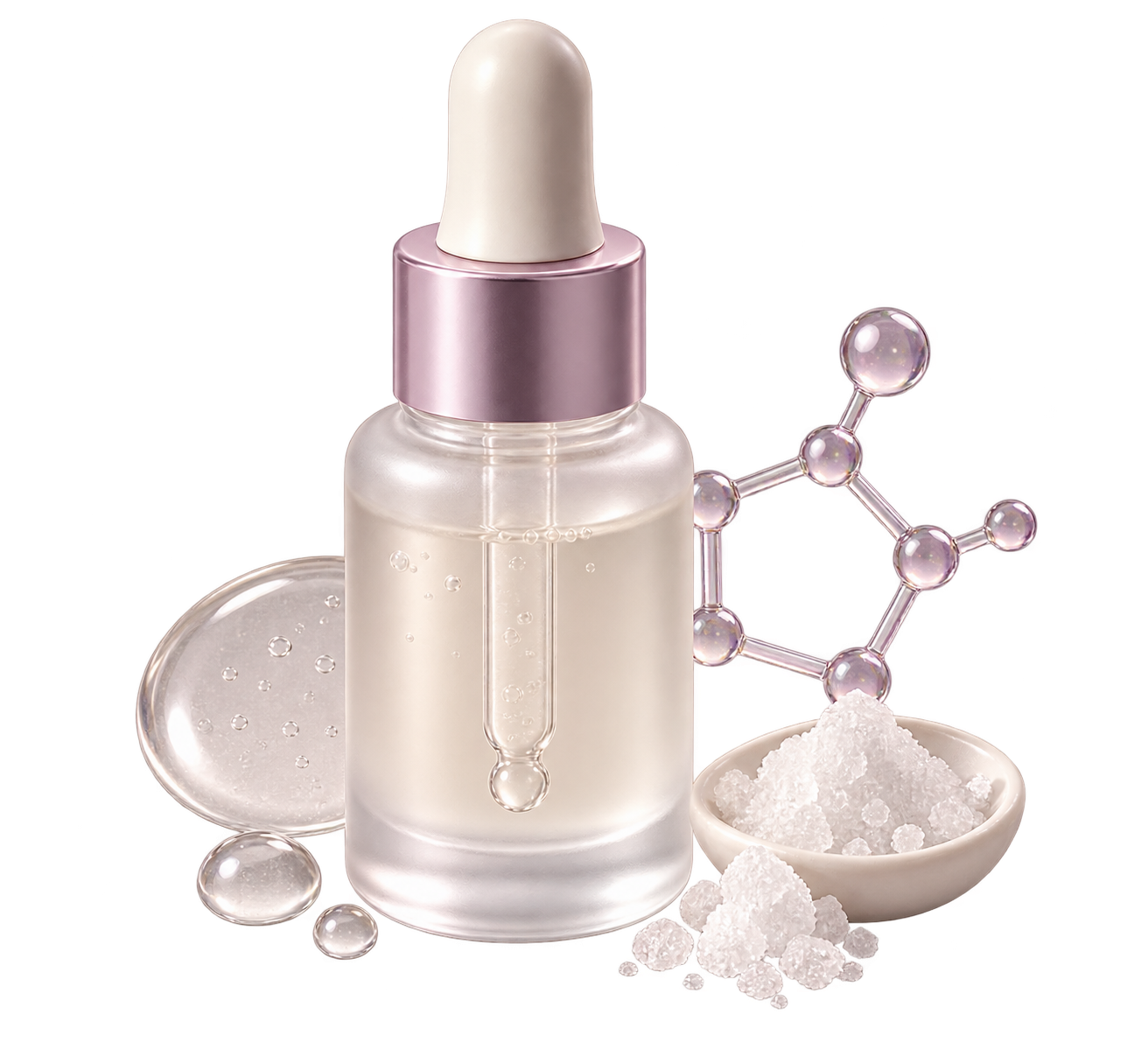
Supports the skin barrier and may help improve uneven skin tone.
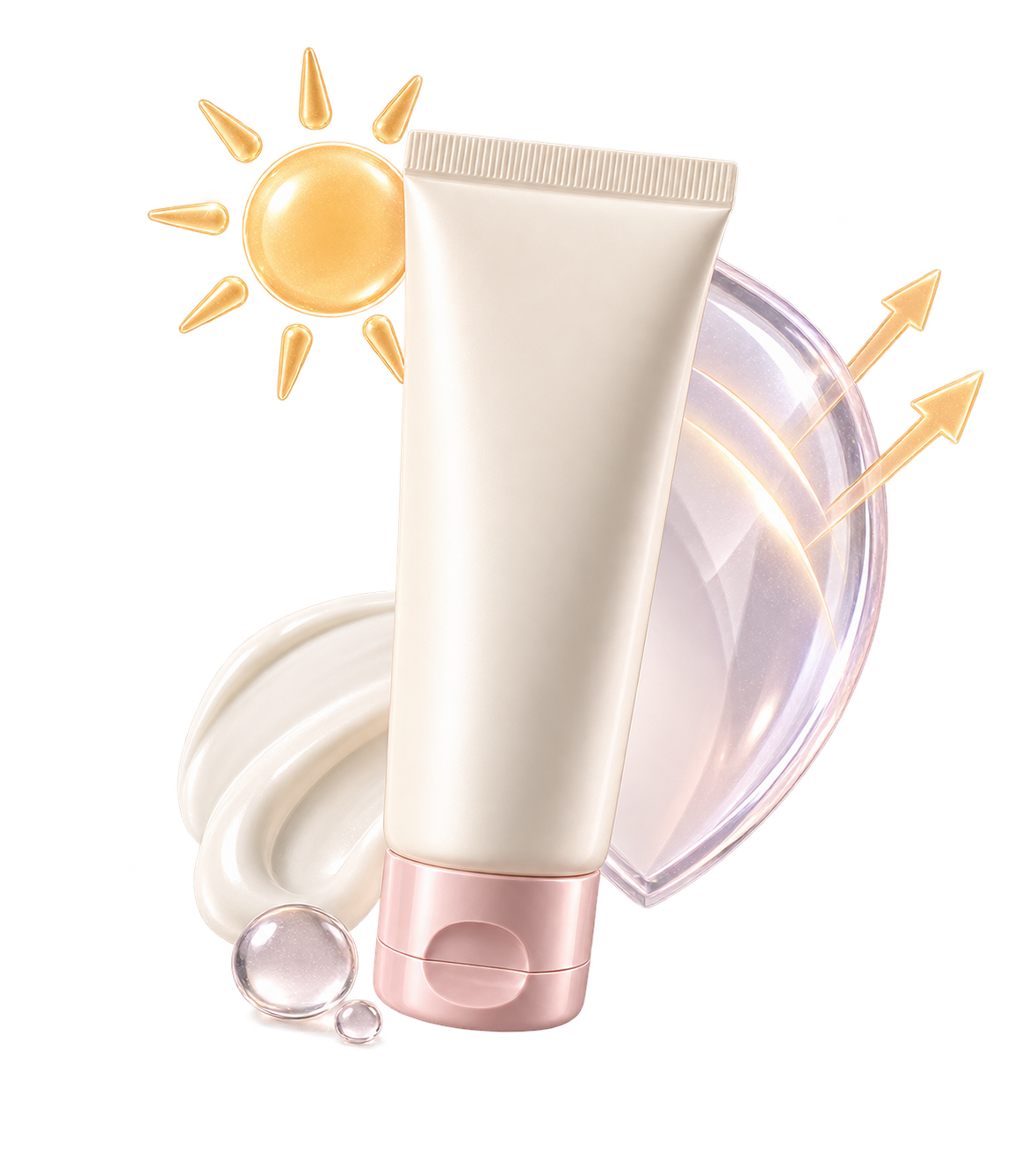
Doesn't remove scars, but helps protect the skin and prevents discoloration from becoming more noticeable.
A skincare ingredient can improve the appearance of skin, but no cream can magically rebuild a deep acne scar overnight.
Established acne scars often respond better to procedures performed or recommended by a dermatologist.
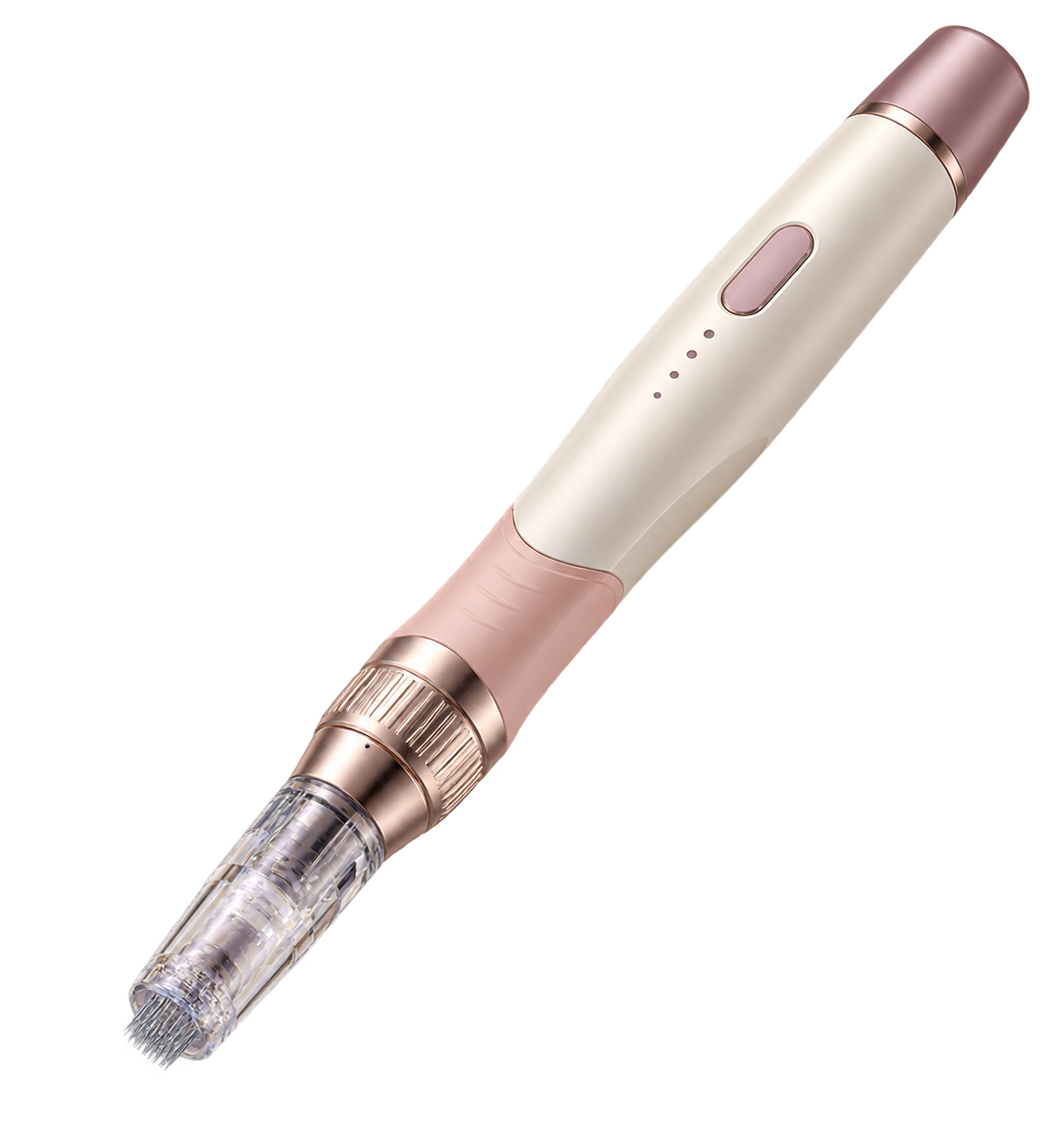
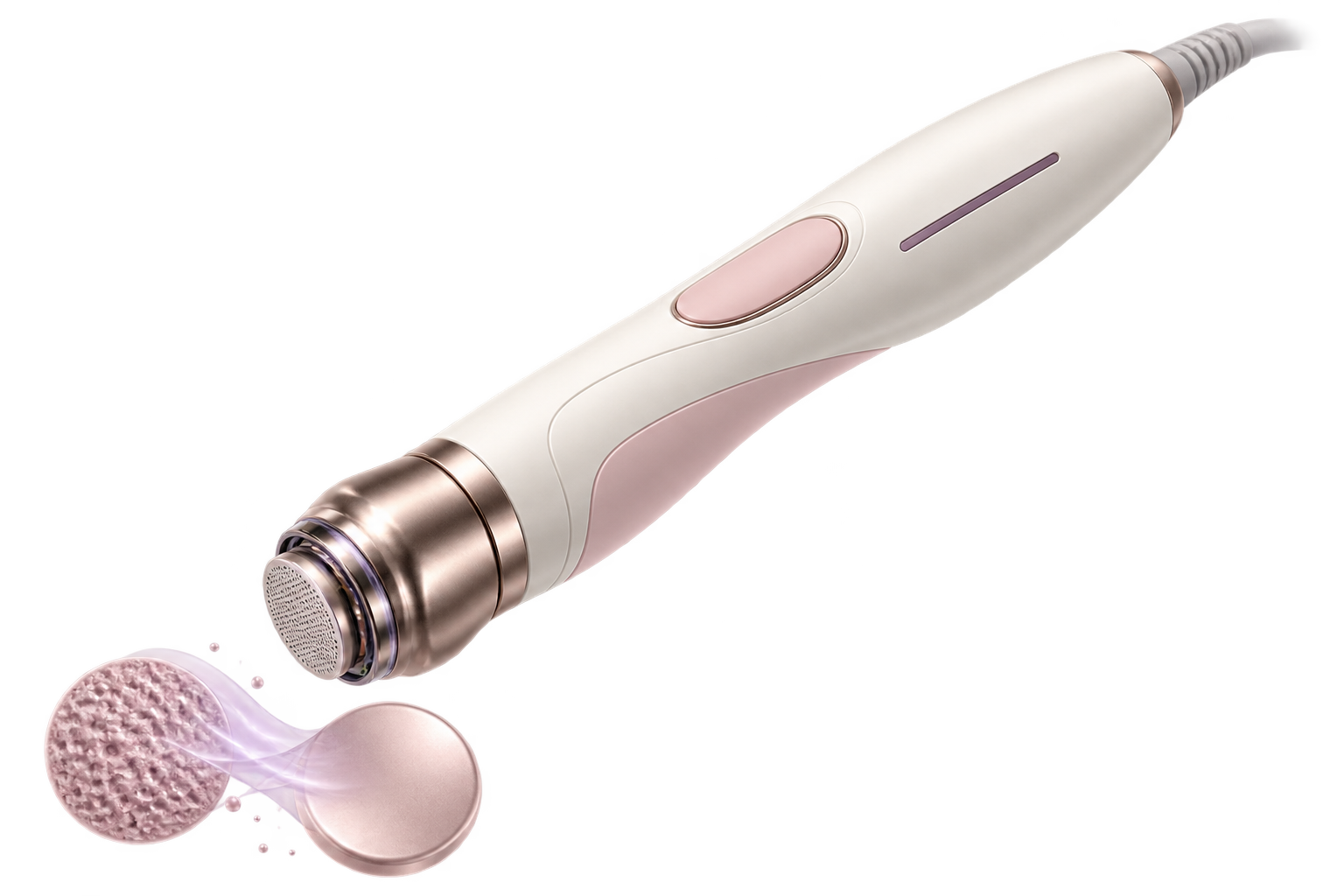
Uses controlled micro-injuries to stimulate the skin's healing response and collagen production.
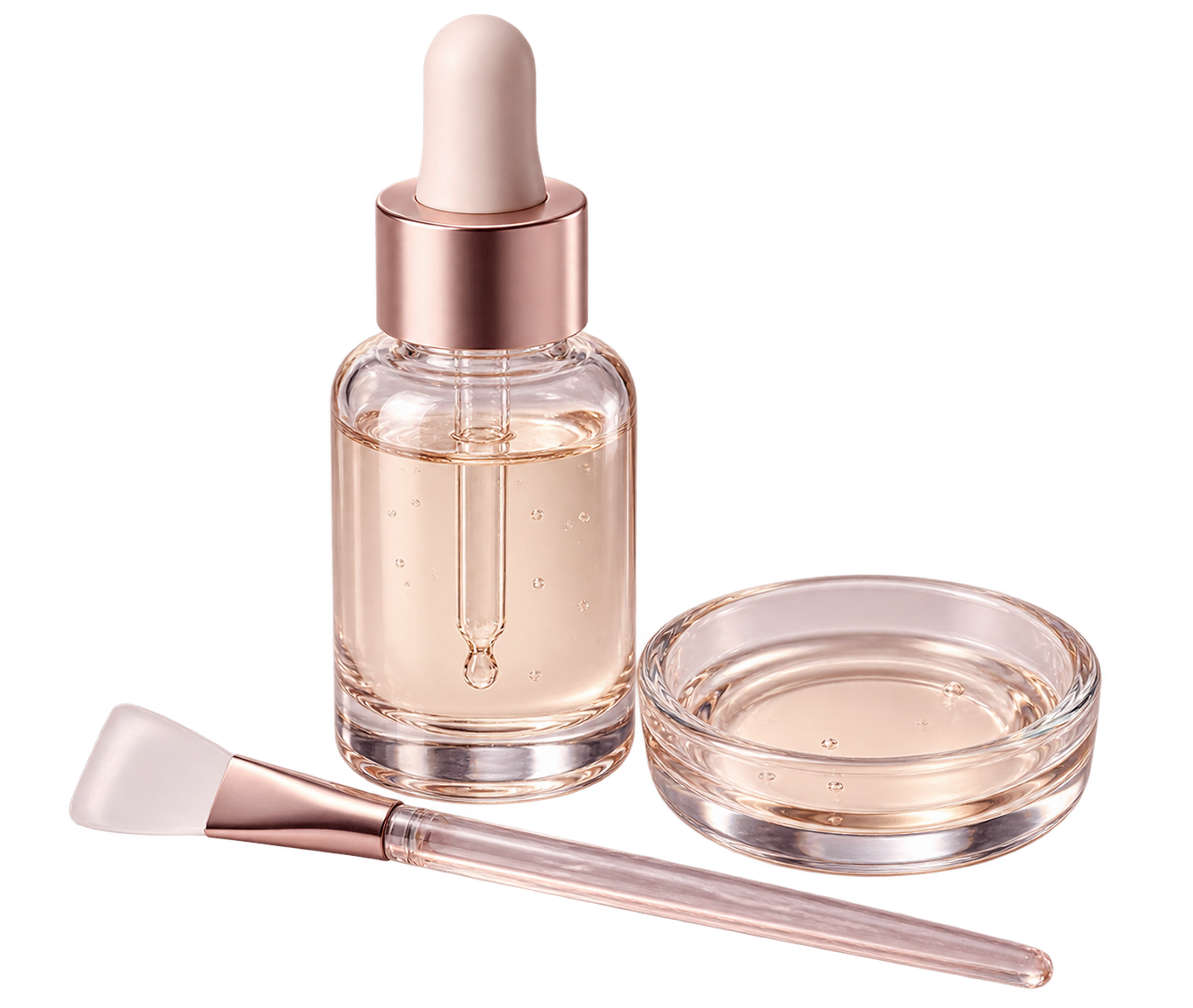
Certain professional chemical peels can improve the appearance of some types of acne scarring.
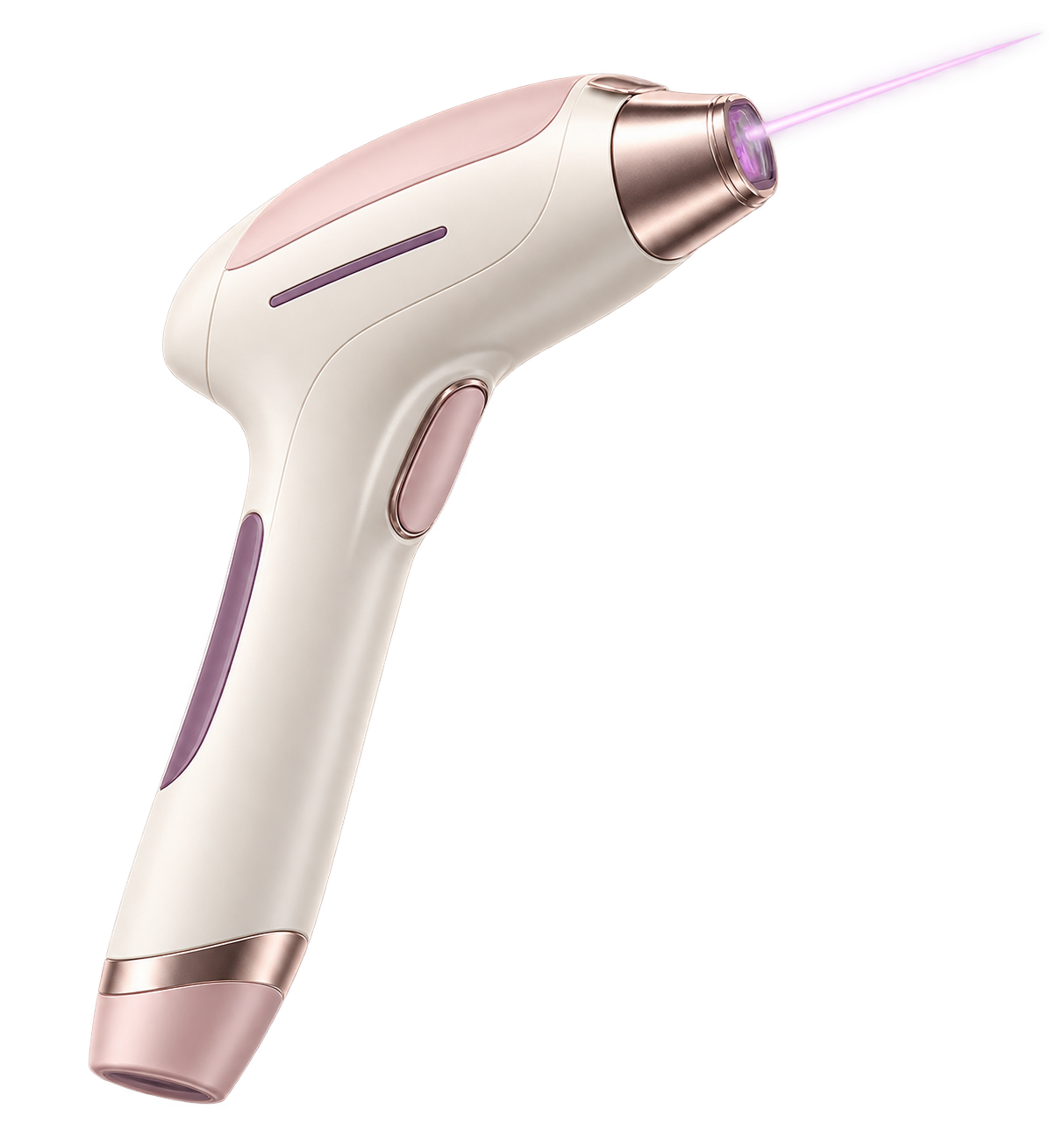
Different lasers can target specific types of texture and pigmentation.
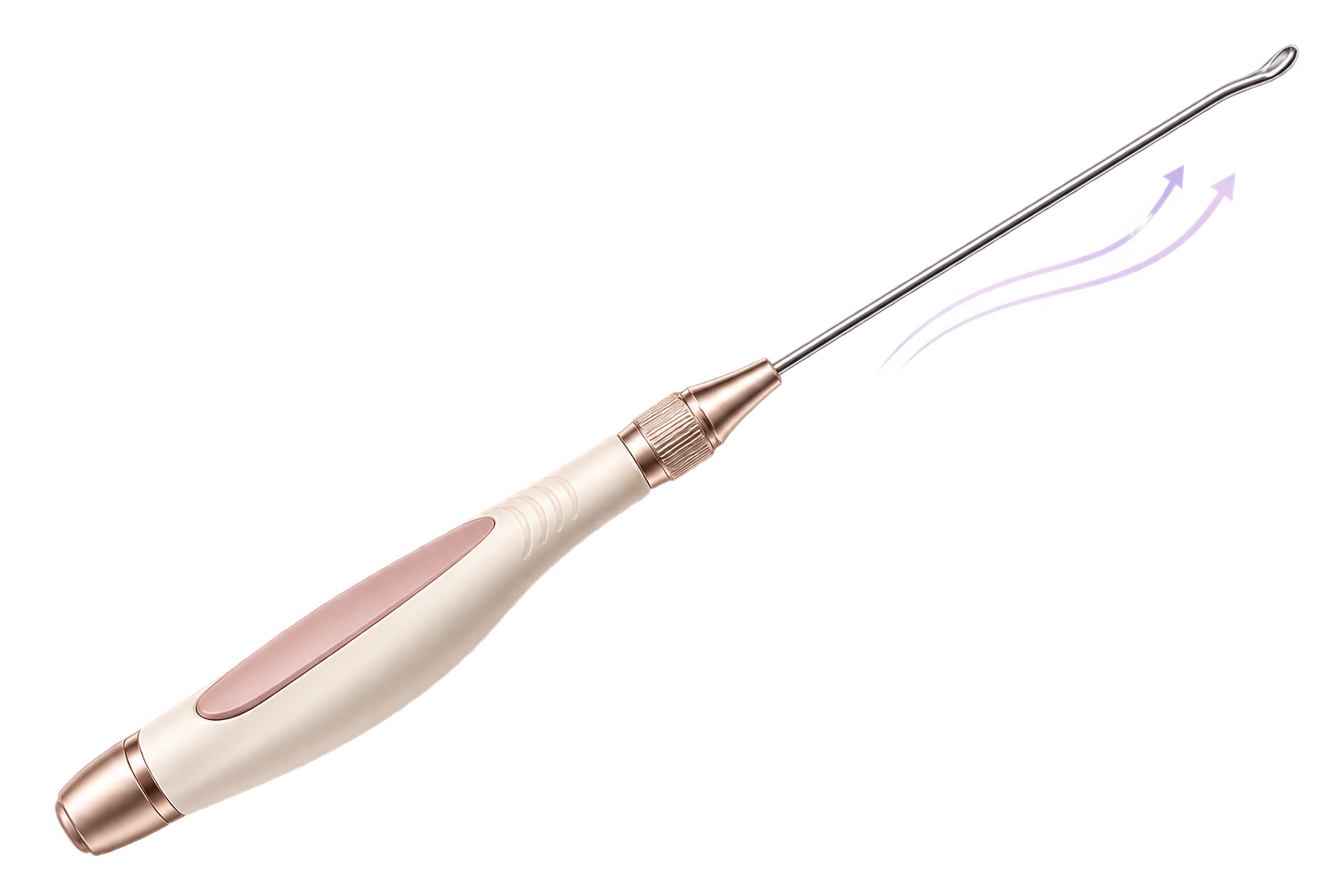
A technique used for certain depressed scars, particularly rolling scars, by releasing scar tissue beneath the skin.
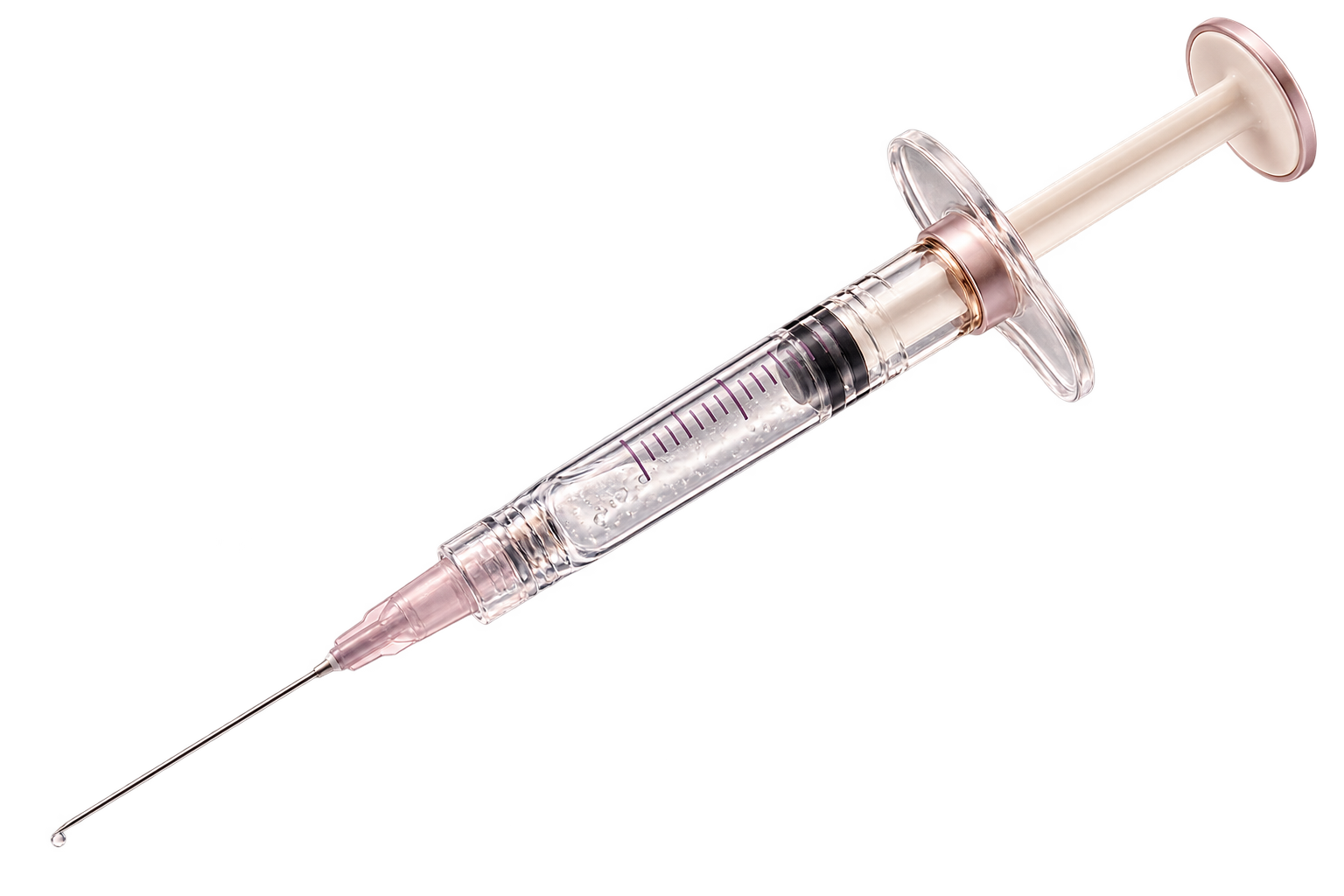
Certain depressed scars may be temporarily improved with fillers.
Some deeper or particularly defined scars may be treated with specialized surgical techniques.
The best treatment depends on the type, depth, location, and number of scars, so professional assessment matters.
Trying to fix scars aggressively can sometimes make the skin more irritated.
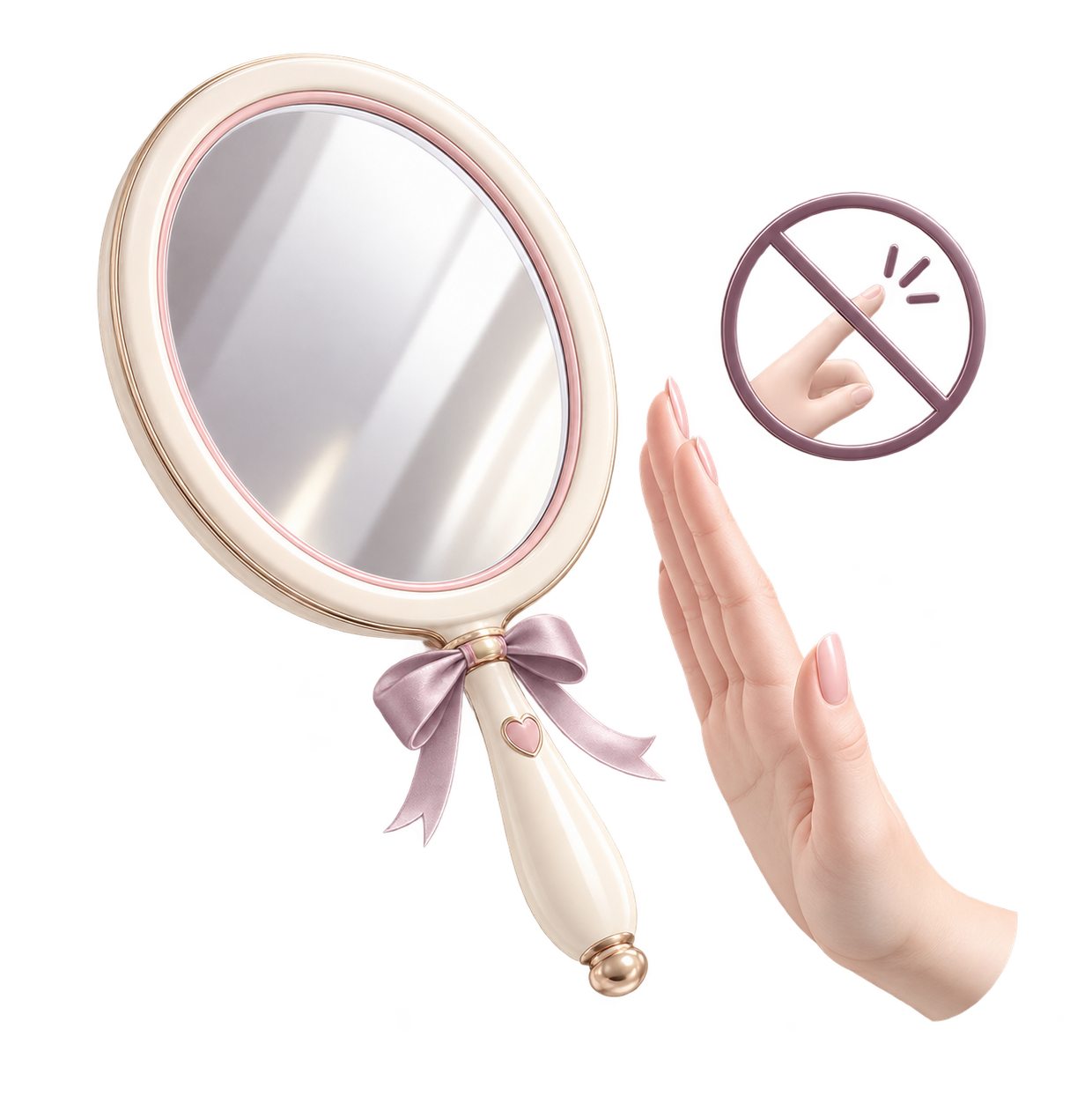
Picking can increase inflammation and the risk of additional scarring.
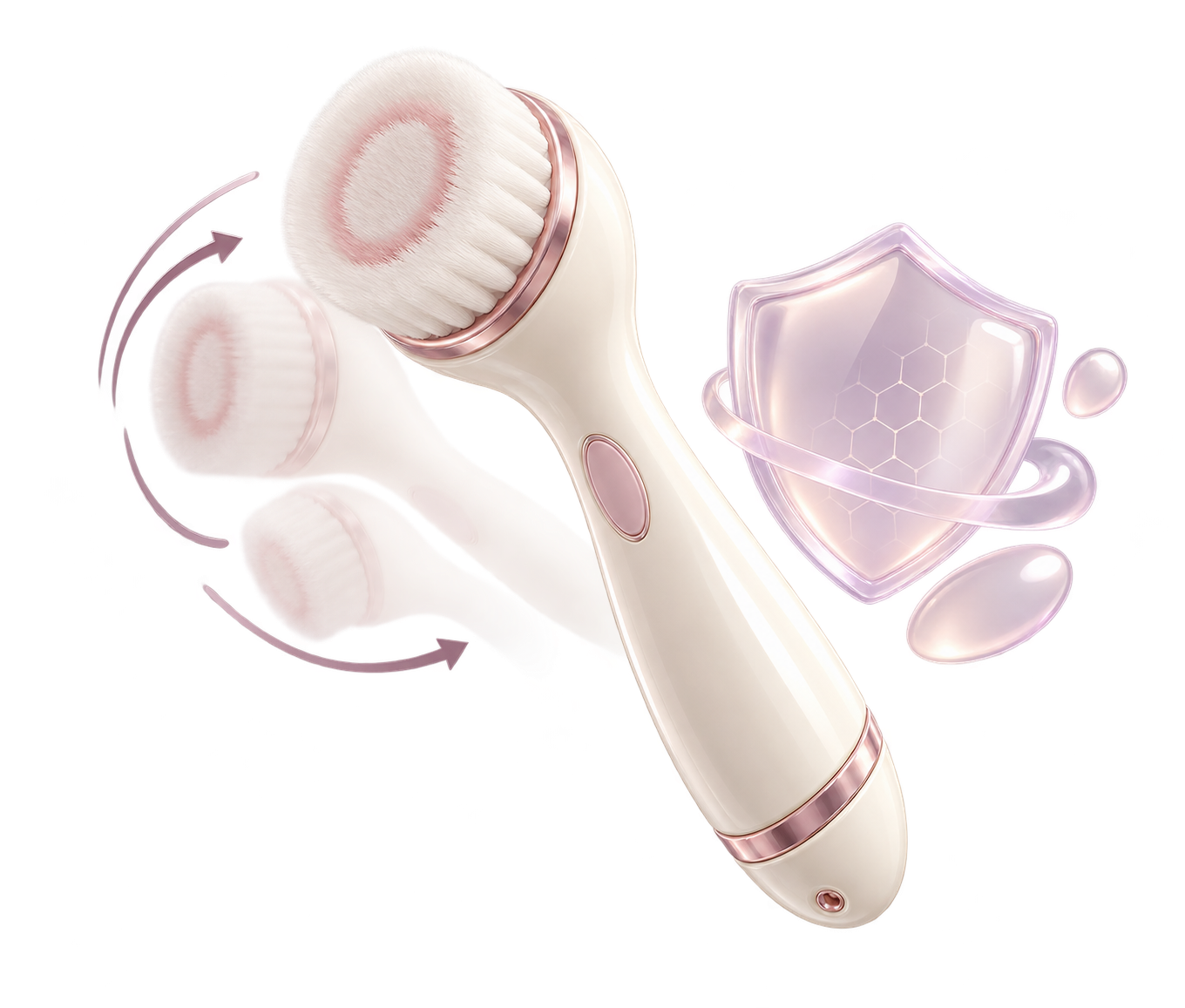
Using multiple strong exfoliants won't automatically make scars disappear faster.

Collagen remodeling and scar improvement take time.
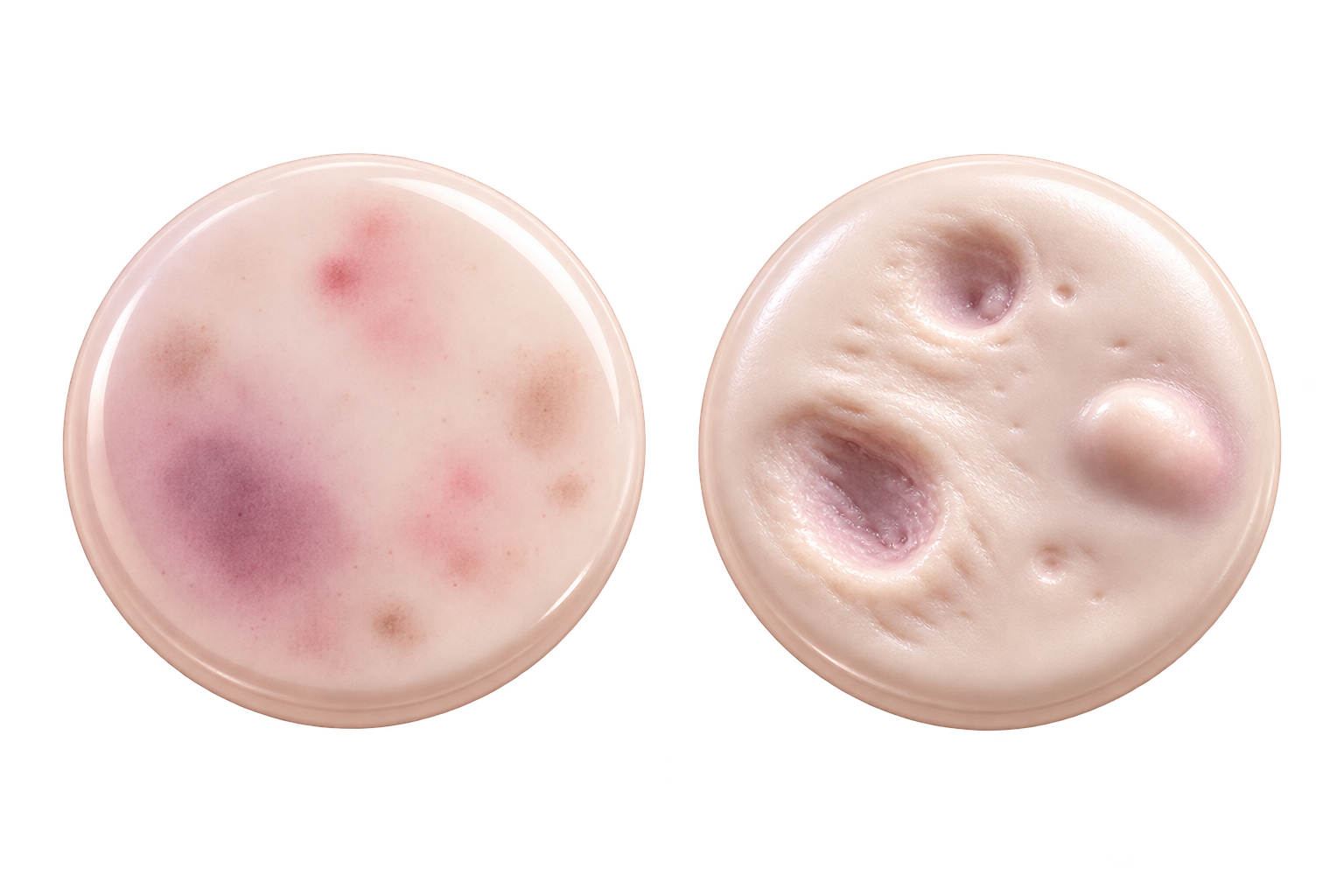
Color changes and texture changes require different approaches.
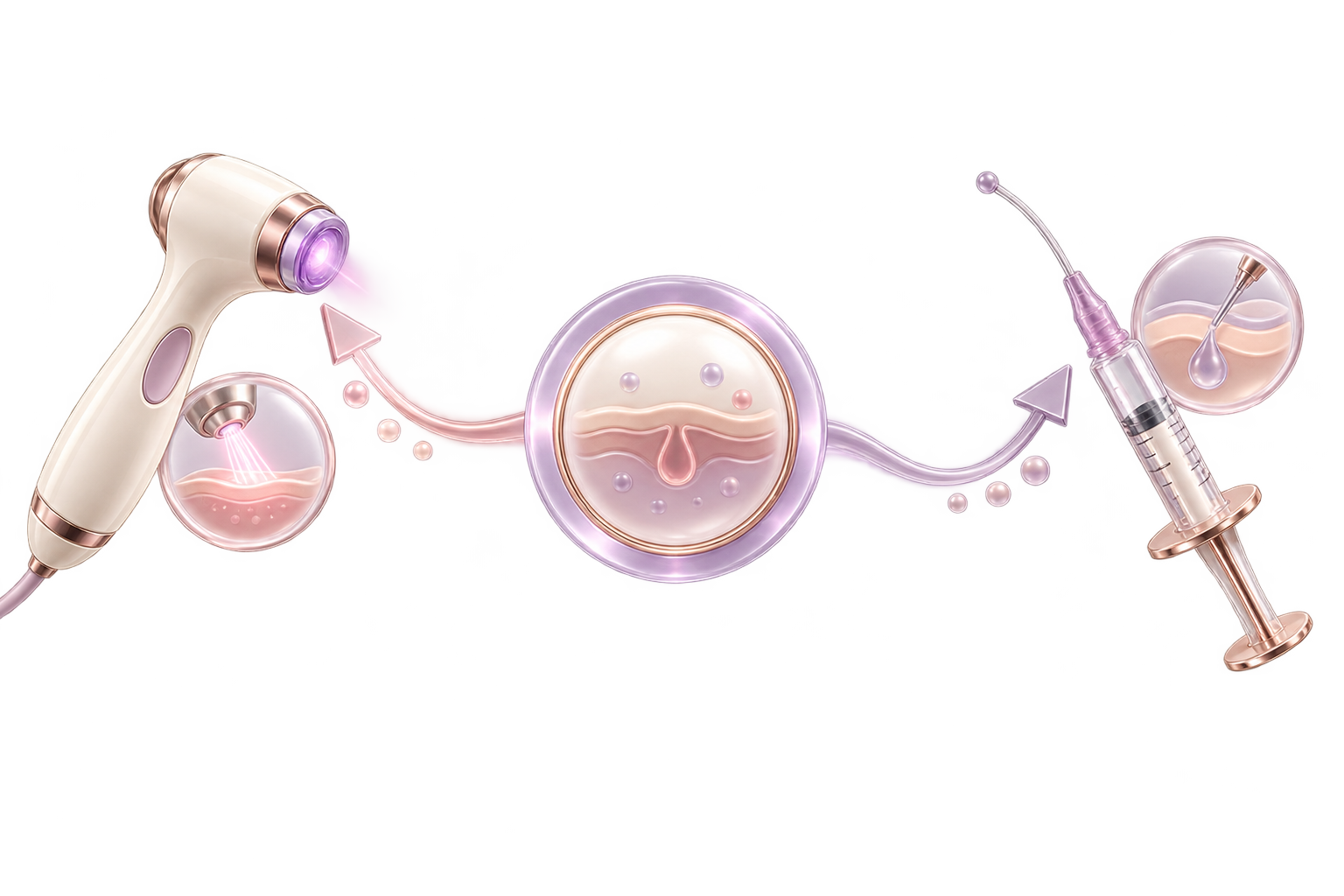
A treatment that works for one type of scar may not be appropriate for another.
Let's separate useful skincare guidance from common myths.
"All acne marks are scars."
Marks such as PIH and PIE affect color, while true acne scars involve a change in skin texture.
"Acne scars disappear in a few days."
Established scars usually take much longer to improve, and some require professional treatment.
"Scrubbing scars will smooth them out."
Scrubbing cannot rebuild damaged skin structure and may cause irritation.
"Popping acne prevents scars."
Picking and squeezing can increase inflammation and the risk of scarring.
"One treatment works for every acne scar."
Different scar types require different approaches.
Professional advice is especially useful when acne scars are deep, numerous, raised, or affecting your confidence.
A dermatologist can identify the scar type and recommend appropriate treatment options.
Hypertrophic scars and keloids may require specialized management.
Treating ongoing acne is important before focusing entirely on scar correction.
Established scars often need professional procedures for noticeable improvement.

You deserve professional support if your skin is affecting how you feel about yourself.


Acne scars can be frustrating, but they don't define the health or worth of your skin.
First, focus on controlling active acne. Then, if scars remain, identify what type of scar you're dealing with before choosing a treatment.
Be patient with the process — scar improvement is measured in months, not mornings.