Sebum Production
Sebaceous glands produce sebum, the skin's natural oil.
 ×
×
Those tiny white or skin-colored bumps aren't always "dirt" trapped in your pores.
Whiteheads are a type of acne called closed comedones. Learn why they form, what they look like, what can make them worse, and how to care for them without irritating your skin.
Start Learning ↓
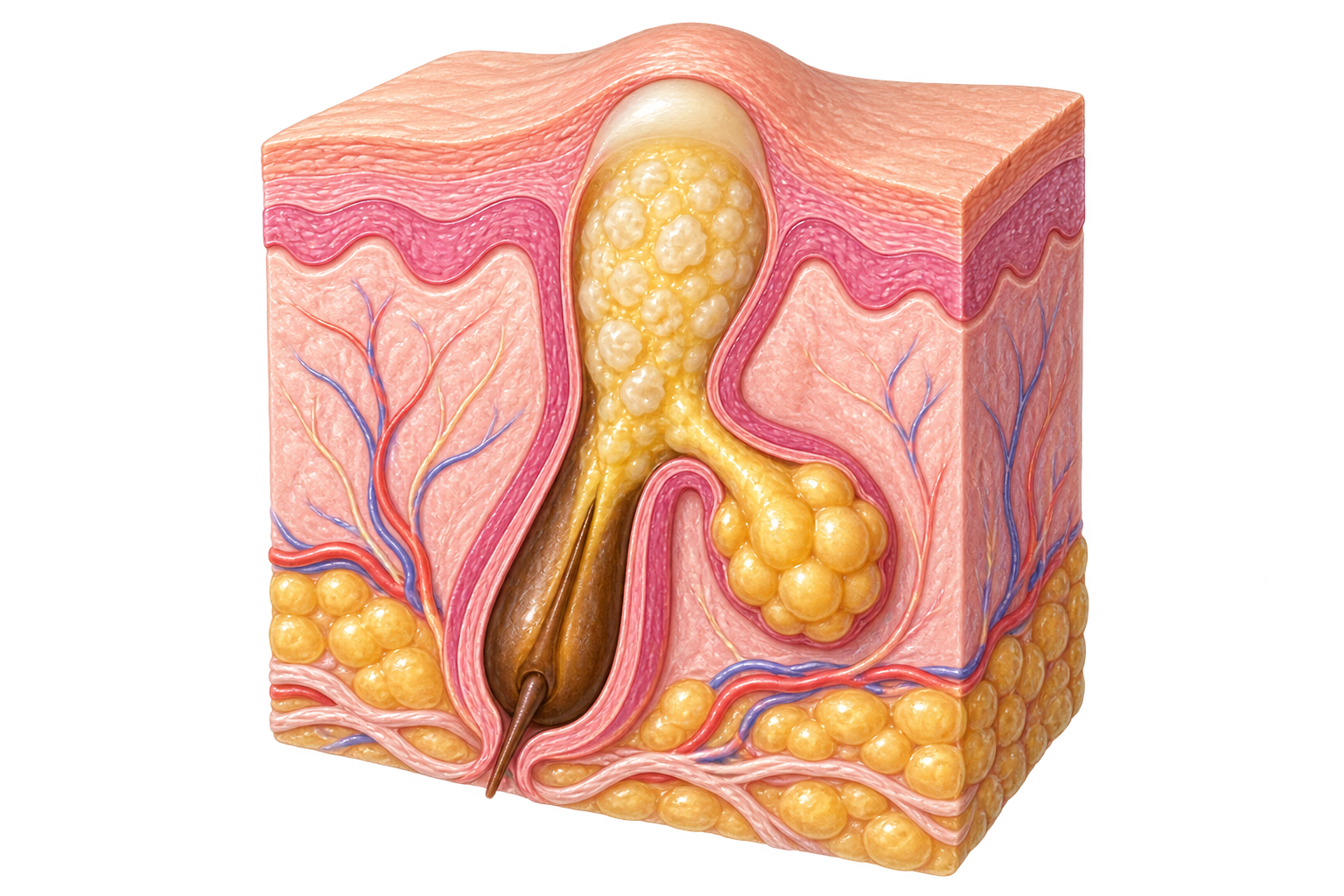
Whiteheads are a type of non-inflammatory acne that develops when a hair follicle becomes clogged with sebum, dead skin cells, and other material.
The pore remains closed at the surface, creating a small white or flesh-colored bump.
Because the opening is covered by a thin layer of skin, the contents inside the pore are not exposed to air in the same way as a blackhead.
A whitehead isn't caused by dirty skin. It's a clogged pore — and washing your face harder won't make it disappear.
Whiteheads develop when several things happen inside a hair follicle.
Sebaceous glands produce sebum, the skin's natural oil.
Dead skin cells can build up and mix with sebum inside the follicle.
The mixture blocks the follicle and forms a comedone.
Unlike a blackhead, the surface opening remains covered by skin.
The clogged follicle becomes visible as a small white or skin-colored bump.
Whiteheads usually have a fairly recognizable appearance.
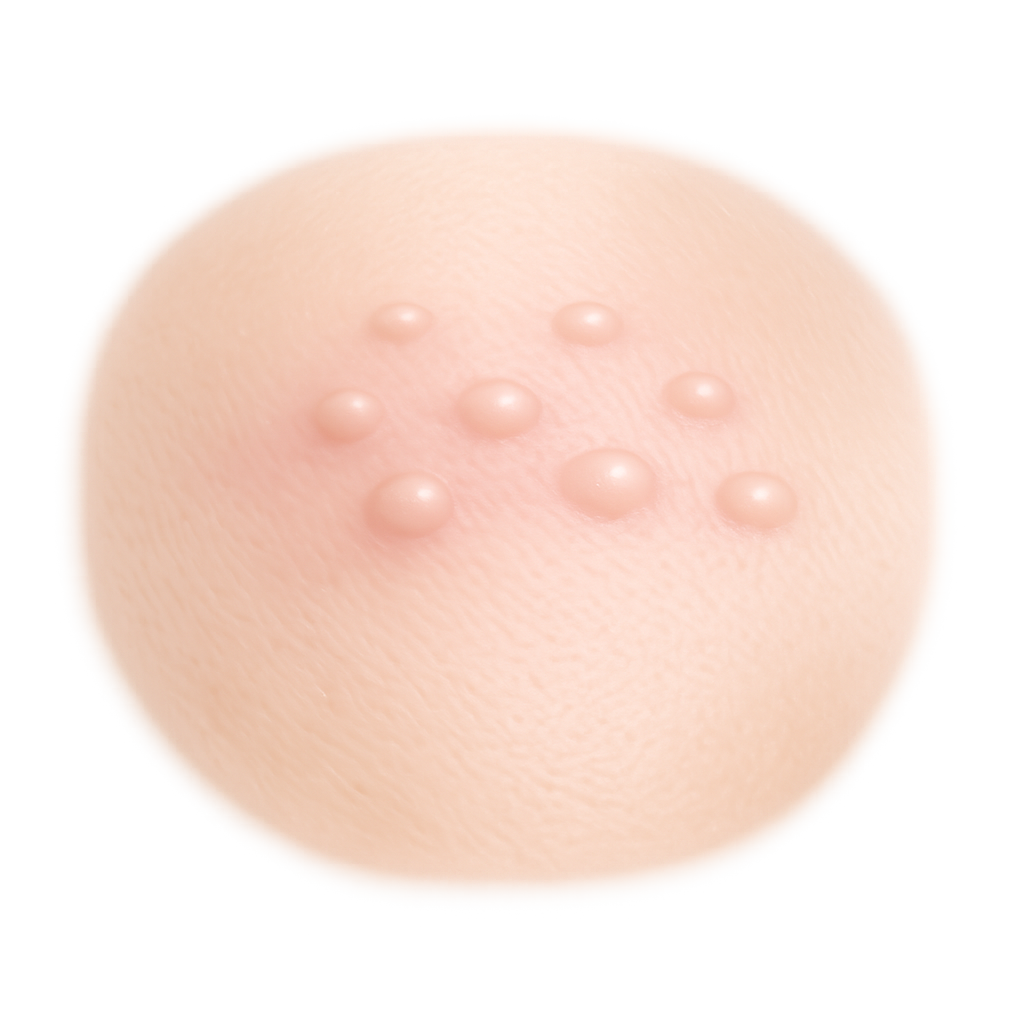
They appear as small, raised bumps on the surface of the skin.
They may look white, pale, or similar to your natural skin tone.
The pore is covered rather than visibly open.
Whiteheads are generally non-inflammatory, so they usually don't cause the redness or tenderness associated with inflamed acne.
Multiple whiteheads may develop in the same area, particularly where oil production is higher.
Whiteheads can develop anywhere that contains hair follicles and sebaceous glands.
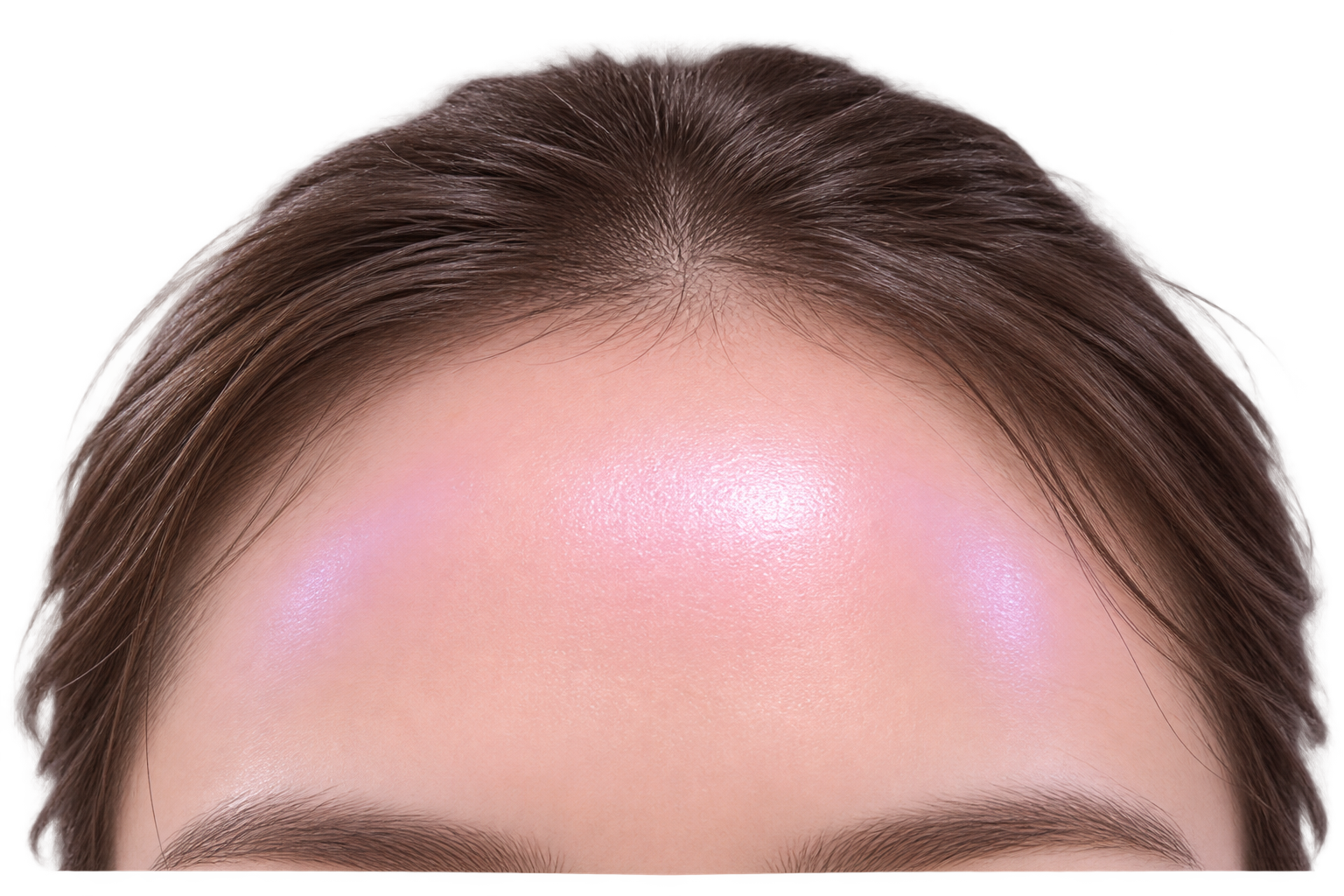
The forehead can develop whiteheads because it is part of the oilier T-zone.
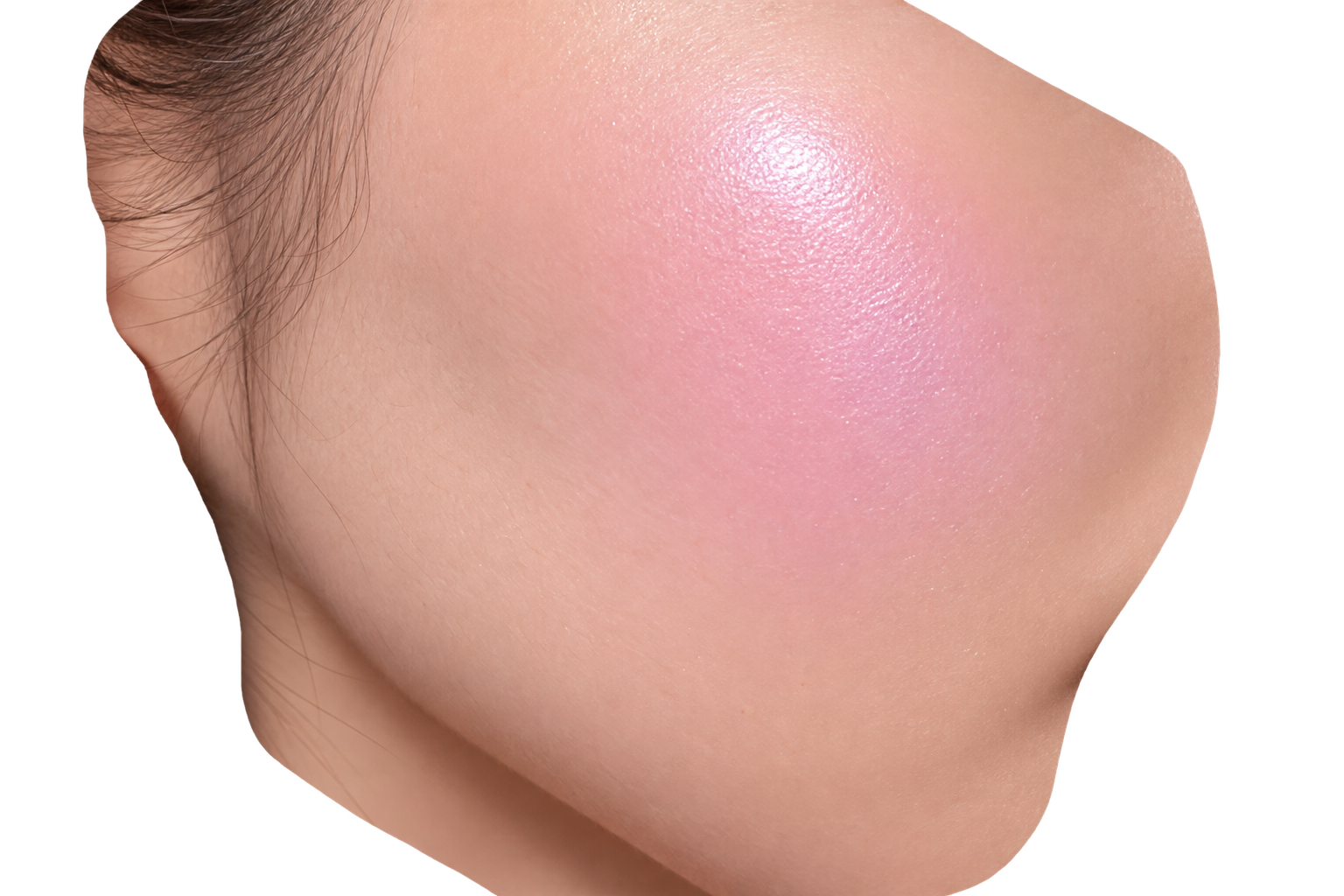
Clogged pores can appear on the cheeks, particularly when products or excess sebum contribute to congestion.
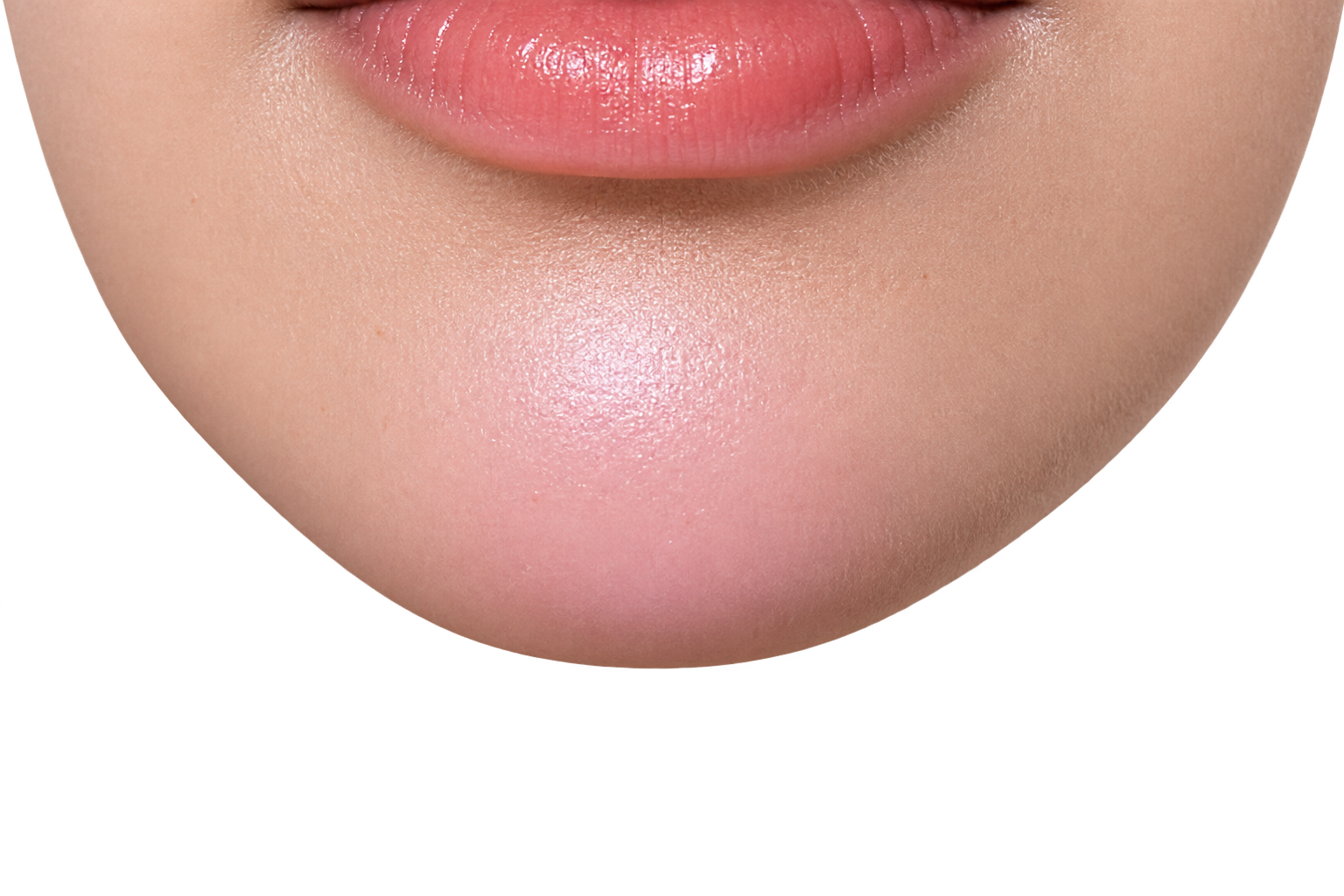
The chin is another common area for closed comedones.
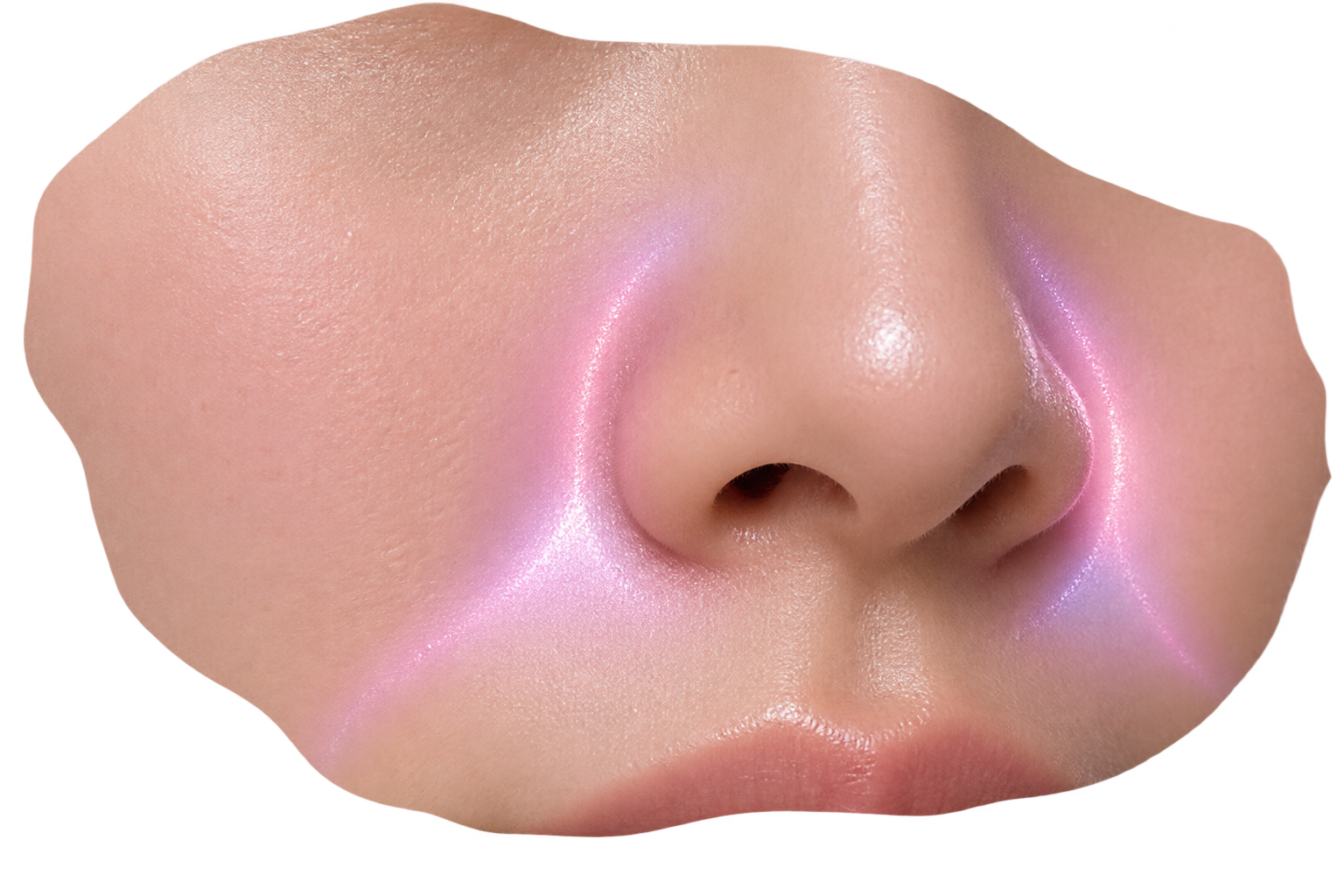
The nose can develop clogged pores, although many tiny dots in this area may actually be sebaceous filaments rather than whiteheads.
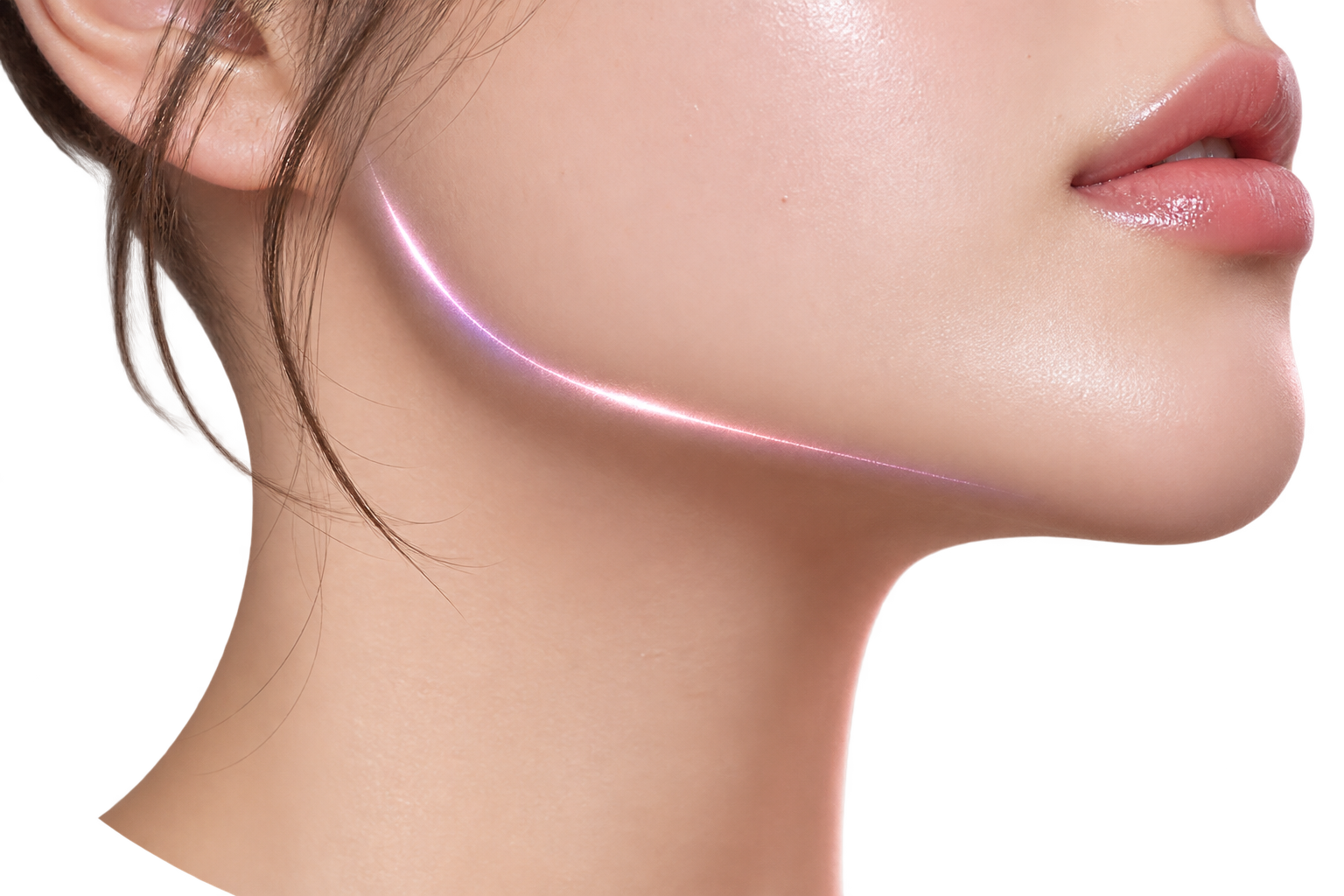
Whiteheads may also occur around the jawline, depending on the individual's acne pattern.
Both are comedonal acne, but the pore opening is different.
Whitehead = closed pore.
Blackhead = open pore.
Whiteheads usually develop because several factors combine rather than because of one single cause.

Higher oil production can increase the amount of material inside the follicle.
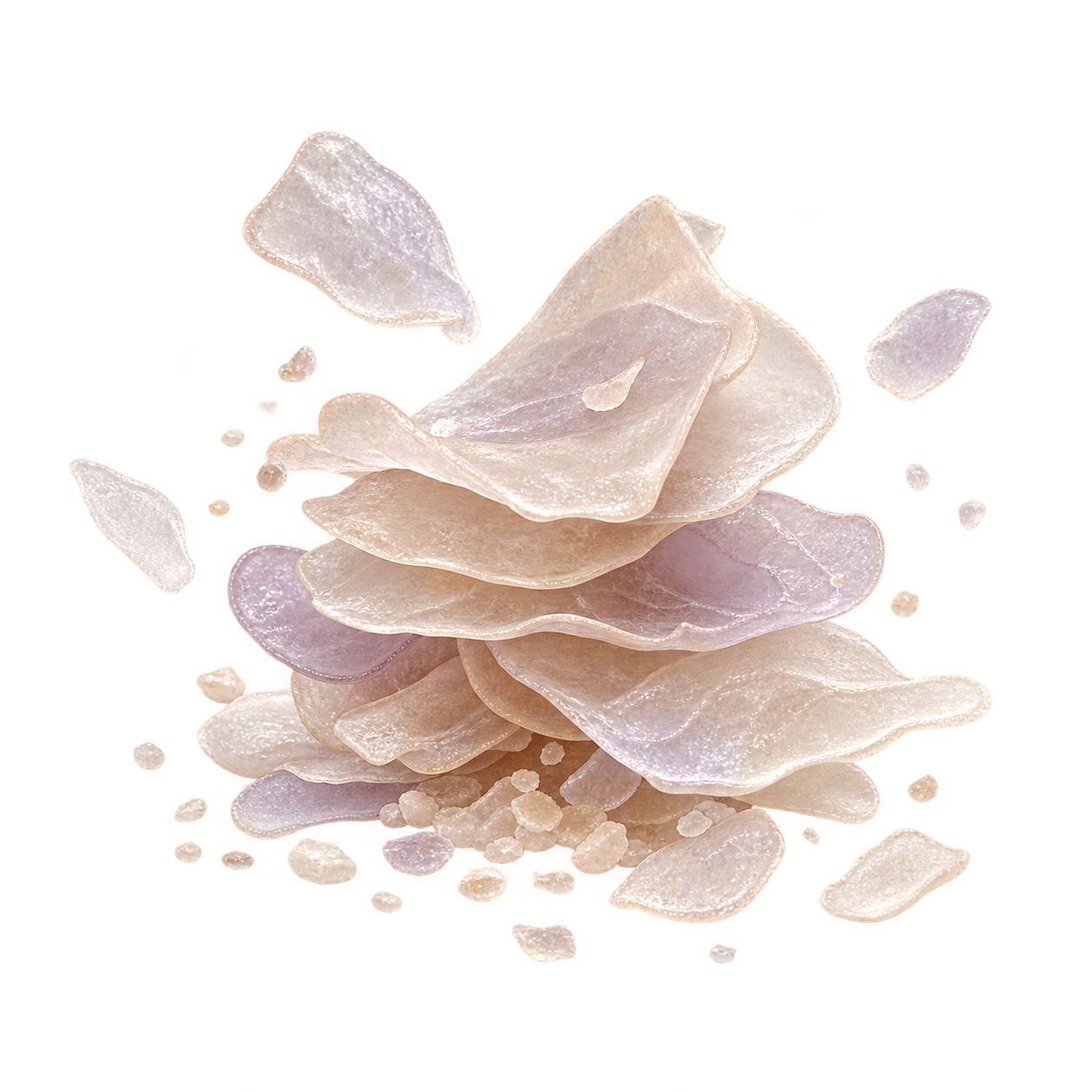
Dead skin cells can accumulate and contribute to clogged pores.

Hormonal fluctuations can increase sebum production and make clogged pores more likely.

Some people are naturally more prone to developing acne and clogged pores.
Certain skincare, makeup, or hair products may contribute to clogged pores in some individuals.
People who are prone to acne may naturally develop comedones more easily.
Some habits may increase congestion or irritate the skin around clogged pores.
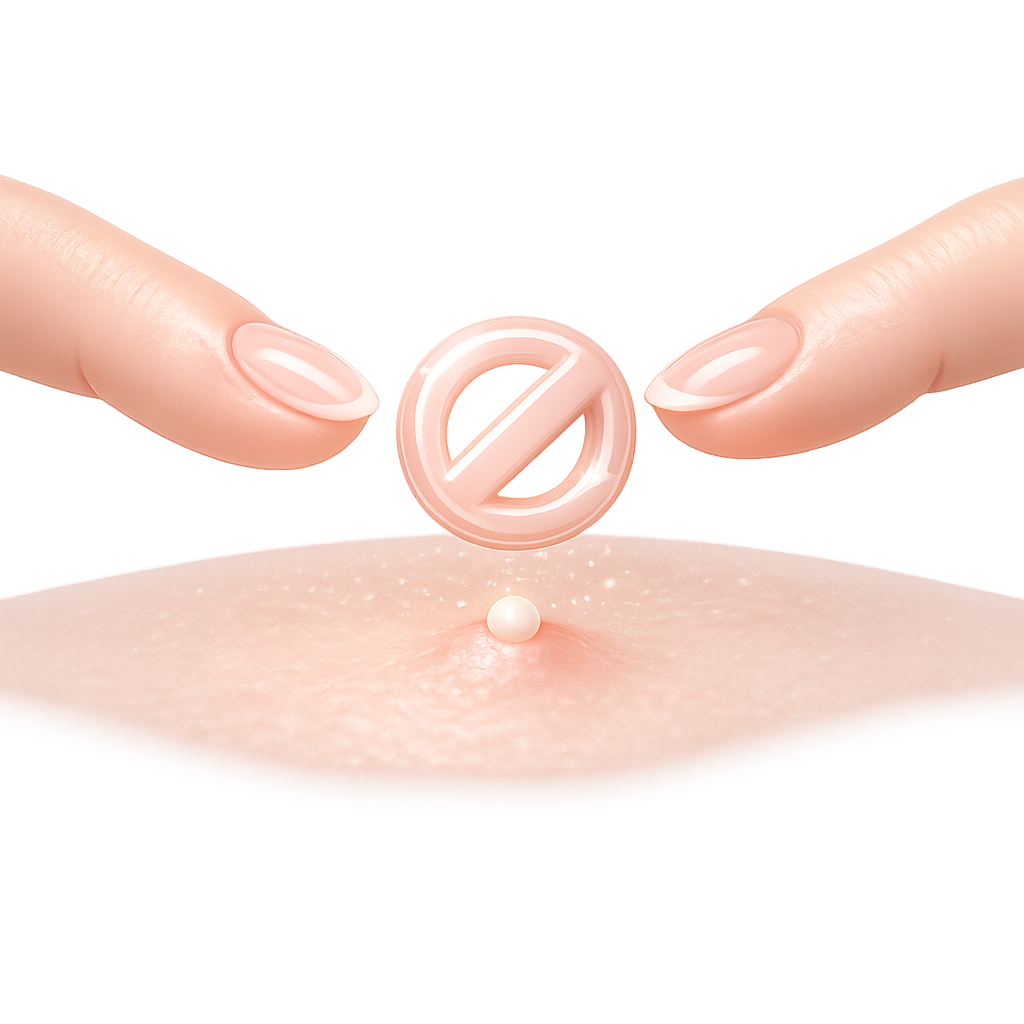
Trying to force a whitehead out can cause inflammation and increase the risk of dark marks or scarring.
Some products may contribute to clogged pores, particularly if they don't suit your skin.
Washing excessively can irritate the skin and damage the skin barrier without removing the underlying clog.
Aggressive scrubbing can cause irritation and inflammation.

Layering many products can make it harder to identify what is contributing to congestion.
The goal is to prevent and clear clogged pores while keeping the skin comfortable.
Helps exfoliate inside the pore and can loosen the buildup of sebum and dead skin cells.
A topical retinoid that helps prevent clogged pores and is commonly used to treat acne.

Help regulate skin-cell turnover and reduce the formation of comedones.
Can help with acne and inflammation and may also help with post-acne discoloration.
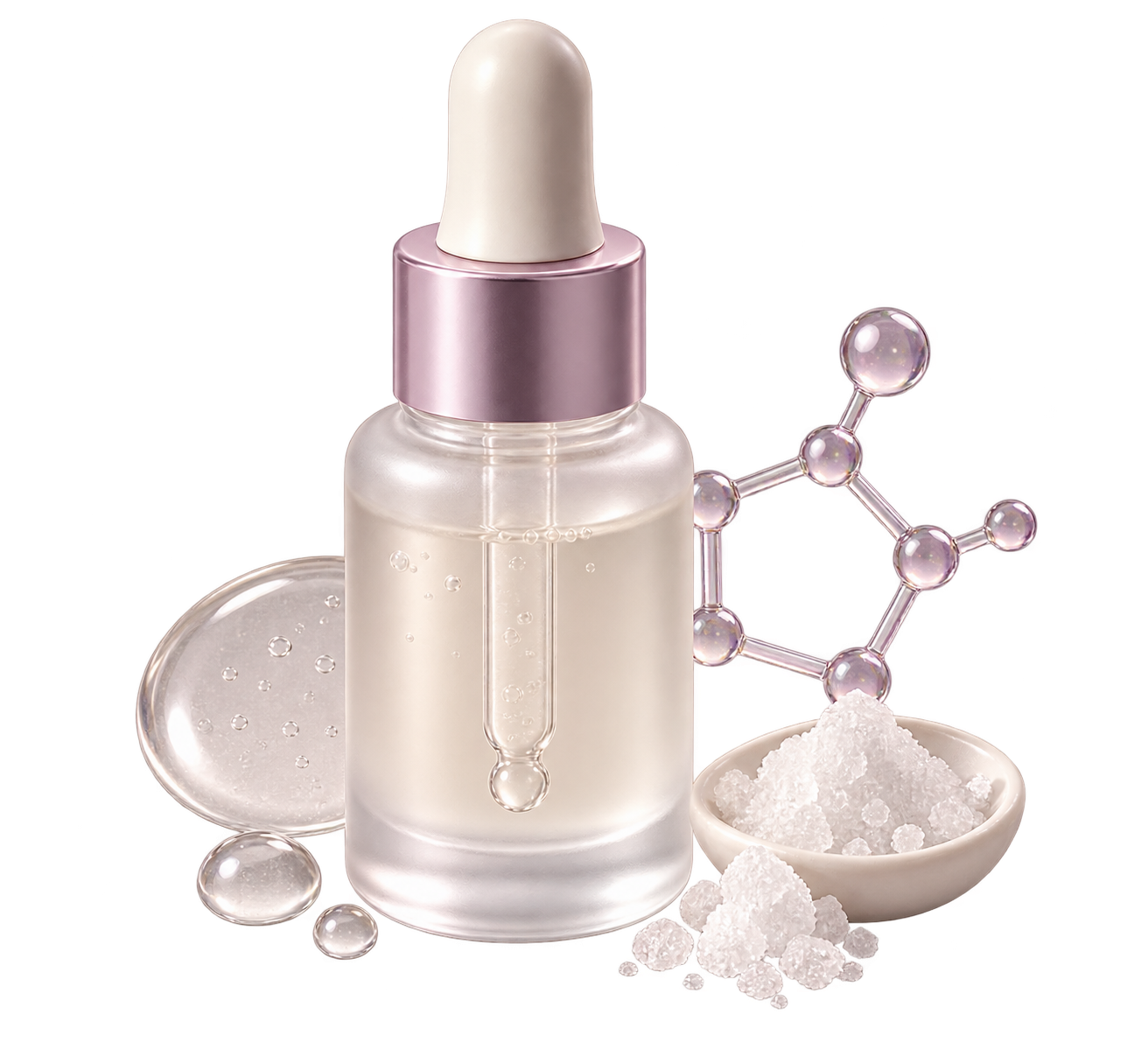
Can support the skin barrier and may help regulate excess oil.
You don't need to use all of these. Pick an approach based on your skin and introduce active ingredients gradually.
Treating whiteheads doesn't require attacking your skin with every acne product at once.

Use a gentle cleanser to remove excess oil and impurities without stripping the skin.
Use an appropriate acne ingredient consistently rather than constantly switching between different treatments.

Keeping your skin hydrated helps support the skin barrier, even if your skin is oily or acne-prone.
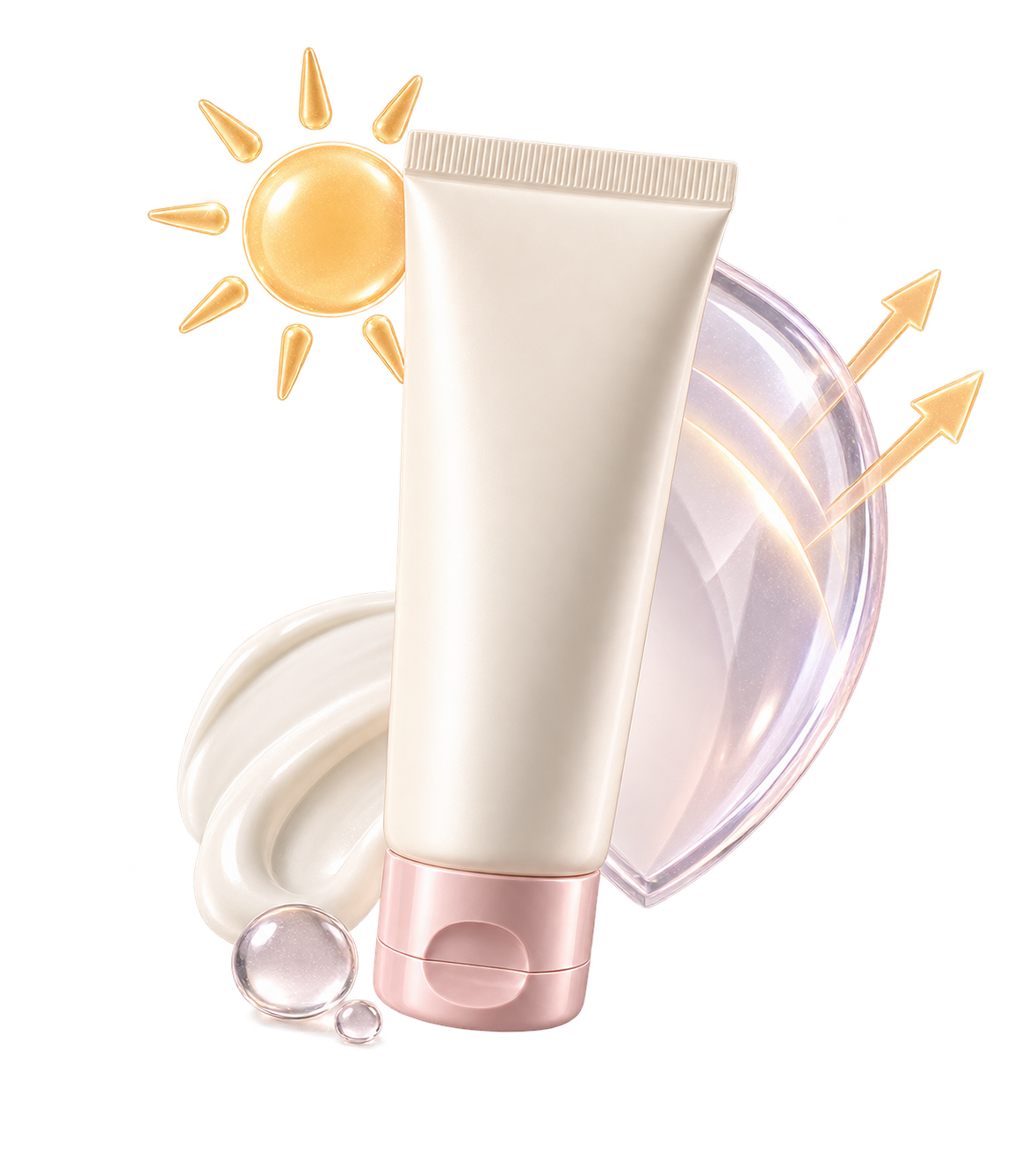
Daily broad-spectrum sunscreen helps protect the skin and reduces the risk of dark marks becoming more noticeable.

Comedonal acne often takes time to improve. Consistency matters more than aggressively treating the skin.
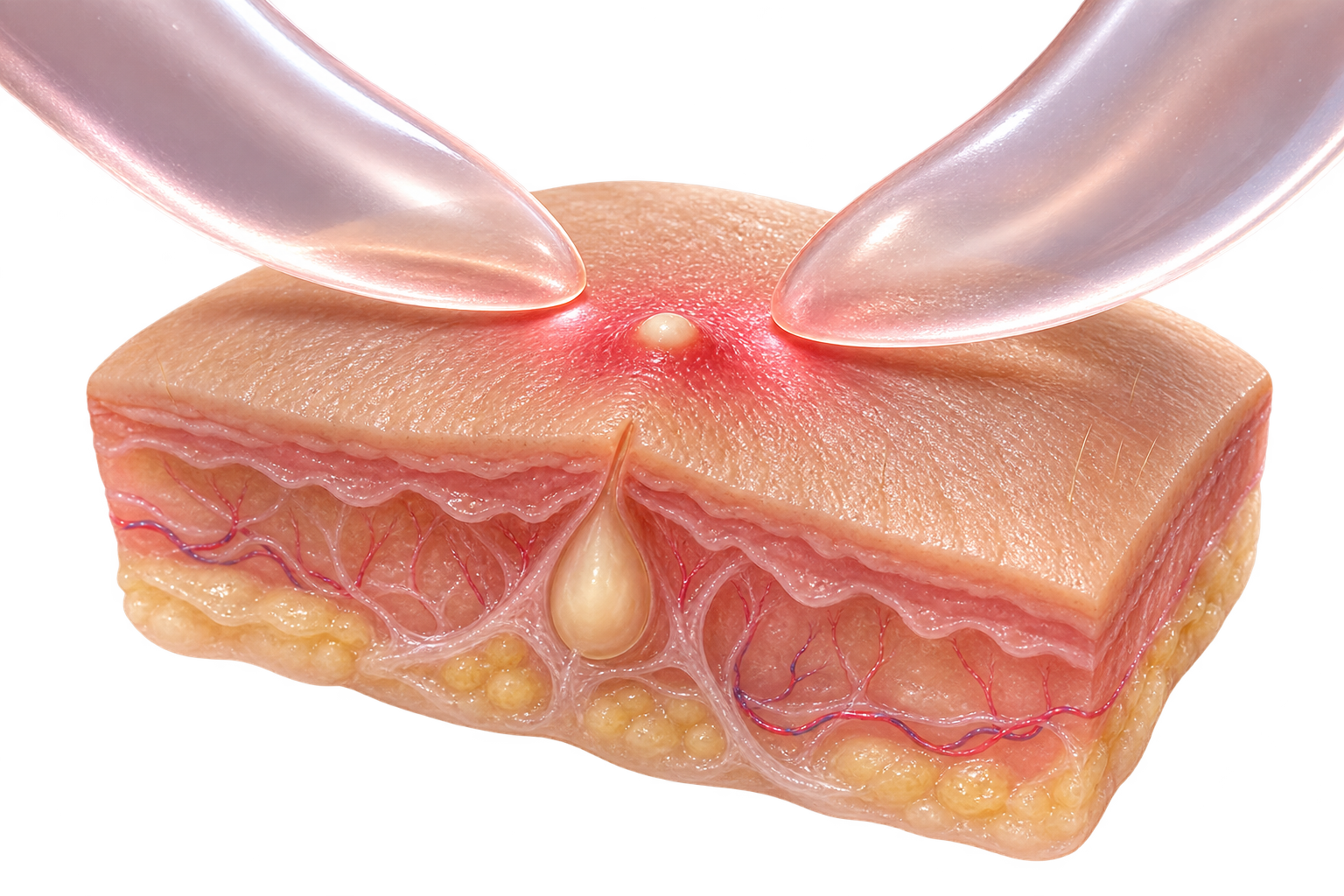
It's best not to squeeze or pick at whiteheads yourself.
Trying to force the contents out can damage the surrounding skin and increase inflammation. This can also increase the chance of developing post-inflammatory marks or scars.
If a stubborn clogged pore needs extraction, a trained professional can determine whether extraction is appropriate.
That tiny bump may be annoying, but squeezing it can turn a small clogged pore into a much bigger problem.
Let's separate useful acne guidance from common myths.
"Whiteheads are caused by dirty skin."
Whiteheads develop from clogged follicles involving sebum and dead skin cells, not simply from dirt.
"Scrubbing harder will remove whiteheads."
Aggressive scrubbing can irritate the skin and doesn't solve the underlying clog.
"You should squeeze every whitehead."
Picking and squeezing can increase inflammation and the risk of dark marks and scarring.
"Oily skin doesn't need moisturizer."
Oily and acne-prone skin still needs hydration and a healthy skin barrier.
"Whiteheads disappear overnight."
Comedonal acne usually takes time and consistent care to improve.
Whiteheads are usually manageable, but professional advice can be helpful when they become persistent or difficult to control.
Persistent clogged pores may benefit from a more targeted acne treatment plan.
If whiteheads develop into many red, painful, or pus-filled lesions, professional treatment may help.
Early acne management can help reduce the risk of long-term marks and scarring.
If consistent treatment hasn't improved your acne, a dermatologist can recommend other options.


Whiteheads are clogged pores, not a sign that your skin needs harsher cleansing.
Keep things simple: cleanse gently, use an appropriate acne treatment, moisturize, protect your skin from the sun, and please leave the squeezing to the professionals.
Your skin doesn't need punishment. It needs consistency.