Dark Spots
Small or larger areas of darker pigmentation may appear after acne, irritation, or sun exposure.
 ×
×
Your skin doesn't have to be one perfectly uniform color to be healthy.
Uneven skin tone happens when different areas of the skin appear lighter, darker, redder, or more pigmented than the surrounding skin.
Learn what causes uneven skin tone, the different types of discoloration, what can make it worse, and how to care for it.
Start Learning ↓
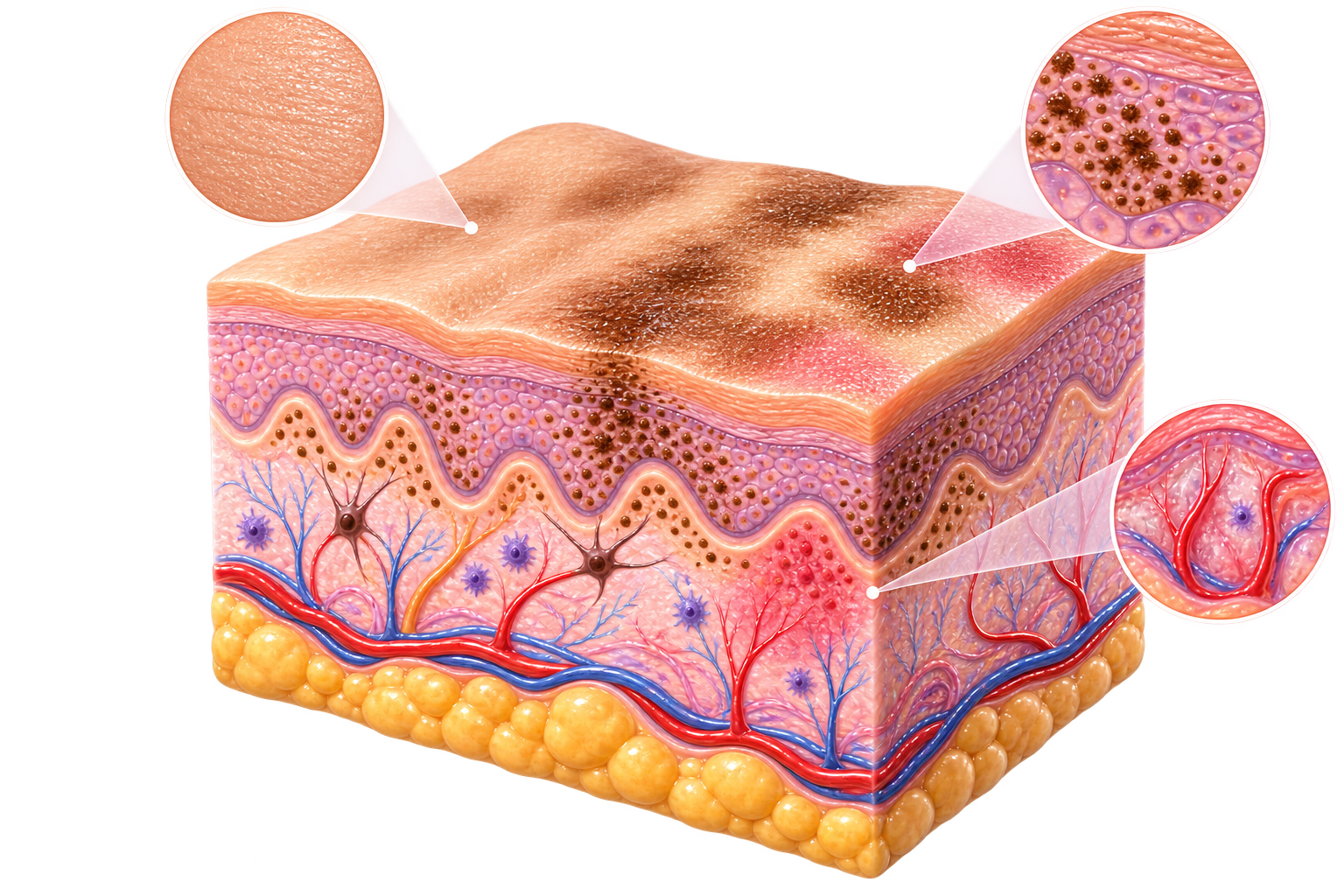
Uneven skin tone refers to differences in color or pigmentation across the skin.
Some areas may appear darker, lighter, redder, or more pigmented than others.
It can happen because of increased melanin production, inflammation, sun exposure, hormonal changes, acne, or other skin conditions.
Uneven skin tone is common and can affect people of every skin tone.
Uneven skin tone doesn't mean your skin is unhealthy. It simply means that pigmentation or redness isn't distributed evenly across the skin.
Uneven tone can appear in several different ways depending on its cause.
Small or larger areas of darker pigmentation may appear after acne, irritation, or sun exposure.
Inflammation can leave areas of the skin looking red or pink.
Some parts of the skin may appear noticeably darker than the surrounding areas.
Pigmentation may appear in irregular patches rather than individual spots.
The skin may appear less uniform overall because of differences in pigmentation, dryness, or surface texture.
Uneven skin tone can develop for many different reasons, and sometimes several factors contribute at the same time.

UV radiation can stimulate melanin production and make existing pigmentation darker.
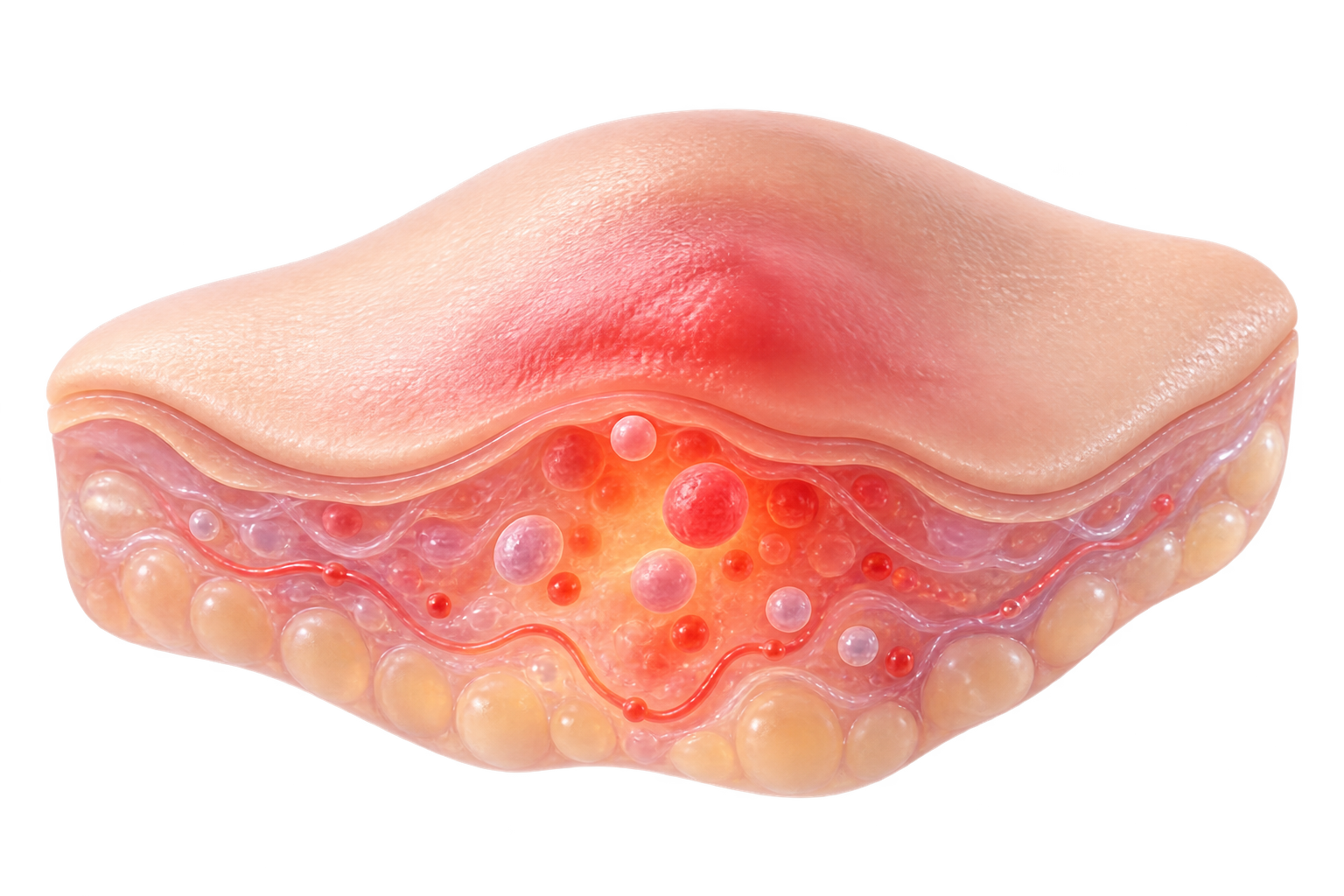
Inflammation from acne or other skin irritation can leave behind areas of discoloration.

Hormonal changes can influence melanin production and contribute to conditions such as melasma.

Repeated irritation can trigger inflammation and contribute to post-inflammatory pigmentation.
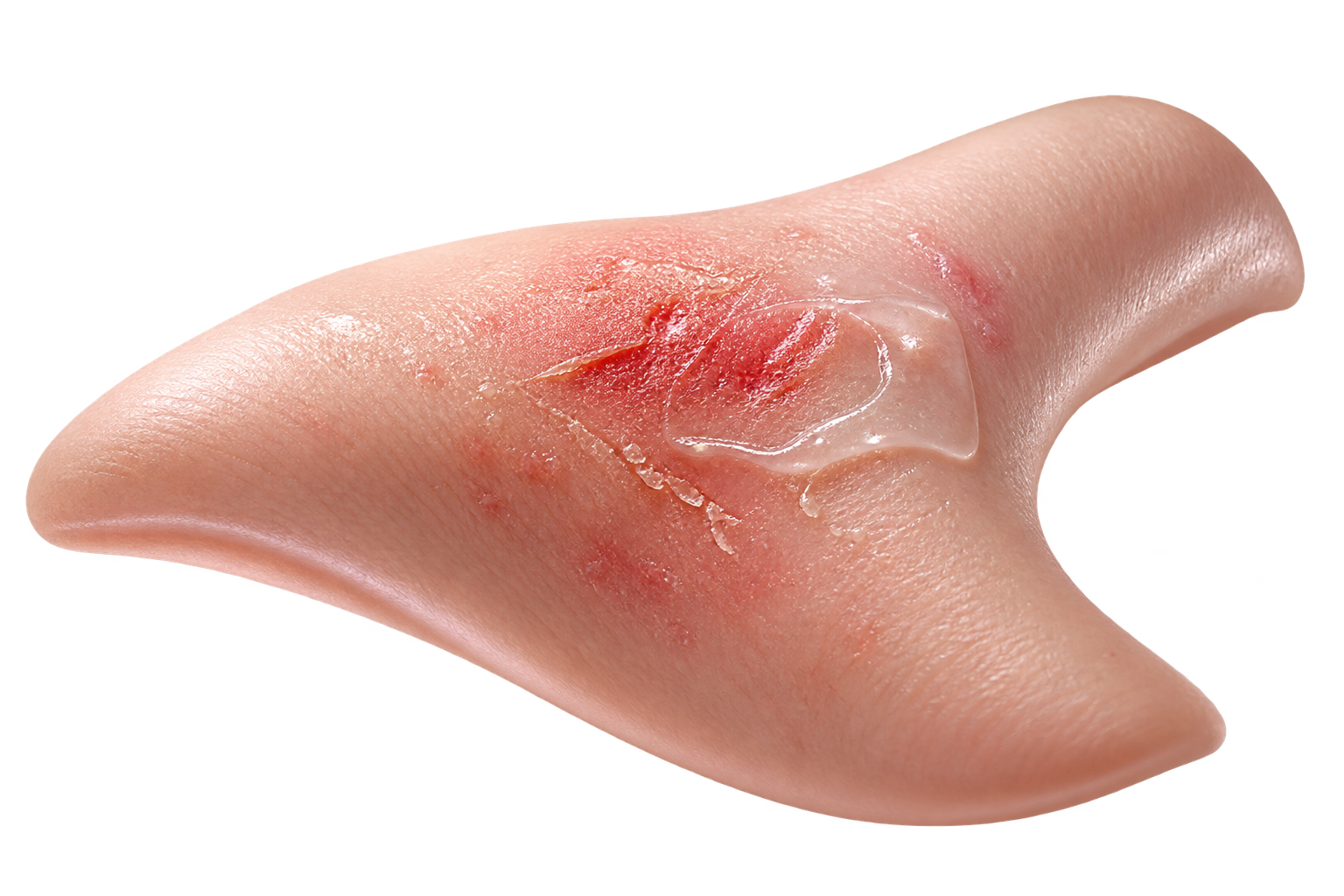
Cuts, burns, picking, or other forms of skin injury may sometimes leave darker areas during the healing process.
Pigmentation can naturally vary between different areas of the body and can change over time.

Some medications and medical conditions can affect pigmentation, so persistent or unusual changes may require professional evaluation.
Uneven tone is a broad concern rather than one specific condition. Identifying the type of discoloration can help you understand what may be causing it.
Dark or brown areas that develop after inflammation or injury to the skin.
Larger patches of brown or grayish-brown pigmentation, commonly appearing on areas such as the cheeks, forehead, nose, or upper lip.
Flat areas of increased pigmentation that can develop on skin exposed to the sun over time.
Red or pink marks that can remain after inflammation, particularly after acne.
Some areas of the skin may naturally contain more or less pigment, creating an uneven appearance.
These concerns are often confused because they can appear together, but they describe different things.
Examples include:
Examples include:
If the problem is mainly about color, think tone. If it's mainly about how the surface looks or feels, think texture.
UV radiation can stimulate the skin to produce more melanin.
This can darken existing pigmentation and make discoloration more noticeable.
Sun exposure can also make some pigmentation conditions more difficult to manage.
That's why protecting your skin from UV radiation is an important part of caring for uneven skin tone.
Use broad-spectrum sunscreen during the day and reapply according to the product's directions.
Reducing direct sun exposure can help limit additional UV exposure.
Hats, sunglasses, and clothing that covers the skin can provide additional protection.
Treating pigmentation without protecting your skin from the sun is like filling a bucket while leaving the tap running.
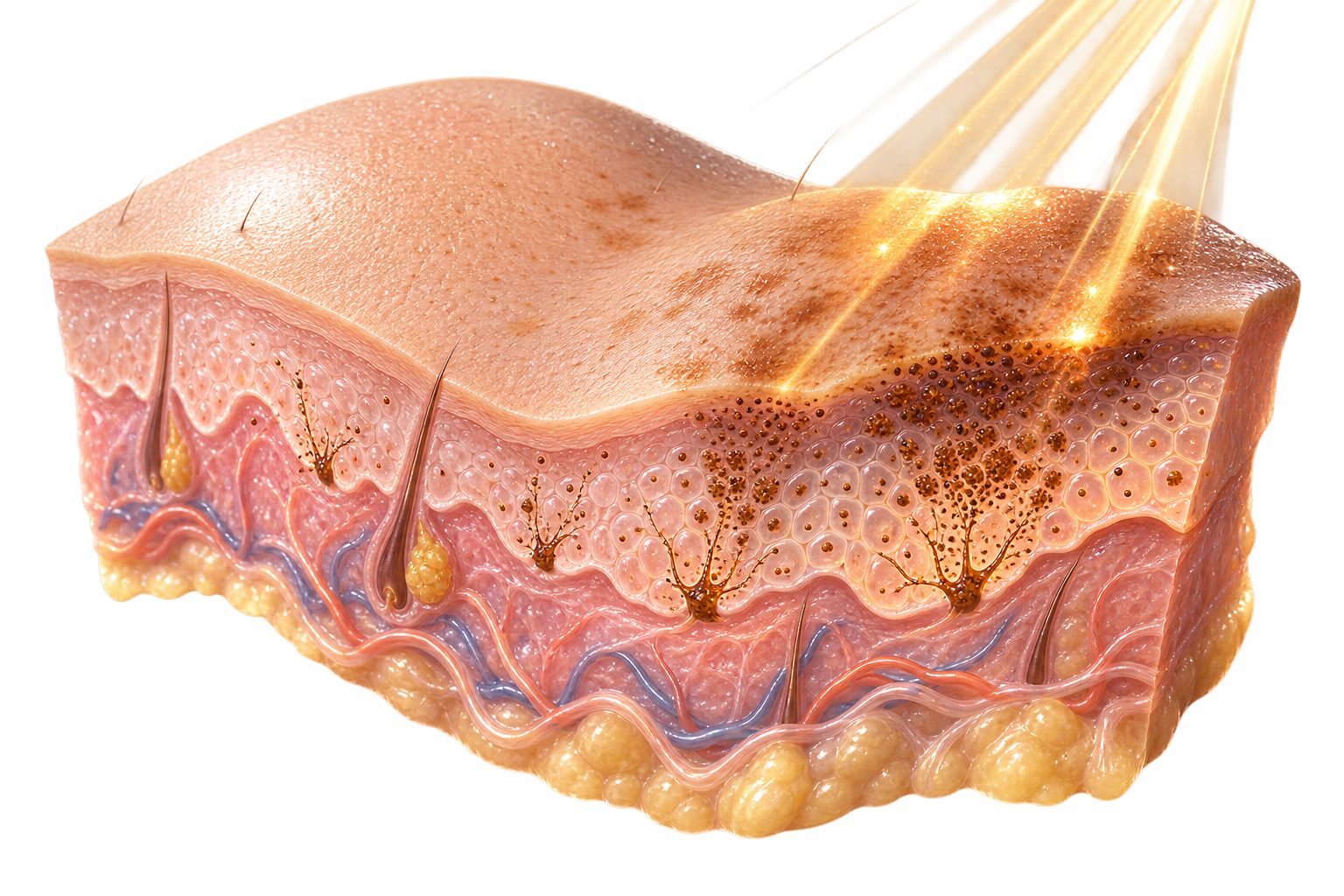
Different ingredients can target different causes of pigmentation and discoloration.

An antioxidant that can help brighten the appearance of skin and support protection against environmental stress when used alongside sunscreen.
Can help support the skin barrier and reduce the appearance of uneven pigmentation over time.
Can help with acne, inflammation, and certain forms of hyperpigmentation.
Help regulate skin-cell turnover and can improve the appearance of some forms of pigmentation over time.

Ingredients such as glycolic acid and lactic acid exfoliate the skin's surface and can help improve uneven tone.
A skincare ingredient used in some formulations to target the appearance of hyperpigmentation.
More brightening ingredients don't automatically mean faster results. Using too many can irritate the skin and potentially make discoloration worse.
Some habits can increase inflammation or make existing pigmentation more noticeable.
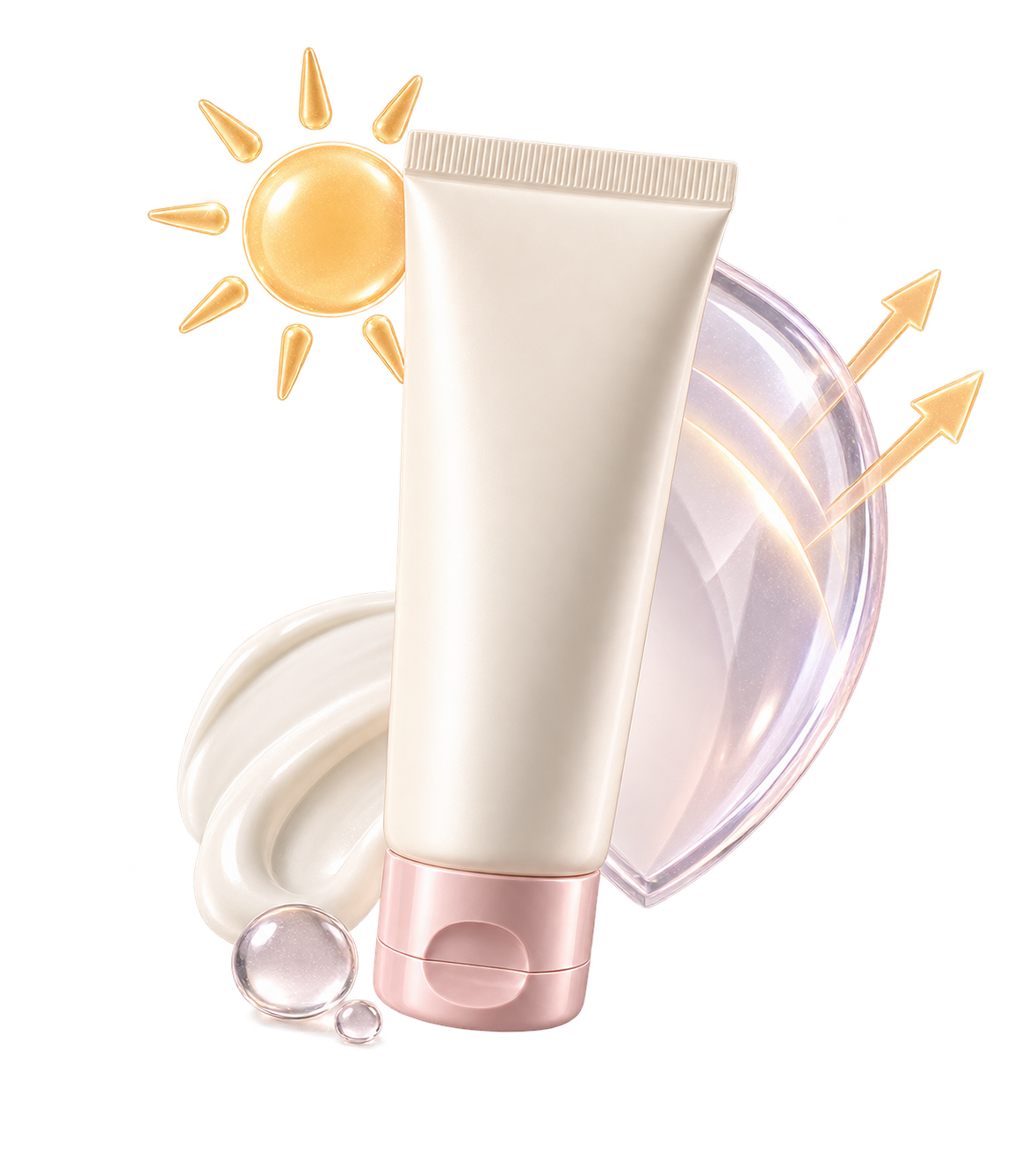
UV exposure can darken pigmentation and interfere with progress.
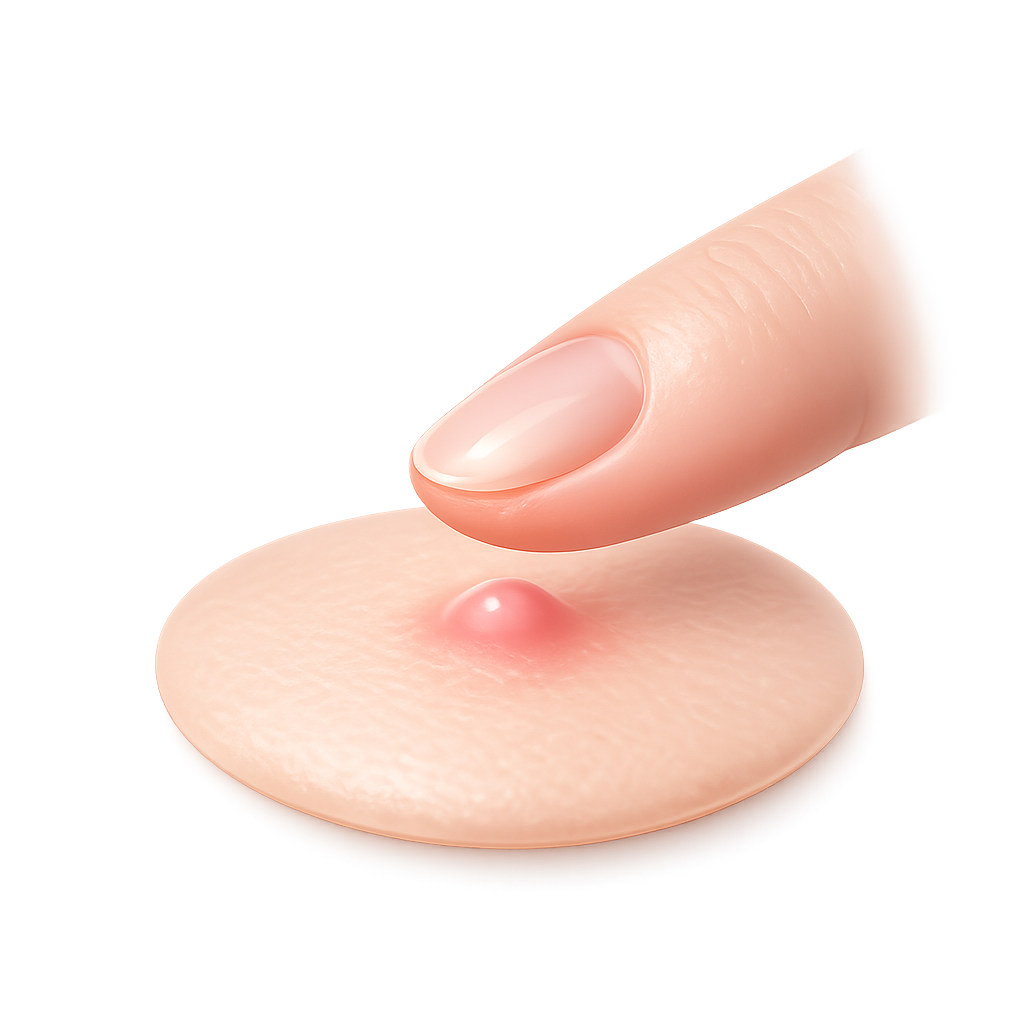
Picking can increase inflammation and raise the risk of post-inflammatory pigmentation.

Too much exfoliation can irritate the skin and trigger inflammation.
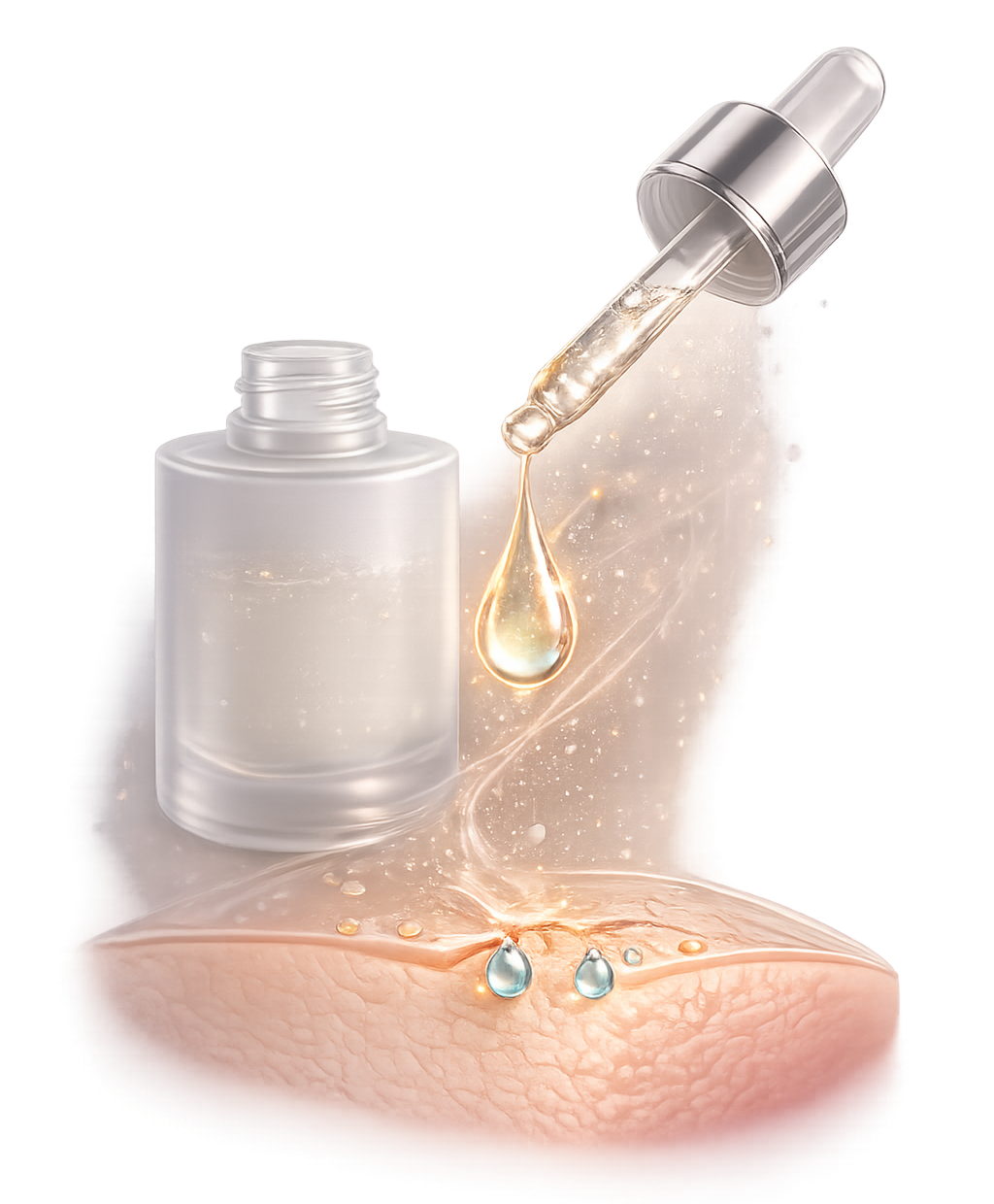
Products that repeatedly irritate your skin can contribute to discoloration.
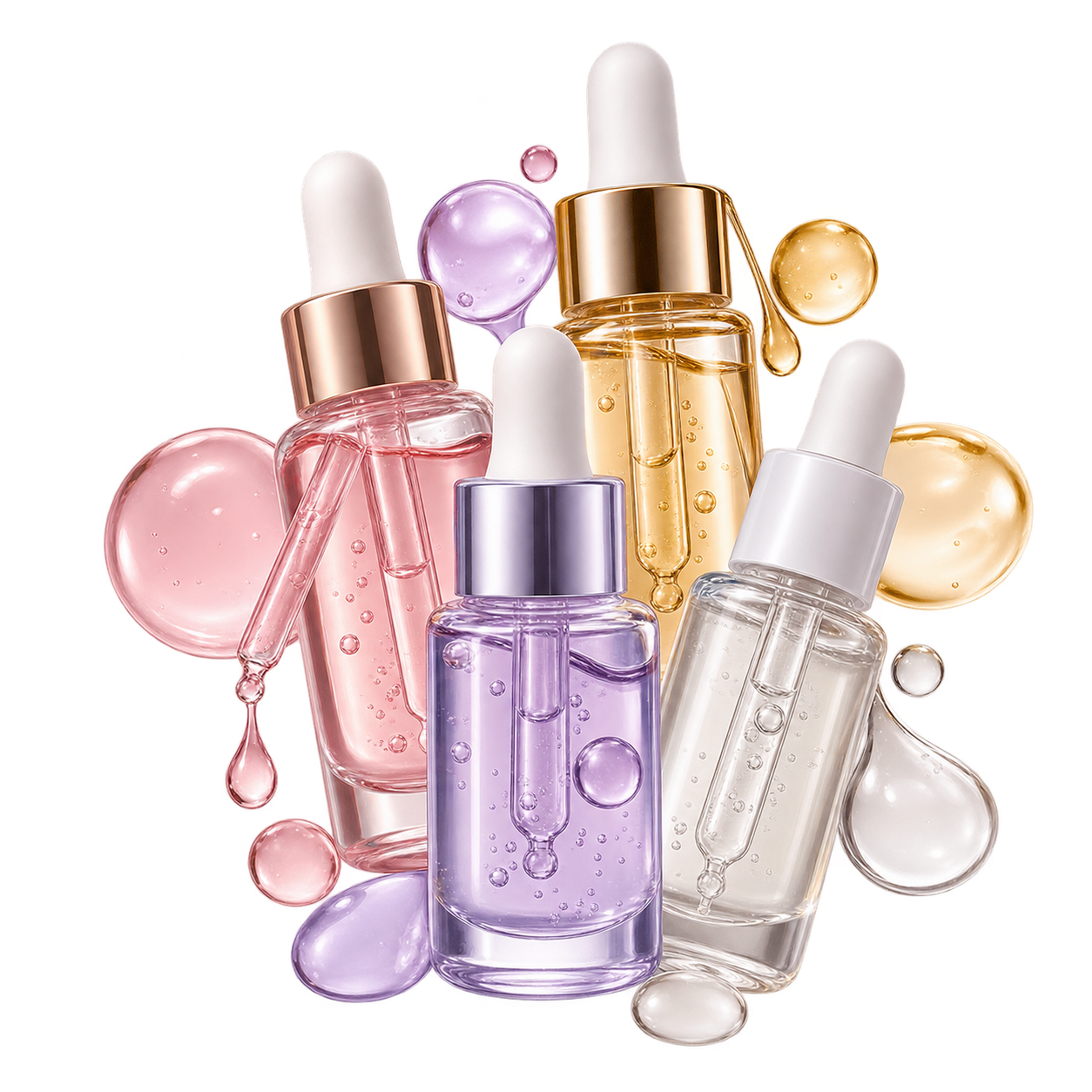
Using several strong ingredients at once can overwhelm the skin and increase irritation.

Pigmentation may keep returning if the trigger, such as acne or ongoing irritation, isn't addressed.
You don't need an aggressive routine to work on uneven tone. Consistency is more important.
Cleanse your skin without unnecessary friction or irritation.
Choose one appropriate ingredient based on your specific type of discoloration and your skin's tolerance.

Support your skin barrier with a moisturizer that keeps your skin comfortable and hydrated.
Apply broad-spectrum sunscreen every morning.

Pigmentation often takes time to fade. Give your routine time before constantly changing products.

In many cases, uneven pigmentation can become less noticeable with consistent skincare and good sun protection.
However, the timeline depends heavily on the cause, depth of pigmentation, skin type, and how consistently the trigger is controlled.
Some discoloration may fade naturally over time, while other types may require targeted skincare or professional treatment.
The most important steps are identifying the cause, preventing additional irritation, and protecting the skin from UV exposure.
Don't judge your progress every morning. Pigmentation usually changes slowly, so compare your skin over longer periods rather than day by day.
Let's separate useful guidance from common pigmentation myths.
"Uneven skin tone means your skin is unhealthy."
Pigmentation differences are extremely common and don't automatically indicate unhealthy skin.
"Lemon juice can safely lighten dark spots."
Lemon juice can irritate the skin and isn't a reliable or recommended treatment for pigmentation.
"Exfoliating more will remove pigmentation faster."
Over-exfoliation can irritate the skin and potentially worsen discoloration.
"Sunscreen is only necessary when you're outside for a long time."
Regular UV exposure can contribute to pigmentation, so sun protection is an important part of managing uneven tone.
"All dark spots are the same."
Dark spots can have different causes, including acne, sun exposure, hormonal changes, and other conditions.
Many forms of uneven skin tone are harmless, but professional advice can help when the cause isn't clear or the pigmentation doesn't improve.
Recurring discoloration may require identifying and treating an underlying trigger.
A dermatologist can help determine whether you're dealing with post-inflammatory pigmentation, melasma, another pigmentation condition, or something else.
A sudden or unusual change in pigmentation should be professionally evaluated.
If consistent skincare hasn't improved the concern, a dermatologist can discuss other treatment options.
A new or changing pigmented spot should be evaluated rather than automatically assuming it is ordinary hyperpigmentation.


Uneven skin tone isn't something you need to attack with every brightening ingredient you can find.
Find the reason behind the discoloration, protect your skin from the sun, keep your barrier comfortable, and choose treatments that your skin can actually tolerate.
Slow progress is still progress.