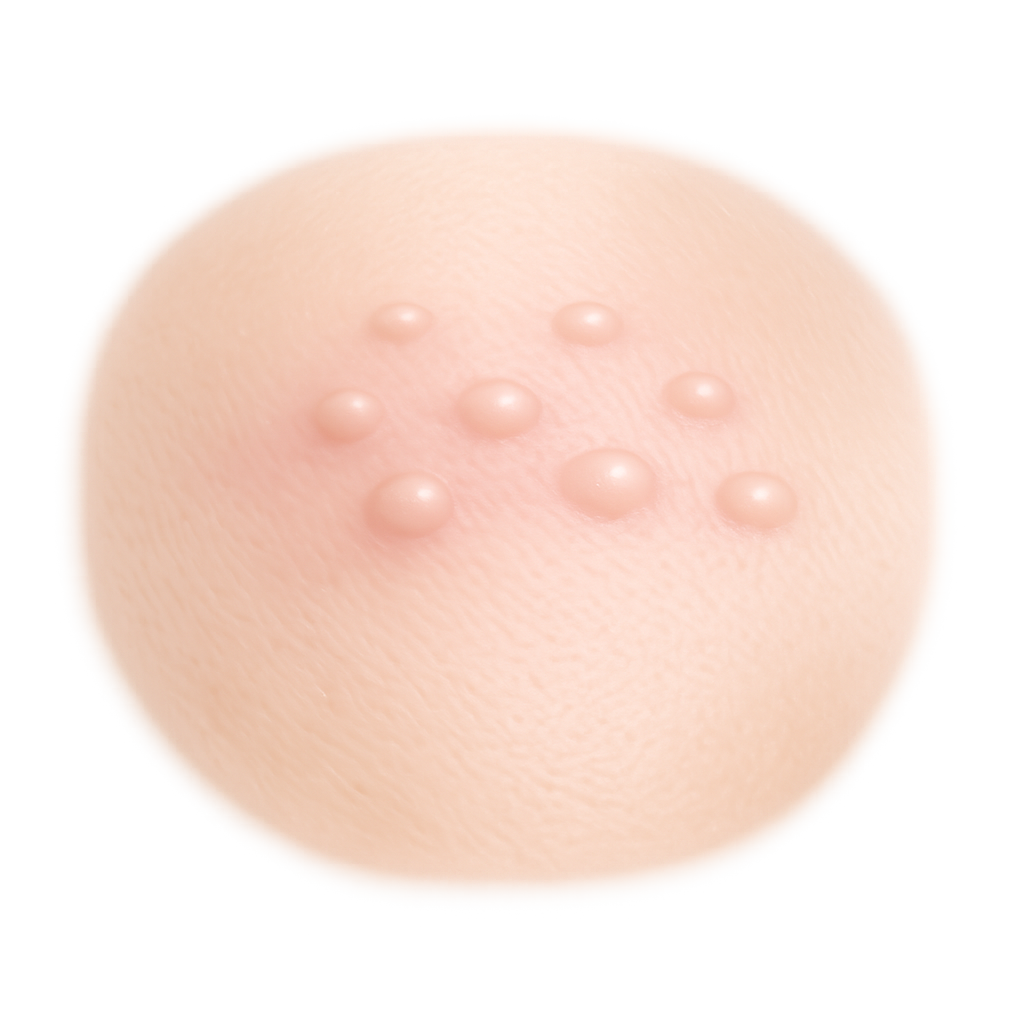
Tiny Bumps
Small bumps may develop because of clogged pores, irritation, or other skin conditions.
 ×
×
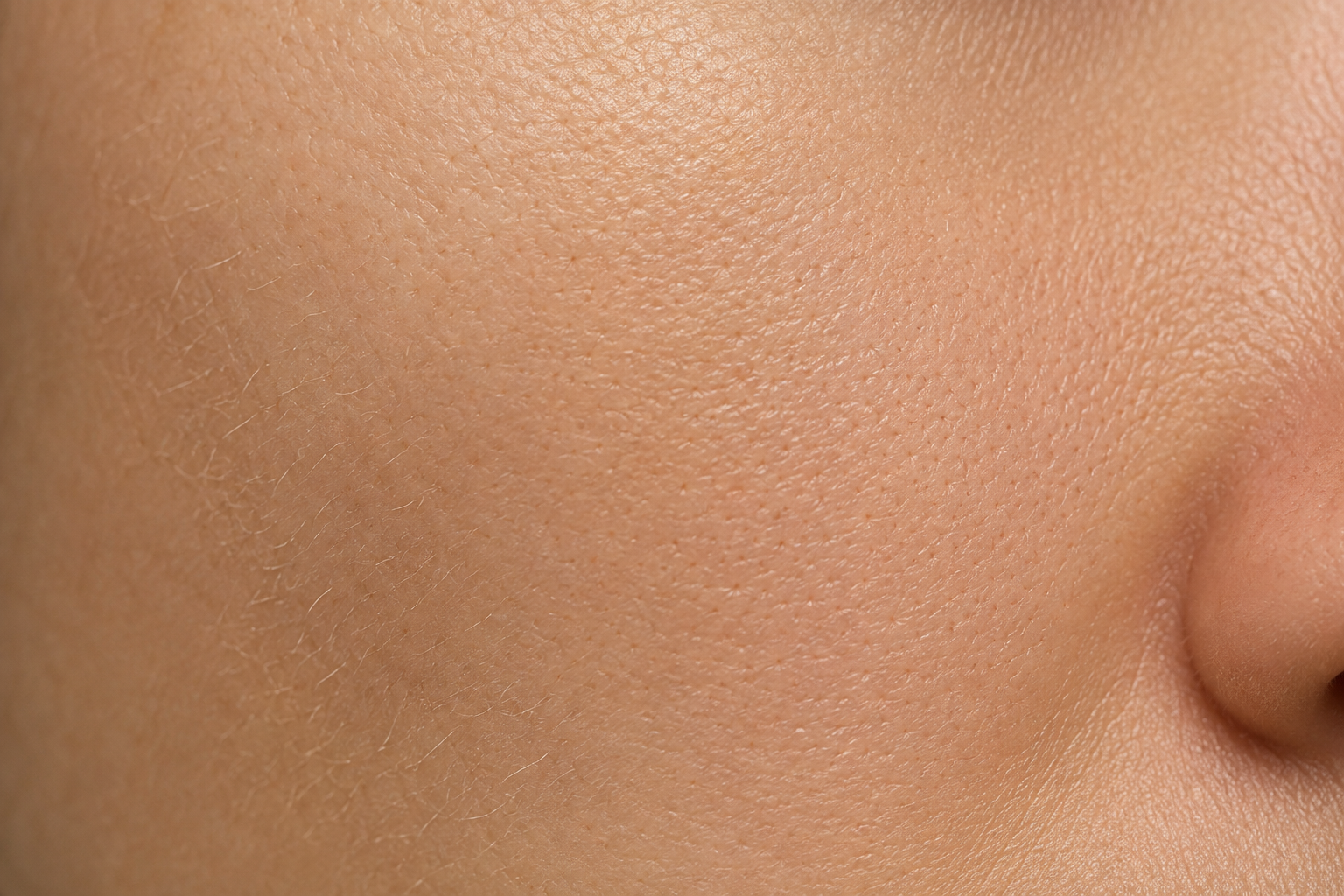
Smooth skin doesn't mean perfectly poreless skin. Everyone has natural pores, lines, and variations in texture.
Learn what skin texture is, what can make it look uneven, the different types of texture, and how to care for your skin without overdoing it.
Start Learning ↓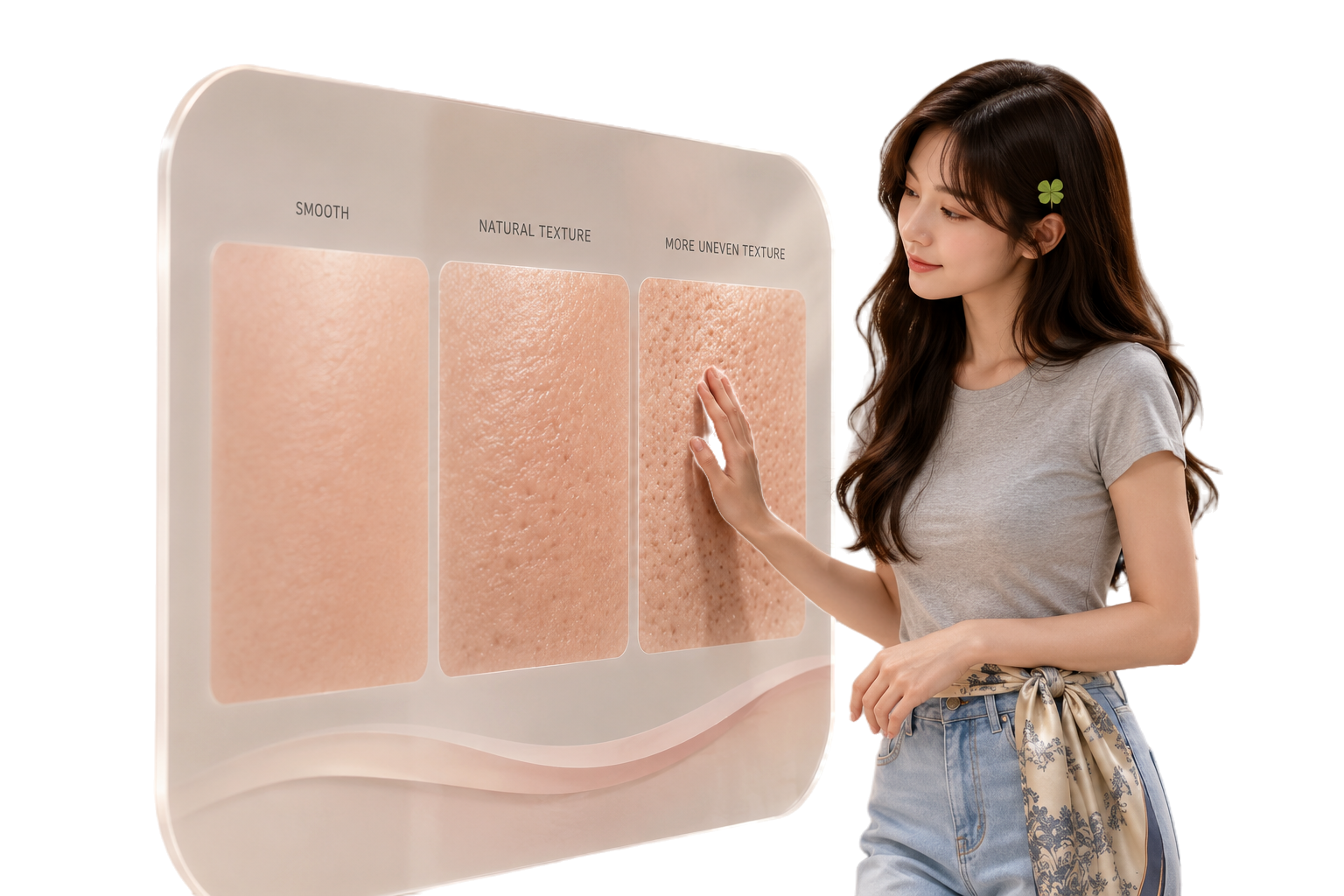
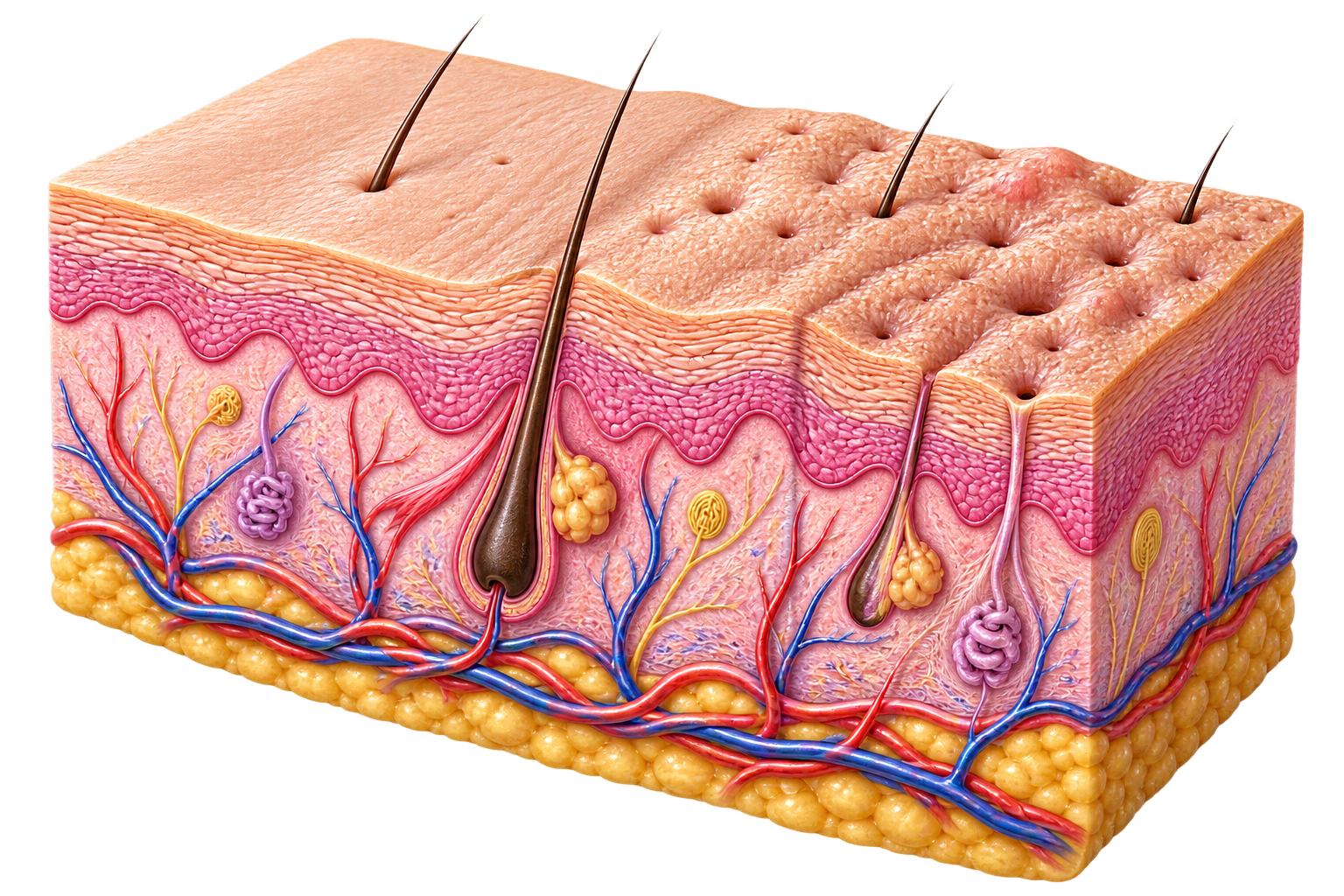
Skin texture refers to how the surface of your skin looks and feels.
Healthy skin naturally has pores, tiny lines, hair follicles, and slight variations in texture. However, certain factors can make the surface appear rough, bumpy, uneven, or less smooth than usual.
Uneven texture isn't a single skin condition. It can have many different causes, including dryness, clogged pores, acne, sun damage, or changes in collagen and elastin.
Real skin has texture. The goal isn't to erase every pore or tiny line — it's to keep your skin healthy and comfortable.
Uneven texture can appear in several different ways depending on what's causing it.
Small bumps may develop because of clogged pores, irritation, or other skin conditions.
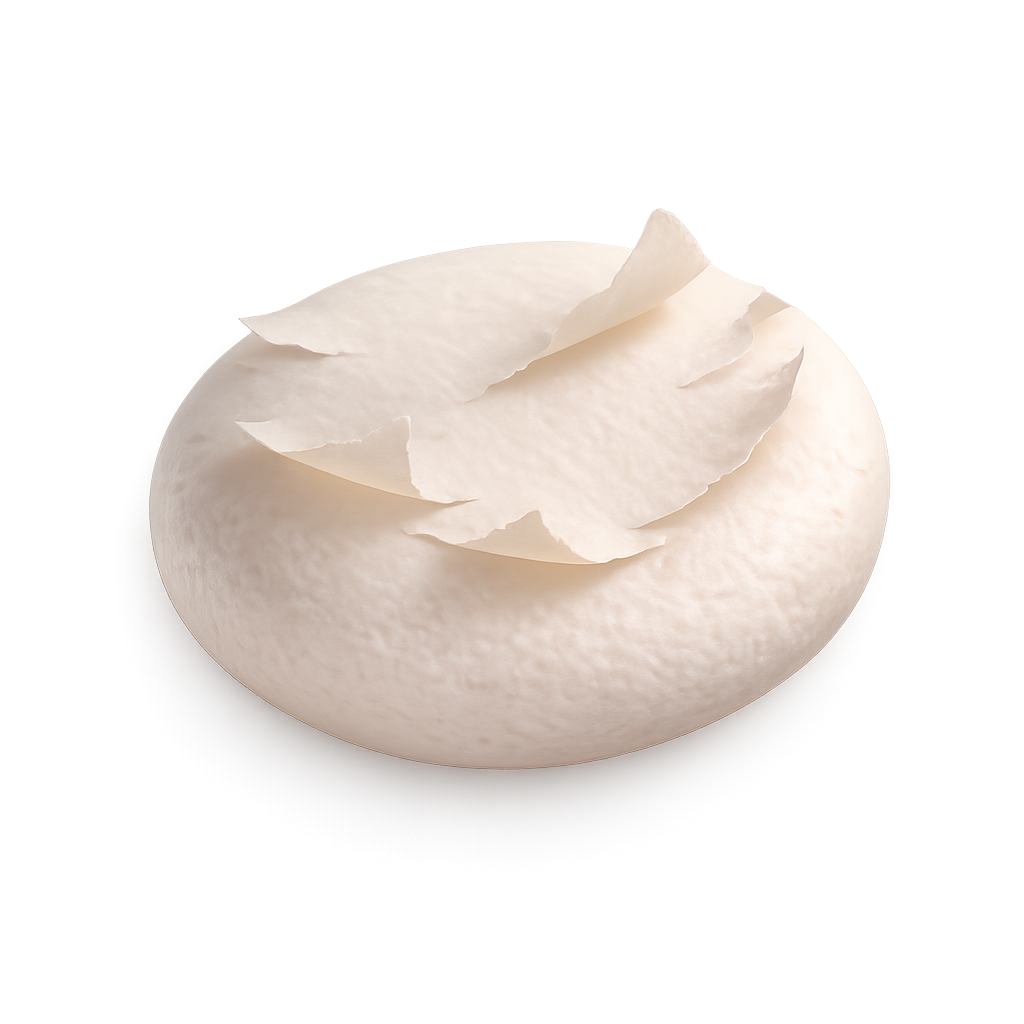
Dryness and a weakened skin barrier can make the surface feel rough or flaky.
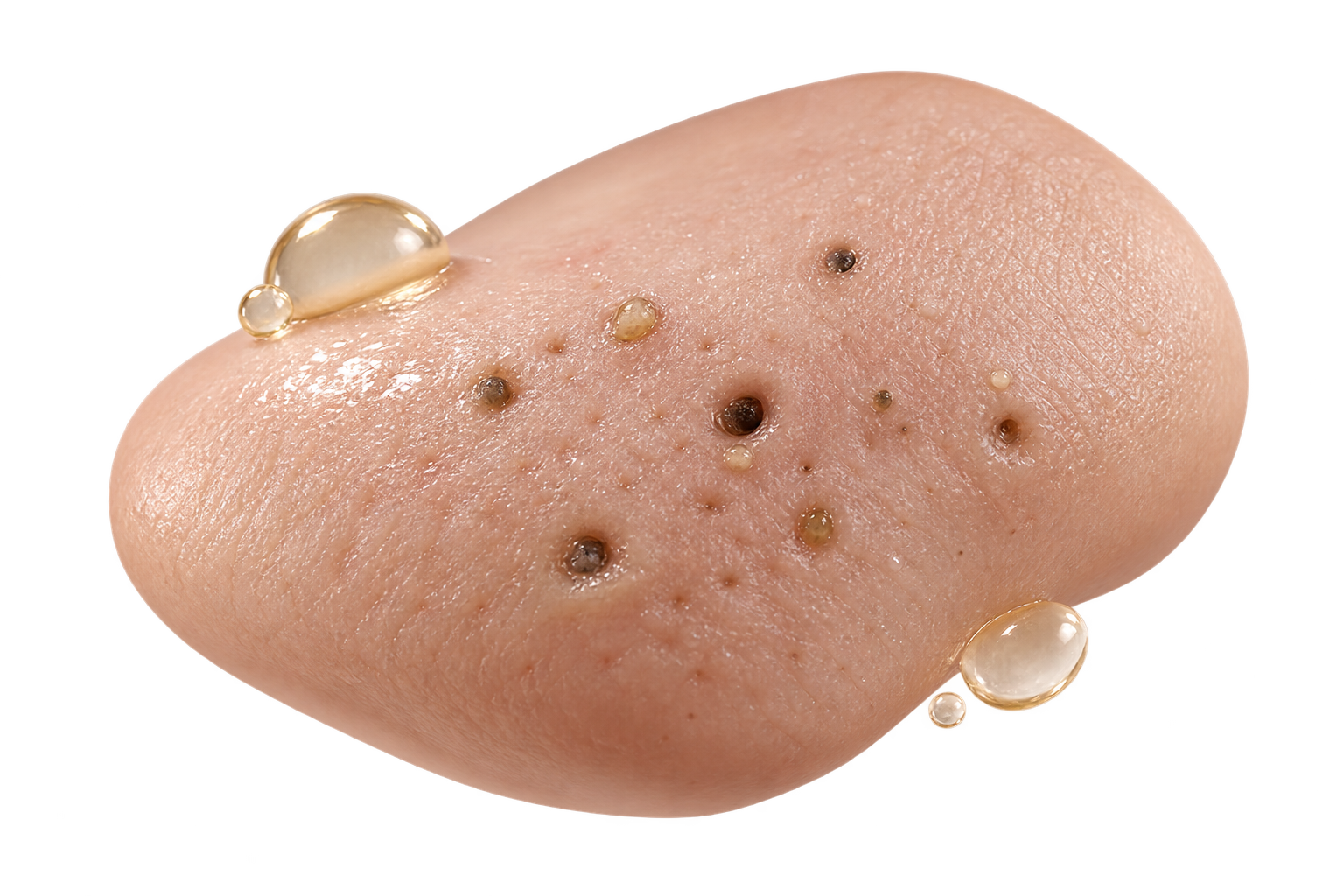
Pores can appear more noticeable when they contain excess oil or when the surrounding skin has lost some elasticity.
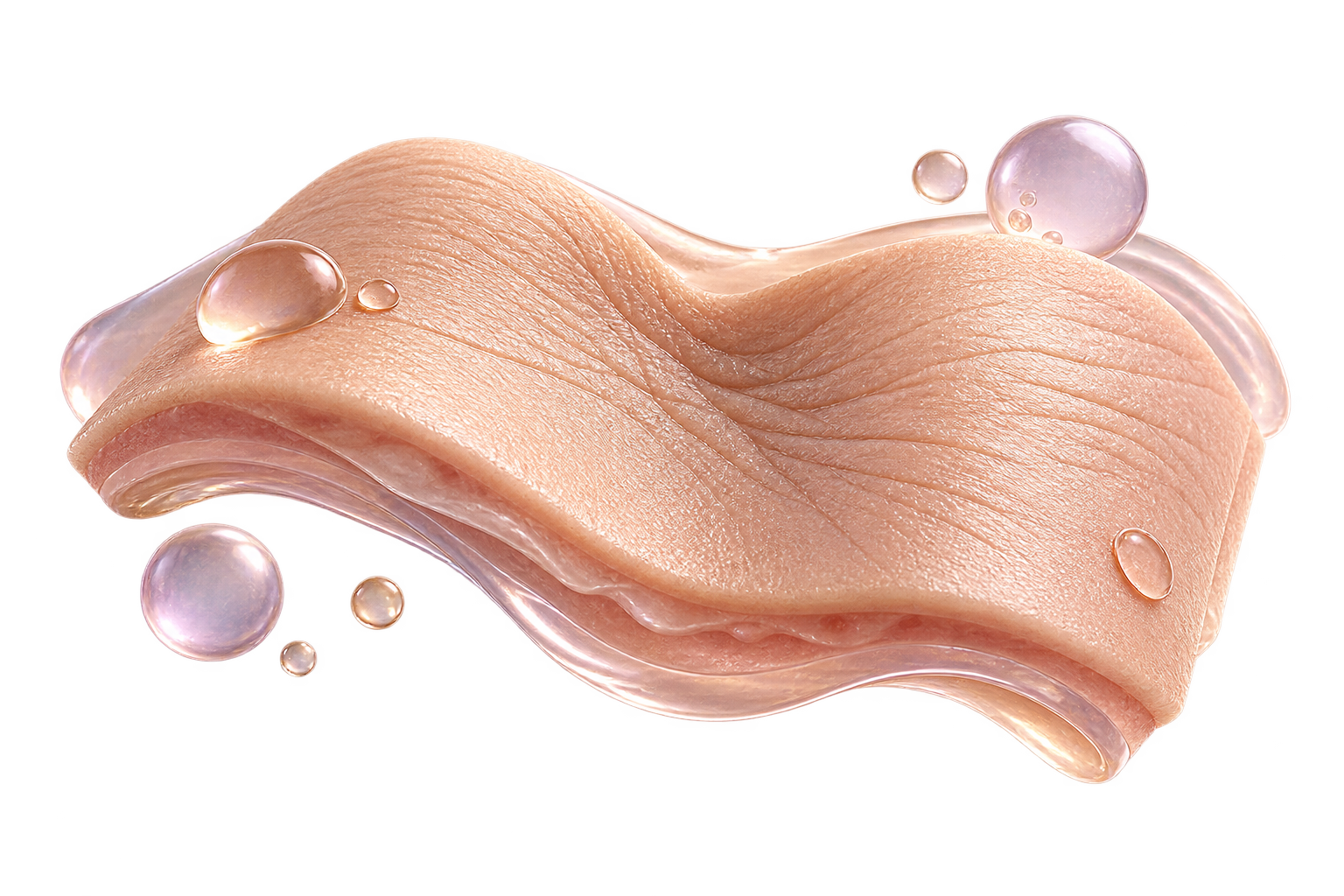
Small lines can make the skin surface appear less smooth, especially as skin changes with age and sun exposure.
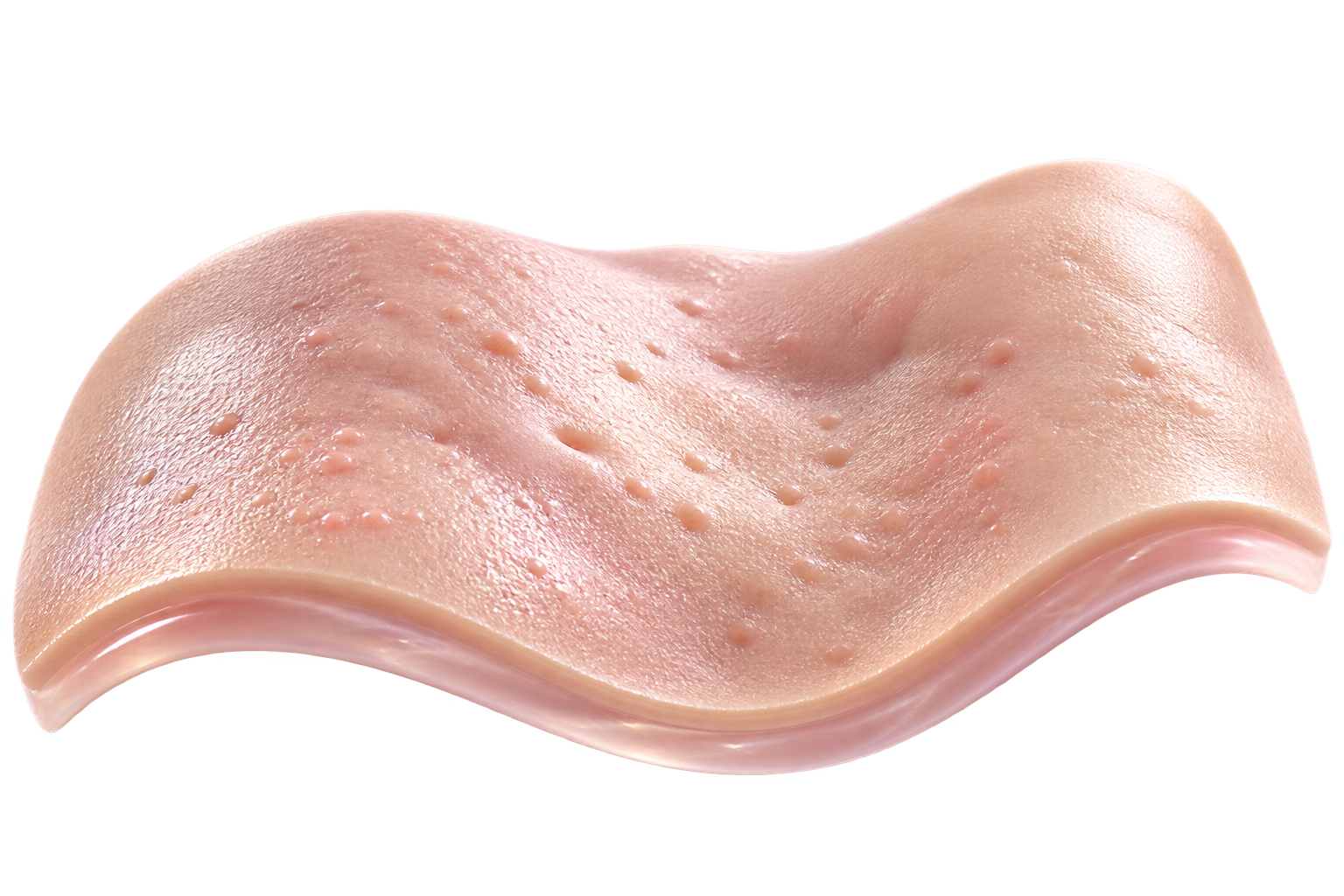
Acne scars and other changes in the deeper layers of the skin can create dents or raised areas.
Uneven texture usually develops from a combination of factors rather than one single cause.
When the skin lacks enough water or lipids, it can feel rough, tight, or flaky.
Excess sebum and dead skin cells can collect inside pores and create small bumps or a rough appearance.

Active acne and the healing process can temporarily or permanently change the appearance of the skin's surface.

Long-term UV exposure can contribute to changes in collagen, pigmentation, and skin texture.
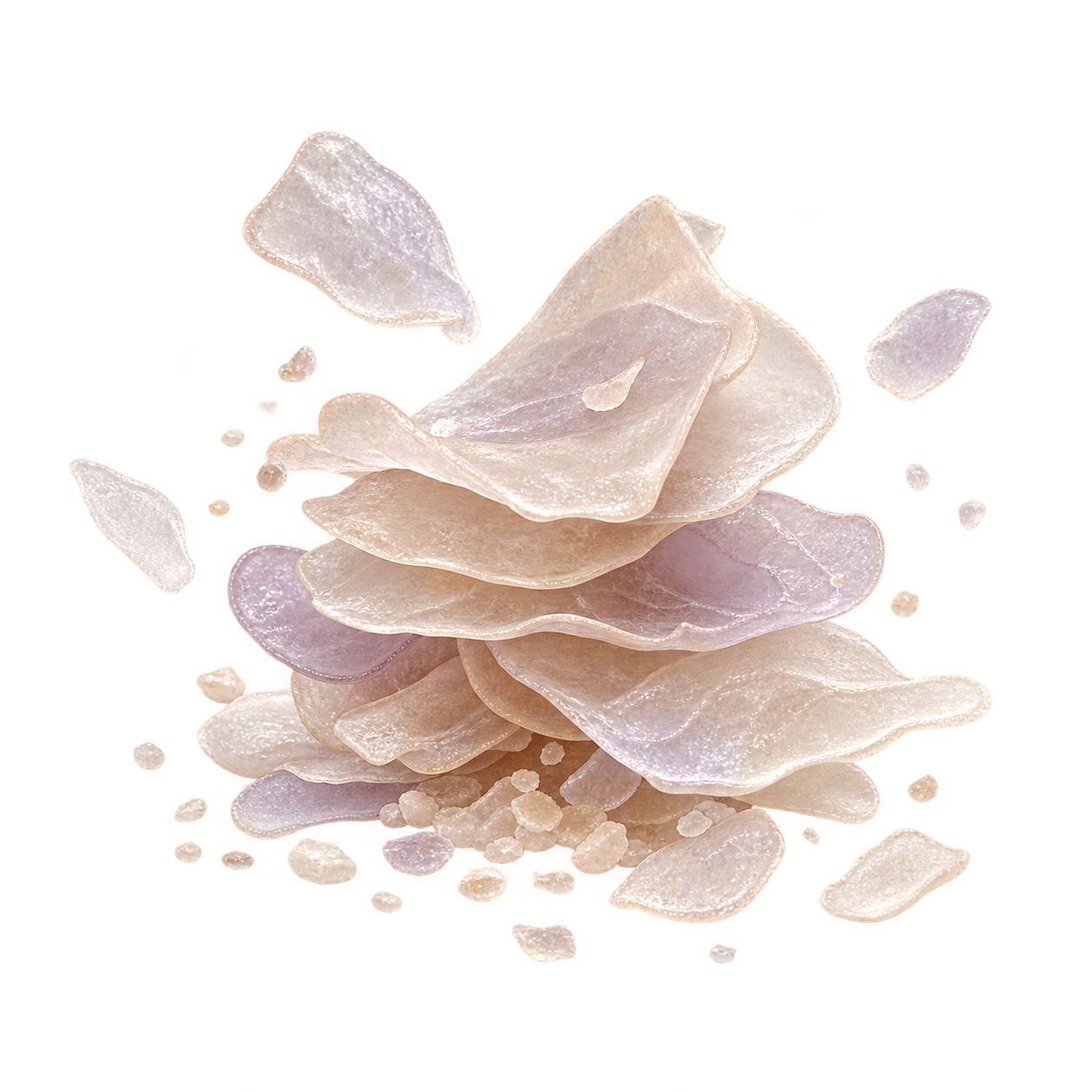
When dead skin cells don't shed evenly, the skin may feel rough or look dull.
Over time, changes in collagen, elastin, and cell turnover can contribute to fine lines and changes in texture.
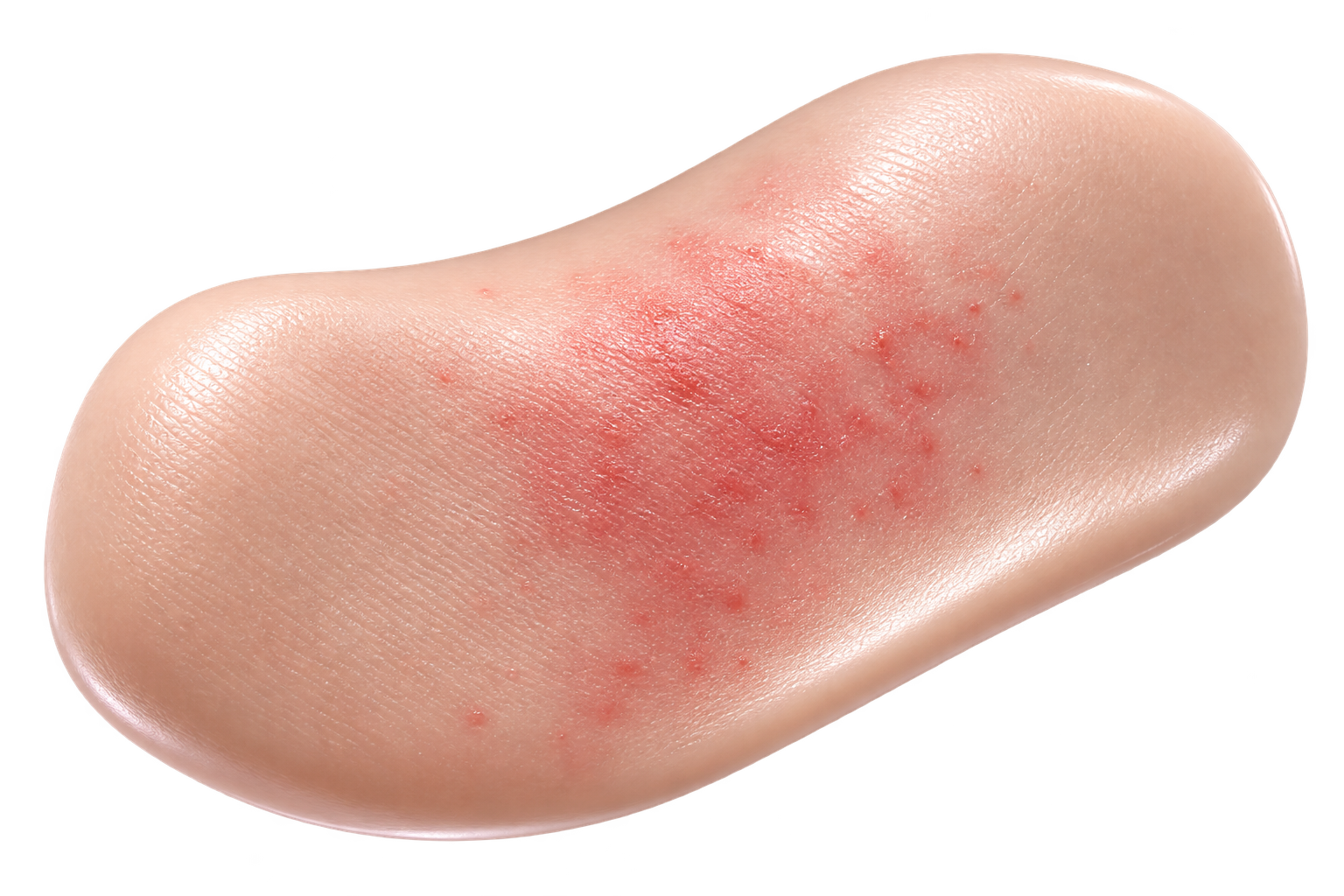
Repeated irritation or damage to the skin barrier can make the surface feel rough and uneven.
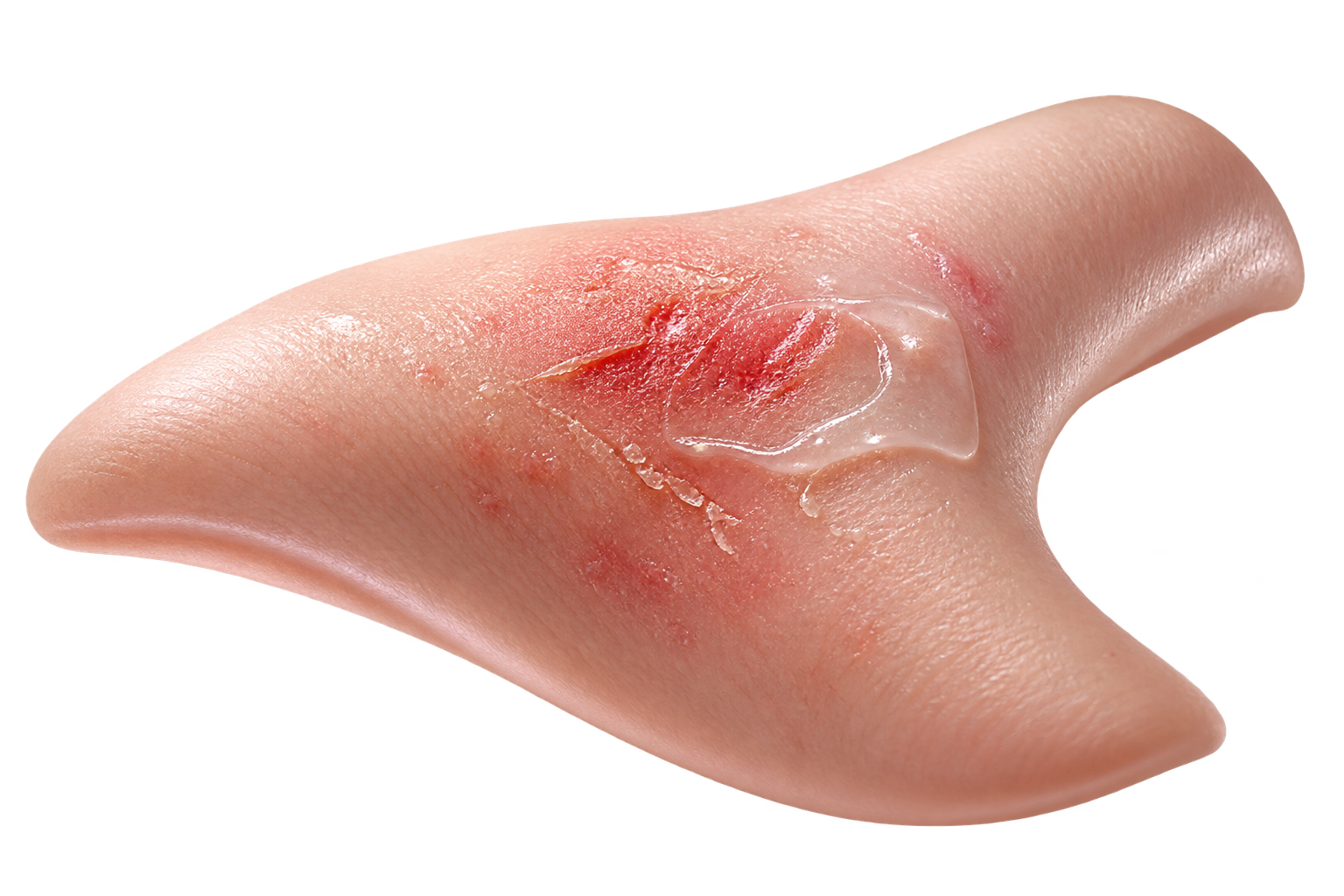
Acne and other injuries can sometimes create permanent changes in skin texture.
"Uneven texture" can describe several different things. Identifying what you're actually seeing is the first step toward choosing the right approach.
The skin feels uneven, dry, or rough to the touch.
Small raised areas may be caused by clogged pores, irritation, or certain skin conditions.
Blackheads, whiteheads, and other clogged pores can make the surface look bumpy.
Small lines and creases can naturally become more noticeable over time.
Indented or raised scars can create permanent changes in the skin's surface.
Pores may appear more visible, particularly in areas with higher oil production.
These two concerns are often confused, but they describe different things.
Texture includes bumps, roughness, pores, fine lines, and scars.
Tone concerns include dark spots, redness, uneven pigmentation, and discoloration.
A dark spot is a tone concern. A bump or rough surface is a texture concern. Sometimes you can have both at the same time.
Improving texture depends on what's causing it. There isn't one ingredient or treatment that fixes every type of uneven texture.
A well-moisturized skin barrier can help the skin feel softer and smoother.
Remove excess oil and impurities without aggressively scrubbing the skin.
Appropriate chemical exfoliation can help remove excess dead skin cells, but over-exfoliation can cause irritation and make texture worse.

Daily broad-spectrum sunscreen helps protect against UV-related skin changes.
If texture is caused by acne, clogged pores, dryness, or another condition, addressing the underlying problem is more useful than simply trying to "smooth" the skin.

Skin texture usually changes gradually. Constantly switching products can make it harder to know what actually works.
Different ingredients target different causes of uneven texture.
Helps exfoliate inside pores and can be useful when clogged pores contribute to uneven texture.
An alpha-hydroxy acid that exfoliates the skin's surface while also helping support hydration.

A stronger alpha-hydroxy acid that helps remove dead skin cells from the surface.
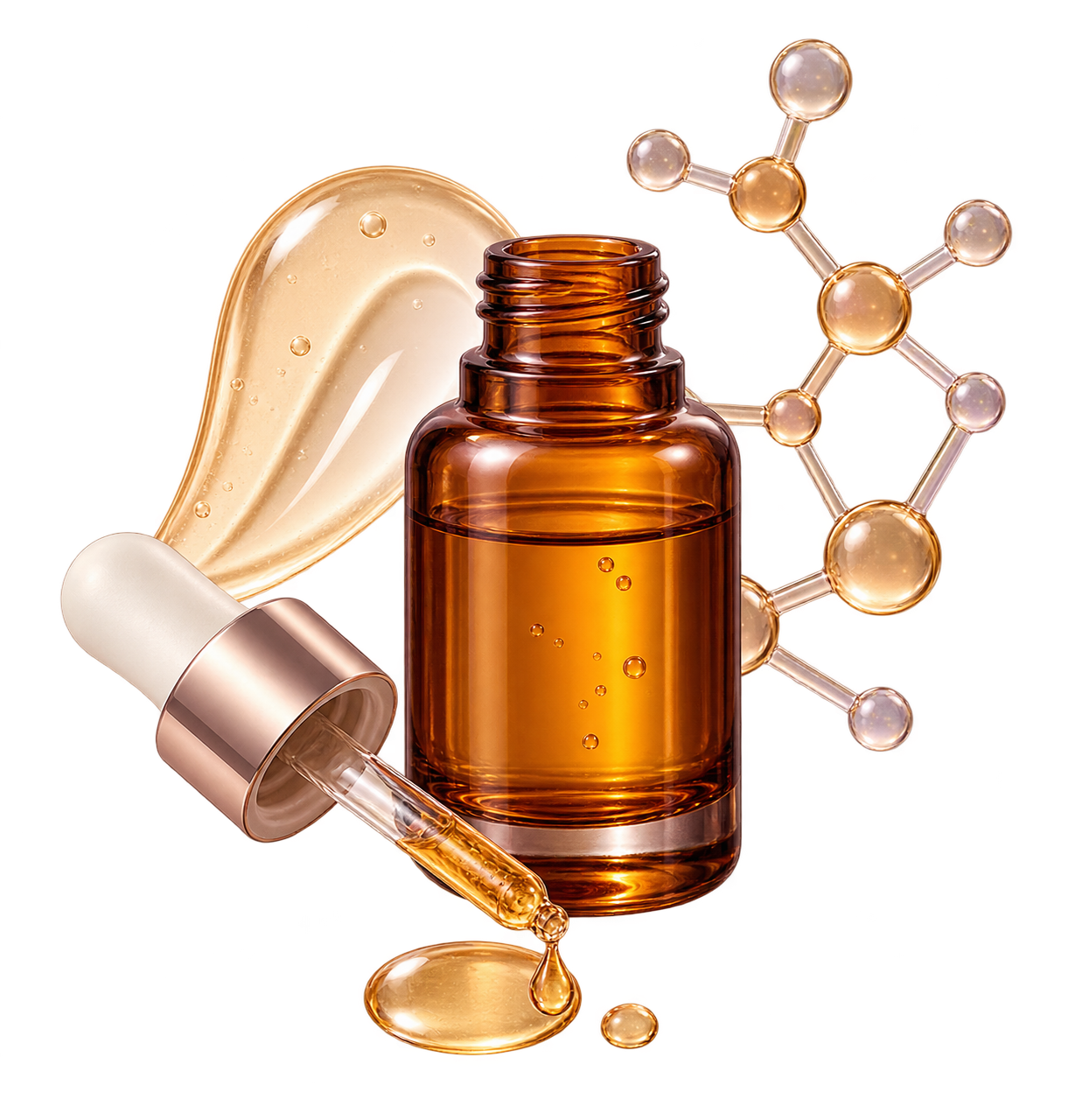
Help regulate skin-cell turnover and can improve the appearance of fine lines and some forms of uneven texture over time.
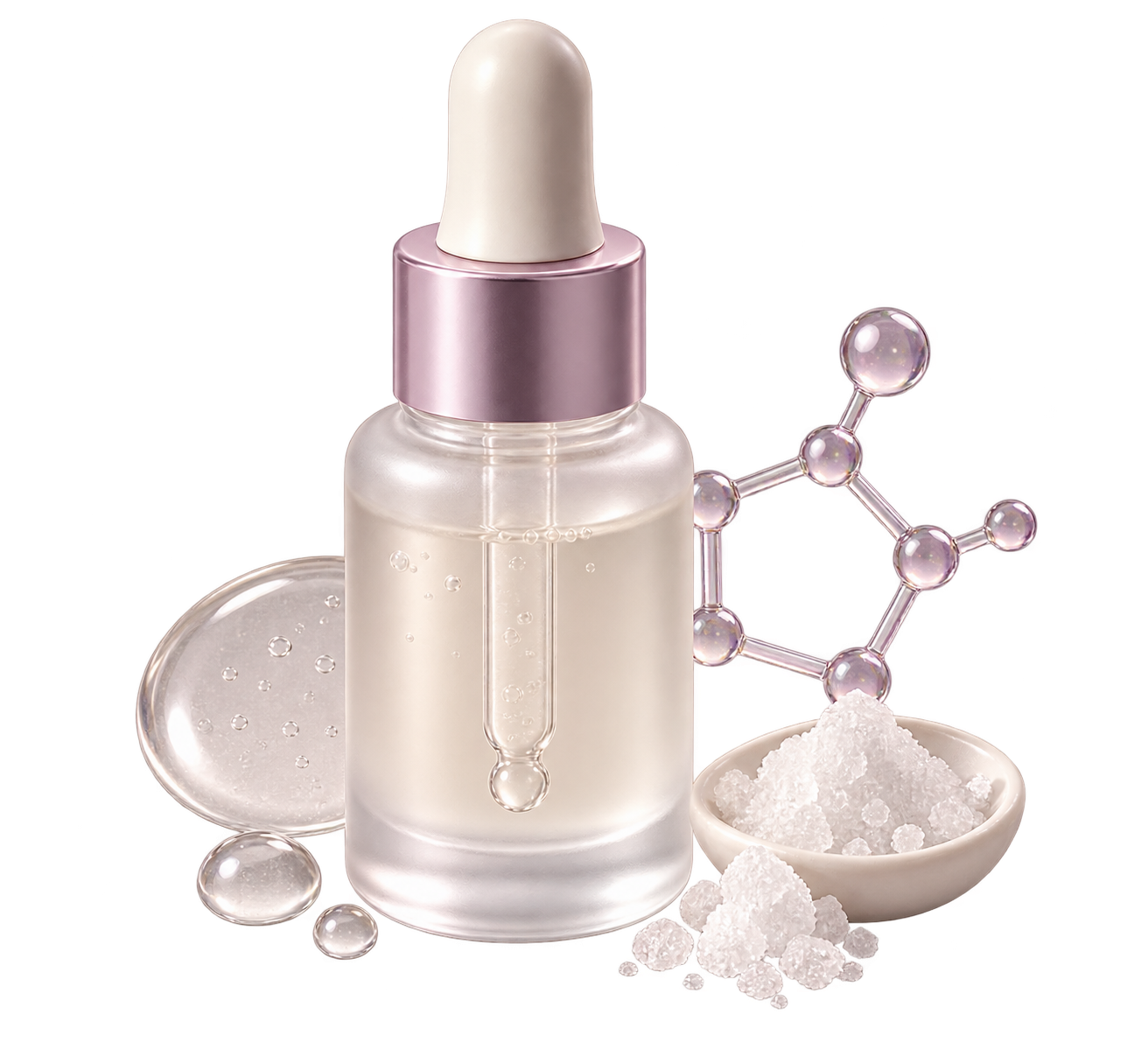
Helps support the skin barrier and may improve the appearance of pores and uneven skin over time.
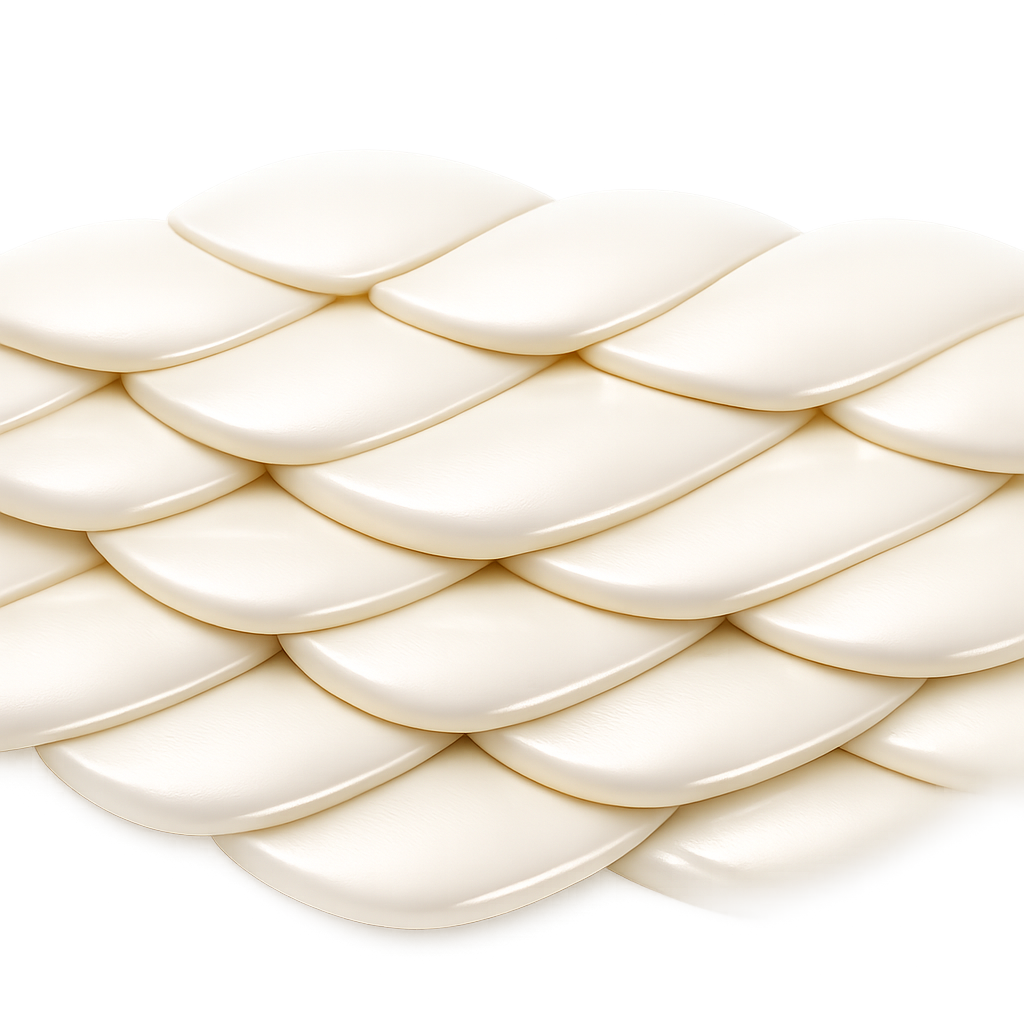
Help support the skin barrier and maintain moisture, which can improve the feel of dry, rough skin.
You don't need to use every exfoliating ingredient. More exfoliation does not automatically mean smoother skin.
Sometimes the attempt to make skin smoother ends up irritating it even more.
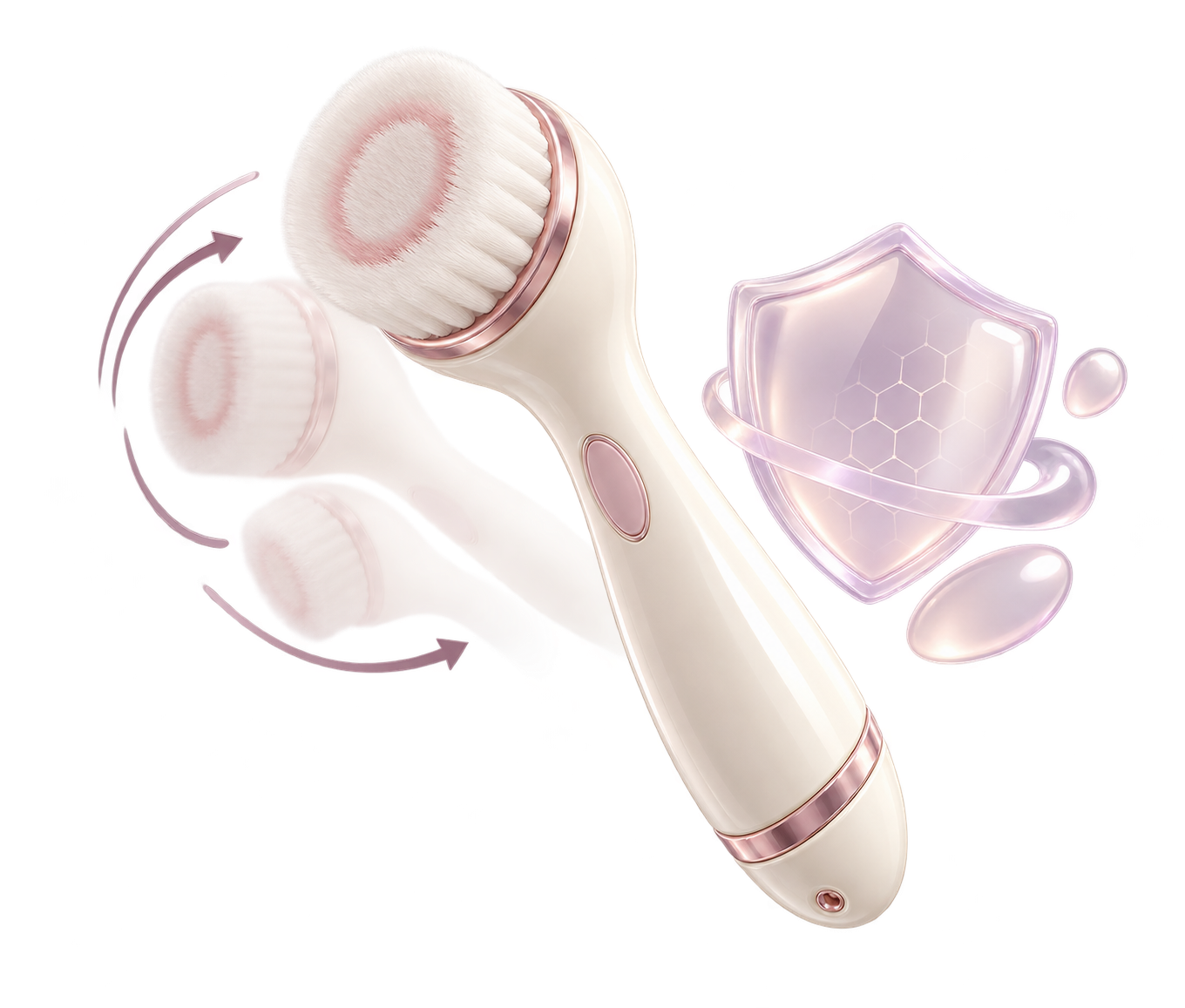
Using exfoliating acids too frequently can damage the skin barrier and cause dryness and irritation.
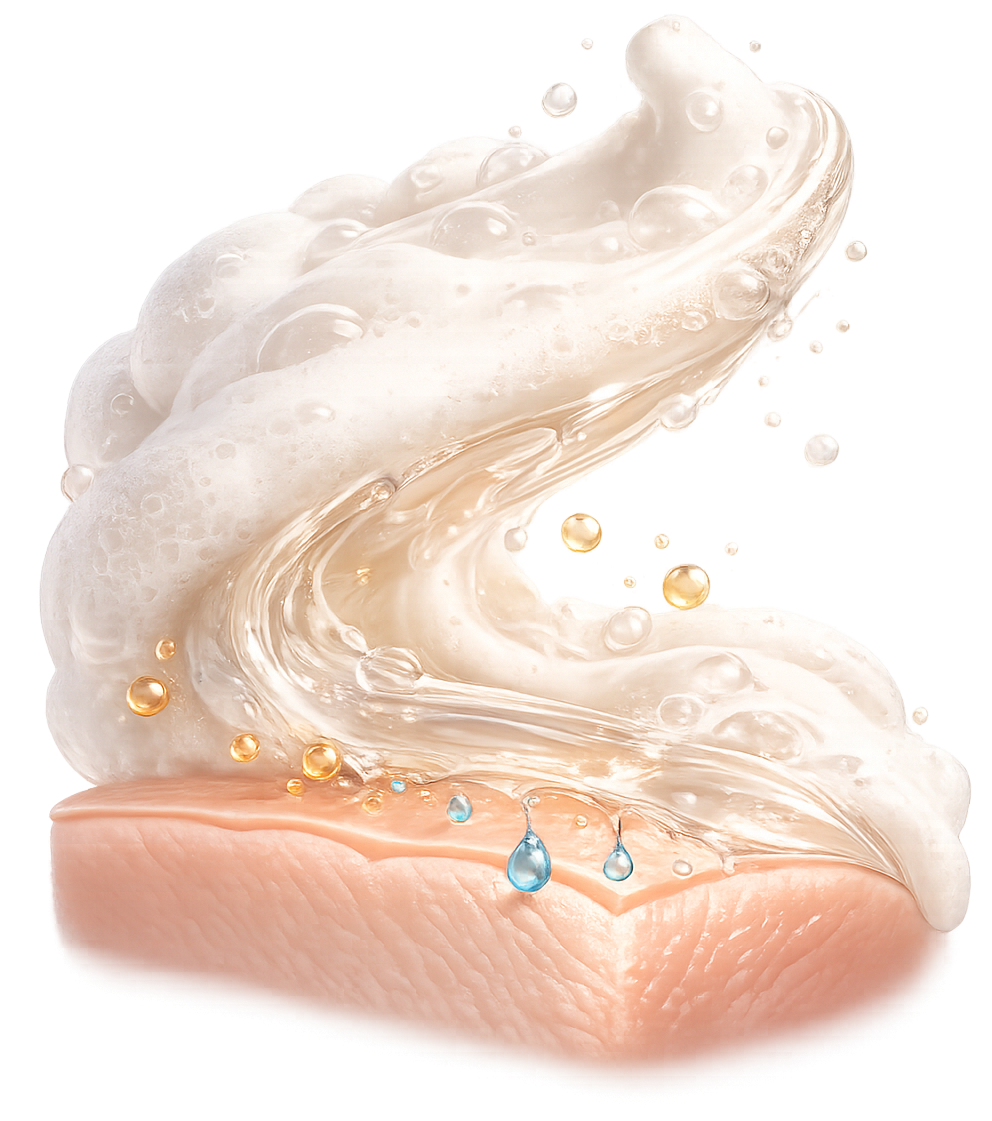
Aggressive physical scrubbing can create unnecessary friction.
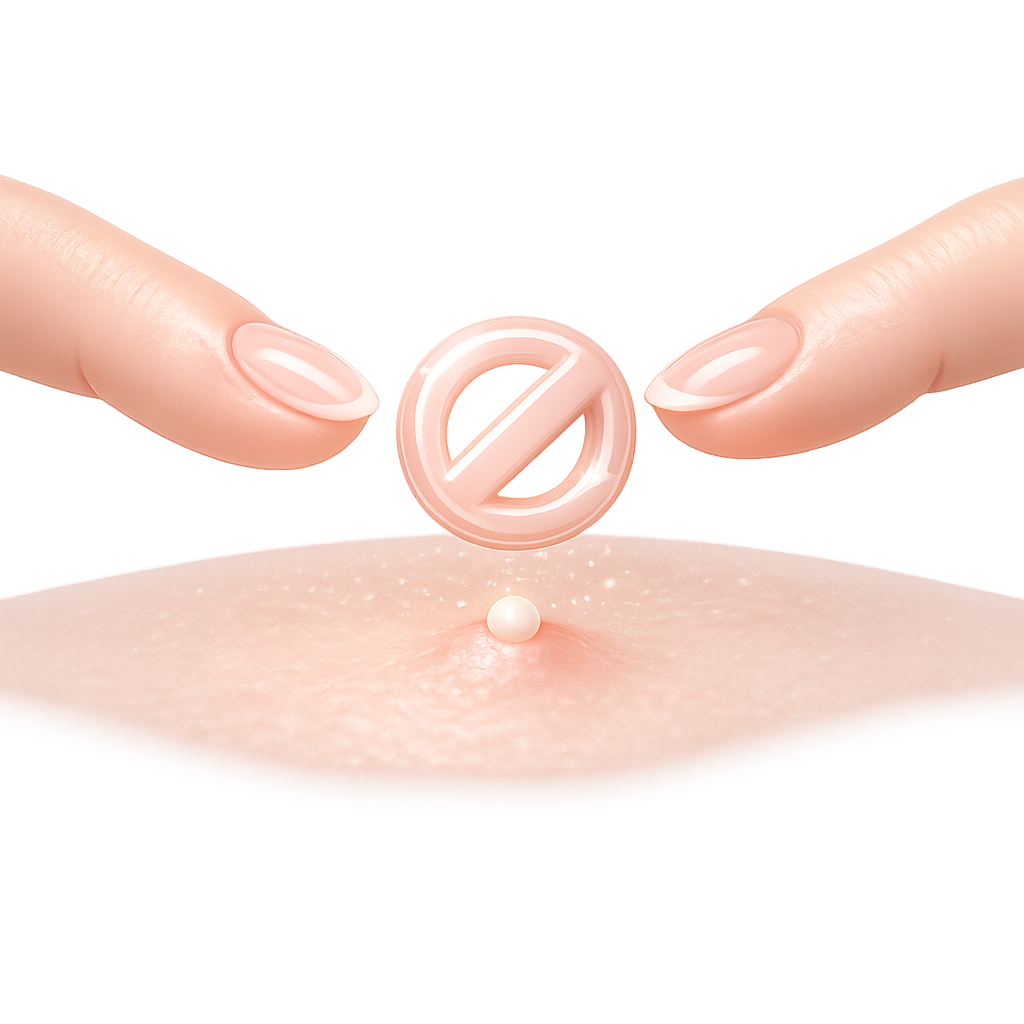
Picking can increase inflammation and may lead to dark marks or scarring.
Combining multiple strong ingredients without giving your skin time to adjust can cause irritation.

Dry, dehydrated skin can look rougher and make texture more noticeable.
UV exposure can contribute to long-term changes in skin texture.
A good texture-focused routine doesn't need to contain ten different products.
Cleanse your skin without stripping or aggressively scrubbing it.
Choose an ingredient based on your specific concern, such as salicylic acid for clogged pores or an appropriate exfoliant for surface roughness.
Support your skin barrier with a moisturizer that your skin tolerates well.
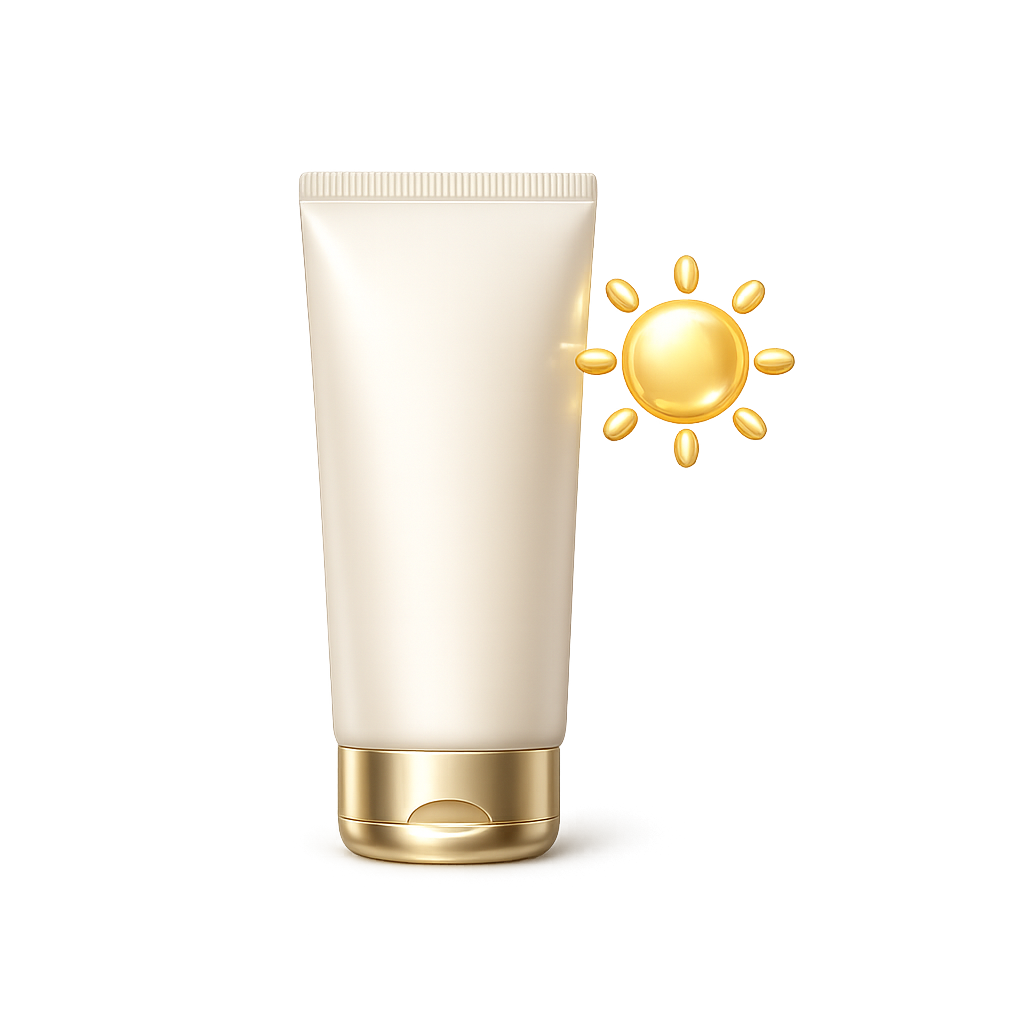
Use broad-spectrum sunscreen every morning to protect your skin from UV damage.
Texture changes gradually. Allow your routine time to work before constantly adding new products.
No.
Healthy skin naturally has pores, hair follicles, fine lines, and small variations in texture.
Close-up skin rarely looks completely smooth, even when it is healthy.
Social media filters, lighting, makeup, and image editing can also create unrealistic expectations about what normal skin looks like.
Your pores aren't flaws. Your skin is supposed to have a surface — that's literally what skin does.
Let's separate useful guidance from common skincare myths.
"Perfectly smooth skin means healthy skin."
Healthy skin can have visible pores, lines, bumps, and natural texture.
"You need to exfoliate every day to remove texture."
Over-exfoliation can irritate the skin and make roughness more noticeable.
"Pores can be permanently closed."
Pores are normal structures in the skin. Their appearance can be minimized, but they cannot be permanently closed.
"One product can fix every type of texture."
Different types of texture have different causes and may require different approaches.
"Scrubbing harder makes skin smoother."
Aggressive scrubbing can irritate the skin and damage its protective barrier.
Not every texture concern needs medical treatment. However, professional advice can be useful when the cause isn't clear or the texture doesn't improve with gentle skincare.
If bumps continue appearing or change over time, a dermatologist can help identify their cause.
Pain, significant redness, swelling, or inflammation may indicate something more than simple uneven texture.
Indented or raised acne scars may require professional treatments rather than skincare products alone.
A sudden or unusual change in skin texture is worth getting evaluated, particularly if you cannot identify a clear cause.


Your skin isn't supposed to look like a blurred photograph.
Focus on what your skin actually needs: gentle cleansing, hydration, appropriate treatment, sun protection, and consistency.
Smooth-looking skin is nice. Healthy skin is the real goal.