Skincare Products
Fragrance, strong active ingredients, harsh cleansers, or introducing too many new products at once may trigger discomfort.
 ×
×
Sensitive skin tends to react more easily to skincare products, weather changes, friction, and environmental factors. Learn what sensitive skin is, what can trigger it, how to care for it, and how to build a gentle routine that keeps your skin comfortable.
Start Learning ↓
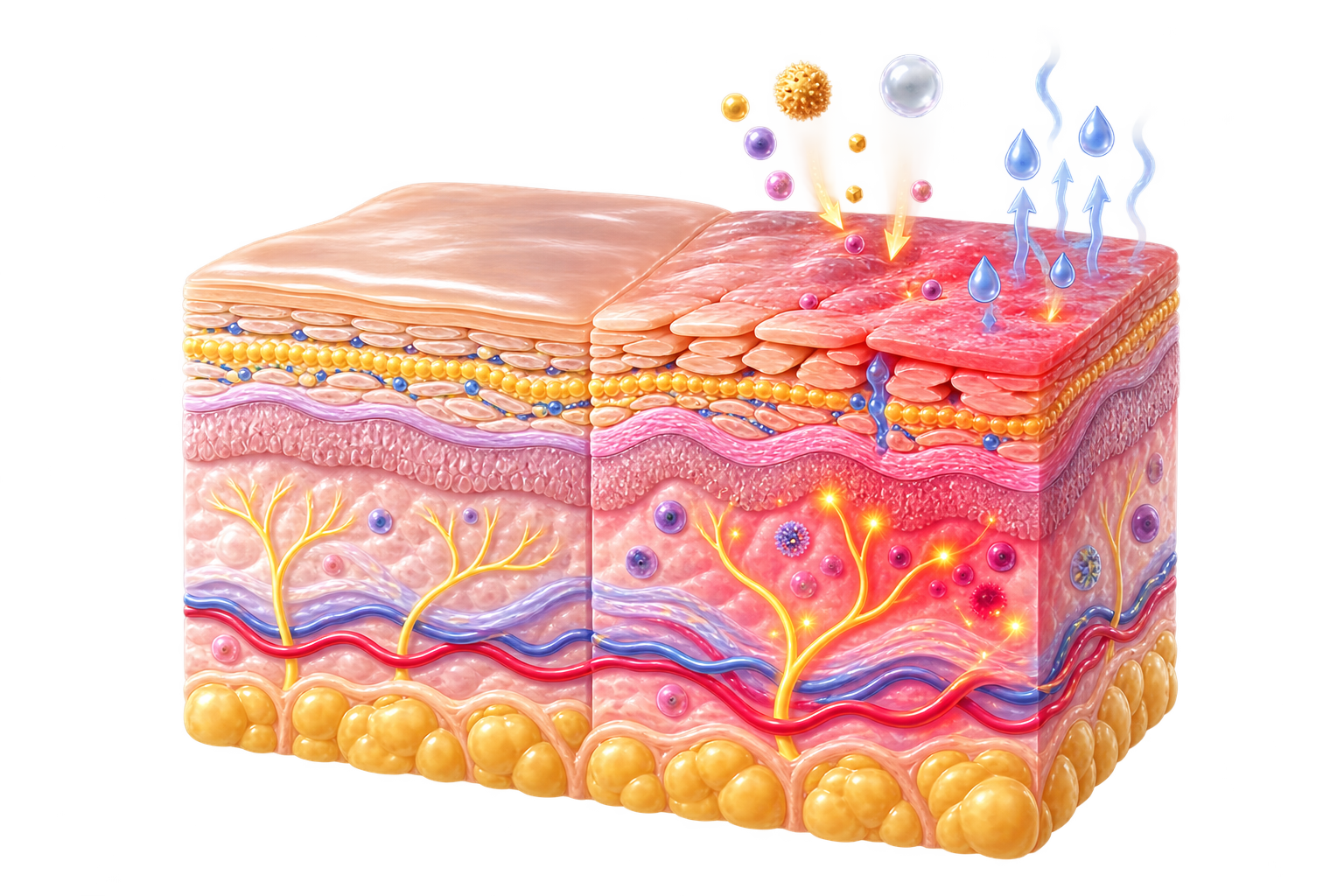
Sensitive skin is skin that reacts more easily to things that other skin may tolerate comfortably. You may notice stinging, burning, redness, itching, dryness, or discomfort after using certain products or being exposed to certain conditions.
Sensitivity can be influenced by a weakened skin barrier, environmental conditions, over-exfoliation, irritating ingredients, or simply an individual tendency toward skin reactivity.
Sensitive skin does not automatically mean damaged skin. Your skin may simply need fewer triggers and a more gentle, consistent routine.
Sensitive skin can look and feel different from person to person. Recognizing the common signs can help you understand when your skin may be reacting.
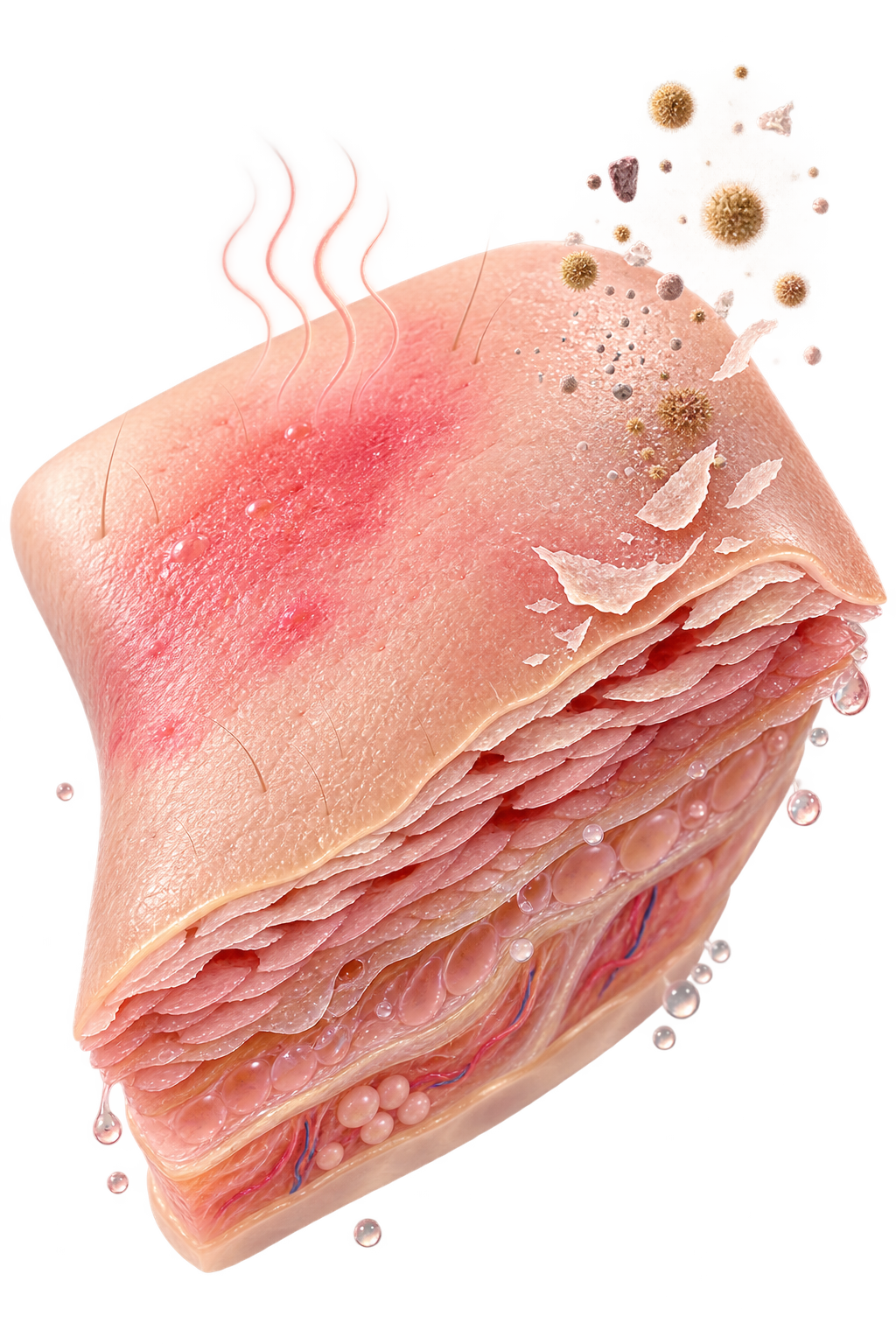
Skincare products may cause a noticeable stinging, burning, or uncomfortable sensation.
The skin may become visibly red or flushed, particularly after using certain products or experiencing environmental changes.
The skin may feel dry, tight, rough, or uncomfortable, especially when the protective skin barrier is struggling.
Some people may experience itching, tenderness, or general discomfort after exposure to a trigger.
Products or environmental conditions that normally feel comfortable may suddenly cause irritation or discomfort.
Sensitivity isn't always caused by one skincare product. Everyday environmental factors and skincare habits can also make reactive skin feel worse.
Fragrance, strong active ingredients, harsh cleansers, or introducing too many new products at once may trigger discomfort.

Cold air, dry air, heat, wind, and sudden changes in temperature can make sensitive skin feel more uncomfortable.

Rough towels, aggressive cleansing, scrubbing, or repeatedly rubbing the skin can contribute to irritation.
Very hot water can leave the skin feeling dry and uncomfortable, particularly when used frequently.

UV exposure can contribute to irritation and make already reactive skin feel more uncomfortable.

Frequent or aggressive exfoliation can leave sensitive skin feeling irritated, dry, tight, or unusually reactive.
These terms are often used interchangeably, but they don't always mean the same thing.
Sensitive skin describes how your skin tends to behave. Irritation describes what your skin may be experiencing right now.
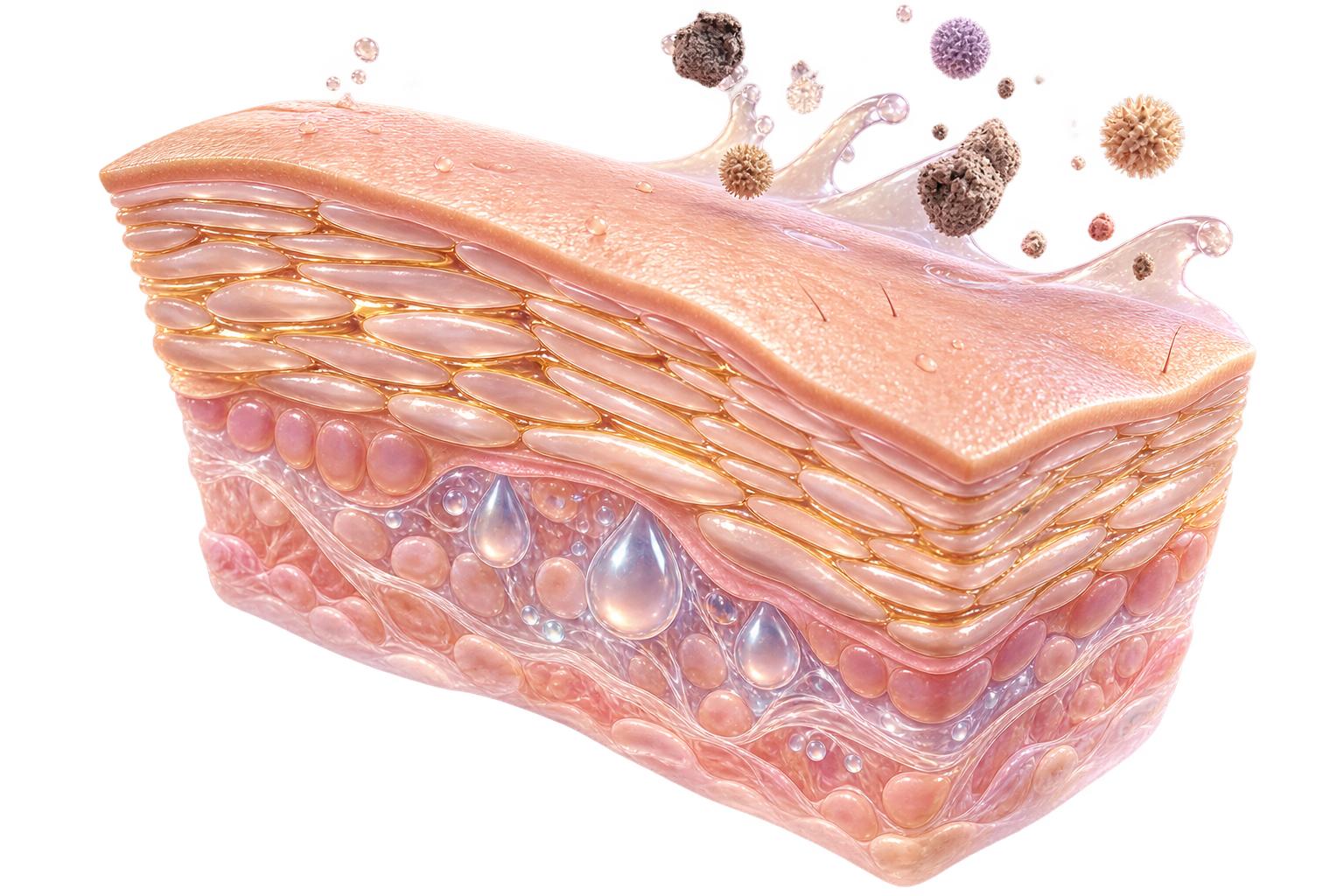
Ingredient tolerance varies from person to person, but some ingredients are commonly used to support hydration, comfort, and the skin barrier.

Help support the skin barrier and reduce moisture loss.
A humectant that helps attract and retain water in the skin.
Helps increase hydration by attracting water to the skin.
Commonly used in skincare formulations to help moisturize and soothe the skin.
Helps soften and moisturize the skin while supporting a comfortable skin barrier.
Sensitive skin usually doesn't need a complicated routine. Start with the basics and introduce new products slowly.
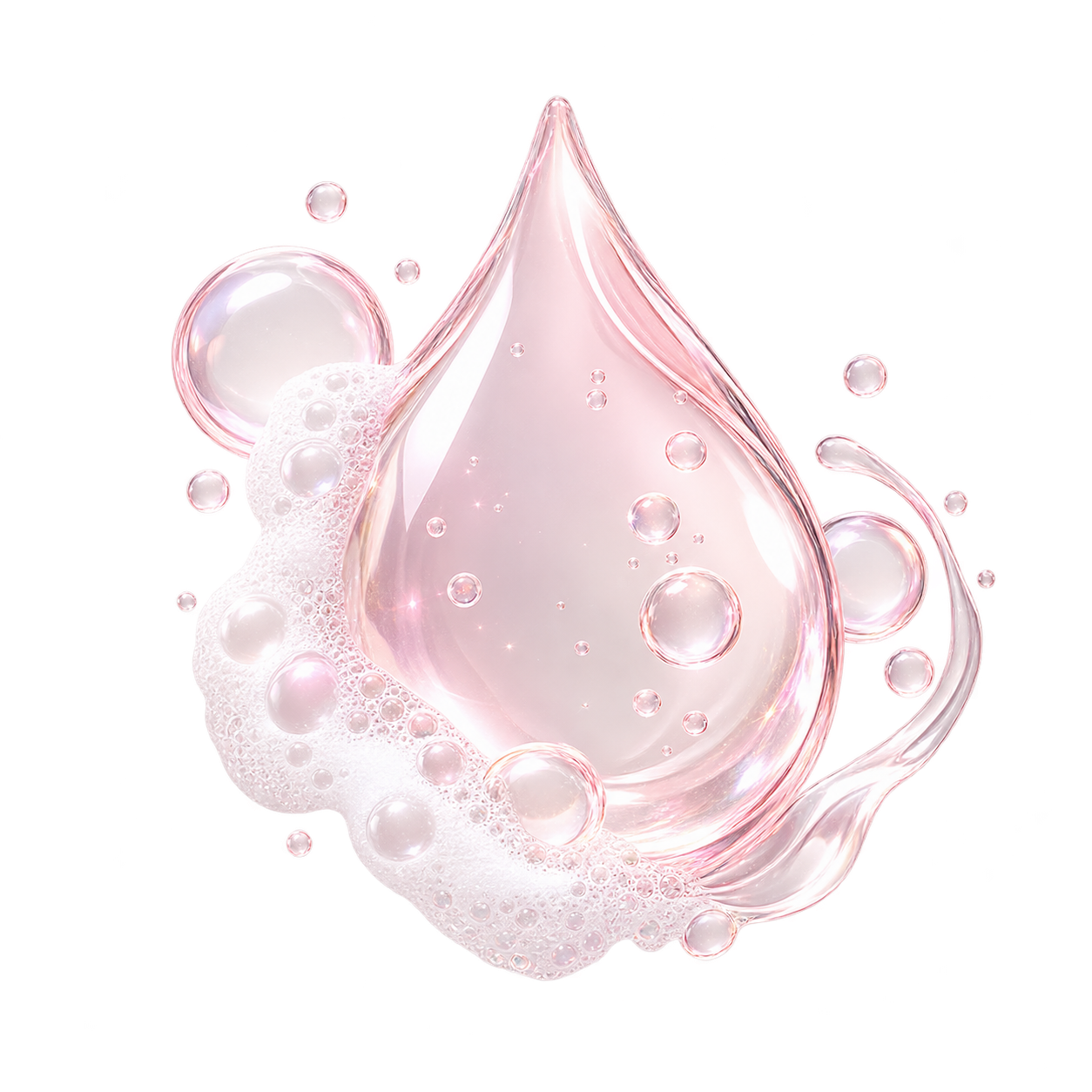
Cleanse without aggressive rubbing or scrubbing. Choose a cleanser that leaves your skin feeling comfortable rather than tight.
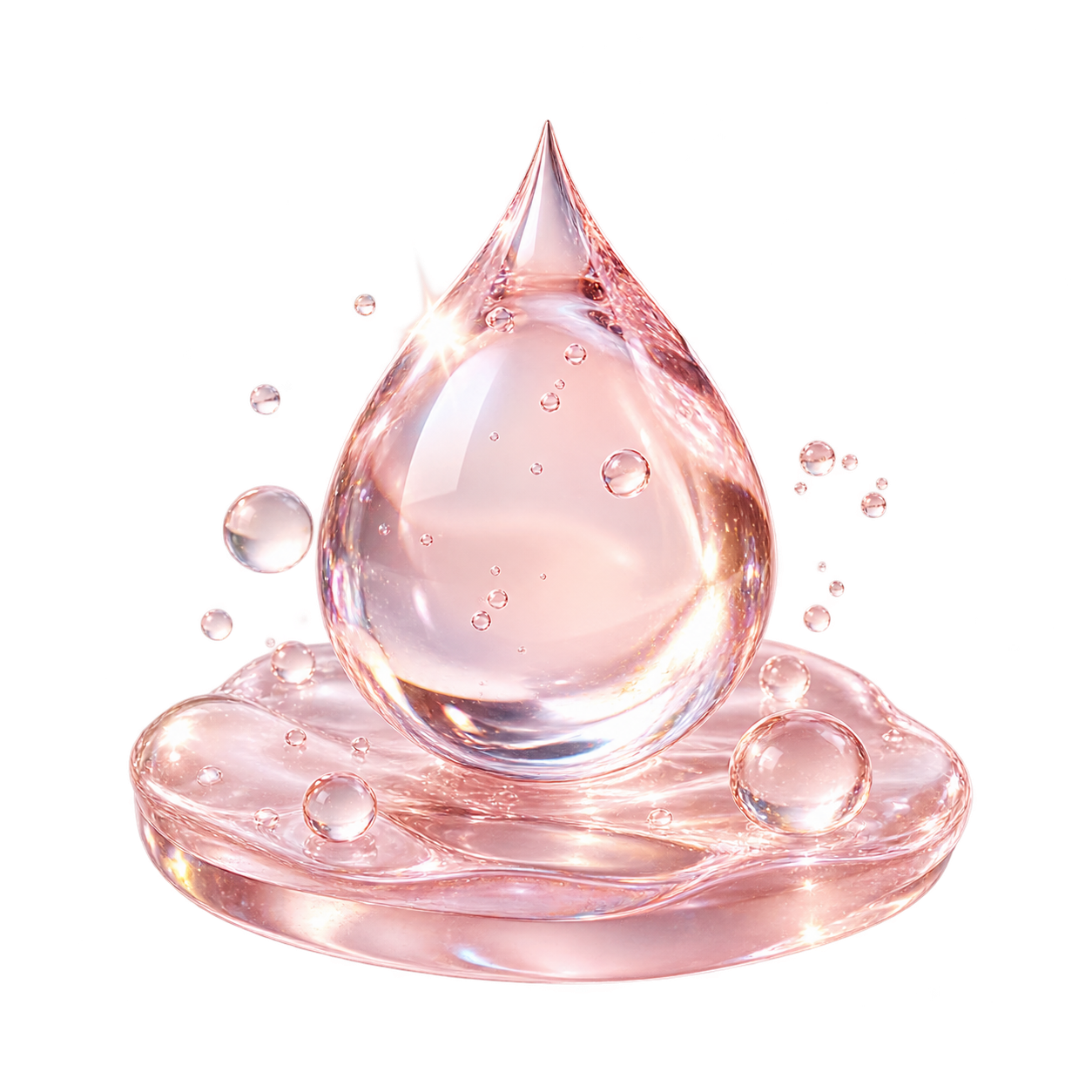
If your skin tolerates it, use a simple hydrating product to help maintain moisture.

Apply a moisturizer to help maintain hydration and support the skin barrier.

Use a broad-spectrum sunscreen during the daytime and reapply as appropriate.
A simple routine that your skin tolerates consistently is often more useful than a complicated routine filled with products your skin doesn't like.
You don't necessarily need to avoid every active ingredient forever. Instead, pay attention to what repeatedly causes discomfort and avoid overwhelming your skin with too many changes at once.
Aggressive scrubbing can create unnecessary friction and irritation.
Hot water can contribute to dryness and discomfort.
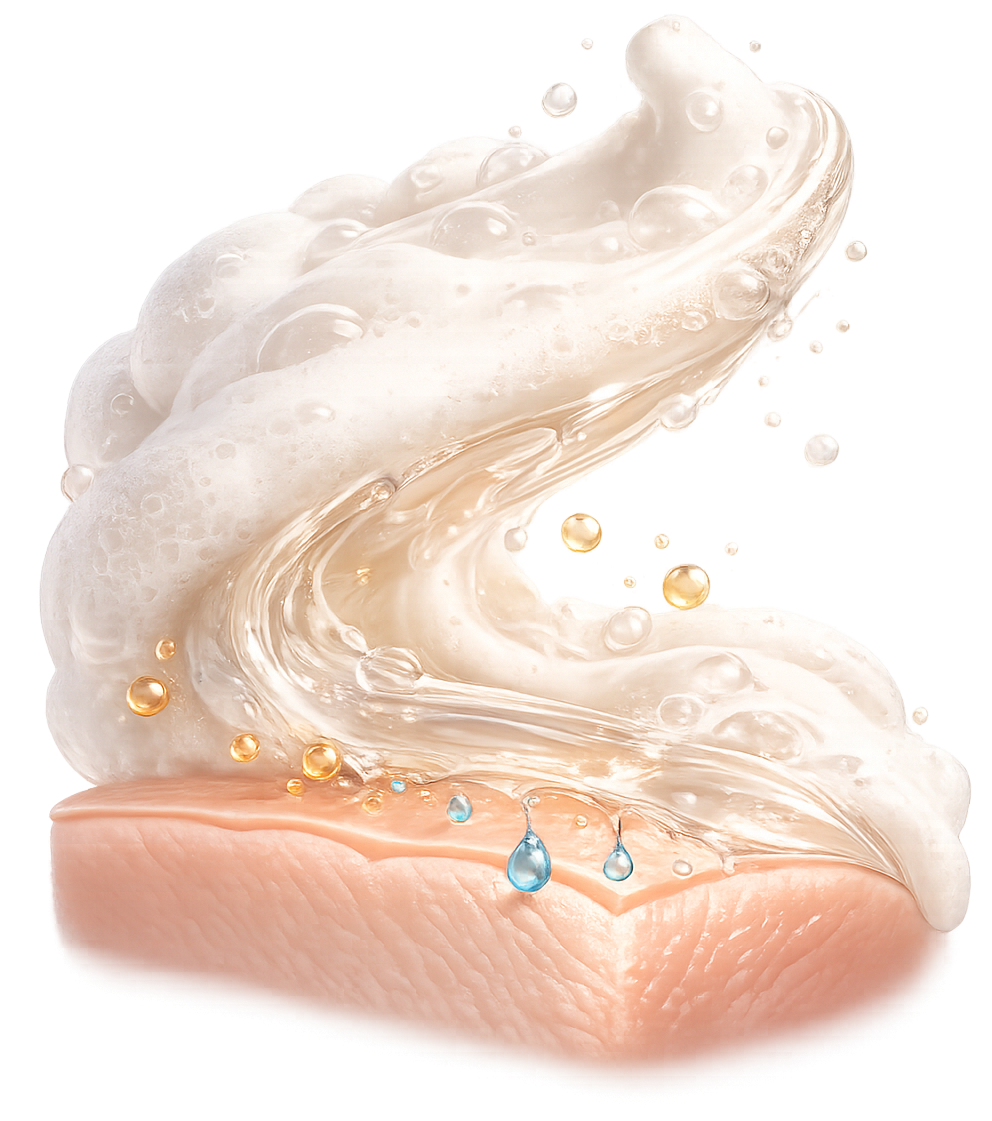
Exfoliating too frequently can leave sensitive skin feeling irritated and uncomfortable.
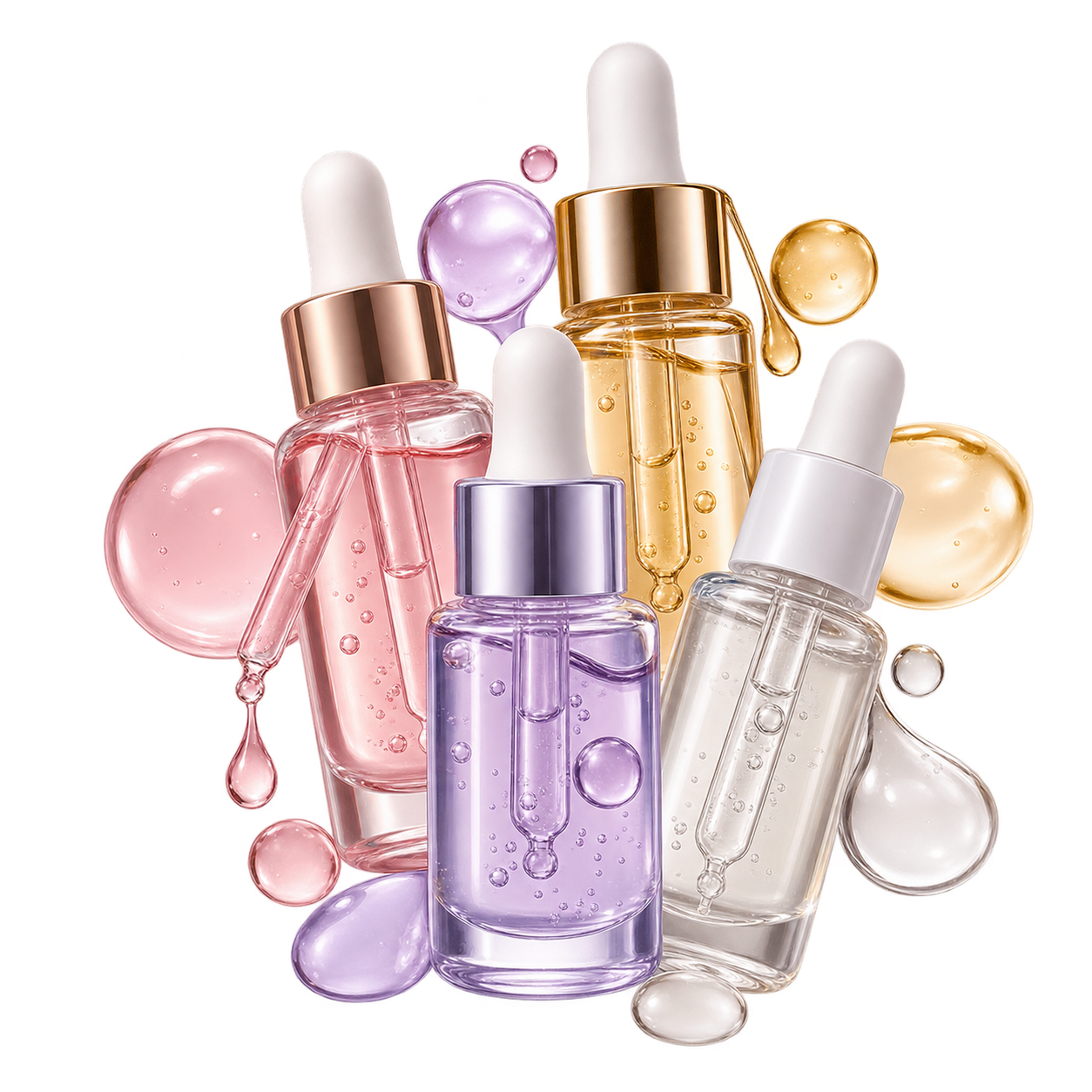
Introducing several new products at the same time makes it difficult to identify what your skin is reacting to.
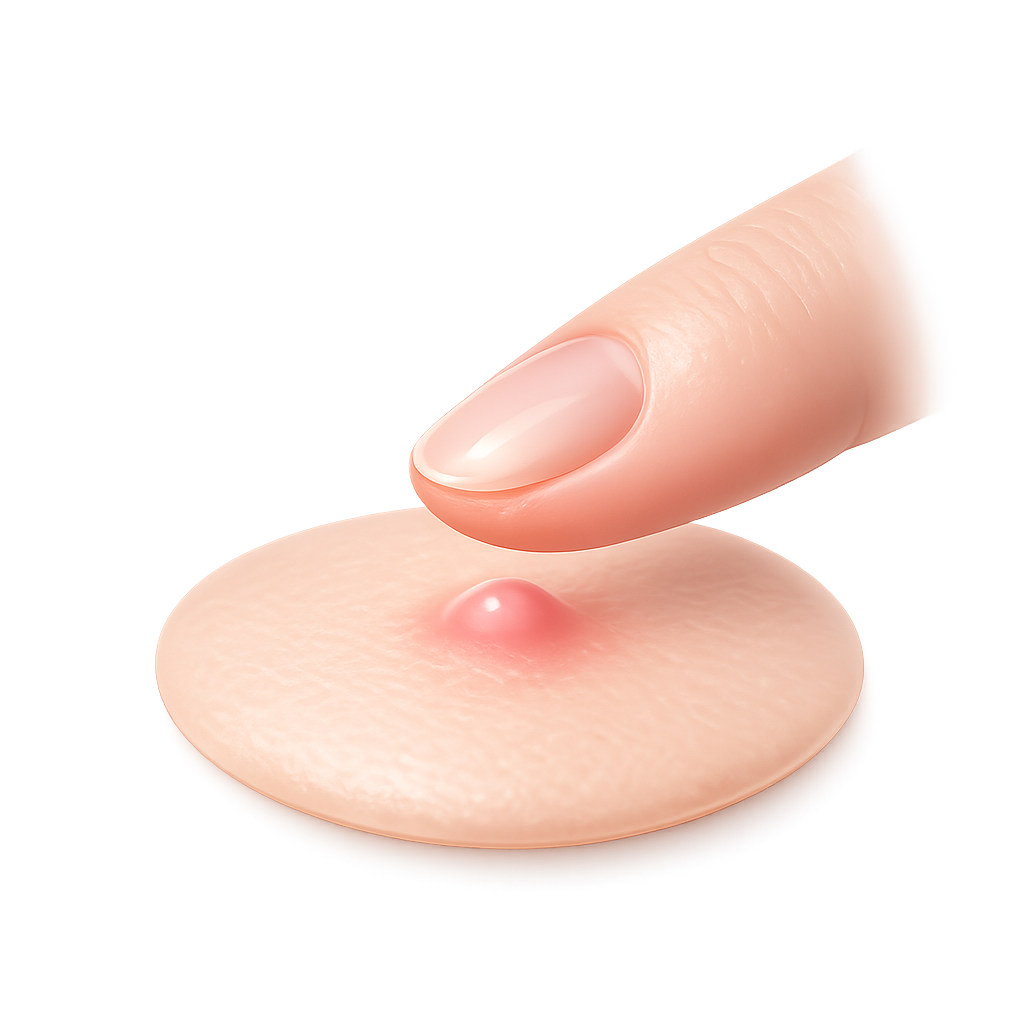
Repeated rubbing can increase irritation, especially when the skin is already reactive.
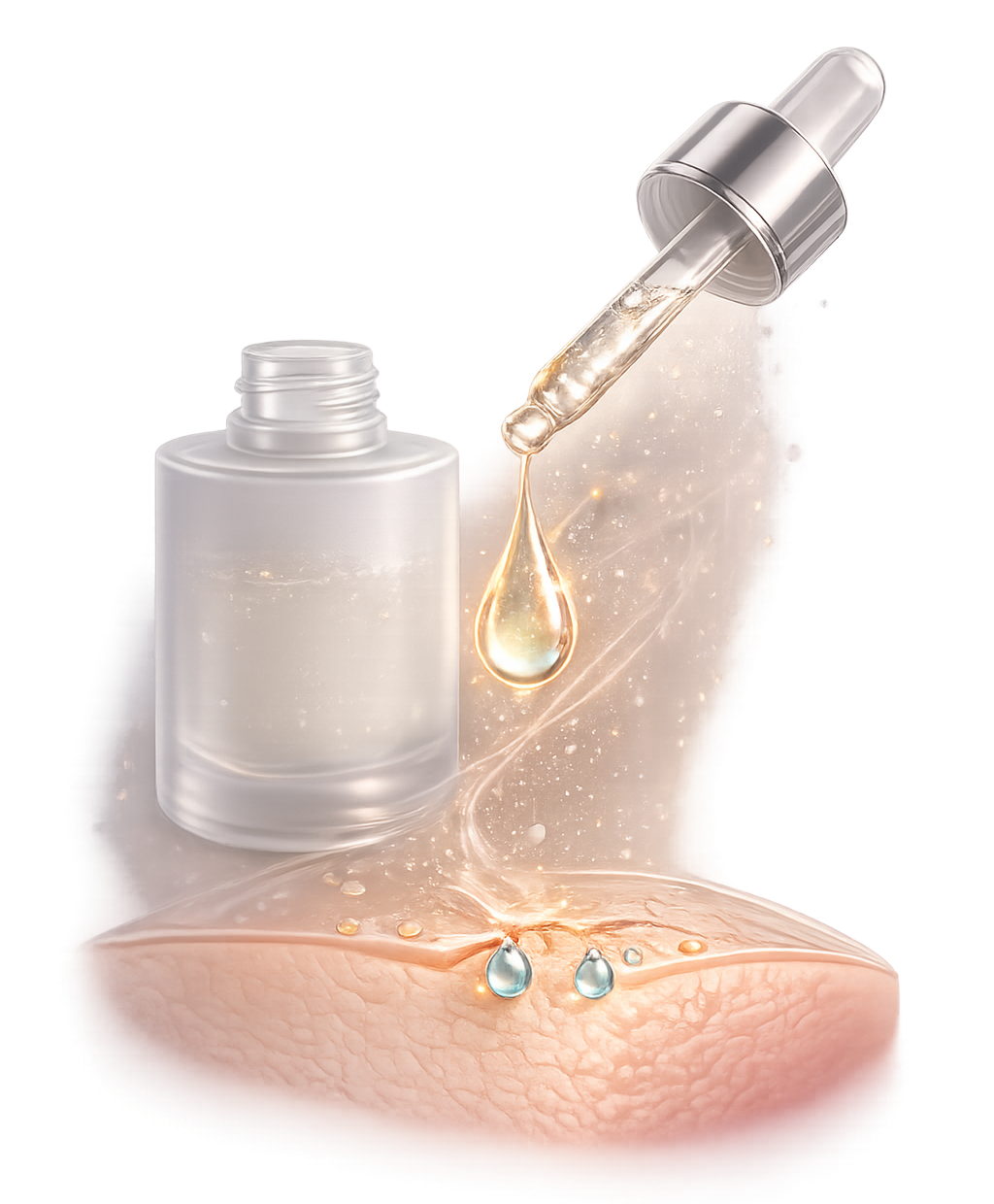
If a product consistently causes burning, stinging, or irritation, your skin may simply not tolerate it well.
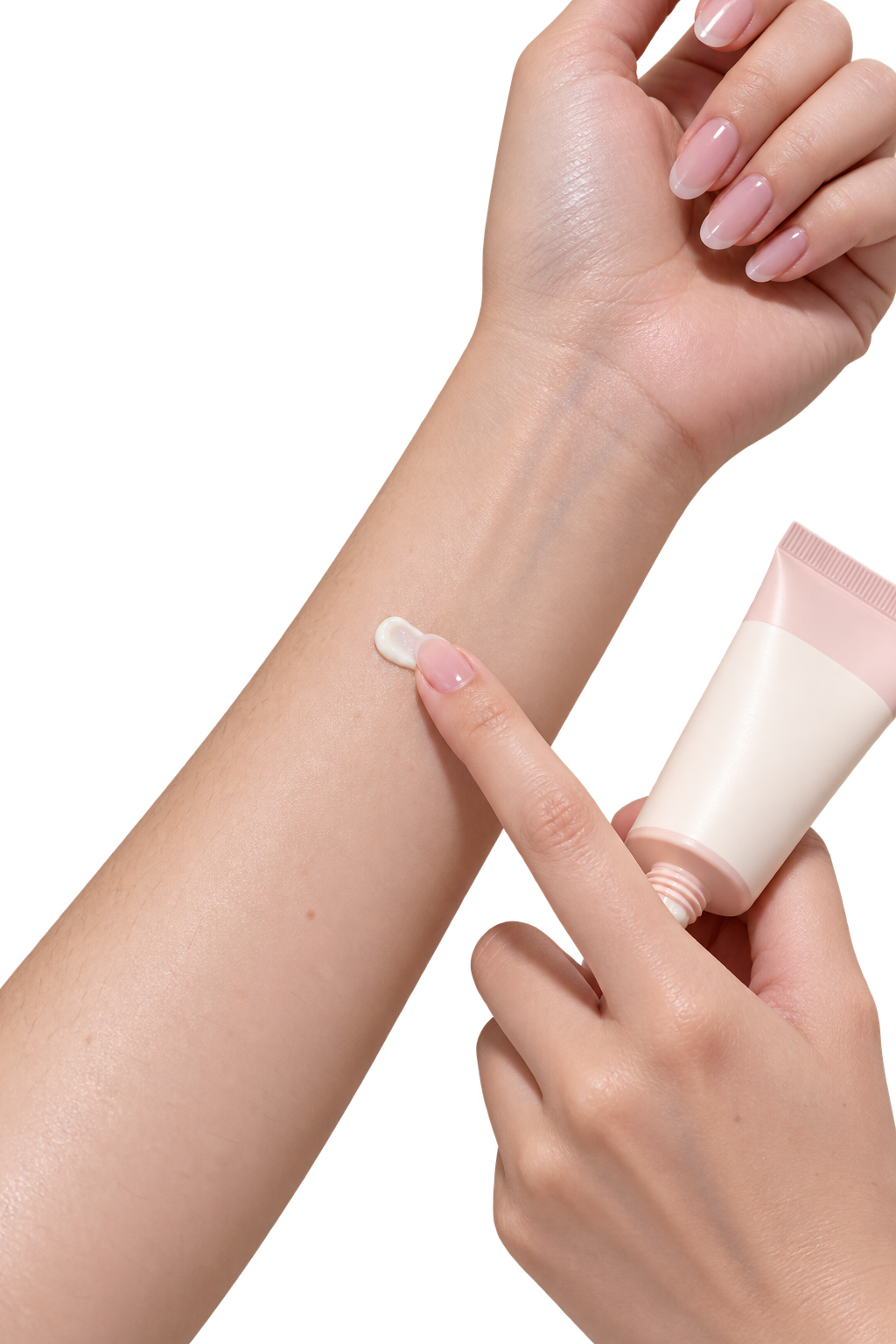
A patch test can help you check how your skin responds to a new product before applying it more widely.
It cannot guarantee that a product will never cause a reaction, but it can be a useful precaution.
Apply a small amount of the product to a limited area of skin.
Pay attention to signs of irritation according to the product's directions.
If your skin tolerates the product, introduce it gradually rather than adding several new products at once.
If a product causes significant or persistent discomfort, don't force your skin to "get used to it."
Sensitive skin advice is full of rules. Let's separate useful guidance from common skincare myths.
Not necessarily. Some people with sensitive skin can tolerate certain active ingredients when they are introduced gradually and used appropriately.
Tingling is not proof that a product is effective. Burning or persistent discomfort can be a sign that your skin isn't tolerating the product well.
Sun protection is still an important part of everyday skincare. Choose a sunscreen that your skin tolerates comfortably.
A longer routine isn't automatically better. For sensitive skin, consistency and tolerance often matter more than the number of products.
Natural doesn't automatically mean gentle. Some botanical ingredients, essential oils, and fragrances can irritate sensitive skin.
Not every reaction is simply "sensitive skin." If your symptoms are persistent, severe, painful, spreading, or difficult to identify, professional evaluation can help determine what's actually happening.
Repeated reactions may need a closer look to identify the underlying trigger.
Significant discomfort shouldn't simply be ignored or treated by repeatedly changing products.
A dermatologist can help distinguish sensitive skin from conditions that may require specific treatment.
If your skin continues to react despite simplifying your routine and avoiding known triggers, professional advice may be helpful.


If your skin keeps reacting, don't respond by adding even
more products.
Strip your routine back to the essentials, introduce changes
slowly, and pay attention to what your skin is actually
telling you.
Healthy skin isn't about using the most products. It's about
finding what works for your skin and staying consistent.
