The Skin Becomes Inflamed or Injured
Inflammation or injury affects the skin.
Acne
Eczema
Cuts
Burns
Insect Bites
 ×
×
A pimple disappears, but the dark mark it leaves behind seems to stay forever? That mark may be post-inflammatory hyperpigmentation, or PIH.
It happens when inflammation or injury causes the skin to produce extra pigment, leaving a darker area behind after the original problem has healed. Learn why PIH happens, how to recognize it, what can make it worse, and how to help it fade.
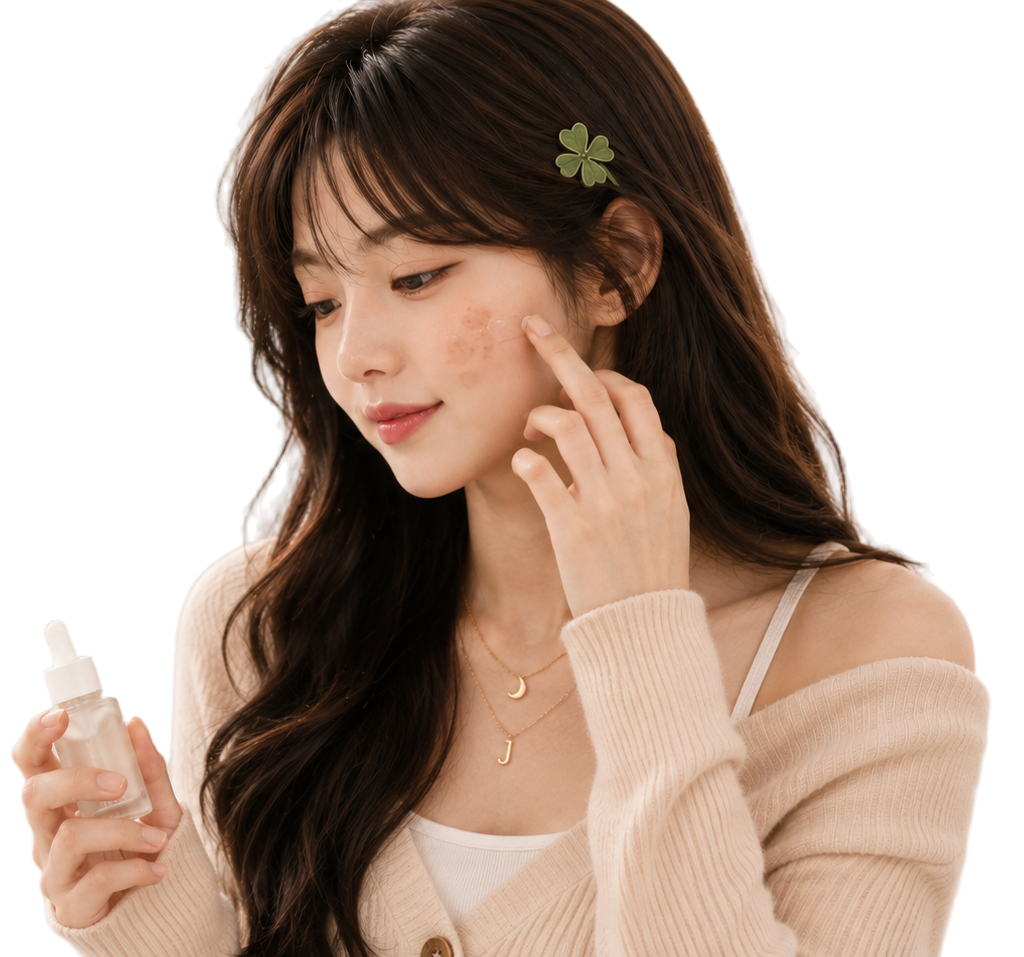
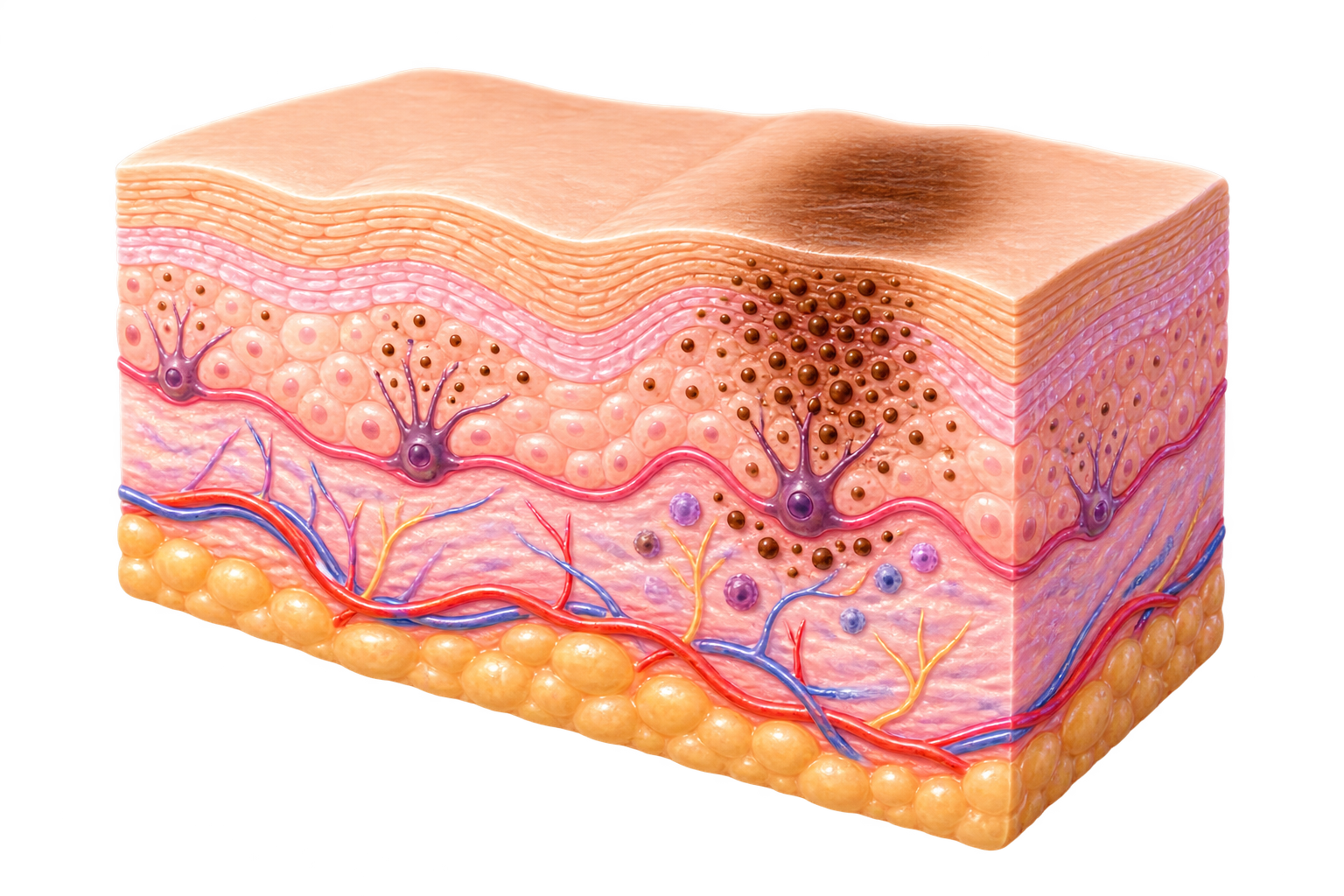
Post-inflammatory hyperpigmentation develops after the skin has experienced inflammation or injury, leaving extra pigment behind after the original problem heals.
Post-inflammatory hyperpigmentation (PIH) is a type of hyperpigmentation that develops after the skin has experienced inflammation or injury.
When the skin becomes inflamed, melanocytes can become more active and produce extra melanin, the pigment responsible for skin color.
After the original inflammation has healed, the extra pigment can remain behind as a flat brown, dark brown, or grayish mark.
PIH is especially common after acne and can occur in any skin tone, although it tends to be more noticeable and persistent in darker skin tones.
PIH develops as part of the skin's response to inflammation or injury. The process begins when inflammation affects pigment-producing cells in the skin.
Inflammation or injury affects the skin.
Inflammation sends signals that affect nearby melanocytes.
Melanocytes produce and release more melanin, the pigment responsible for skin color.
The original inflammation heals, but some of the extra pigment remains behind.
A flat dark mark appears where the inflammation or injury occurred.
The original inflammation may be gone, but the extra pigment can remain behind as a visible mark.
PIH usually appears as a flat area of darker pigmentation left behind after inflammation or injury has healed.
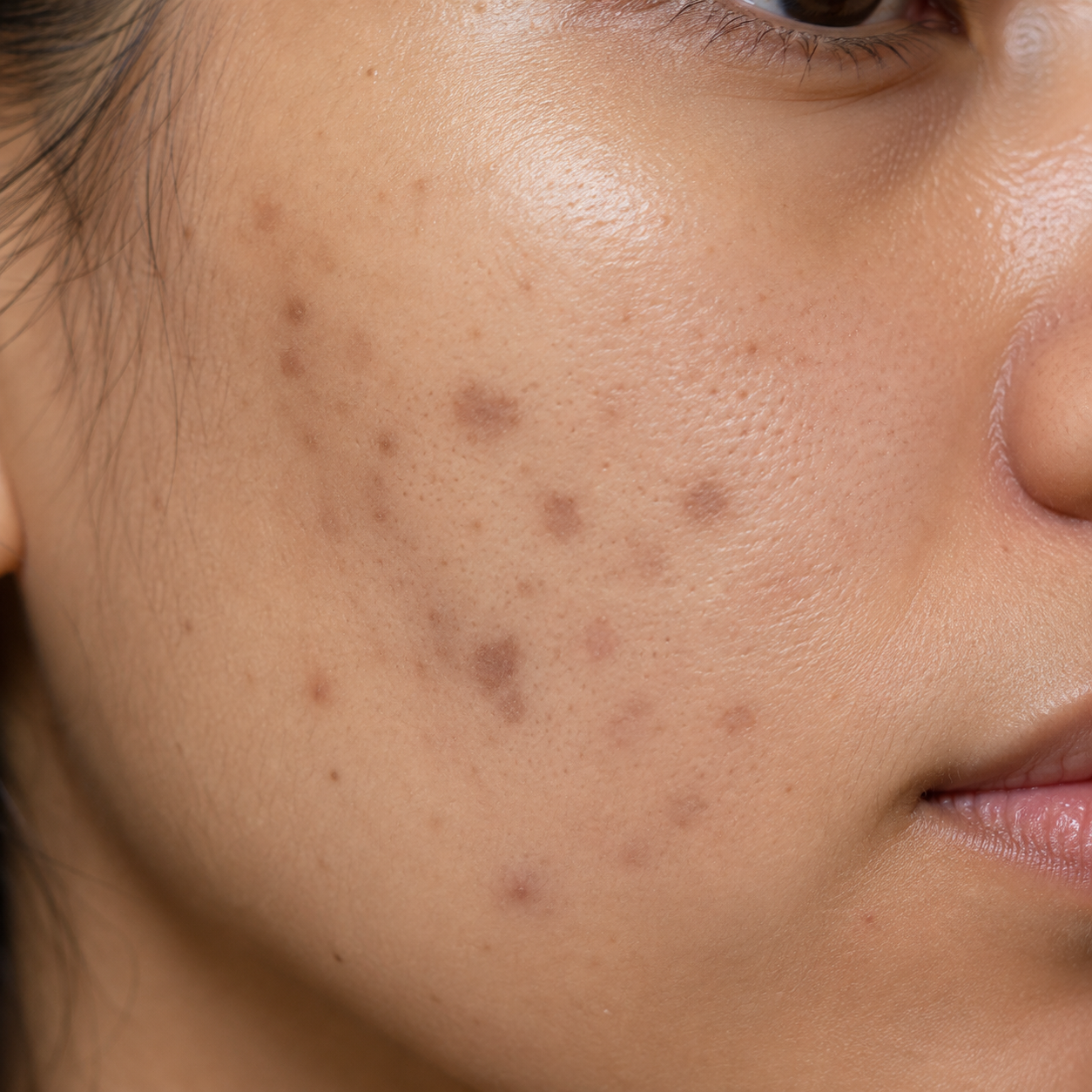
Flat brown spots
Dark brown marks
Gray-brown or grayish discoloration
Uneven skin tone
Marks where a previous breakout or injury healed
Usually no pain or itching
PIH is usually flat, not raised. If a mark is raised, painful, growing, or changing, it may be something other than PIH.
PIH can develop after almost any type of skin inflammation or injury. Once the original problem heals, extra pigment may remain behind.
One of the most common causes of PIH. A healed pimple can leave behind a dark mark even after the inflammation is gone.
Inflammation from conditions such as eczema can trigger excess pigment.
Cuts, scratches, burns, and other injuries can leave pigmentation during healing.
Inflammation from a bite can sometimes leave a dark mark after it heals.
Some procedures that intentionally affect the skin can cause temporary inflammation and may lead to PIH.
Different triggers can lead to PIH, but the common factor is inflammation or injury followed by excess pigment.
Several factors can make existing PIH appear darker or slow down the fading process. Protecting the skin from repeated inflammation is an important part of managing it.
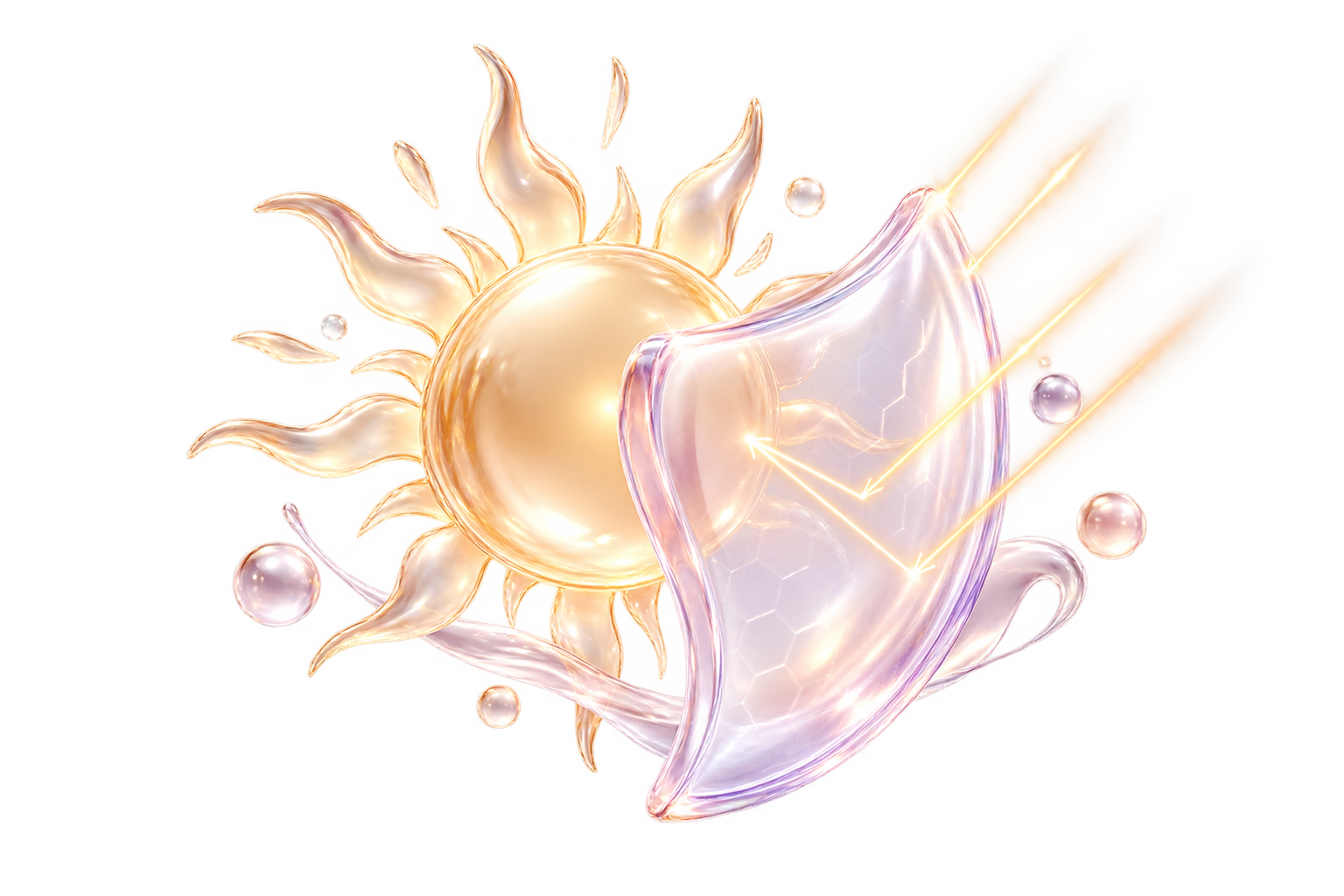
UV radiation stimulates melanin production and can make existing marks darker.
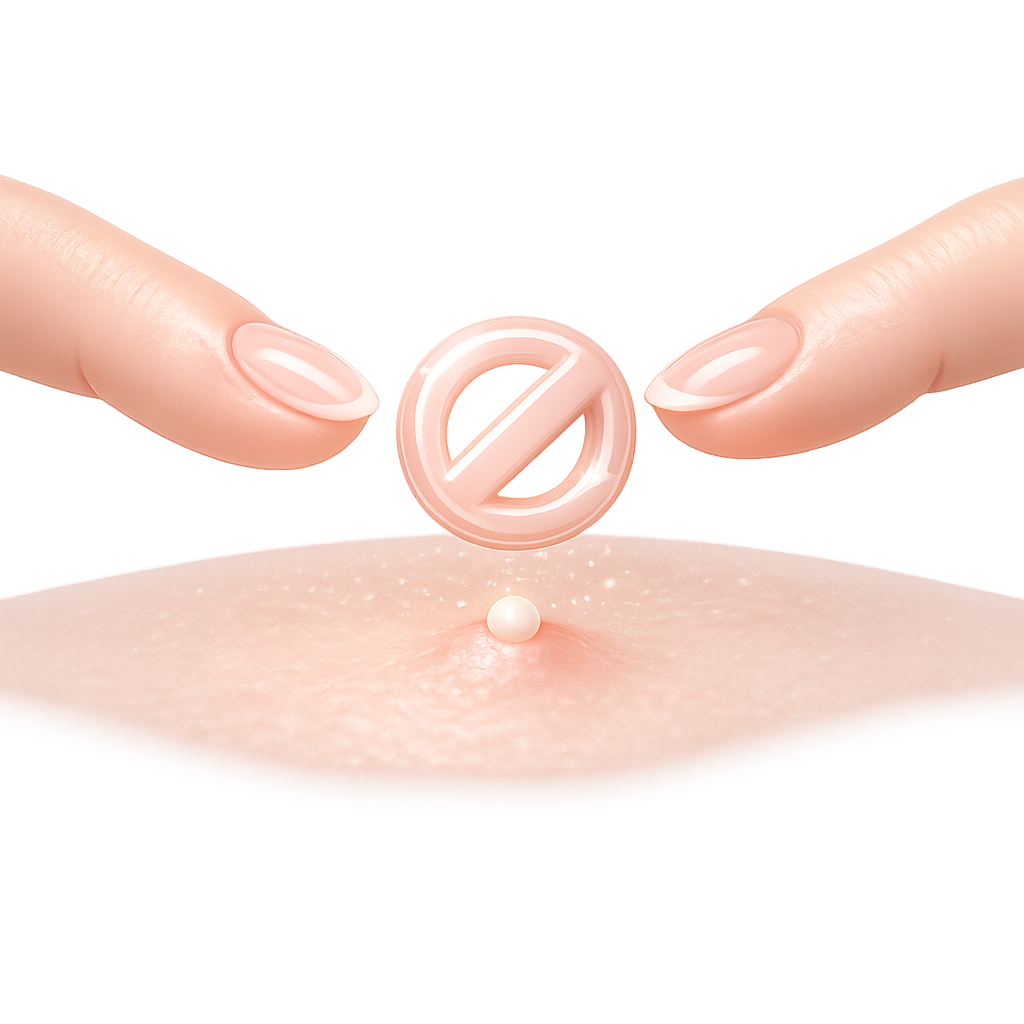
Damaging an inflamed pimple can increase inflammation and increase the chance of leaving a dark mark.
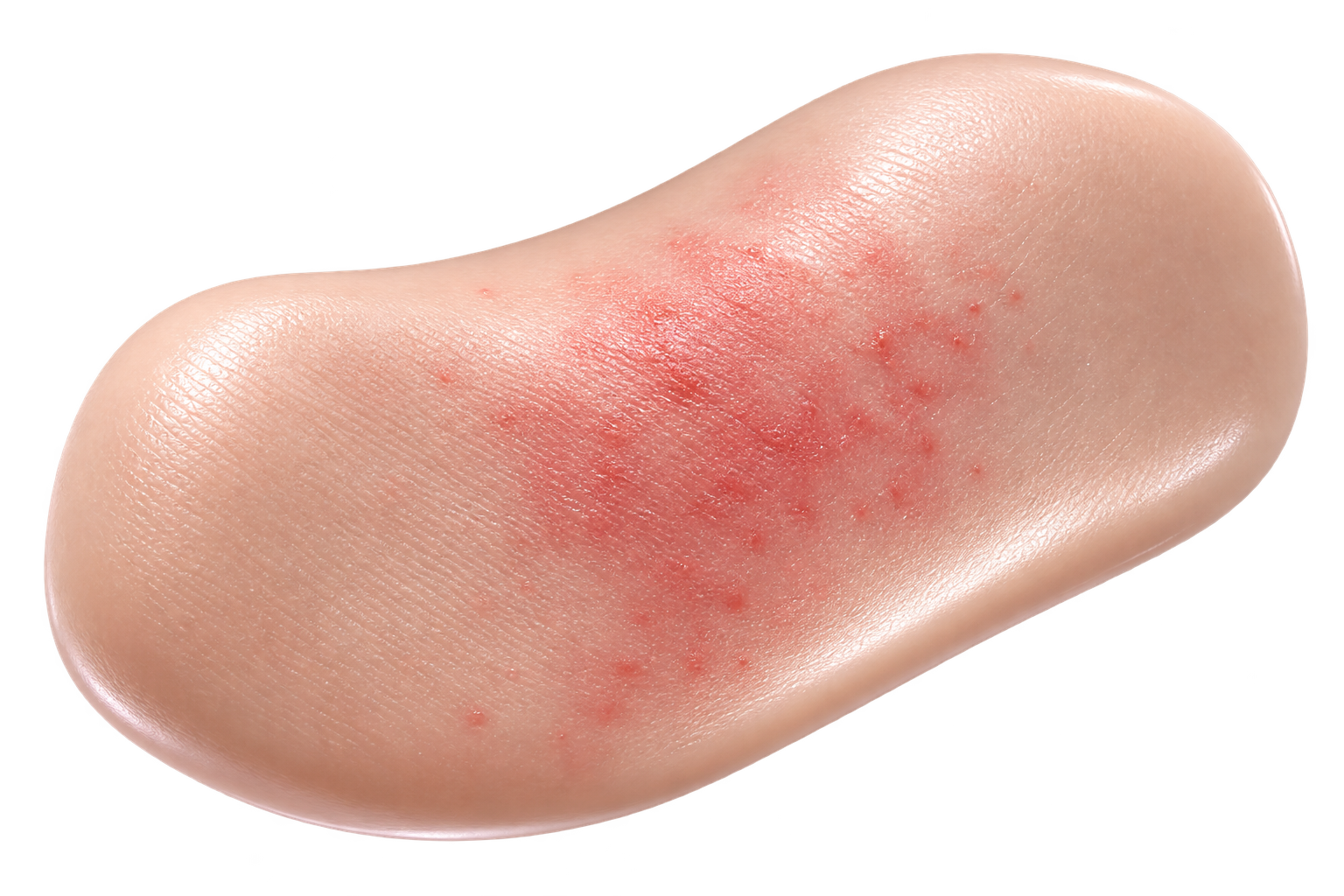
Harsh scrubs, over-exfoliation, or irritating products can prolong inflammation.
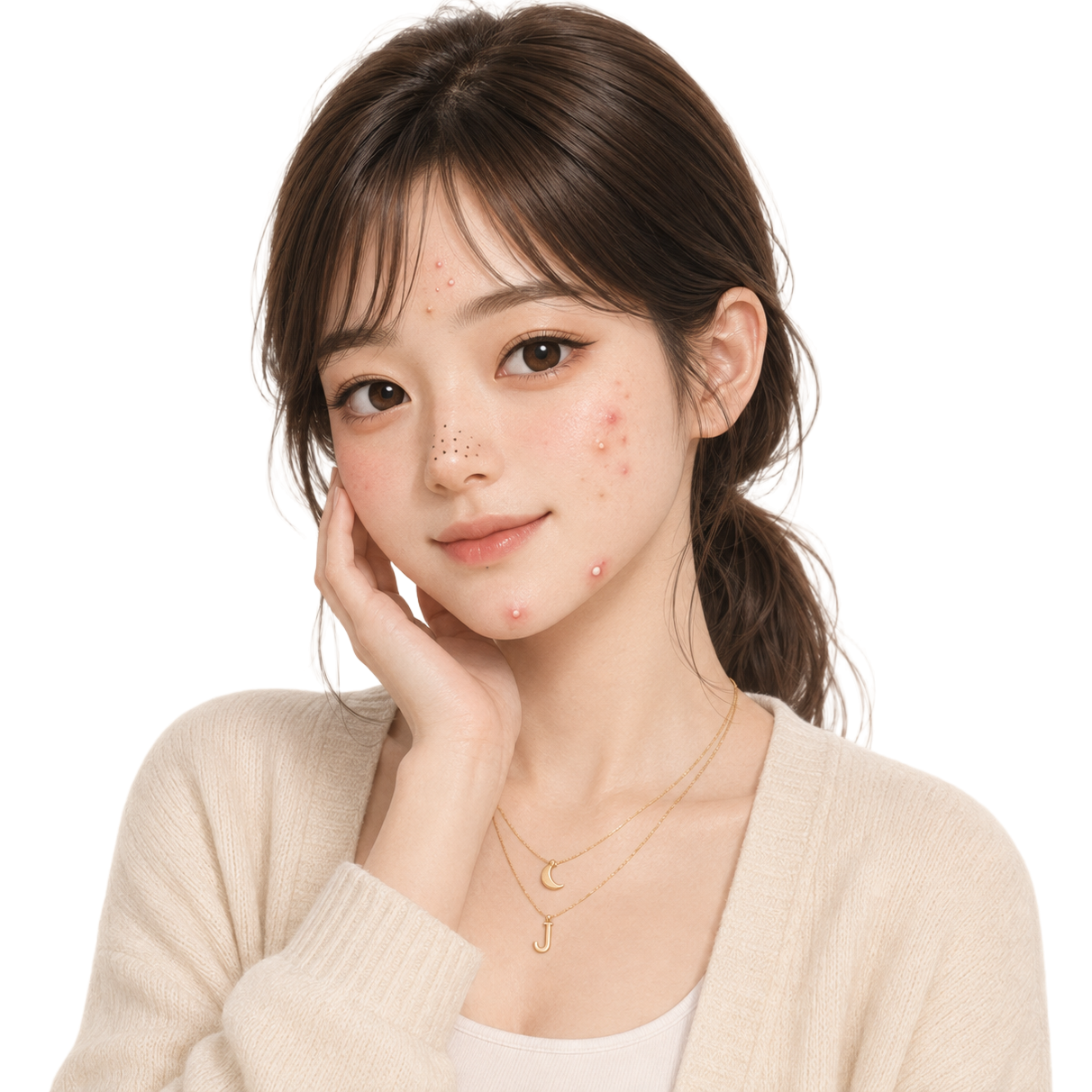
New breakouts can continue creating new PIH marks while older ones are fading.

Heat can worsen some types of pigmentation and may contribute to persistent discoloration in certain people.
The goal isn't just to fade existing marks. Reducing repeated inflammation and protecting your skin can help prevent new PIH from developing.
PIH and PIE can both appear after acne or inflammation, but they are not the same. The main difference is whether the discoloration is related to pigment or blood vessels.
Caused by excess melanin and usually appears brown, dark brown, or gray.
Related to changes in blood vessels after inflammation and usually appears red, pink, or purple.
Red or pink = Think Blood Vessels
PIH is not an active pimple. Knowing the difference can help you understand whether you're dealing with ongoing inflammation or a mark left behind after the skin has healed.
An active pimple may show signs of ongoing inflammation.
Red
Swollen
Painful
Raised
Filled with pus
PIH is usually a flat change in skin color left behind after the original inflammation has healed.
Flat
Darker than the surrounding skin
Not painful
Left behind after healing
You can have active acne and PIH at the same time. A new breakout can be actively inflamed while older marks from previous breakouts are still fading.
PIH usually fades gradually rather than disappearing overnight. How quickly a mark improves can depend on several factors.
Depth of the pigment
Skin tone
Severity of the original inflammation
Continued sun exposure
Whether new inflammation keeps occurring
Consistency of treatment
The original inflammation has healed, but the mark may still be clearly visible.
Superficial marks may begin to improve over several months with consistent care.
Deeper or persistent pigmentation can take longer to fade.
Preventing new inflammation and protecting the skin from UV exposure are just as important as treating existing marks.
Certain skincare ingredients may help improve the appearance of post-inflammatory hyperpigmentation. The key is to introduce active ingredients gradually and use sunscreen consistently.
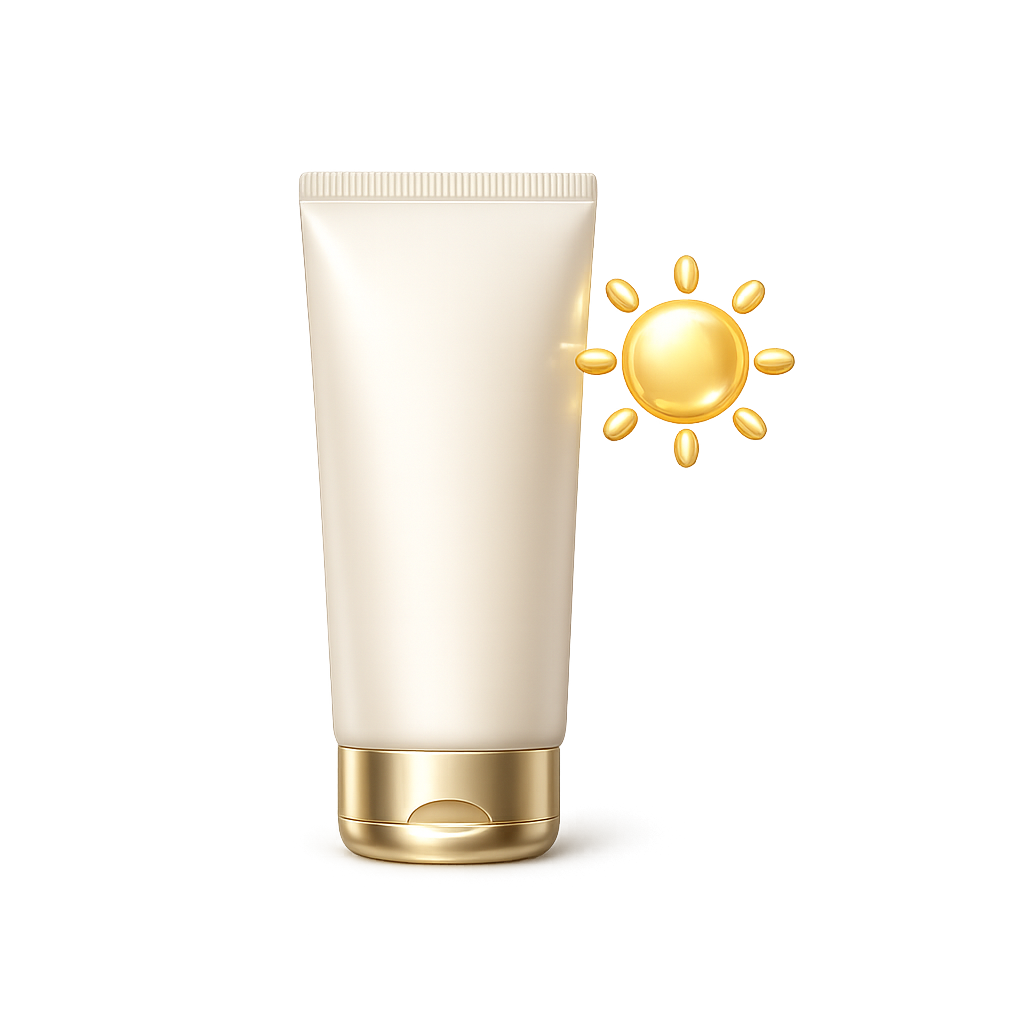
Daily broad-spectrum sunscreen helps prevent PIH from becoming darker and reduces additional UV-triggered pigmentation.
Helps improve post-acne pigmentation and can also be useful for acne-prone skin.
Helps reduce the transfer of melanin within the skin and supports the skin barrier.
An antioxidant that can help brighten uneven skin tone.
Increase skin cell turnover and can gradually improve the appearance of pigmentation.
May help reduce certain types of pigmentation.
Helps improve the appearance of dark spots by reducing excess pigment production.
More active ingredients do not automatically mean faster results. Introduce products gradually and give your skin time to adjust.
You can't prevent every mark, but gentle and consistent skincare can reduce the chances of inflammation leaving behind new pigmentation.
Avoid damaging inflamed breakouts, as this can increase inflammation and the chance of PIH.
Managing active breakouts can help reduce the number of new marks that develop.
Use sunscreen every day to help protect existing marks from becoming darker.
Aggressive scrubbing can irritate the skin and potentially make pigmentation worse.
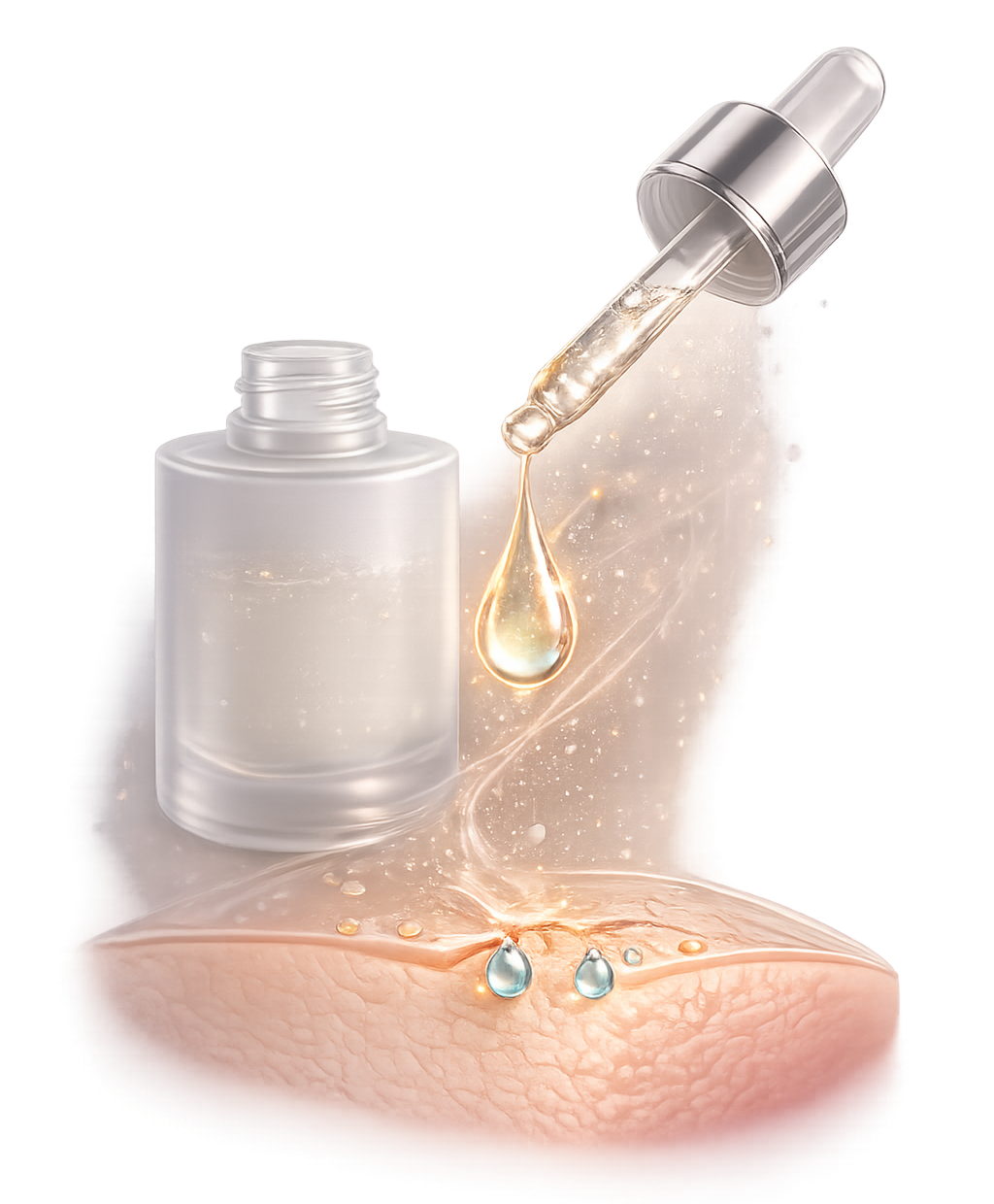
Try to avoid skincare products or habits that repeatedly irritate your skin.
Adding strong ingredients slowly can help reduce unnecessary irritation.

Gentle, consistent skincare can help keep the skin comfortable and less prone to irritation.
Existing PIH usually fades gradually, so give your skin time rather than repeatedly irritating it.
Controlling breakouts, avoiding unnecessary irritation, and protecting your skin from UV exposure can all help reduce the risk of new PIH.
You can't prevent every mark, but you can reduce the chance of PIH developing by limiting inflammation, protecting your skin from UV exposure, and supporting a healthy skin barrier.
Treating acne early can help reduce the number of inflammatory breakouts that may leave marks behind.
The goal is not to prevent every possible mark. Instead, focus on reducing unnecessary inflammation and protecting the skin while it heals.
Manage active breakouts and avoid unnecessary irritation.
Avoid squeezing or damaging inflamed skin.
Use broad-spectrum sunscreen consistently.
Keep your routine gentle and avoid repeated irritation.
These steps can help reduce the risk of PIH while your skin heals.
PIH is often confused with acne scars and misunderstood as something that should disappear quickly. Let's separate common myths from the facts.
PIH is a change in skin color, not a change in skin texture. True acne scars usually involve a change in the skin's structure.
Harsh scrubbing can cause more irritation and potentially worsen PIH.
PIH can remain after the original acne has completely healed.
PIH usually fades gradually and can take months or longer depending on the individual mark and how it is managed.
PIH can occur in any skin tone, although it tends to be more noticeable and persistent in darker skin.
PIH is a change in pigmentation, not necessarily a scar. Gentle care and consistency matter more than aggressive attempts to remove the mark quickly.

That stubborn brown mark left after a pimple isn't necessarily a scar—it may simply be PIH. Don't attack it with aggressive scrubs or a dozen brightening products. Focus on controlling new breakouts, protecting your skin with daily sunscreen, and introducing proven ingredients gradually. Your skin needs time to clear the pigment, so consistency beats trying to make it disappear overnight.
— Mimii ♡