Step 1
The Skin Becomes Inflamed
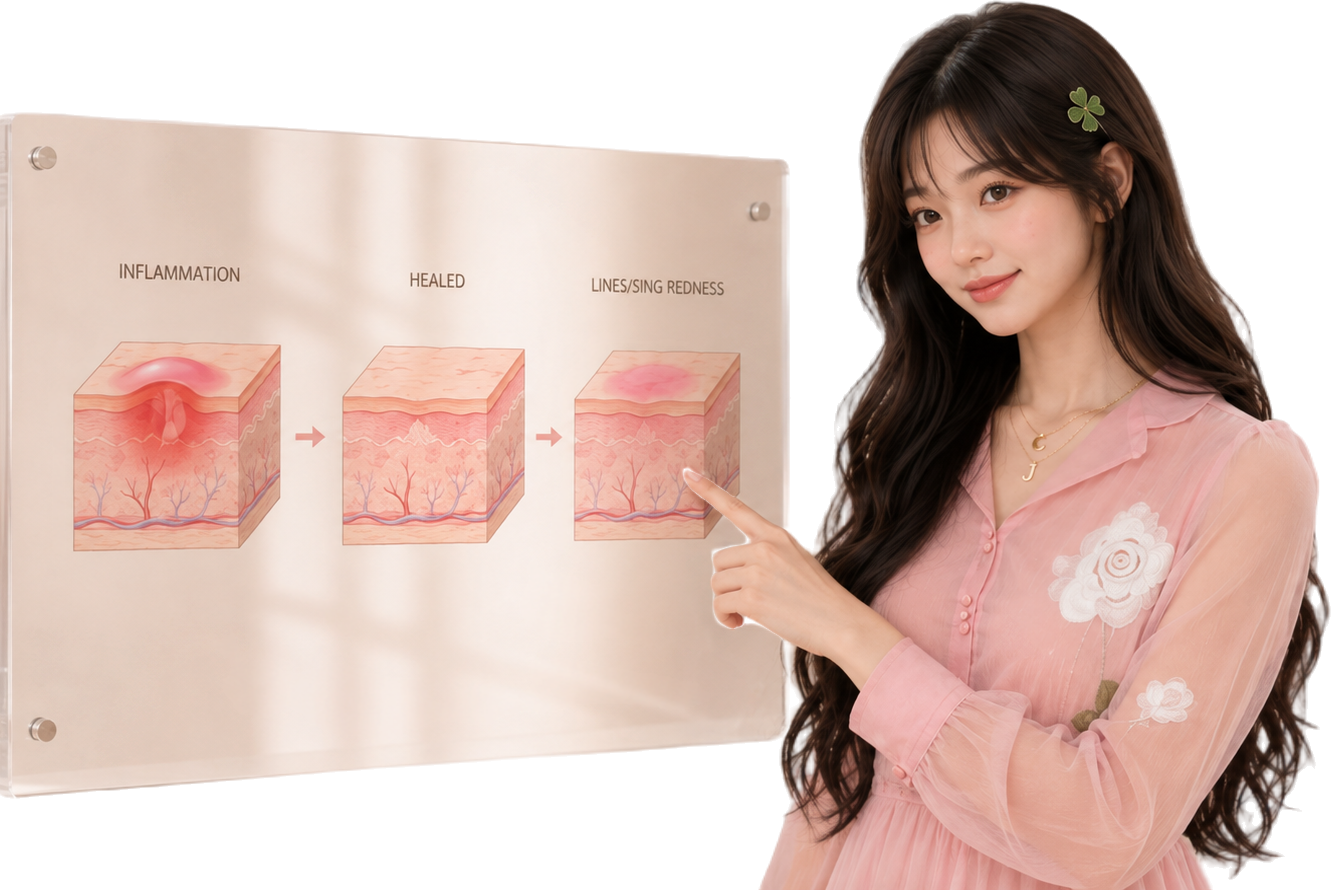
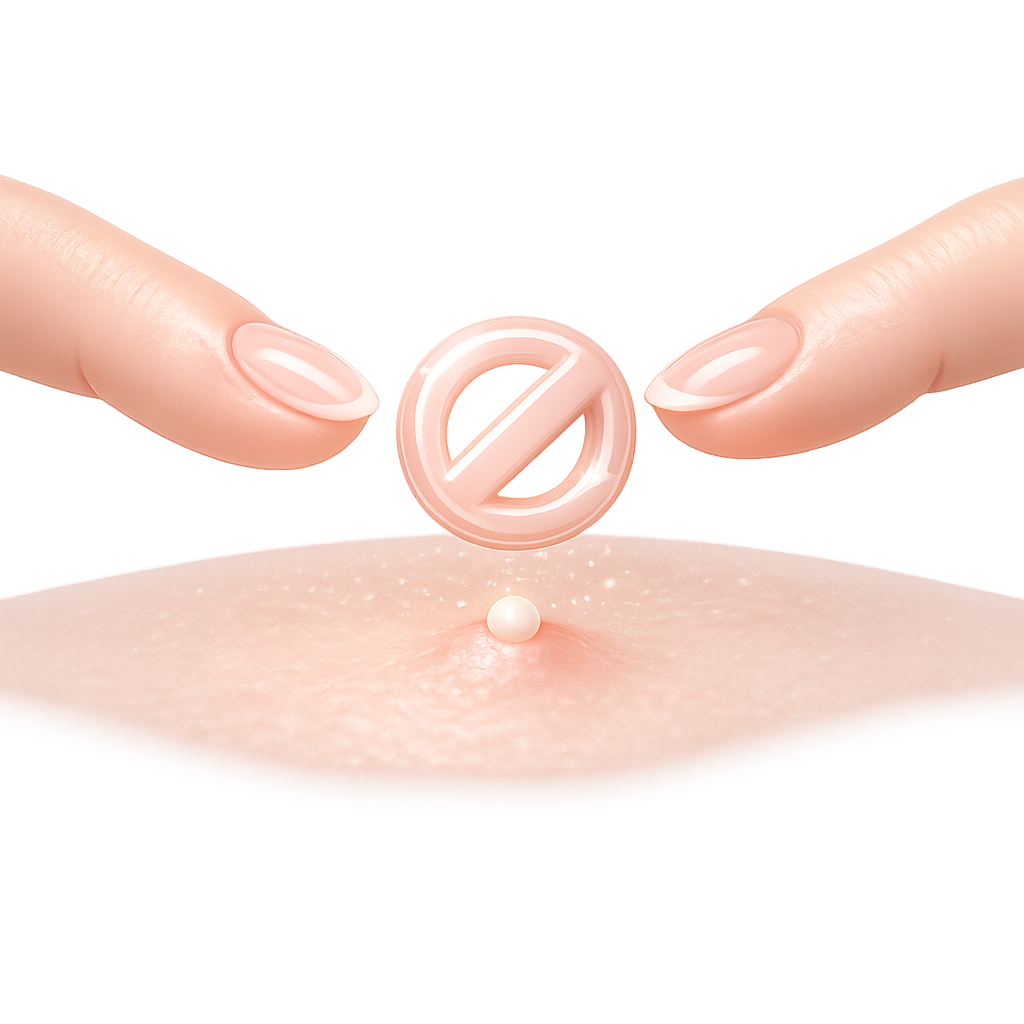
The skin becomes inflamed. For example, an inflammatory pimple develops.
 ×
×
A pimple heals, but a flat red or pink mark stays behind? That may be post-inflammatory erythema, or PIE. Unlike dark marks caused by extra pigment, PIE is related to changes in the tiny blood vessels after inflammation. Learn what PIE is, why it happens, how to tell it apart from PIH, and how to care for your skin while it fades.
Red • Pink • Purple
Post-inflammatory erythema (PIE) is persistent red, pink, or sometimes purple discoloration that remains after skin inflammation has healed.
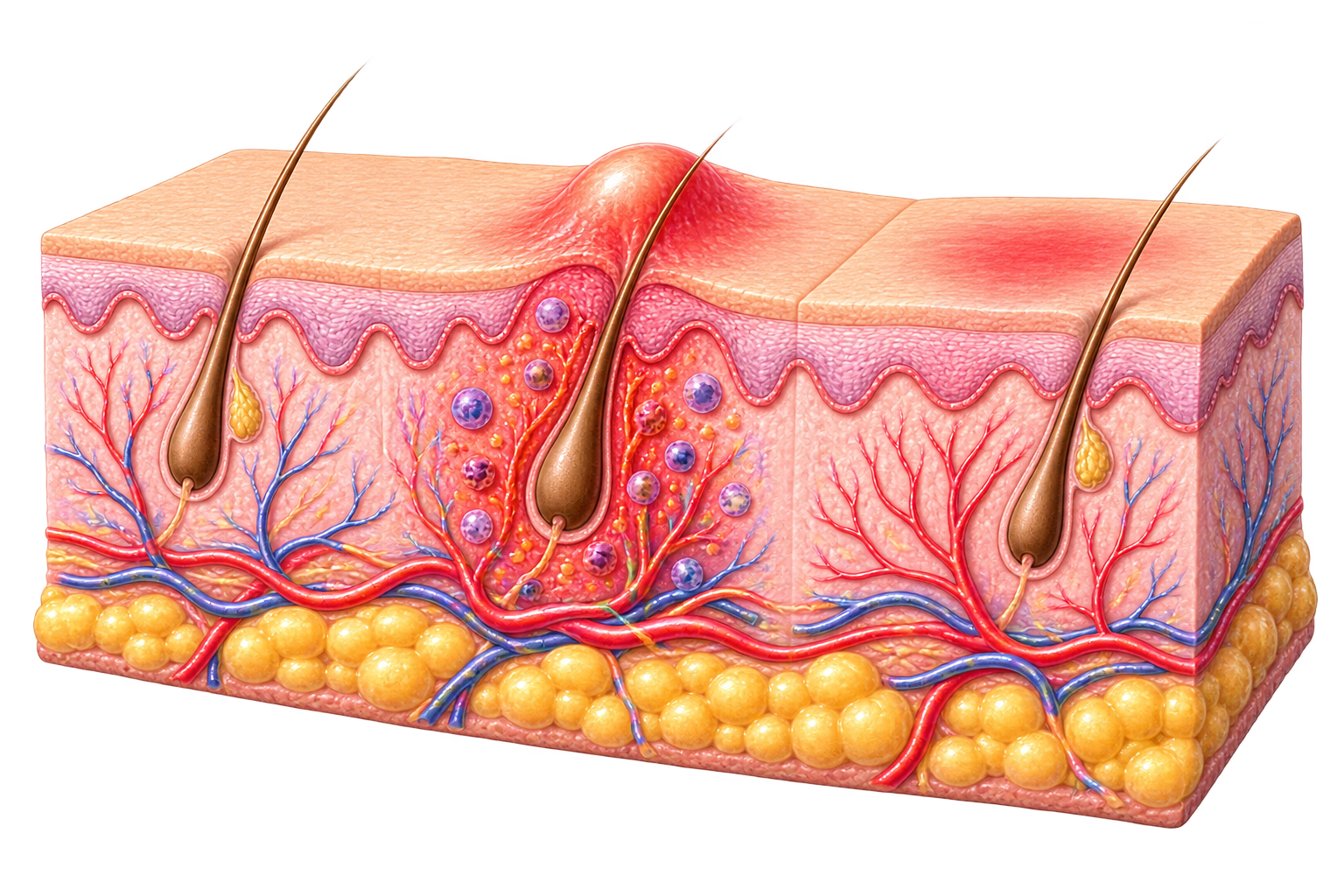
It is especially common after inflammatory acne.
Unlike post-inflammatory hyperpigmentation (PIH), PIE is not caused by excess melanin. Instead, inflammation can affect the tiny blood vessels in the skin, leaving visible redness behind after the original inflammation has settled.
PIE is usually a flat color change, rather than a raised or indented scar.
Red, pink, or sometimes purple discoloration.
PIE is generally a color change, not a raised or indented scar.
PIE is primarily a vascular color change caused by inflammation—not excess melanin.
PIE develops as the skin responds to inflammation. As the original inflammation settles, visible redness can remain behind.
The skin becomes inflamed. For example, an inflammatory pimple develops.
The inflammation affects the tiny blood vessels around the area.
The original inflammation begins to settle as the skin starts recovering.
The pimple or irritated area heals, but the redness remains visible.
A flat red, pink, or purple mark remains on the skin.
The original inflammation may be gone, but a flat red, pink, or purple mark can remain while the skin continues to recover.
PIE commonly appears as a flat red, pink, or purple discoloration left behind after inflammation has healed. The exact color can vary depending on your skin tone.
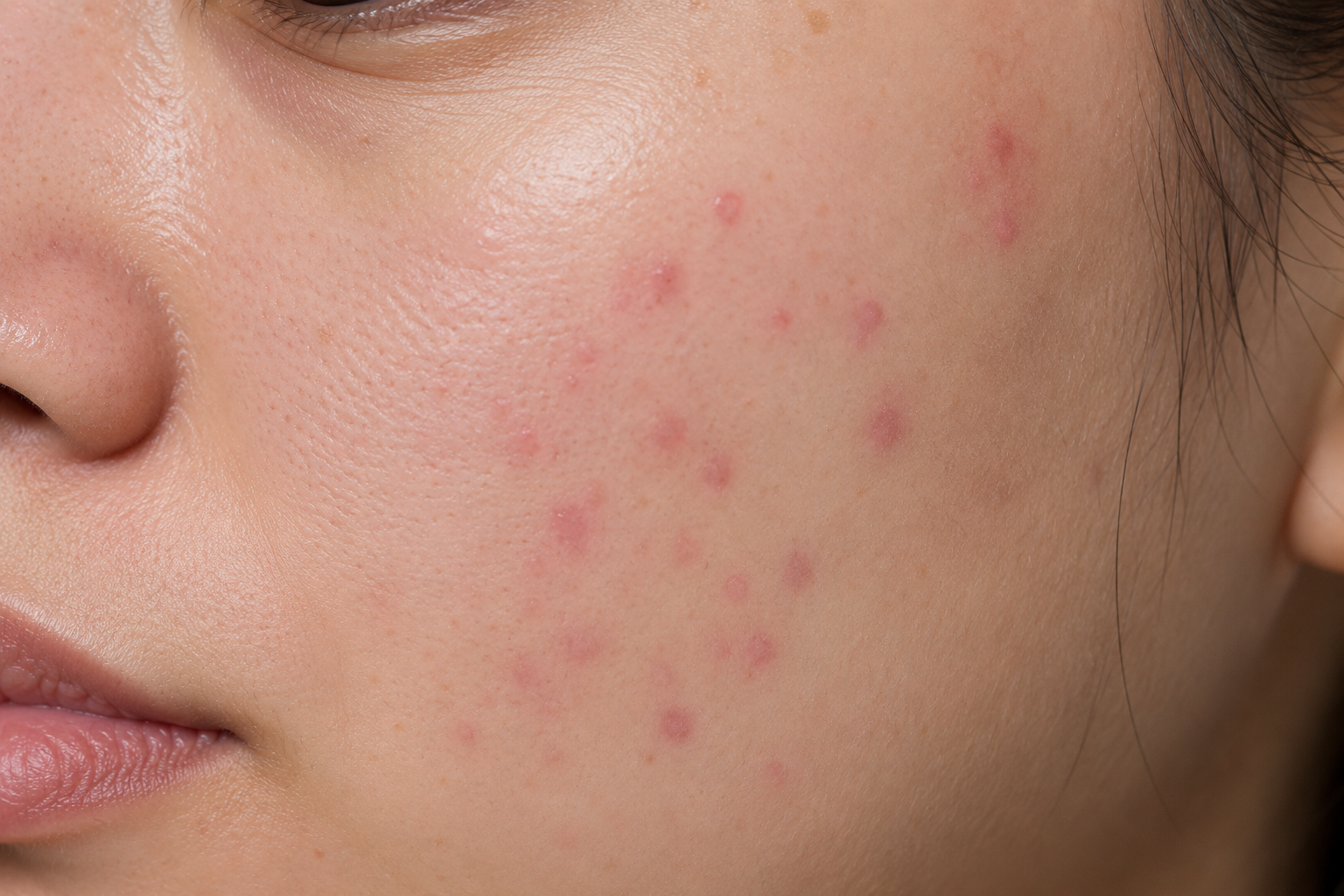
Red marks
Pink marks
Purple or reddish-purple marks
Flat discoloration
Usually appears where previous inflammation occurred
Usually not painful
Usually not itchy
No raised bump or indentation
The exact color of PIE can vary depending on your skin tone, but it is generally a flat red, pink, or purple color change.
PIE and PIH are often confused because they can both appear after acne, but they have different underlying causes. One is primarily related to blood vessels, while the other is related to excess pigment.
A vascular color change related to inflammation and tiny blood vessels.
Related to changes in blood vessels
Usually red, pink, or purple
Vascular color change
Inflammatory acne
Pigment-fading ingredients aren't the main focus
A pigment color change related to excess melanin after inflammation.
Related to excess melanin
Usually brown, dark brown, or gray-brown
Pigment color change
Acne, eczema, burns, or other inflammation
Pigment-targeting ingredients can help
Erythema = Red 🔴
Hyperpigmentation = Brown 🟤
PIE is most commonly associated with skin inflammation. Anything that keeps the skin inflamed or repeatedly irritated can contribute to persistent redness after healing.
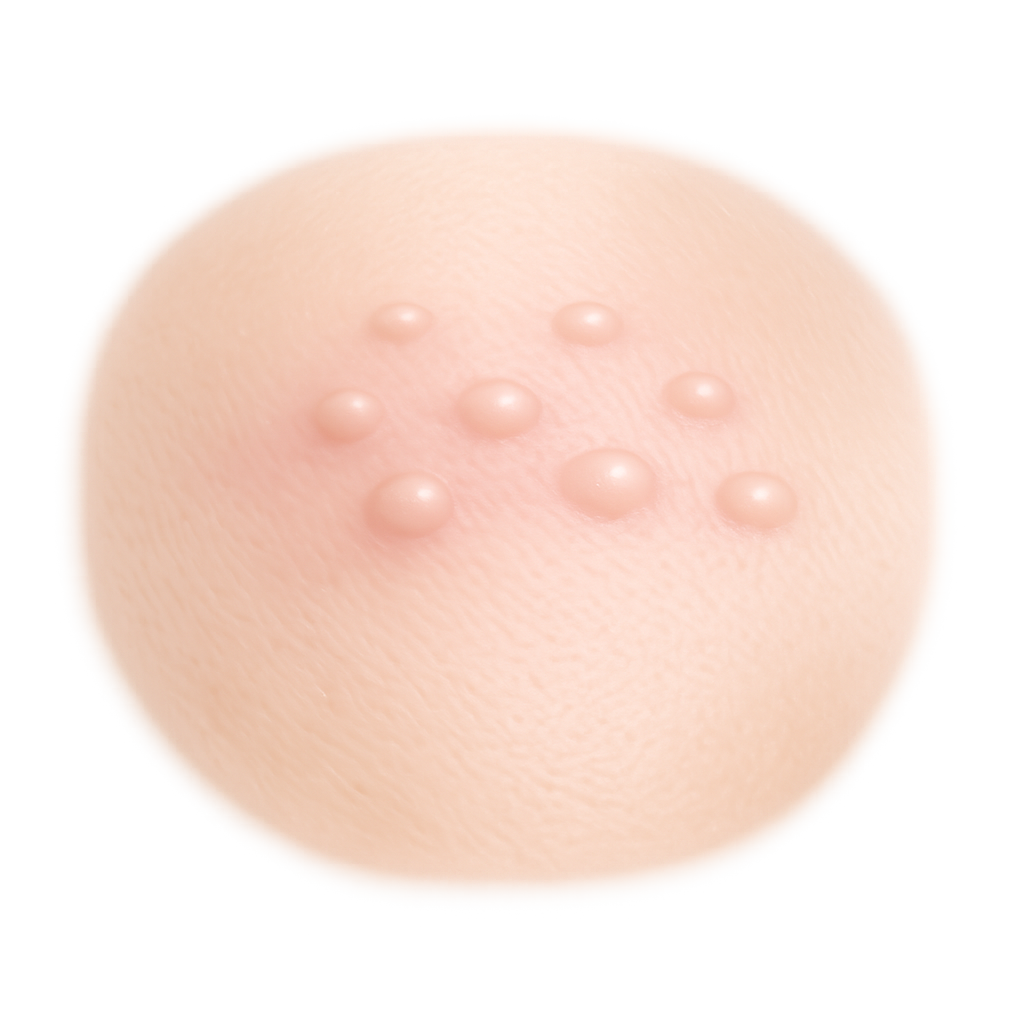
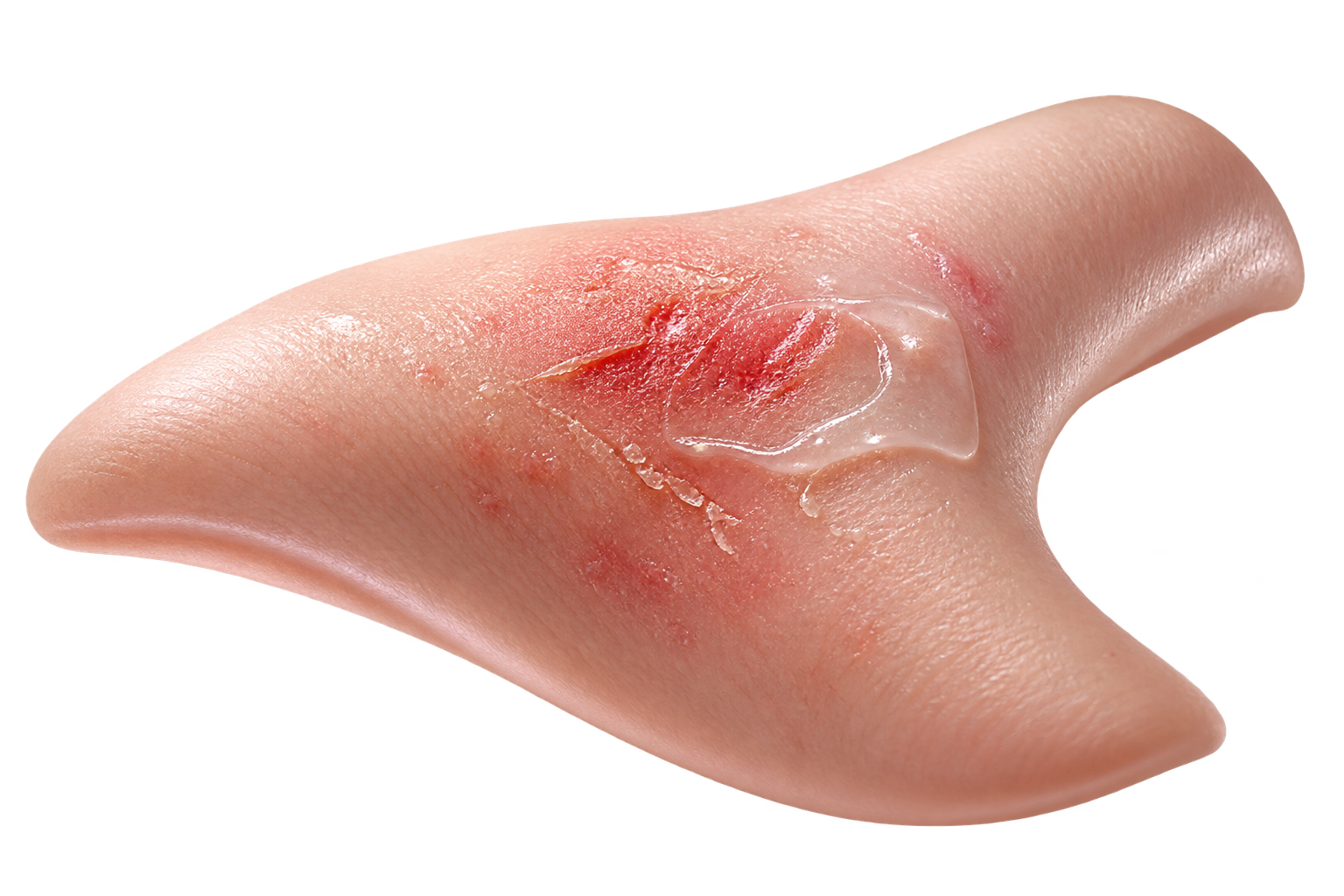
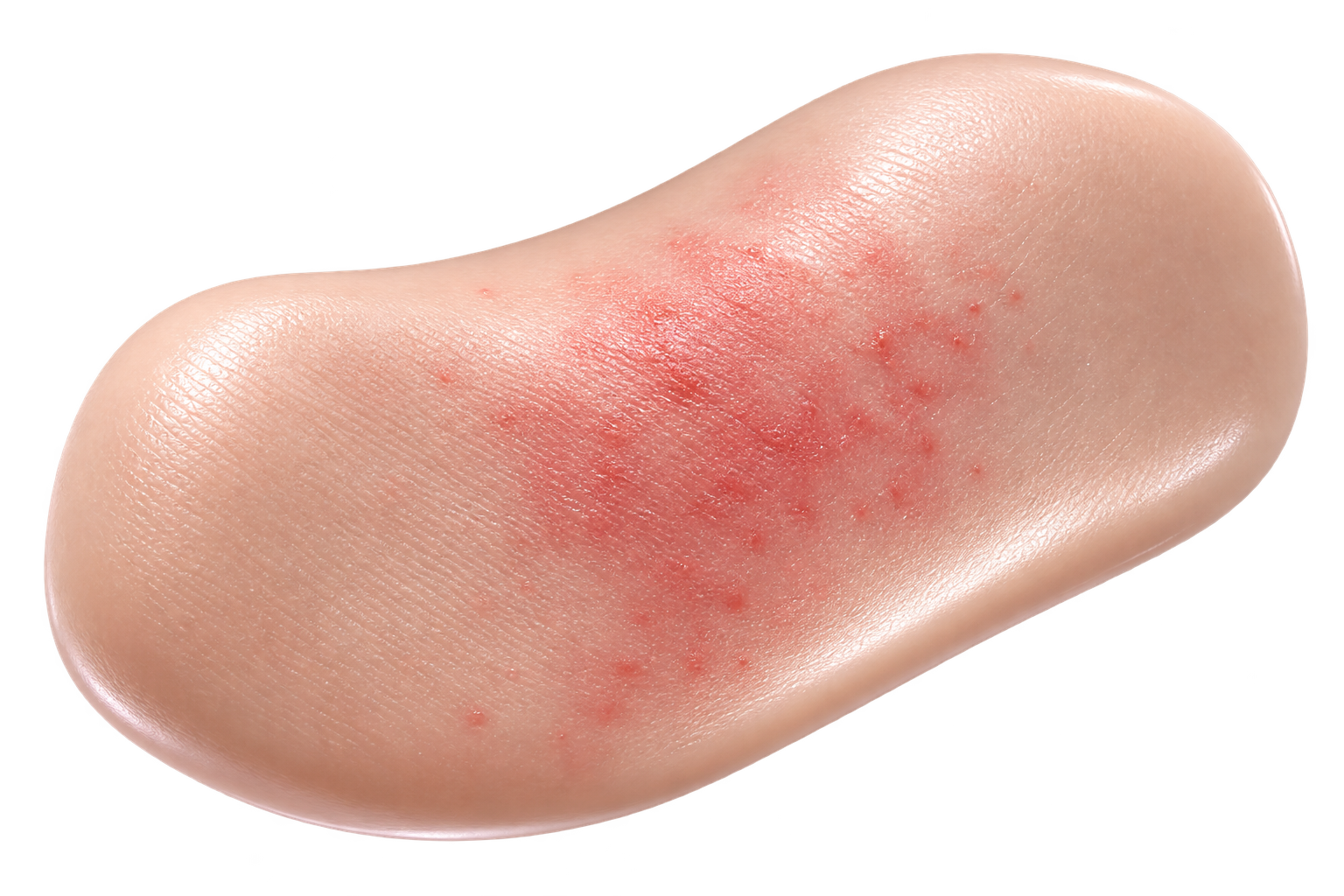
Inflamed pimples can affect the tiny blood vessels around the affected area.
Manipulating a pimple can increase inflammation and damage the surrounding skin.
Cuts, scratches, or other injuries can sometimes leave persistent redness after healing.
Harsh skincare or over-exfoliation can prolong inflammation and contribute to persistent redness.
More inflammation or repeated irritation can mean a greater chance of redness lingering after the skin heals.
PIE can occur anywhere inflammation has affected the skin, but it is especially common on the face, particularly in areas where inflammatory acne has healed.
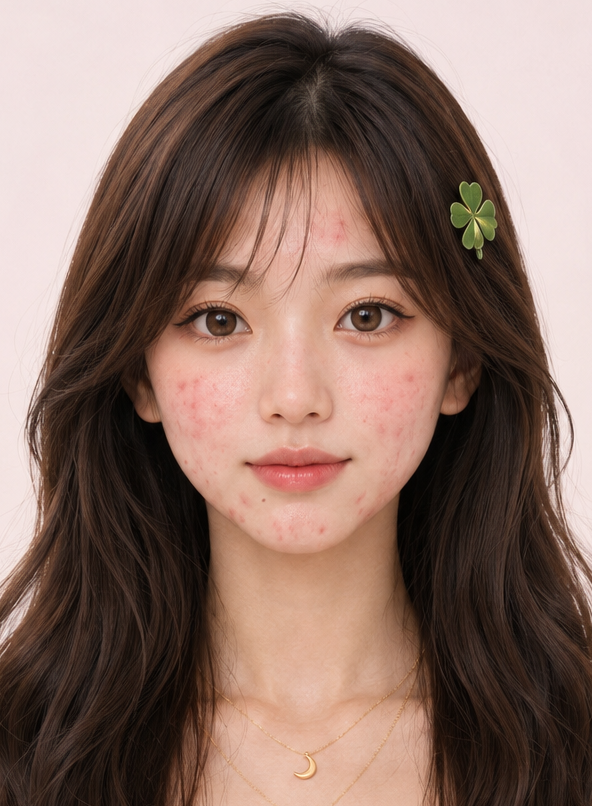 Common facial areas
A common area for redness left behind after inflammatory acne.
PIE may remain where an inflamed breakout has healed.
Red or pink marks can remain after previous inflammation.
PIE can appear in areas where inflammatory acne has healed.
PIE can remain wherever previous inflammation affected the skin.
PIE is not limited to one specific facial area. It can occur anywhere inflammation has affected the skin.
In many cases, PIE gradually becomes less noticeable as the skin and tiny blood vessels recover. However, the time it takes to fade varies from person to person.
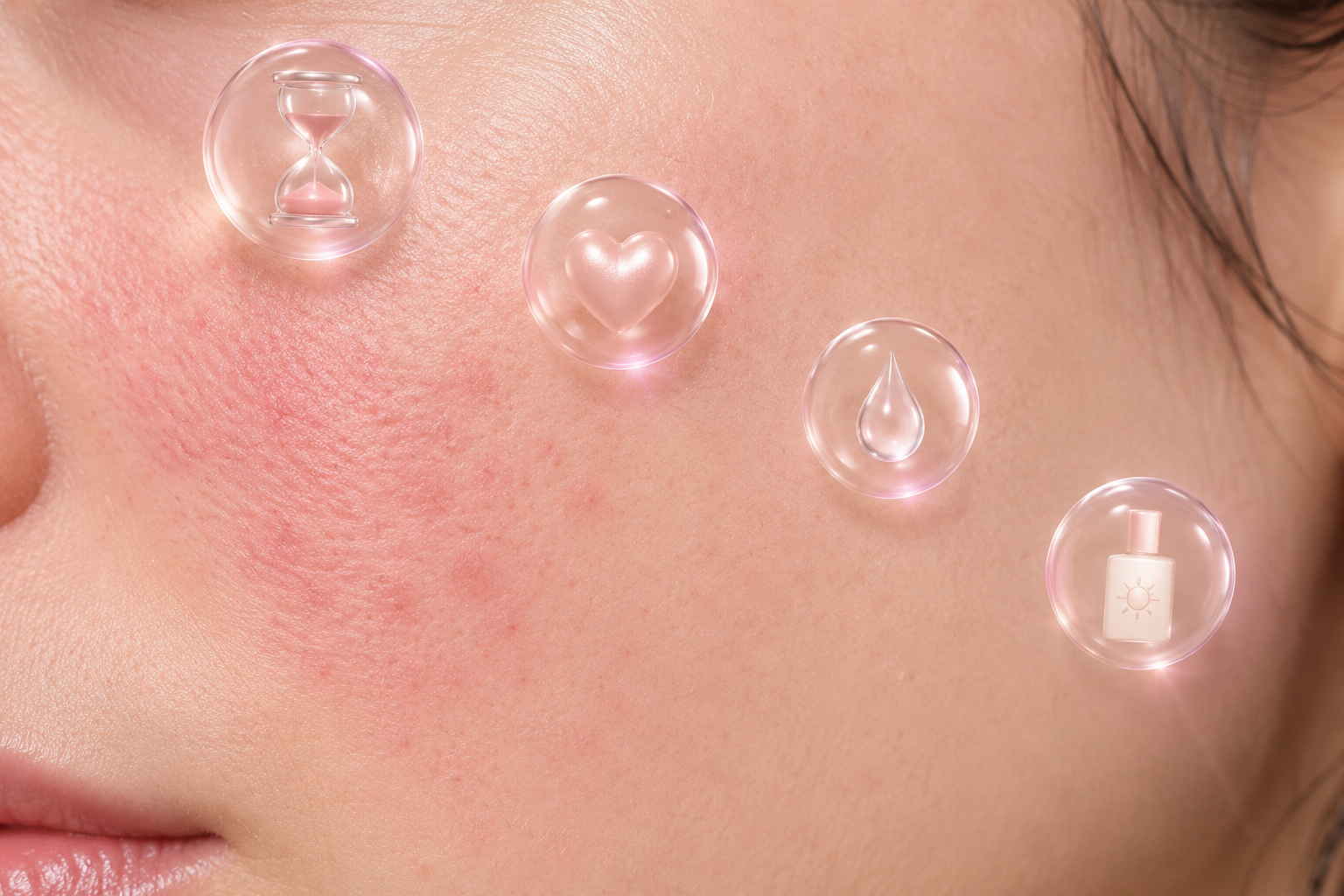
Some marks may fade relatively quickly, while others can remain visible for several months or longer.
Continued inflammation, irritation, and sun exposure can make redness more noticeable.
The skin and tiny blood vessels gradually recover.
New inflammation can keep redness noticeable.
Repeated irritation can interfere with recovery.
UV exposure can make redness more noticeable.
PIE can take time to fade. Trying to scrub or aggressively exfoliate it won't make it disappear faster.
PIE usually benefits from a gentle approach. The goal is to protect the skin while reducing unnecessary inflammation and giving the skin time to recover.
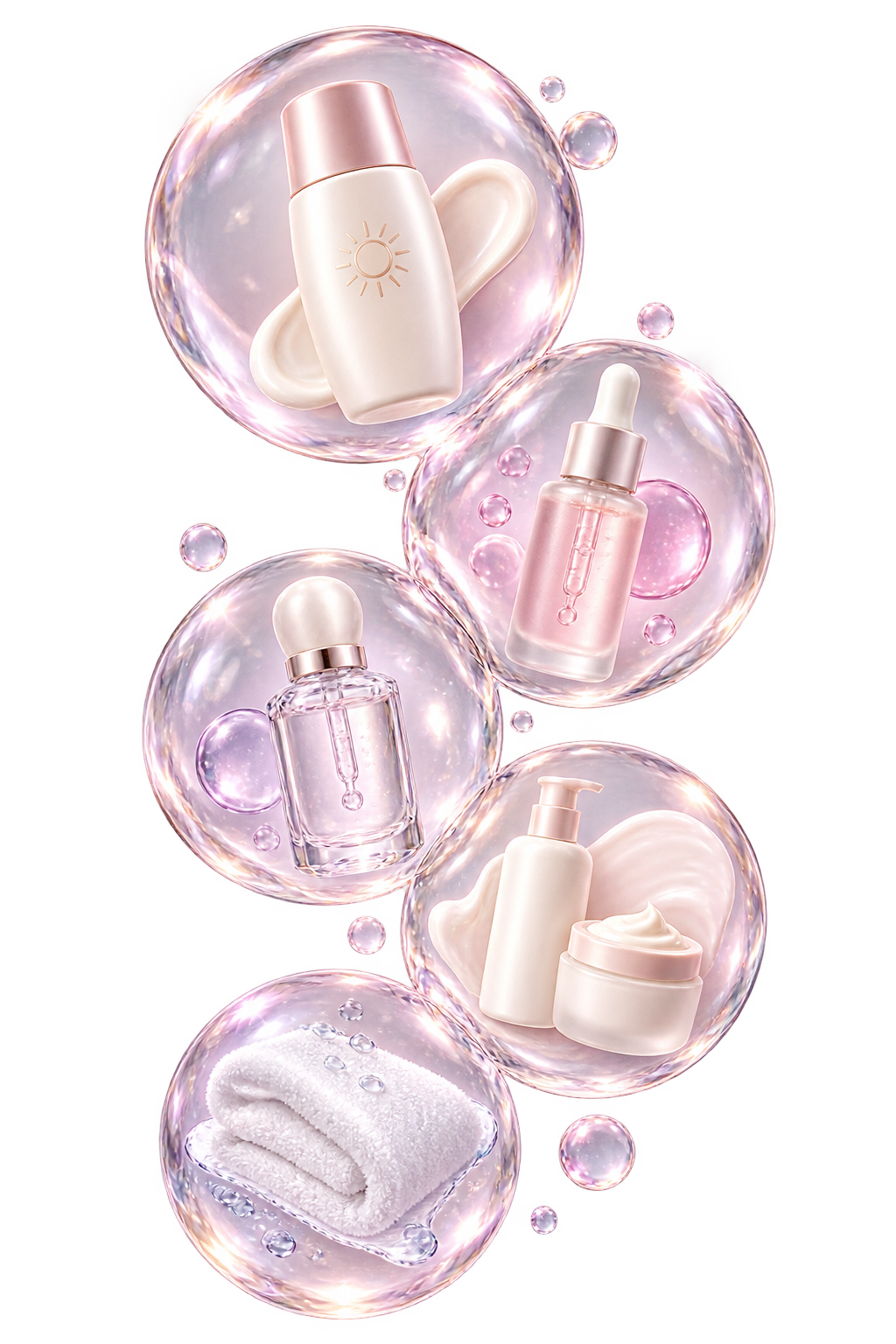
Daily broad-spectrum sunscreen helps protect healing skin from UV exposure and can prevent discoloration from becoming more noticeable.
Helps calm inflammation and can be useful when PIE occurs alongside acne.
Supports the skin barrier and may help reduce the appearance of redness.
A simple, gentle routine helps reduce unnecessary irritation while the skin recovers.
A cool, comfortable compress may temporarily reduce the appearance of redness. It does not permanently remove PIE.
These approaches support the skin while it recovers. PIE can still take time to fade, so gentle and consistent care is more important than trying to force quick results.
While your skin is healing, the goal is to avoid adding more irritation. Already-irritated skin usually benefits from a simpler, gentler approach.
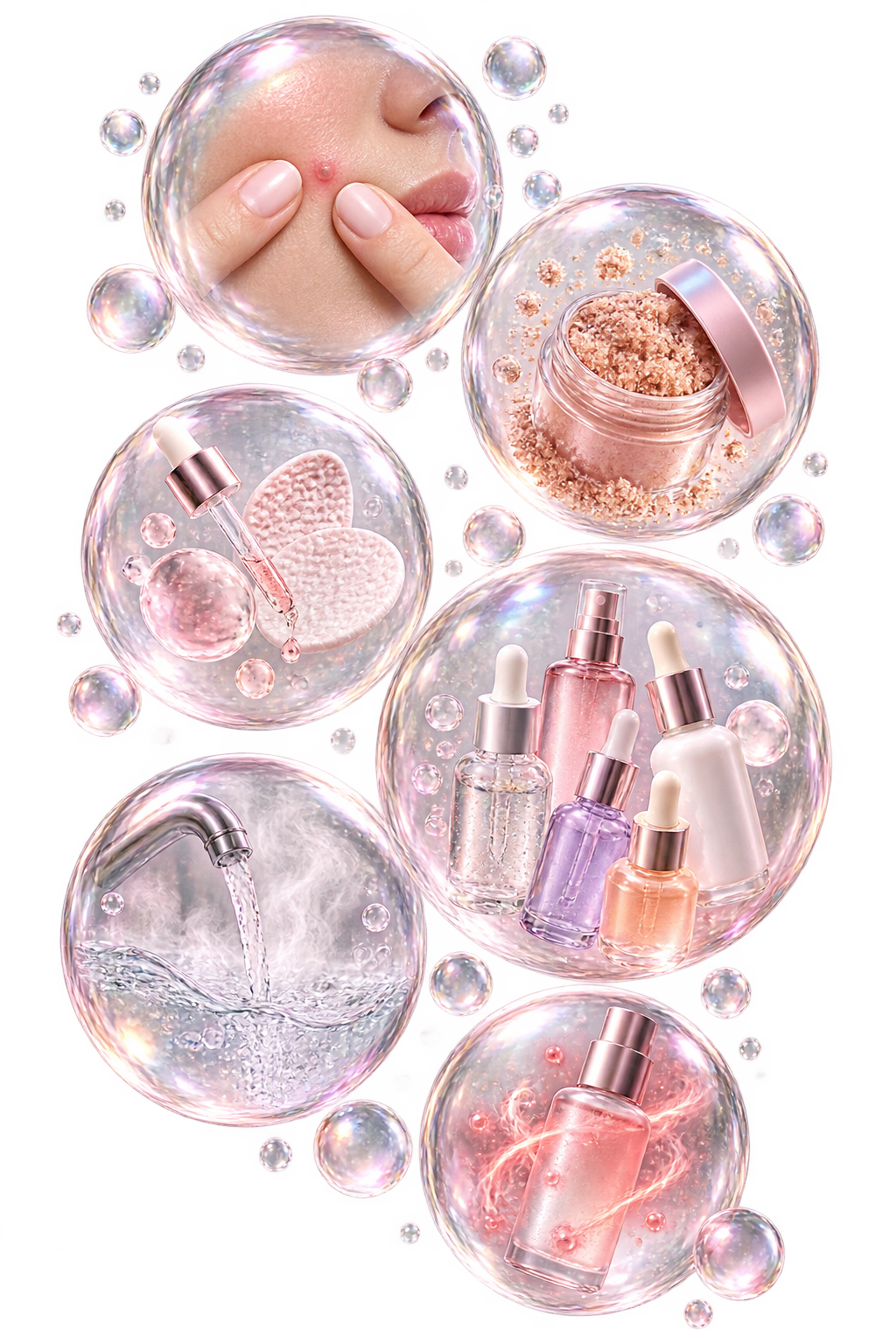
Picking or squeezing acne
Harsh scrubs
Over-exfoliation
Using too many active ingredients at once
Very hot water
Products that repeatedly cause burning or irritation
More irritation → more inflammation → potentially longer-lasting redness.
PIE is not an active pimple. Learning the difference can help you avoid treating a healed red mark as though it were still an inflamed breakout.
Raised
Inflamed
May be painful
May contain pus
May feel tender
Flat
Red, pink, or purple
Usually not painful
Remains after the original inflammation has healed
You can have PIE and active acne at the same time. Treat the active acne while protecting the healing areas from additional irritation.
You can't prevent every case of PIE, but you can reduce the risk by limiting inflammation, protecting your skin, and keeping your routine gentle and consistent.
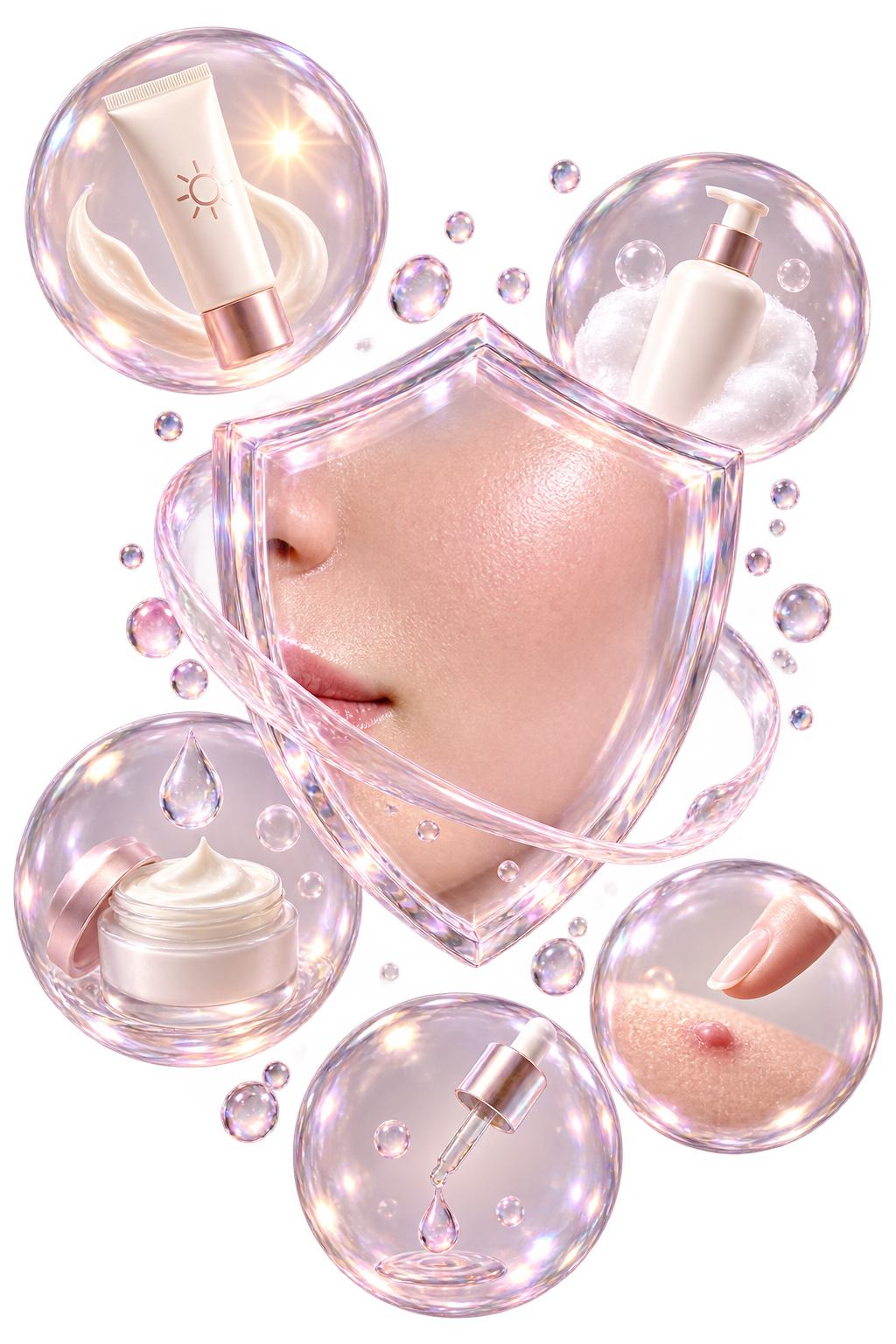
Treat inflammatory acne consistently.
Avoid picking or squeezing pimples.
Wear broad-spectrum sunscreen every day.
Avoid harsh scrubbing.
Don't over-exfoliate.
Keep your skin barrier healthy.
Introduce active ingredients gradually.
Stop using products that repeatedly irritate your skin.
Prevention isn't about having a perfect routine. It's about reducing unnecessary inflammation and giving your skin a better chance to heal calmly.
PIE is often confused with active acne, PIH, and even permanent scarring. Let's separate common skincare myths from what actually happens in the skin.
PIE is primarily a red, pink, or purple vascular color change, while PIH is caused by excess melanin.
Scrubbing can increase irritation and inflammation, potentially making the redness more noticeable.
PIE can remain after the original acne has completely healed.
PIE often fades gradually as the skin recovers, although some marks can take months or longer.
Aggressive exfoliation can irritate the skin and potentially prolong redness. Gentle, consistent skincare is a better approach.
PIE usually needs patience and gentle care—not aggressive treatment.

If a healed pimple leaves behind a flat red, pink, or
purple mark, don't immediately treat it like a dark spot.
It may be PIE rather than PIH.
Focus on calming your skin, protecting it with daily
sunscreen, and avoiding aggressive exfoliation or picking.
Give your skin time to recover—sometimes the best thing
you can do for a healing mark is simply stop irritating it.
