KNOW YOUR SKIN BEFORE YOU CARE FOR IT.

Home Skin Concerns Ingredients Routine Journey Start Analysis
SEARCH-ICON ×
×

Welcome to Ask Mimii

Save your Skin Analysis,
personal routines and favourites.

OR
Skin Concern

Milia

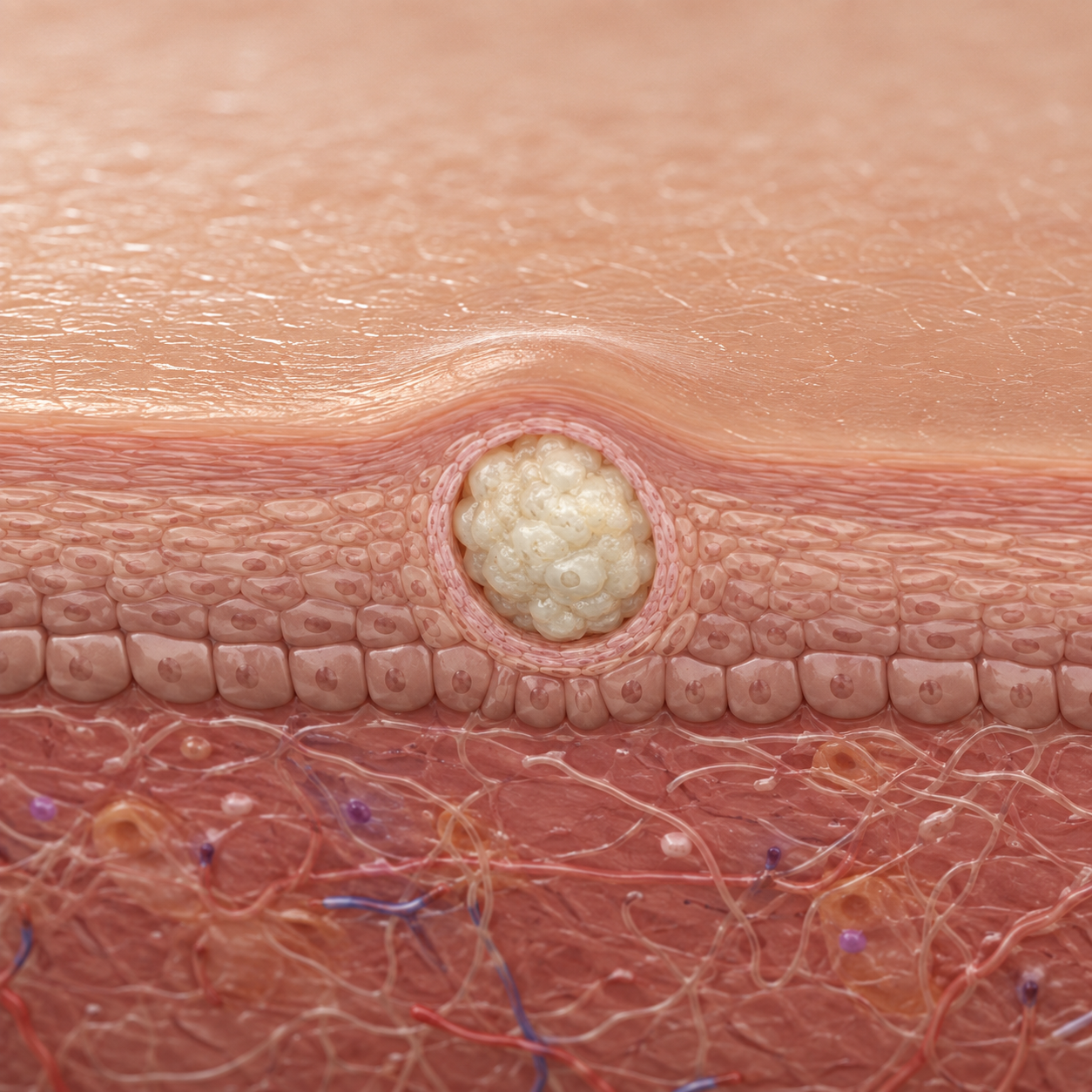
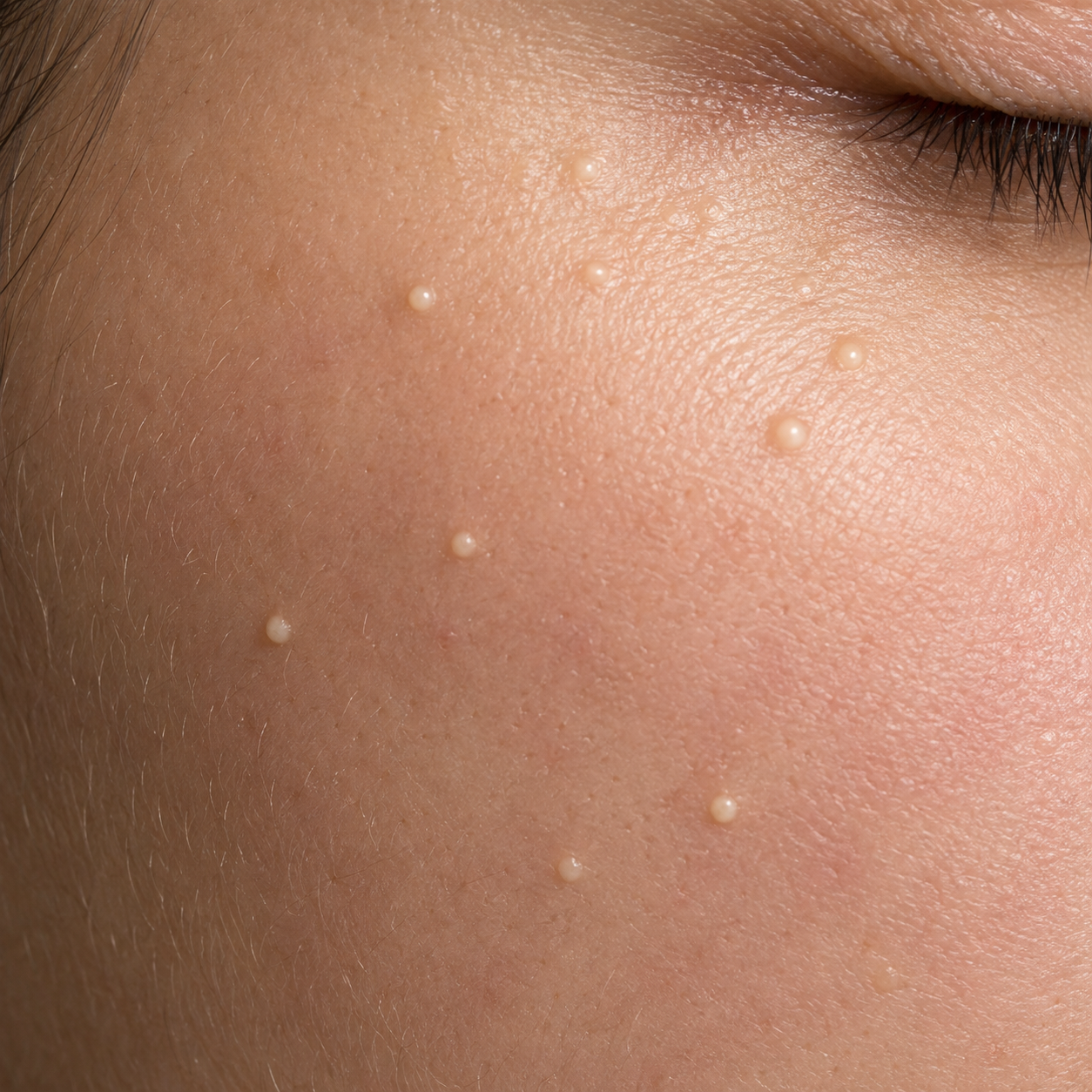
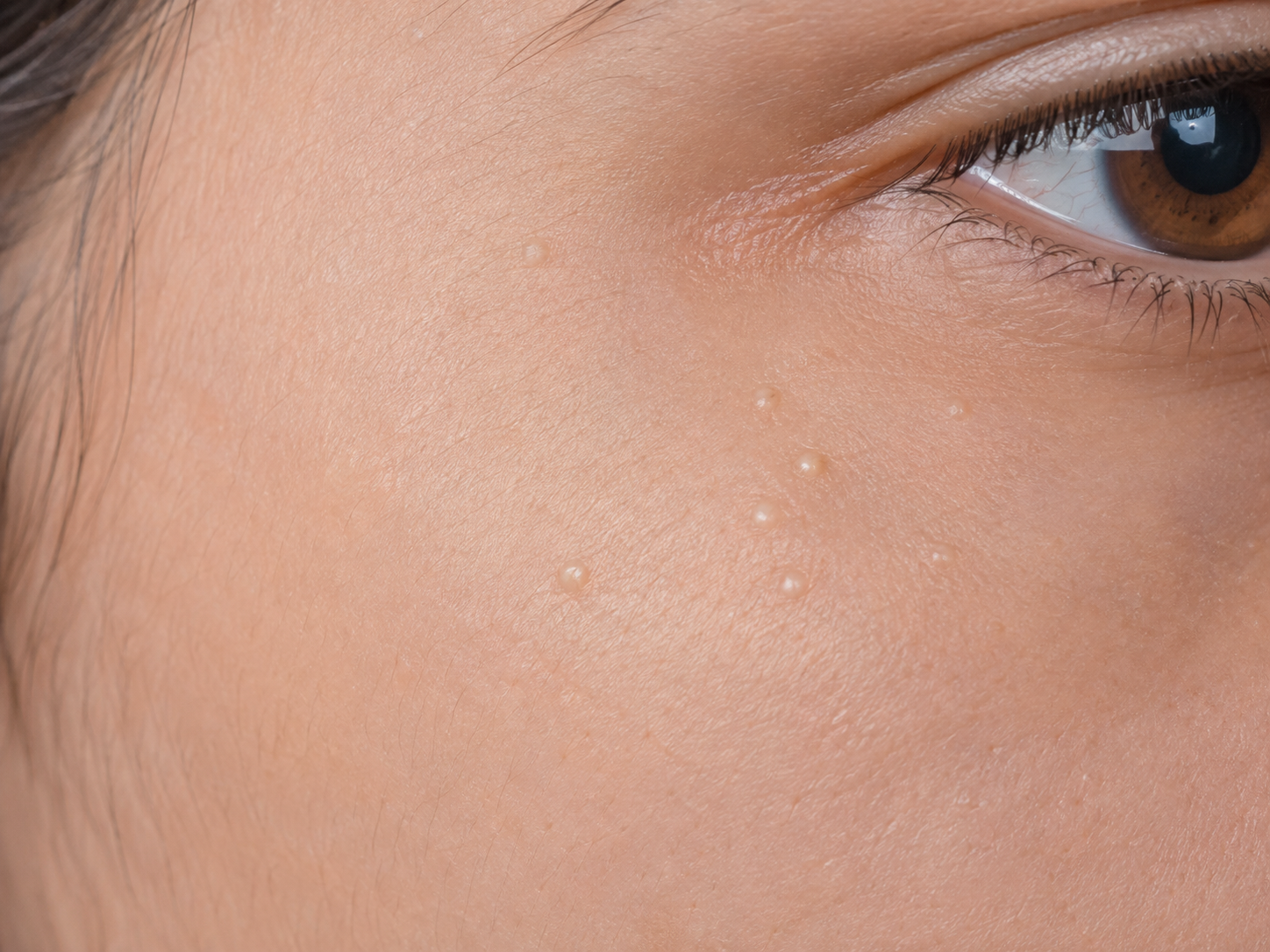
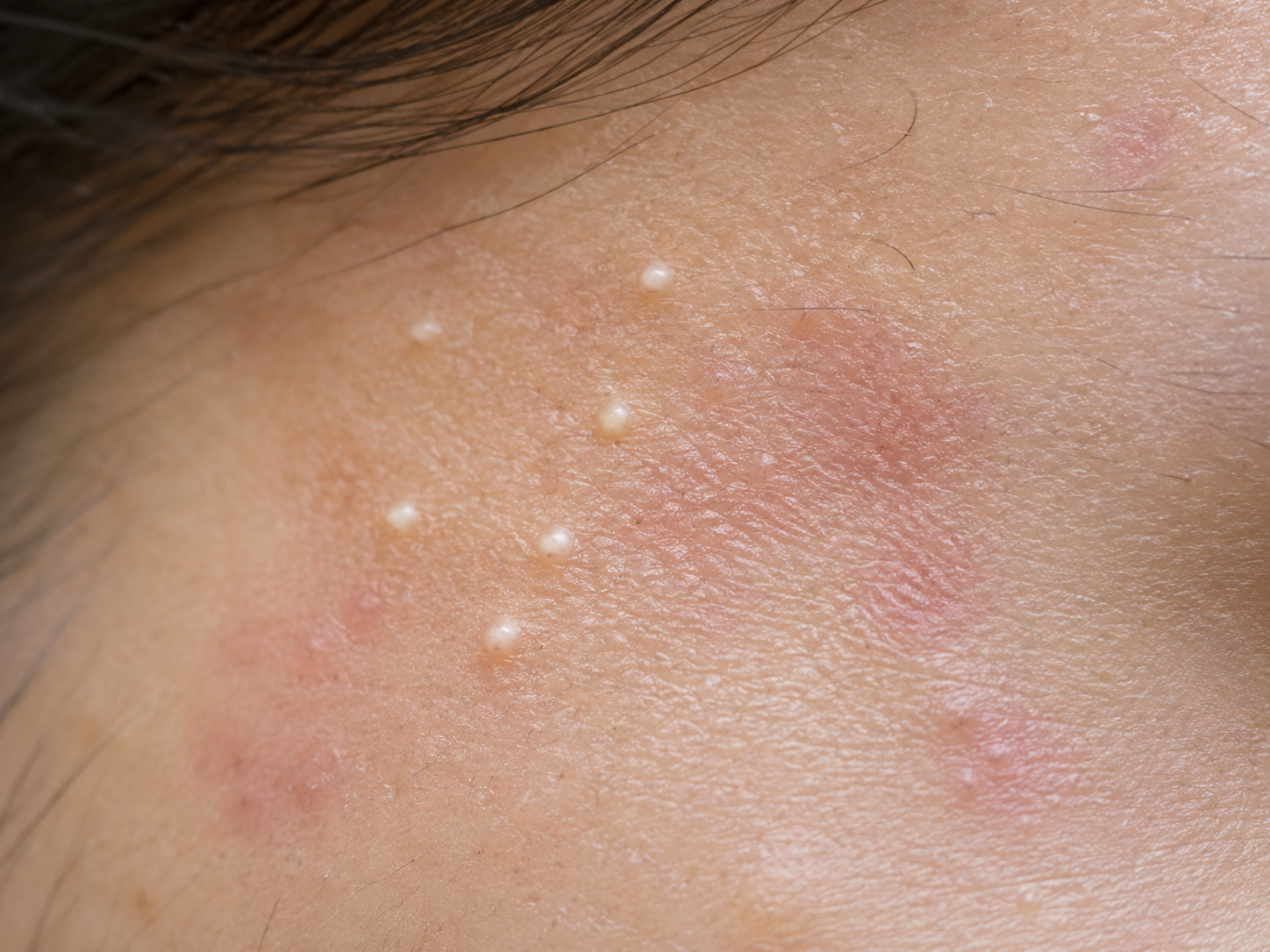
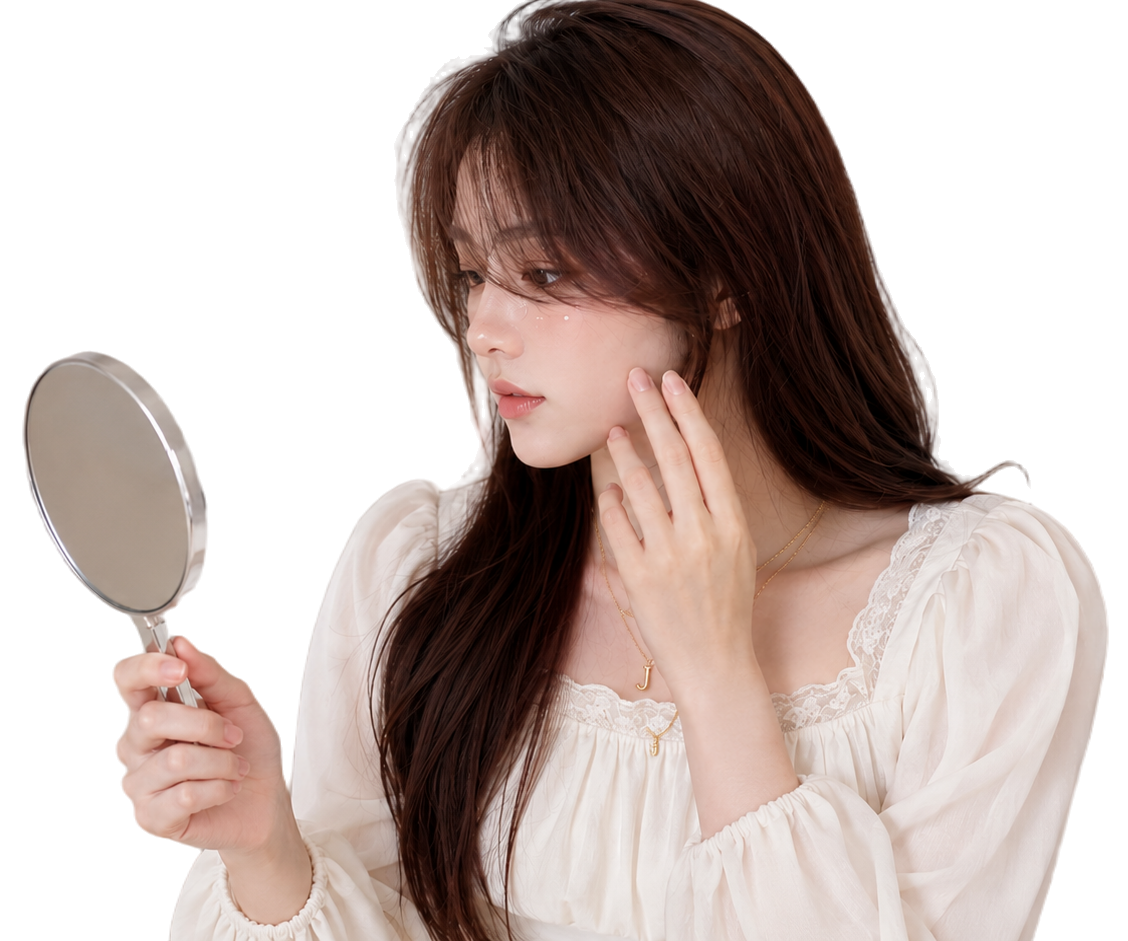
Tiny white bumps around your eyes or cheeks that don't behave like pimples? They might be milia. Milia are small, harmless cysts filled with keratin that form just beneath the skin's surface.

They aren't acne, and squeezing them usually won't help. Learn what milia are, why they form, how to tell them apart from whiteheads, and how to care for them.

Learn About Milia Small bumps · Different from acne
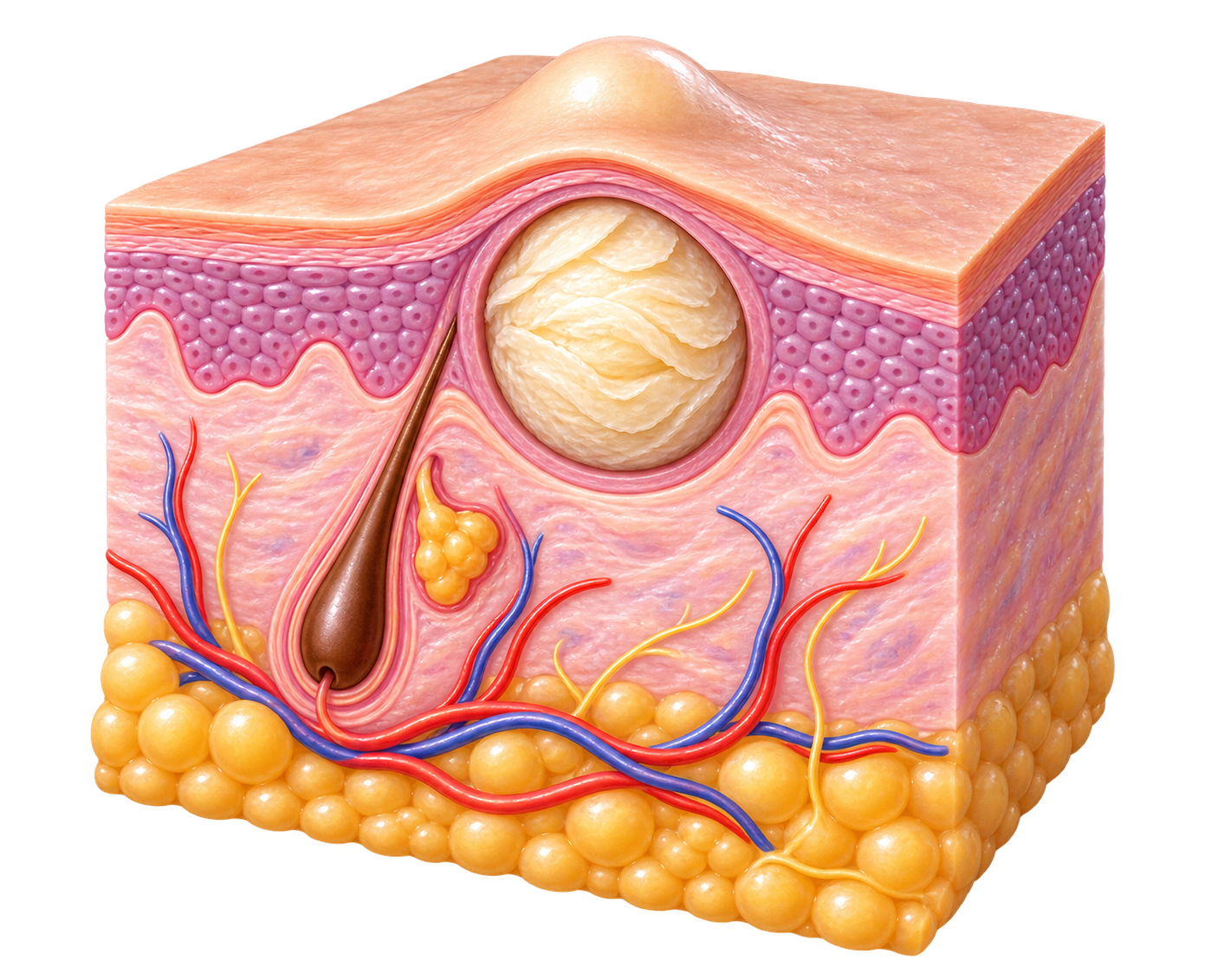
Milia skin illustration
Milia Basics

What Are Milia?

Milia are tiny, harmless cysts that form just beneath the surface of the skin. Understanding what they contain and how they differ from acne can help you care for them appropriately.

Milia illustration
Understanding Milia

Tiny Cysts, Not Clogged Pores

Milia are tiny, harmless cysts that form just beneath the surface of the skin. They contain keratin, a protein naturally found in the skin, hair, and nails.

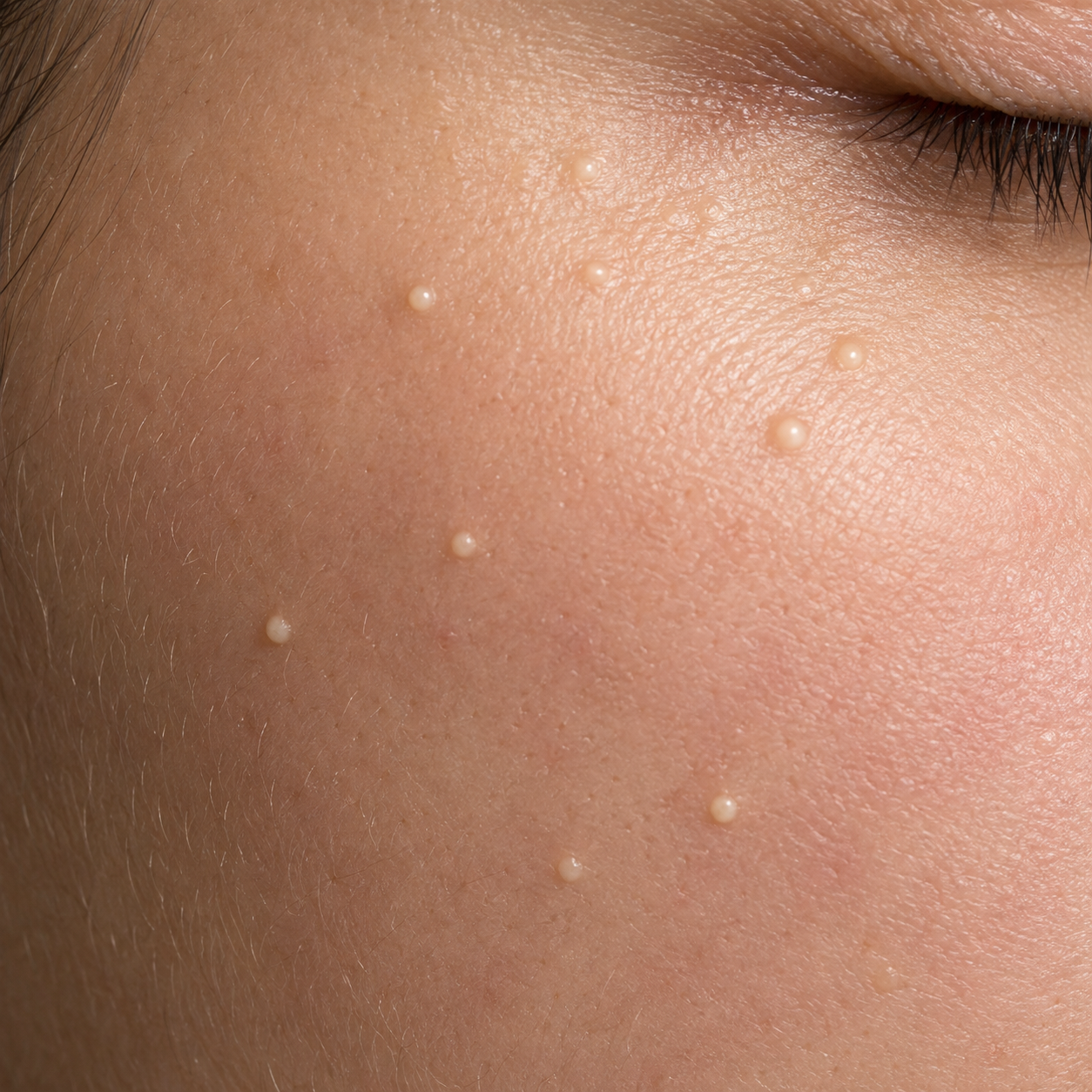
They usually appear as small, firm, white or yellowish bumps and are especially common around the eyes and cheeks.

Unlike whiteheads, milia are not caused by clogged pores or acne.

Good to Know

Milia can affect people of any age, including newborns, children, teenagers, and adults.

Formation Process

How Do Milia Develop?

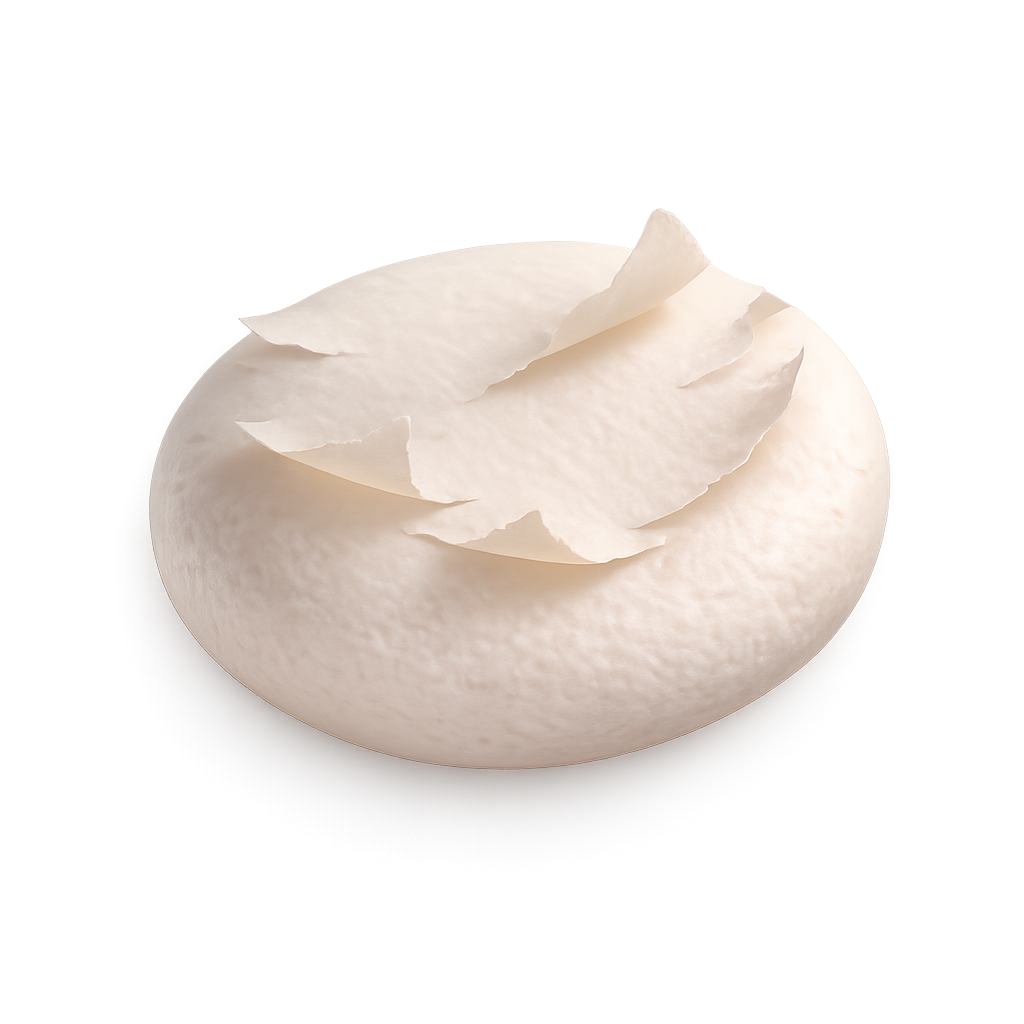
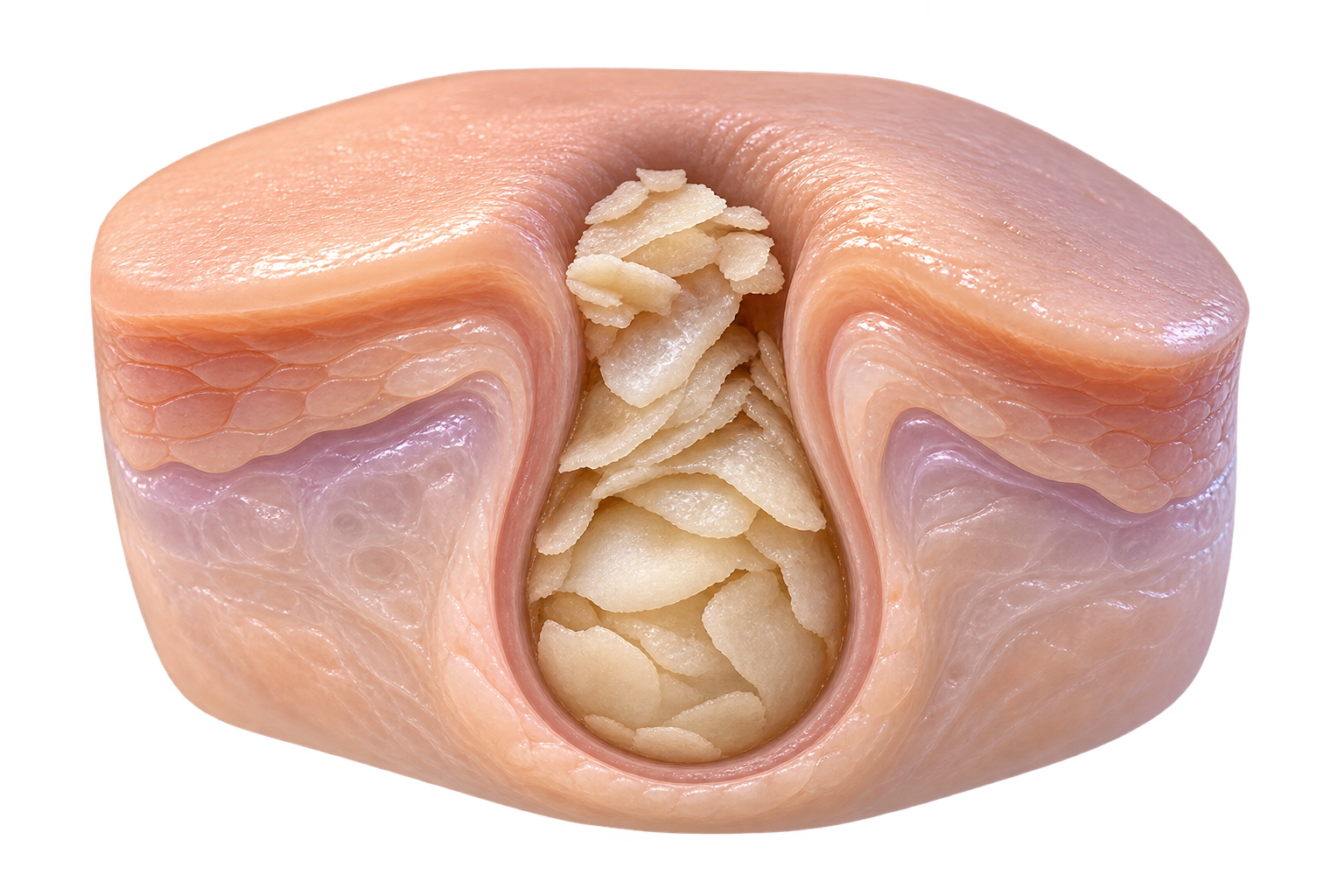
Milia develop when keratin becomes trapped beneath the surface of the skin instead of naturally shedding.

01
Keratin and dead skin cells collecting beneath the skin
Step 01

Keratin Begins to Collect

Dead skin cells and keratin collect beneath the skin's surface.
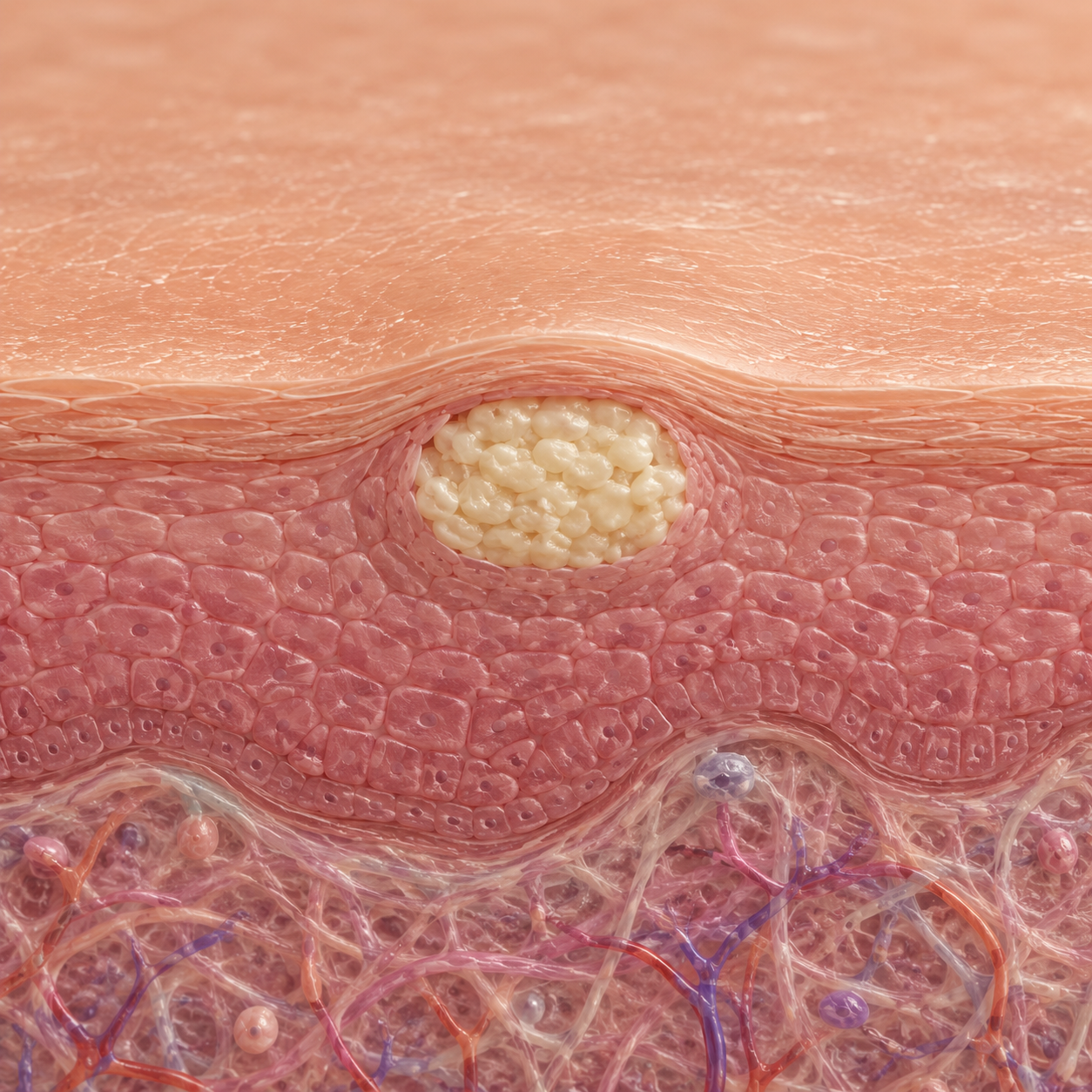
02
Keratin becoming trapped beneath the skin
Step 02

Keratin Becomes Trapped

The keratin becomes trapped instead of naturally shedding from the skin.

03
Tiny cyst forming around trapped keratin
Step 03

A Tiny Cyst Forms

A small cyst forms around the trapped keratin beneath the surface of the skin.

04
Visible white or yellowish milia bump
Step 04

Milia Becomes Visible

The cyst becomes visible as a small, firm, white or yellowish bump.

Milia form beneath the skin's surface, which is why squeezing them like a pimple usually doesn't work.

Signs & Appearance

What Do Milia Look Like?

Milia have a distinctive appearance, although they can sometimes look similar to other tiny white bumps.

Milia appearance illustration
Common Characteristics

Small, Firm & Pearly

Tiny white or yellowish bumps
Usually about 1–2 mm in size
Firm to the touch
Smooth and rounded
Usually not painful
Usually not itchy
Often appear in small groups
Do not contain liquid or pus
Remember

Milia may look similar to whiteheads, but their cause is different. Milia are keratin-filled cysts rather than clogged pores.

Types of Milia

Not All Milia Are the Same

Milia can develop for different reasons. The two main categories are primary milia and secondary milia.

01
Primary milia illustration
Primary Milia

Develop From Trapped Keratin

Primary milia develop directly from trapped keratin and can occur without an obvious skin injury or condition.

They are especially common around the eyes, cheeks, nose, and forehead.

02
Secondary milia illustration
Secondary Milia

Develop After Skin Damage

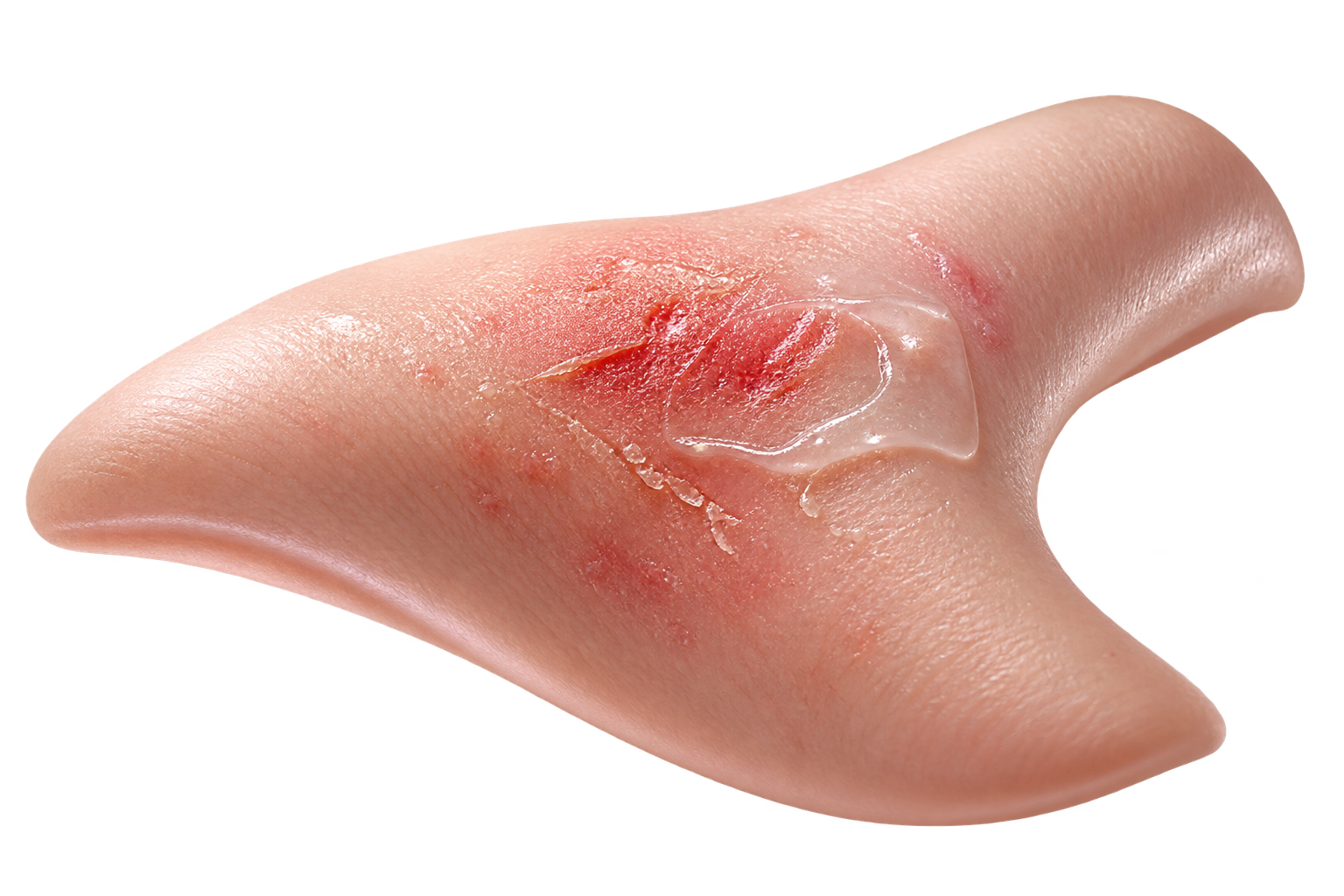
Secondary milia develop after the skin has been damaged or irritated.

Burns Blisters Skin injuries Certain inflammatory skin conditions Some cosmetic procedures
Important

Secondary milia are associated with previous skin damage or irritation, while primary milia can develop without an obvious preceding injury.

Common Causes

Why Do Milia Develop?

Milia can develop for different reasons. While trapped keratin is the main mechanism, skin damage, products, skin conditions, and genetics can also play a role.

Trapped keratin beneath the skin
Main Mechanism

Trapped Keratin

The main mechanism behind milia is keratin becoming trapped beneath the skin's surface instead of naturally shedding.

Skin damage icon
02

Skin Injury

Damage to the skin can sometimes lead to secondary milia.

Heavy occlusive products icon 03

Heavy Occlusive Products

Very rich products may contribute to milia in some people, particularly around the delicate eye area.

Heavy occlusive products icon 04

Skin Conditions

Certain skin conditions can increase the likelihood of developing secondary milia.

Genetics icon 05

Genetics

Some people are simply more prone to developing milia.

Milia don't have one single cause. The reason they develop can depend on whether they are primary or secondary milia and on the individual's skin.

Common Areas

Where Do Milia Usually Appear?

Milia are most commonly found on the face, especially around areas where the skin is delicate and thin.

Common areas where milia appear
Most Common Locations

Usually Found Around the Face

01

Face

Milia can develop on different areas of the face.

02

Around the Eyes

One of the most common locations for tiny milia.

03

Eyelids

Small firm bumps may appear on or around the eyelids.

04

Cheeks

Milia can appear as small white or yellowish bumps.

05

Nose

Small groups of milia may occasionally develop here.

06

Forehead

The forehead is another possible facial location.

Milia can also occasionally appear on other parts of the body, although the face is the most common location.

Know the Difference

Milia vs Closed Comedones

These two concerns can look very similar because they can both appear as tiny white bumps. But they form differently and are not the same skin concern.

Feature
Milia
Closed Comedones
What it is
Keratin-filled cyst
Clogged hair follicle
Acne?
Not a type of acne
Type of acne
Appearance
Usually firm and pearly
Usually flesh-colored or white
Inflammation
Usually not inflamed
May become inflamed
Main mechanism
Trapped keratin beneath the skin
Sebum, dead skin cells, and keratin build up inside a follicle
Acne treatments
Usually doesn't respond to typical acne treatments
May respond to acne treatments
Quick Tip

Look at how the bump behaves.

If a tiny white bump is very firm and doesn't behave like a pimple, it may be milia rather than a closed comedone.

Safe Milia Care

Can You Pop Milia?

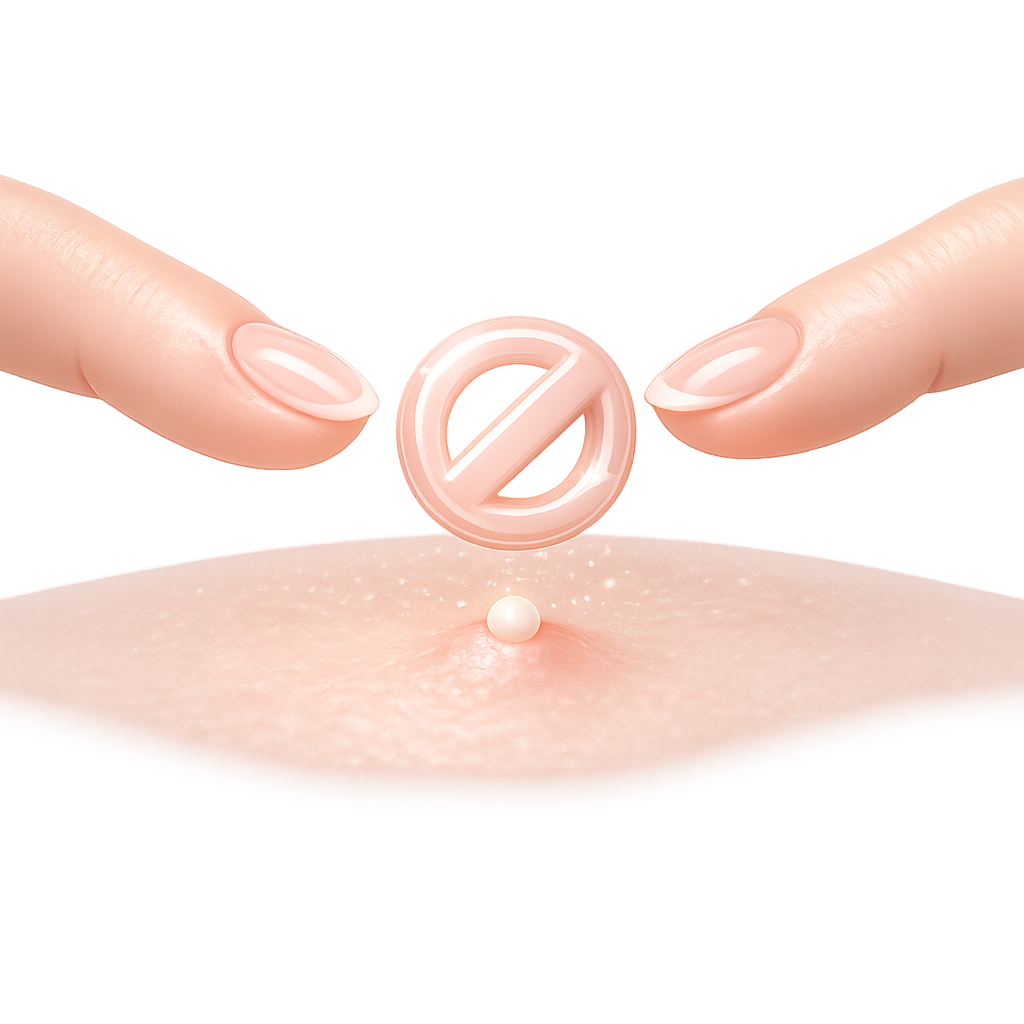
Milia may look like tiny whiteheads, but they are small cysts beneath the skin. Because of this, trying to squeeze them like a pimple usually won't work.

The Short Answer

No.

Squeezing milia usually won't remove the cyst and can unnecessarily irritate the surrounding skin.

Why You Shouldn't Squeeze Them

Trying to Remove Milia Yourself Can Cause Problems

01

Irritate the skin

02

Cause inflammation

03

Damage the surrounding skin

04

Increase the risk of scarring or infection

If Removal Is Needed

Leave Professional Removal to a Qualified Professional

If a milia needs to be removed, a dermatologist or other qualified professional can safely remove it using an appropriate technique.

What to Expect

Can Milia Go Away on Their Own?

Some milia disappear naturally over time, while others can remain for months or longer.

What Should You Expect?

Yes, Some Milia Can Clear Naturally

Some milia can disappear naturally over time as the skin sheds and the trapped keratin is eventually released.

However, some milia can remain for months or longer. Their persistence does not necessarily mean that something is wrong with your skin.

May Clear Naturally

The skin may gradually shed the trapped keratin, allowing some milia to disappear over time.

May Persist

Some milia remain for months or longer and can be professionally removed if desired.

Persistent milia can be professionally removed if desired. You don't need to squeeze or aggressively exfoliate them to make them disappear.

Ingredients & Skincare

How Can You Care for Milia-Prone Skin?

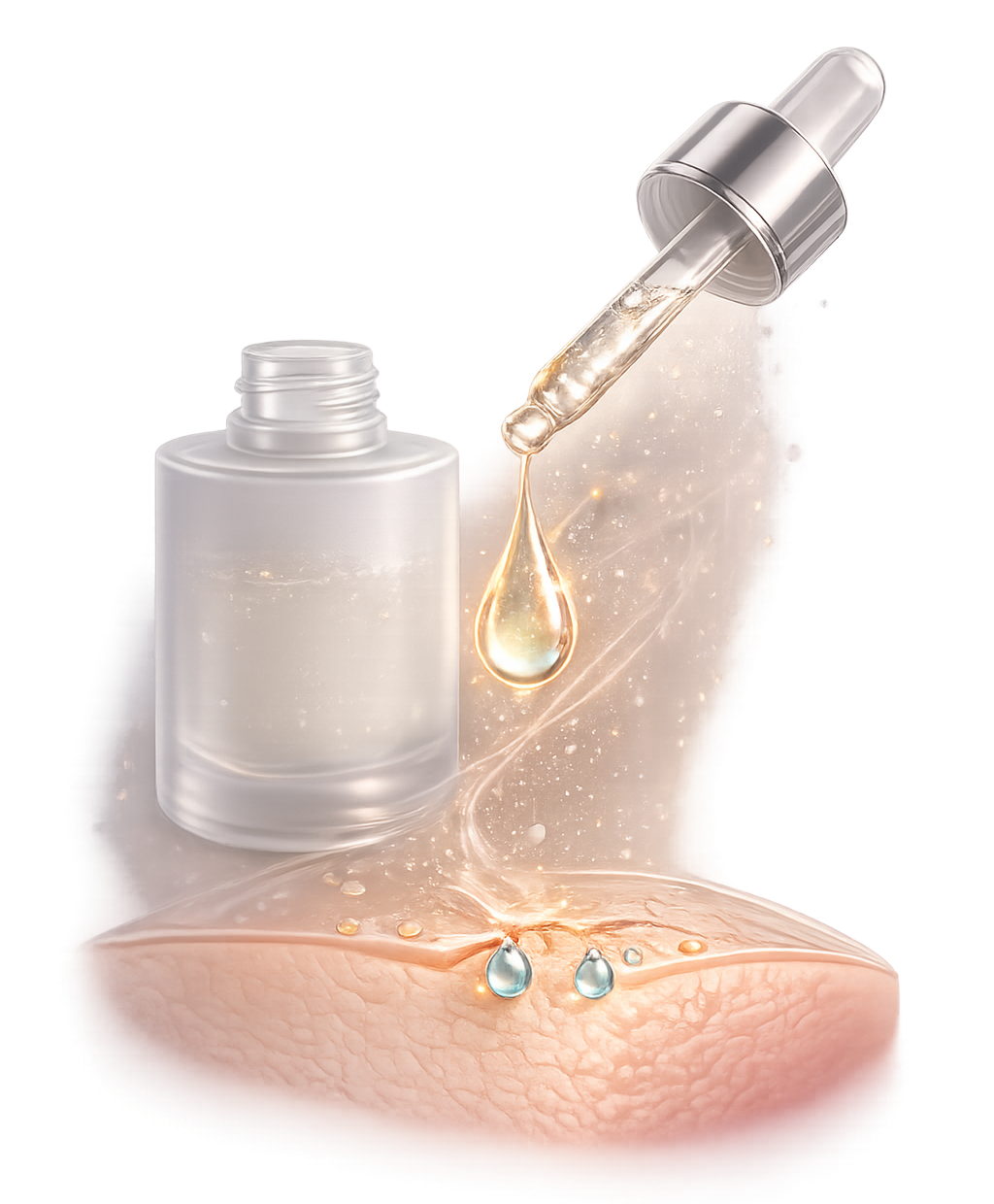
A gentle, consistent routine can support healthy skin and may help reduce the buildup that contributes to some milia.

01
Retinoids icon

Retinoids

Can encourage skin cell turnover and may help prevent the buildup of dead skin cells.

02
Gentle exfoliation icon

Gentle Exfoliation

Appropriate exfoliation may help reduce the buildup of dead skin cells.

03
Lightweight moisturizers icon

Lightweight Moisturizers

Using products that suit your skin and avoiding unnecessarily heavy layers around the eyes may help reduce the chance of congestion.

04
Sunscreen icon

Sunscreen

Protects the skin from UV damage and supports overall skin health.

Important

Skincare may help, but established milia can be stubborn.

Skincare may help prevent or reduce some milia, but established milia often don't disappear quickly with skincare alone.

Prevention Tips

How to Help Prevent Milia

A gentle, consistent routine can help reduce unnecessary irritation and buildup while supporting healthy skin.

01

Avoid Picking or Squeezing Bumps

Avoid picking or squeezing icon

Avoid trying to extract milia yourself, as squeezing can irritate or damage the surrounding skin.

02

Keep Your Skincare Routine Gentle

Gentle skincare icon

Choose a simple routine and avoid unnecessarily irritating the skin.

03

Avoid Unnecessarily Heavy Products Around the Eyes

Lightweight moisturizers icon

The delicate eye area may benefit from avoiding unnecessarily rich or heavy layers.

04

Remove Makeup Before Bed

Remove makeup icon

Gently removing makeup before sleeping helps keep your skincare routine clean and consistent.

05

Exfoliate Appropriately

Gentle exfoliation icon

Appropriate exfoliation may help with dead skin cell buildup, but aggressive exfoliation can irritate the skin.

06

Wear Sunscreen Every Day

Sunscreen icon

Daily sunscreen helps protect the skin from UV damage and supports overall skin health.

07

Introduce New Skincare Products Gradually

Gradual introduction icon

Adding new products gradually can make it easier to notice how your skin responds.

Keep It Gentle

Prevention is about supporting healthy skin, not aggressively trying to remove every tiny bump.

Myths vs Facts

What You Should Know About Milia

Milia are often mistaken for whiteheads or blamed on skincare habits. Let's separate common myths from facts.

01
Myth

Milia are whiteheads.

Fact

Milia are tiny keratin-filled cysts, while whiteheads are clogged hair follicles.

02
Myth

Milia are caused by dirty skin.

Fact

Milia are not caused by poor hygiene.

03
Myth

You can pop milia like a pimple.

Fact

Milia are firm cysts beneath the skin and squeezing them can damage the surrounding skin.

04
Myth

Heavy moisturizer always causes milia.

Fact

Milia have several possible causes, and skincare products aren't the only factor involved.

05
Myth

Every tiny white bump is milia.

Fact

Small white bumps can have many causes, including closed comedones and other skin conditions.

Remember

Not every tiny white bump is milia. If you're unsure what a persistent bump is, a dermatologist can help identify it.

Mimii
Mimii's Tip

Don't keep squeezing a bump that doesn't behave like a pimple.

If you notice a tiny, firm, pearly-white bump that refuses to behave like a pimple, don't keep squeezing it. It could be milia rather than acne. Keep your routine gentle and avoid aggressive extraction. If the bump persists and you'd like it removed, a dermatologist can confirm what it is and remove it safely.

— Mimii ♡
s