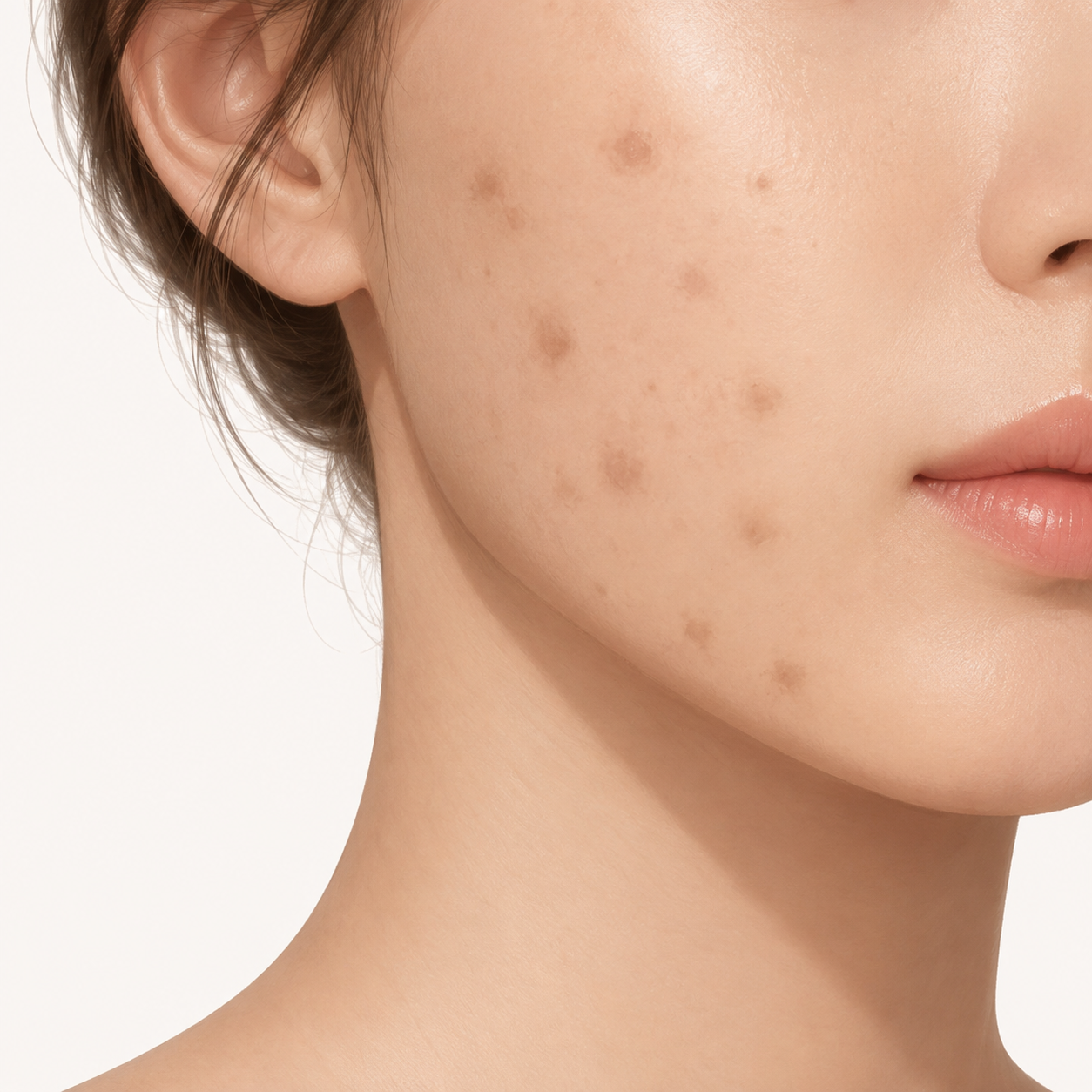
Post-Inflammatory Hyperpigmentation (PIH)
Dark marks that develop after the skin heals from inflammation or injury, such as acne, eczema, burns, cuts, or other irritation.
 ×
×
Noticing dark spots or uneven skin tone? Hyperpigmentation is a common skin concern caused by excess melanin production, leading to patches or spots that appear darker than the surrounding skin.
Learn what hyperpigmentation is, why it develops, the different types, and how to achieve a more even-looking complexion through consistent skincare and daily sun protection.

Hyperpigmentation is one of the most common causes of uneven skin tone. It occurs when certain areas of the skin produce more melanin than usual, causing those areas to appear darker than the surrounding skin.
Hyperpigmentation is a common skin condition in which certain areas become darker because of an increase in melanin—the natural pigment responsible for giving skin, hair, and eyes their color.
It can appear as small dark spots, larger patches, or widespread discoloration and may affect people of every skin tone. Although hyperpigmentation is usually harmless, many people choose to treat it to achieve a more even complexion.
Melanin protects the skin from ultraviolet (UV) damage. Hyperpigmentation develops when the skin produces extra melanin in response to certain triggers such as sun exposure, inflammation, or hormonal changes.
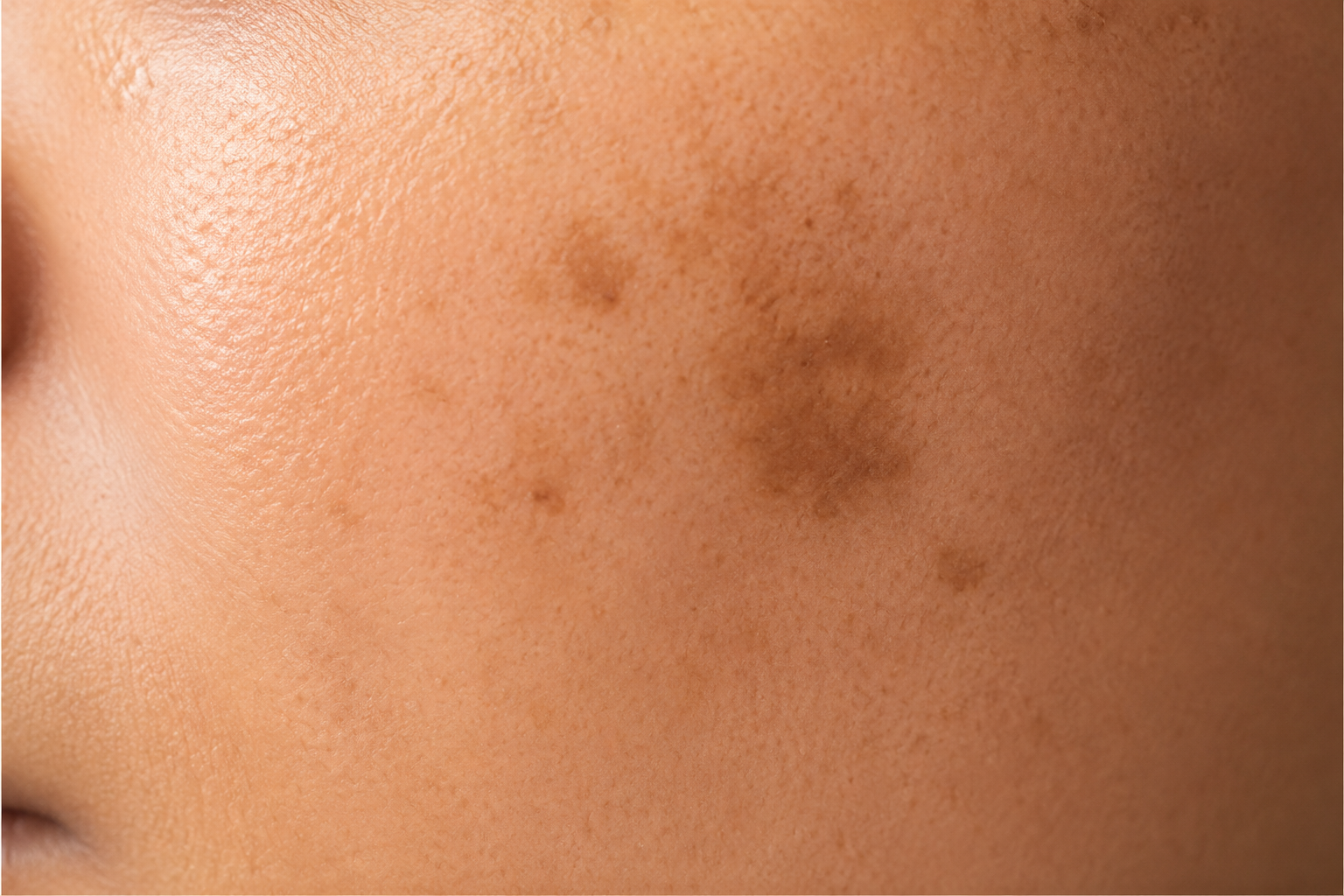
Hyperpigmentation develops when the skin responds to certain triggers by producing extra melanin. This natural protective response eventually creates visible dark spots or patches.

Sun exposure, inflammation, hormones, or skin injury activate the skin's protective response.
Pigment-producing cells begin creating more melanin than normal.
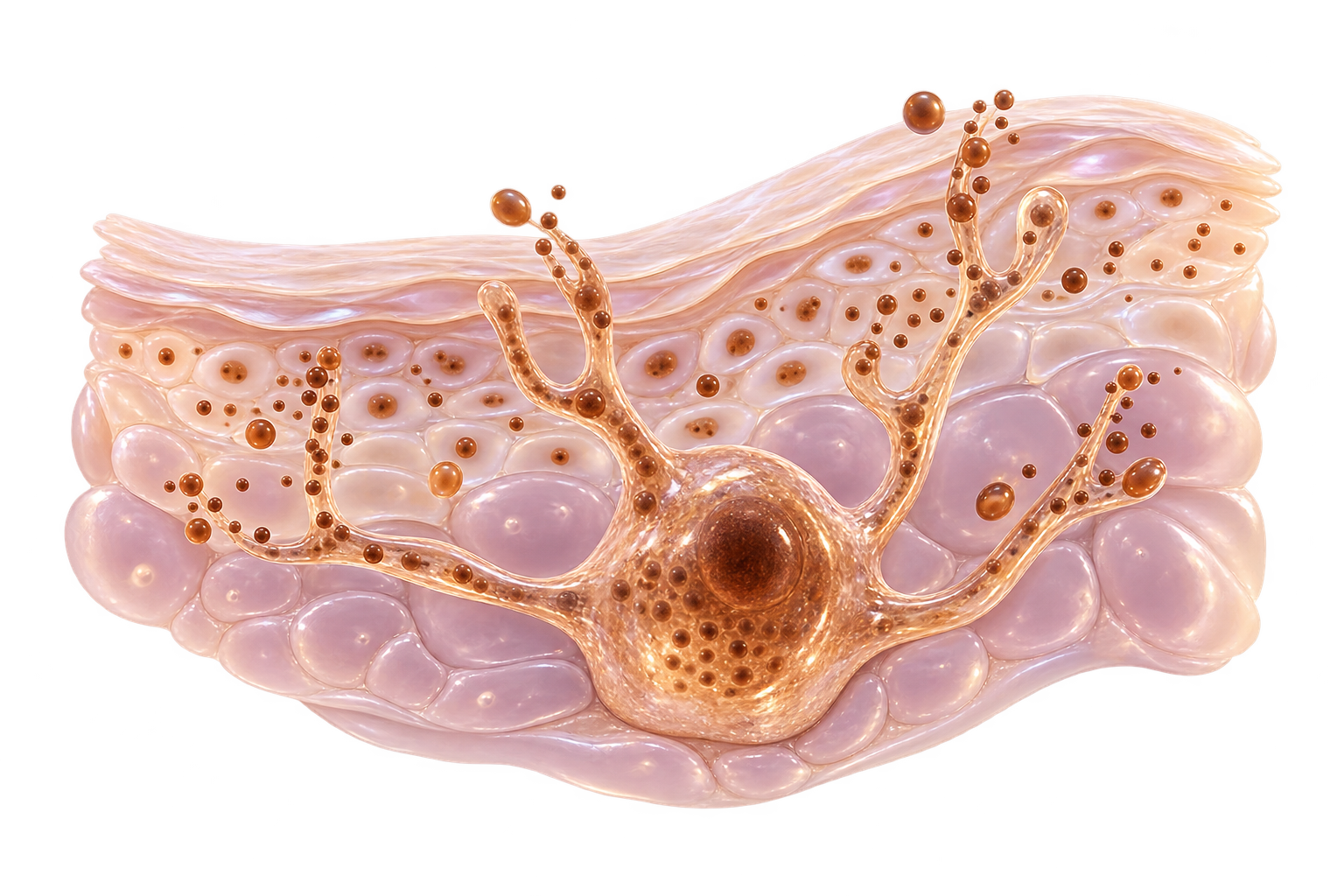
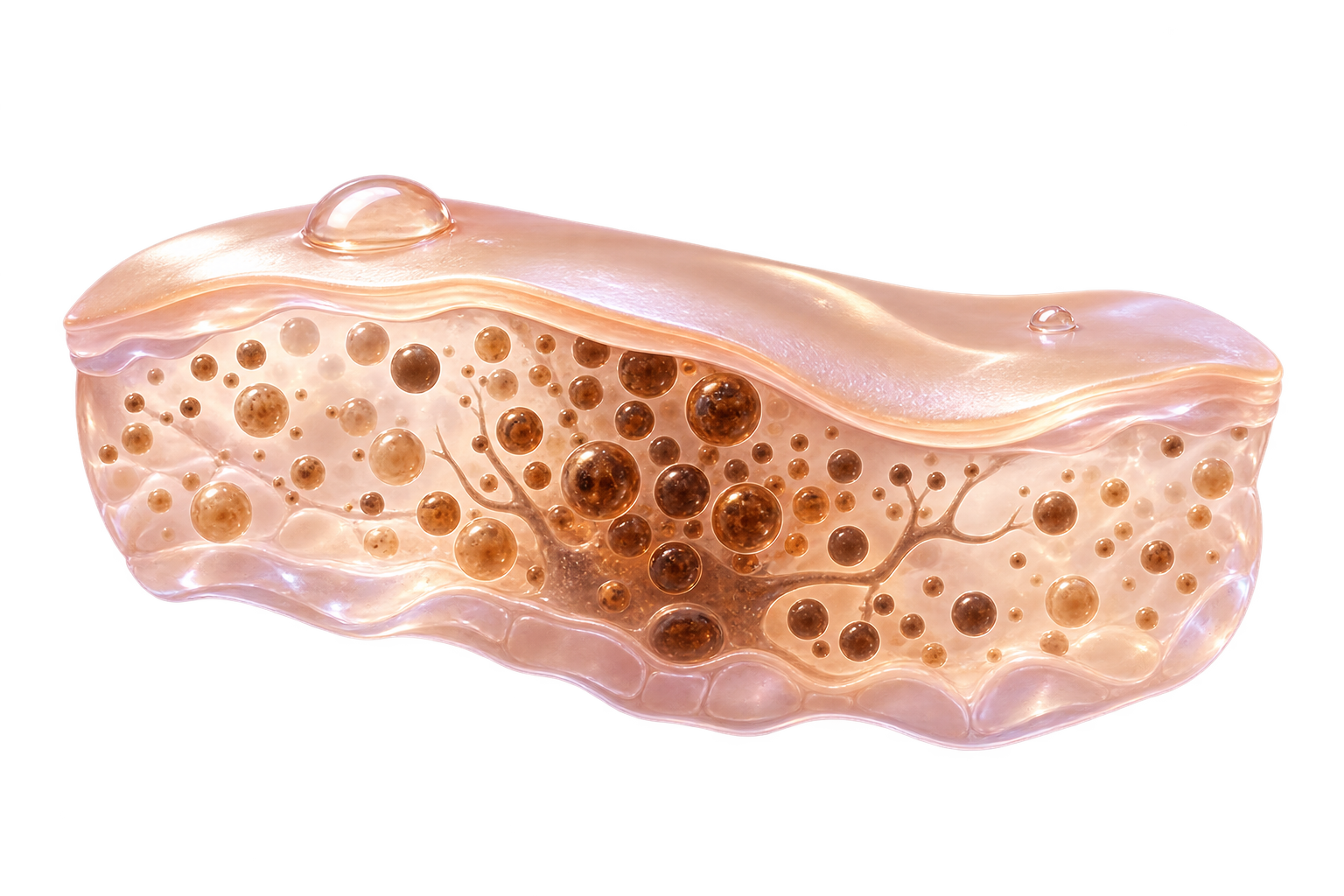
The skin produces additional pigment as part of its natural defense mechanism.
The pigment collects within one area, making it darker than the surrounding skin.
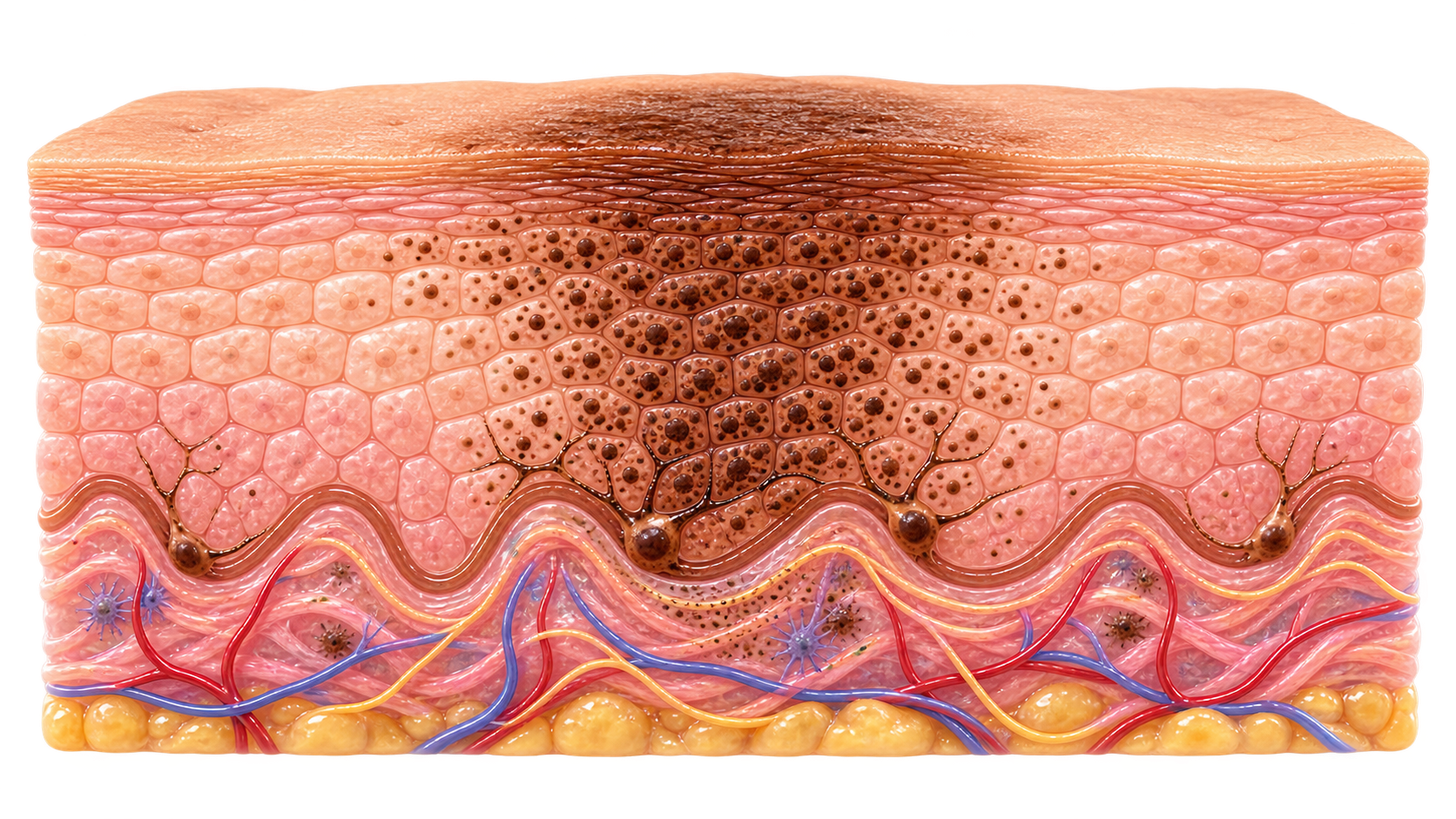
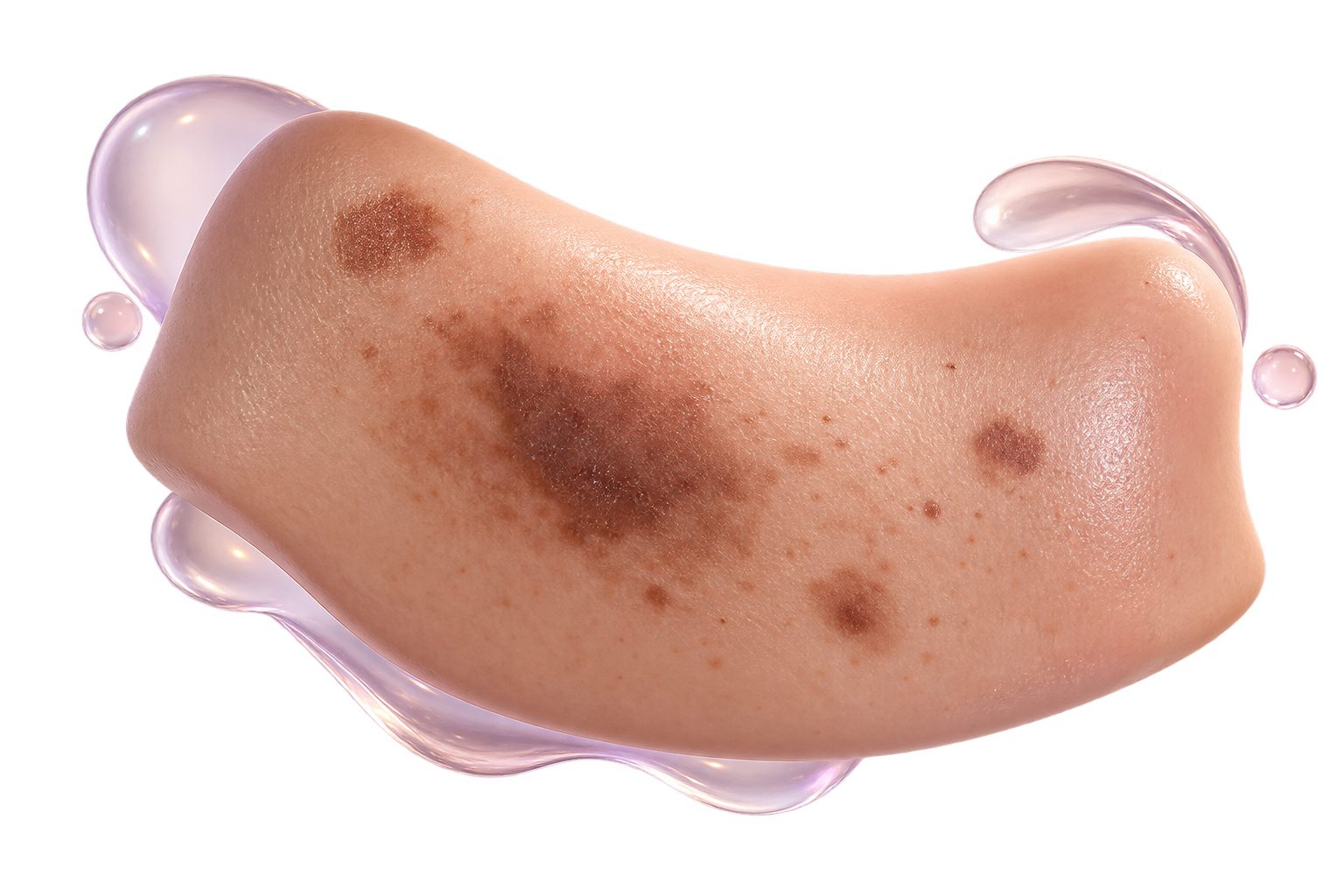
The affected area now looks darker, forming a visible spot or patch.
Hyperpigmentation is an umbrella term for several different conditions. Although they all cause darker areas of skin, their causes, appearance, and treatment approaches can vary.
Dark marks that develop after the skin heals from inflammation or injury, such as acne, eczema, burns, cuts, or other irritation.

Large, symmetrical patches of pigmentation commonly linked to hormonal changes and sun exposure. They often appear on the cheeks, forehead, nose, and upper lip.

Flat brown spots caused by years of ultraviolet (UV) exposure. They most commonly develop on the face, hands, shoulders, and arms.

Small brown spots influenced by genetics and sun exposure. Freckles often become darker after UV exposure and lighter when sun exposure decreases.
Although these conditions all involve extra melanin, identifying the correct type of hyperpigmentation is important because the best treatment can vary depending on the underlying cause.
Hyperpigmentation can appear differently from person to person, but it usually causes areas of skin to become darker than the surrounding skin without changing the skin's texture.
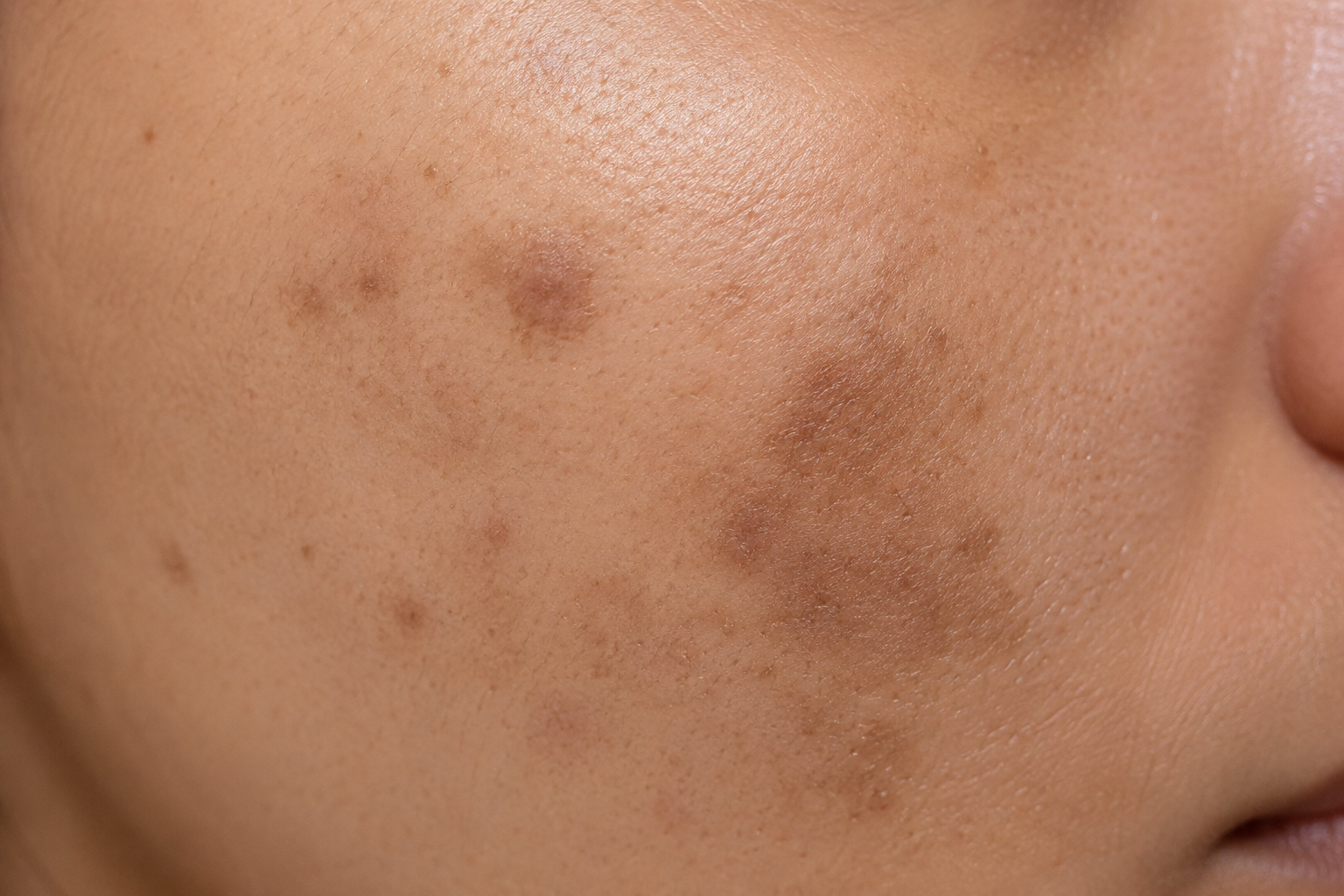
Hyperpigmentation often appears as brown, dark brown, or gray-brown areas depending on skin tone and depth of pigmentation.
Unlike raised bumps, hyperpigmentation is usually completely flat and only changes the skin's color.
The surrounding skin may look lighter, making the darker areas more noticeable.
Many people notice lingering dark marks after acne or other inflammatory skin conditions heal.
Some forms, such as melasma, create larger, symmetrical patches rather than small spots.
Hyperpigmentation usually does not itch, hurt, or cause discomfort unless another skin condition is also present.
Hyperpigmentation develops when melanocytes produce more melanin than usual. Many different factors can trigger this response, causing certain areas of the skin to become darker.
Ultraviolet (UV) radiation stimulates melanocytes to produce more melanin, making existing pigmentation darker and increasing the risk of new dark spots.
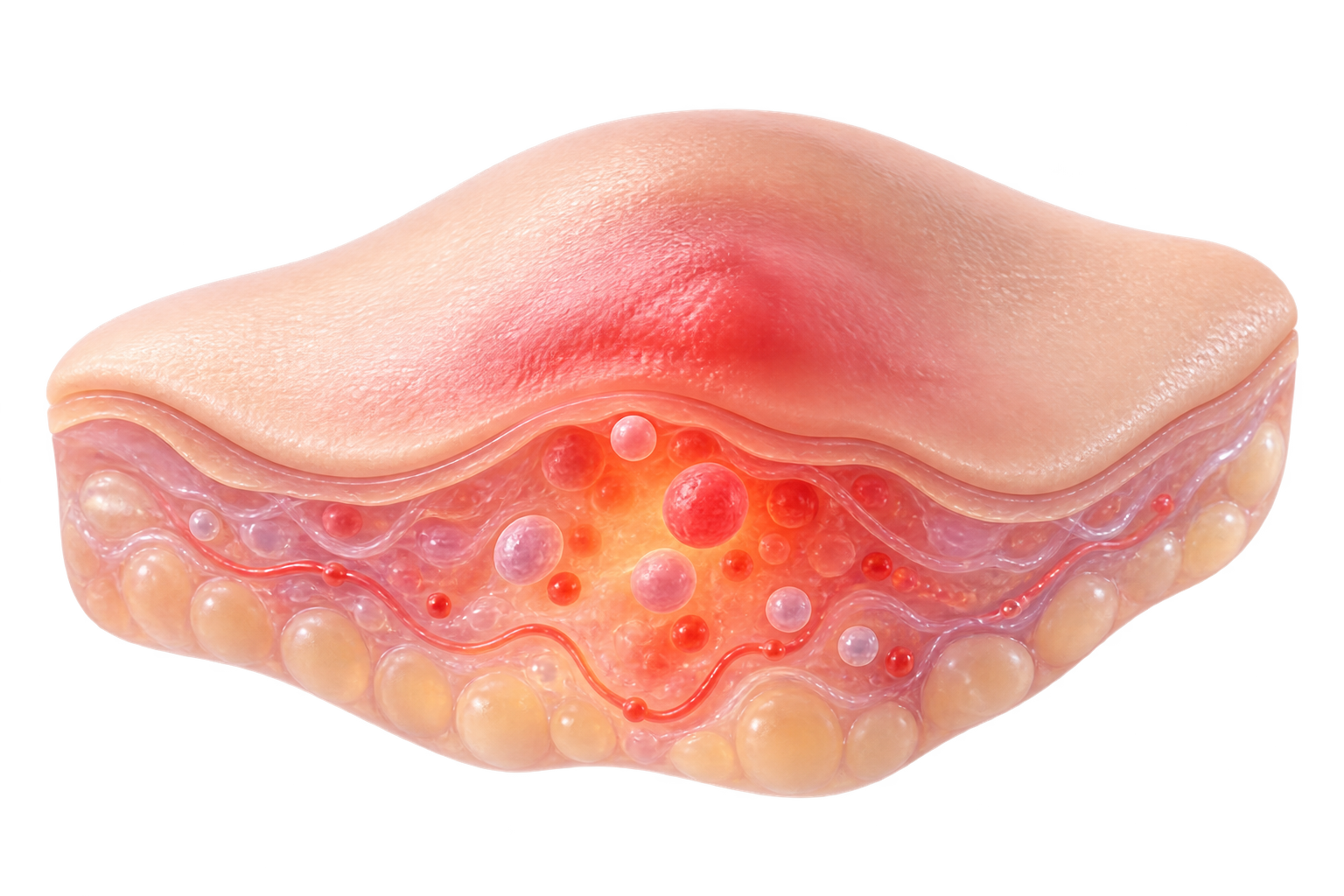
Acne, eczema, irritation, and other inflammatory skin conditions may leave behind dark marks after healing.

Pregnancy and certain hormonal medications may trigger melasma, a common form of hyperpigmentation.
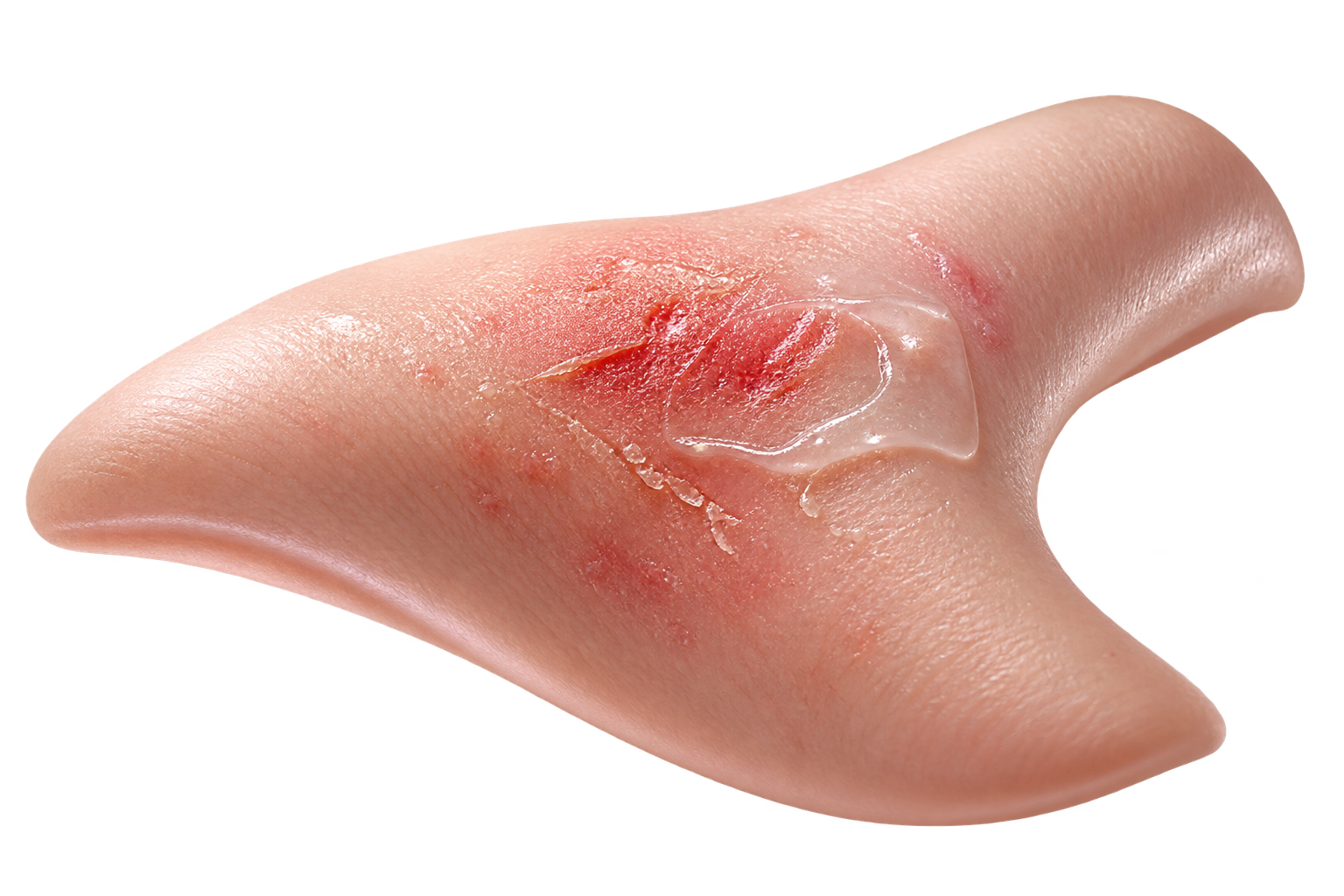
Cuts, burns, insect bites, and other injuries can stimulate excess pigment production during healing.

Some people naturally produce more melanin or are more likely to develop pigmentation because of their genes.

Some medicines increase sensitivity to sunlight or influence pigment production, making dark spots more likely to develop.
Although these factors don't directly cause hyperpigmentation in everyone, they can worsen existing dark spots or trigger new pigmentation by stimulating melanin production.
UV rays stimulate melanocytes, making existing pigmentation darker and increasing the chance of new dark spots.
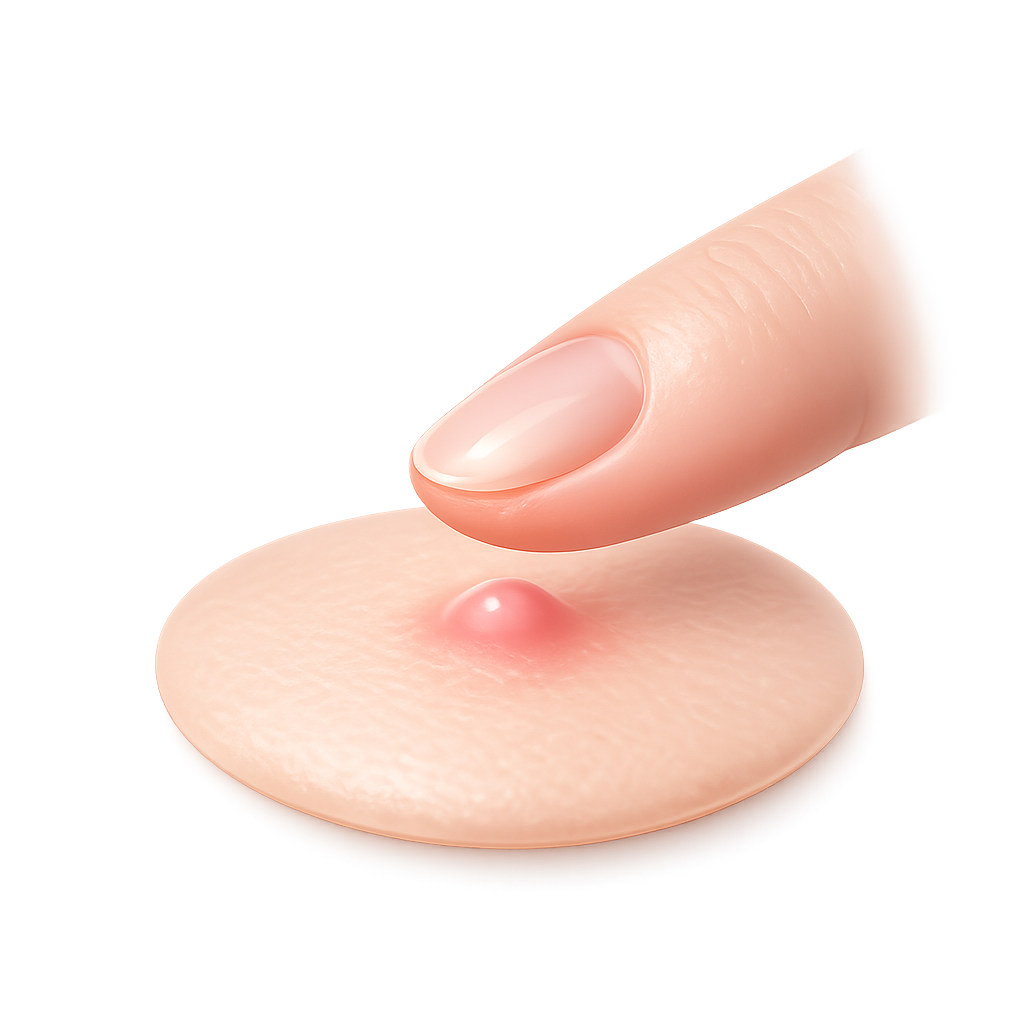
Picking or squeezing blemishes increases inflammation, which can leave behind post-inflammatory hyperpigmentation (PIH).
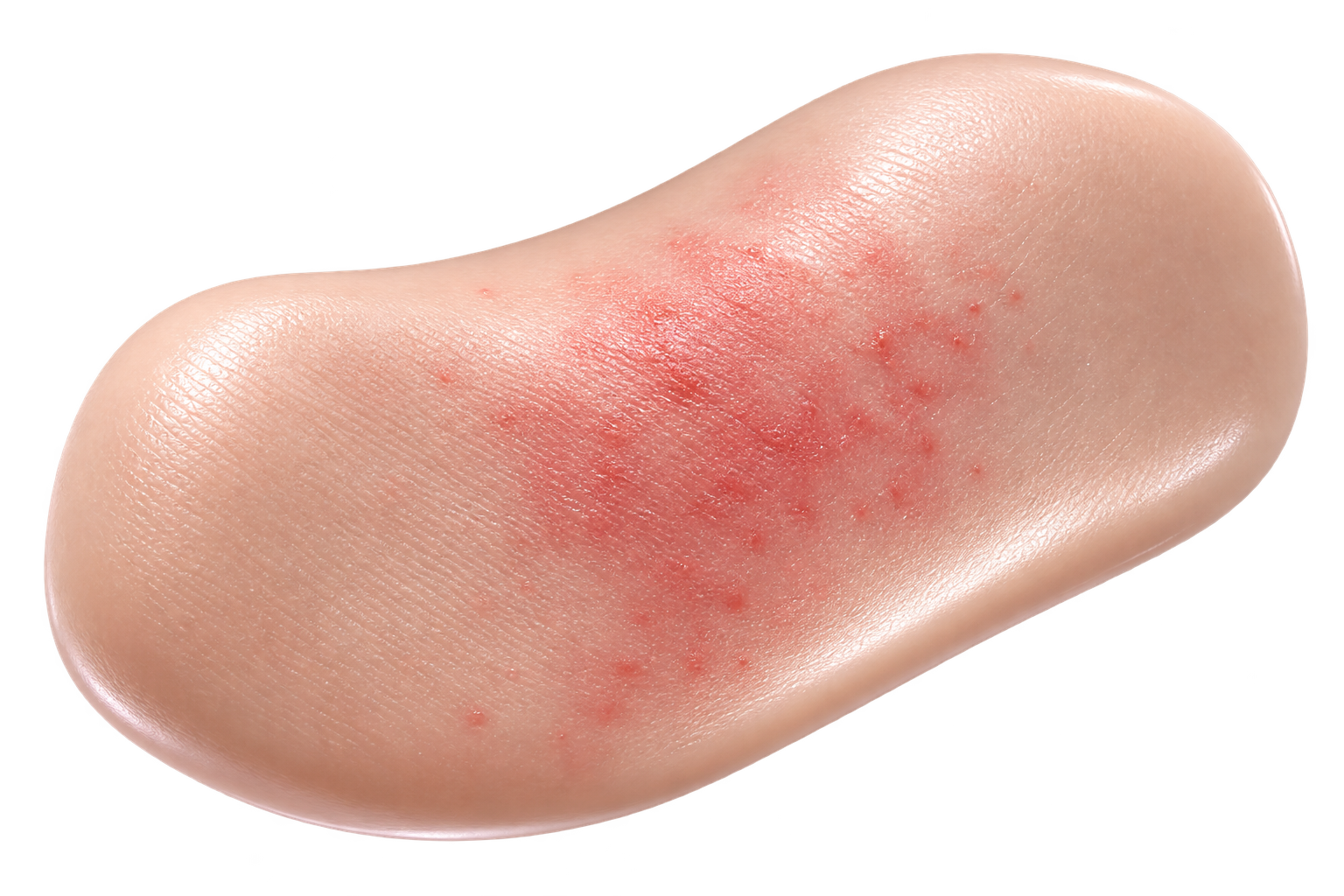
Harsh products, excessive exfoliation, or friction may trigger inflammation that leads to darker marks.
Acne, eczema, and other inflammatory skin conditions commonly leave dark marks after healing.
Changes in hormone levels can contribute to melasma and make existing pigmentation more noticeable.

Heat may worsen melasma in some people, even without direct sun exposure.
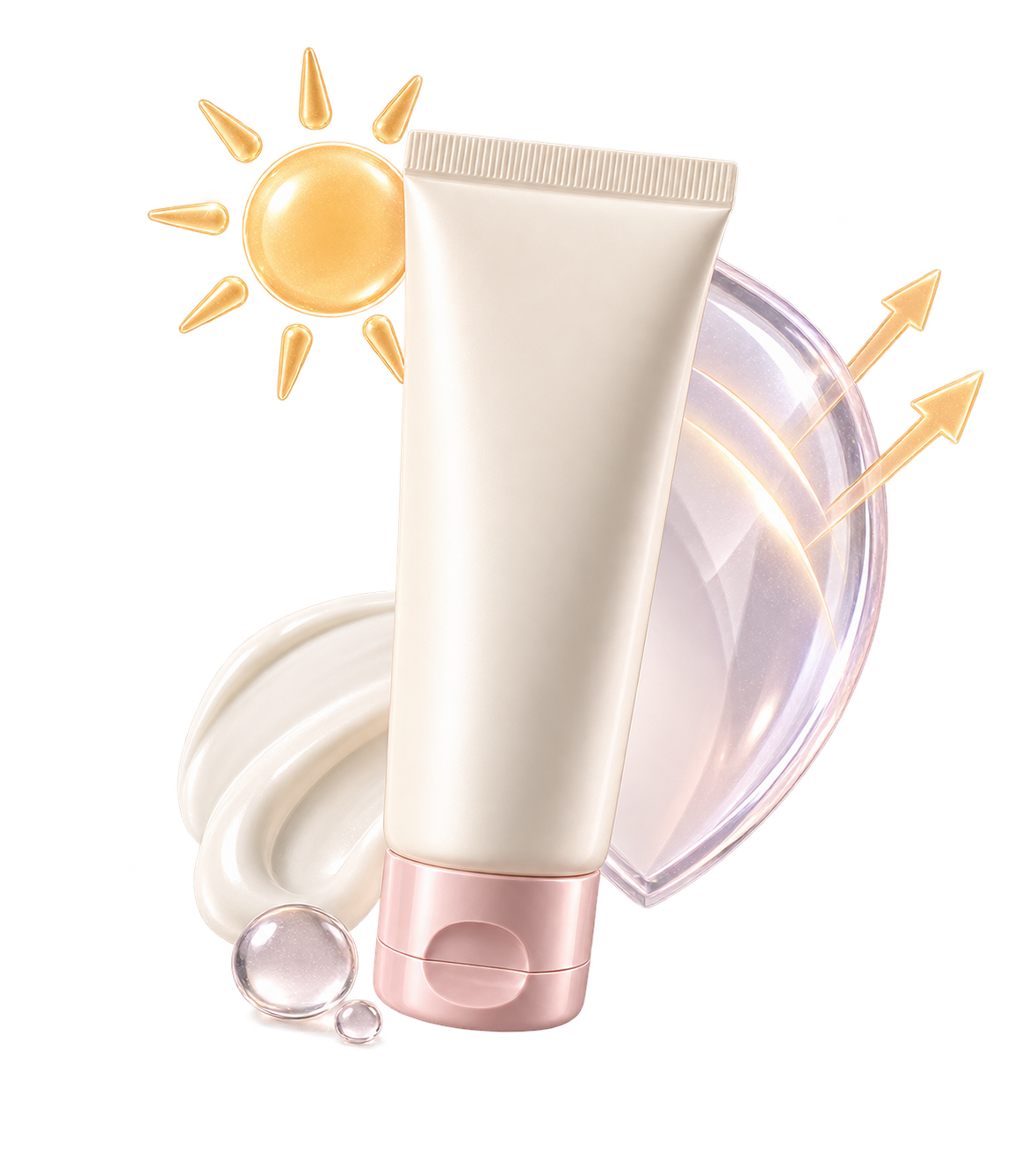
Without daily sun protection, pigmentation may become darker and take longer to fade.
Hyperpigmentation can develop almost anywhere on the body, but it most commonly appears on areas that receive frequent sun exposure or have experienced inflammation or injury.

Dark marks commonly develop in areas where acne lesions have healed.
Cuts, burns, insect bites, and other injuries may leave pigmentation after the skin heals.
Many people use these terms interchangeably, but they are not the same. Post-inflammatory hyperpigmentation (PIH) is one specific type of hyperpigmentation that develops after skin inflammation or injury.

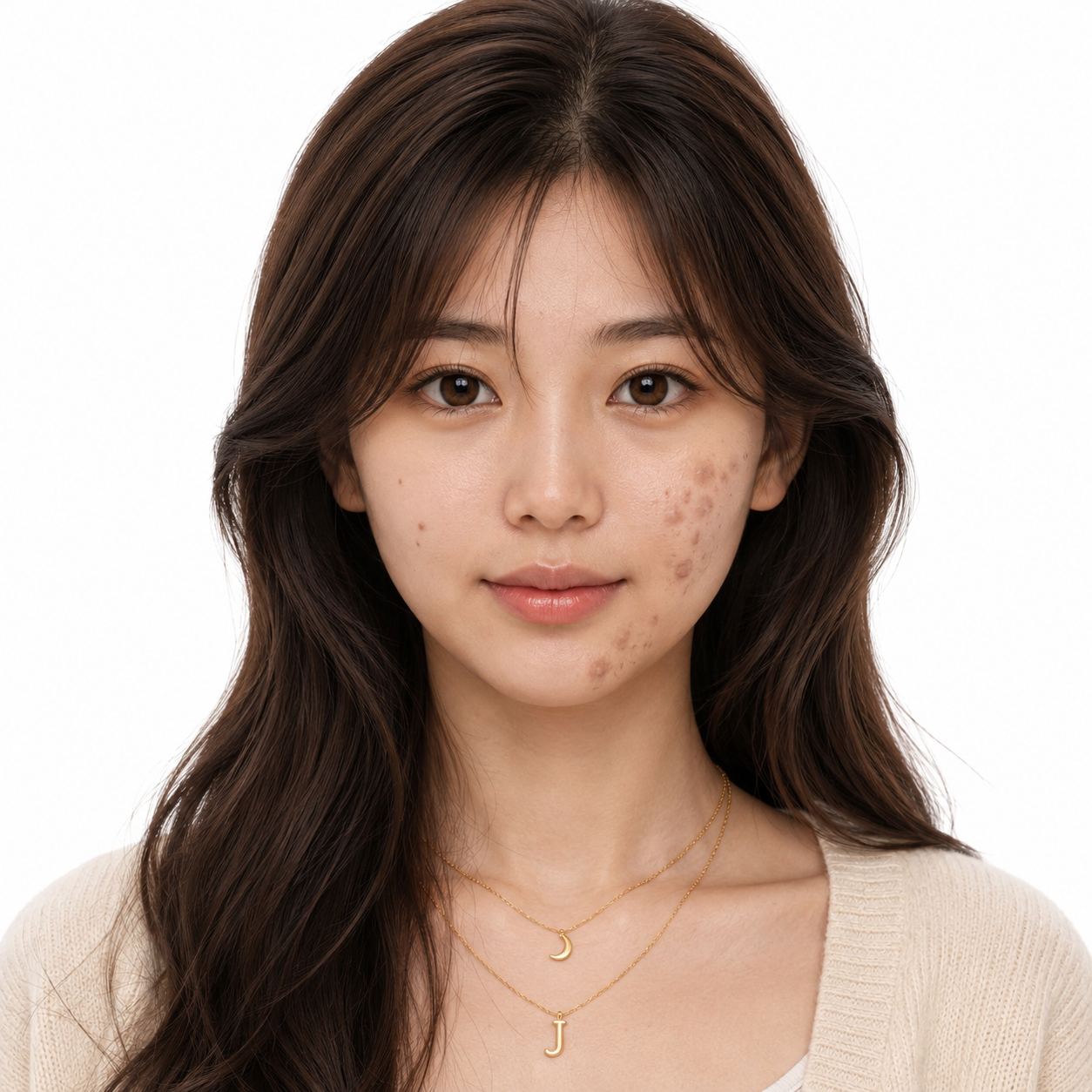
Did you know? Every PIH mark is hyperpigmentation, but not every case of hyperpigmentation is PIH.
While hyperpigmentation can't always be prevented, healthy skincare habits and daily sun protection can significantly reduce the risk of developing new dark spots and help keep existing pigmentation from becoming darker.
Apply a broad-spectrum sunscreen every day to help protect your skin from ultraviolet (UV) rays.
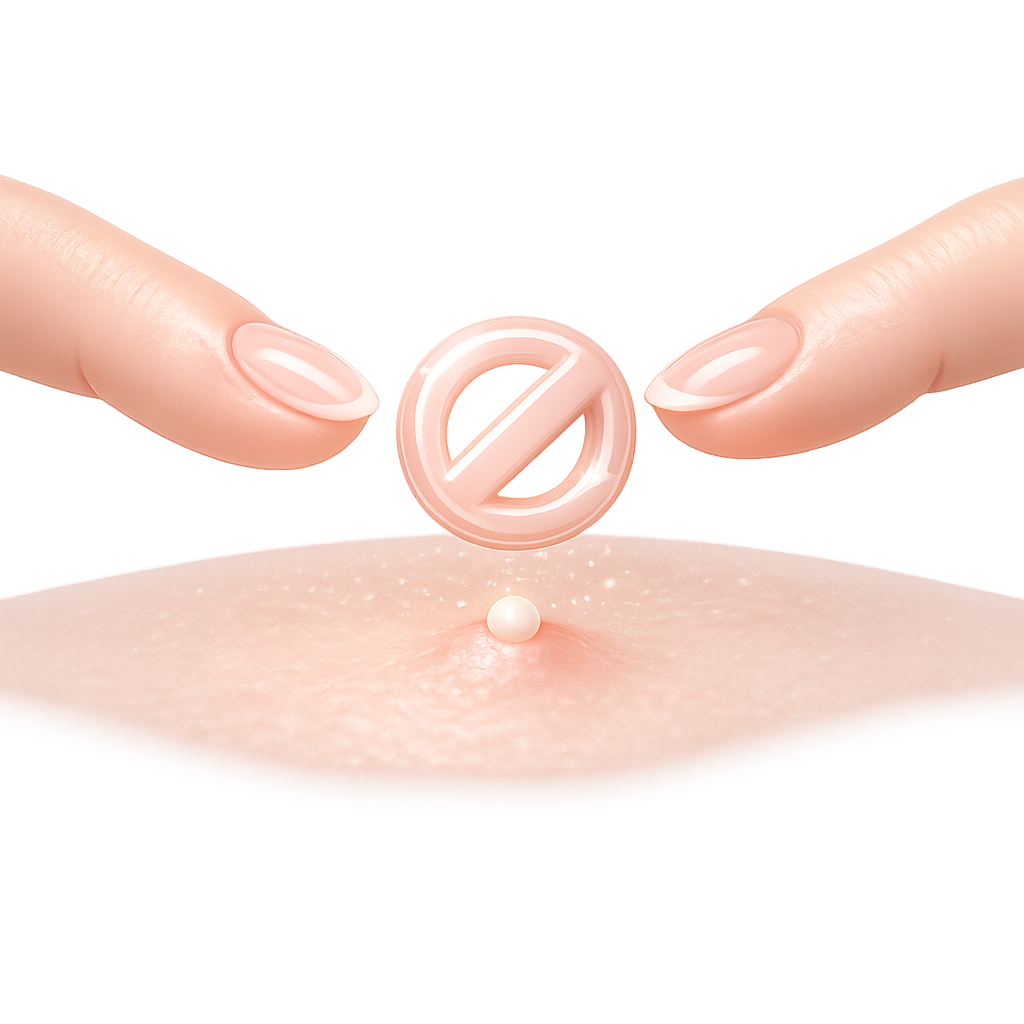
Picking blemishes can increase inflammation and raise the risk of post-inflammatory hyperpigmentation (PIH).
Managing acne promptly helps reduce inflammation and lowers the chance of lingering dark marks.
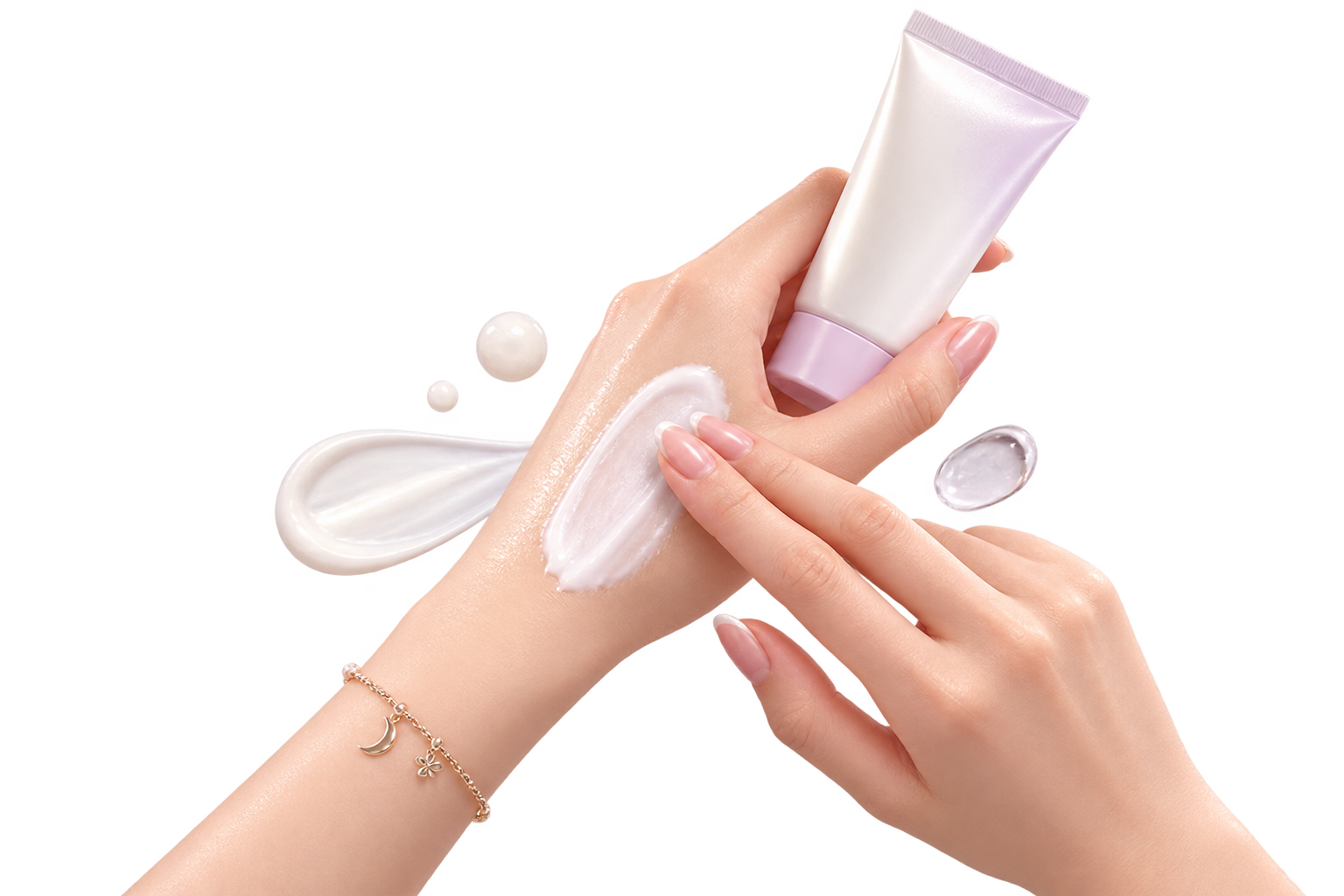
Reapply sunscreen throughout the day when spending extended time outdoors.

Physical sun protection provides an extra layer of defense against ultraviolet exposure.
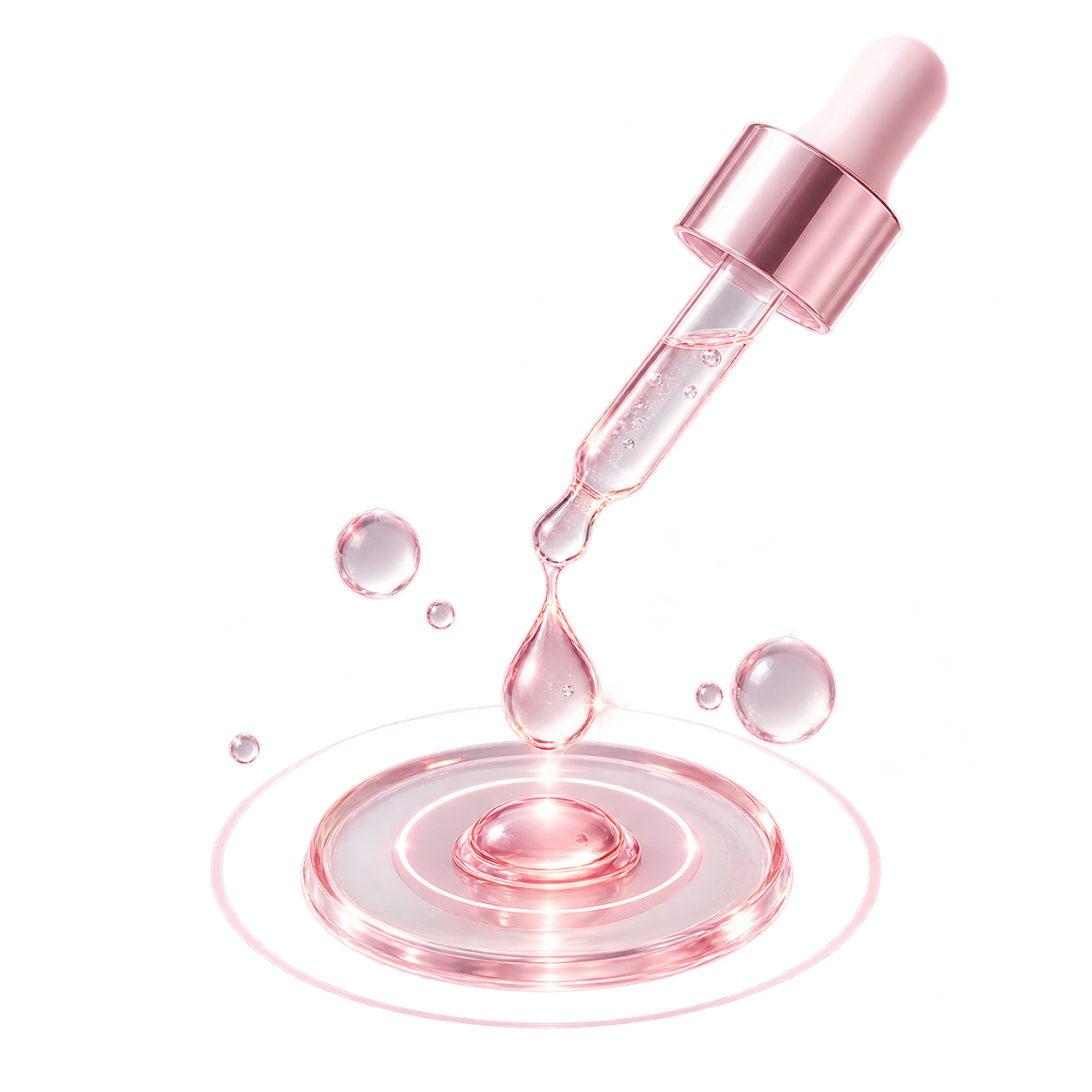
Ingredients like Vitamin C, niacinamide, or alpha arbutin may help maintain a more even-looking skin tone.
Gentle skincare helps reduce unnecessary inflammation, which can contribute to pigmentation.
Hyperpigmentation fades gradually, not overnight. The amount of time depends on the type of pigmentation, how deep the pigment is within the skin, your skin tone, and how consistently you protect your skin from the sun.

Fresh pigmentation often appears darker before it gradually begins to fade.
Some superficial marks may become lighter over time with a consistent skincare routine and daily sunscreen.
Deeper pigmentation or conditions like melasma may take much longer to improve and often require ongoing management.
Sunscreen helps prevent existing pigmentation from becoming darker and supports gradual fading over time.
Be patient with your skin. Consistency is more important than using many products. Healthy habits and daily sun protection give your skin the best chance to fade hyperpigmentation gradually.
Hyperpigmentation is surrounded by many misconceptions. Understanding the facts can help you choose realistic and effective skincare habits.
Hyperpigmentation fades gradually and usually requires consistent skincare over weeks or months.
Hyperpigmentation can affect every skin tone, although it may appear differently depending on natural skin color.
Daily sunscreen is one of the most important skincare steps because UV exposure can worsen existing pigmentation and trigger new dark spots.
Harsh scrubbing can irritate the skin and may worsen post-inflammatory hyperpigmentation instead of improving it.
Dark spots can have many different causes, including acne, sun exposure, hormones, skin injuries, freckles, and genetics.
Most cases of hyperpigmentation are harmless, but some situations require professional evaluation. A dermatologist can identify the cause of your pigmentation and recommend the most appropriate treatment.
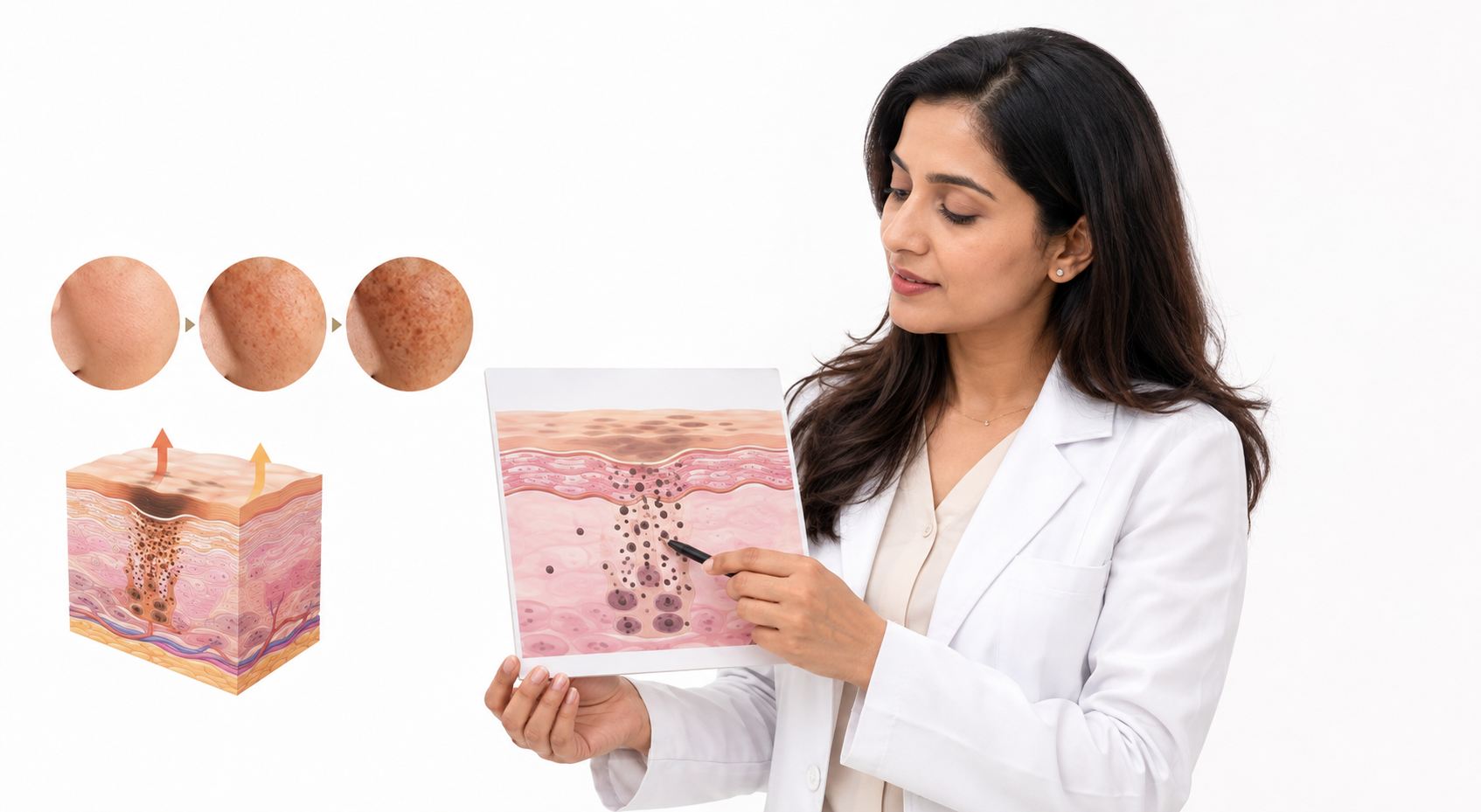
Seek medical advice if a dark spot changes in size, shape, color, or develops unusual characteristics.
New pigmentation that develops without an obvious cause should be evaluated by a healthcare professional.
If consistent skincare and daily sunscreen don't improve pigmentation after several months, professional guidance may help.
If pigmentation causes emotional distress or affects your quality of life, a dermatologist can discuss treatment options.
Not every dark spot is hyperpigmentation. Professional diagnosis helps ensure the correct treatment for your skin concern.

It's natural to want dark spots to disappear as quickly as possible, but healthy skin isn't built overnight. Hyperpigmentation fades gradually, and preventing new spots is just as important as treating the ones you already have.
Daily sunscreen, gentle skincare, and consistency with
brightening ingredients like Vitamin C, niacinamide, or
azelaic acid can gradually help improve uneven skin tone.
Avoid picking pimples or irritating your skin, as this
can trigger new pigmentation.
Mimii Says: Beautiful skin isn't
about chasing perfection—it's about protecting your
skin every day. Small daily habits often make a
bigger difference than searching for a quick fix.