1
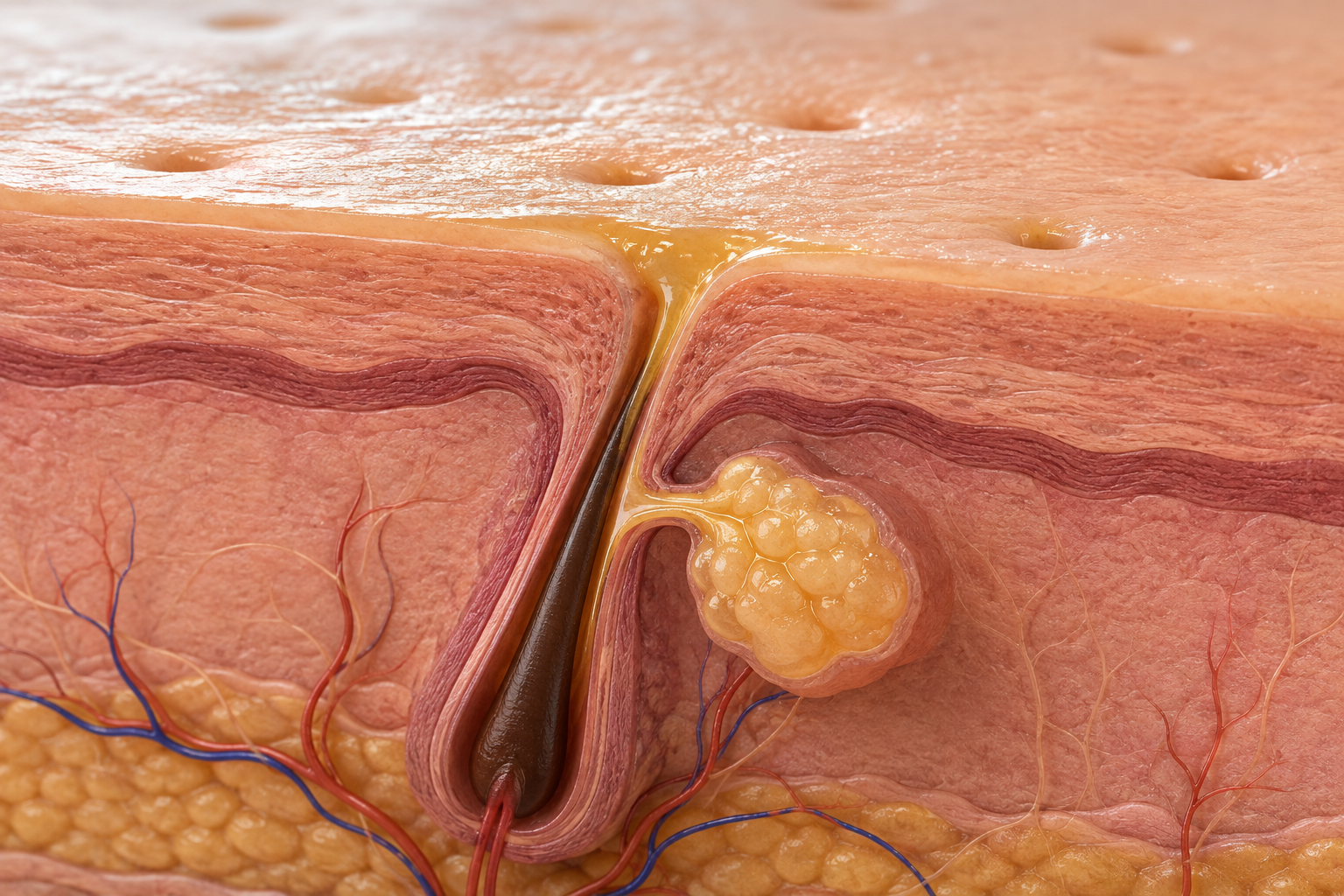
Sebaceous Glands Produce More Sebum
The sebaceous glands produce sebum, and higher oil production can make pores appear more noticeable.
 ×
×
Noticing visible pores on your nose or cheeks? Enlarged pores are a common skin concern, especially in areas where the skin produces more oil.
While you can't permanently shrink your pores, you can make them appear less noticeable with the right skincare. Learn what enlarged pores are, why they become more visible, and how to care for them.
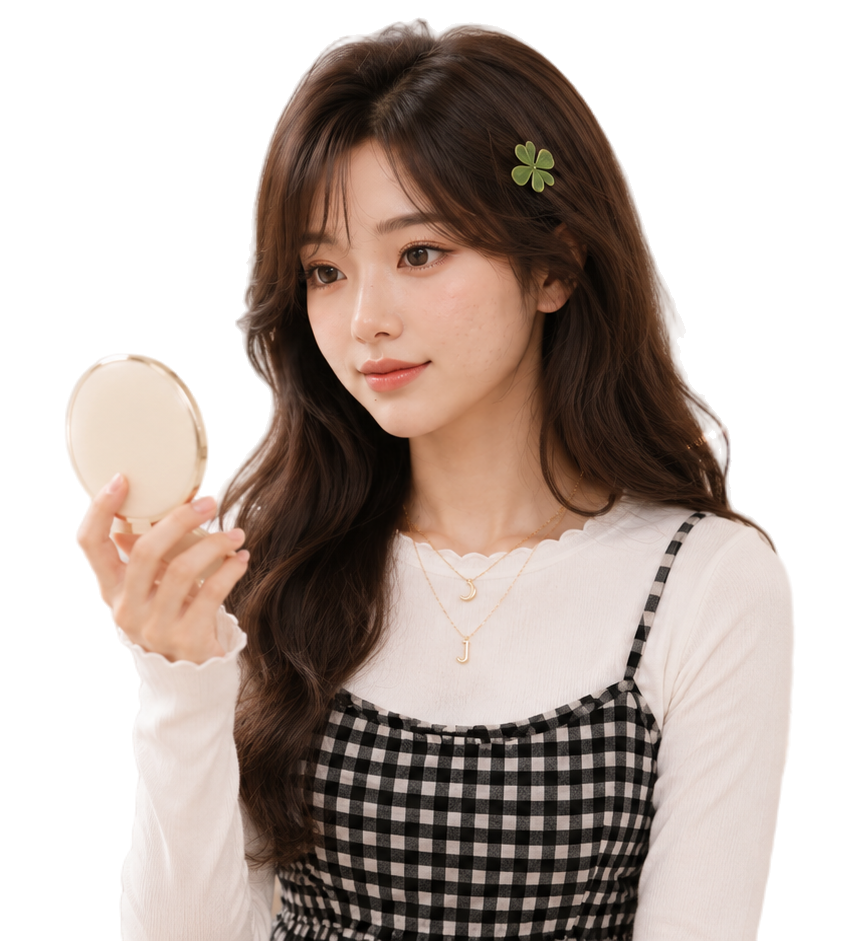
Pores are a normal part of healthy skin. They cannot be permanently erased.
Pores are tiny openings on the surface of the skin that connect to hair follicles. Everyone has them, and they are a normal and necessary part of healthy skin.
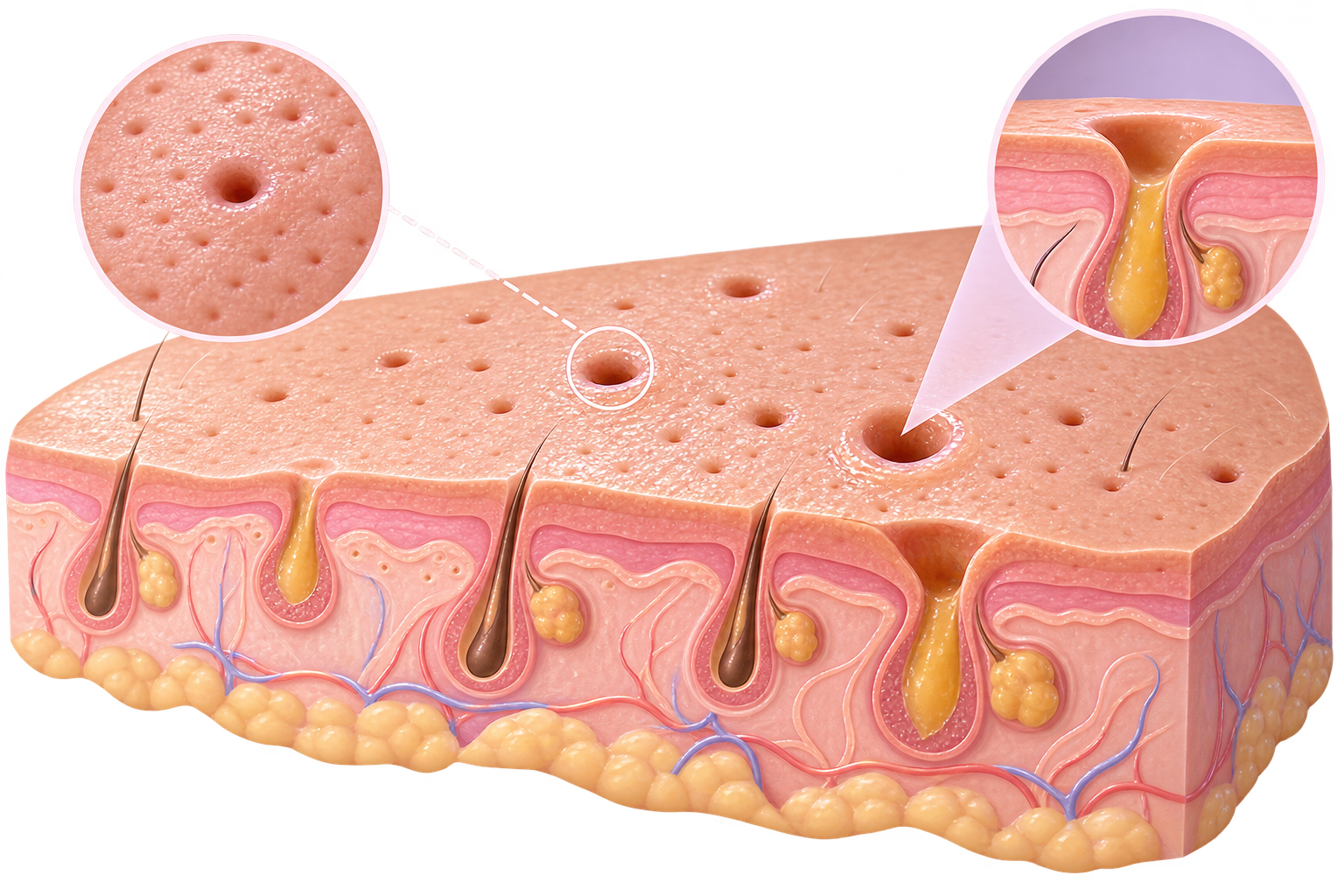
Each pore contains a hair follicle and a sebaceous (oil) gland. These glands produce sebum, an oily substance that helps keep the skin moisturized and protected.
Enlarged pores are simply pores that appear larger or more noticeable than the surrounding pores. They are especially common in areas where the skin produces more oil, such as the nose, cheeks, forehead, and chin.
Helps moisturize and protect the skin.
Each pore is connected to a hair follicle.
Their appearance can vary between people.
Everyone has pores. The goal is to keep them healthy and make them less noticeable when possible—not to make them disappear completely.
Enlarged pores can become more noticeable when excess oil, buildup, sun exposure, and changes in skin structure affect how clearly the pores are seen.
The sebaceous glands produce sebum, and higher oil production can make pores appear more noticeable.
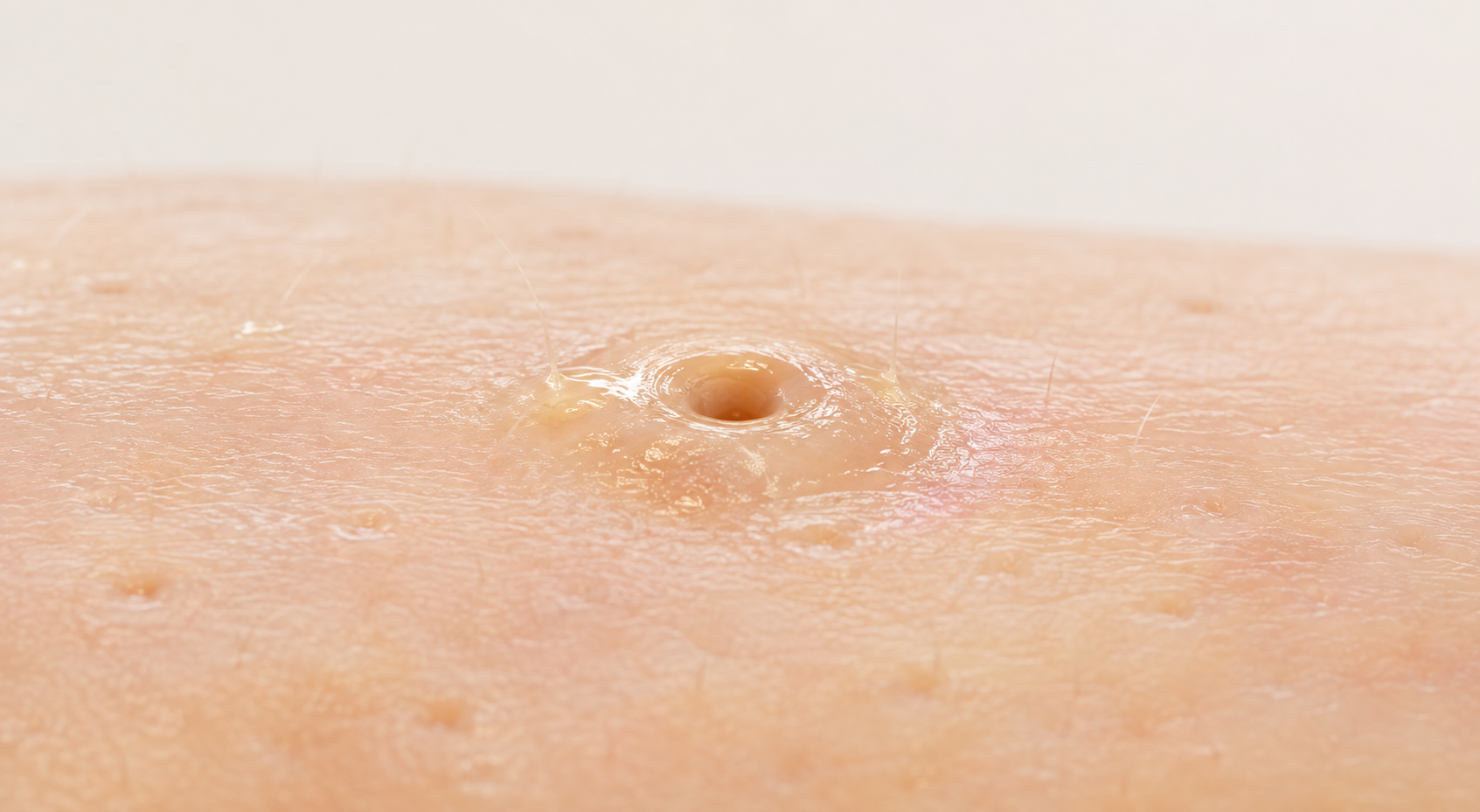
As oil accumulates around the opening, the pore may appear more stretched or visible.
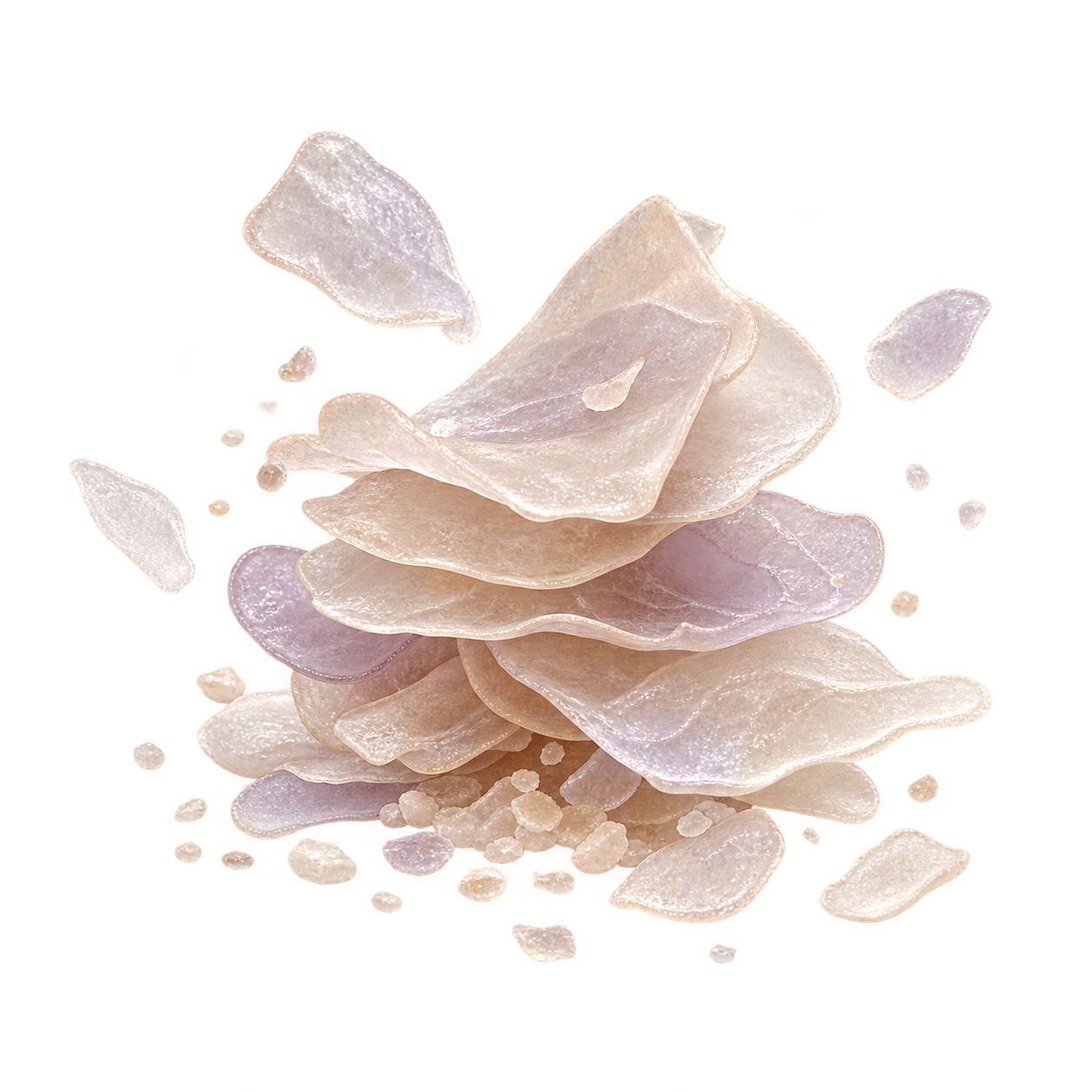
Excess oil, dead skin cells, and other material may accumulate inside the pore and make it look more prominent.
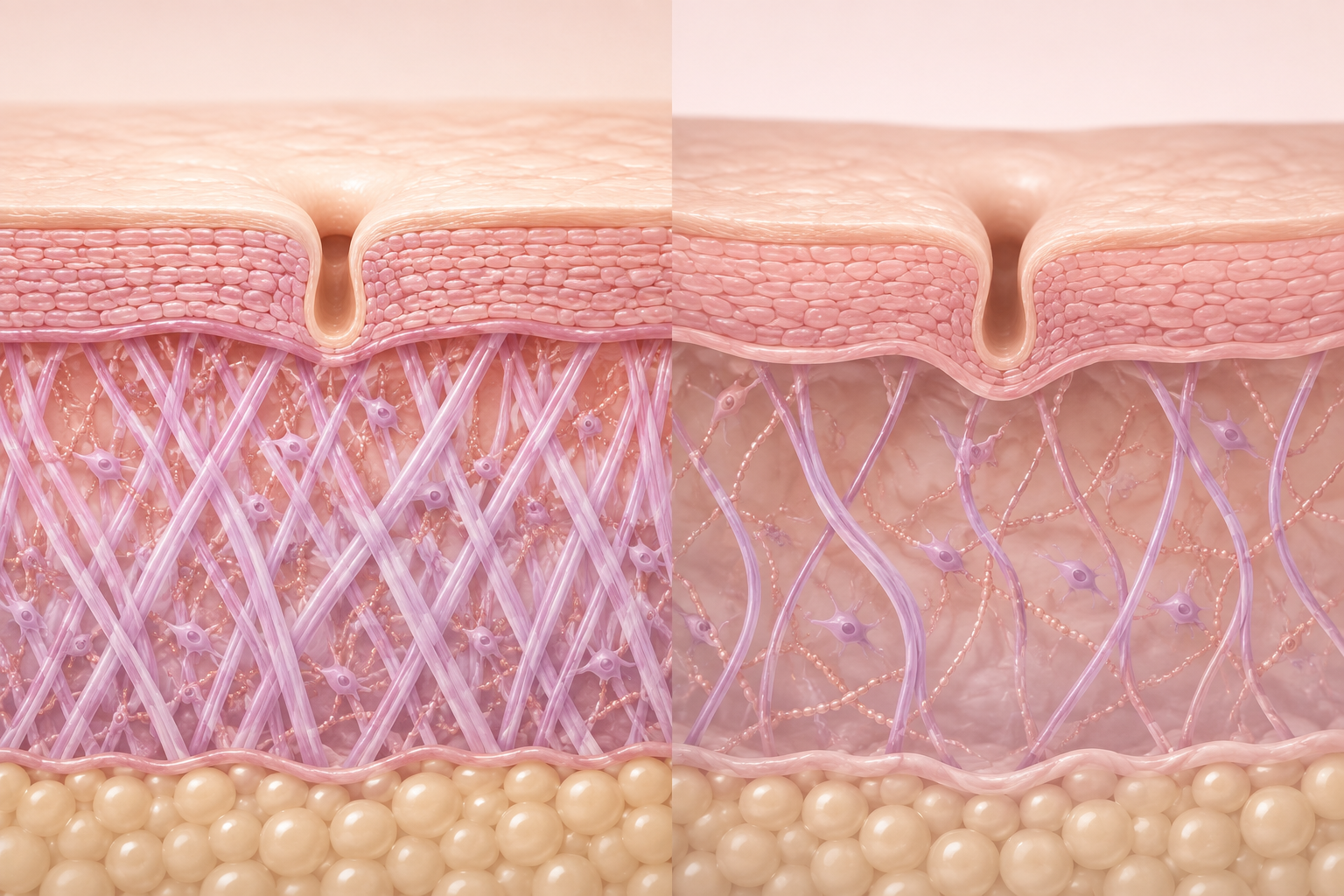
Sun exposure and natural aging can reduce collagen and skin elasticity, weakening the support around pores.
With less structural support, pores may appear larger and become easier to see on the skin.
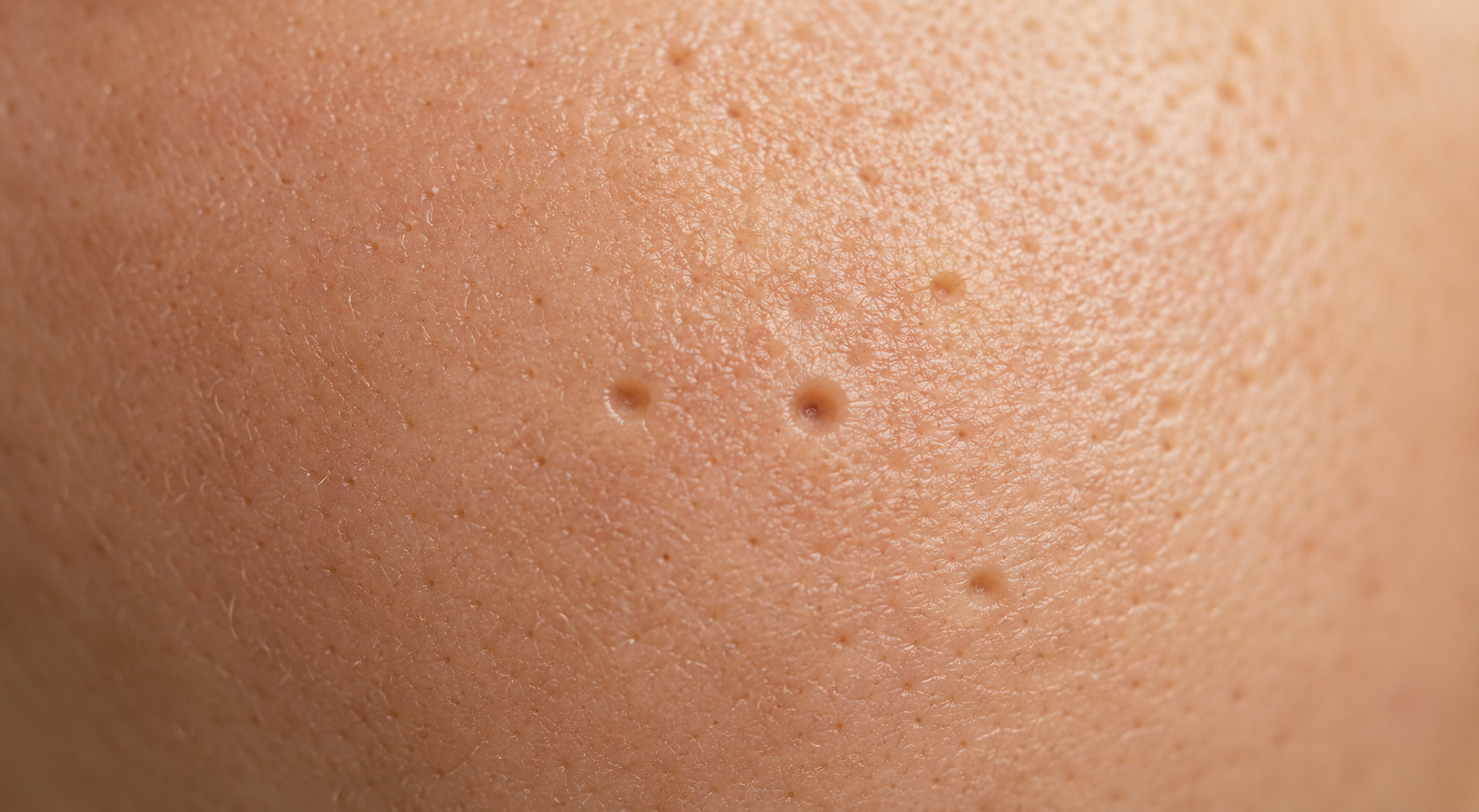
Enlarged pores can look different from person to person. They are usually more noticeable in areas with higher sebum production, particularly around the nose and cheeks.
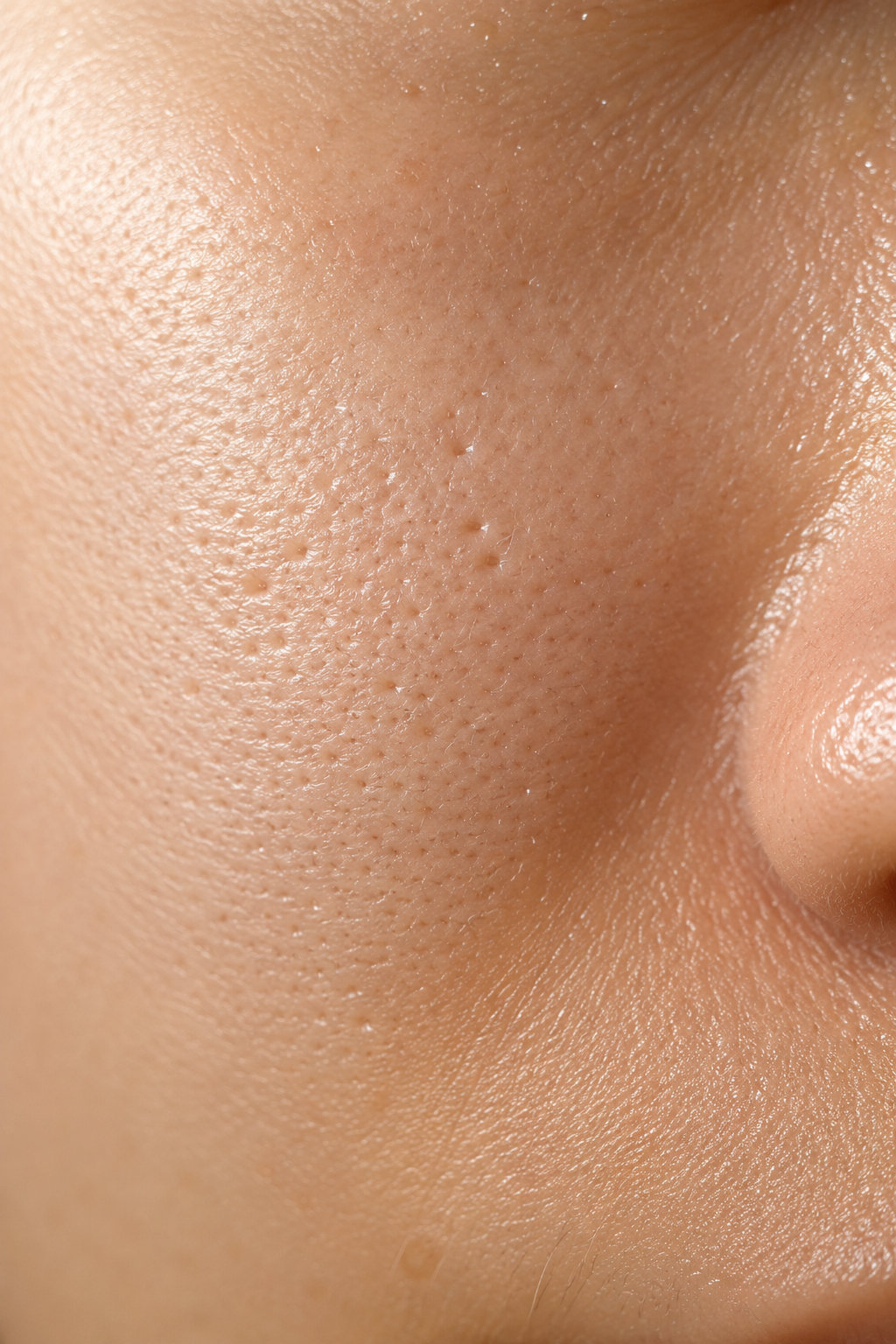
Pores may appear as clearly visible openings on the surface of the skin.
Pores are often more prominent in areas where sebaceous glands are more active.
Larger-looking pores can make the surface of the skin appear less even.
Excess sebum can make pores appear more noticeable, especially when the skin looks oily.
Pores can appear larger when the skin is producing excess oil.
Enlarged pores can occur alongside blackheads or clogged pores, but they are not the same thing.
Several factors can influence how large or noticeable pores appear. Some are related to oil production, while others affect the skin's structure and elasticity.
When the skin produces more oil, pores may become more noticeable.
Some people naturally have larger or more visible pores because of their genetic makeup.
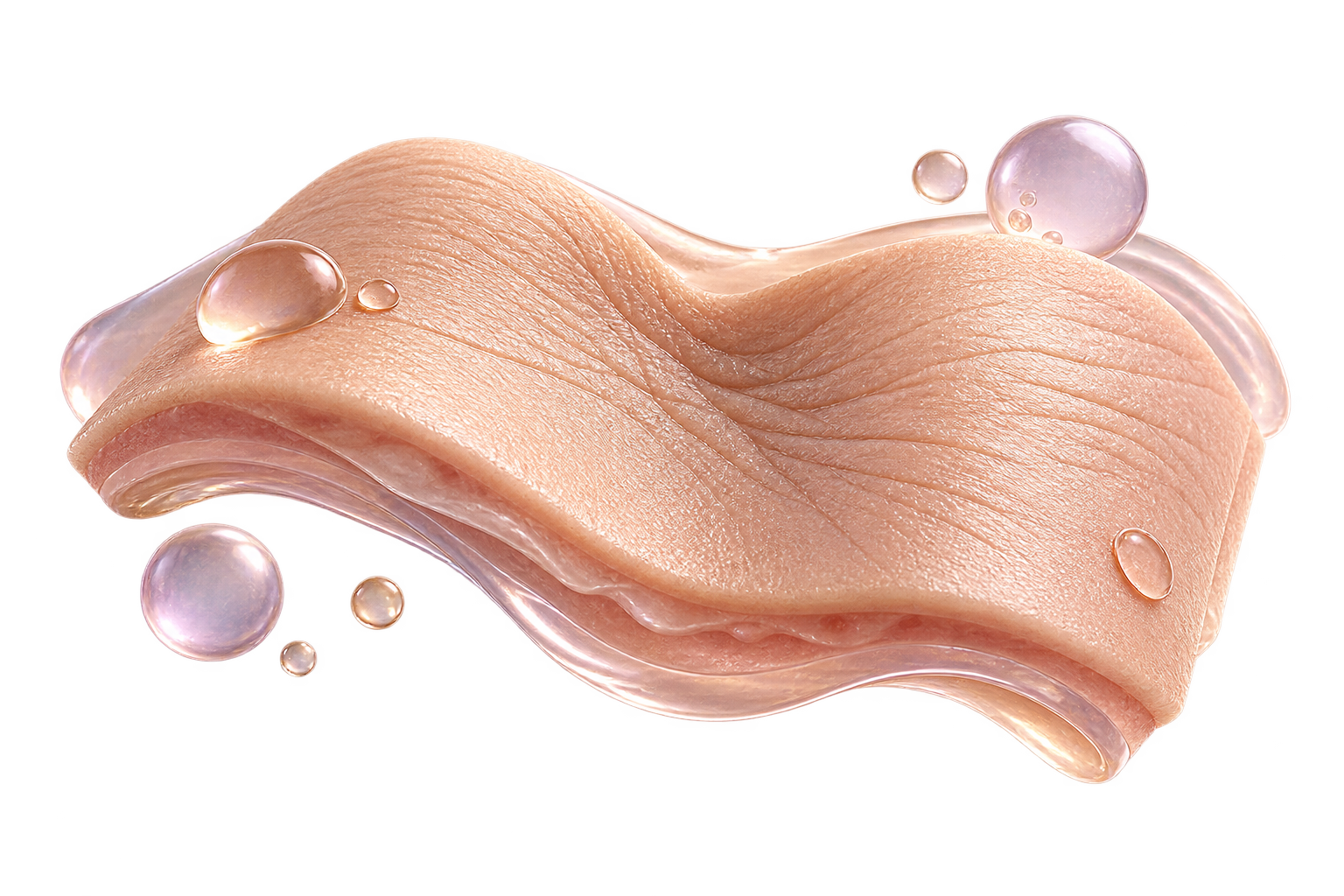
As collagen and elastin decrease with age, the skin gradually loses firmness, which can make pores appear larger.

UV radiation can damage collagen and elastin, reducing the structural support around pores.

Oil, dead skin cells, and keratin can accumulate inside pores, making them appear more noticeable.
Hormonal fluctuations can increase sebum production, which may make pores appear larger.
Enlarged pores are rarely caused by just one factor. Genetics, oil production, skin elasticity, sun exposure, and pore buildup can all influence how noticeable they appear.
Pores can naturally be visible, but certain habits and environmental factors may make them appear more prominent. Understanding these triggers can help you manage their appearance without trying to erase normal skin features.
When your skin produces more sebum, pores can become more noticeable, particularly around the nose, cheeks, forehead, and chin.
UV exposure can affect collagen and skin elasticity, making pores appear more prominent.
Inconsistent sun protection can leave collagen more vulnerable to UV-related damage.
Oil and dead skin cell buildup can make pores look more noticeable.
Some products may contribute to pore congestion in people who are prone to clogged pores.
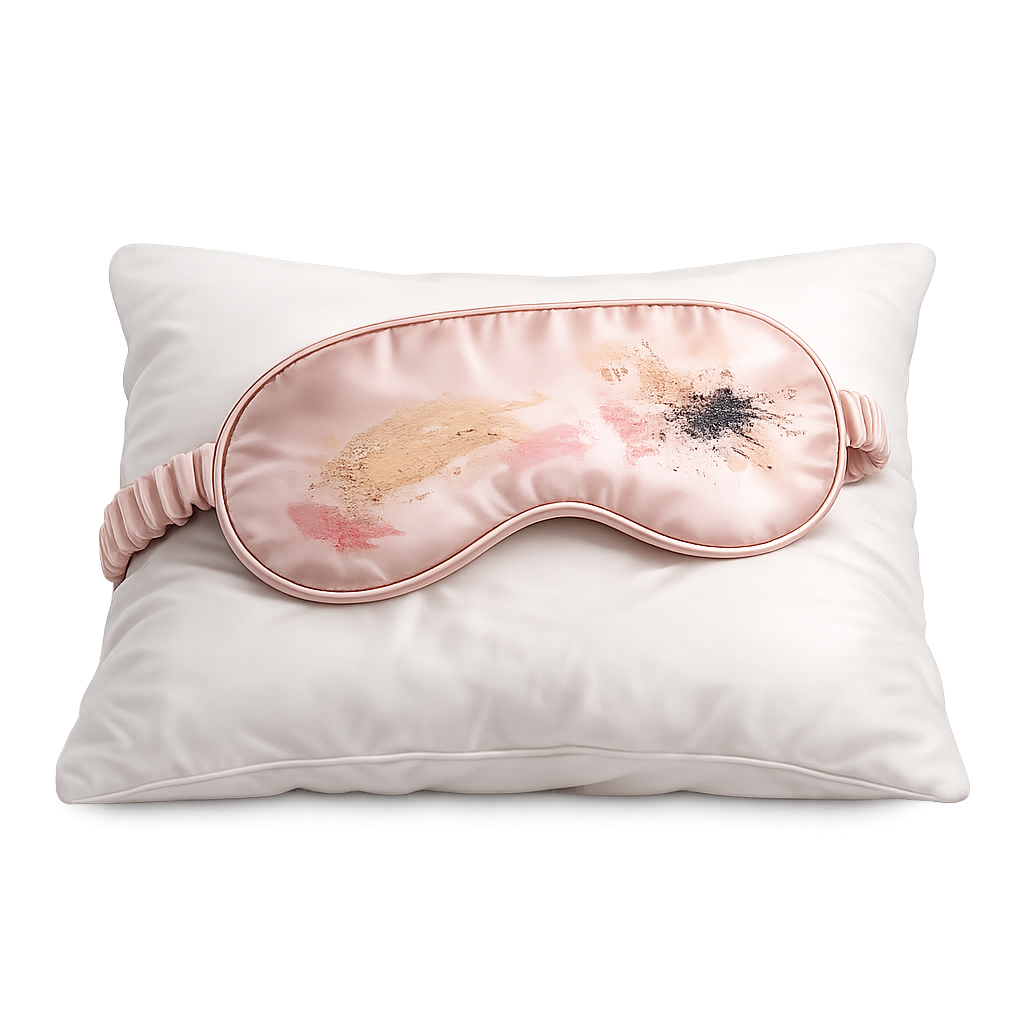
Leaving makeup on overnight can contribute to buildup and clogged pores.
Persistent excess oil can make naturally visible pores appear even more prominent.
Remember: These factors can make pores look more noticeable, but visible pores are still a normal part of healthy skin.
Enlarged pores are most noticeable in areas with more active sebaceous glands, especially across the central areas of the face.

Often one of the most noticeable areas because of its active sebaceous glands.
Pores may become more visible across the inner or central cheek area.
Sebum production can make pores more noticeable across the forehead.
Pores can appear more prominent when excess oil or buildup is present.
Enlarged pores are not limited to one specific location, but they are usually most noticeable in areas where sebaceous glands are more active.
One of the biggest skincare myths is that pores can be permanently opened, closed, or shrunk. The reality is a little different.
Genetics, oil production, skin elasticity, and other factors influence how large or visible your pores are. Skincare cannot permanently change their size.
Although you cannot erase or permanently shrink pores, healthy skincare habits can improve their appearance.
Keeping excess sebum under control can make pores appear less prominent.
Managing oil and buildup can help improve the appearance of visible pores.
Appropriate skincare can help create a smoother, more even-looking skin surface.
Daily sun protection helps protect the collagen that supports the skin around pores.
A consistent routine and healthy skin barrier can improve the overall appearance of the skin.
Healthy-looking pores don't have to disappear. Pores are a normal part of your skin, and their visibility can naturally vary from person to person.
These two concerns are often confused, but they are not the same thing. A pore can look visible without being clogged.
An enlarged pore is simply a pore that looks larger or more visible. It does not necessarily contain a blockage.
A clogged pore occurs when sebum, dead skin cells, and keratin build up inside the hair follicle.
The easiest way to tell these concerns apart.
For example, excess oil can contribute to a clogged pore, which may then make the pore appear more noticeable.
Visible pores ≠clogged pores. You can have naturally visible pores without having a clogged pore.
The right ingredients can help manage excess oil, keep pores clear, improve skin texture, and protect the structural support around the pores.
Helps remove excess oil and dead skin cells from inside the pore, which can make pores appear less noticeable.
Helps regulate excess sebum and may improve the appearance of enlarged pores.
Increase skin cell turnover and support collagen production, which can improve skin texture and pore appearance over time.

Exfoliate the skin's surface and help improve uneven texture.
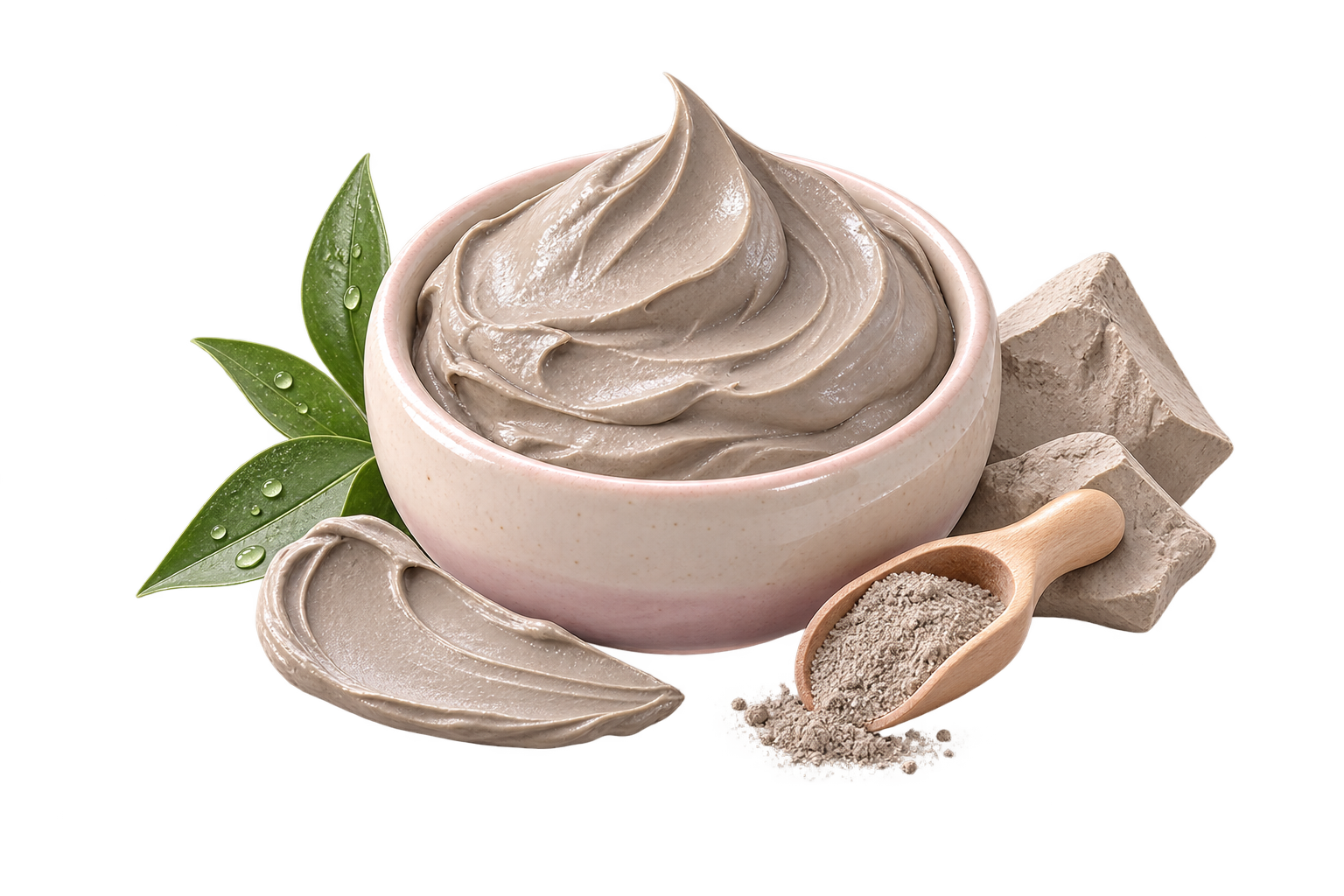
Can temporarily absorb excess oil from the skin's surface.
Protects collagen from UV damage and helps maintain the skin's structural support.
Pore care works best when active ingredients are introduced appropriately and balanced with gentle cleansing, moisturization, and daily sun protection.
Some popular pore-care tricks may temporarily change how the skin looks, but they cannot permanently change pore size. Here's what you should know.

Ice permanently shrinks pores.
Ice may temporarily make skin look less swollen, but it cannot permanently shrink pores.
Hot water opens your pores.
Hot water doesn't open pores. It may soften oil and debris, but pores don't have muscles that allow them to open and close.
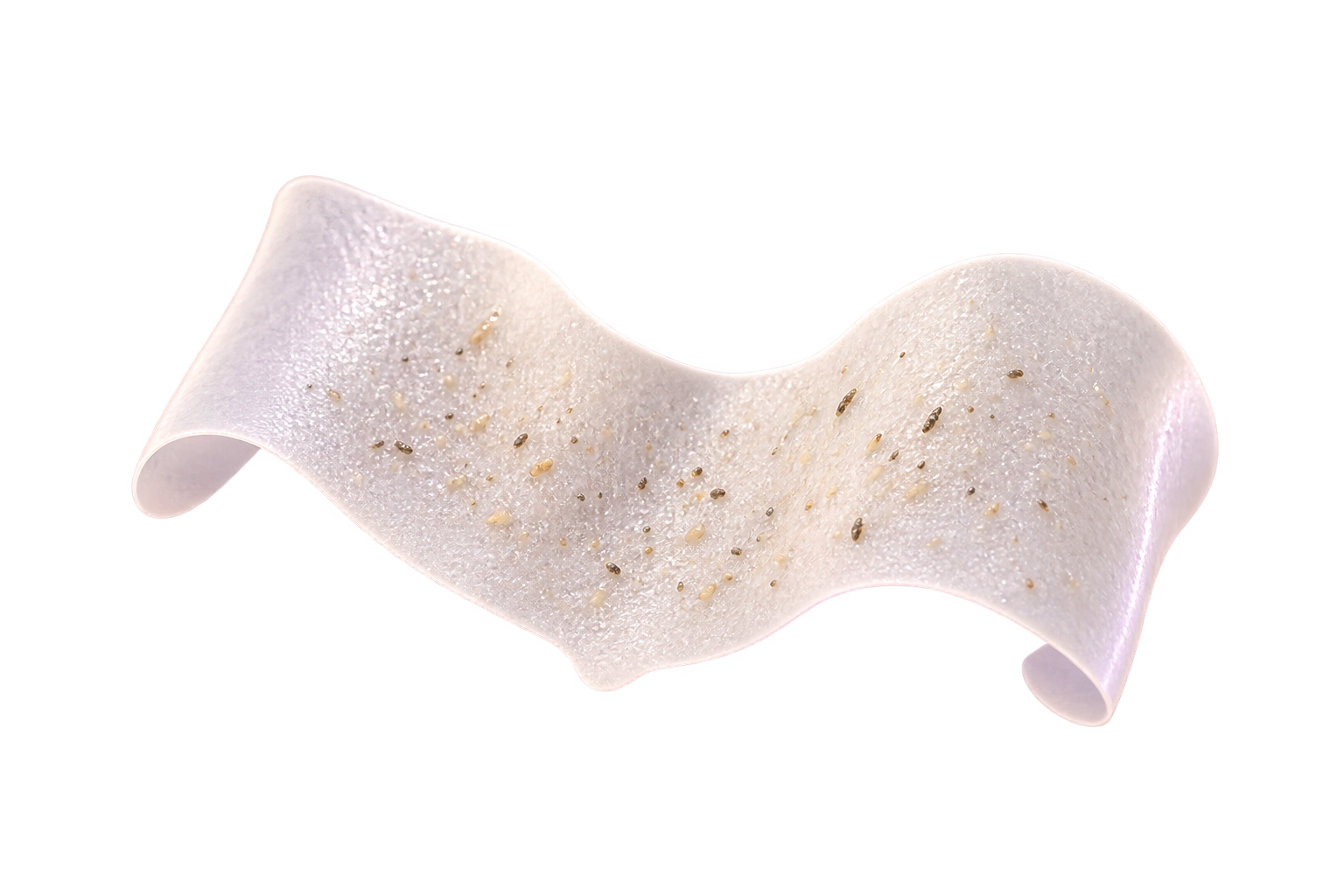
Pore strips permanently reduce pore size.
Pore strips can temporarily remove surface material from some pores, but they don't permanently reduce pore size.
Scrubbing harder makes pores smaller.
Harsh scrubbing can irritate the skin barrier without reducing pore size.
Focus on gentle cleansing, appropriate exfoliation, oil control, moisturization, and daily sunscreen instead of trying to force pores to disappear.
You cannot permanently change your pore size, but a consistent skincare routine can help keep pores clear, manage excess oil, and make them appear less noticeable.
Healthy-looking pores don't require an aggressive routine. Focus on gentle, consistent care and avoid trying to force pores to disappear.
Cleanse your skin gently to remove excess oil without unnecessarily disrupting the skin barrier.
Use skincare and makeup products labelled non-comedogenic when appropriate for your skin.
Managing excess sebum can help reduce how noticeable pores appear.
Appropriate exfoliating ingredients can help manage surface buildup and improve texture.
Daily sun protection helps protect collagen and the skin's structural support.
Removing makeup before bed can help prevent unnecessary buildup and congestion.
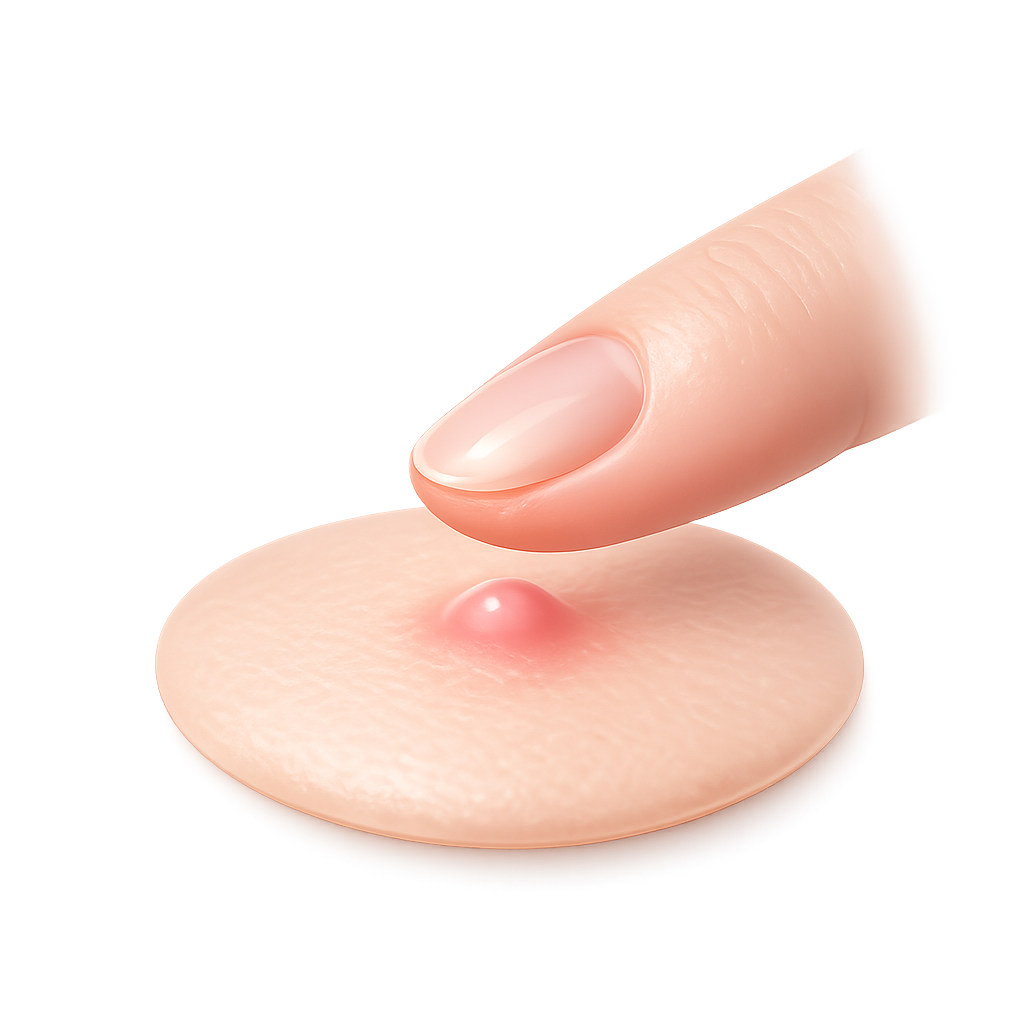
Avoid picking or squeezing clogged pores, which can irritate the skin.
Moisturizing helps support the skin barrier and maintain overall skin health.
Think prevention, not perfection. The goal is to keep your skin healthy and your pores less noticeable—not to make normal pores disappear.
Pores are often misunderstood. Let's separate common skincare myths from what actually happens to your skin.
Pores don't have muscles, so they cannot open and close. They can simply appear more or less noticeable.
Skincare cannot permanently change pore size, but it can make pores appear less noticeable.
Everyone has pores. They simply tend to be more noticeable in people with higher sebum production or naturally larger pores.
Harsh scrubbing can irritate the skin and damage the skin barrier without reducing pore size.
Some pores are simply naturally visible. A visible pore doesn't automatically mean there is a blockage.
The goal is not to erase your pores. Focus on keeping them clear, managing excess oil, protecting your skin, and maintaining a healthy barrier.

Don't try to erase your pores—they're a normal and
necessary part of healthy skin. If your pores look
larger, focus on keeping them clear, controlling excess
oil, protecting your collagen with sunscreen, and
maintaining a healthy skin barrier.
And remember: visible pores don't automatically mean
clogged pores. Sometimes, you're simply seeing
normal skin.
