 ×
×
×
×
Does your skin often feel tight, rough, or flaky? Dry skin develops when the skin lacks enough natural oils to maintain a healthy barrier and retain moisture. Learn what causes dry skin, how to recognize it, and the best ways to keep your skin soft, comfortable, and healthy.

SECTION 01
Learn what dry skin is, why it happens, and how a weakened skin barrier affects your skin.
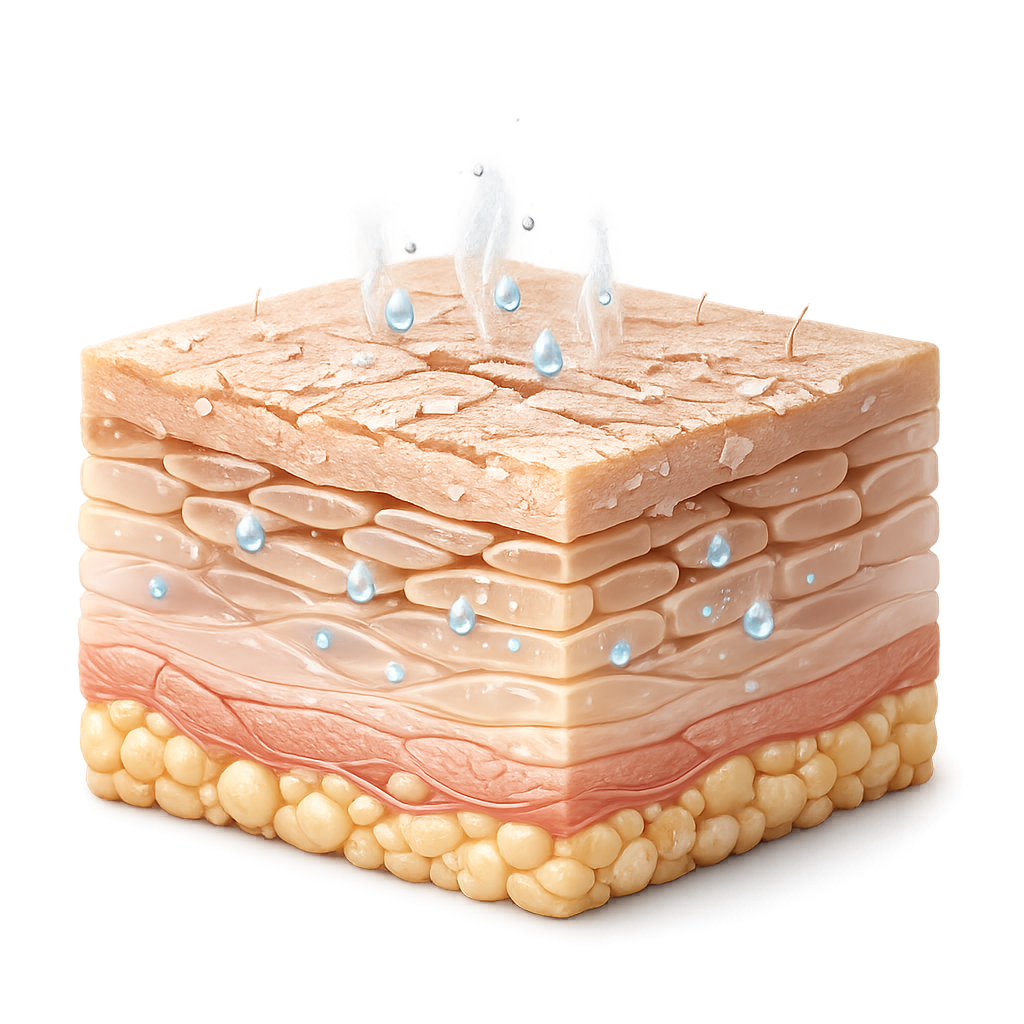
Dry skin, also known as xerosis, is a skin type or condition in which the skin lacks enough natural oils (sebum) to keep the skin barrier healthy and maintain moisture. As a result, the skin may feel tight, rough, flaky, or itchy.
A healthy skin barrier helps prevent water loss and protects the skin from environmental irritants. When the skin doesn't produce enough oil, the barrier becomes weaker, allowing moisture to escape more easily and making the skin feel dry and uncomfortable.
Although anyone can experience dry skin, it is more common during colder months, in low-humidity environments, and as people age.
SECTION 02
Dry skin develops gradually as the skin produces less oil, the skin barrier becomes weaker, and moisture escapes more easily. Understanding each step helps explain why the skin becomes dry, rough, and uncomfortable.
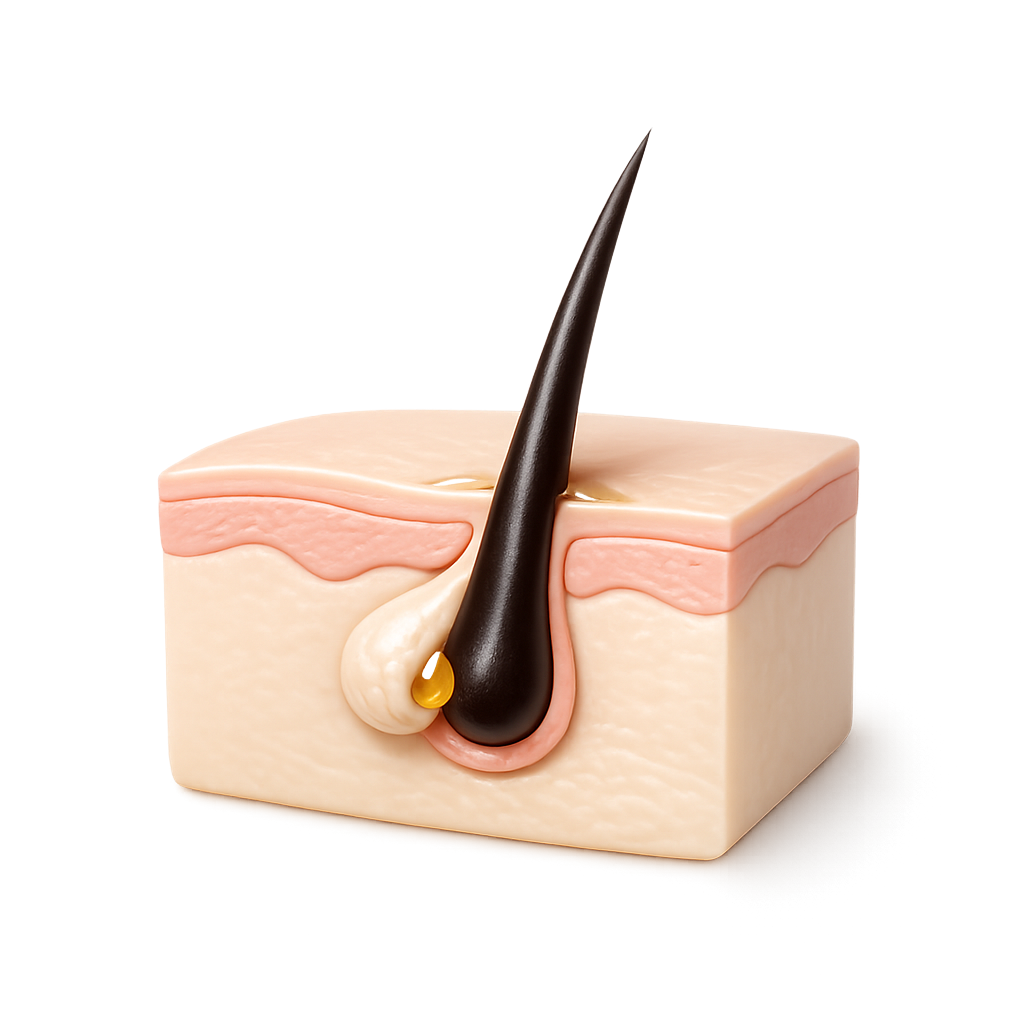
The sebaceous glands produce less sebum than the skin needs.
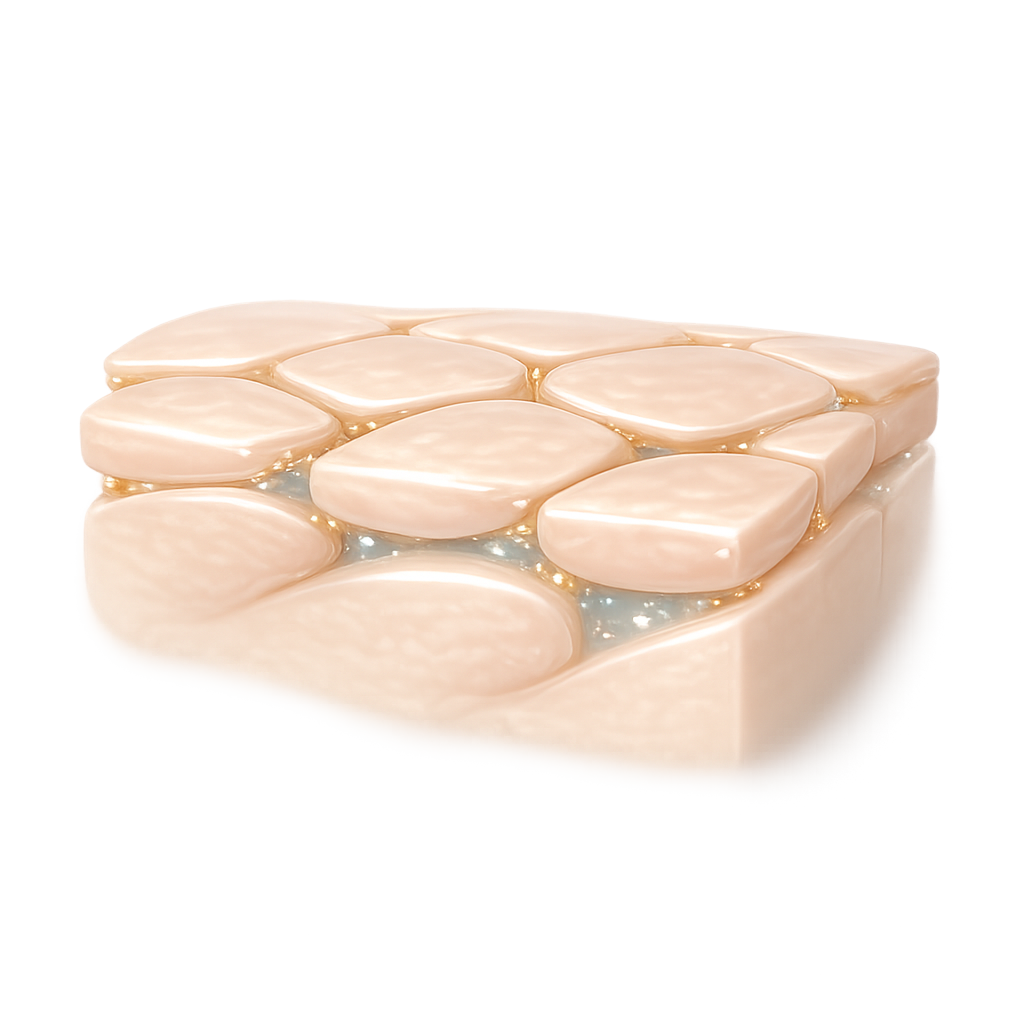
Protective lipids decrease, making the skin barrier weaker.
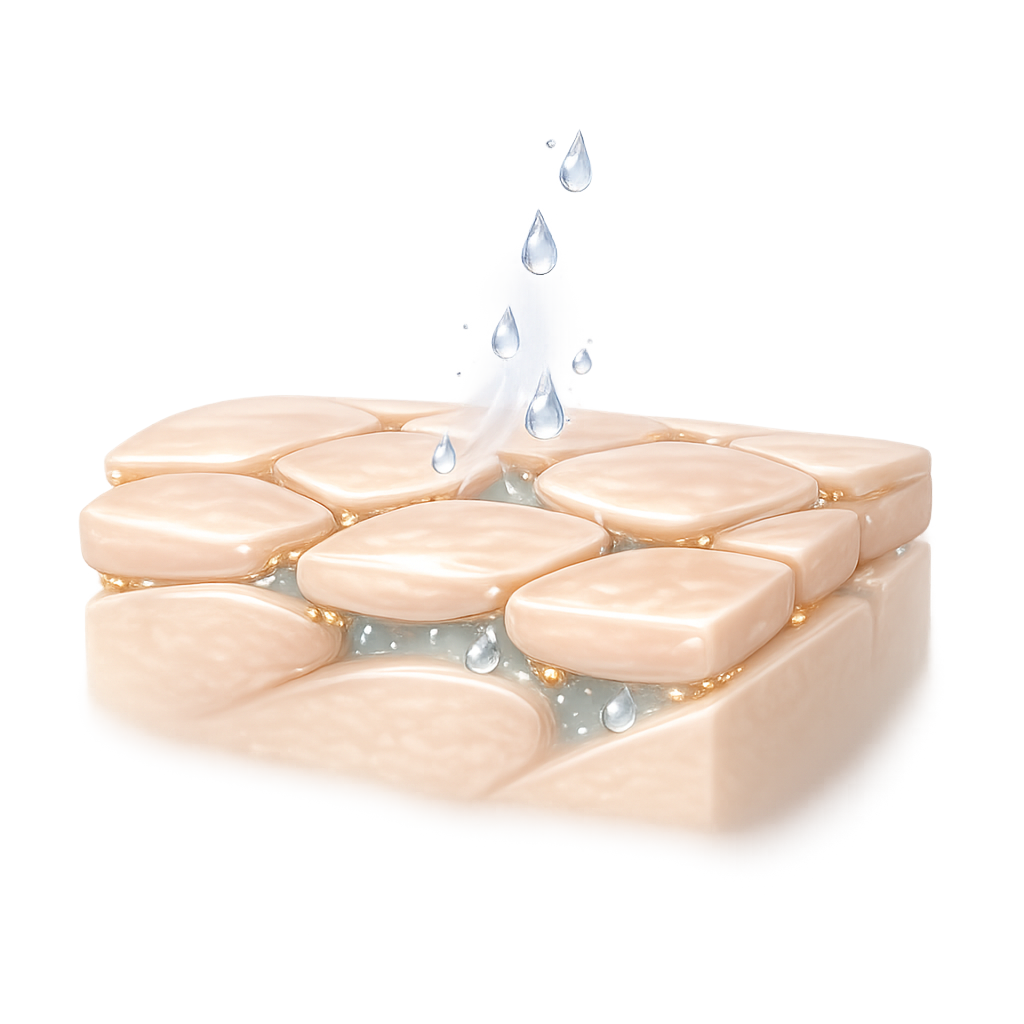
Moisture escapes more easily through increased TEWL.
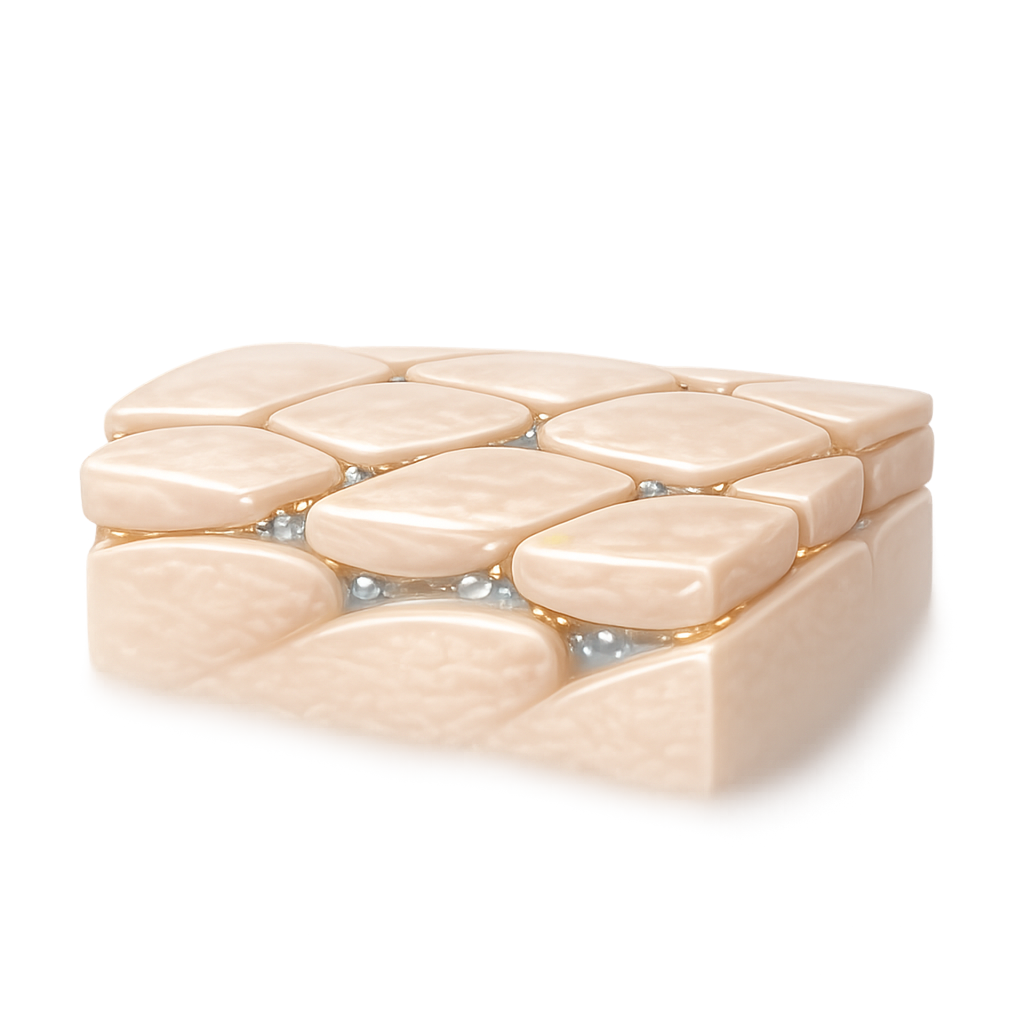
The skin loses hydration, flexibility, and comfort.
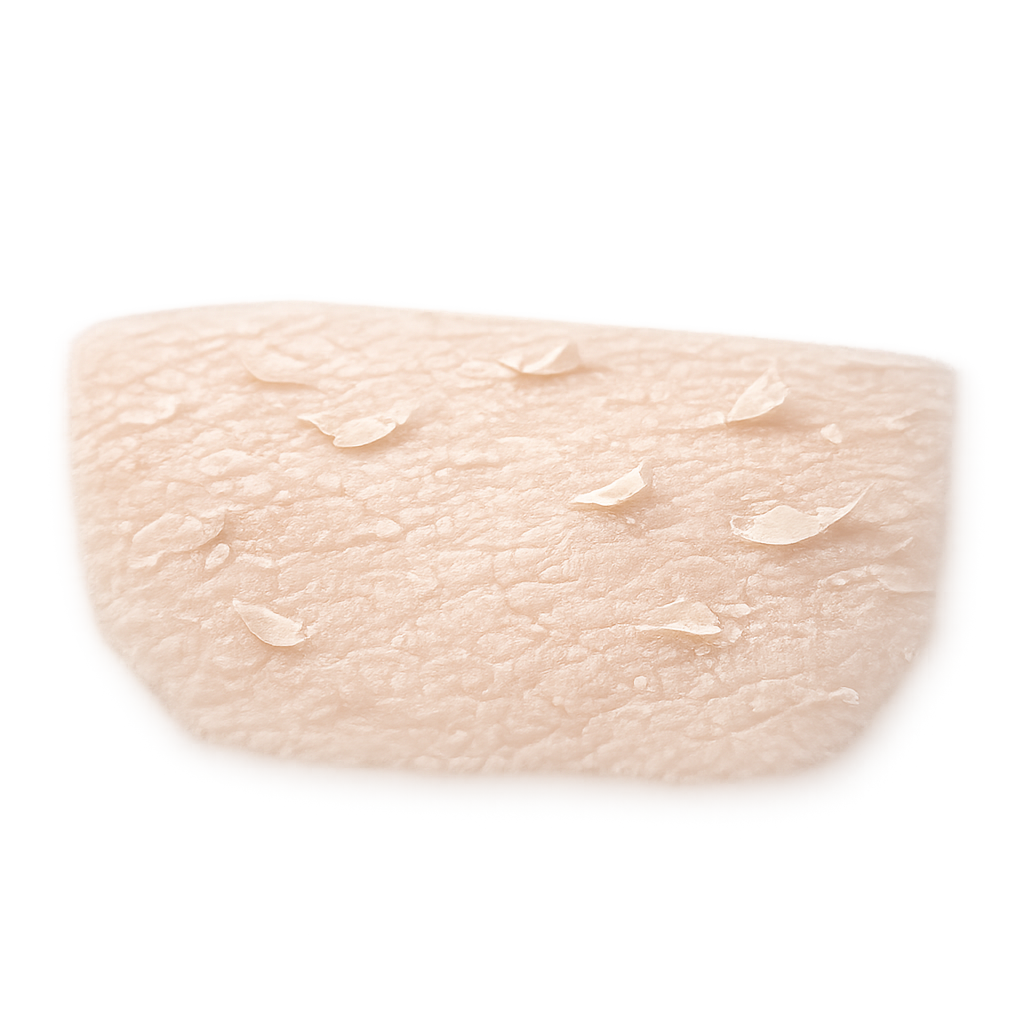
The skin becomes rough, flaky, tight, and may feel itchy.
SECTION 03
Dry skin can appear differently from person to person, but it often shares several common signs. Recognizing these symptoms can help you identify dry skin and choose the right skincare routine.
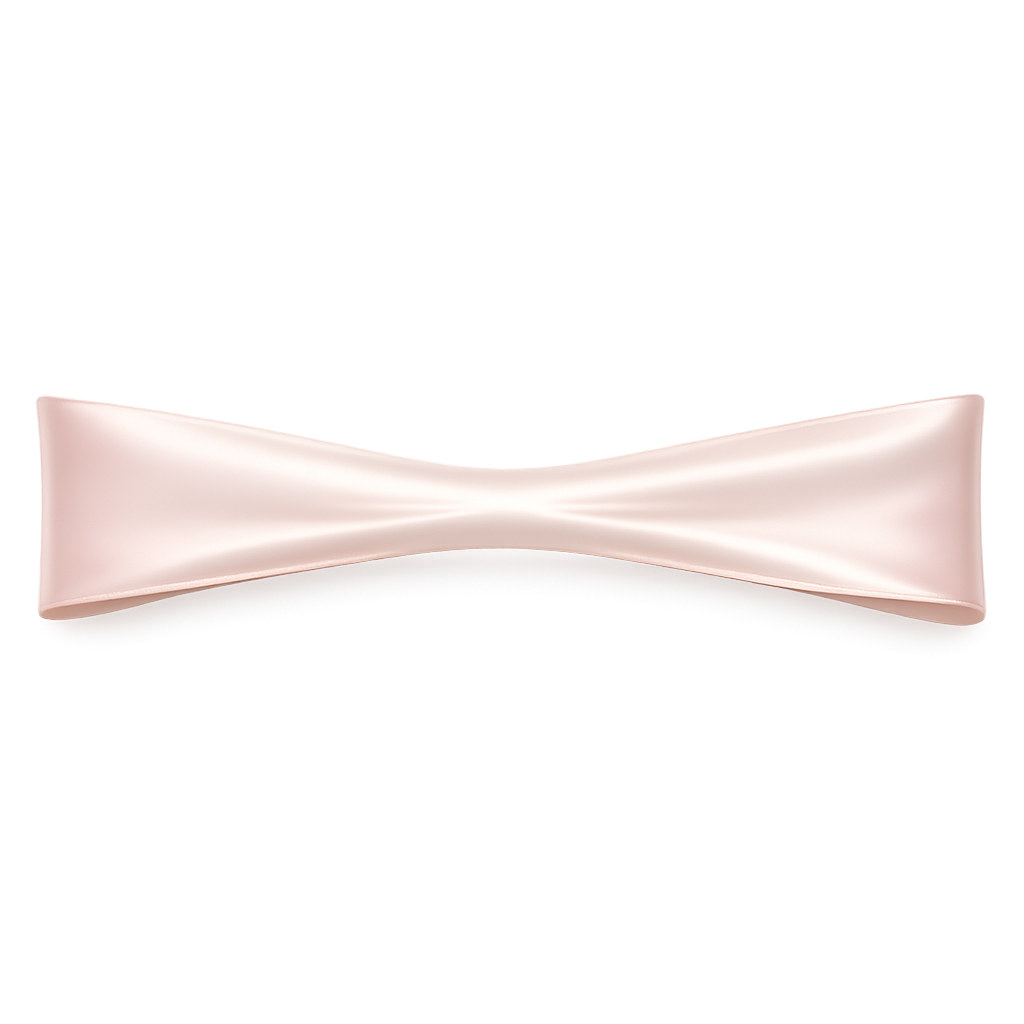
Skin often feels tight, especially after cleansing or showering.
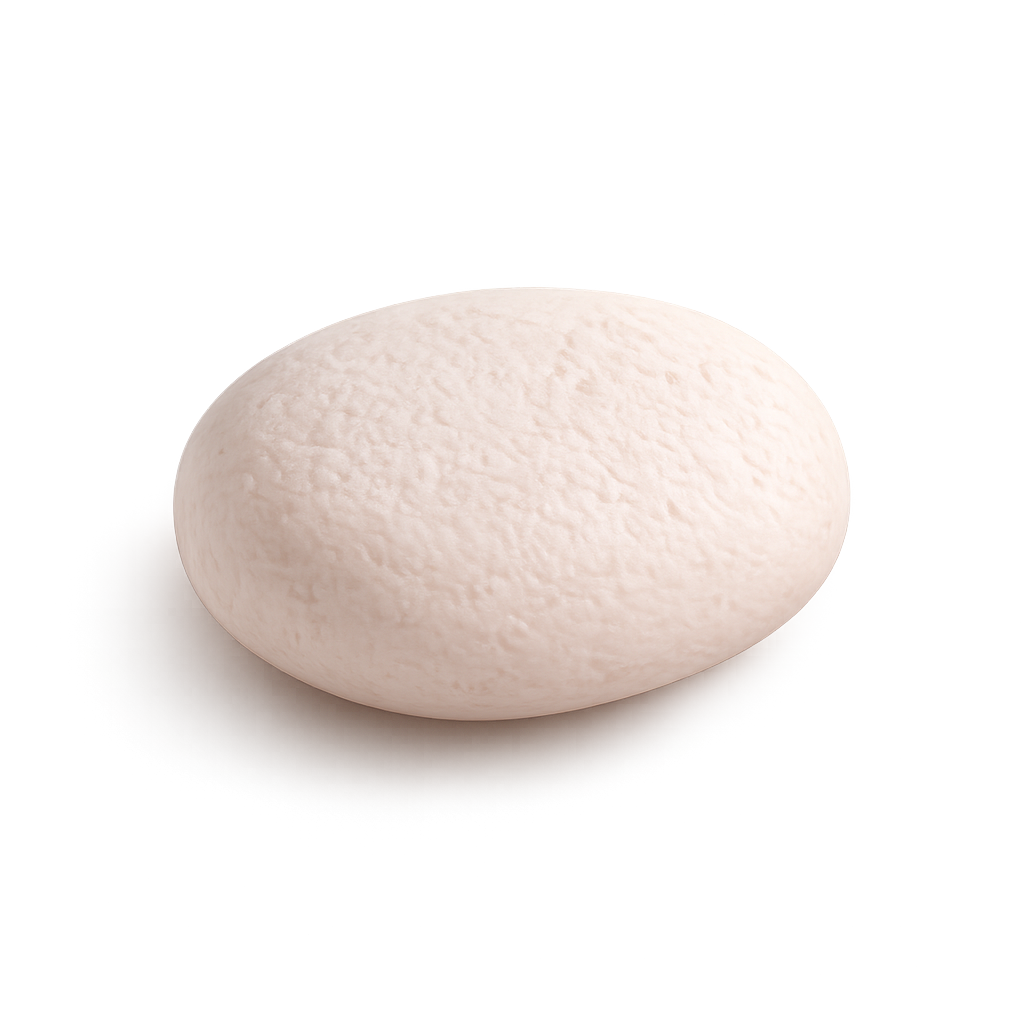
The skin may feel uneven, coarse, or rough to the touch.
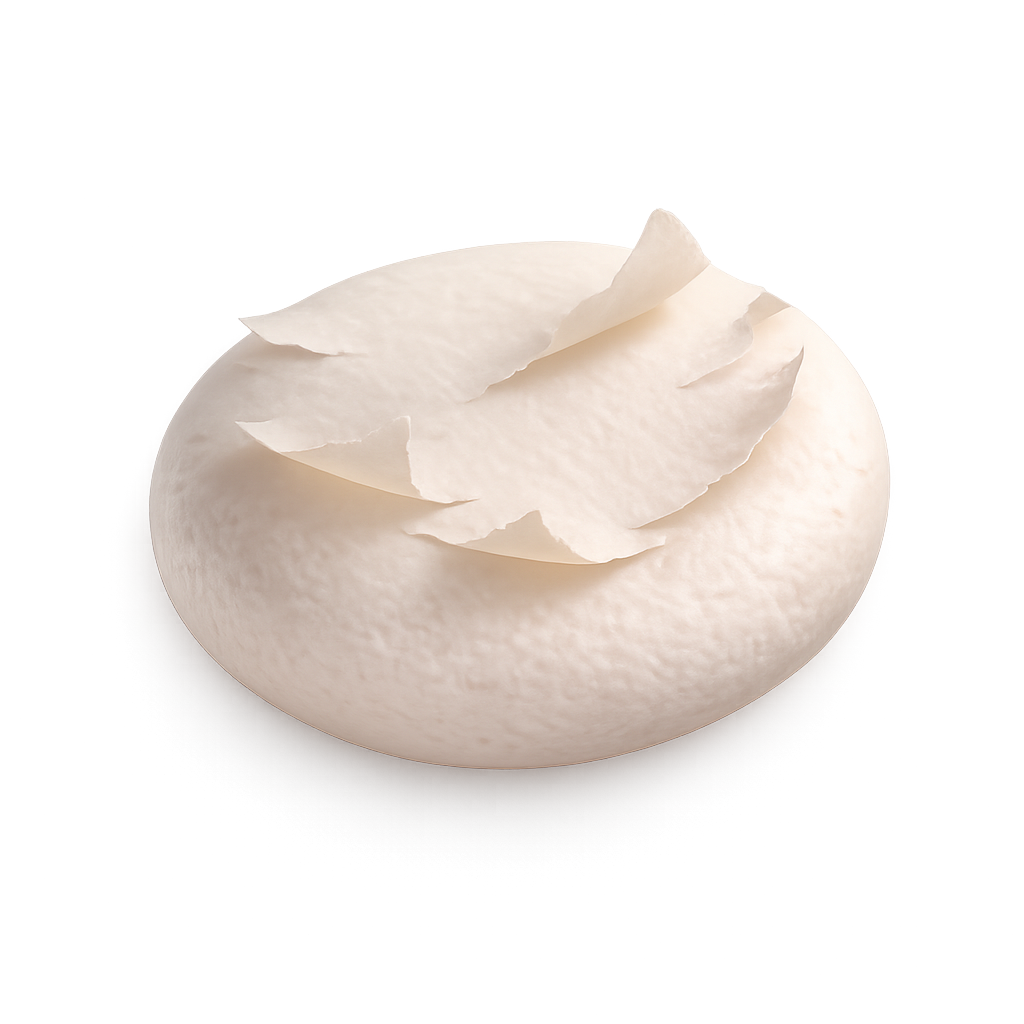
Dry skin may peel or shed small flakes due to moisture loss.

A lack of moisture can make the skin appear dull and tired.
Dryness can make fine lines appear more noticeable.
Dry skin is often more sensitive and may sting or itch easily.
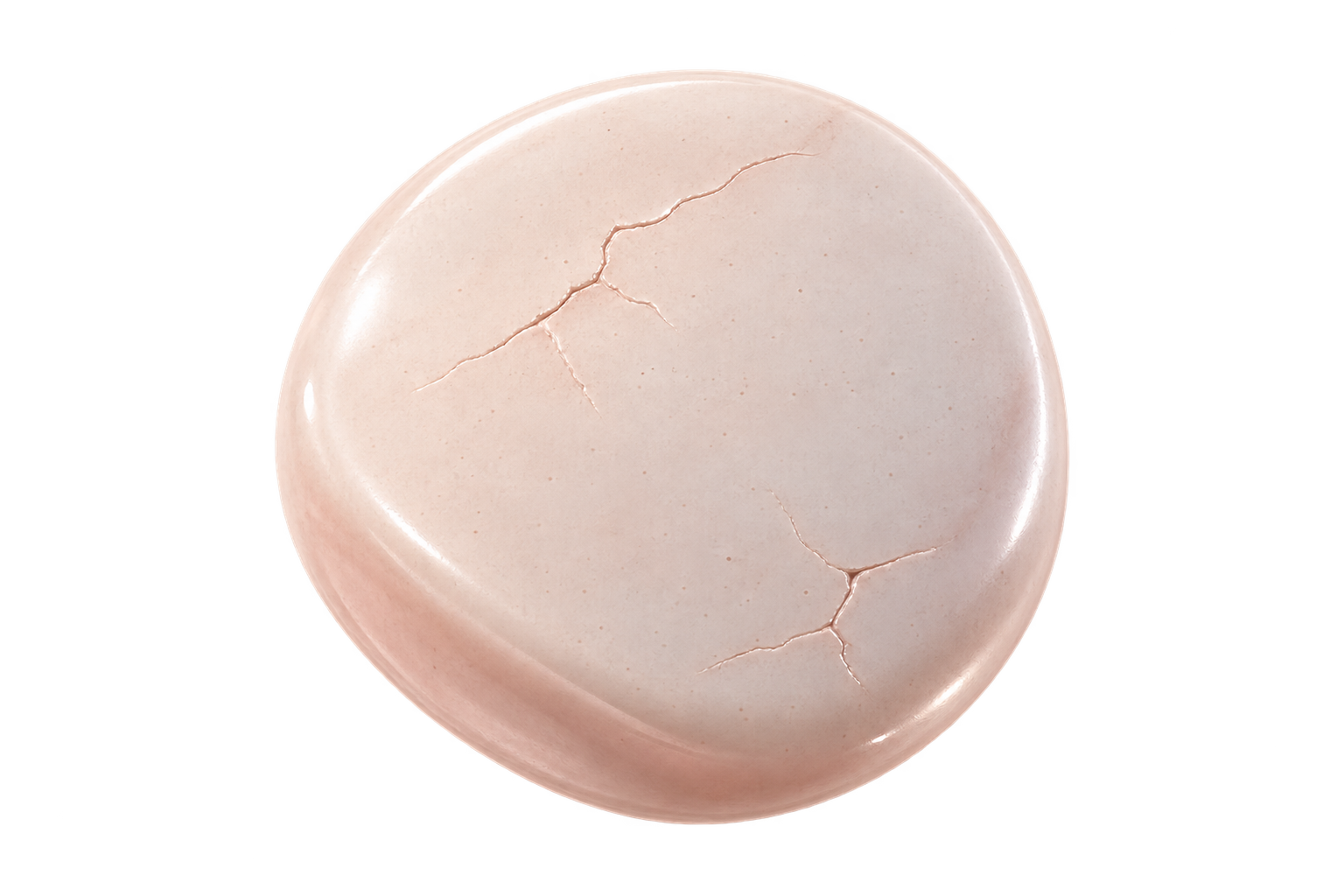
Severe dryness may cause tiny cracks to form in the skin.
Dry skin naturally produces very little excess sebum.
SECTION 04
Dry skin can develop for many different reasons. Some people naturally produce less oil, while environmental factors, skincare habits, aging, medical conditions, and certain medications can also weaken the skin barrier and increase moisture loss.
Some people naturally produce less oil, making their skin more prone to dryness.

As we age, the skin produces fewer natural oils and barrier lipids.

Cold temperatures and low humidity increase moisture loss from the skin.
Hot water can strip away the skin's natural oils and weaken the skin barrier.
Strong soaps and cleansers may remove protective lipids from the skin barrier.
Frequent exfoliation can weaken the skin barrier and increase dryness.

Conditions such as eczema, psoriasis, diabetes, hypothyroidism, and ichthyosis may contribute to dry skin.

Some medications, including retinoids and certain acne treatments, can increase skin dryness.
SECTION 05
These factors don't directly cause dry skin, but they can worsen dryness, increase moisture loss, and make the skin feel more uncomfortable.
 Cold Weather
 Low Humidity
 Indoor Heating
 Air Conditioning
 Long Hot Showers
Harsh Cleansers
Long Hot Showers
Harsh Cleansers
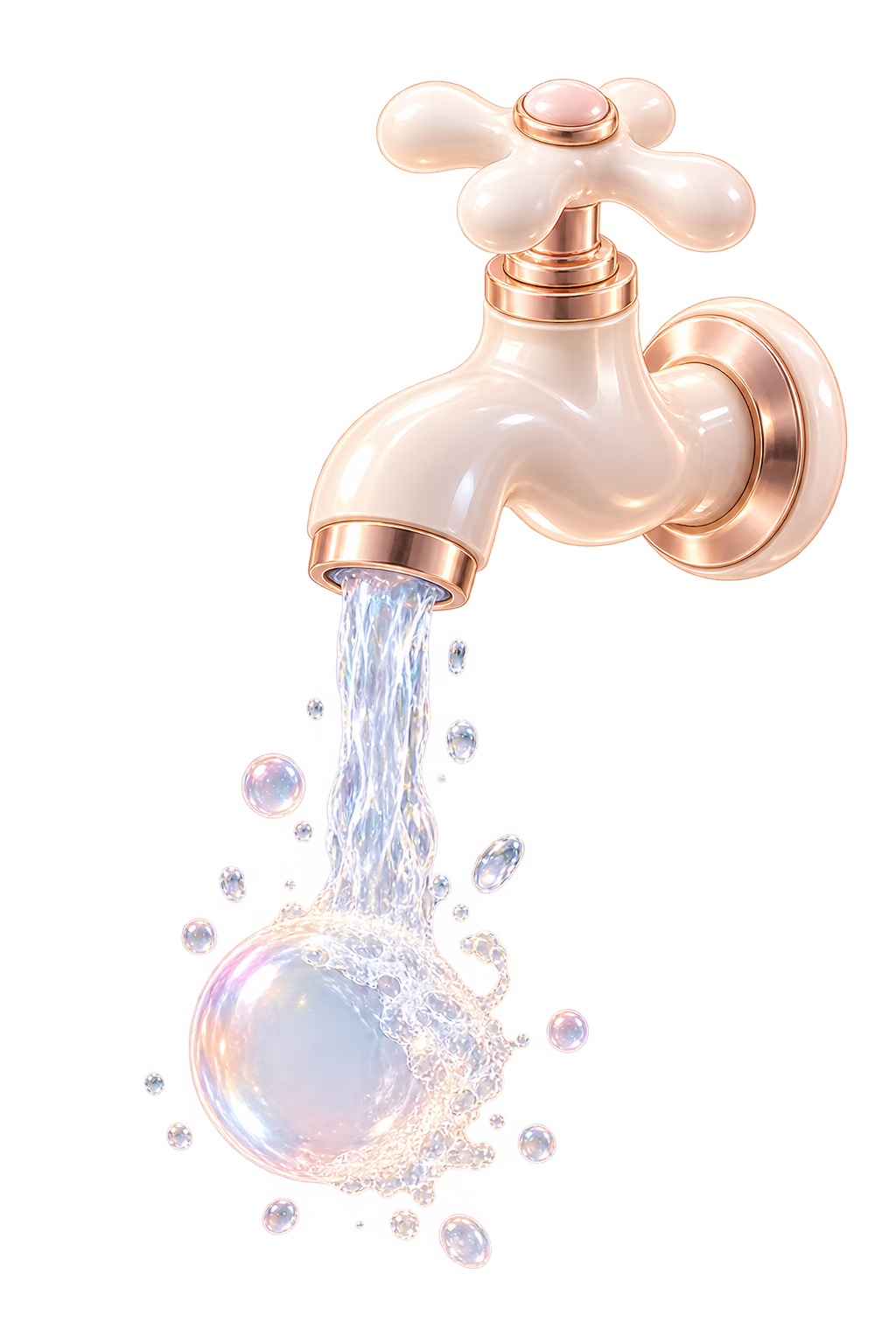 Frequent Washing
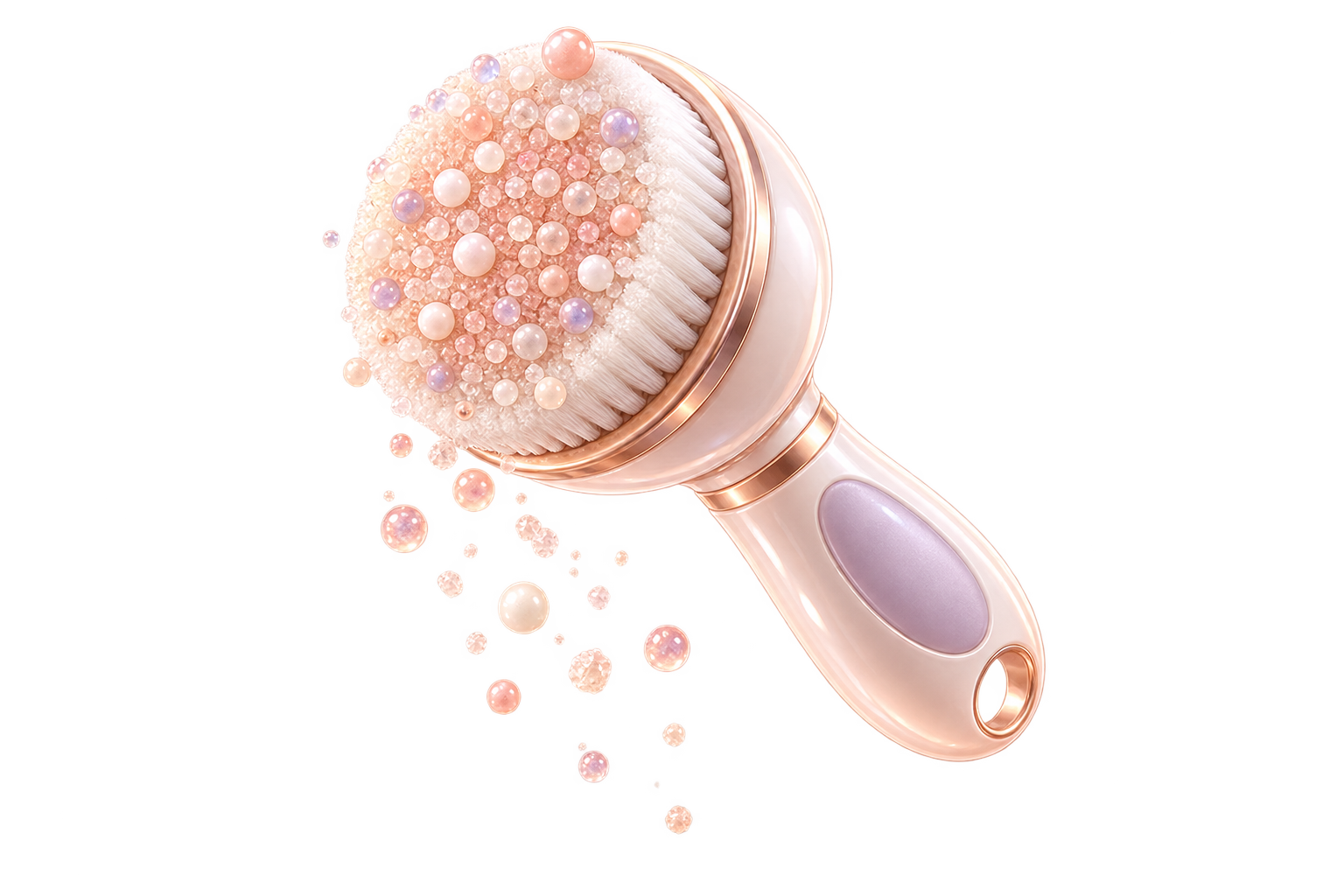 Over-Exfoliating
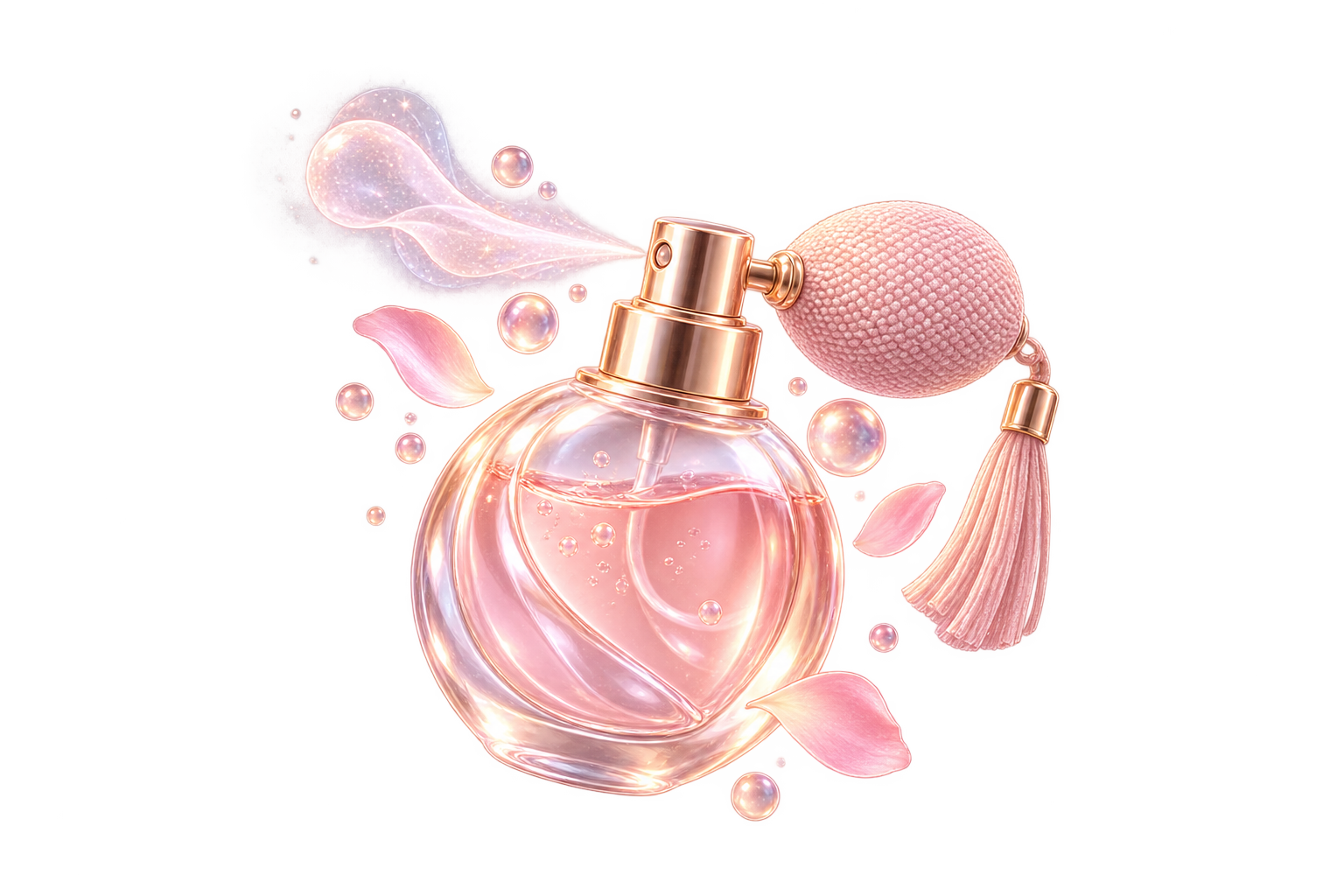 Fragrance Products
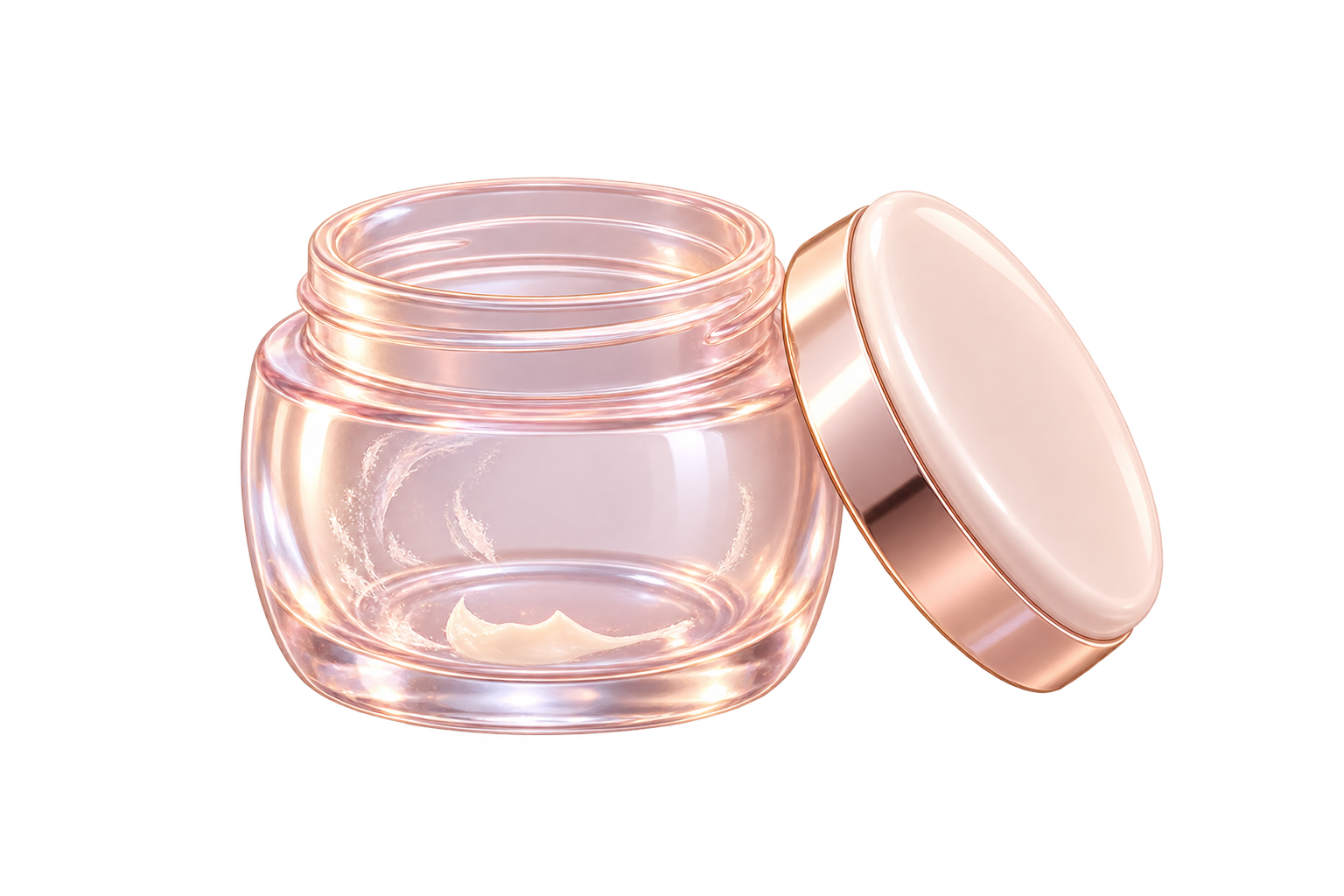 Not Moisturizing
SECTION 06
Dry skin can affect any part of the body, but some areas are more likely to become dry because they are exposed to friction, frequent washing, weather, or naturally produce less oil.


SECTION 07
Although these terms are often used interchangeably, dry skin and dehydrated skin are not the same. Understanding the difference can help you choose the right skincare products and routine.
Dry skin lacks oil, while dehydrated skin lacks water. Even oily skin can become dehydrated.
SECTION 08
Certain skincare ingredients help strengthen the skin barrier, reduce moisture loss, and improve hydration. Click an ingredient below to learn how it supports dry skin.

Ceramides help replenish the skin's natural lipids, strengthen the skin barrier, and reduce transepidermal water loss (TEWL).
SECTION 09
While dry skin cannot always be prevented, adopting gentle skincare habits can help strengthen the skin barrier, reduce moisture loss, and keep your skin feeling healthy and comfortable.
Cleanse with a gentle, fragrance-free cleanser that helps preserve the skin barrier.
Apply moisturizer immediately after cleansing while the skin is still slightly damp.
Avoid long, hot showers that strip away natural oils.
Daily sunscreen helps protect the skin barrier from UV damage.
Excessive exfoliation can weaken the skin barrier and increase dryness.
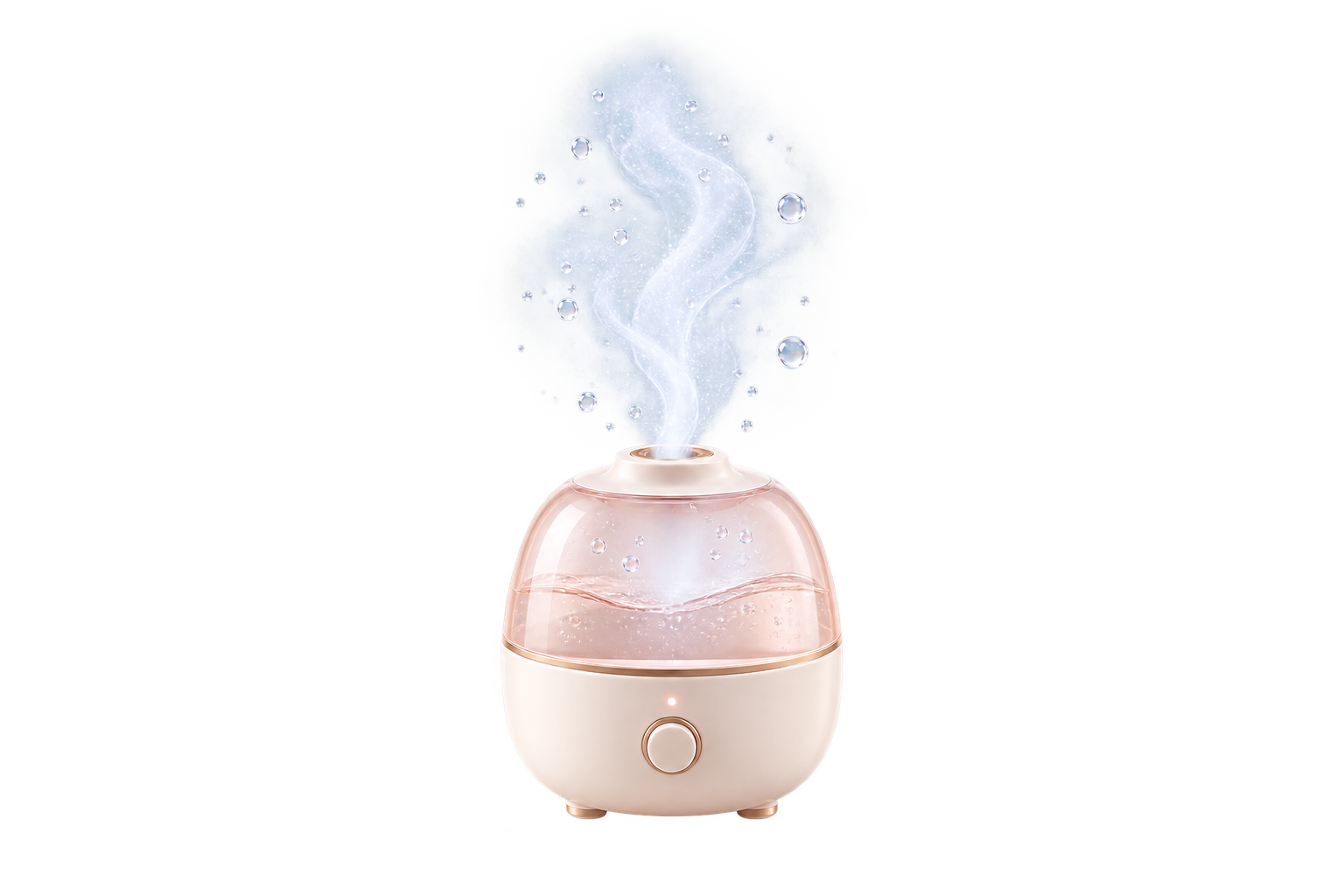
If indoor air is very dry, a humidifier can help reduce moisture loss from the skin.

Choose skincare products that contain ingredients that strengthen and protect the skin barrier.
SECTION 10
Dry skin is often misunderstood. Let's separate common myths from evidence-based facts to help you better understand your skin.
Dry skin and dehydrated skin are the same thing.
Dry skin lacks oil, while dehydrated skin lacks water. They are different skin concerns.
People with dry skin should avoid cleansing.
Gentle cleansing removes dirt, sweat, sunscreen, and impurities without unnecessarily stripping the skin.
Drinking more water alone will cure dry skin.
Hydration is important, but maintaining a healthy skin barrier and using moisturizing ingredients is equally important.
Only older adults have dry skin.
Dry skin can affect people of all ages due to genetics, climate, skincare habits, or certain medical conditions.
Facial oils can replace moisturizers.
Facial oils help reduce moisture loss but do not replace moisturizers containing humectants and barrier-supporting ingredients.

If your skin feels tight even after applying moisturizer, it may need more than hydration—it may need barrier support. Look for moisturizers containing ceramides, cholesterol, and fatty acids to replenish the skin's natural lipids, along with glycerin and hyaluronic acid to attract moisture. Applying moisturizer to slightly damp skin can also help lock in hydration more effectively.