 ×
×
×
×
Does your skin feel tight, dull, or uncomfortable even though it looks oily? Dehydrated skin is a temporary skin condition caused by a lack of water—not oil. Learn what dehydrated skin is, why it develops, how to recognize the signs, and the best ways to restore healthy, hydrated skin.

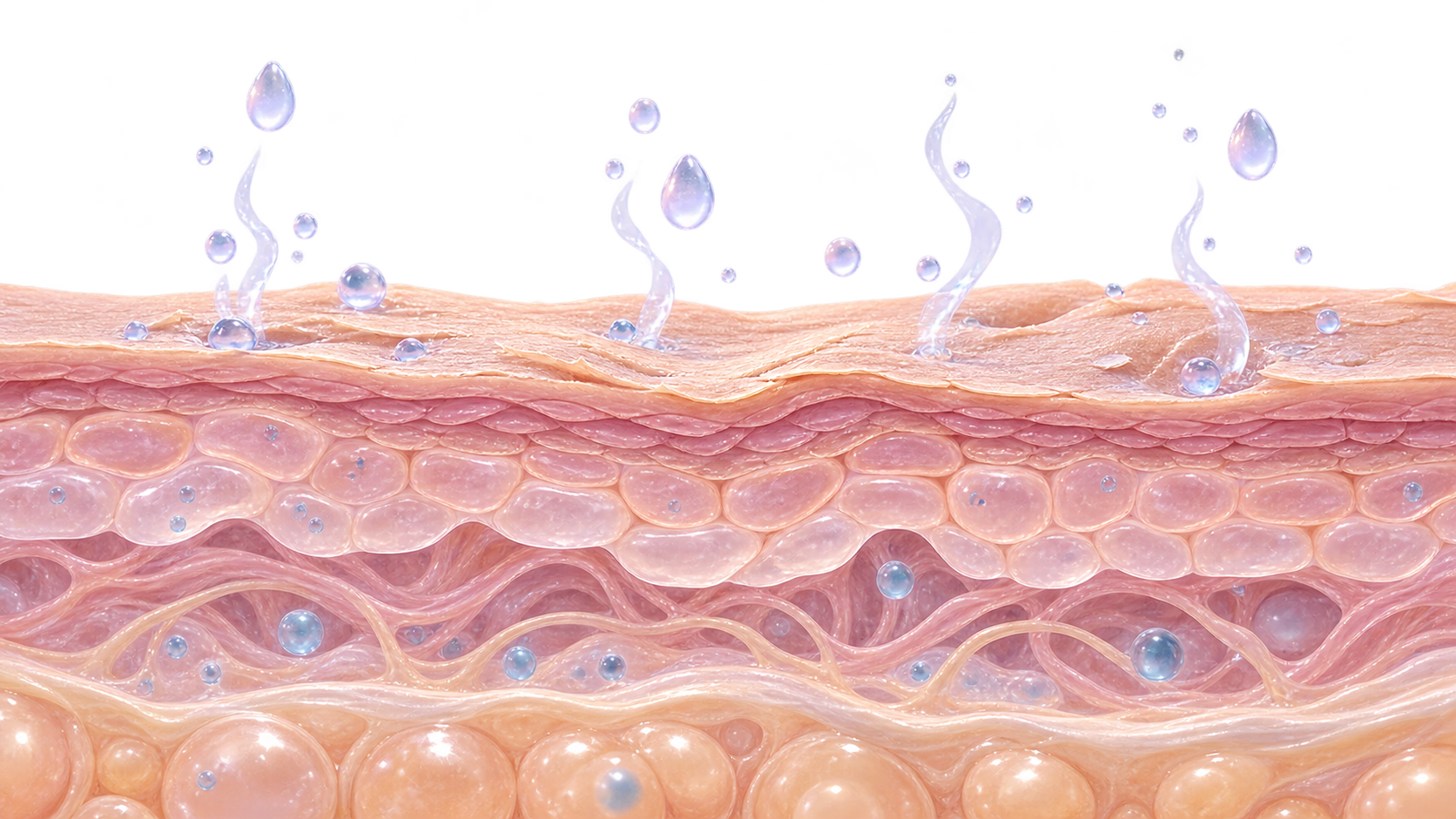
Dehydrated skin is a temporary skin condition in which the skin lacks sufficient water. Unlike dry skin, which is caused by a lack of natural oils (sebum), dehydrated skin occurs when the skin loses more water than it can retain.
Because water and oil are different, any skin type can become dehydrated, including oily, combination, normal, and dry skin.
When the skin becomes dehydrated, it may feel tight, appear dull, become more sensitive, and lose its healthy, plump appearance.
Dehydrated skin develops gradually as the skin loses more water than it can retain. This process often begins with a weakened skin barrier and progresses until the skin becomes tight, dull, and more sensitive.

Factors such as harsh skincare, over-exfoliation, hot water, or environmental conditions weaken the skin barrier.
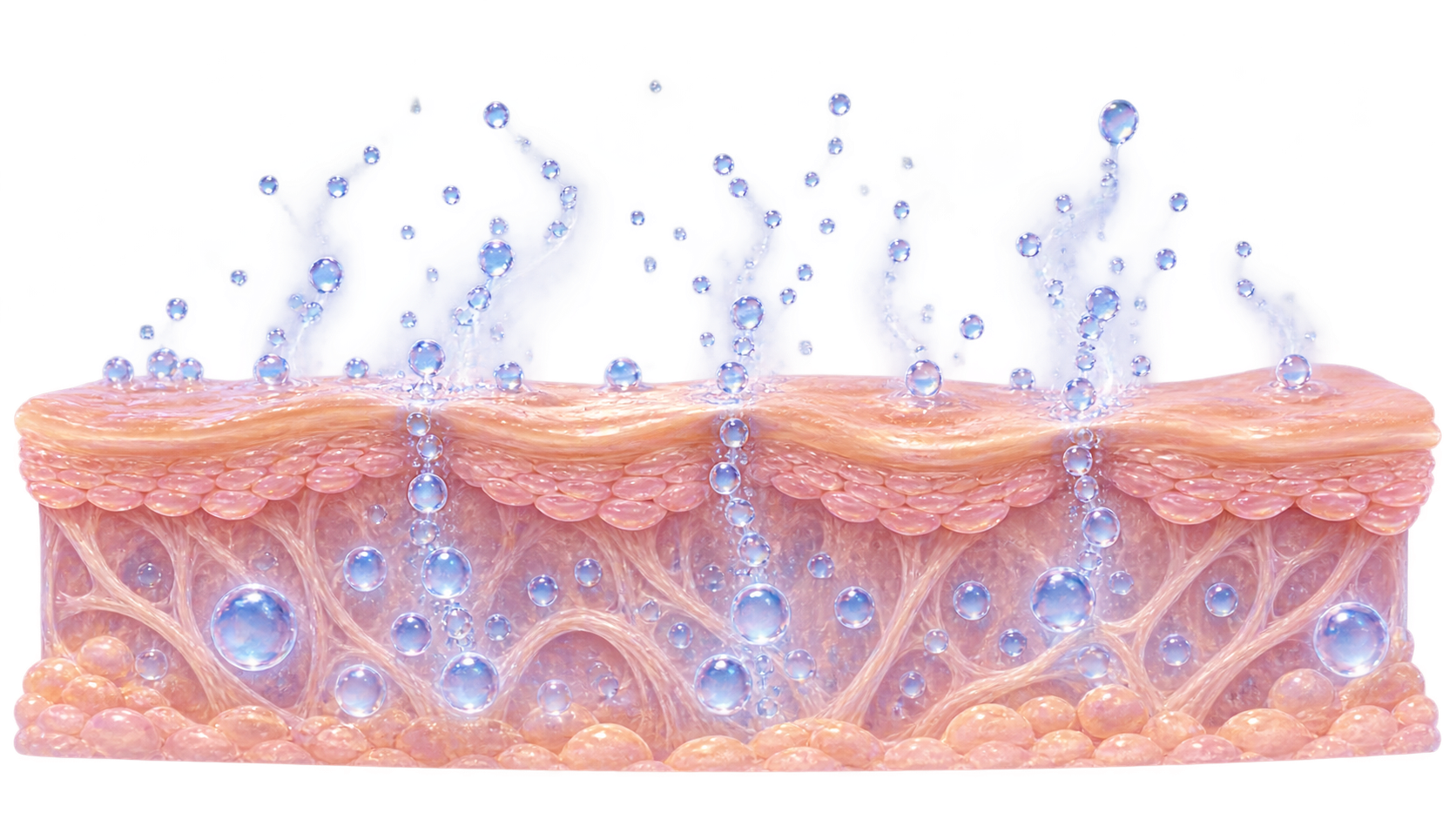
Water begins leaving the skin through transepidermal water loss (TEWL), reducing hydration levels.
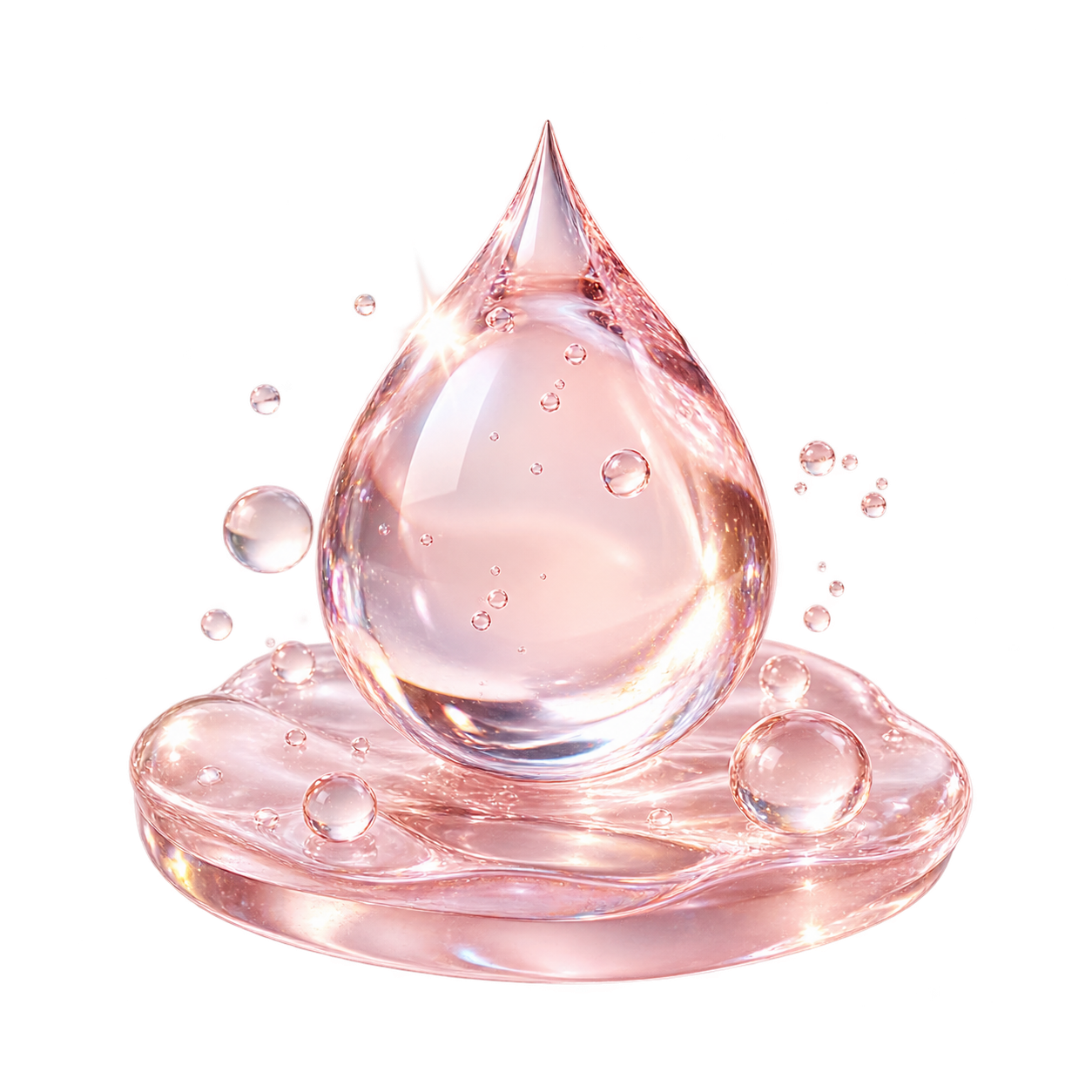
The outermost layer of the skin gradually loses moisture and becomes less hydrated.
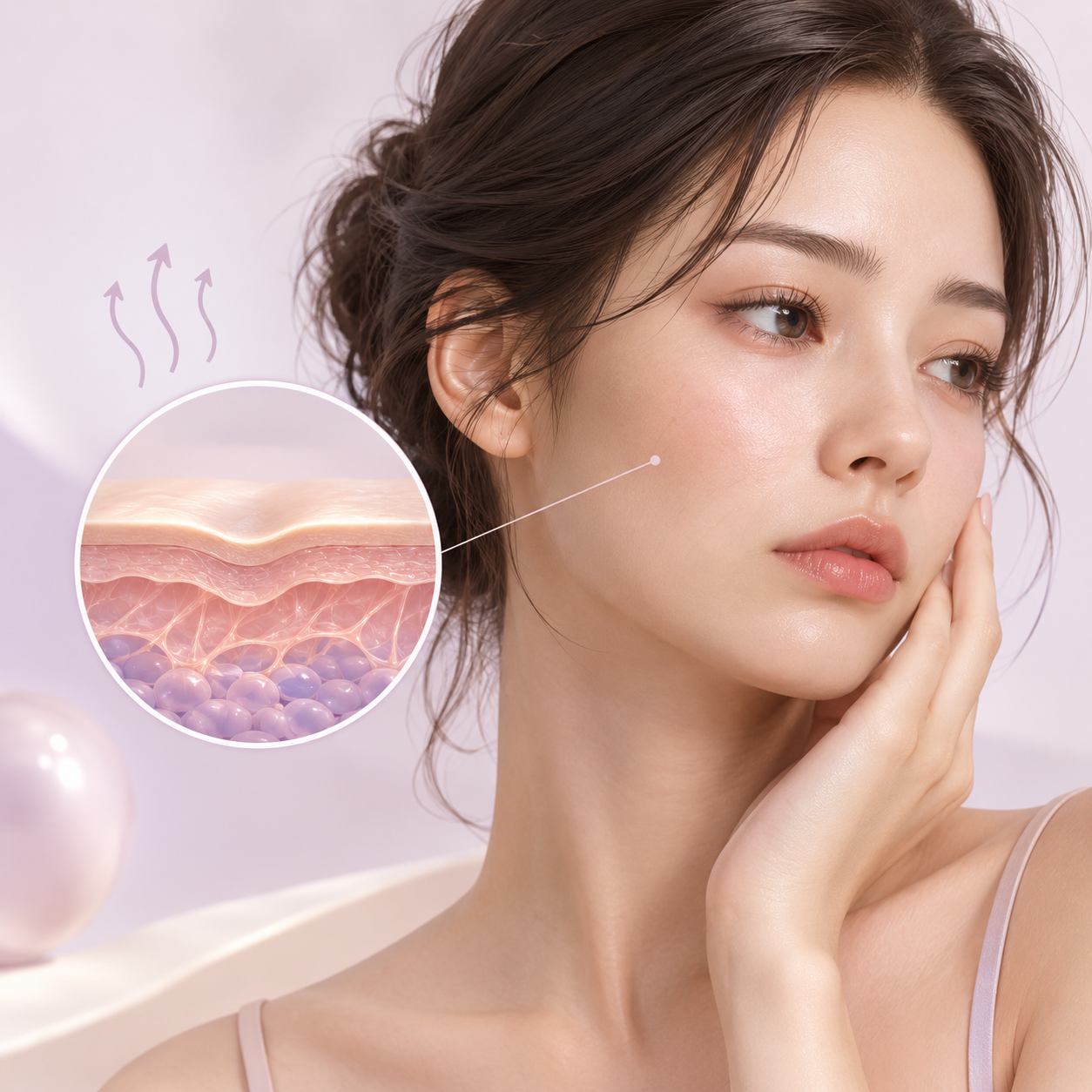
As hydration decreases, skin cells lose flexibility and their healthy, plump appearance.
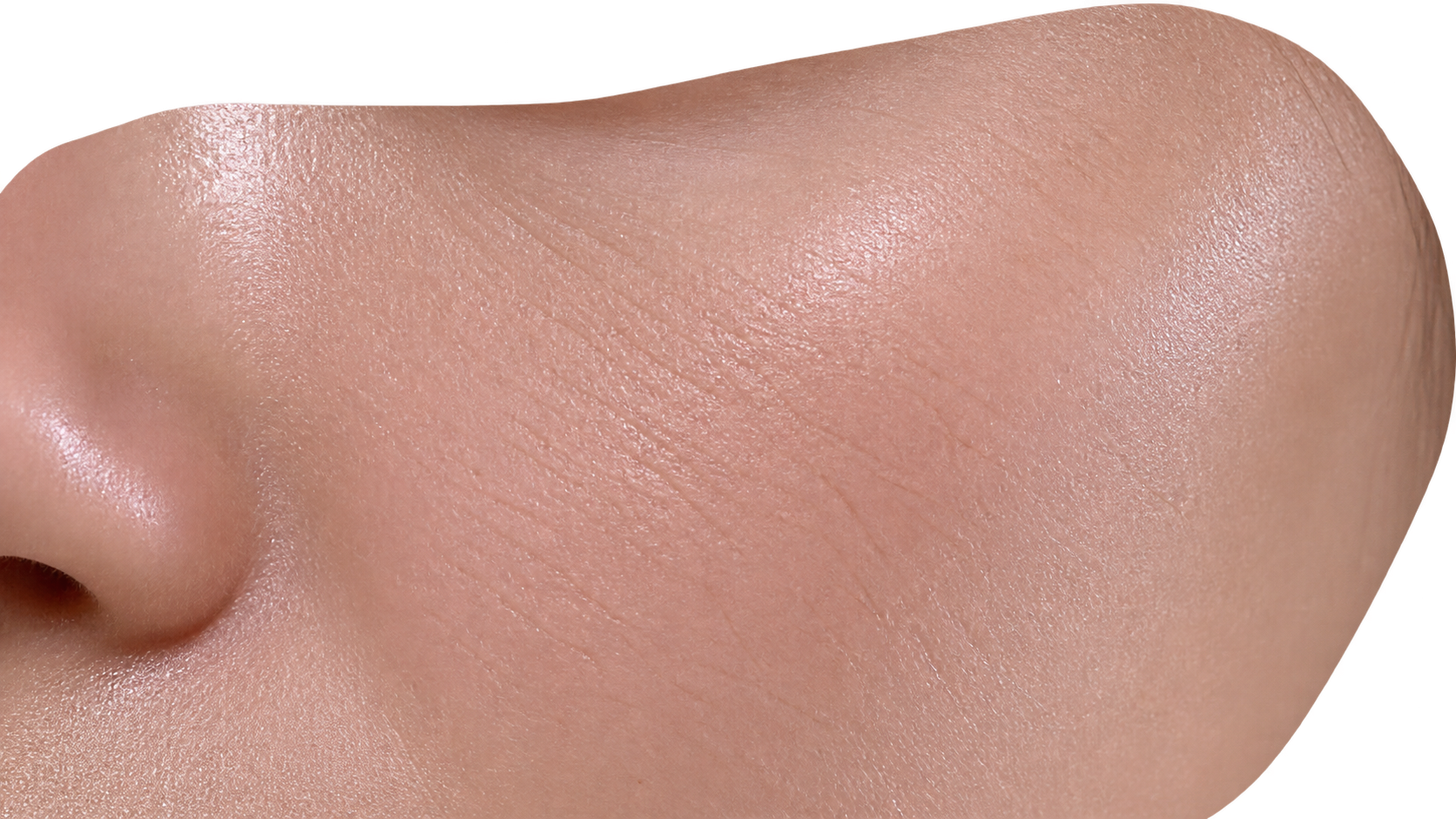
The skin feels tight, looks dull, becomes more sensitive, and loses its healthy glow.
Dehydrated skin has several noticeable characteristics. Although it can affect every skin type, it commonly appears dull, feels tight, and lacks the healthy, plump appearance of well-hydrated skin.
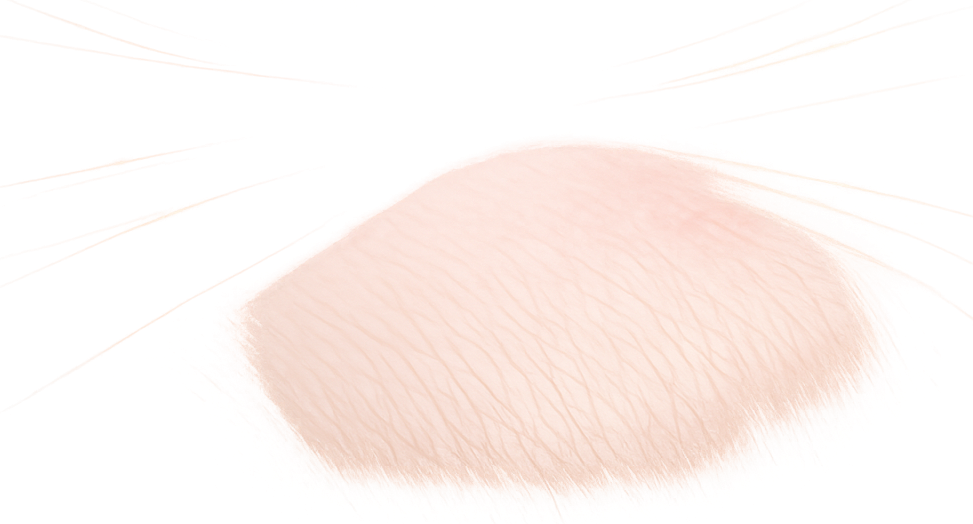
The skin often feels tight or uncomfortable, especially after cleansing.
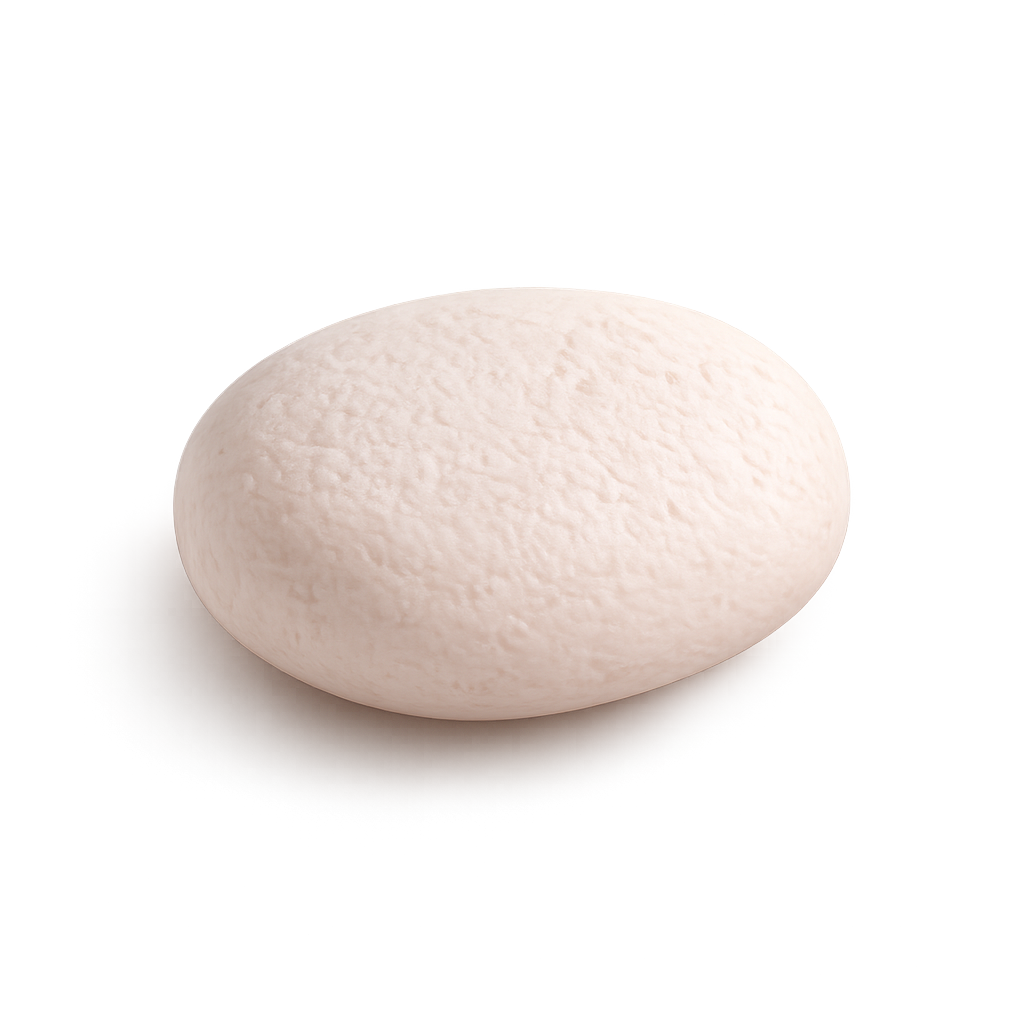
Skin may lose its natural glow and appear tired or lifeless.
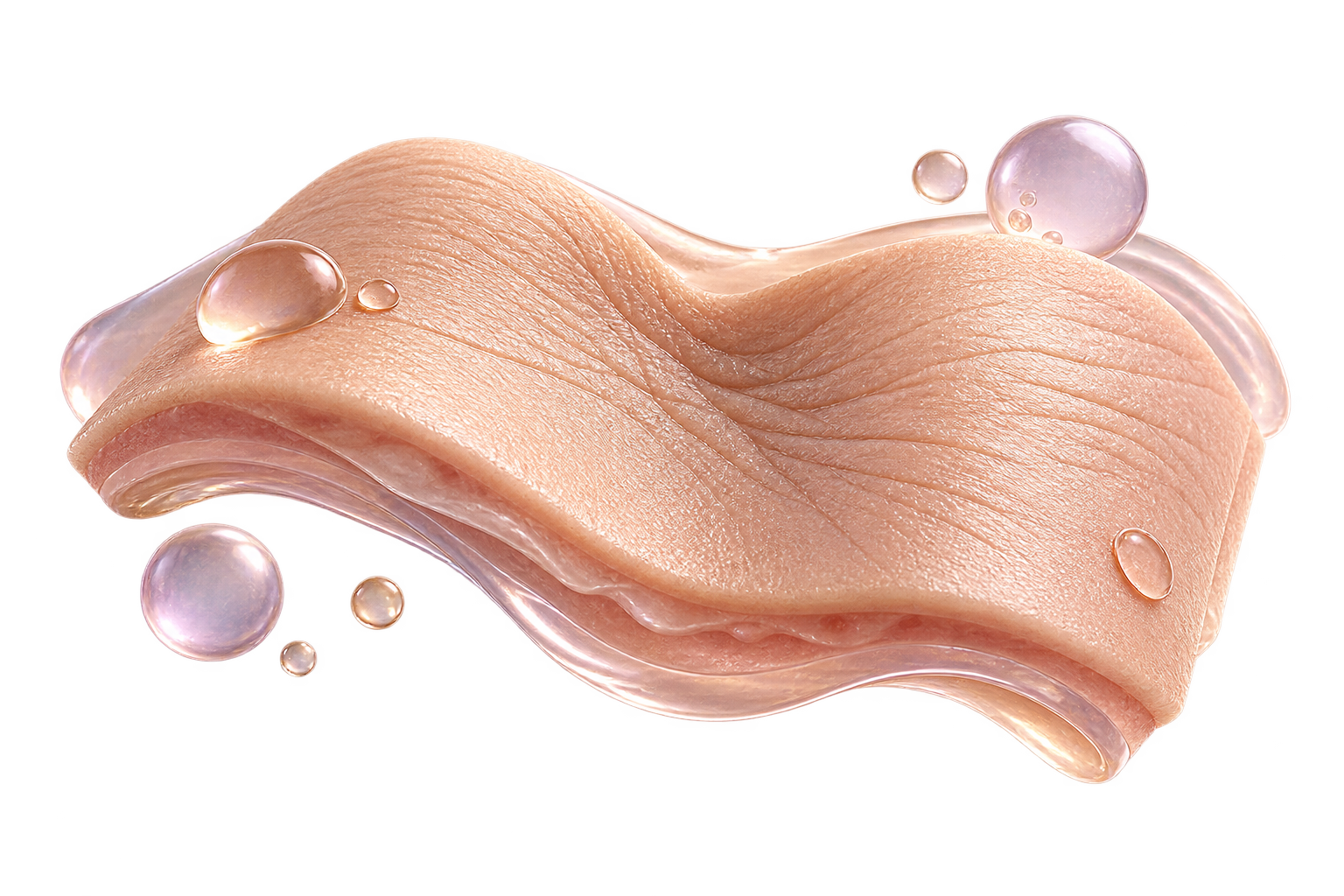
Temporary fine lines may become more visible because the skin lacks water.
The skin surface may feel uneven, rough, or less smooth than usual.
Dehydrated skin often becomes more reactive and may sting or feel uncomfortable more easily.
The skin may lose its soft, healthy, bouncy appearance due to reduced water content.
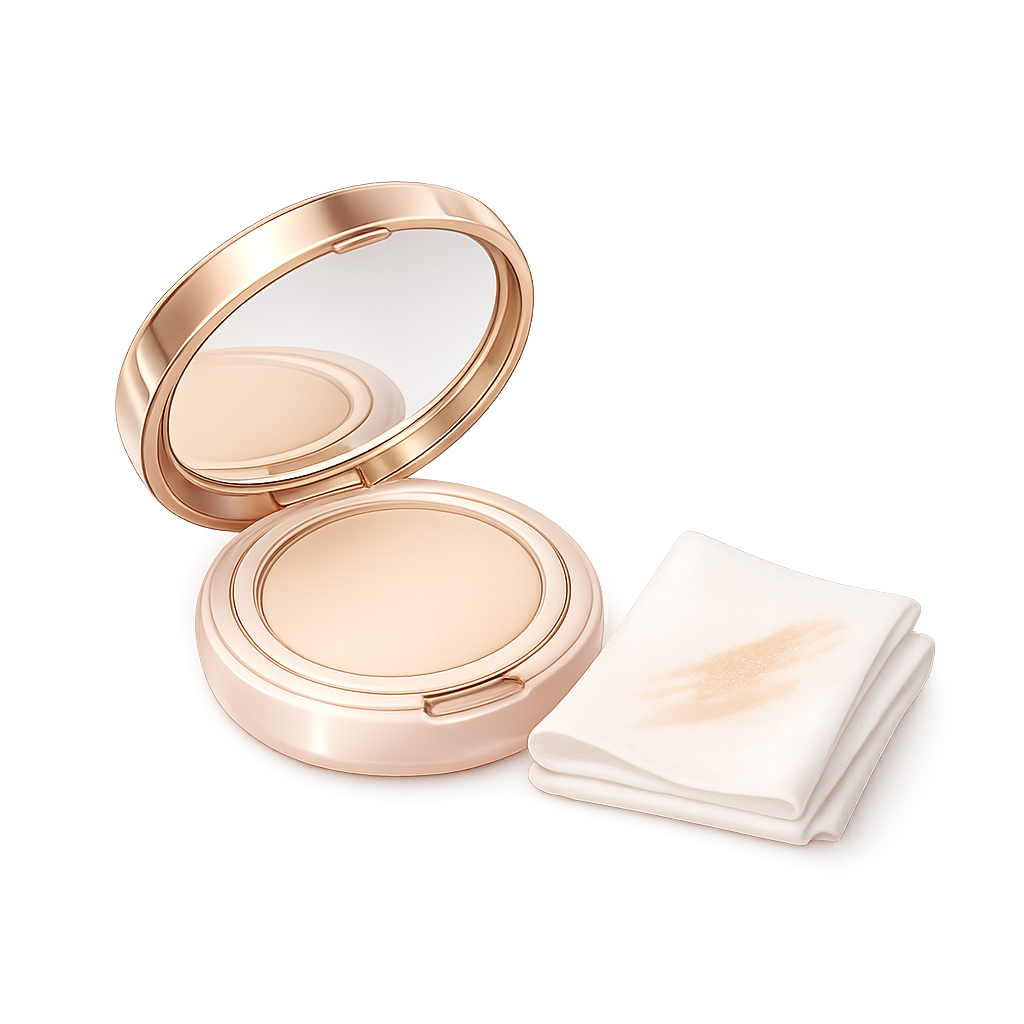
Foundation and concealer may cling to dry areas and appear uneven throughout the day.
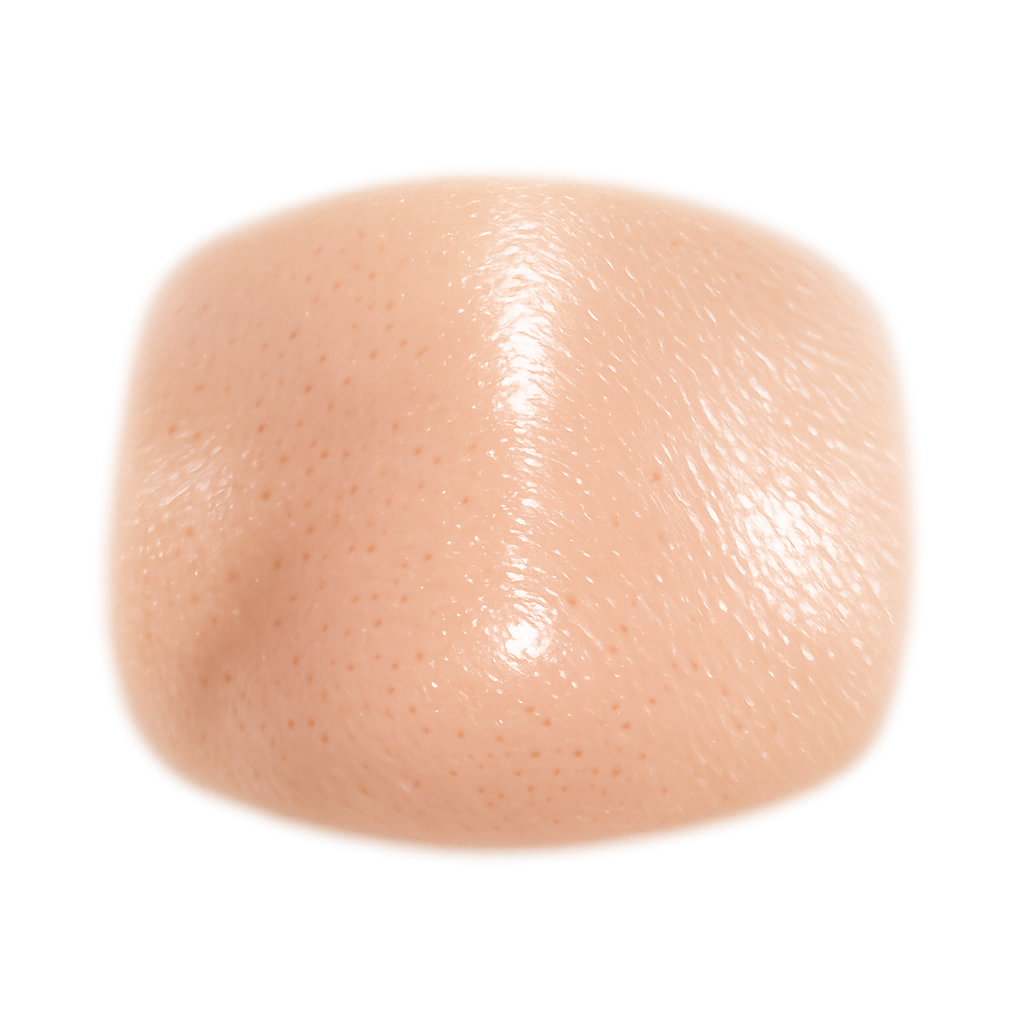
Some people experience oily-looking skin while it still feels tight because dehydration is caused by water loss—not excess oil.
Dehydrated skin develops when the skin loses more water than it can retain. Several internal and external factors can weaken the skin barrier and increase moisture loss.
A damaged skin barrier allows moisture to escape more easily, making it difficult for the skin to stay hydrated.
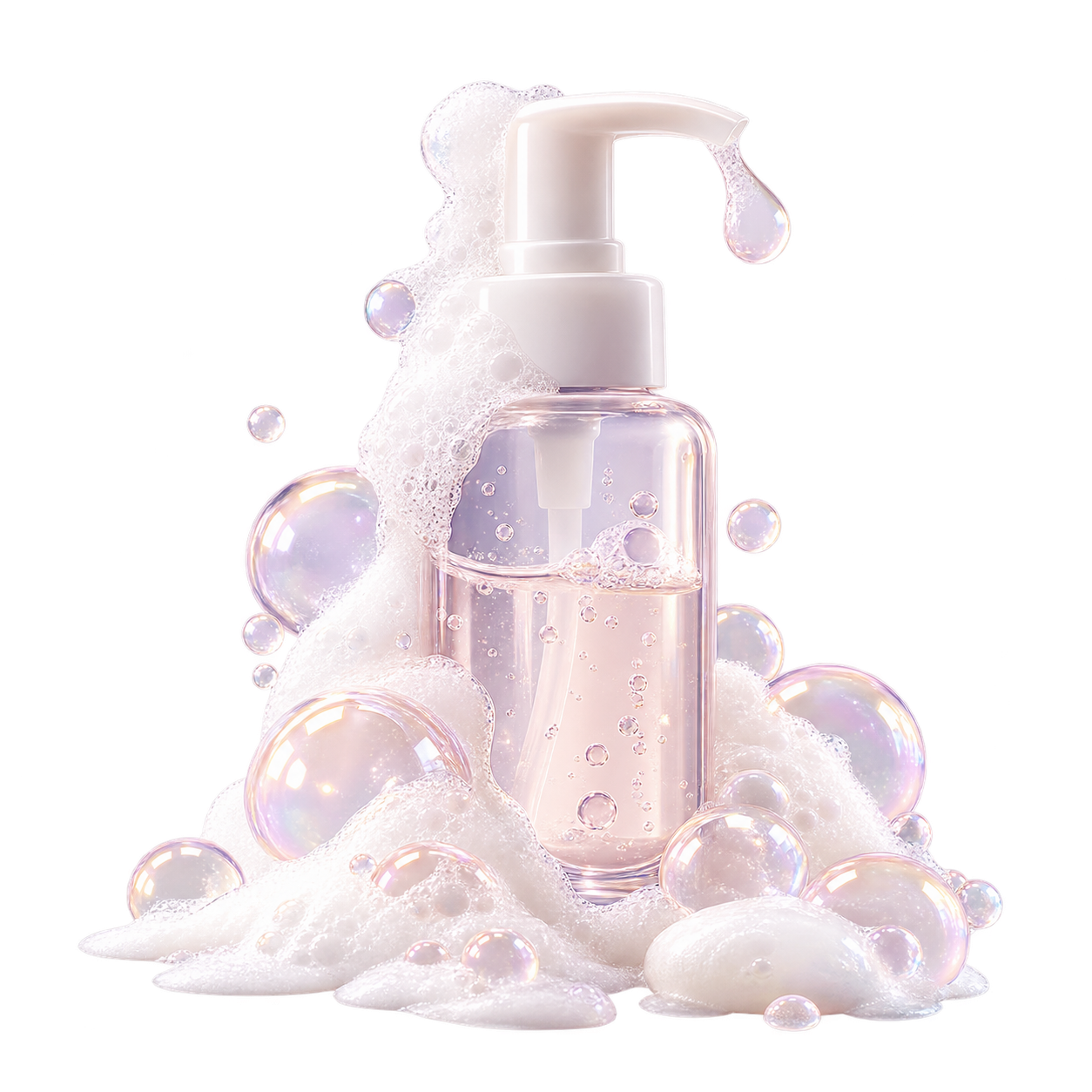
Washing the skin too frequently can remove protective lipids that help retain water.
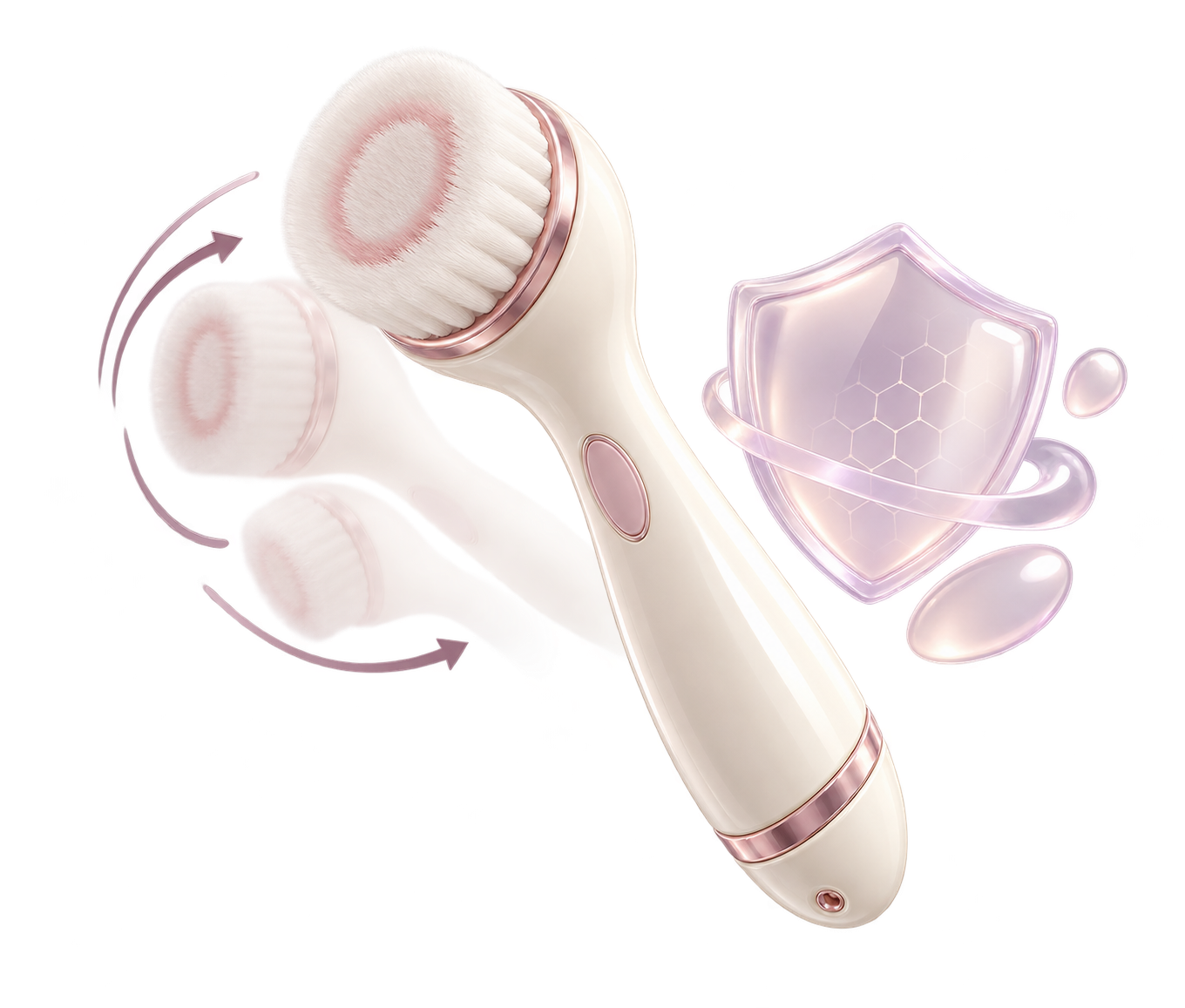
Using exfoliating acids or physical scrubs too often may weaken the skin barrier and increase water loss.
Hot water strips away protective lipids, allowing moisture to evaporate from the skin more quickly.
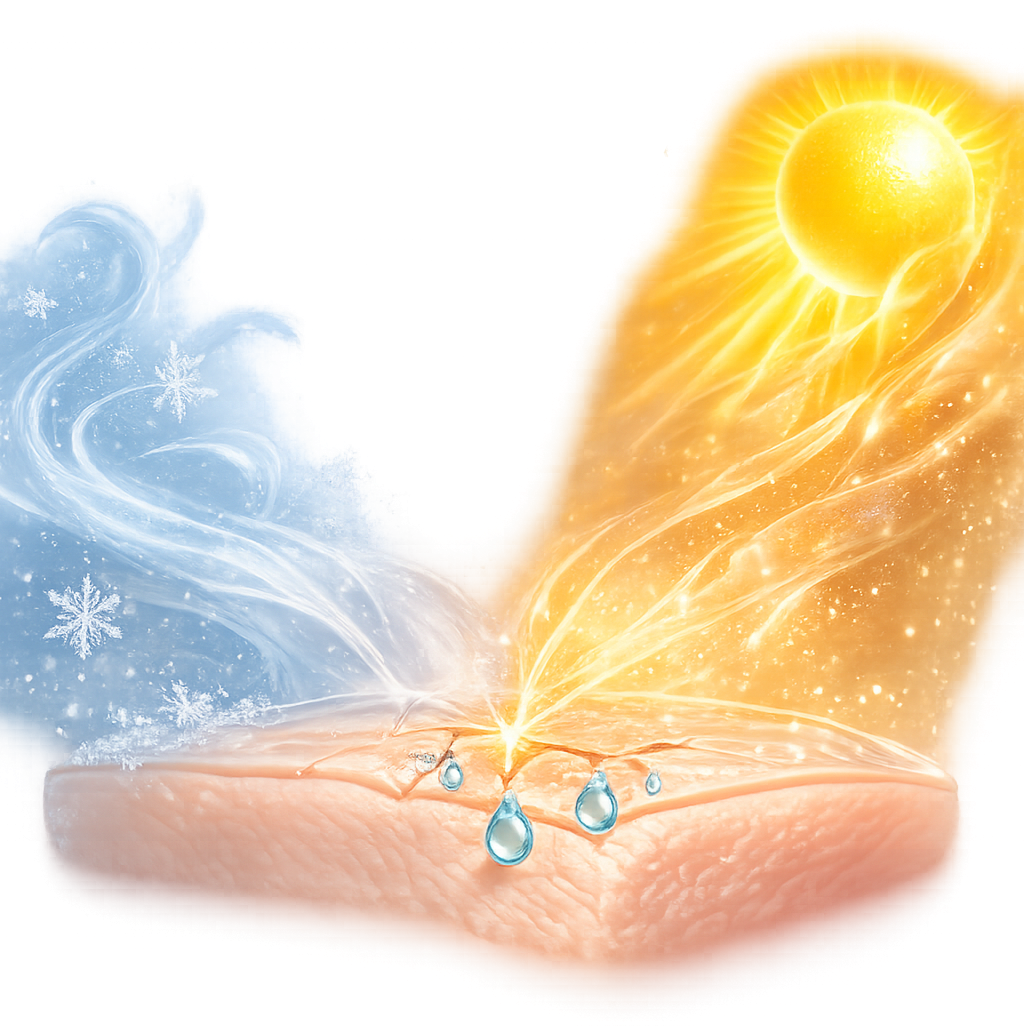
Low humidity and cold temperatures pull moisture from the skin, increasing dehydration.
Dry indoor air accelerates transepidermal water loss (TEWL), making dehydrated skin worse.
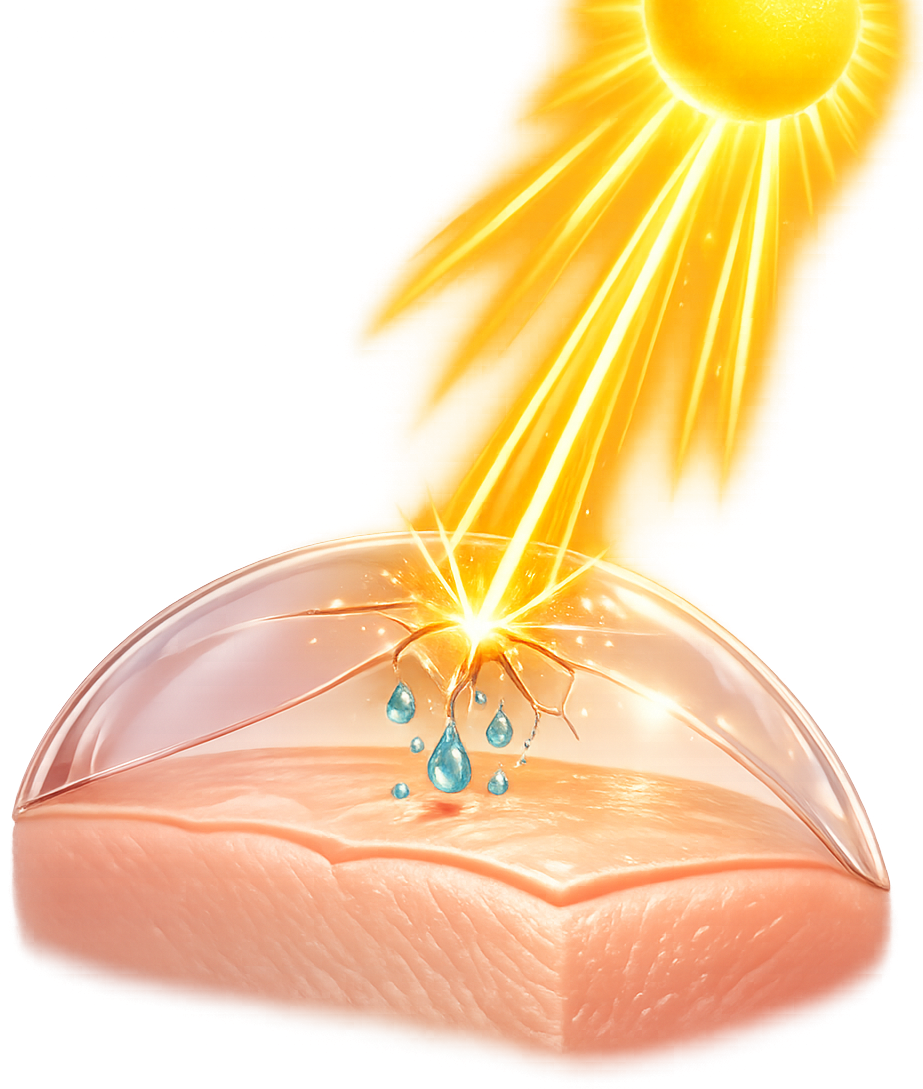
Sun damage weakens the skin barrier and contributes to increased water loss over time.
Without a moisturizer, water evaporates from the skin more easily, leaving it feeling tight and dehydrated.
Although these factors do not directly cause dehydration in everyone, they can increase moisture loss and make dehydrated skin feel tighter, rougher, and more uncomfortable.

Cold temperatures and low humidity can pull moisture from the skin, increasing dehydration.
Dry environments reduce moisture in the air, allowing more water to evaporate from the skin.
Heated indoor air lowers humidity and increases transepidermal water loss (TEWL).
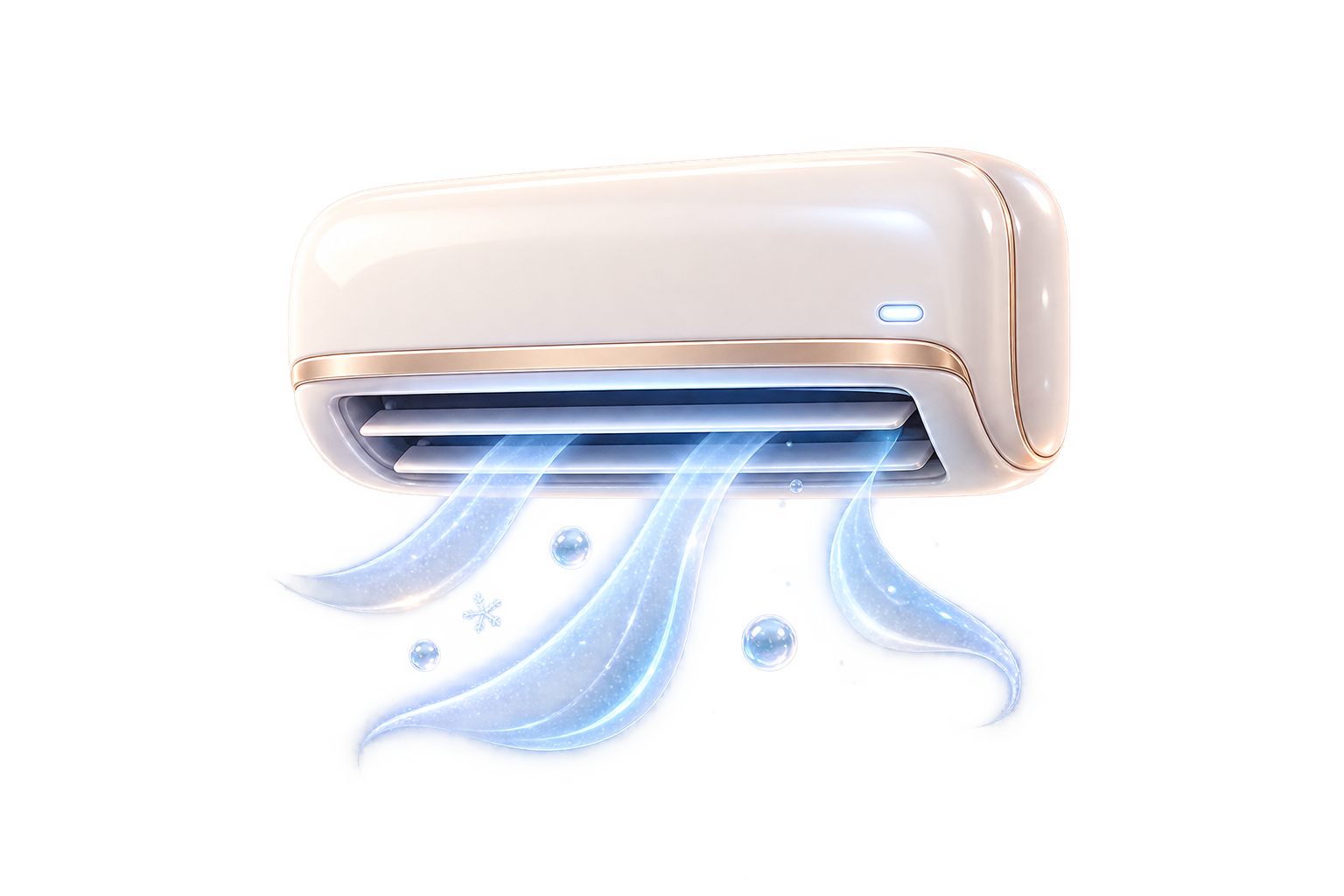
Air conditioning can dry the surrounding air, leaving the skin feeling dehydrated.
Hot water removes protective lipids, making it easier for water to escape from the skin.
Strong cleansers may strip the skin barrier and contribute to increased moisture loss.
Exfoliating too often can weaken the skin barrier and make dehydration worse.

Without a moisturizer, water evaporates from the skin more easily throughout the day.
UV exposure weakens the skin barrier and increases water loss over time.
Strong winds accelerate evaporation from the skin, leaving it feeling dry and tight.
Dehydrated skin can affect the entire face and body because every area of the skin requires water to remain healthy. However, it is often most noticeable in areas that are frequently exposed to the environment or naturally lose moisture more easily.
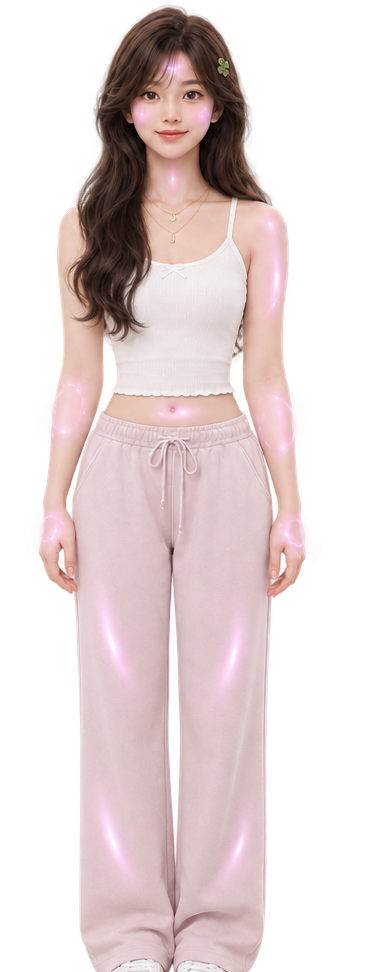
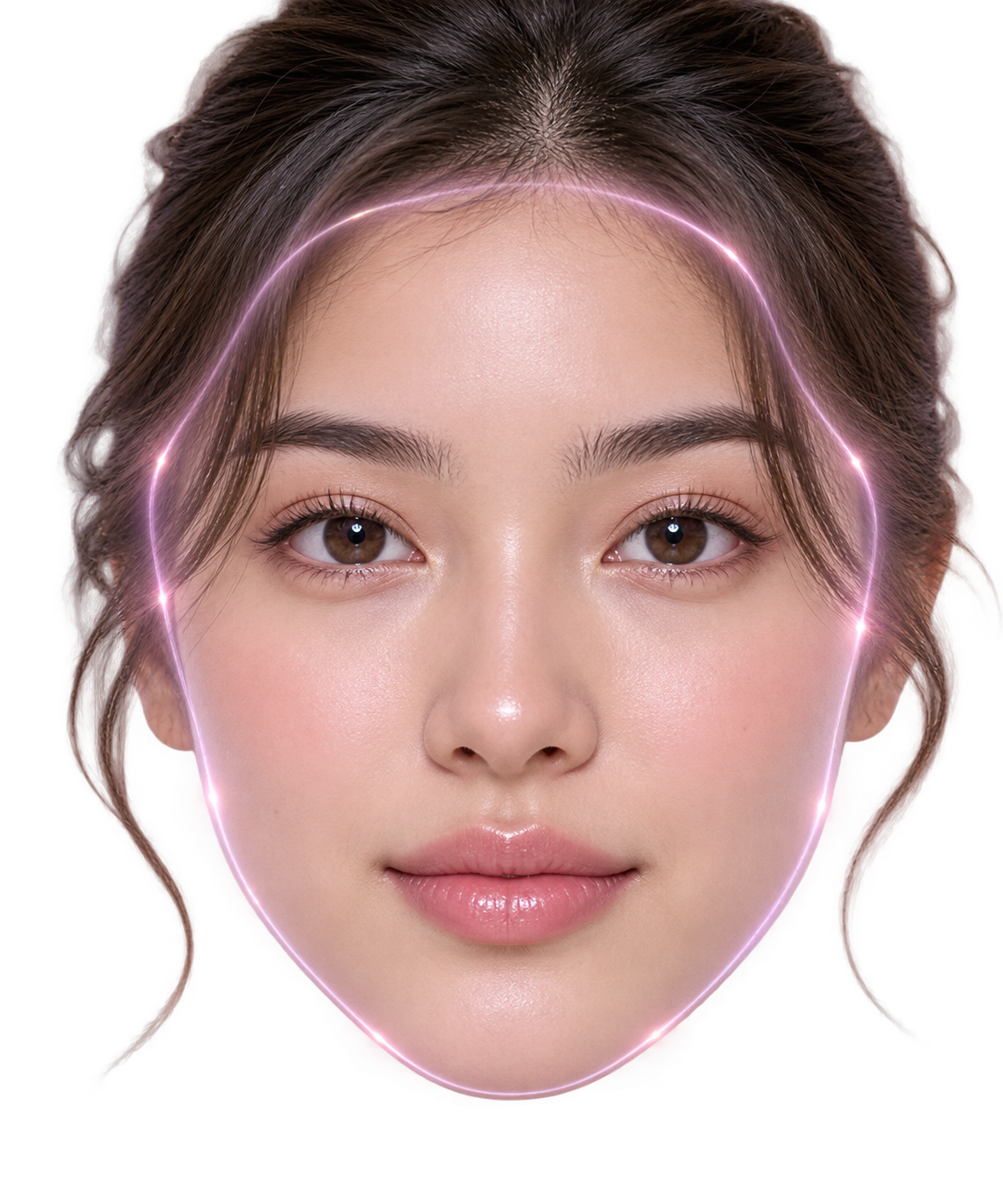
The face is the most common area where dehydration becomes noticeable because it is constantly exposed to the environment.
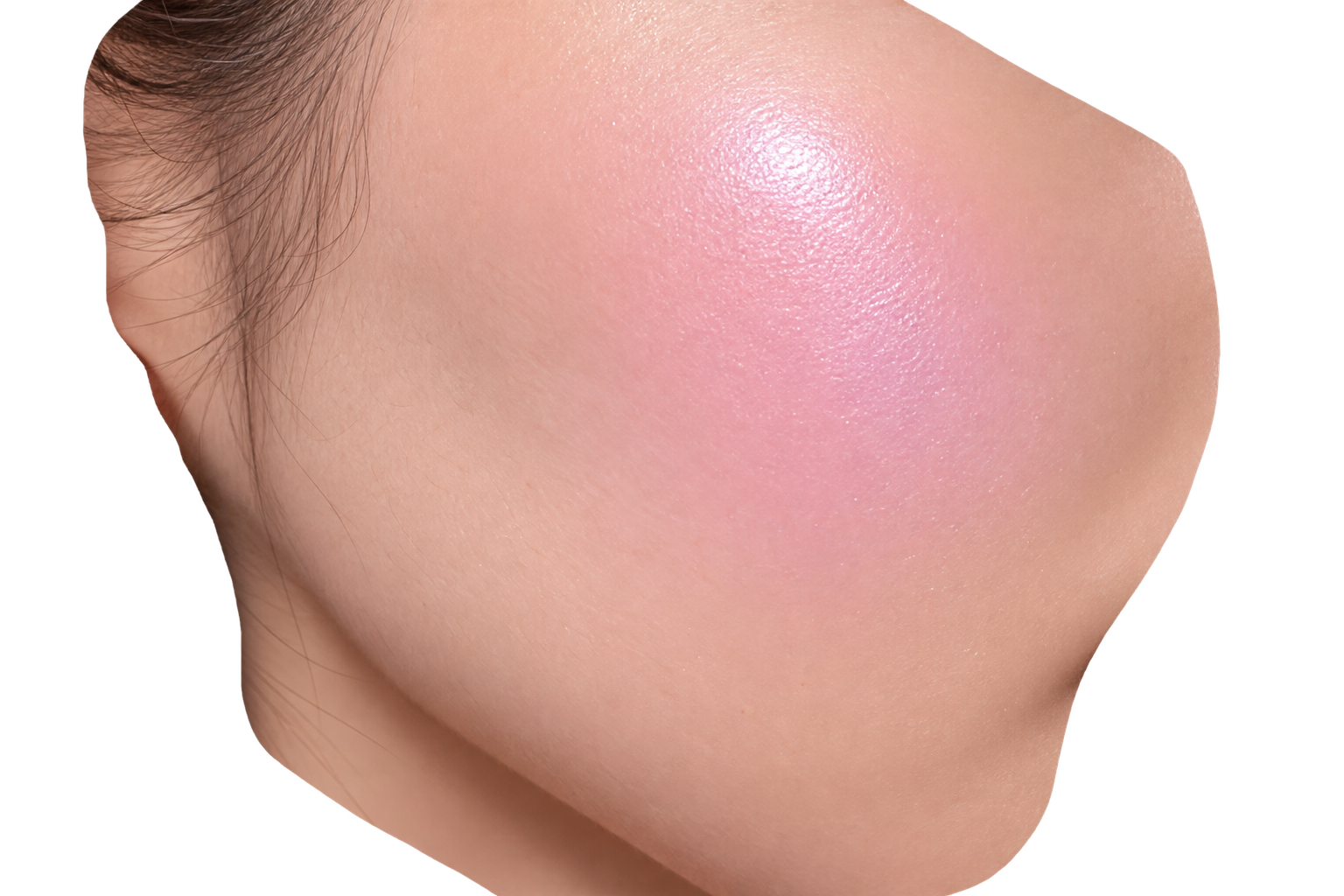
Cheeks often feel tight and appear dull because they naturally lose moisture more easily.
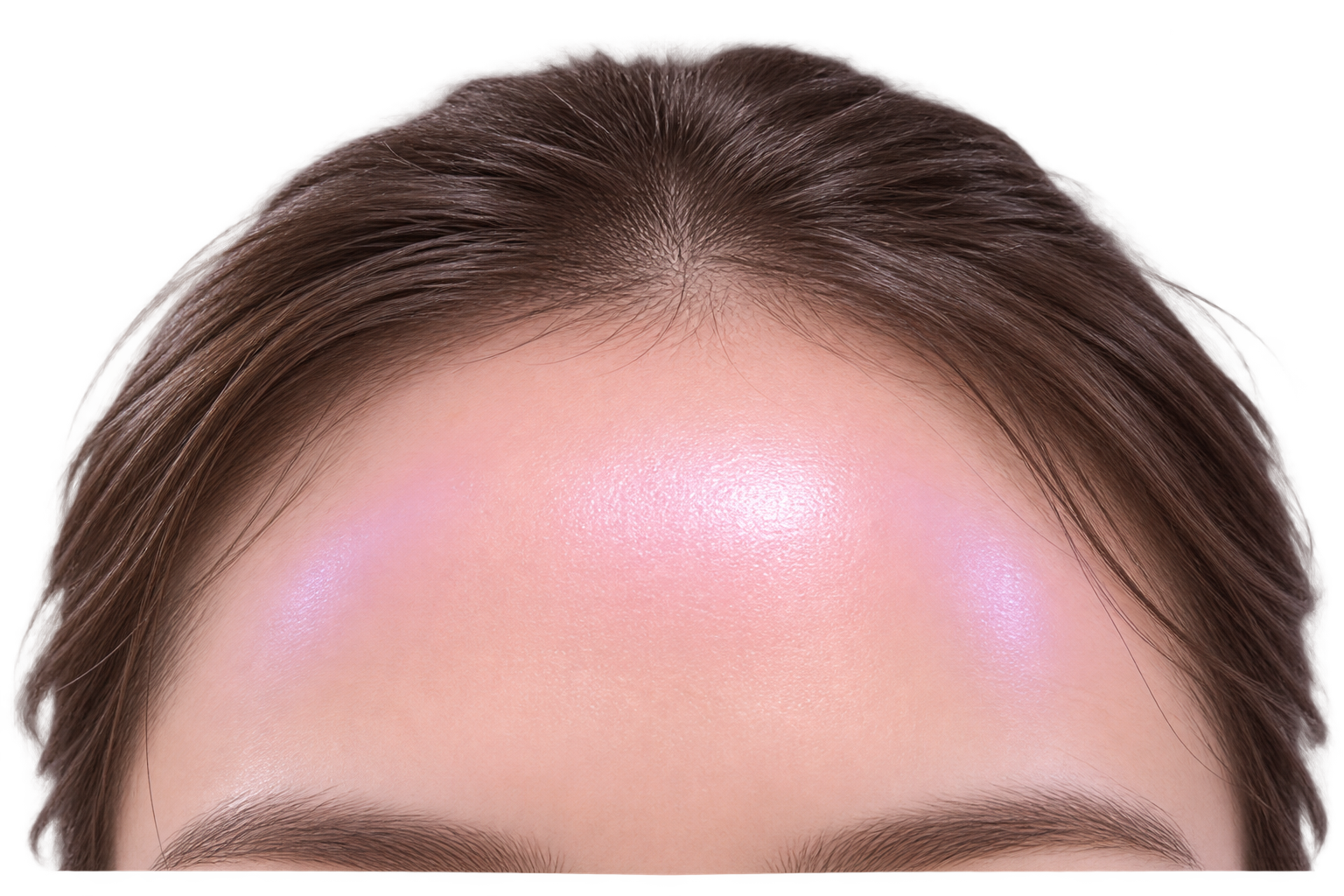
Fine dehydration lines may become more visible across the forehead when the skin lacks water.
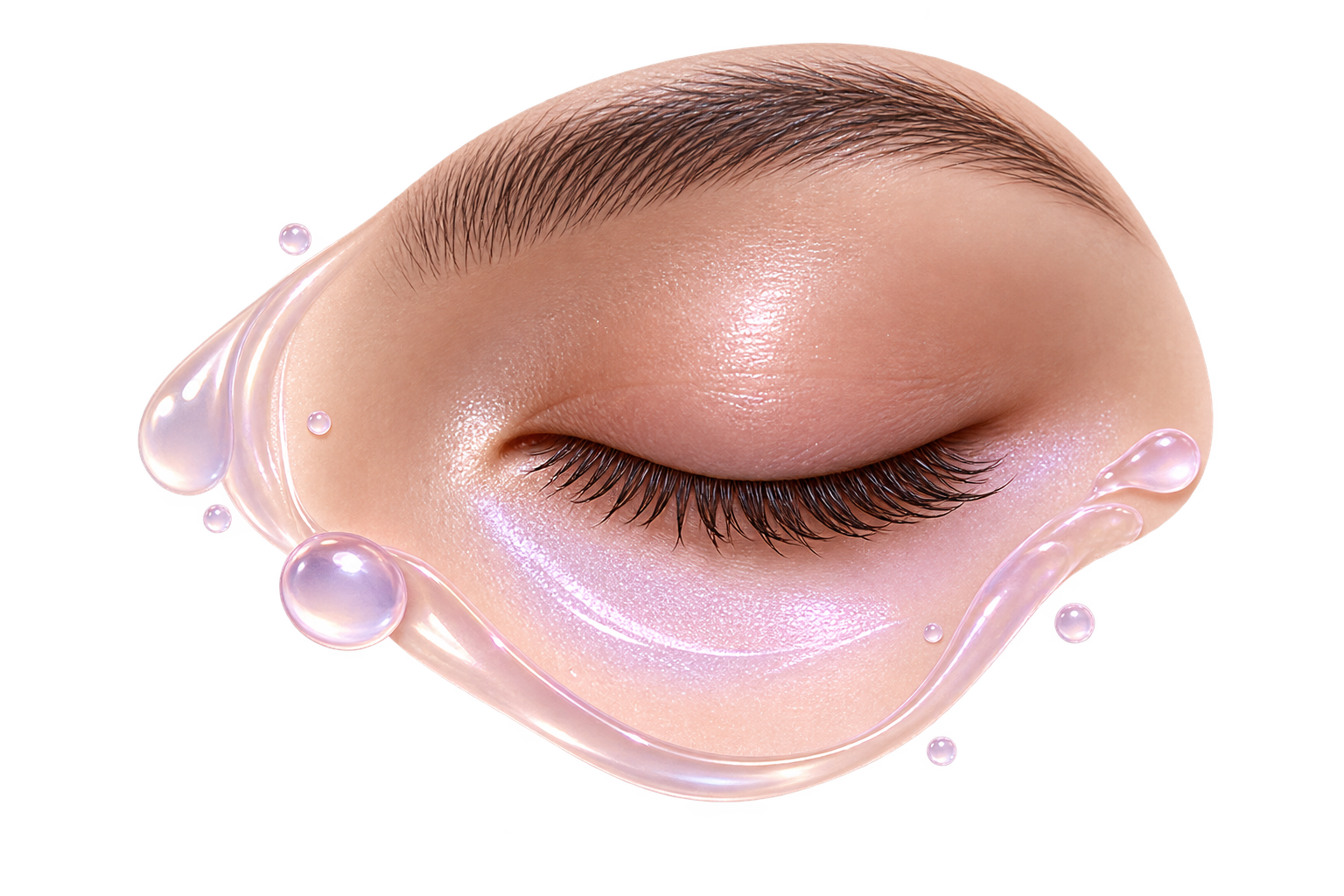
The delicate eye area often shows dehydration first, making fine lines appear more noticeable.
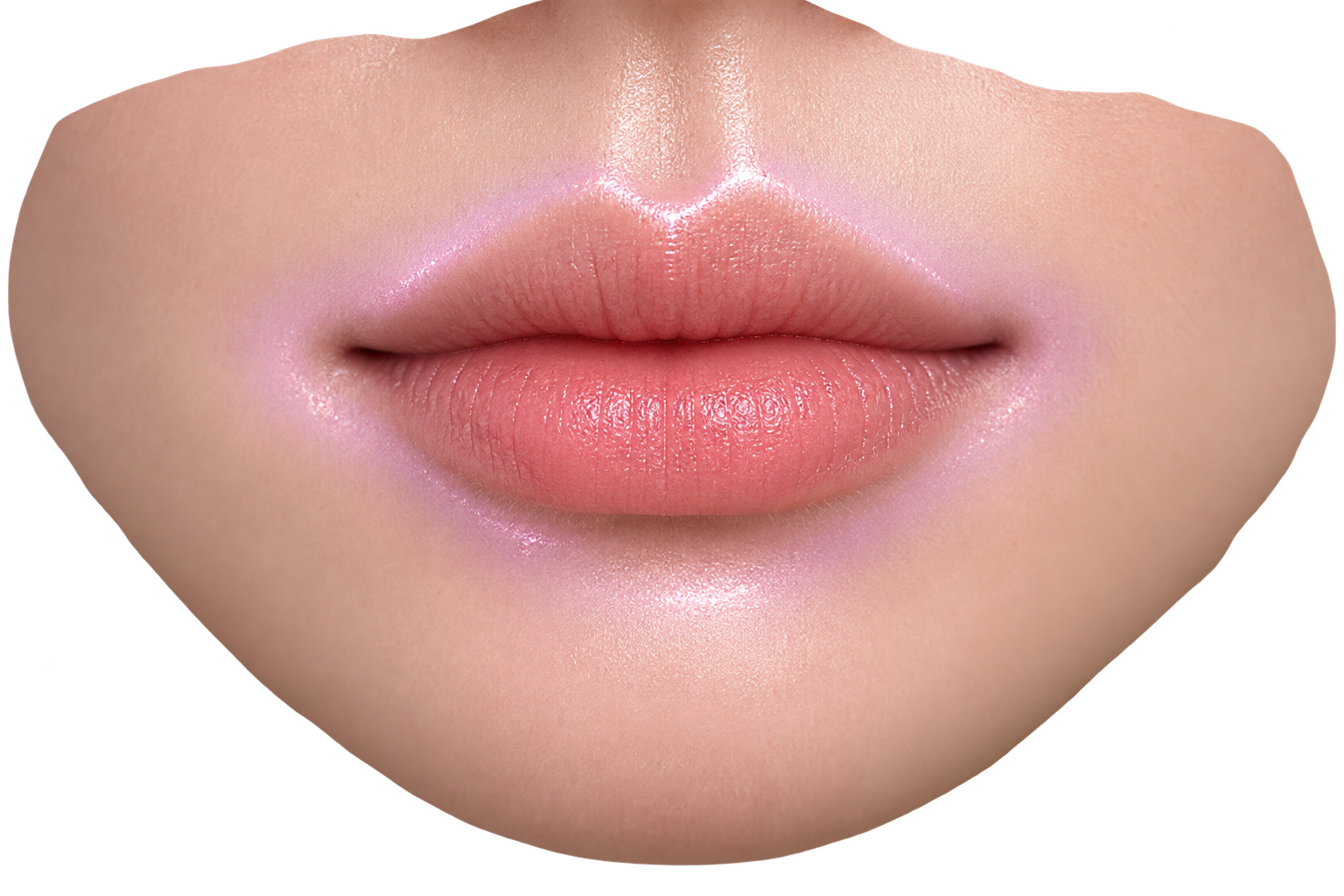
Skin around the mouth may become rough, flaky, or feel tight when hydration levels decrease.
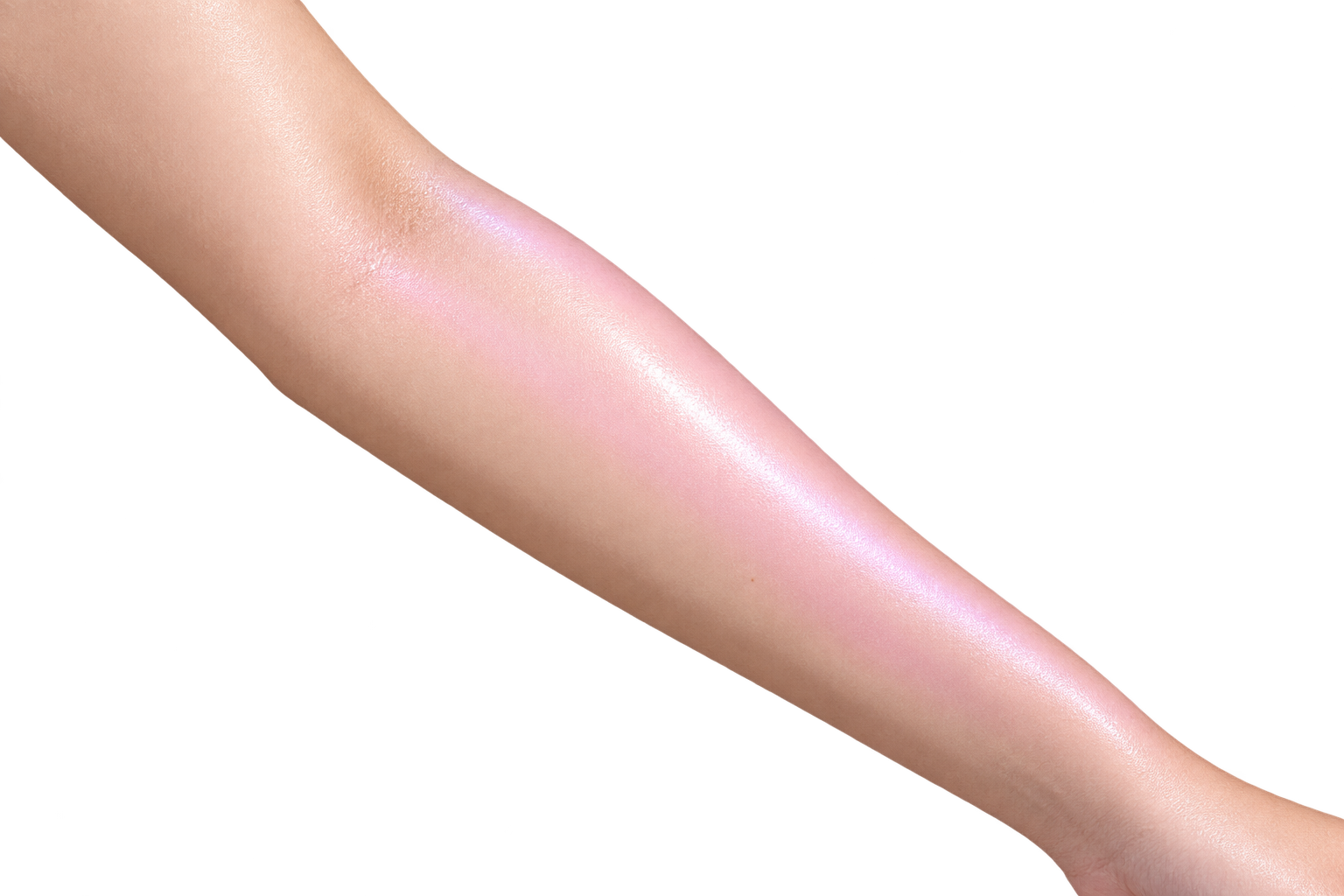
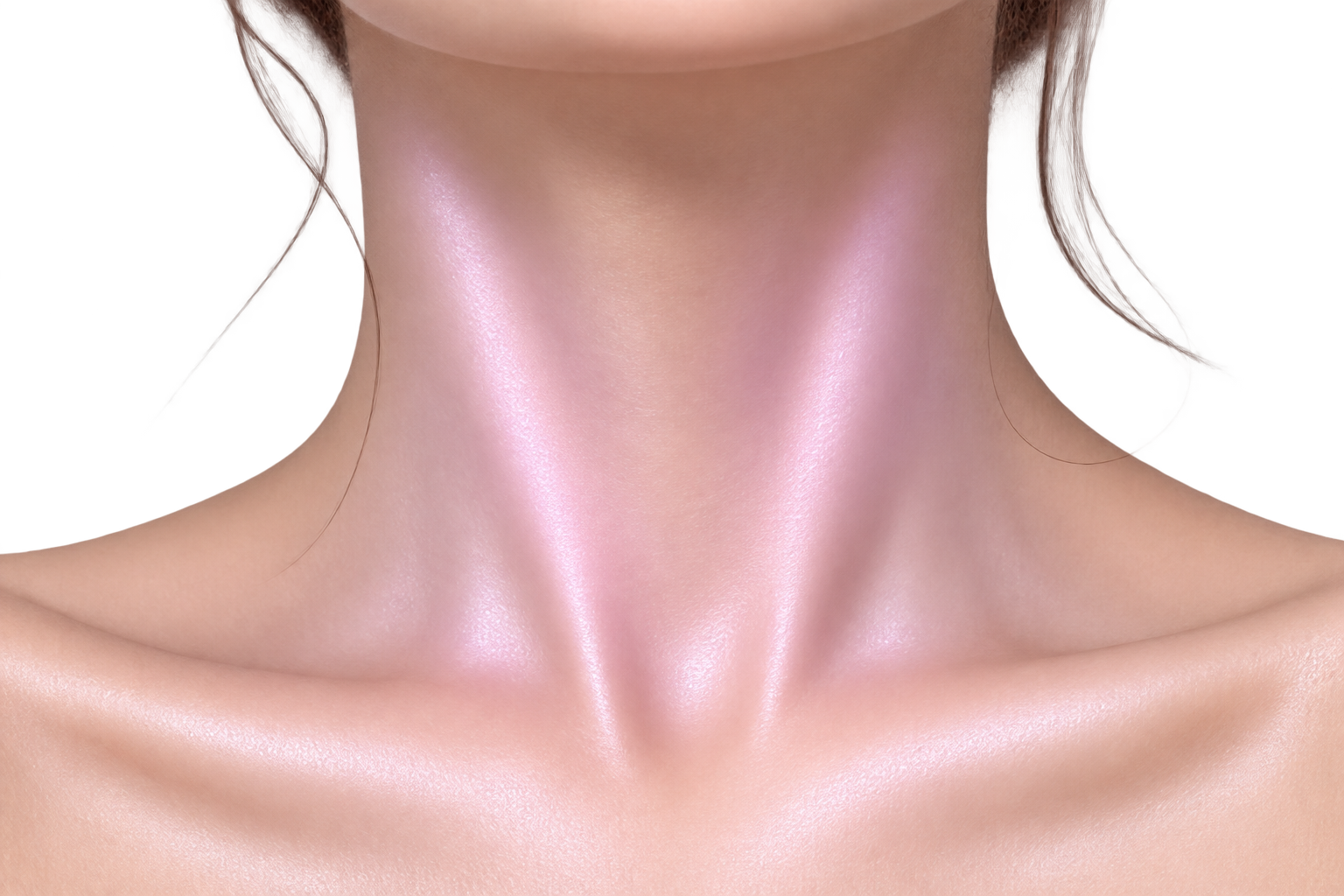
Dehydration is also common on the neck, hands, and arms, especially after frequent washing or exposure to dry weather.
Although dehydrated skin and dry skin are often confused, they are different skin concerns. One lacks water, while the other lacks oil.
| Dehydrated Skin | Dry Skin |
|---|---|
| Lacks water | Lacks oil (sebum) |
| Temporary skin condition | Skin type or long-term condition |
| Can affect any skin type | More common in naturally dry skin |
| May appear oily | Usually produces very little oil |
| Needs hydration and barrier support | Needs barrier-replenishing ingredients |
Oily skin can still become dehydrated because producing more oil does not mean the skin contains enough water.
Hydrating and barrier-supporting ingredients help replenish water, reduce moisture loss, and improve the skin's ability to stay healthy and comfortable.
Draws water into the skin and improves hydration.
All skin types, especially dehydrated skin.
Acts as a humectant, attracting water into the outer layers of the skin to improve hydration.
Maintaining healthy hydration is often easier than treating dehydrated skin after it develops. A consistent skincare routine and healthy habits can help support the skin barrier and reduce moisture loss.
Cleanse with a gentle cleanser that removes impurities without stripping the skin barrier.
Apply moisturizer immediately after cleansing to help lock water into the skin.
Ingredients such as glycerin and hyaluronic acid help draw water into the skin.
Hot water increases moisture loss and can weaken the skin barrier.
Avoid using exfoliating acids or scrubs too frequently to protect the skin barrier.
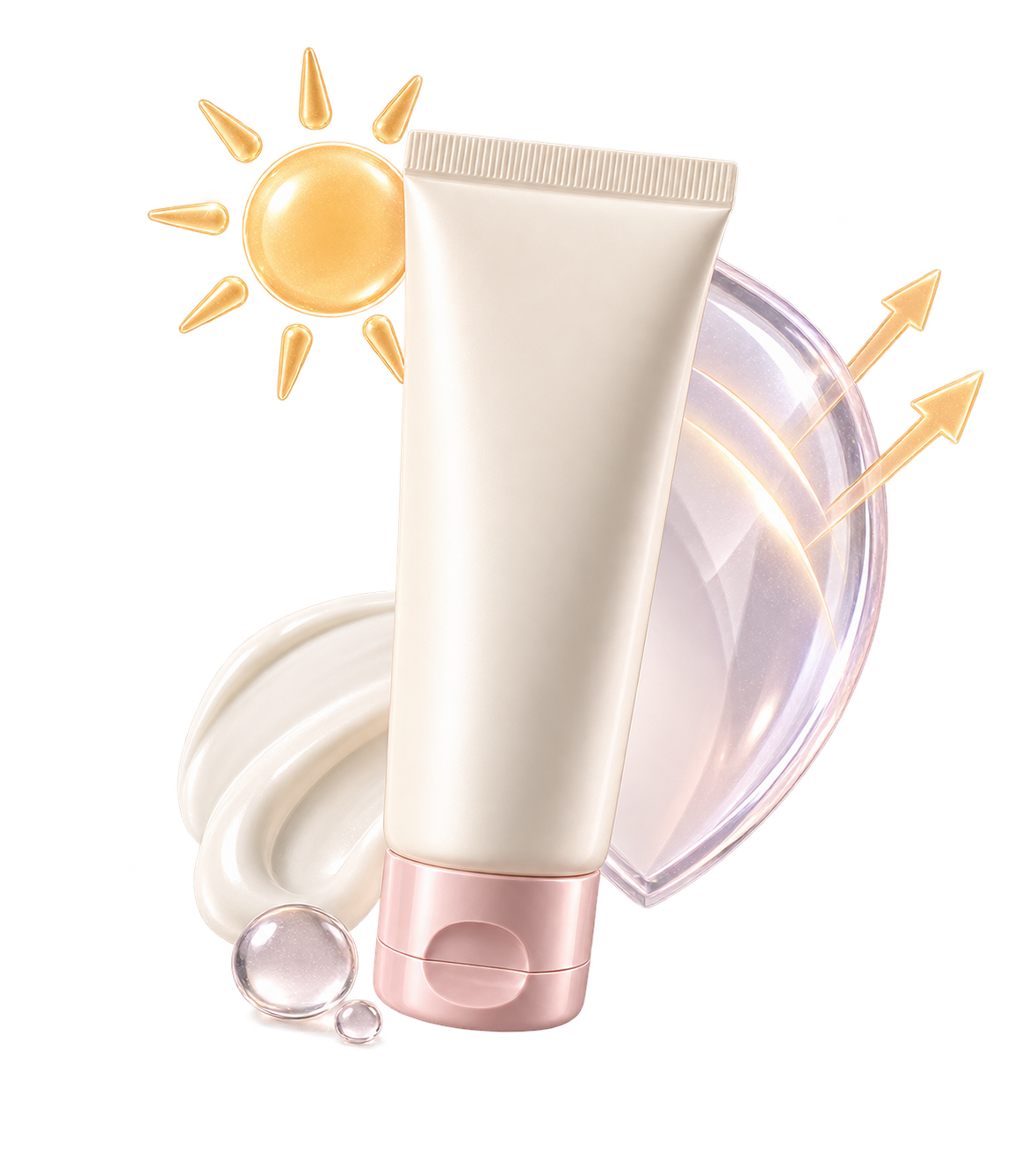
Daily sun protection helps reduce UV damage that can weaken the skin barrier.
Use products containing ceramides and other barrier-supporting ingredients to reduce water loss.
Drinking enough water supports overall health and helps maintain normal body hydration.
Dehydrated skin is often misunderstood. Let's separate common myths from evidence-based facts to better understand how skin hydration really works.
Only dry skin can become dehydrated.
Dehydrated skin can affect every skin type, including oily and combination skin.
Oily skin is always well hydrated.
Oily skin can produce excess sebum while still lacking water.
Drinking more water alone will fix dehydrated skin.
While staying hydrated is important, improving skin hydration also requires a healthy skin barrier and an effective skincare routine.
You don't need moisturizer if your skin is oily.
Moisturizer helps reduce water loss and supports the skin barrier, even if your skin produces excess oil.
Dehydrated skin and dry skin are the same thing.
Dry skin lacks oil, while dehydrated skin lacks water. They are different skin concerns and may require different skincare approaches.
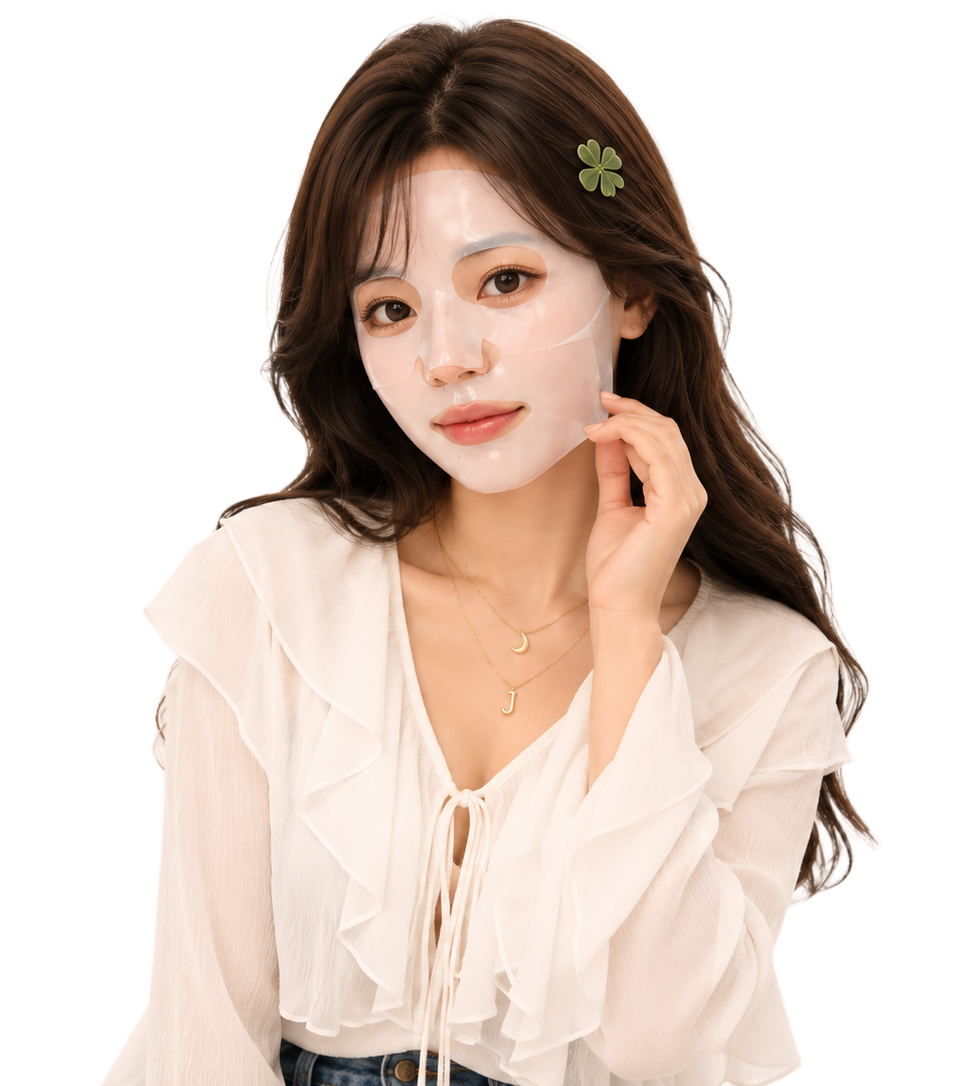
If your skin feels tight but also looks shiny or oily, don't assume it's simply oily skin. Your skin may actually be dehydrated and lacking water rather than oil.
Focus on replenishing water with ingredients like glycerin, hyaluronic acid, and panthenol. Then help lock that hydration into the skin by using a moisturizer that supports the skin barrier.
Hydrated skin often feels more comfortable, appears healthier, and functions better. Remember, consistency with a gentle, barrier-supporting routine is far more effective than using multiple harsh products at once.
— Mimii ♡