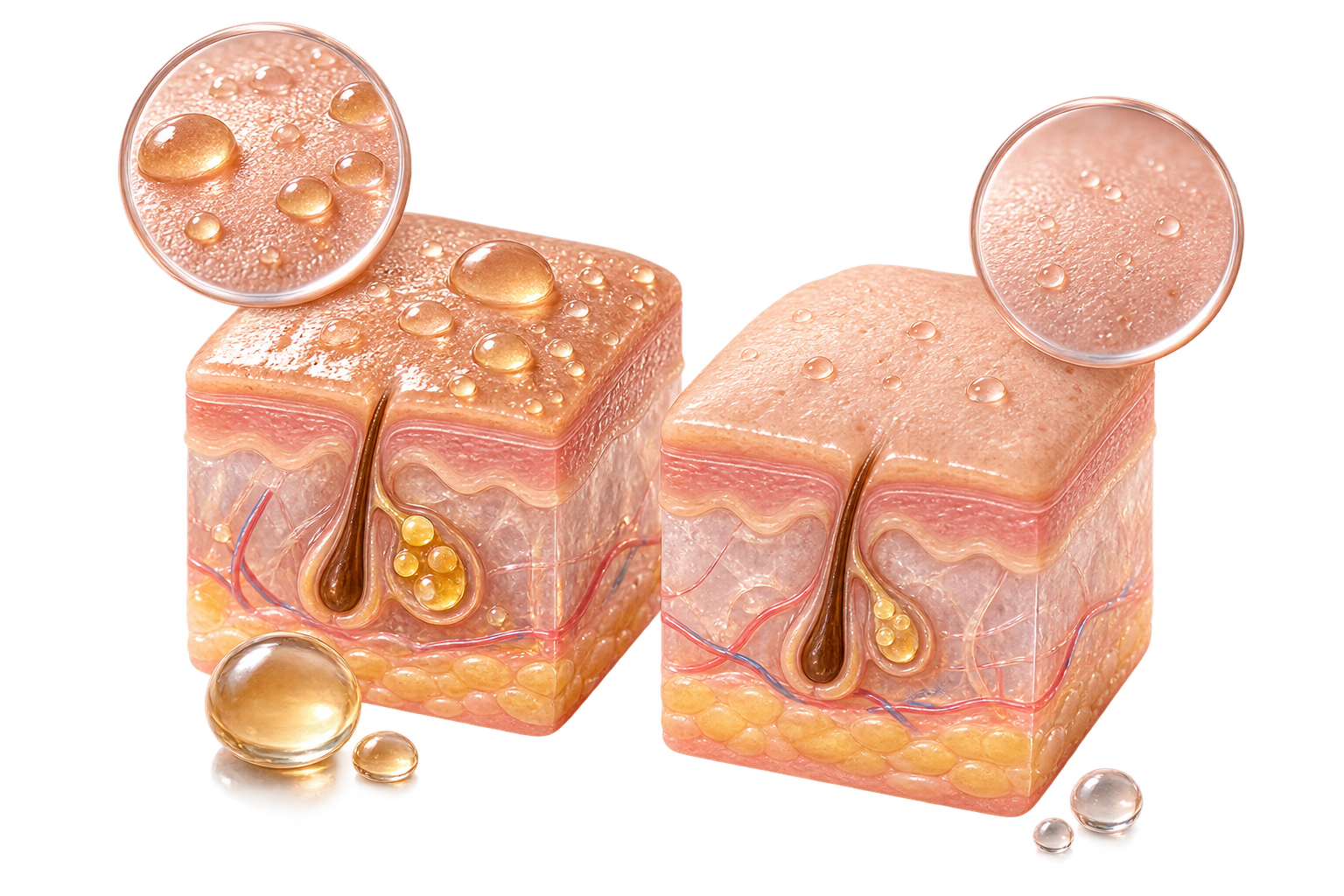
Different Oil Production
Some areas contain more active sebaceous glands than others.
 ×
×
Combination skin can feel like you're dealing with two different skin types at once.
Learn why some areas become oily while others feel dry, how to recognize combination skin, what can affect it, and how to build a balanced routine that works for your whole face.
Start Learning ↓
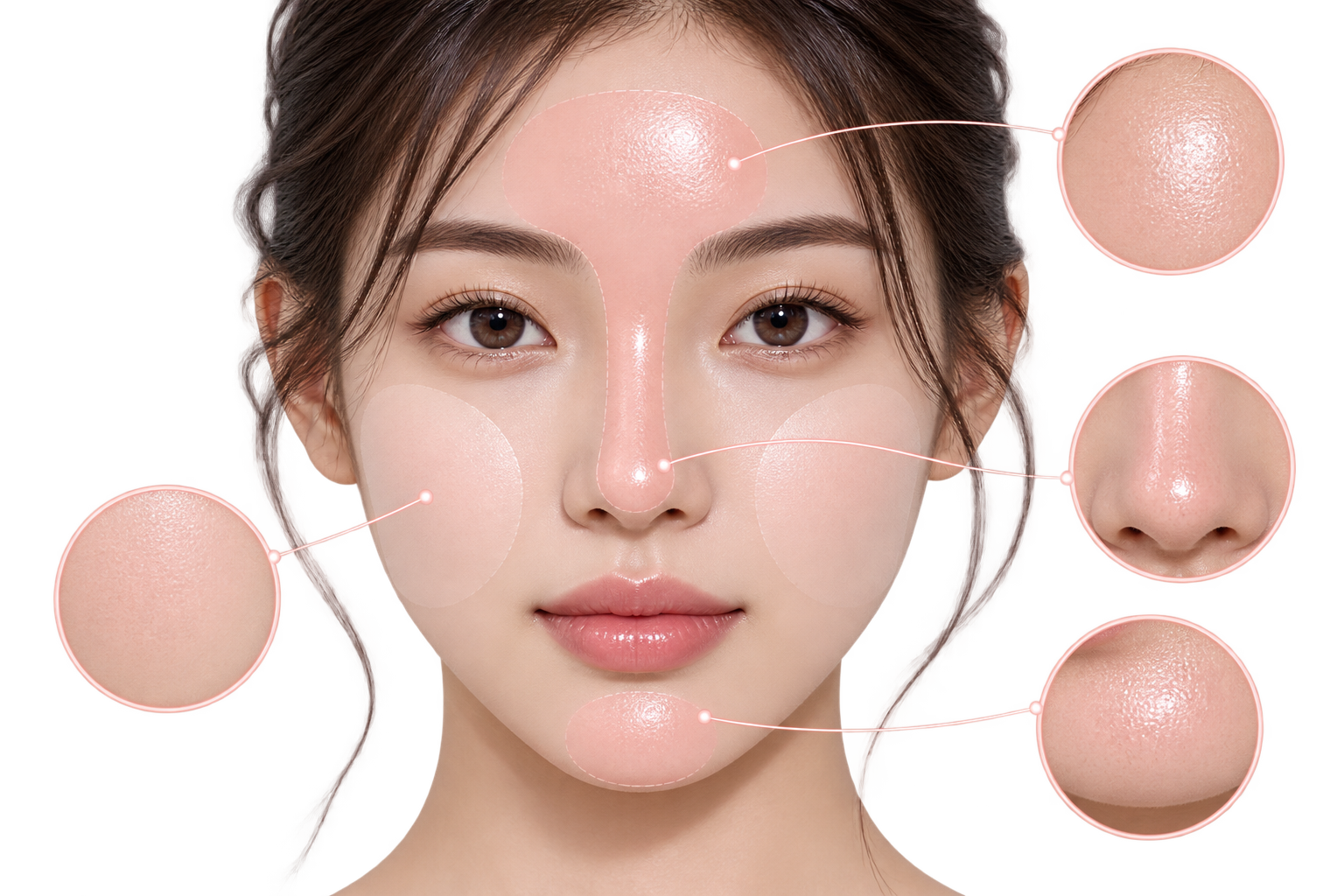
Combination skin is a skin type where different areas of the face show different characteristics at the same time.
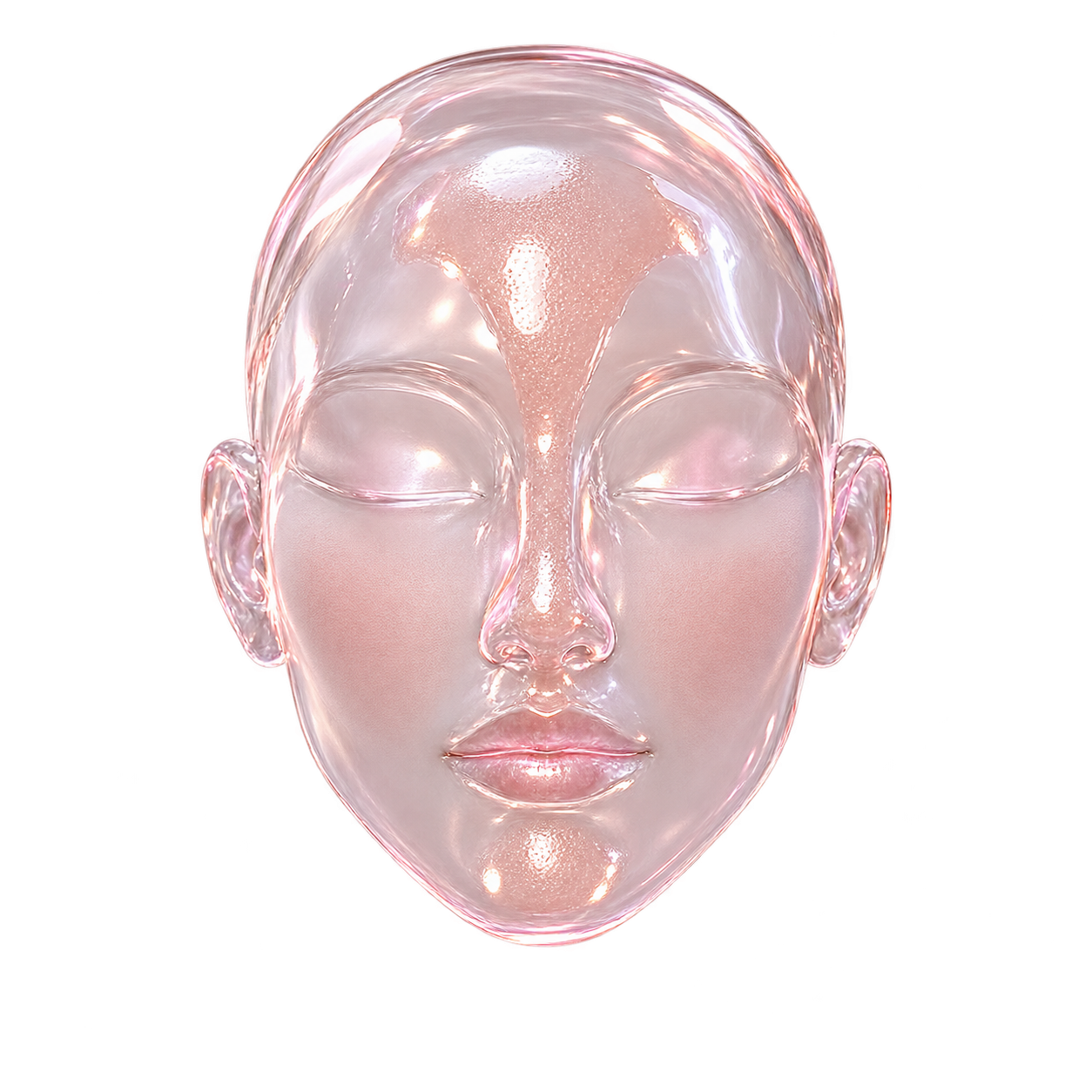
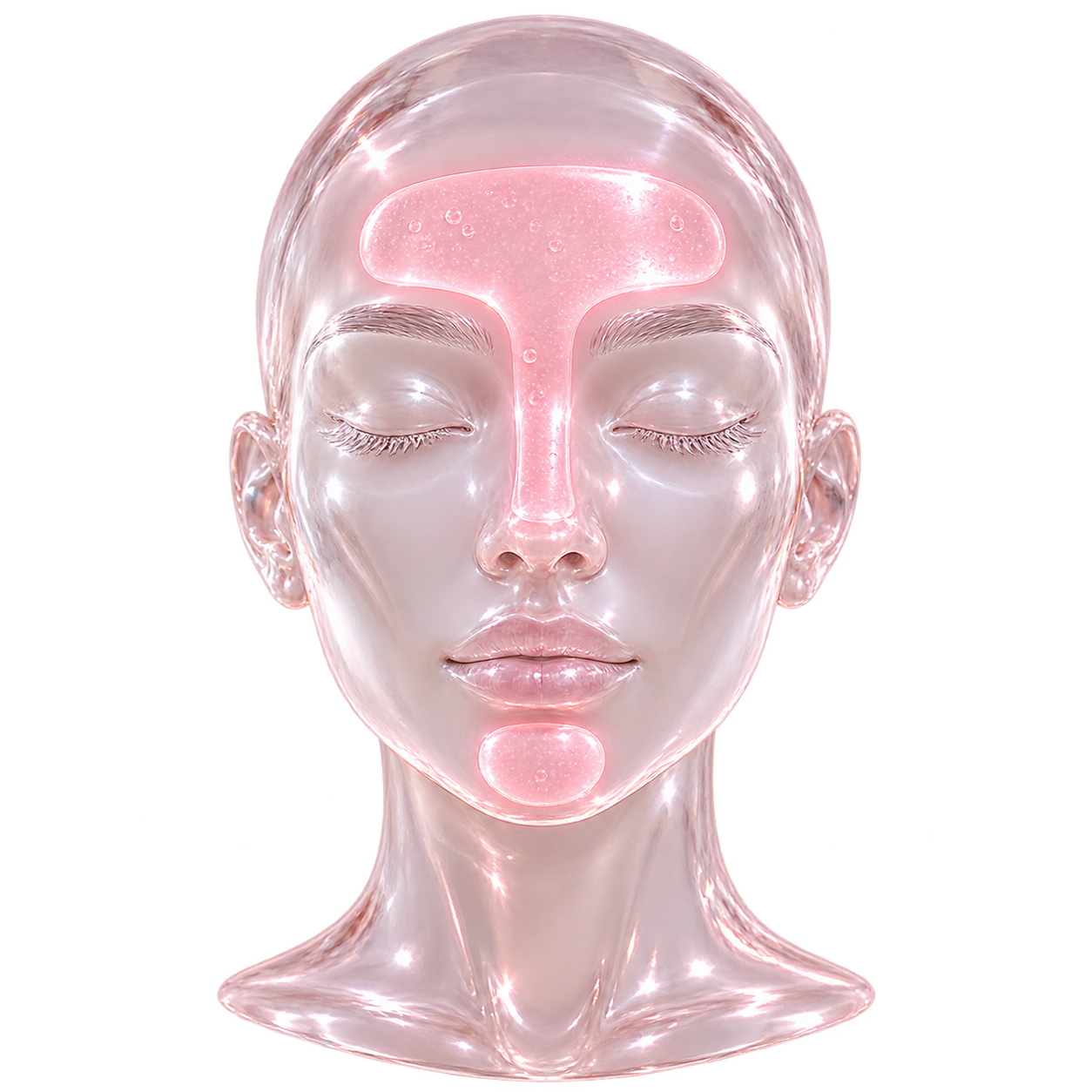
The T-zone — especially the forehead, nose, and chin — tends to produce more oil, while the cheeks or other areas may feel normal, dry, or dehydrated.
The amount of oil and dryness can also change depending on the season, hormones, environment, skincare routine, and other factors.
Combination skin doesn't mean your skin is "confused." Different areas simply have different levels of oil production.
Your skin contains sebaceous glands that produce sebum, but these glands aren't equally active everywhere on your face.
Some areas contain more active sebaceous glands than others.
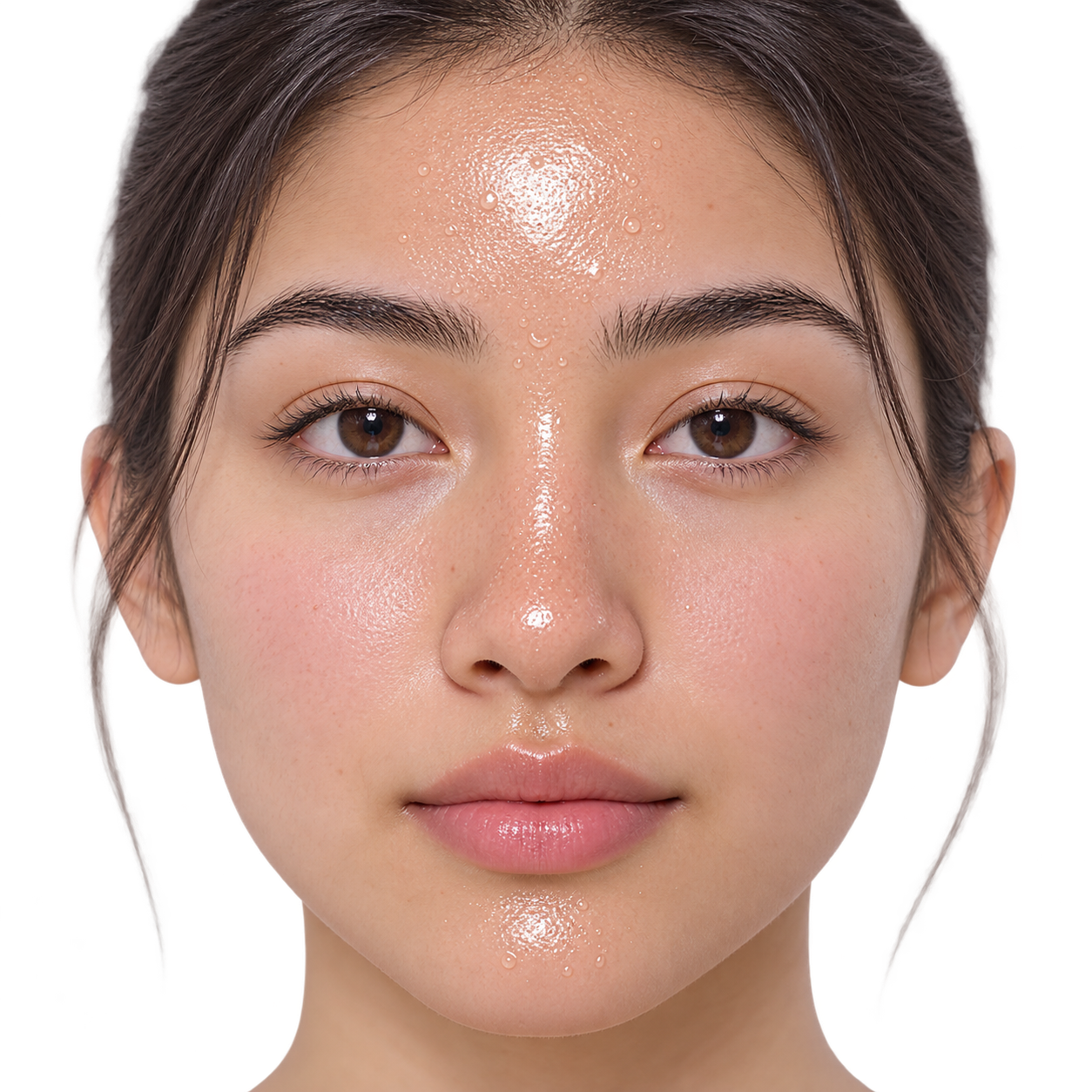
The forehead, nose, and chin often have a higher concentration of sebaceous glands.
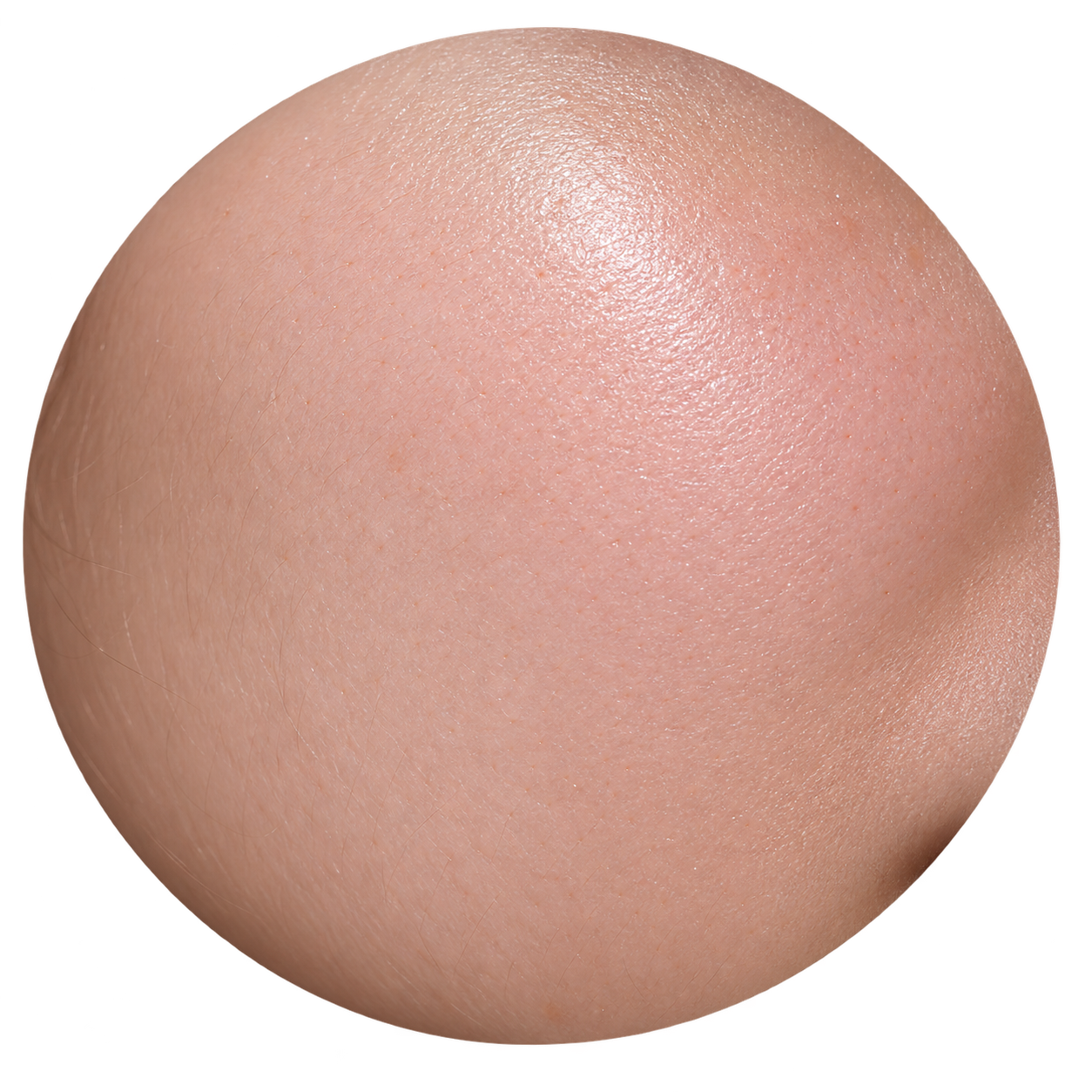
The cheeks may produce less sebum and can therefore feel drier.
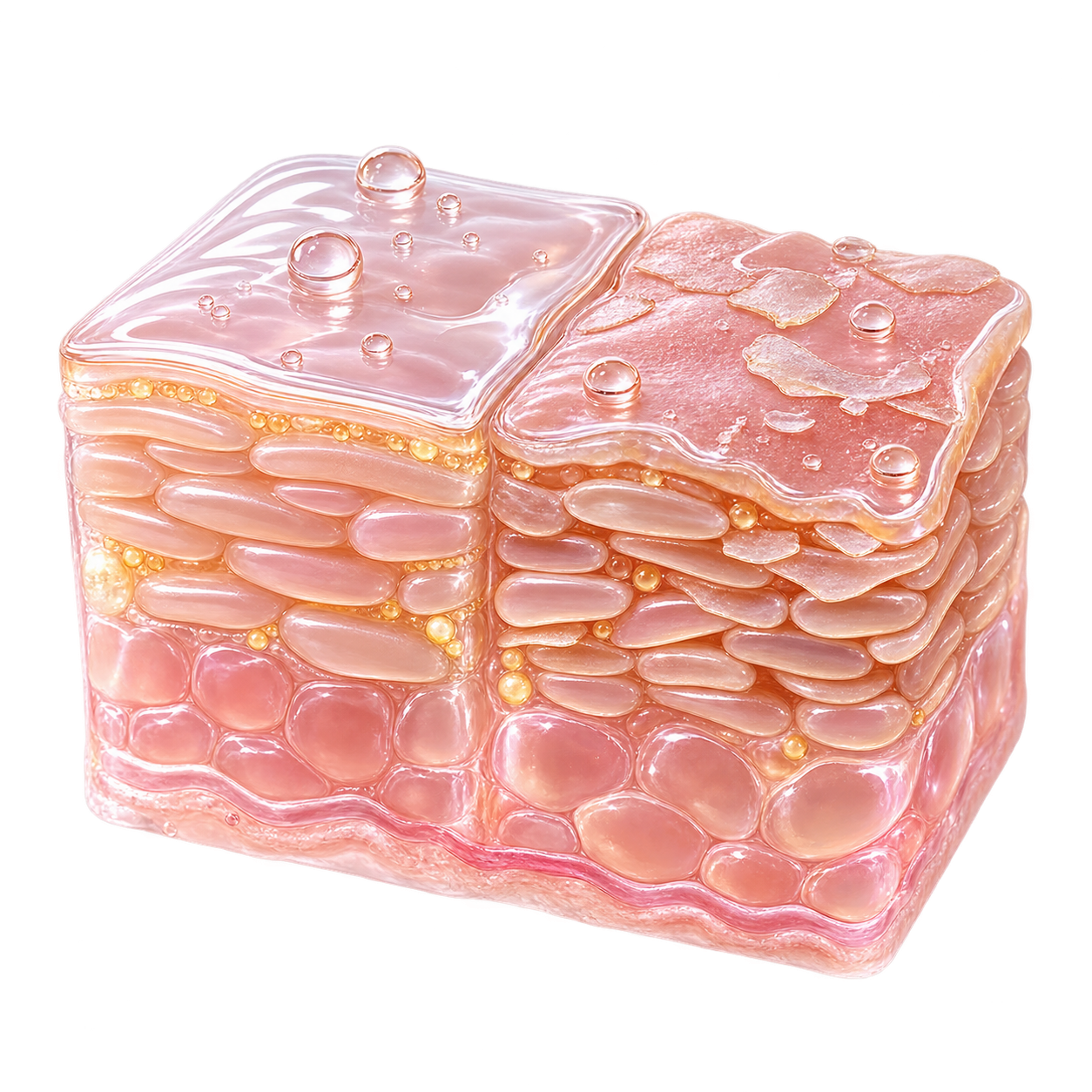
Different areas can also respond differently to cleansing, weather, and skincare products.
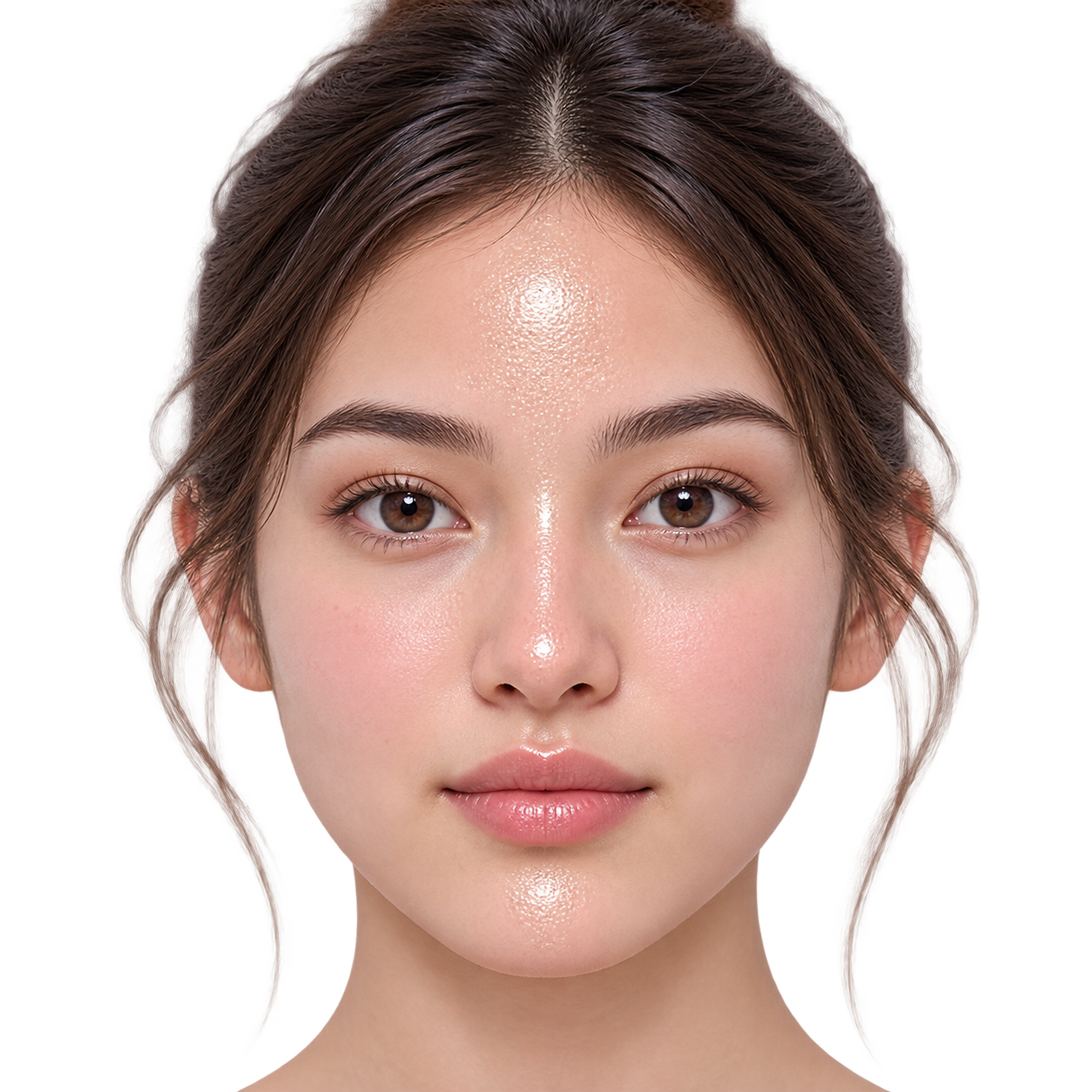
The result is a combination of oilier and drier or normal areas on the same face.
Combination skin can look different from person to person, but a few patterns are common.
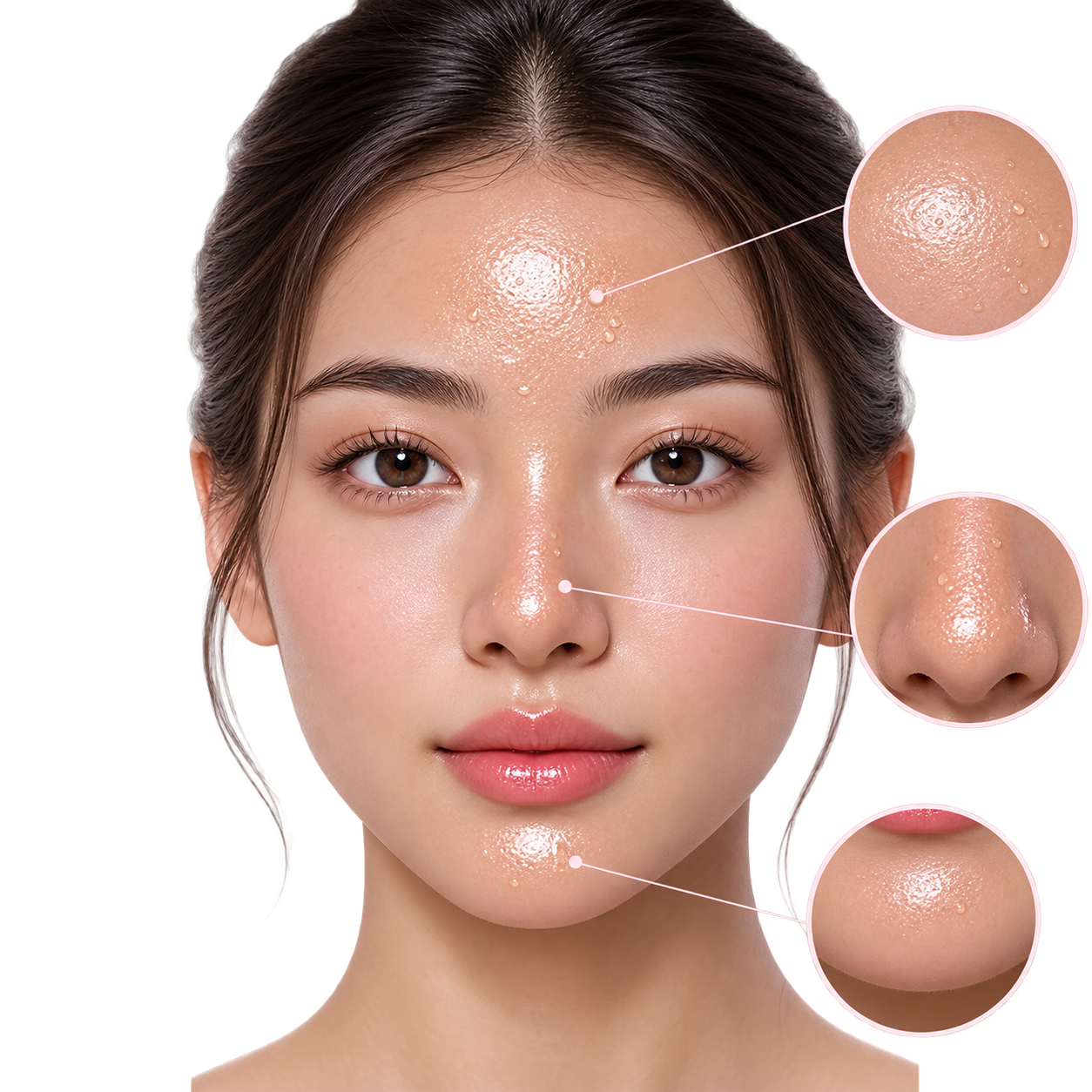
The forehead, nose, and chin may become shiny or greasy during the day.
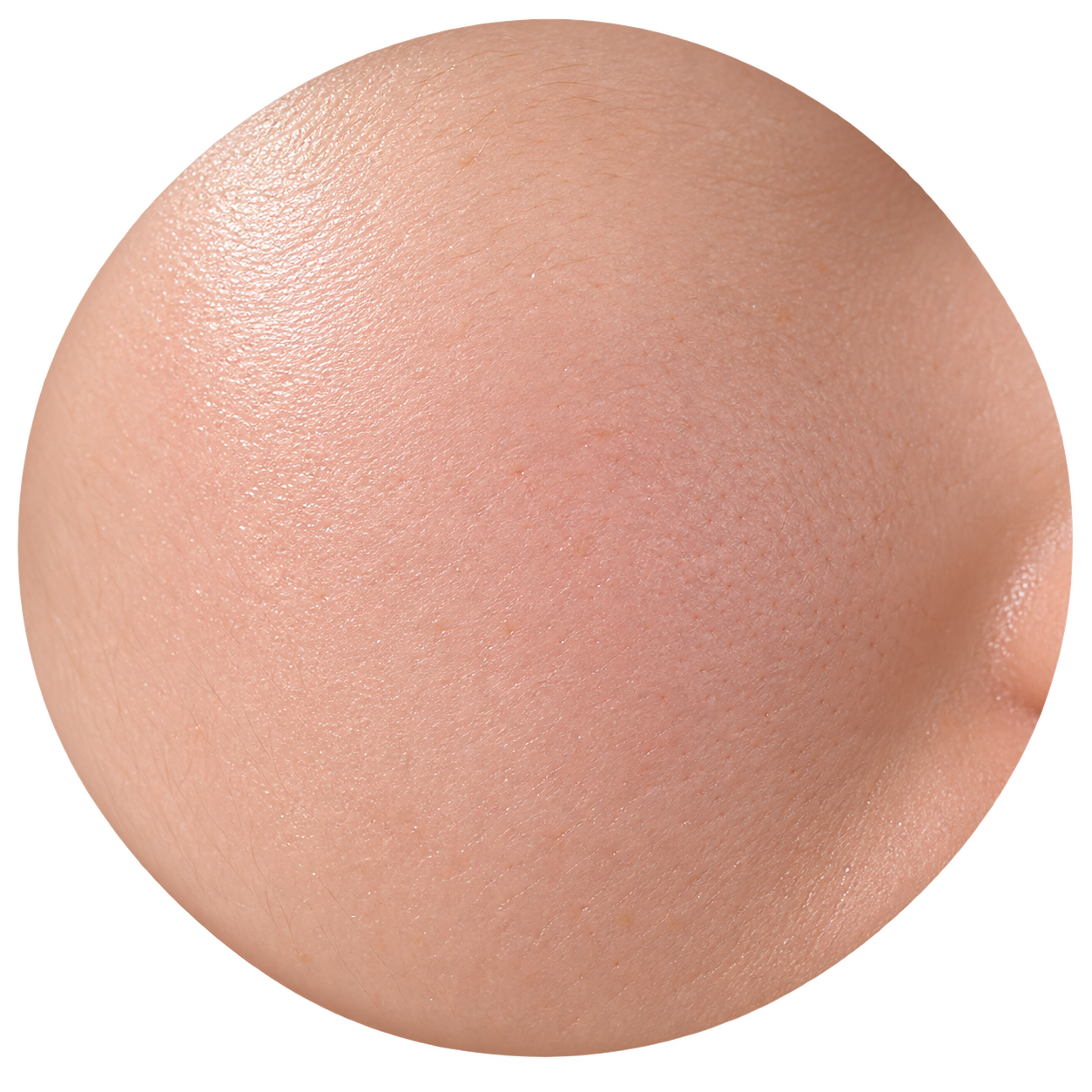
The cheeks may feel comfortable, dry, tight, or occasionally flaky.
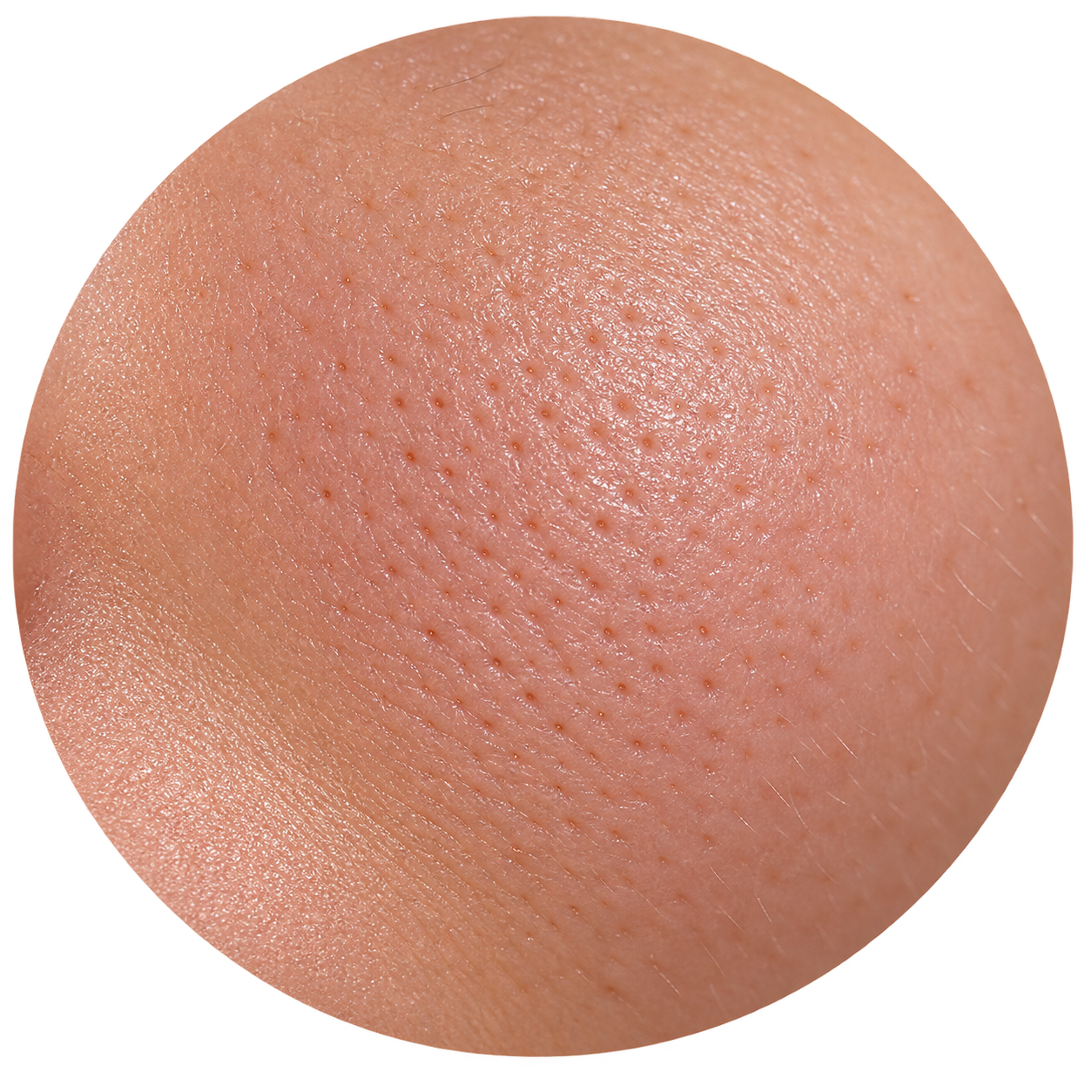
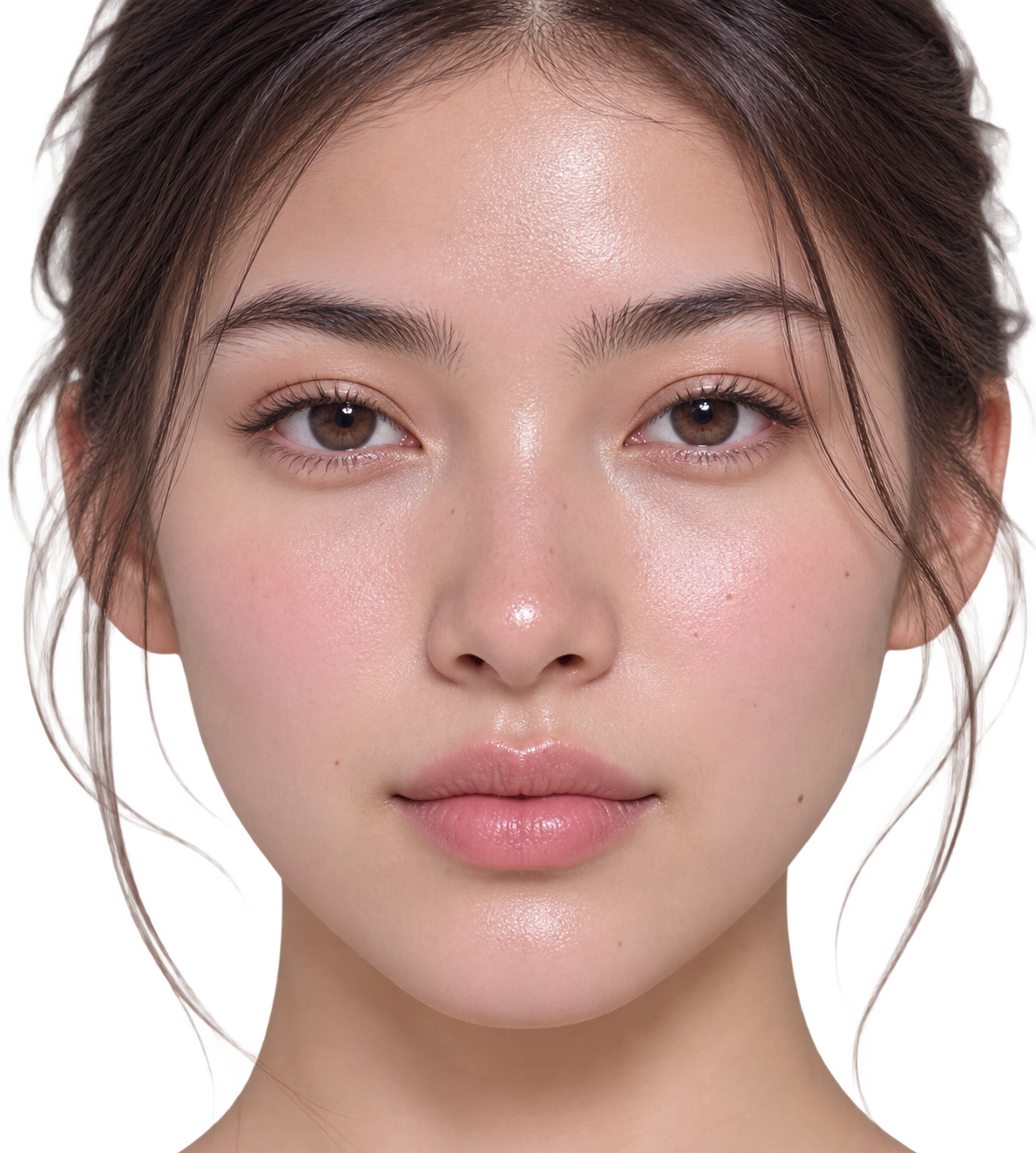
Pores may appear more noticeable around oilier areas such as the nose and inner cheeks.

Clogged pores and acne may be more common in areas that produce more oil.
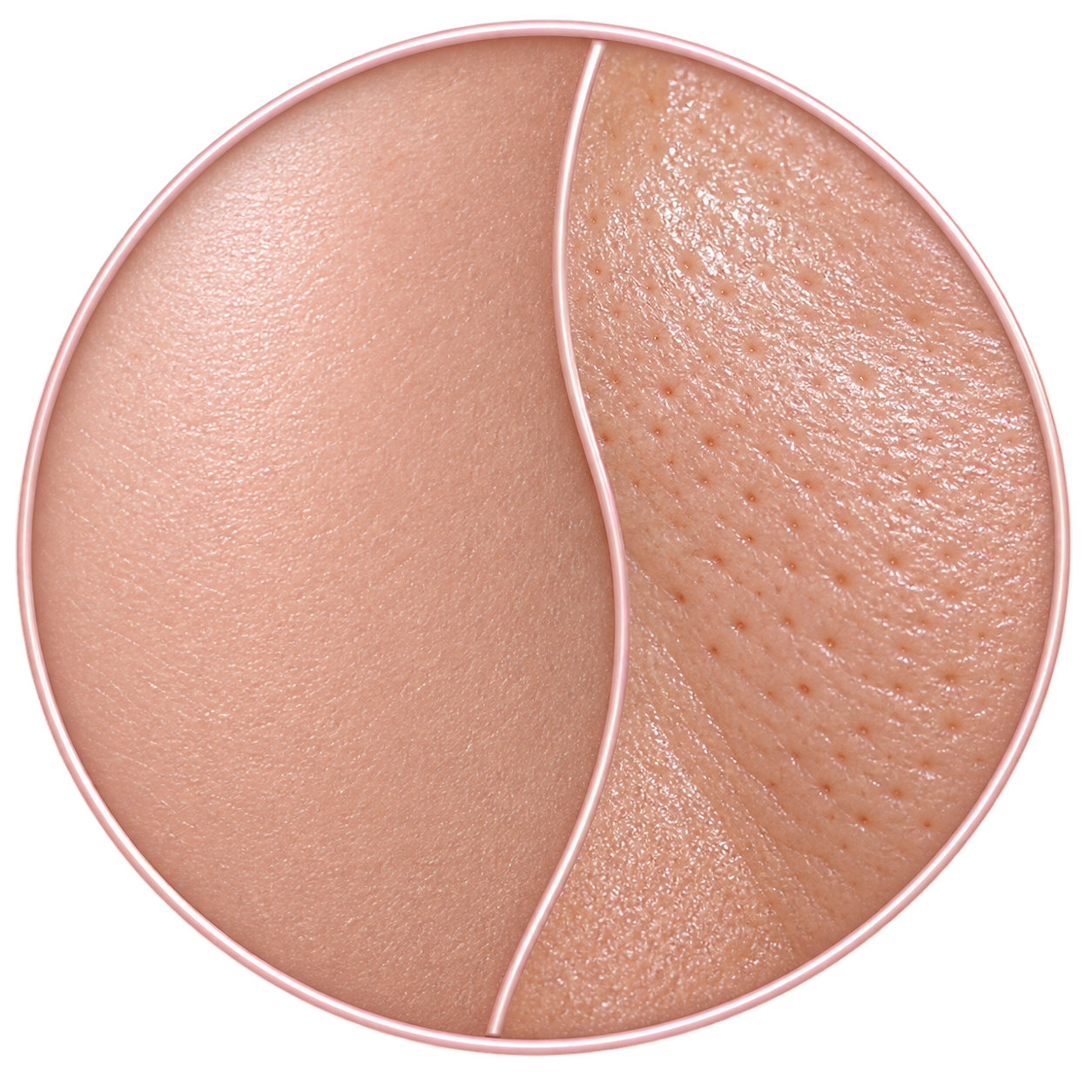
One area may feel smooth and comfortable while another feels oily, dry, or congested.
Looking at your face in zones can make combination skin easier to understand.
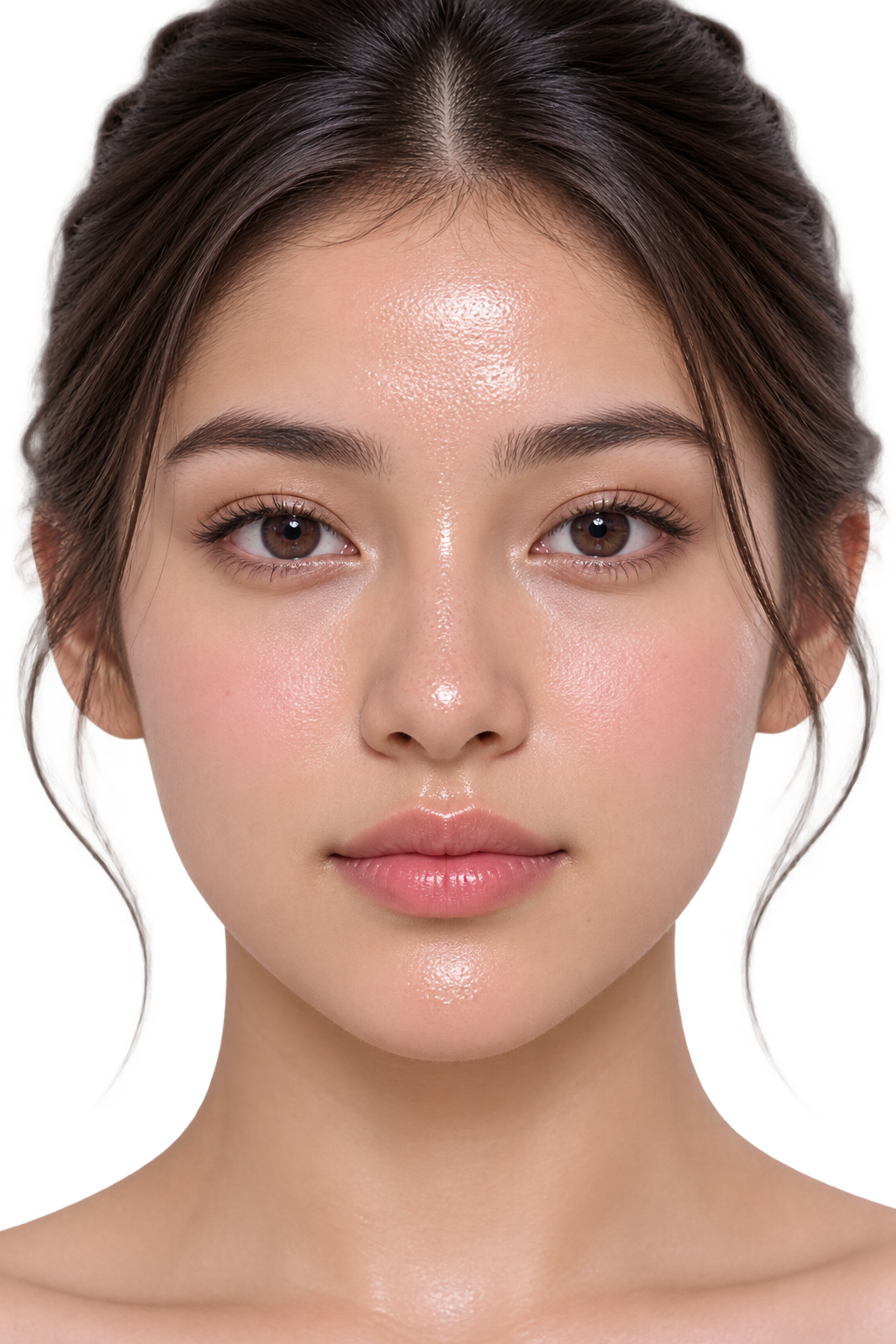
The forehead, nose, and chin are commonly grouped together as the T-zone.
These areas often produce more sebum and may become shiny or congested.
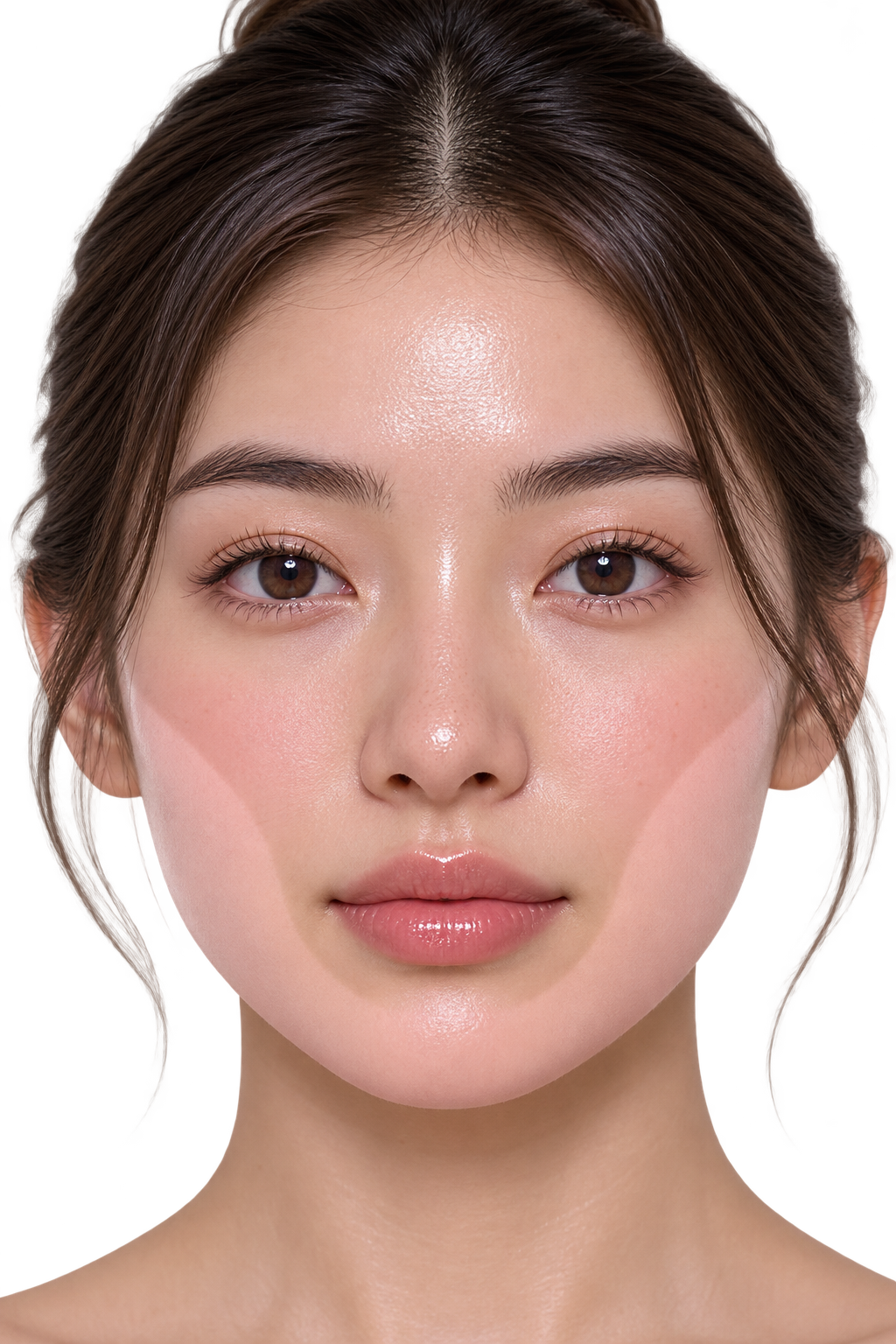
The cheeks and lower sides of the face are sometimes referred to as the U-zone.
These areas may be normal or drier compared with the T-zone.
Your entire face doesn't have to behave the same way. You can adjust your routine to what each area actually needs.
Combination skin is primarily related to differences in sebum production across the face, but several factors can influence how noticeable those differences become.

Your natural skin type is strongly influenced by genetics.

Hormonal fluctuations can affect sebum production.

Hot and humid conditions can increase oiliness, while cold or dry environments may make some areas feel drier.
Products that are too harsh or too heavy for your skin can affect how different areas feel.

Sebum production can change throughout life, which means your skin type may change as well.

Sun exposure, wind, pollution, and indoor heating or cooling can affect the skin's moisture and comfort.
Yes. Combination skin doesn't necessarily behave exactly the same throughout the year.

Heat and humidity can increase sweating and sebum production, making the T-zone appear oilier.

Cold air and indoor heating can reduce moisture in the environment, making the cheeks feel drier.
The skin may feel more oily or sticky, especially in the T-zone.

Dry areas may become tighter, rougher, or more uncomfortable.
Your routine doesn't have to stay identical all year. Your skin's needs can change with the environment.
These two skin types are easy to confuse.
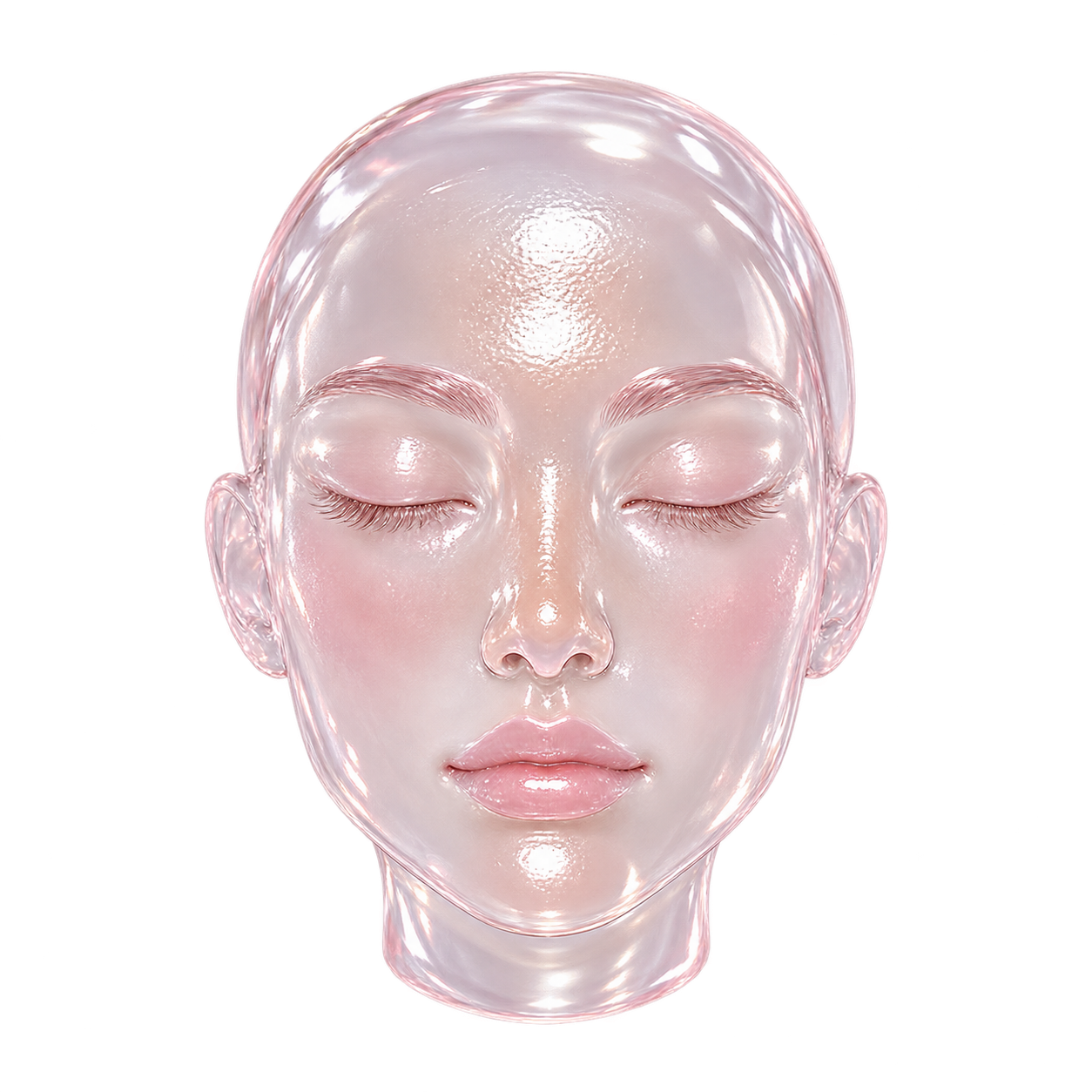
If your whole face gets oily, you may have oily skin. If your T-zone is oily but your cheeks are noticeably drier, combination skin may fit better.
Combination skin can become difficult to manage when we treat the entire face as if it has one single need.
Trying to remove every bit of oil can leave drier areas feeling tight and irritated.
Strong cleansers or excessive exfoliation can disrupt the skin barrier.
Very rich products may feel uncomfortable or congesting in oilier areas.
Avoiding moisturizer because of an oily T-zone can leave drier areas without enough hydration.
Using multiple strong treatments at once can increase irritation and dryness.

The goal isn't to eliminate all sebum. Your skin needs some natural oil.
Combination skin usually benefits from ingredients that support hydration while helping manage oil and congestion.

A humectant that helps attract water to the skin and support hydration.

Helps attract and retain water, making it useful for areas that feel dehydrated.
Can support the skin barrier and may help regulate excess sebum.
Help support the skin barrier and reduce moisture loss.

Can help unclog pores and manage excess oil in congested areas.
Can help with acne, inflammation, and uneven pigmentation.
You don't need every ingredient. The best routine is the one that gives your skin what it needs without creating new problems.
The goal is balance, not trying to make every part of your face behave identically.
Use a gentle cleanser that removes excess oil without leaving dry areas feeling stripped.

Use lightweight hydrating products to provide water without making oily areas feel heavy.

Apply a suitable moisturizer across the face, adjusting the amount depending on what different areas need.
If your T-zone is congested, you may use a targeted treatment rather than applying strong acne products everywhere.
Use broad-spectrum sunscreen every day.
Absolutely.
Combination skin doesn't always need a one-product-fits- everywhere approach.
For example, you might use a lightweight moisturizer across your face and apply a little more to drier areas.
Similarly, if only your T-zone becomes congested, a pore-clearing treatment can be focused on those areas instead of unnecessarily treating your entire face.
This approach is sometimes called multi-zoning or multi-masking, depending on the products being used.
Think of your face as a team. Your T-zone and cheeks can have different jobs — they don't need identical treatment.
Treating combination skin too aggressively can make the balance between oily and dry areas even harder to manage.
Some oil is normal and necessary for maintaining the skin's protective surface.
A cleanser that leaves your skin extremely tight isn't automatically doing a better job.
Oily areas still need hydration and barrier support.

More exfoliation doesn't automatically mean fewer clogged pores.
A rich product may be comfortable on dry areas but feel excessive on oilier areas.

Constantly switching products makes it difficult to know what actually works for your skin.
Let's separate common skincare assumptions from what combination skin actually needs.
"Combination skin means you need two completely separate skincare routines."
You can usually maintain one simple routine and adjust products or amounts for different areas when needed.
"Oily areas don't need moisturizer."
Oily skin still needs hydration and barrier support.
"You should completely remove oil from your T-zone."
Sebum is a normal part of healthy skin. The goal is to manage excess oil, not eliminate it.
"Combination skin can never become balanced."
Skin naturally changes, and a consistent routine can help improve comfort and balance.
"If your cheeks feel dry, you don't have combination skin."
Combination skin commonly includes an oilier T-zone alongside normal or dry areas.
Combination skin itself isn't a medical condition and usually doesn't require medical treatment.
However, professional advice can be useful if you are experiencing persistent skin problems.
If clogged pores or acne continue despite consistent skincare, a dermatologist can help.
Persistent burning, redness, itching, or discomfort may indicate that something other than simple combination skin is happening.
If certain areas remain extremely dry, cracked, or uncomfortable, professional evaluation may be helpful.
A significant and unexplained change in oiliness or dryness may deserve professional attention.


Combination skin is all about balance.
Don't attack your oily areas and ignore your dry ones. Keep cleansing gentle, hydrate your skin, moisturize consistently, use targeted treatments when necessary, and adjust your routine when your skin's needs change.
The goal isn't zero oil or zero dryness — it's comfortable, healthy, balanced skin.