 ×
×
×
×
Small, flesh-colored bumps that never seem to disappear? Closed comedones, also known as whiteheads, form when pores become clogged beneath the skin's surface. Although they aren't usually painful, they can leave the skin feeling rough and textured. Learn what closed comedones are, why they develop, how to identify them, and the best ways to treat and prevent them.
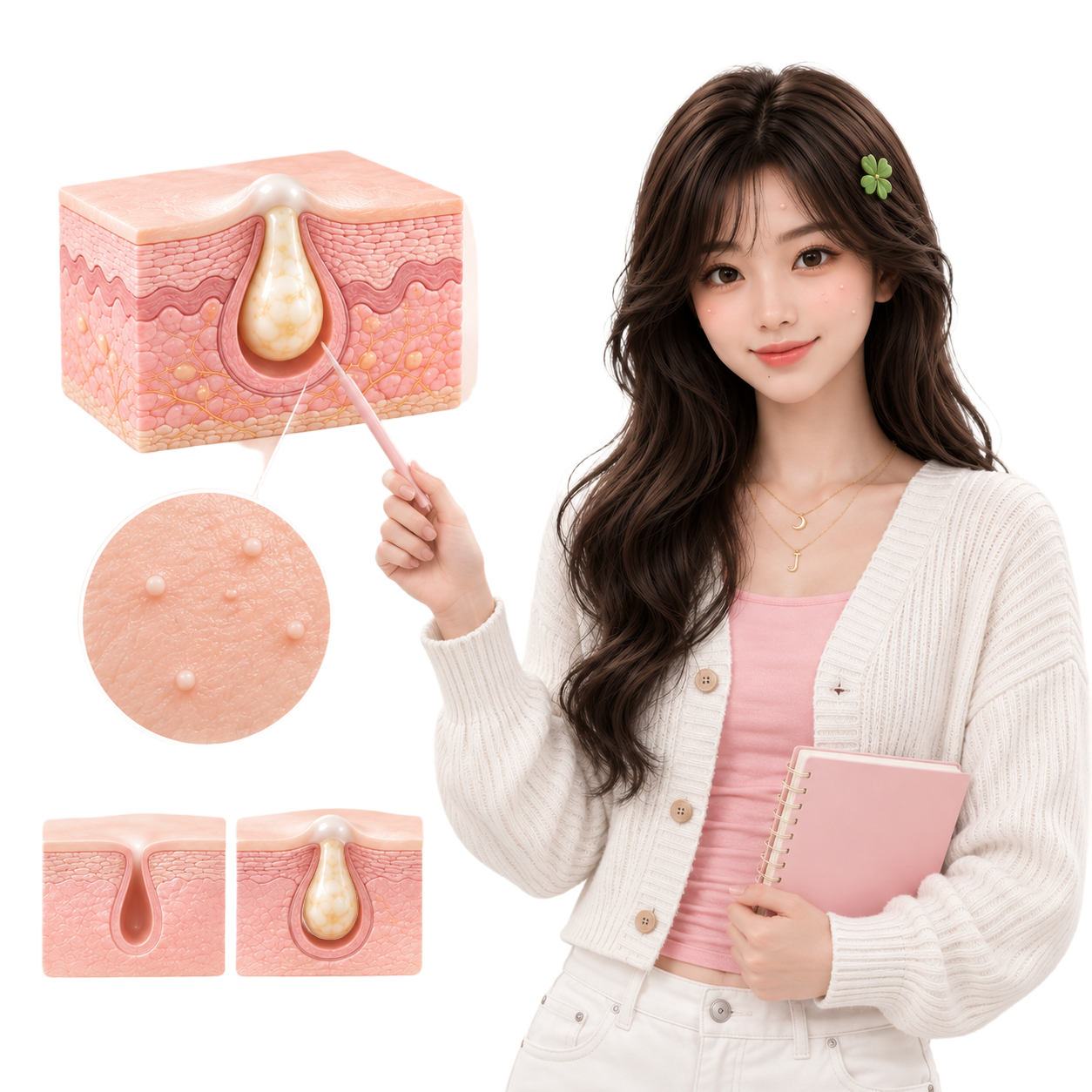
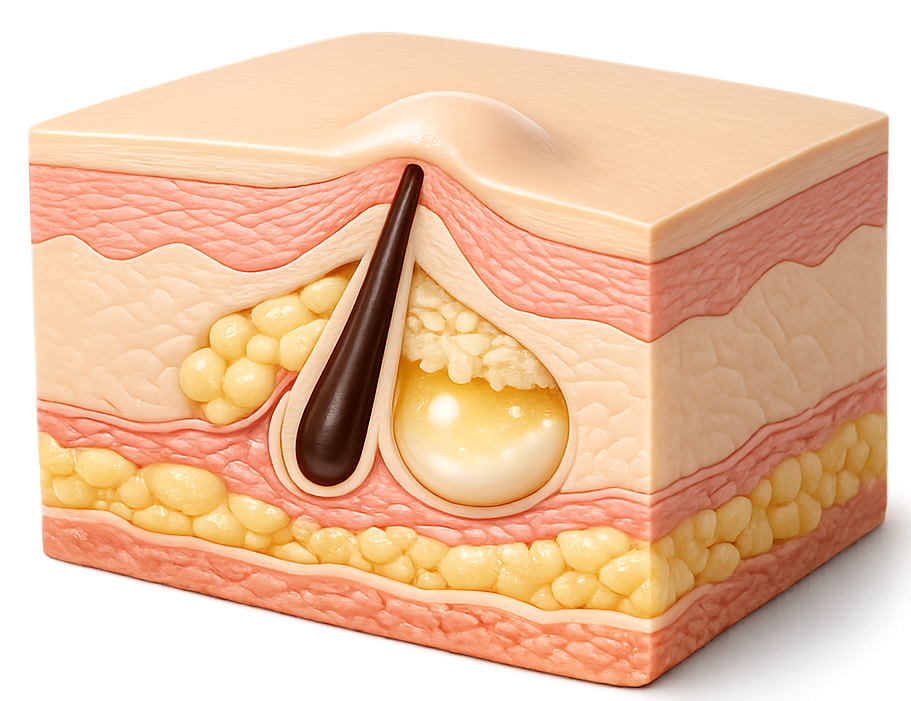
Closed comedones, commonly known as whiteheads, are a type of non-inflammatory acne. They develop when a hair follicle becomes clogged with excess sebum (oil), dead skin cells, and keratin, while the pore opening remains completely closed.
Unlike blackheads, the trapped material is not exposed to air, so it does not oxidize. As a result, the bump appears white or flesh-colored rather than black.
Although closed comedones are not usually inflamed or painful, they can create uneven skin texture and may develop into inflamed pimples if left untreated.
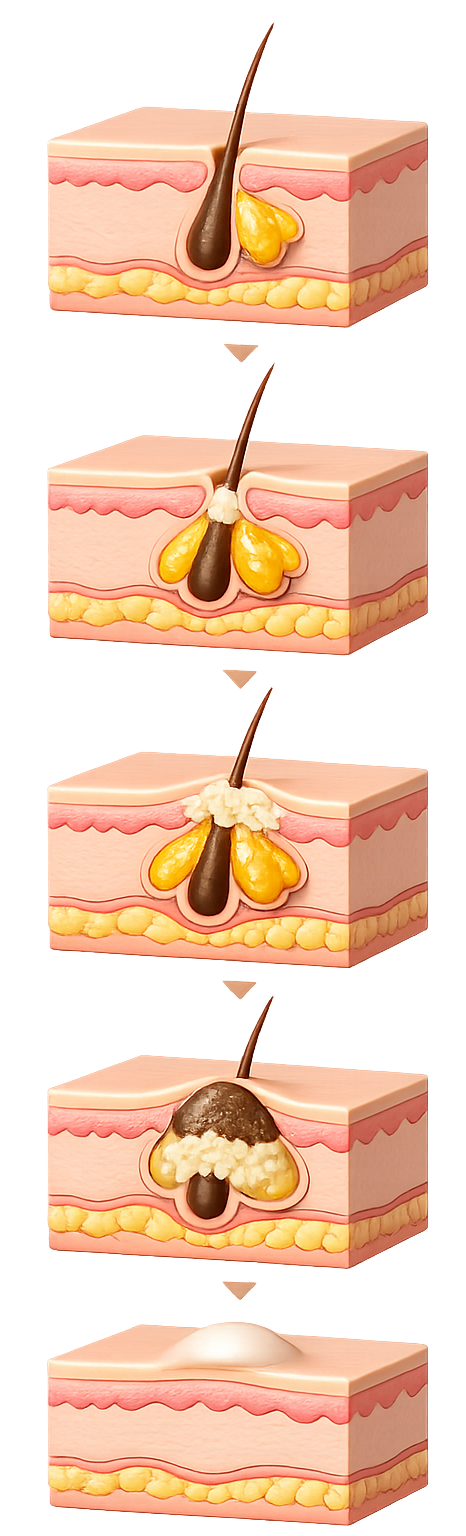
Closed comedones develop gradually as oil, dead skin cells, and keratin accumulate beneath a pore that remains completely closed.
The sebaceous glands begin producing more sebum than the skin needs.
Dead skin cells do not shed properly and begin accumulating inside the pore.
Oil, dead skin cells, and keratin collect inside the hair follicle.
A thin layer of skin seals the pore opening, trapping the material beneath the surface.
The trapped material creates a small raised white or flesh-colored bump known as a closed comedone.
Closed comedones have several distinctive characteristics that help differentiate them from other types of acne. They are usually non-inflammatory and appear as small, flesh-colored bumps beneath the skin's surface.

Usually around 1–2 mm in diameter.
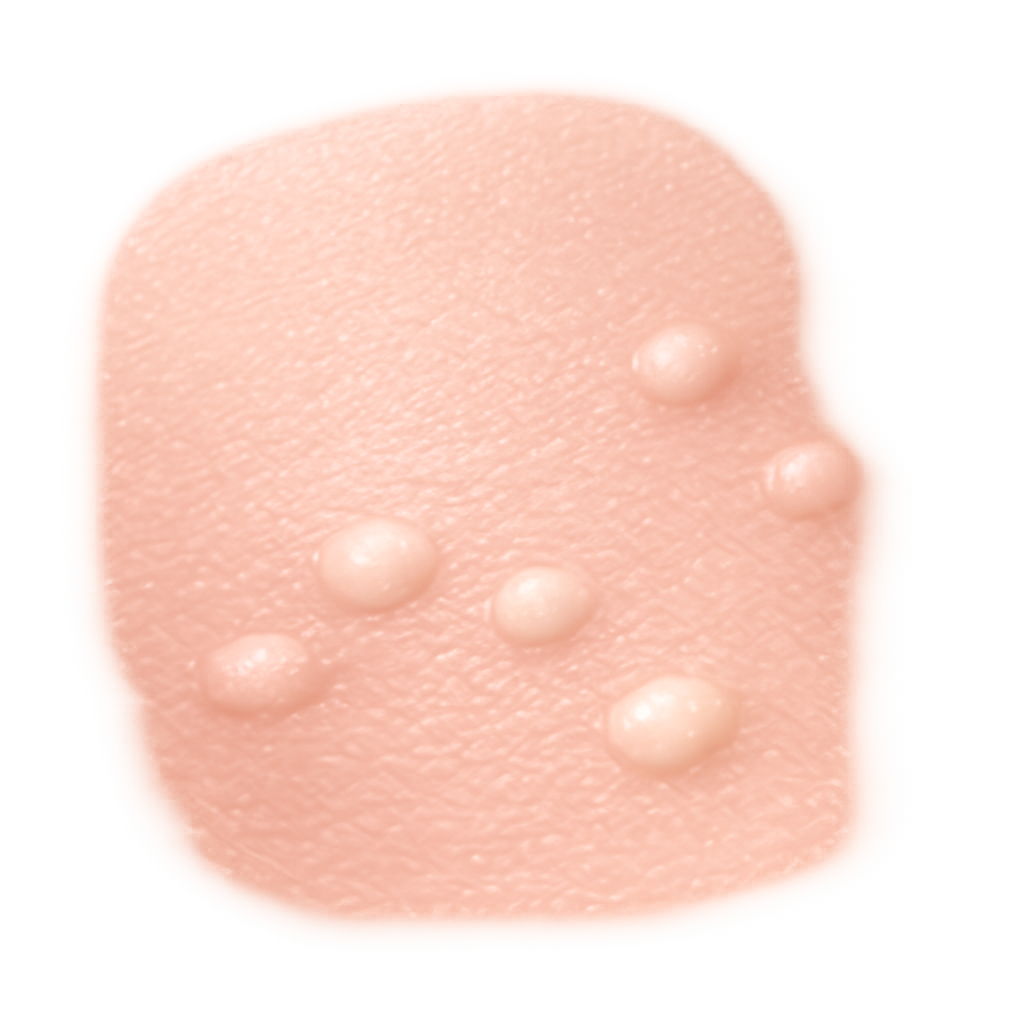
Because the pore remains closed, the trapped material does not oxidize.
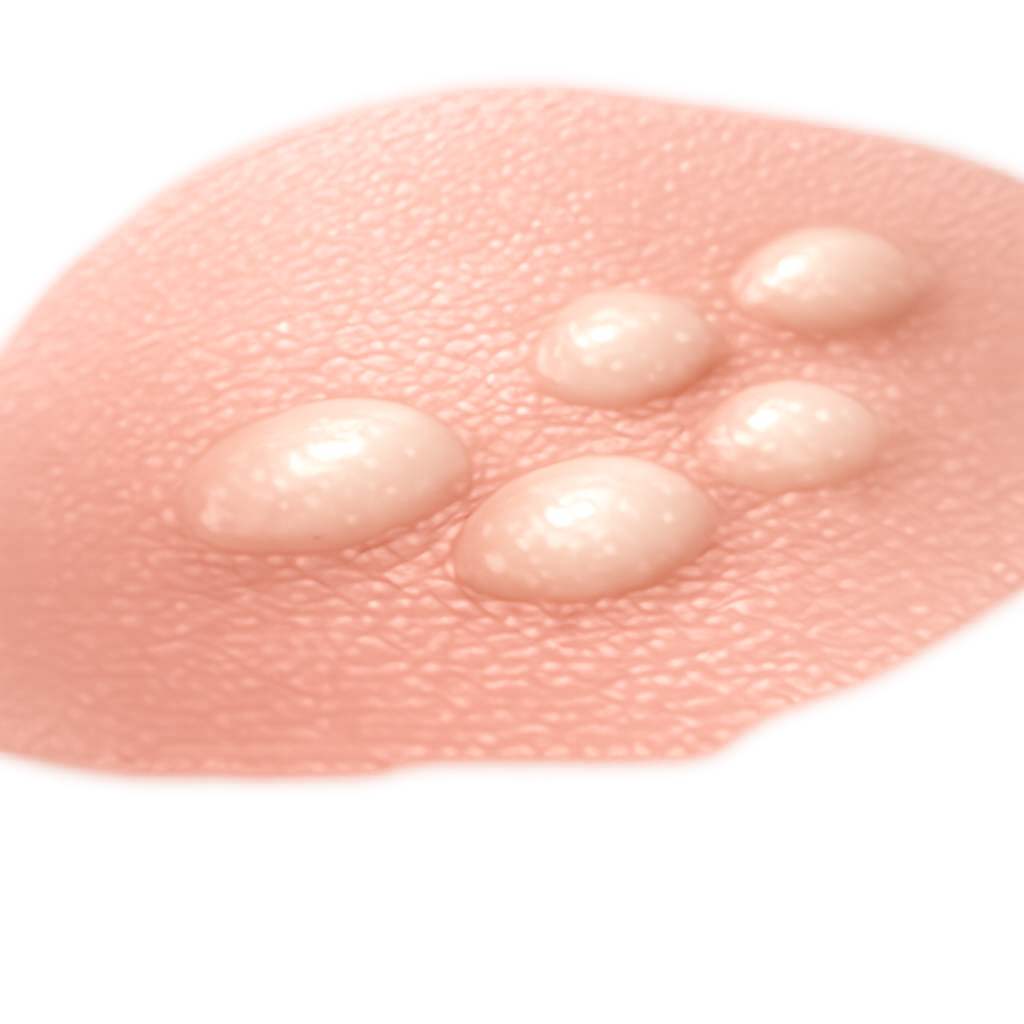
Appears as a smooth, slightly raised bump on the skin.
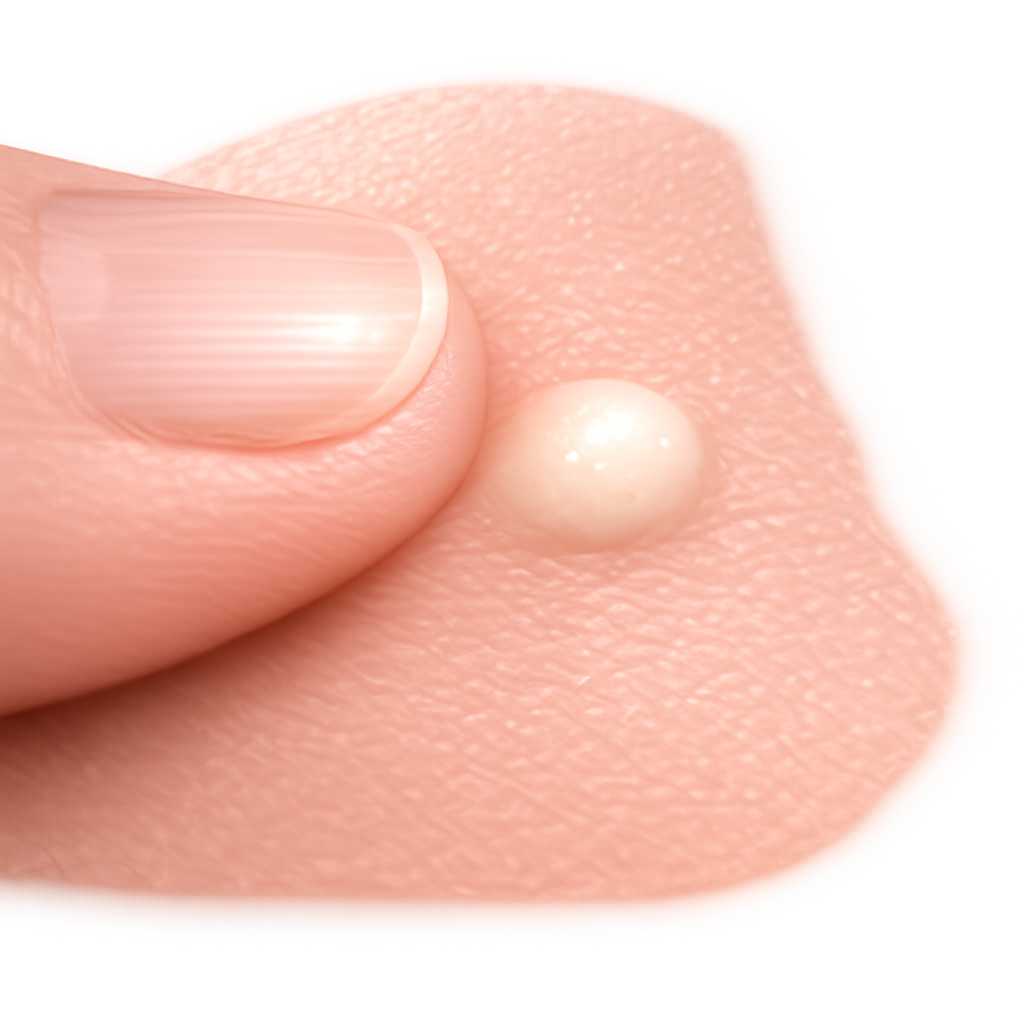
Often feels firm when touched but is usually not painful.
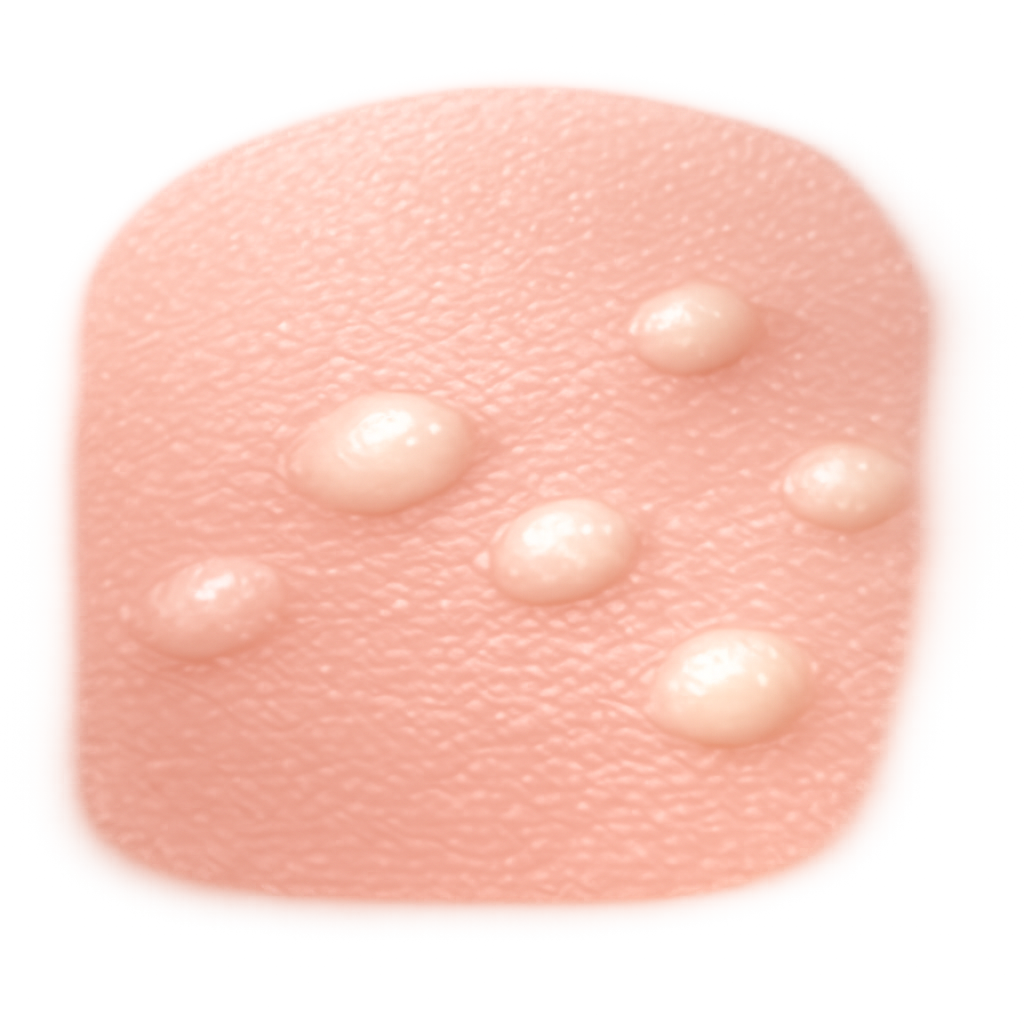
Usually not red or inflamed unless it progresses into inflammatory acne.
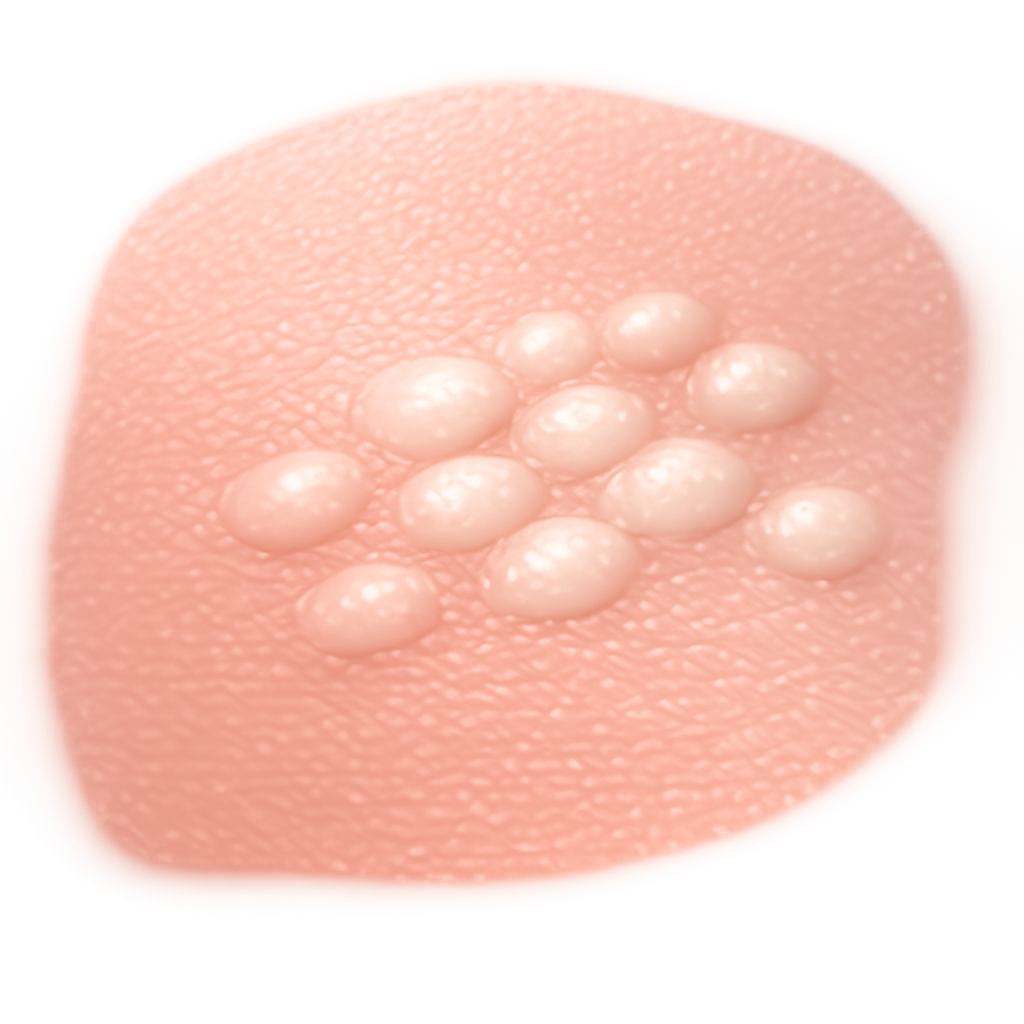
Often develop in groups, creating rough or uneven skin texture.
Several factors contribute to the formation of closed comedones. Most cases develop due to a combination of excess oil production, dead skin cell buildup, and changes inside the hair follicle.
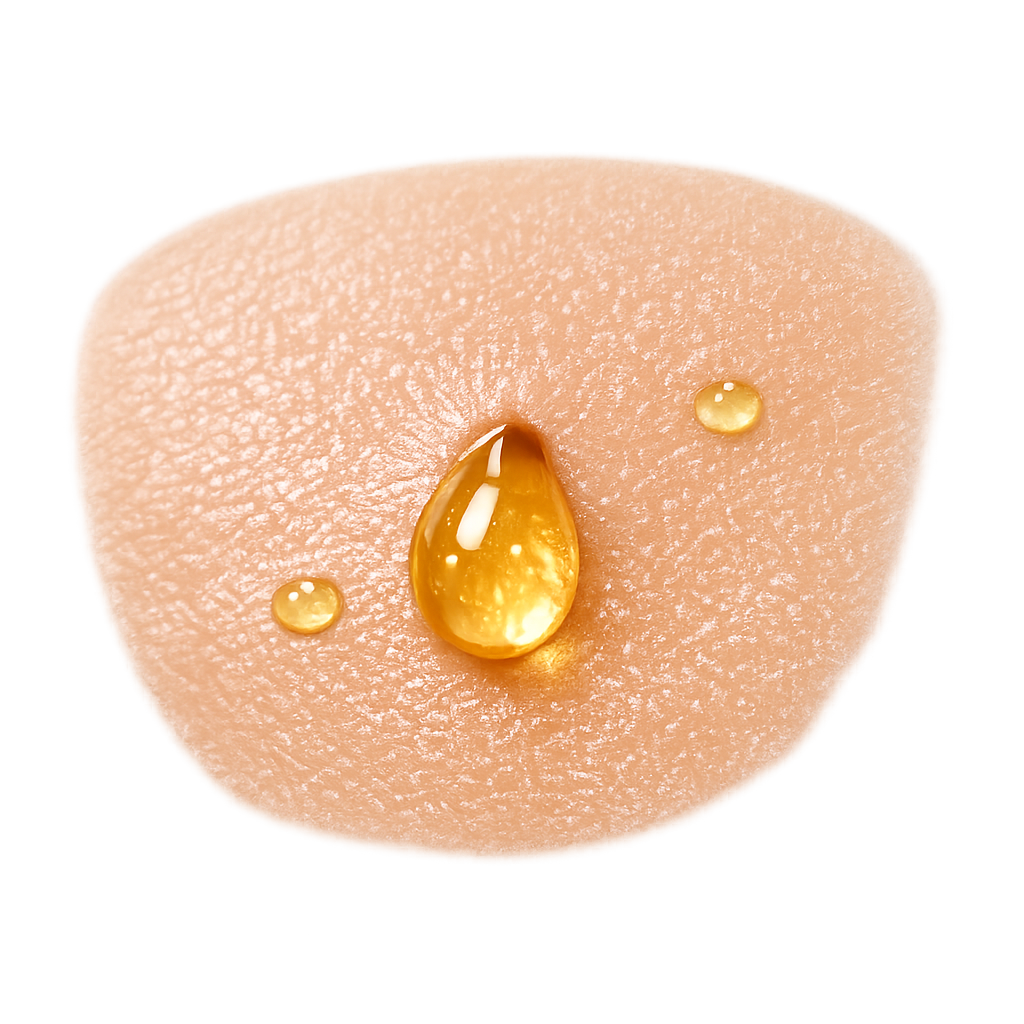
When the sebaceous glands produce more oil than the skin needs, pores become more likely to clog, creating the environment for closed comedones to develop.
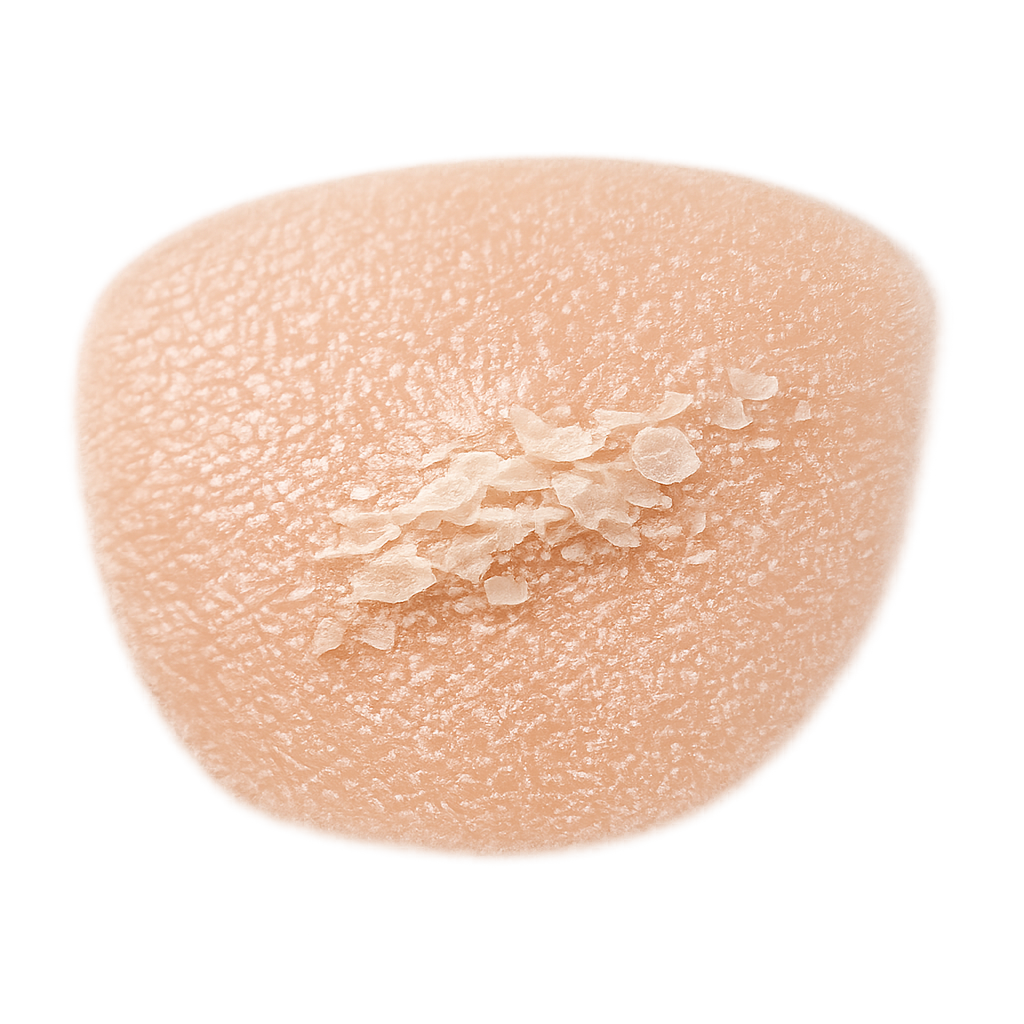
Instead of shedding naturally, dead skin cells remain inside the follicle where they mix with oil and gradually block the pore.
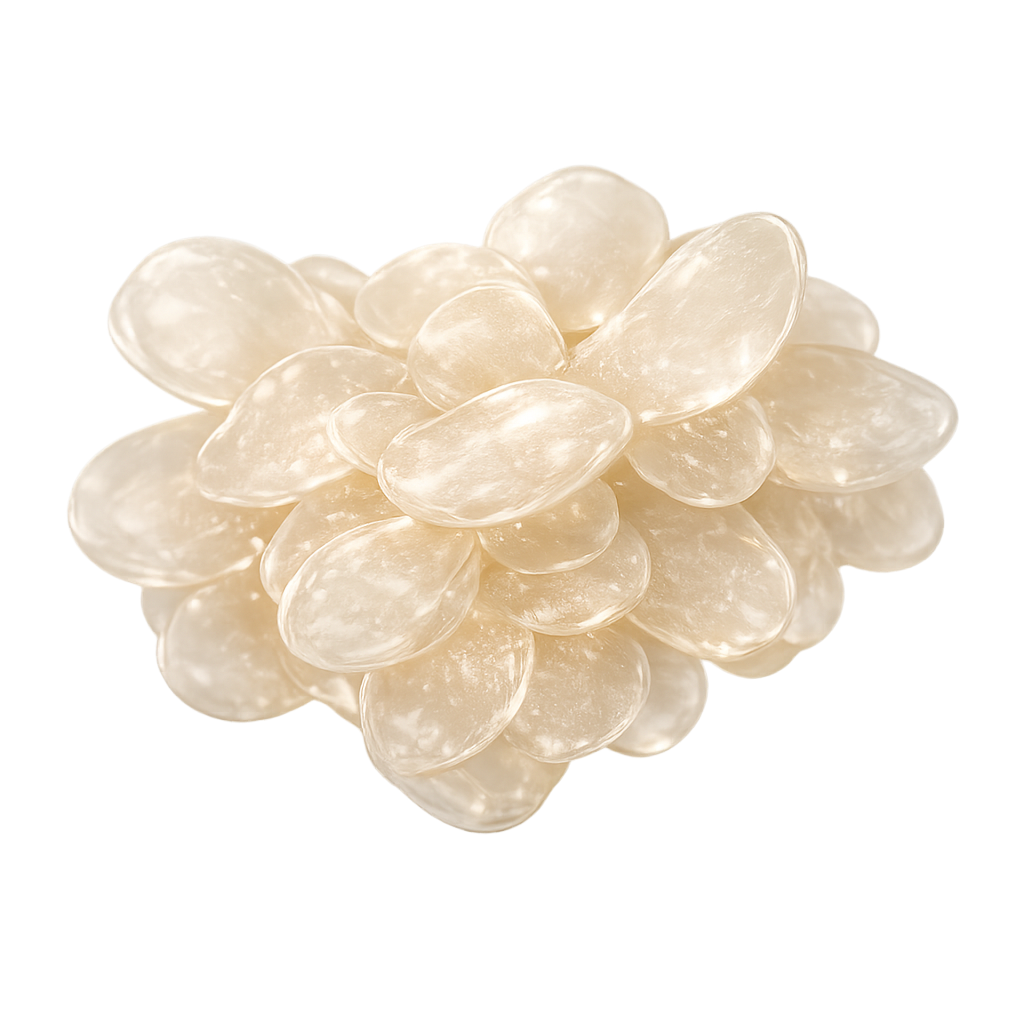
The cells lining the pore become unusually sticky and do not shed properly, making it easier for the pore opening to become blocked.
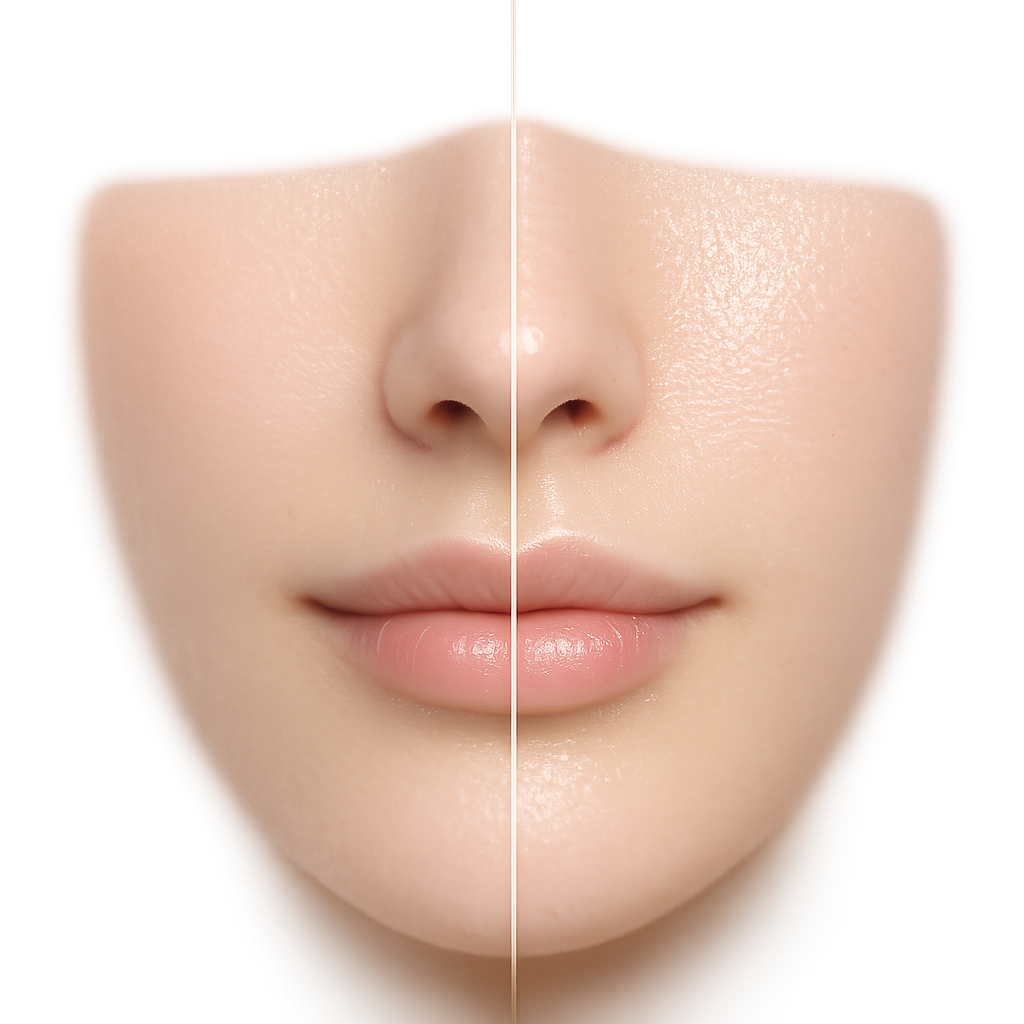
Hormonal fluctuations, especially increased androgen activity, stimulate sebum production and increase the likelihood of clogged pores.
Although these factors do not directly cause closed comedones, they may contribute to their development or make existing whiteheads more persistent.
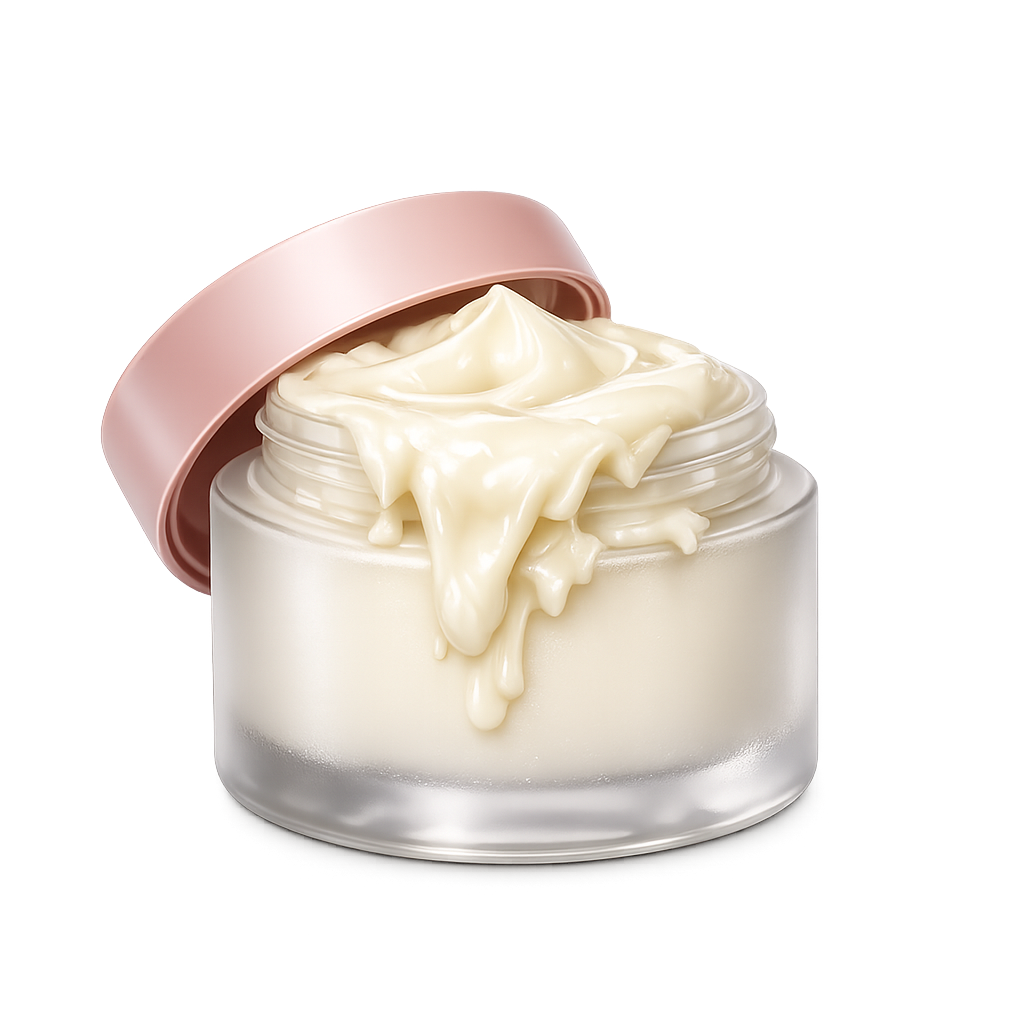 Heavy or Comedogenic Skincare Products
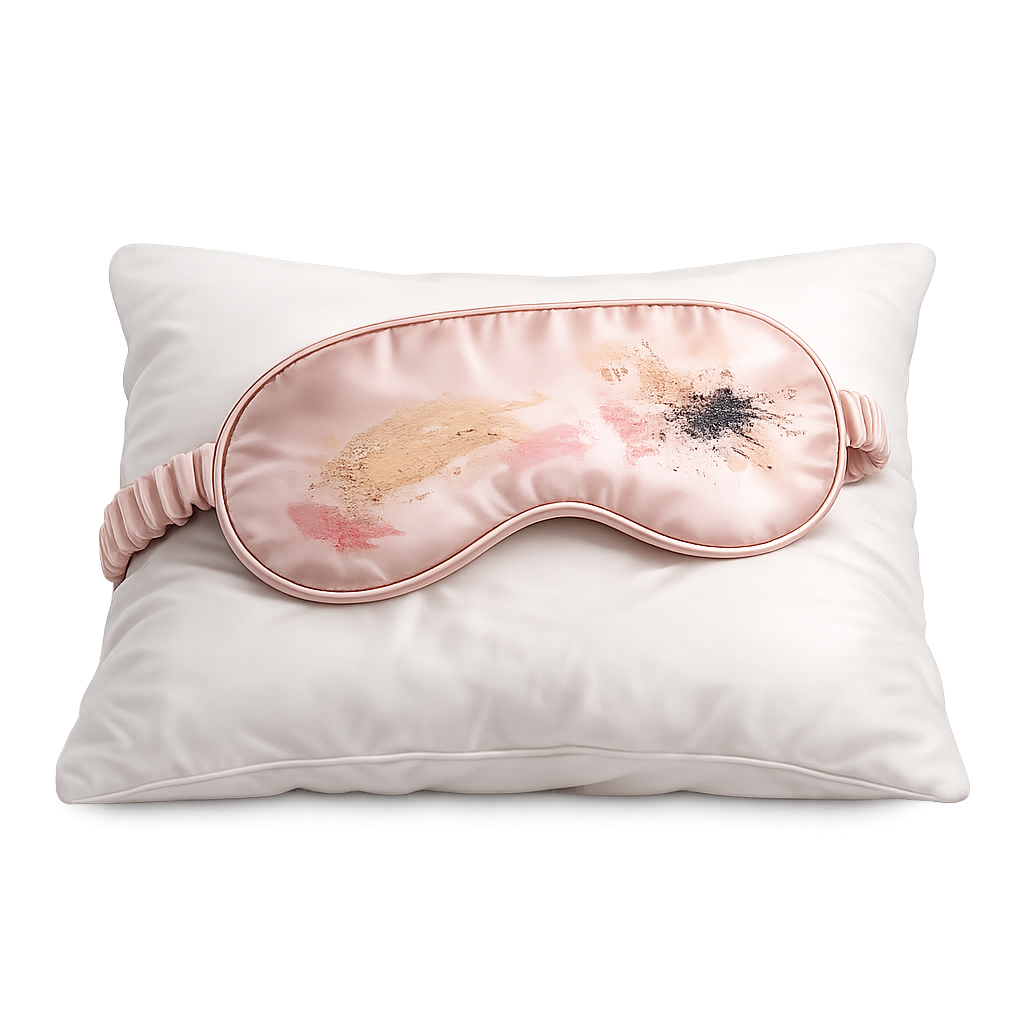 Sleeping with Makeup On
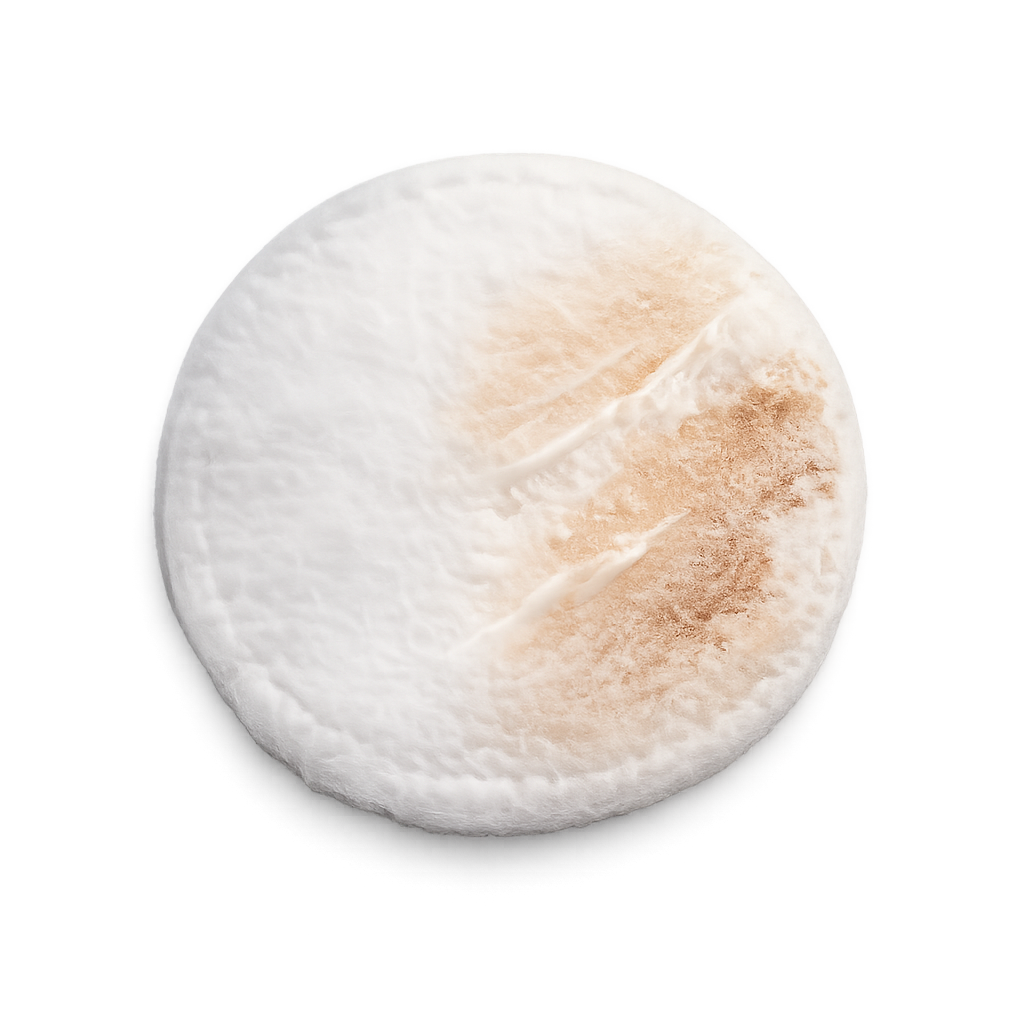 Incomplete Removal of Sunscreen or Makeup
 High Humidity
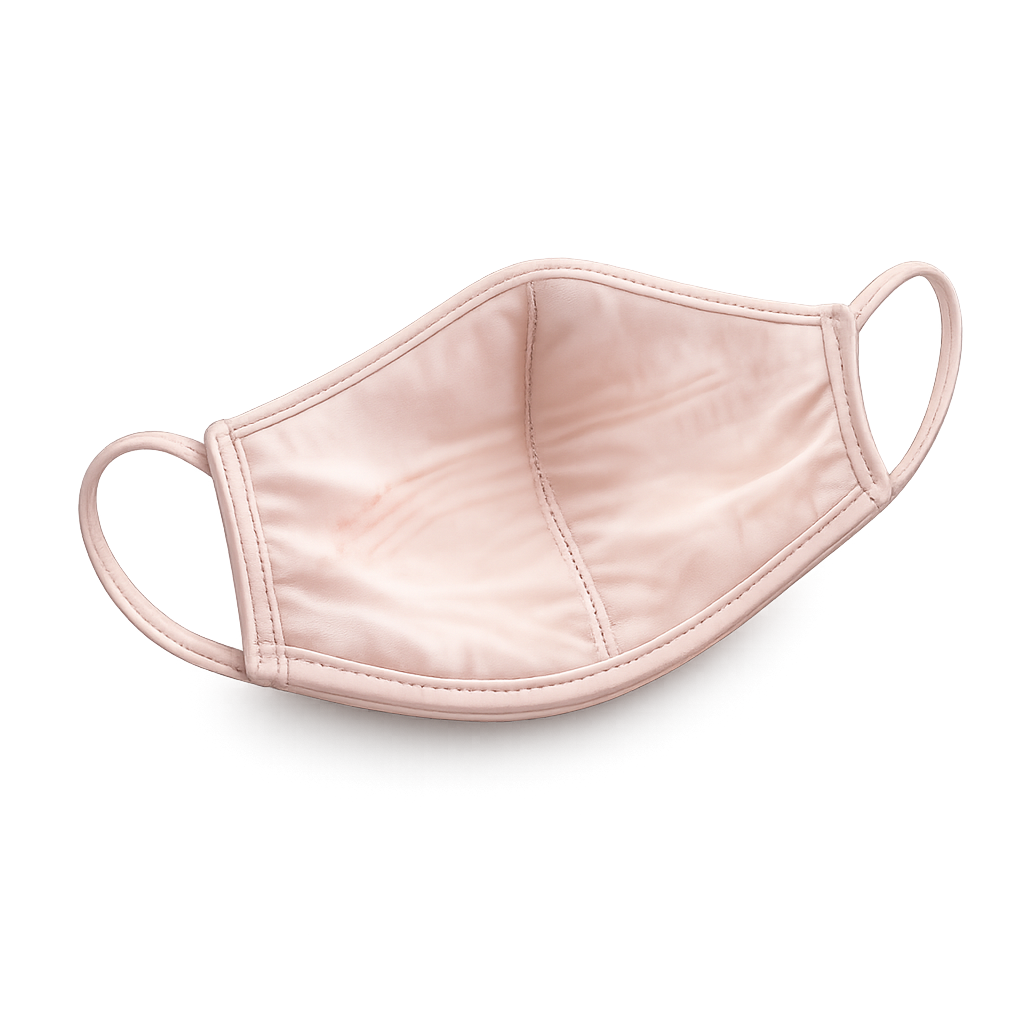 Friction from Masks, Helmets, Hats or Tight Clothing
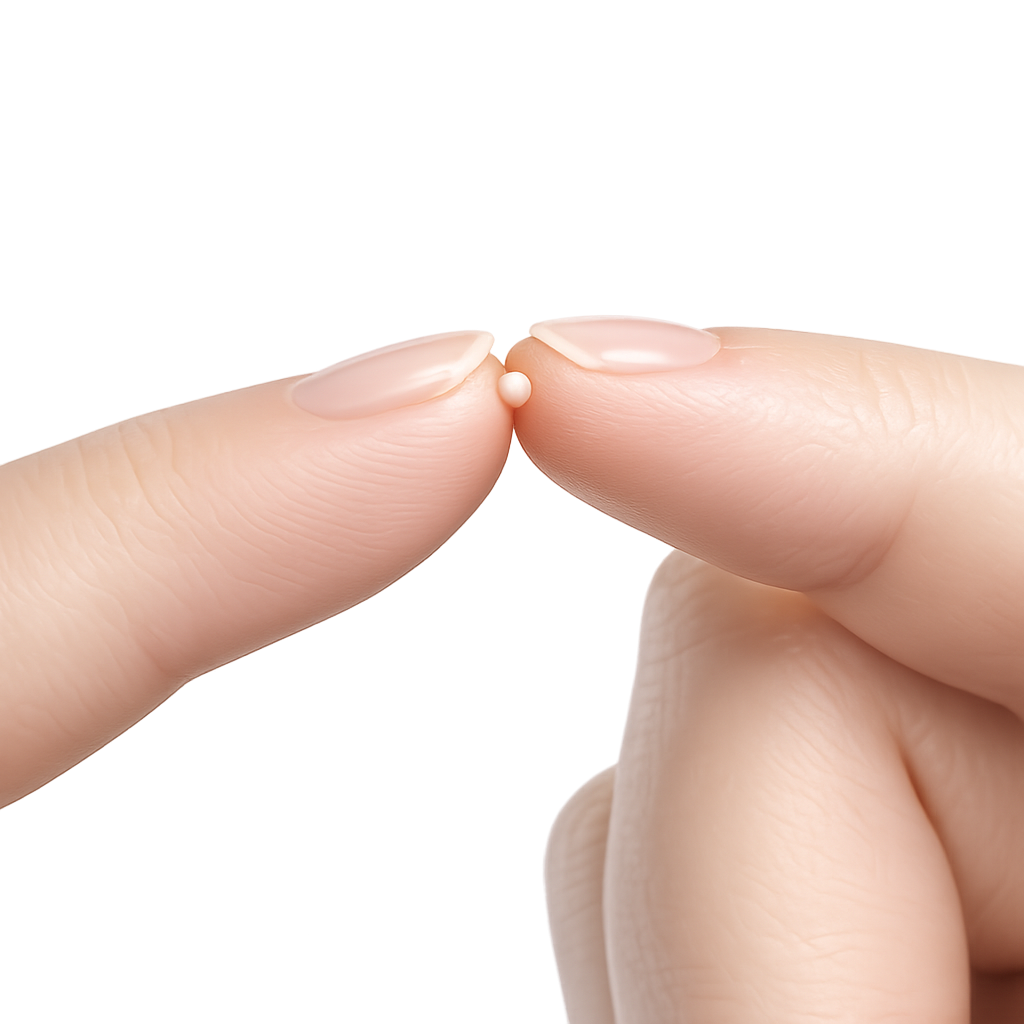 Picking or Squeezing the Bumps
 Hormonal Fluctuations
Closed comedones most commonly develop in areas where sebaceous glands are more active. They can appear on both the face and body, especially in places that naturally produce more oil.
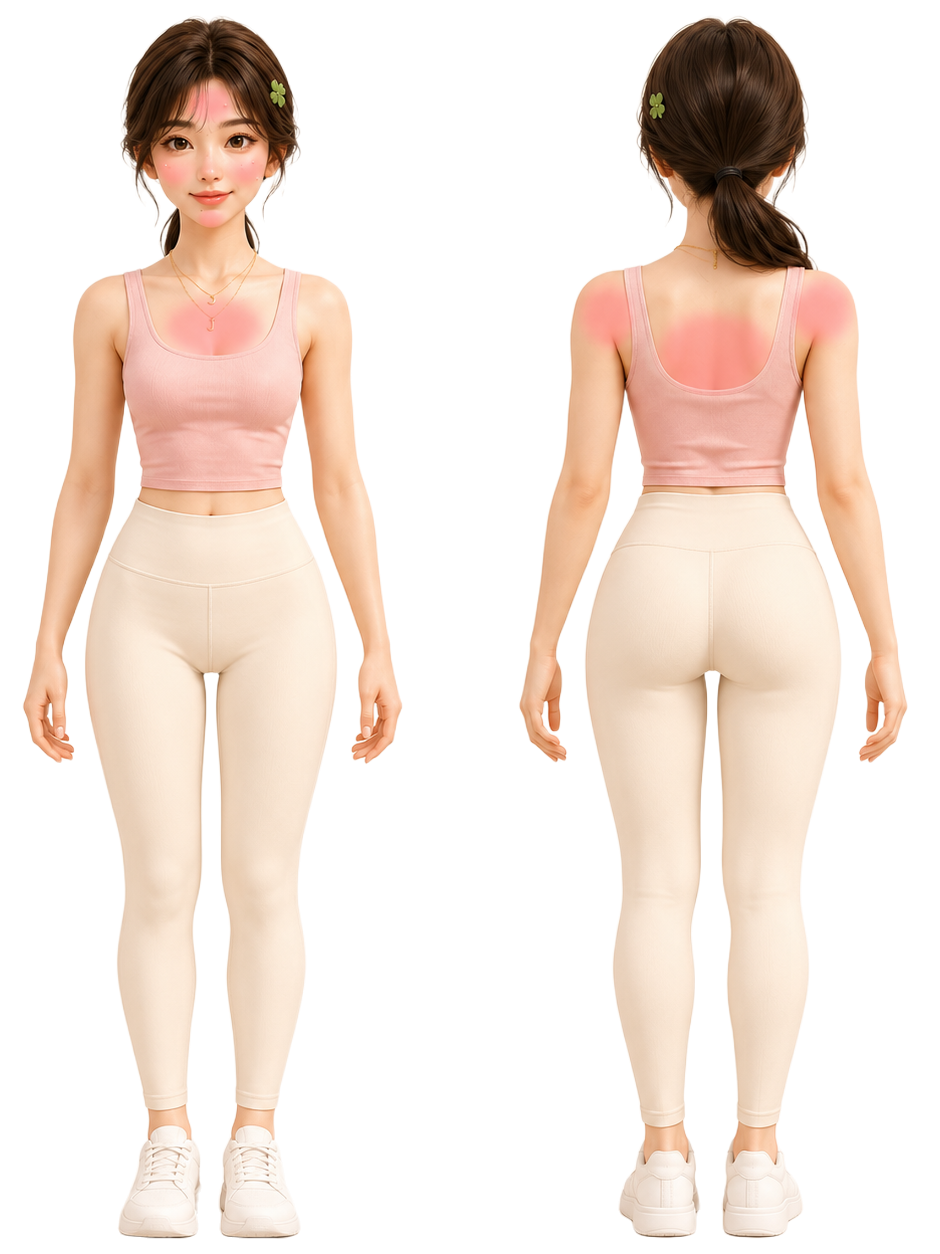

Forehead, cheeks, chin, jawline, and around the nose are the most common facial areas where closed comedones develop.
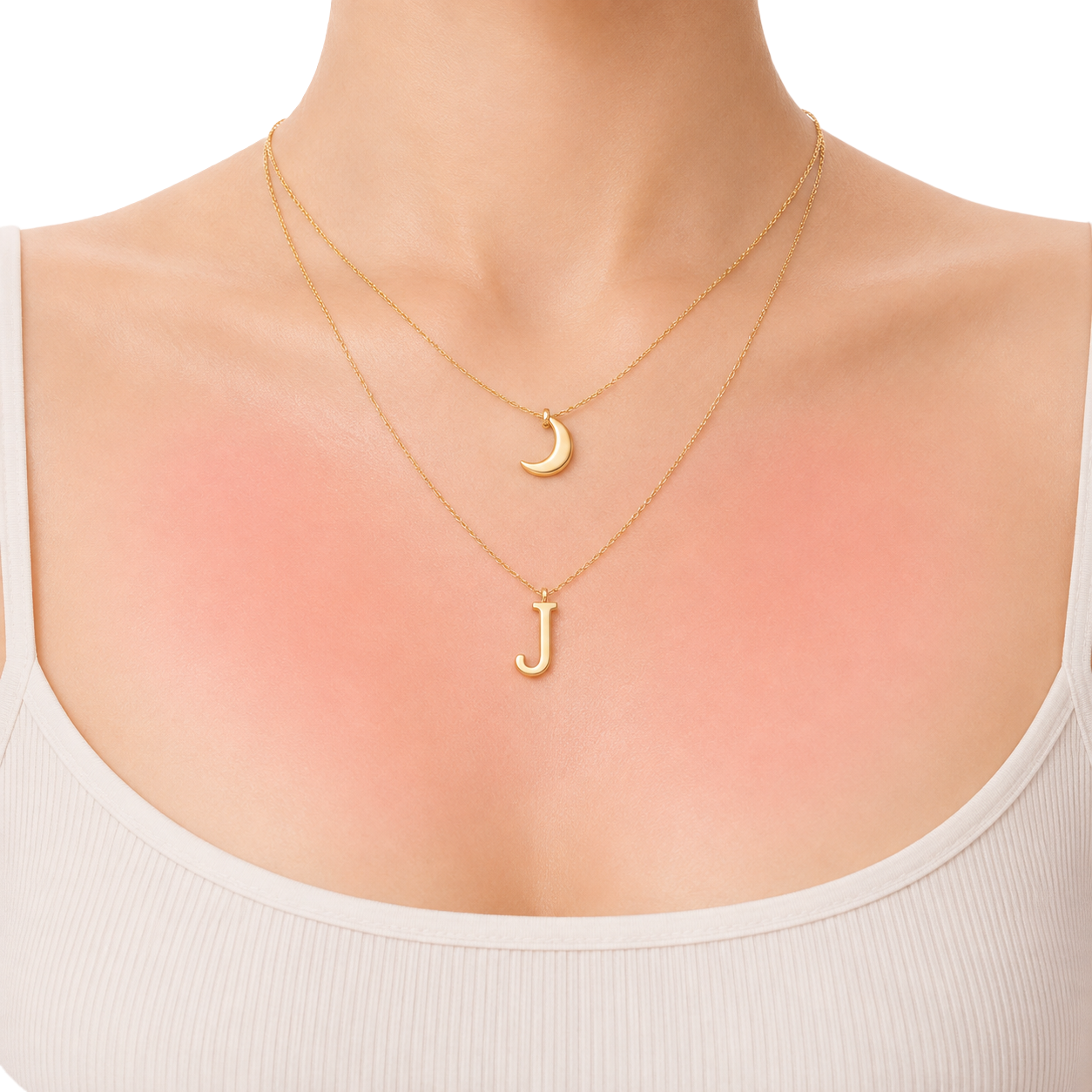
The chest contains numerous sebaceous glands, making it another common area for clogged pores.
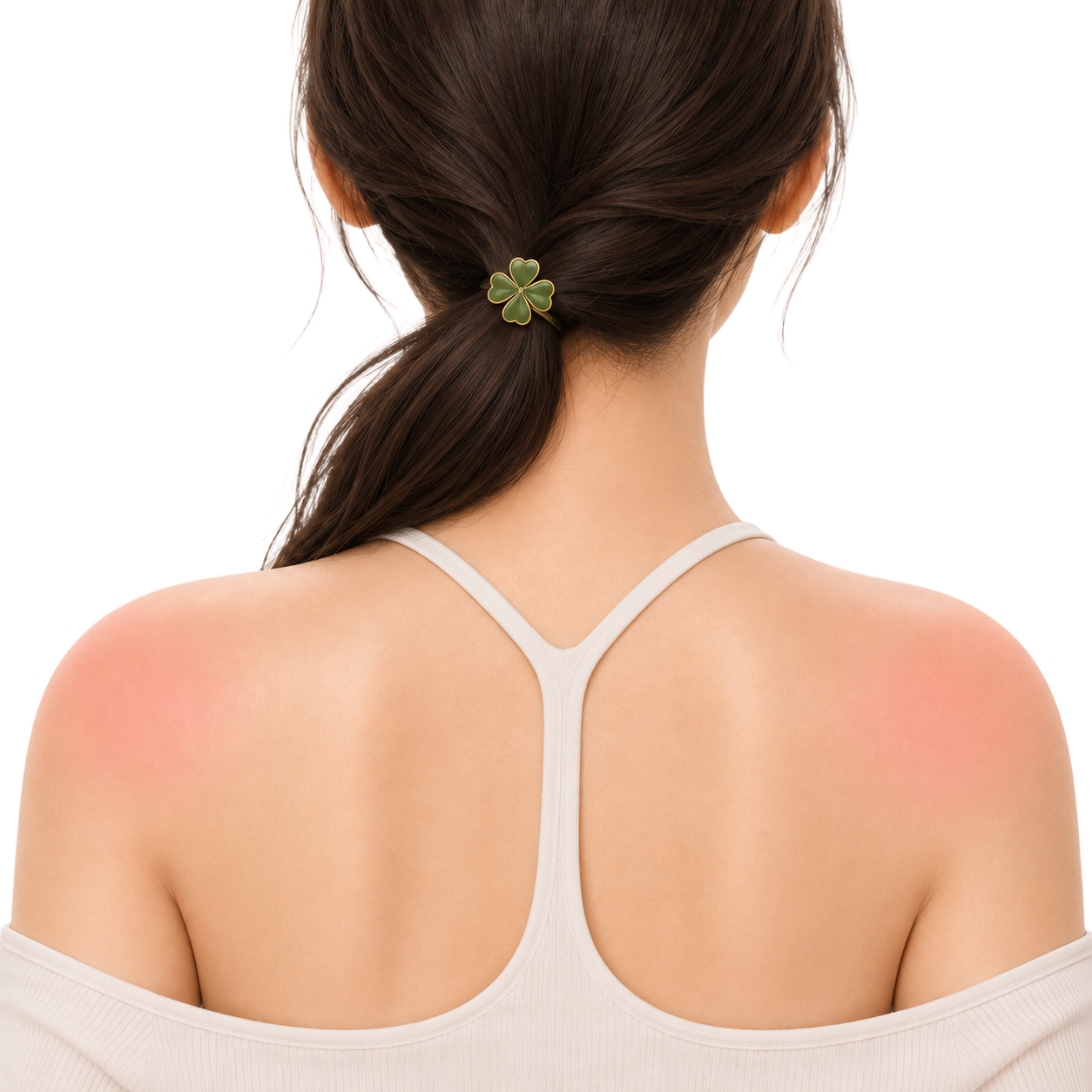
Sweat, friction, and excess oil production may contribute to whiteheads on the shoulders.

The upper back is another oil-rich area where closed comedones commonly occur.
Although both are types of comedones, they look different because one pore remains closed while the other stays open.
| Closed Comedones | Blackheads |
|---|---|
| Pore opening is closed | Pore opening is open |
| White or flesh-colored | Black or dark brown |
| Trapped beneath the skin | Exposed to air |
| Does not oxidize | Oxidizes and turns dark |
| Smooth raised bump | Flat or slightly raised dark plug |
The dark color of a blackhead is caused by oxidation—not dirt.
Closed comedones are considered non-inflammatory acne lesions, but they can become inflamed if bacteria multiply within the blocked follicle and the immune system responds.
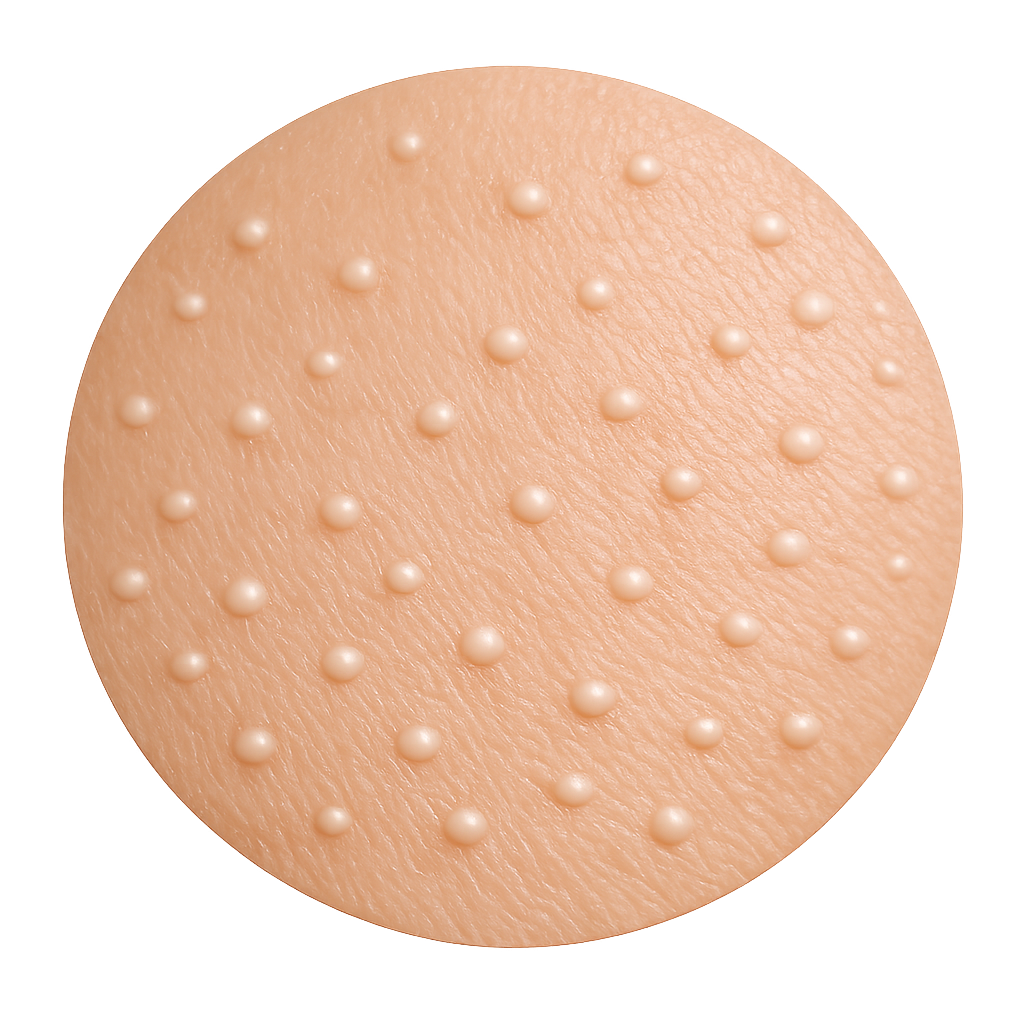
The pore remains blocked beneath the skin without noticeable inflammation.
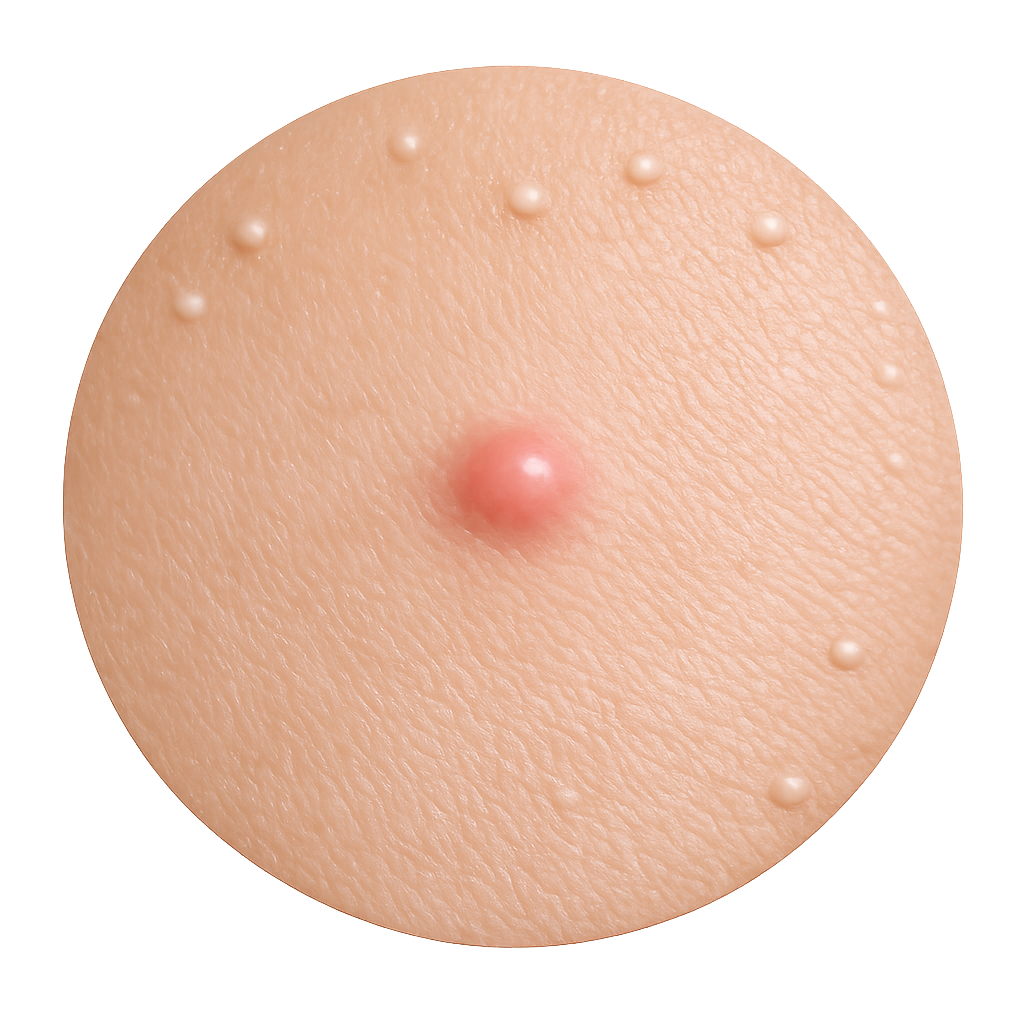
If inflammation develops, the blocked pore may become red, swollen, and tender.
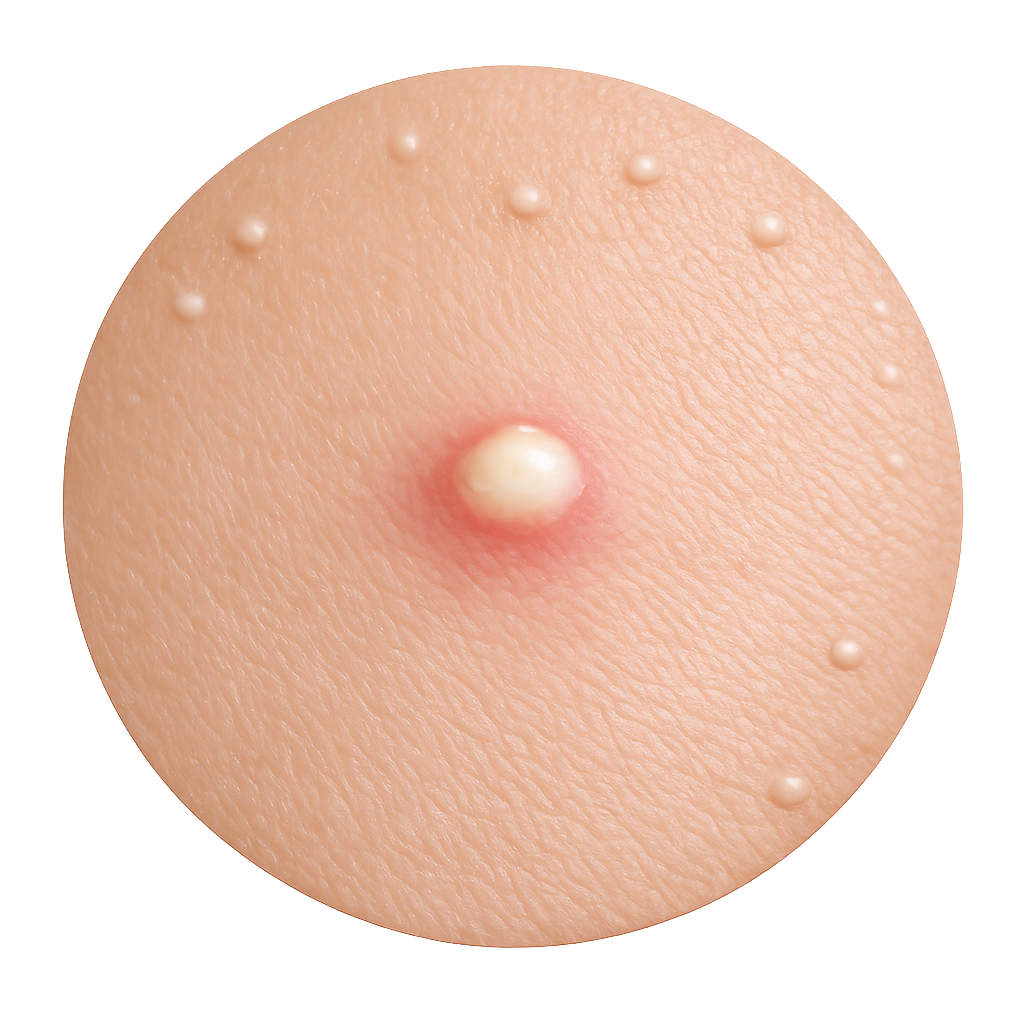
As inflammation increases, a visible white or yellow pus-filled center may develop.
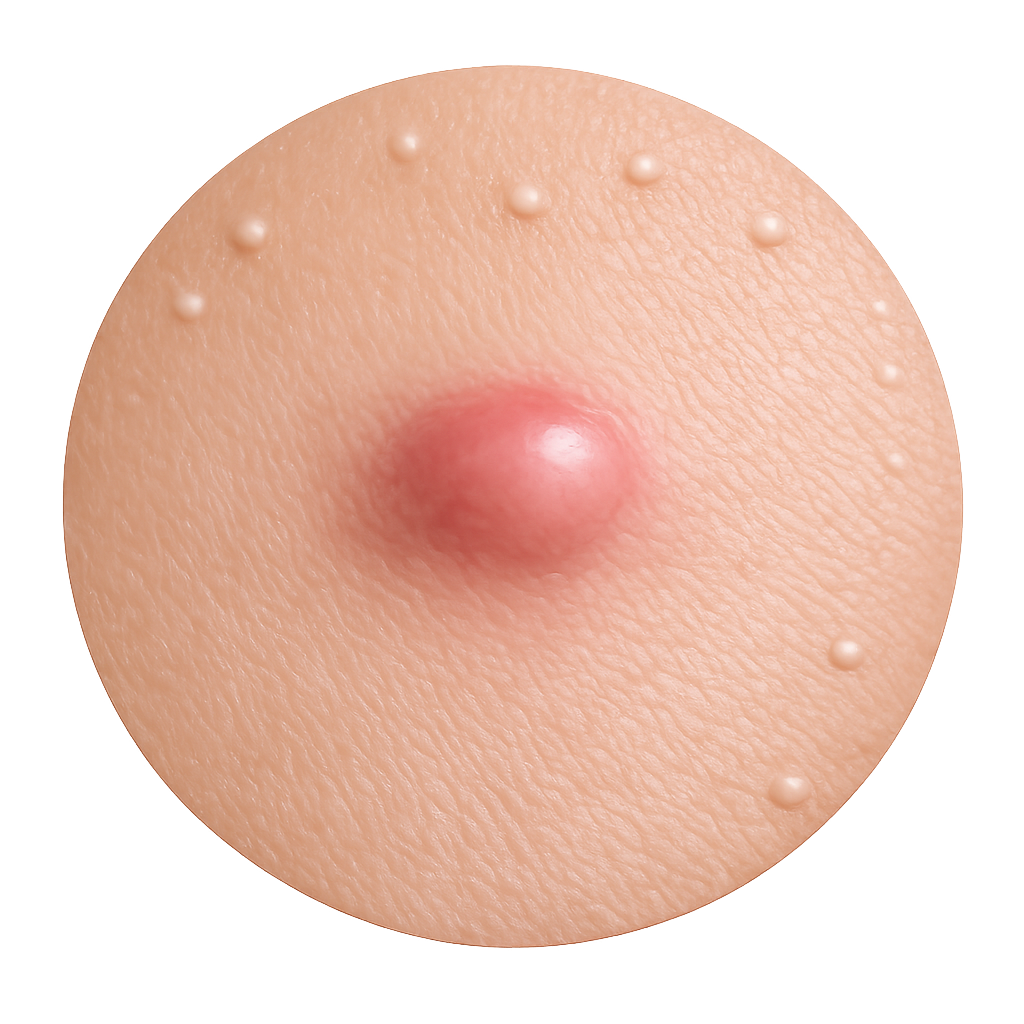
In some cases, inflammation can extend deeper into the skin and form a painful nodule.
Certain skincare ingredients can help reduce clogged pores, improve skin cell turnover, regulate oil production, and lower the risk of developing new closed comedones.
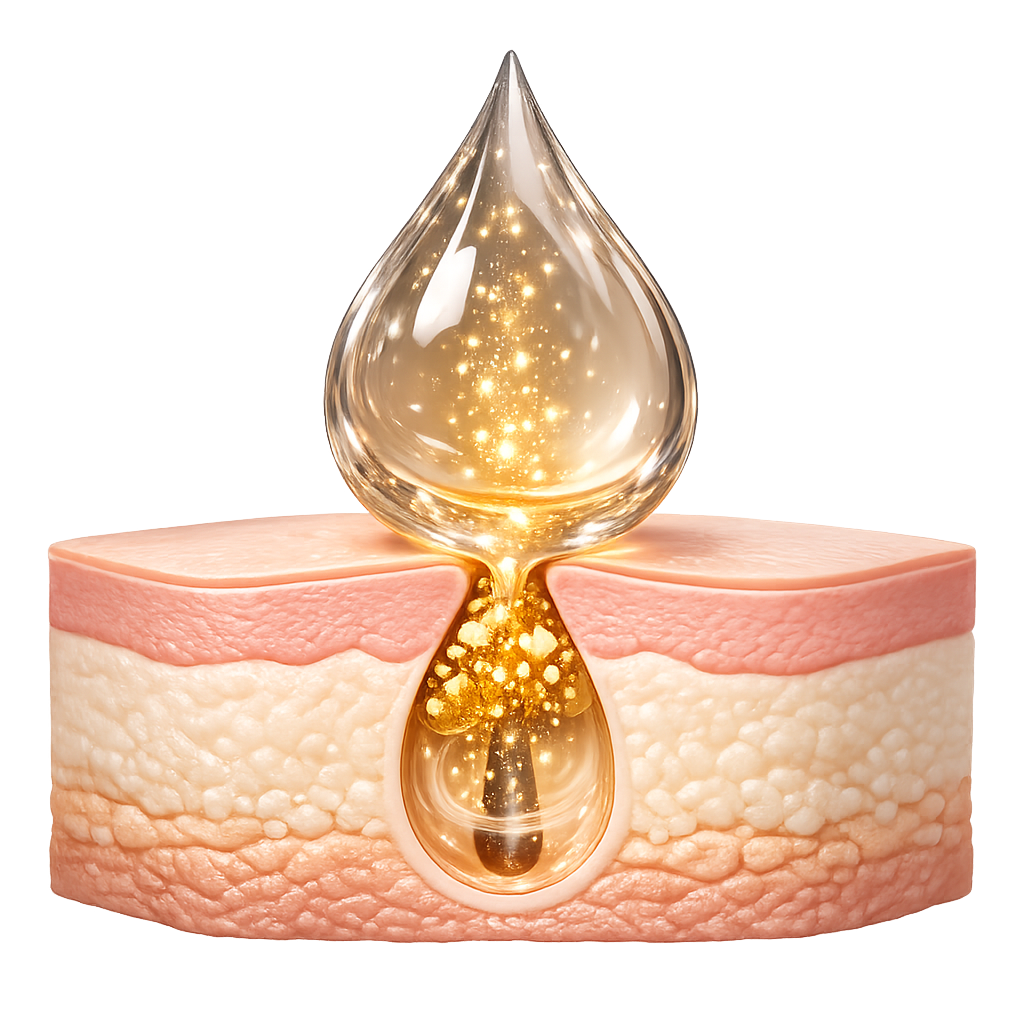
Helps exfoliate inside the pore and remove excess oil and dead skin cells.
Oily, combination, and acne-prone skin.
Penetrates into the pore to dissolve oil buildup, helping keep follicles clear and reducing future clogged pores.
While closed comedones cannot always be completely prevented, following a consistent skincare routine can help reduce clogged pores and lower the chance of new whiteheads developing.
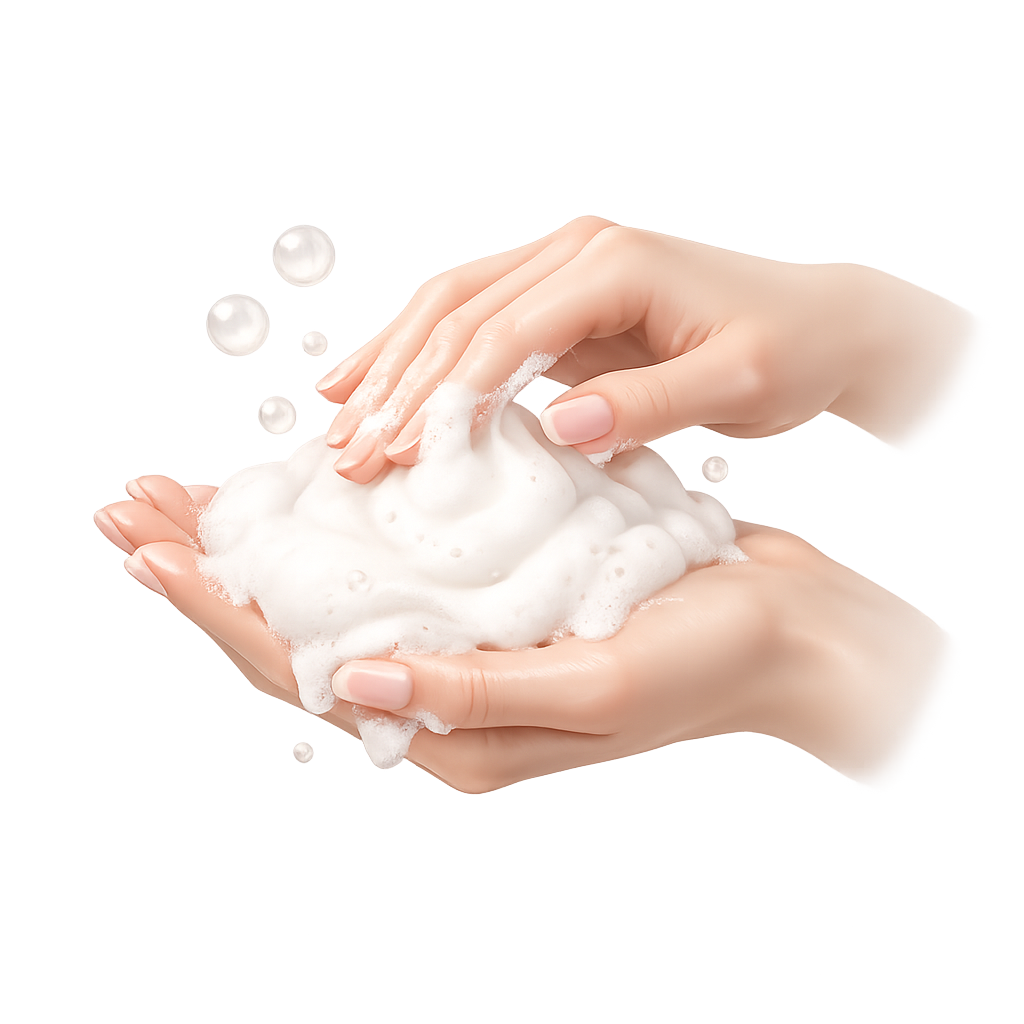
Wash your face twice daily using a gentle cleanser that removes excess oil without damaging the skin barrier.
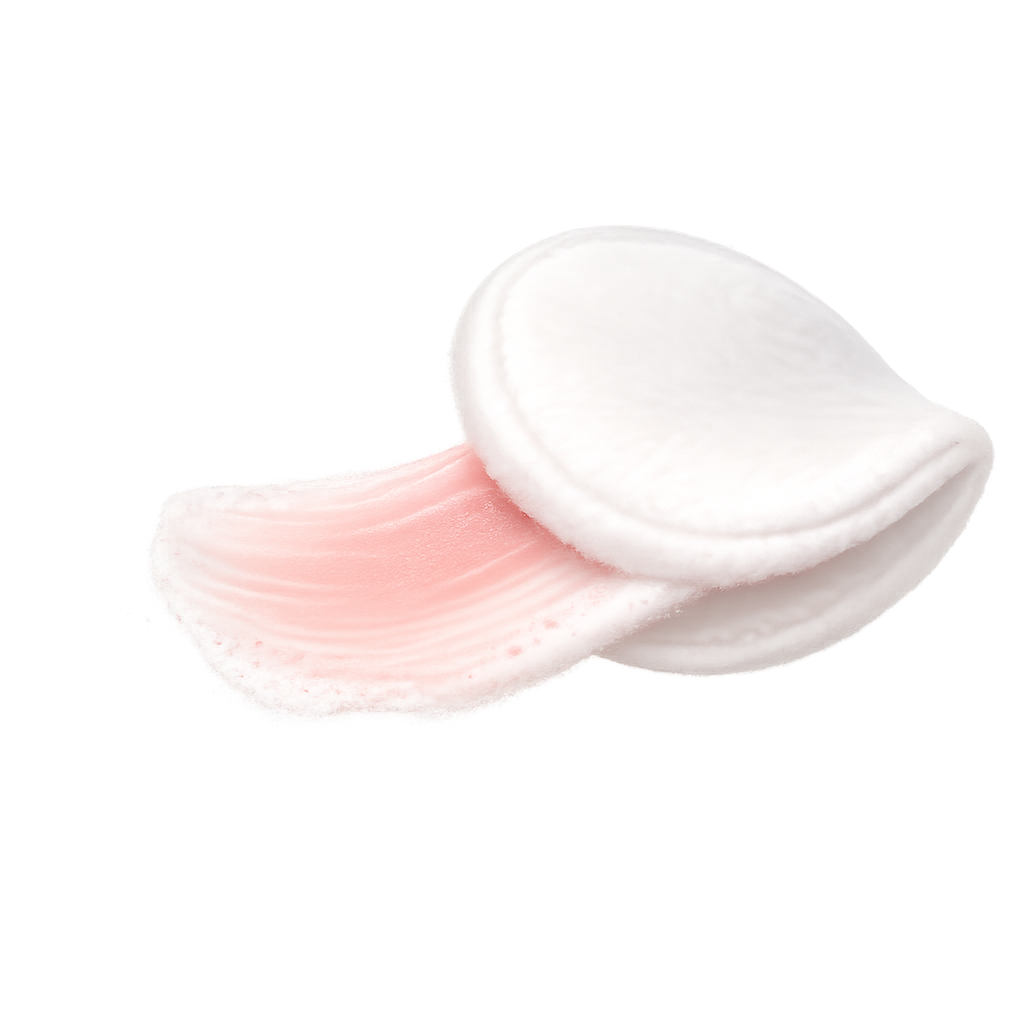
Always remove sunscreen and makeup completely before going to bed to prevent clogged pores.
Look for skincare and makeup labeled non-comedogenic to reduce the risk of pore blockage.
Keeping the skin barrier healthy helps maintain balanced skin and supports normal skin renewal.
Ingredients like salicylic acid can help keep pores clear, but they should be introduced slowly.
Aggressive scrubbing may irritate the skin and damage the skin barrier instead of improving acne.
Squeezing closed comedones may increase inflammation and raise the risk of post-acne marks or scarring.
Daily sun protection helps maintain healthy skin and reduces the risk of post-acne discoloration.
There are many misconceptions about closed comedones. Understanding the facts can help you avoid habits that may worsen your skin.
Closed comedones are caused by dirty skin.
Closed comedones develop when pores become clogged with oil and dead skin cells—not because the skin is dirty.
Scrubbing harder will remove whiteheads.
Harsh scrubbing can damage the skin barrier and may make acne worse.
Every whitehead should be squeezed.
Picking or squeezing closed comedones can increase inflammation, delay healing, and raise the risk of scarring.
Only people with oily skin get closed comedones.
Closed comedones can occur in any skin type, although they are more common in oily and combination skin.
Closed comedones disappear on their own quickly.
Without appropriate skincare, they may persist for weeks or months. Consistent treatment and gentle skincare are often needed to improve them.

Closed comedones can be stubborn because the blockage sits beneath the skin's surface. Avoid trying to squeeze them, as this can damage the surrounding skin and increase the risk of inflammation or scarring. A simple routine with gentle cleansing, non-comedogenic products, and ingredients like salicylic acid or adapalene can gradually help keep pores clear. Remember, consistency is more important than using multiple strong products at once.
— Mimii ♡